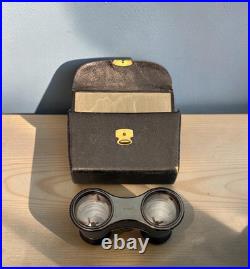
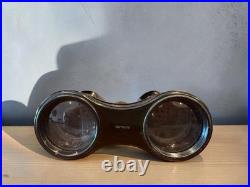
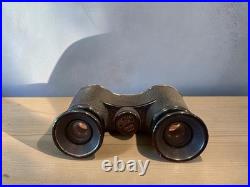
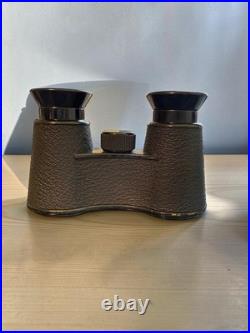
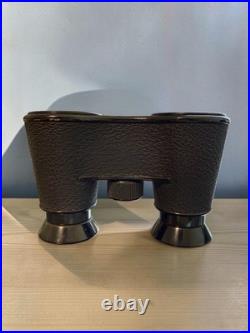
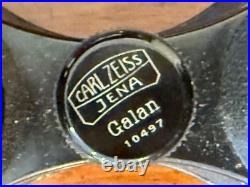
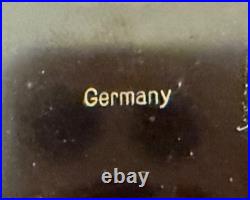
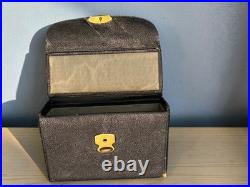
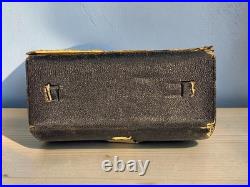
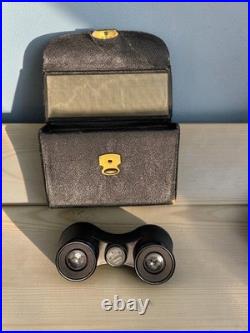
A refined example of early 20th-century optical craftsmanship, these antique Galilean opera glasses were produced by Carl Zeiss Jena between 1924 and 1934, representing a period when German engineering set the global standard for precision optics. Compact and elegantly designed, these field glasses reflect the classic Galilean optical system-valued for its simplicity, clarity, and portability. Originally intended for theatergoing and light field use, they embody both function and sophistication from a bygone era. Crafted in Germany by the renowned Carl Zeiss Jena, this piece carries both historical and collector significance, offering a tangible connection to interwar European design and innovation. Antique Carl Zeiss Jena opera glasses. Made in Germany (Jena). Compact, lightweight field glasses. Optics: (update-clear / minor haze / spotting). Focus: (confirm smooth operation). Exterior shows age-appropriate wear. Case present with vintage patina. Early Zeiss production period (interwar era). Galilean system typical of theater/opera use. Strong crossover appeal: optics + decorative display. Increasingly sought after by collectors of scientific instruments. Theater or opera enthusiasts. Library or study décor. These opera glasses are more than a viewing instrument-they are a preserved piece of early 20th-century craftsmanship, reflecting a time when even the smallest objects were built with precision and purpose. Please review the photos carefully as they are part of the description. Price is reflective of condition, age, and market availability. Extra care will be taken to ensure safety during transit.
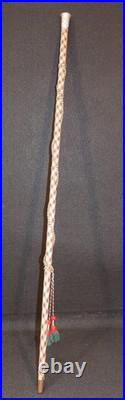
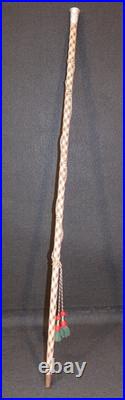
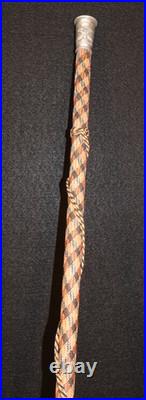
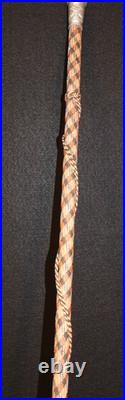
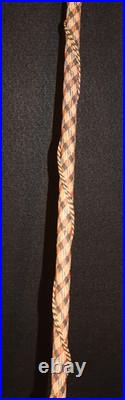
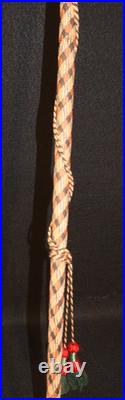
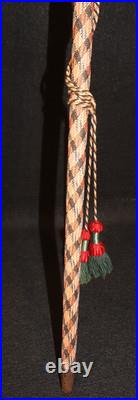
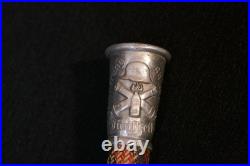
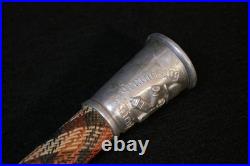
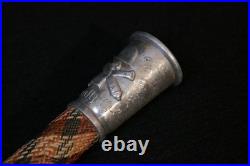
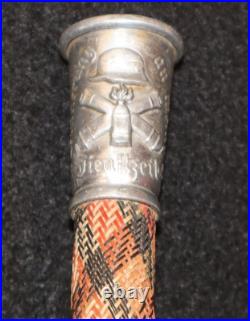
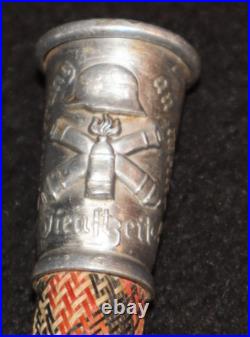
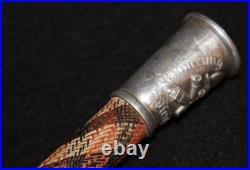
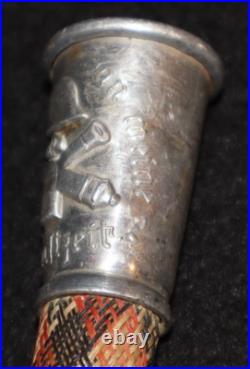
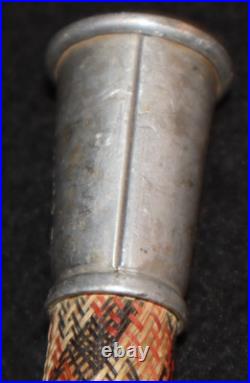
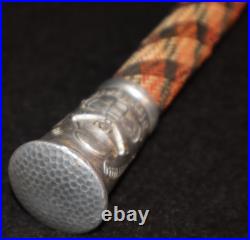
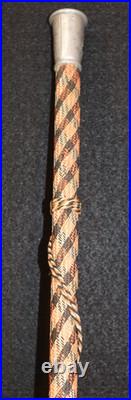
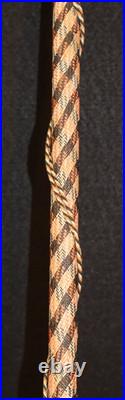
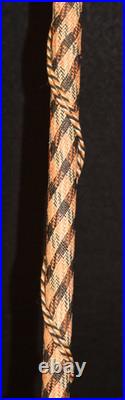
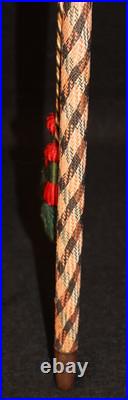
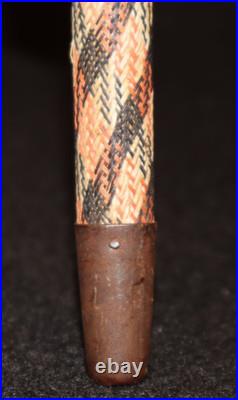
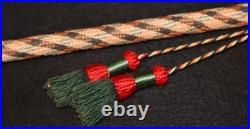
WWI Imperial German Prussian Army Artillery Veterans Parade Marching Stick. WWI Imperial German Prussian Army Artillery Veterans Parade Marching Stick, Measures 37 1/4 Inches Overall, Mint Condition. As Photographed with wear and age as seen (please see photos for condition). A Great Candidate for any Collection, War Room, or Display. Recent Estate Collection Acquisition & Presented as Acquired. Check back often – we search estates and sources across the world to bring a fine selection of militaria. Please review all photos for details regarding the condition of the item listed – further condition information will be included in the listing as is relevant, if you need additional photographs or have questions regarding the condition please do not hesitate to ask. I describe all items to the best of my ability – please do not hesitate to ask any and all questions prior to the close of the listing. Mistakes very rarely occur – however if one does please rest assured that it will be corrected. International Buyers are Welcome!
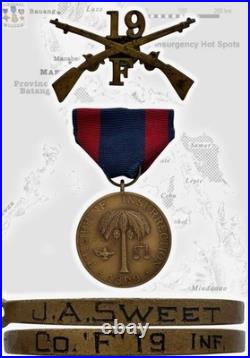
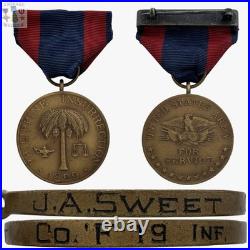
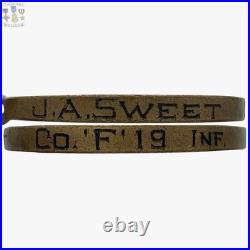
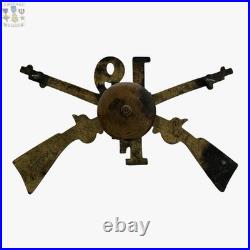
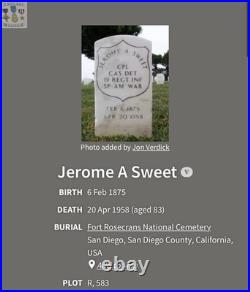
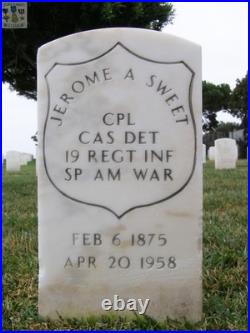
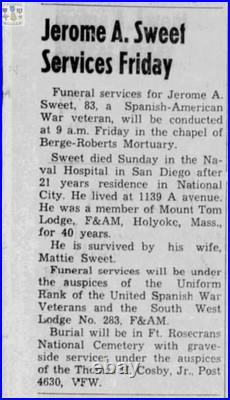
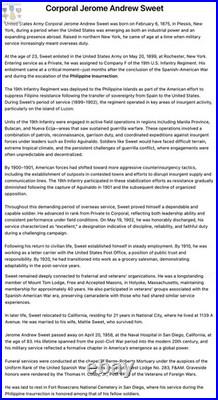
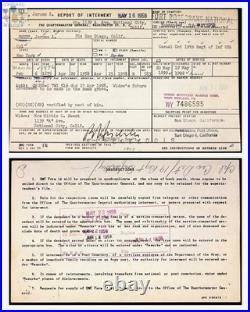
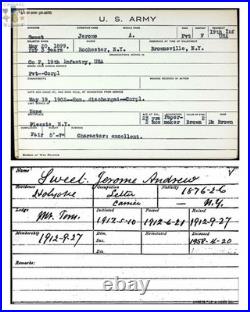
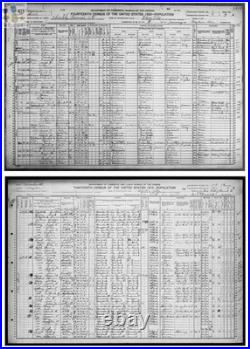
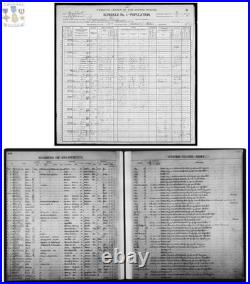
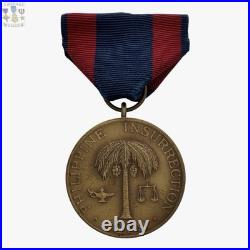
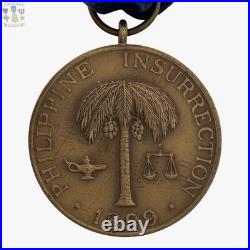
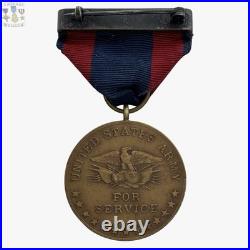
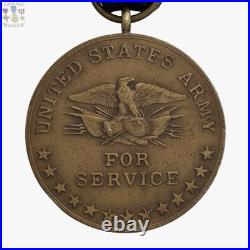
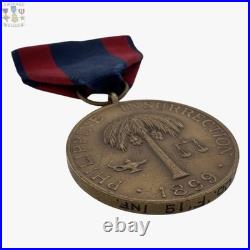
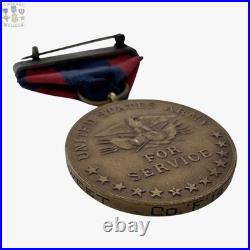
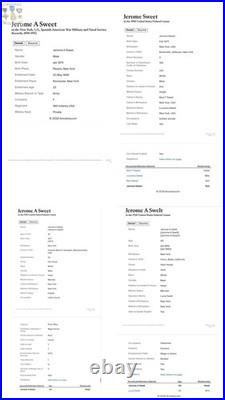
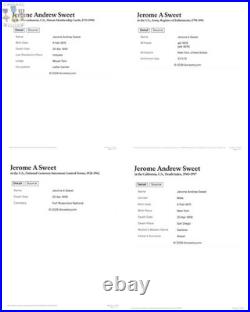
United States Army Corporal Jerome Andrew Sweet was born on February 6, 1875, in Plessis, New York, during a period when the United States was emerging as both an industrial power and an expanding presence abroad. Raised in northern New York, he came of age at a time when military service increasingly meant overseas duty. At the age of 23, Sweet enlisted in the United States Army on May 20, 1899, at Rochester, New York. Entering service as a Private, he was assigned to Company F of the 19th U. His enlistment came at a critical moment-just months after the conclusion of the Spanish-American War and during the escalation of the Philippine Insurrection. The 19th Infantry Regiment was deployed to the Philippine Islands as part of the American effort to suppress Filipino resistance following the transfer of sovereignty from Spain to the United States. Units of the 19th Infantry were engaged in active field operations in regions including Manila Province, Bulacan, and Nueva Ecija-areas that saw sustained guerrilla warfare. These operations involved a combination of patrols, reconnaissance, garrison duty, and coordinated expeditions against insurgent forces under leaders such as Emilio Aguinaldo. Soldiers like Sweet would have faced difficult terrain, extreme tropical climate, and the persistent challenges of guerrilla conflict, where engagements were often unpredictable and decentralized. The 19th Infantry participated in these stabilization efforts as resistance gradually diminished following the capture of Aguinaldo in 1901 and the subsequent decline of organized opposition. Throughout this demanding period of overseas service, Sweet proved himself a dependable and capable soldier. He advanced in rank from Private to Corporal, reflecting both leadership ability and consistent performance under field conditions. On May 19, 1902, he was honorably discharged, his service characterized as “excellent, ” a designation indicative of discipline, reliability, and faithful duty during a challenging campaign. Following his return to civilian life, Sweet established himself in steady employment. By 1910, he was working as a letter carrier with the United States Post Office, a position of public trust and responsibility. By 1920, he had transitioned into work as a grocery salesman, demonstrating adaptability in the post-service years. Sweet remained deeply connected to fraternal and veterans’ organizations. He was a longstanding member of Mount Tom Lodge, Free and Accepted Masons, in Holyoke, Massachusetts, maintaining membership for approximately 40 years. He also participated in veterans’ groups associated with the Spanish-American War era, preserving camaraderie with those who had shared similar service experiences. In later life, Sweet relocated to California, residing for 21 years in National City, where he lived at 1139 A Avenue. He was married to his wife, Mattie Sweet, who survived him. Jerome Andrew Sweet passed away on April 20, 1958, at the Naval Hospital in San Diego, California, at the age of 83. His lifetime spanned from the post-Civil War period into the modern 20th century, and his military service reflected a formative chapter in America’s emergence as a global power. Funeral services were conducted at the chapel of Berge-Roberts Mortuary under the auspices of the Uniform Rank of the United Spanish War Veterans and South West Lodge No. Graveside honors were rendered by the Thomas H. Post 4630 of the Veterans of Foreign Wars. He was laid to rest in Fort Rosecrans National Cemetery in San Diego, where his service during the Philippine Insurrection is honored among that of his fellow soldiers. I will include 21 full size color printed copies of the research presented. UNITED STATES ARMY SPANISH AMERICAN WAR PHILIPPINE INSURRECTION CAMPAIGN MEDAL W/ FULL WRAP BROOCH. STUDLEY, PRODUCED BY DAVIDSON OF PHILADELPHIA. SWEET CO’F’ 19 INF. UNITED STATES ARMY SPANISH AMERICAN WAR CO. F 19TH INFANTRY CAP BADGE. Please let me know if there’s anything else I can do for you!
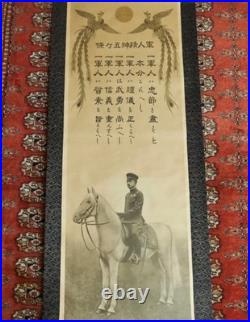
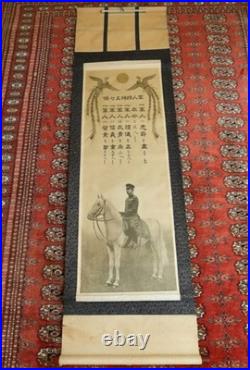
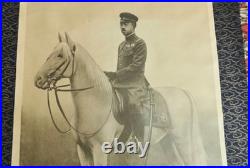
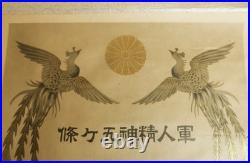
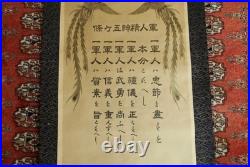
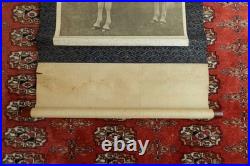
This is an original prewar Japanese hanging scroll featuring. Emperor Hirohito (Emperor Showa). Five Principles of Military Spirit (Gunjin Seishin Gokajo). One of the moral foundations taught to soldiers of the Imperial Japanese Army. At the top of the composition are the Imperial Chrysanthemum Crest and a pair of phoenixes, symbols traditionally associated with the Imperial House of Japan. Beneath them appears the. Five Principles of Military Spirit. Which instructed soldiers to uphold. Loyalty to the Emperor. Proper conduct and courtesy. These principles reflected the ethical code expected of Japanese servicemen during the prewar period and formed an important part of military education. The lower portion of the scroll depicts. Emperor Hirohito on horseback in military uniform. From his accession to the throne in 1926 until the end of World War II in 1945, Emperor Hirohito served as Japan’s sovereign and was constitutionally recognized as the. Supreme Commander of the Imperial Japanese Army and Navy. For this reason, his portrait was widely displayed in military facilities, schools, and government institutions as a symbol of national unity, discipline, and loyalty. The Emperor is portrayed as a relatively young man in this artwork. Based on the style of the portrait and the overall design, it is likely that this image was originally created during the. Late 1920s or early 1930s. Shortly after his accession. While the exact production date of this scroll cannot be confirmed, it clearly reflects the visual style of early Showa-era military educational materials. Scrolls of this type were displayed in barracks, military schools, youth organizations, and other public institutions to reinforce discipline, patriotism, and the ideals of Bushido among soldiers and young people. Today, this piece serves not only as decorative artwork but also as an important historical document illustrating how military ethics and loyalty to the Emperor were visually communicated in prewar Japan. Imperial Chrysanthemum Crest, phoenixes, the Five Principles of Military Spirit, and a youthful portrait of Emperor Hirohito. This is an impressive display piece for collectors of Imperial Japanese militaria, military education, wartime propaganda, and modern Japanese history. The scroll shows expected age-related wear, including minor foxing, discoloration, and light stains, but remains in overall good condition for its age. Please examine all photographs carefully before purchasing. Own a Piece of History. International Buyers – Please Note. Thank you for your understanding.
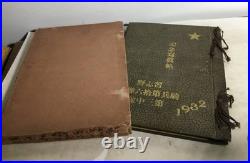
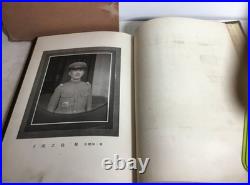
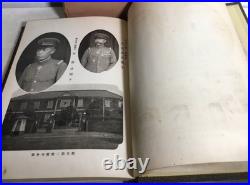
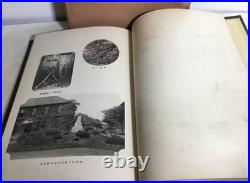
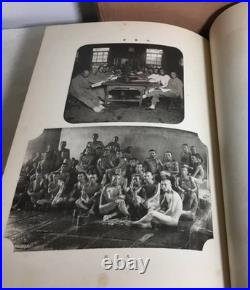
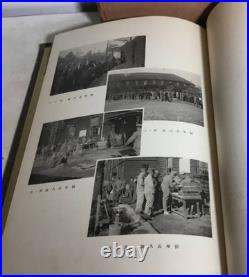
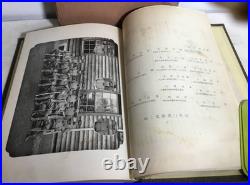
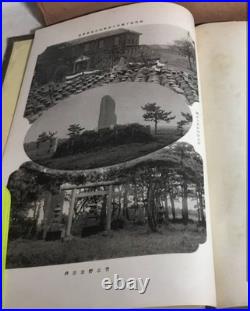
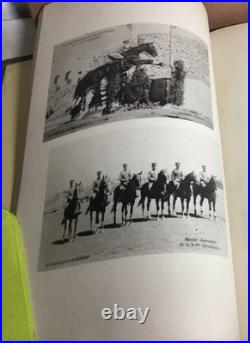
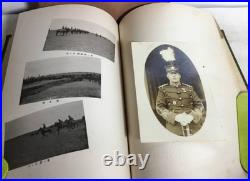
Cover Inscription (faithful reading). Imperial Japanese Army Cavalry 16th Regiment, 3rd Company, Narashino. ? What was the Narashino Cavalry 16th Regiment? One of the Imperial Japanese Army’s cavalry regiments, stationed in Narashino, Chiba Prefecture. Cavalry was considered an elite branch in the modern Army, tasked with reconnaissance, charges, and communications. This album is a commemorative photographic record of the 16th Regiment, 3rd Company, featuring their barracks, training exercises, officers’ portraits, and scenes of soldiers’ daily life. Produced by Kobayashi Photo Studio / Sankosha in a deluxe format. Showa 7 (1932), immediately after the Manchurian Incident (1931-32), when Japan was intensifying its military expansion into mainland China. This site was the Army’s central cavalry base after the Russo-Japanese War, and later became the birthplace of Japan’s paratroop units. To preserve the memory and pride of the unit. For soldiers and their families, such albums served as proof of service and a personal military chronicle. Professionally photographed, printed, and bound in a heavy commemorative album format – clearly intended as an official record and keepsake. ?? Historical Context (1932). 1931: The Manchurian Incident breaks out; Japan occupies northeast China. 1932: Founding of Manchukuo, rising militarism within Japan. Narashino cavalry units intensify training for possible continental deployment. This album is thus a direct product of Japan’s shift into its prewar military buildup. ? Collector’s Appeal. Primary source value: Provides a vivid record of military life, training, commanding officers, and regimental facilities. Rarity: Japanese cavalry was soon replaced by tanks and mechanized units, and the branch itself was abolished after WWII. Surviving photo albums are scarce. Historical importance: An artifact directly tied to Japan’s interwar military expansion following the Manchurian Incident. Artistic value: Clear professional photography, original binding, and preserved storage case. Highly collectible for militaria and Japanese pre-WWII history enthusiasts. International Buyers – Please Note. Thank you for your understanding.
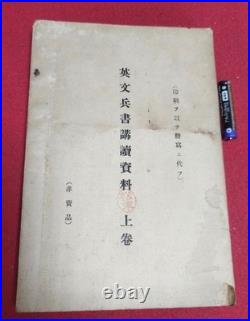
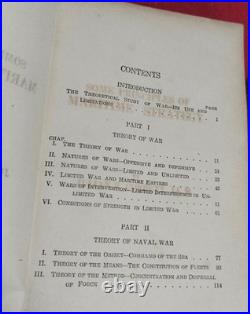
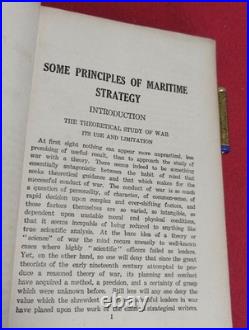
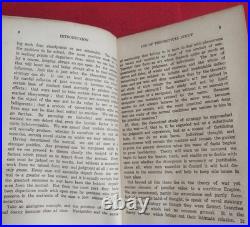
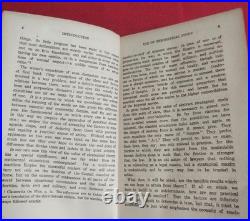
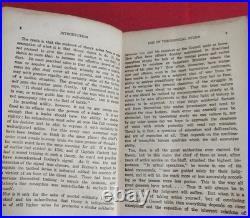
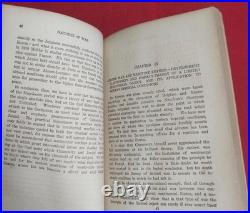
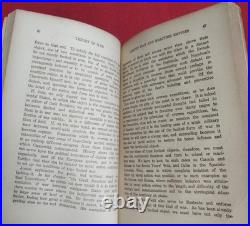
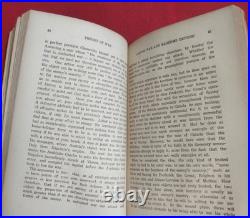
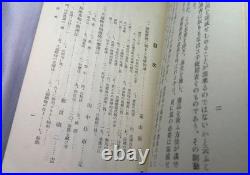
Imperial Japanese Military English Study Manual. Some Principles of Maritime Strategy. Prewar Non-Retail Educational Edition. This is a prewar Japanese military study manual containing the original English text of. Sir Julian Corbett’s influential work, Some Principles of Maritime Strategy. The cover is titled. “English Military Text Reading Materials – Upper Volume”. This indicates that it was not produced as an ordinary commercial book, but as an educational or institutional reference for the study of Western military theory. The text discusses major subjects including. The theory and nature of war. Limited and unlimited warfare. Command of the sea. Naval warfare and fleet strategy. The concentration and dispersal of naval forces. Corbett was one of Britain’s most important naval strategists. Unlike a simple English-language textbook, this volume shows how prewar Japanese military personnel studied Western strategic thought directly from its original English text. That is the real historical appeal of this item: it preserves evidence of the intellectual and educational side of the Imperial Japanese military-the study of foreign powers, their theories, and their methods of war. The surviving volume contains approximately. Only the upper volume is included. There is age-related discoloration, staining, wear, and a small tear near the lower edge of the rear cover. Please examine the photographs carefully for the condition and contents. A fascinating historical document for collectors of Imperial Japanese Navy material, naval strategy, military education, and prewar Japanese military publications. Own a Piece of History. International Buyers – Please Note. Thank you for your understanding.
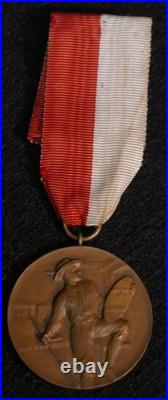
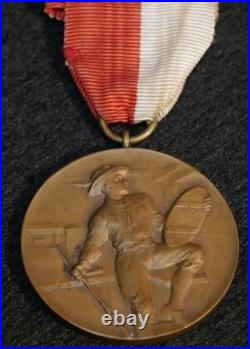
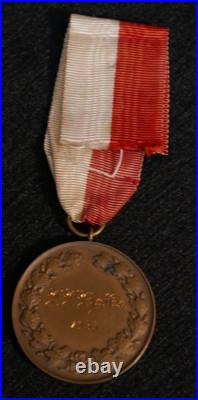
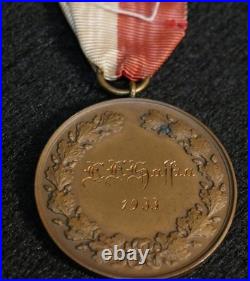
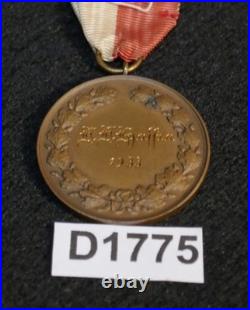
Original 1933 Unknown Weimar German Award Medal Named Inscribed Shooter Hunter. As Photographed with wear and age as seen (please see photos for condition). A Great Candidate for any Collection, War Room, or Display. Recent Estate Collection Acquisition & Presented as Acquired. Check back often – we search estates and sources across the world to bring a fine selection of militaria. Please review all photos for details regarding the condition of the item listed – further condition information will be included in the listing as is relevant, if you need additional photographs or have questions regarding the condition please do not hesitate to ask. I describe all items to the best of my ability – please do not hesitate to ask any and all questions prior to the close of the listing. Mistakes very rarely occur – however if one does please rest assured that it will be corrected. International Buyers are Welcome!
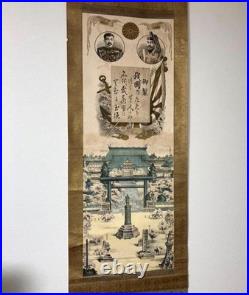
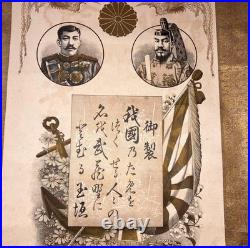
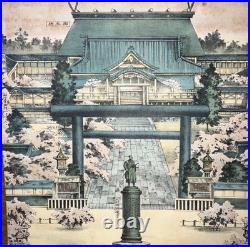
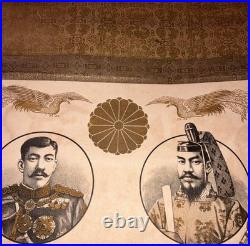
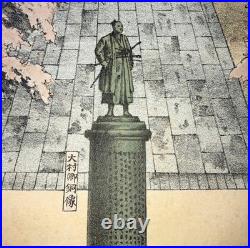
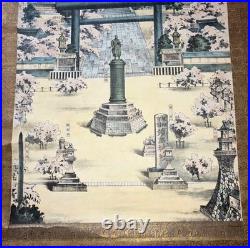
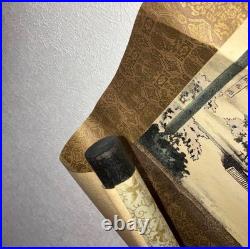
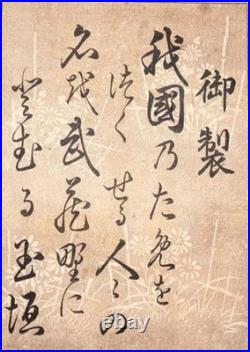
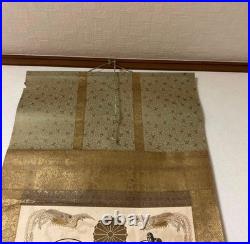
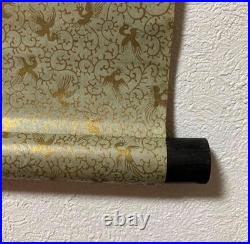
This hanging scroll is a pre-World War II Japanese historical artwork that visually explains how modern Japan understood state authority, military reform, and national remembrance. Rather than depicting combat, this piece presents the ideological framework behind war memory, making it a valuable primary visual document from early 20th-century Japan. Upper Section: Supreme Authority of the State. At the top are portraits of. During this period, the emperor was not only a monarch but the symbolic center of political and moral authority. Because Emperor Taisho is depicted, this scroll is believed to have been produced after 1910, most likely in the 1910s. Central Section: Anchor, Rising Sun, and Inscription. The center features a rising sun motif combined with an anchor, symbolizing the state and its military institutions. Above this imagery is a handwritten inscription in a style similar to imperial or commemorative verse, conveying the idea that. Those who sacrificed their lives for the nation must be remembered and honored by future generations. This section represents the ideological core of the scroll. Lower Section: Omura Masujiro Statue and Yasukuni Shrine. The lower portion depicts the bronze statue of. Omura Masujiro is widely regarded as the founder of the modern Japanese army. He introduced Western military systems and played a central role in transforming Japan’s feudal forces into a modern national army during the Meiji Restoration. Behind the statue appears. Including its torii gate and main structures. What Is Yasukuni Shrine? Yasukuni Shrine was established to enshrine those who died in service of the state. In prewar Japan, it functioned as a symbolic space where individual deaths were transformed into national memory, closely linked with state ideology and commemoration. Meaning of the Composition. The scroll follows a deliberate vertical structure. Top: The State (Emperors Meiji & Taisho). Middle: Ideology and symbolism (anchor, rising sun, inscription). Bottom: Military foundation and remembrance (Omura Masujiro & Yasukuni Shrine). This structure visually explains how authority, military reform, and remembrance were connected in pre-war Japan. Age-related toning, stains, and wear consistent with pre-WWII materials. Offered strictly as a historical and cultural artifact. No modern political intent or endorsement implied. International Buyers – Please Note. Thank you for your understanding.
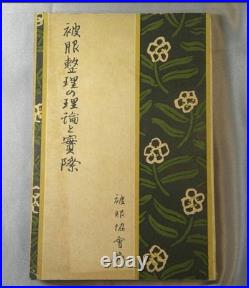
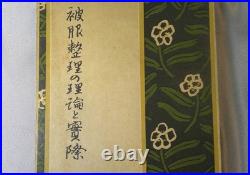
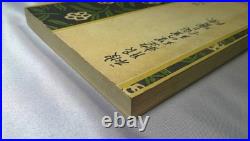
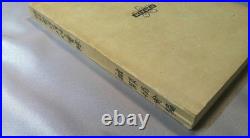
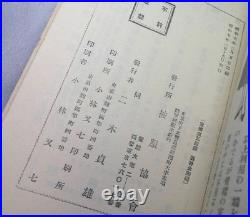
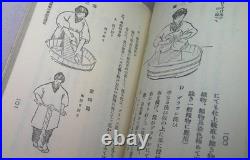
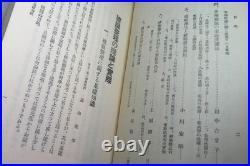
This original book, published in. “Theory and Practice of Clothing Maintenance”. Hifuku Seiri no Riron to Jissai. Rather than being an ordinary housekeeping guide, it was edited and published by the. Clothing Association within the Imperial Japanese Army Clothing Depot (Rikugun Hifuku Honsho). The organization responsible for the manufacture, inspection, repair, and supply of uniforms and textile equipment for the Imperial Japanese Army. It provides a fascinating look into the practical side of military logistics, showing how uniforms were maintained, repaired, cleaned, and preserved long before they reached the battlefield. What was the Army Clothing Depot? The Imperial Japanese Army Clothing Depot was the central organization responsible for producing and supplying military uniforms, boots, blankets, packs, tents, and other textile equipment. Keeping thousands of soldiers properly equipped required far more than manufacturing. Clothing had to be inspected, repaired, cleaned, reused, and stored correctly. This book reflects the technical knowledge developed inside that organization, making it much more than an ordinary laundry handbook. Possibly Intended for Military Families. One particularly interesting aspect is the inclusion of an entire section titled. Household Washing Methods for Various Types of Clothing. The book also contains illustrated instructions covering hand washing, wringing techniques, stain removal, fabric care, dyeing, and clothing repair. Because of this, I believe the book was likely intended not only as a technical reference but also as a practical guide that could be used in ordinary households. That it was written for military families, it is quite possible that its knowledge was meant to be shared with the families of servicemen and others responsible for maintaining military clothing at home. This interpretation fits well with both the contents of the book and the social conditions of Japan during the early 1930s. A Window into Pre-War Japan. Shortly after the Manchurian Incident, this book reflects a period when Japan was rapidly expanding its military presence. Uniforms and equipment represented valuable national resources, and extending their usable life through proper maintenance became increasingly important. Theory of clothing maintenance. Wool and silk garment care. Recycling and reuse of worn clothing. Illustrations demonstrate proper washing, wringing, stain removal, and fabric treatment, making the book both technically informative and visually engaging. Collectors often focus on medals, swords, or uniforms themselves. How those uniforms were actually maintained. Are encountered far less frequently. This volume documents the unseen work behind every military uniform-the people who washed it, repaired it, preserved it, and ensured it remained serviceable. It is an outstanding reference for collectors of Imperial Japanese Army material, military logistics, textile history, conservation, restoration, and pre-war Japanese industrial culture. A fascinating and uncommon primary source that reveals an overlooked side of military history. Own a Piece of History. International Buyers – Please Note. Thank you for your understanding.