
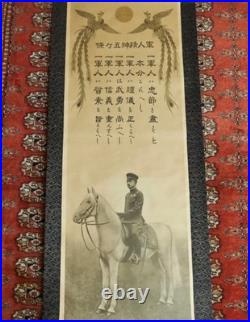
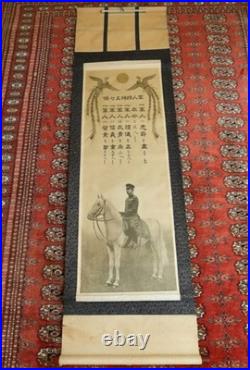
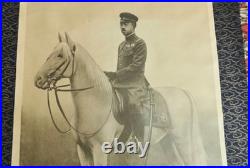
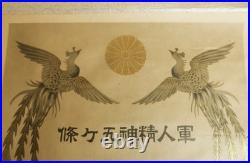
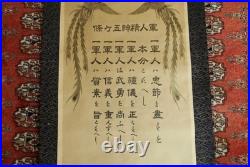
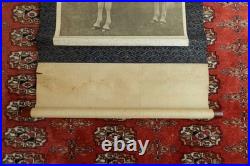

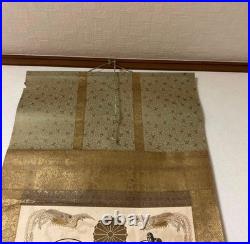
This is an original prewar Japanese hanging scroll featuring. Emperor Hirohito (Emperor Showa). Five Principles of Military Spirit (Gunjin Seishin Gokajo). One of the moral foundations taught to soldiers of the Imperial Japanese Army. At the top of the composition are the Imperial Chrysanthemum Crest and a pair of phoenixes, symbols traditionally associated with the Imperial House of Japan. Beneath them appears the. Five Principles of Military Spirit. Which instructed soldiers to uphold. Loyalty to the Emperor. Proper conduct and courtesy. These principles reflected the ethical code expected of Japanese servicemen during the prewar period and formed an important part of military education. The lower portion of the scroll depicts. Emperor Hirohito on horseback in military uniform. From his accession to the throne in 1926 until the end of World War II in 1945, Emperor Hirohito served as Japan’s sovereign and was constitutionally recognized as the. Supreme Commander of the Imperial Japanese Army and Navy. For this reason, his portrait was widely displayed in military facilities, schools, and government institutions as a symbol of national unity, discipline, and loyalty. The Emperor is portrayed as a relatively young man in this artwork. Based on the style of the portrait and the overall design, it is likely that this image was originally created during the. Late 1920s or early 1930s. Shortly after his accession. While the exact production date of this scroll cannot be confirmed, it clearly reflects the visual style of early Showa-era military educational materials. Scrolls of this type were displayed in barracks, military schools, youth organizations, and other public institutions to reinforce discipline, patriotism, and the ideals of Bushido among soldiers and young people. Today, this piece serves not only as decorative artwork but also as an important historical document illustrating how military ethics and loyalty to the Emperor were visually communicated in prewar Japan. Imperial Chrysanthemum Crest, phoenixes, the Five Principles of Military Spirit, and a youthful portrait of Emperor Hirohito. This is an impressive display piece for collectors of Imperial Japanese militaria, military education, wartime propaganda, and modern Japanese history. The scroll shows expected age-related wear, including minor foxing, discoloration, and light stains, but remains in overall good condition for its age. Please examine all photographs carefully before purchasing. Own a Piece of History. International Buyers – Please Note. Thank you for your understanding.

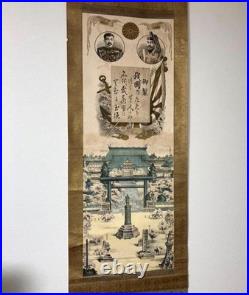
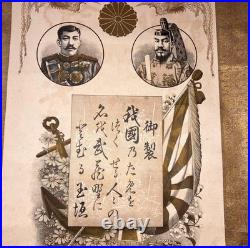
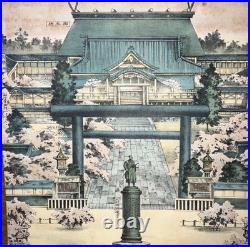
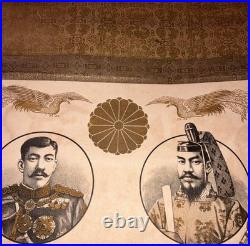
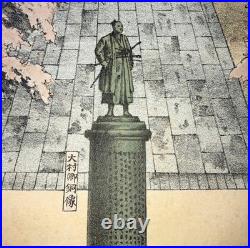
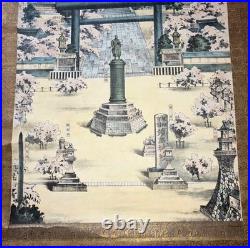
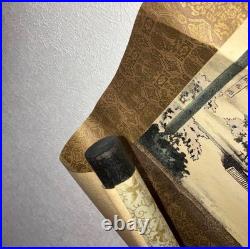
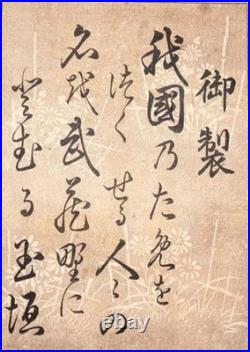
This hanging scroll is a pre-World War II Japanese historical artwork that visually explains how modern Japan understood state authority, military reform, and national remembrance. Rather than depicting combat, this piece presents the ideological framework behind war memory, making it a valuable primary visual document from early 20th-century Japan. Upper Section: Supreme Authority of the State. At the top are portraits of. During this period, the emperor was not only a monarch but the symbolic center of political and moral authority. Because Emperor Taisho is depicted, this scroll is believed to have been produced after 1910, most likely in the 1910s. Central Section: Anchor, Rising Sun, and Inscription. The center features a rising sun motif combined with an anchor, symbolizing the state and its military institutions. Above this imagery is a handwritten inscription in a style similar to imperial or commemorative verse, conveying the idea that. Those who sacrificed their lives for the nation must be remembered and honored by future generations. This section represents the ideological core of the scroll. Lower Section: Omura Masujiro Statue and Yasukuni Shrine. The lower portion depicts the bronze statue of. Omura Masujiro is widely regarded as the founder of the modern Japanese army. He introduced Western military systems and played a central role in transforming Japan’s feudal forces into a modern national army during the Meiji Restoration. Behind the statue appears. Including its torii gate and main structures. What Is Yasukuni Shrine? Yasukuni Shrine was established to enshrine those who died in service of the state. In prewar Japan, it functioned as a symbolic space where individual deaths were transformed into national memory, closely linked with state ideology and commemoration. Meaning of the Composition. The scroll follows a deliberate vertical structure. Top: The State (Emperors Meiji & Taisho). Middle: Ideology and symbolism (anchor, rising sun, inscription). Bottom: Military foundation and remembrance (Omura Masujiro & Yasukuni Shrine). This structure visually explains how authority, military reform, and remembrance were connected in pre-war Japan. Age-related toning, stains, and wear consistent with pre-WWII materials. Offered strictly as a historical and cultural artifact. No modern political intent or endorsement implied. International Buyers – Please Note. Thank you for your understanding.

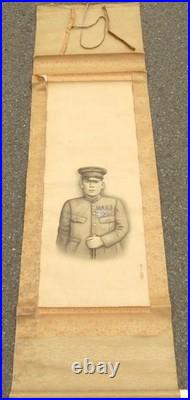
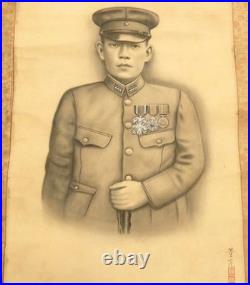
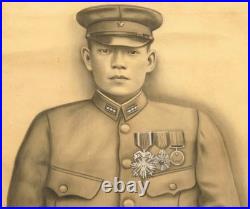
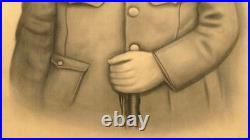
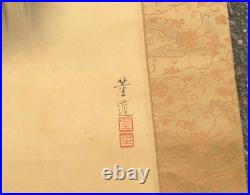
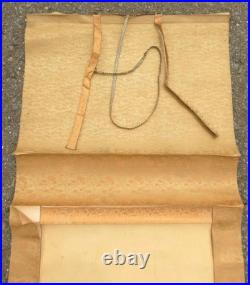
WWII Imperial Japanese Army Officer Portrait Hanging Scroll. This hanging scroll depicts an. Imperial Japanese Army Captain. Wearing a Type 45 military cap, captain’s rank insignia, and several decorations. Although no production date or the officer’s name is recorded, several details suggest that it was. Most likely created during the pre-war or WWII period. Rather than after the war. The uniform includes what appears to be the. Introduced in 1912 and worn by Japanese Army officers through the end of World War II. The rank insignia and decorations are also consistent with an Imperial Japanese Army captain. Another important clue is the format itself. Before photography became commonplace in Japanese homes. Hanging scroll portraits (kakejiku). Were a traditional way to preserve the image and achievements of respected family members. Military officers were sometimes commemorated in this manner, making these portraits both family heirlooms and historical records. Following Japan’s surrender in 1945, the Allied Occupation implemented extensive demilitarization policies. Public displays celebrating the Imperial Japanese military largely disappeared, and portraits honoring military officers became far less common. For these reasons, collectors generally regard works of this type as being associated with the pre-war or wartime era. While the officer’s identity is unknown, the portrait conveys the story of an individual soldier whose service was important enough to be preserved by those around him. An unusual historical display piece combining military history, portrait art, and traditional Japanese craftsmanship. Original Imperial Japanese Army officer portrait. Depicts a Captain wearing a Type 45 military cap. Multiple medals and decorations illustrated. Traditional Japanese hanging scroll format. Likely pre-war or WWII era. Excellent display piece for WWII and Japanese militaria collections. Own a Piece of History. Approximate 7-21days(To USA).

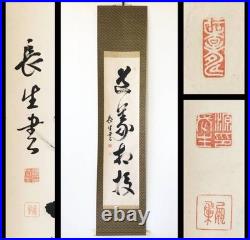
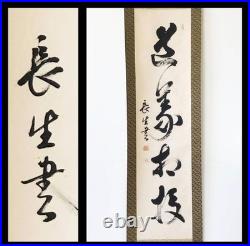
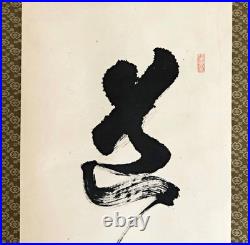
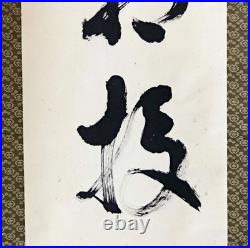
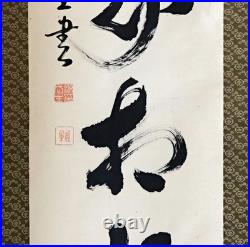
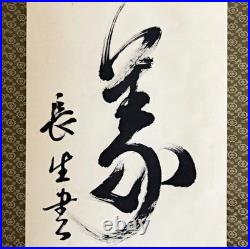
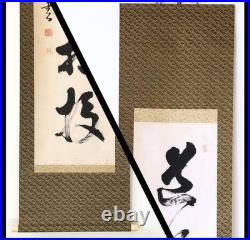
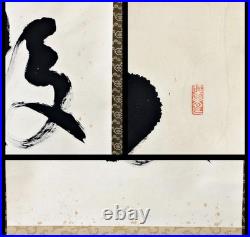
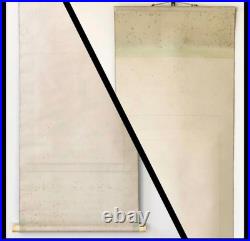
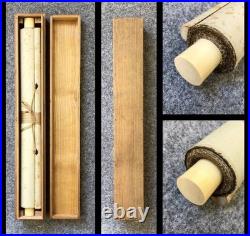
This is an authentic Japanese calligraphy hanging scroll written by a Vice Admiral of the Imperial Japanese Navy. The work features the powerful four-character phrase. And is additionally inscribed with. ? (Written by Nagao). A red personal seal reading (Ogasawara Nagao) is clearly impressed on the paper, confirming the authorship. Meaning of “Dogi Aito”. “Dogi Aito” means to share the same moral principles and ideals. It expresses the idea that individuals are united through common ethics, justice, and purpose. This phrase was especially favored by military officers, as it reflects values such as. Shared duty and responsibility. Loyalty based on principle rather than convenience. Moral alignment beyond rank or position. The calligraphy strongly conveys the disciplined yet expressive spirit characteristic of senior naval officers. About Ogasawara Nagao. Ogasawara Nagao was a Vice Admiral in the Imperial Japanese Navy and a member of the historic Ogasawara clan, former lords of the Karatsu domain. He served during the period spanning late Meiji through early Showa Japan, an era when the Imperial Japanese Navy was rapidly expanding and modernizing. As a high-ranking officer, he was involved in naval command and fleet administration during a formative period of modern Japanese naval history. This scroll is considered a genuine work created by Ogasawara Nagao, reflecting the personal philosophy and ethical ideals of a senior naval officer. Overall (including roller ends): 207.5 × 50 cm. Artwork (paper only): 134.5 × 33 cm. Paper: Age-related spotting and foxing throughout. Mounting: Front is well preserved; stains visible on the reverse. Box: Comes with a wooden storage box (tomobako-style, later). All conditions are consistent with an authentic period piece. This scroll is a historically significant and authentic example of. Imperial Japanese Navy senior officer calligraphy. Traditional Japanese hanging scroll craftsmanship. Highly suitable for collectors of Japanese military history, calligraphy, and early modern Japanese artifacts. Approximate 7-21days(To USA).

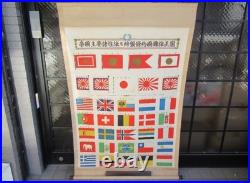

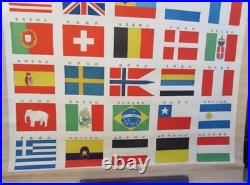
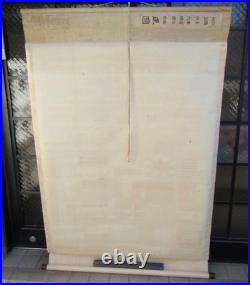


This is a large educational hanging scroll published in 1919 (Taisho 8) by the Great Japan National Flag Company titled. Correct Chart of Imperial Flags and Treaty Nations’ Flags. The publishing details printed on the scroll include. Printed March 28, 1919 / Published April 1, 1919. This chart was produced as official school teaching material, displaying. Imperial flags such as the Emperor’s flag, Crown Prince’s flag, military and naval flags, and the national flag. Flags of major world powers and treaty nations of the time. 1919 marks the period right after World War I, when Japan became a permanent member of the League of Nations. Educational materials emphasizing international awareness and imperial identity were widely used in classrooms during this era. The scroll measures approx. It shows stains and signs of age, but Taisho-period flag charts preserved in scroll format are extremely rare, making this a valuable piece for collectors of vexillology and pre-war educational materials. Own a Piece of History. International Buyers – Please Note. Thank you for your understanding.

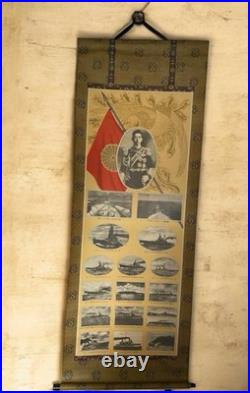
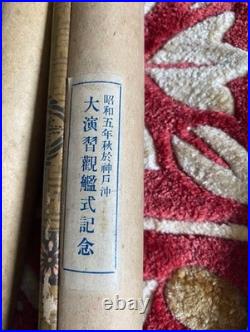

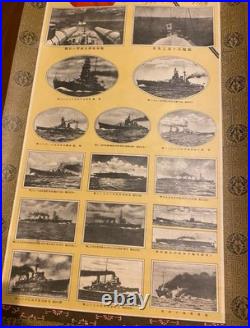
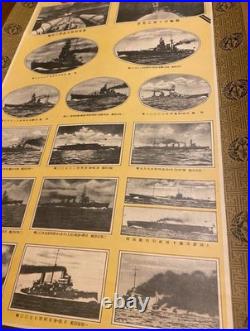
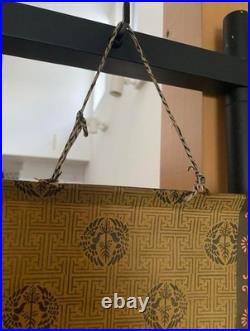
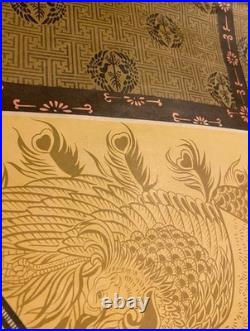
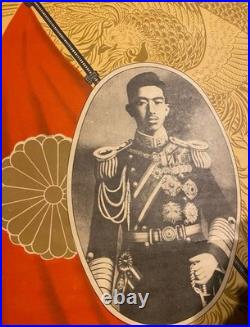
This is an original Imperial Japanese commemorative hanging scroll (kakejiku) issued for the Grand Naval Review held off Kobe Bay on October 26, 1930 (Showa 5). It was the first major fleet review attended by Emperor Hirohito after his enthronement – a spectacular event symbolizing Japan’s naval power and national unity during the early Showa era. About the Naval Review. The “Kantai Kanshiki (Naval Review)” was a grand military ceremony held to display the Imperial Navy’s strength to the Emperor and the public. This 1930 review gathered over 100 warships, including the famous battleships Nagato, Mutsu, Kongo, Hiei, and Fuso – the pride of the Imperial Japanese Navy. The event demonstrated Japan’s technological excellence and growing maritime power in the interwar period, serving both as a training display and a powerful tool of national propaganda. At this time, he served as Commander-in-Chief of the Imperial Army and Navy, and his presence at the fleet review symbolized his role as the unifying figure of the Empire. This scroll represents one of the earliest public displays of the Emperor’s authority over Japan’s armed forces. A portrait of Emperor Hirohito in full military dress, with medals and decorations. A phoenix motif behind him, symbolizing divine authority and renewal. The Imperial chrysanthemum crest and the rising sun flag. The background is woven with Paulownia (Go-shichi-kiri) and Chrysanthemum imperial patterns, emphasizing its official ceremonial origin. The paper label on the roller reads. Commemorating the Grand Naval Review off Kobe Bay, Autumn 1930 (Showa 5). Type: Paper hanging scroll (kakejiku). Material: Lithographic print with silk-pattern mount. 150 × 55 cm. Condition: Very good for age. Some light toning and a retied hanging cord. Includes original mounting with wooden rods. This scroll was produced to celebrate the imperial inspection of the fleet, a major event intended to inspire national pride and military spirit during Japan’s naval peak. Few original scrolls from this ceremony survive today – making this a museum-grade artifact of Imperial Japan’s naval and political history. Own a genuine piece of Japan’s early Showa military heritage. International Buyers – Please Note. Thank you for your understanding.

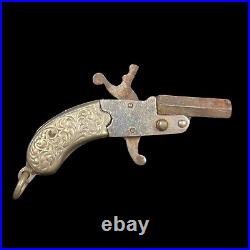
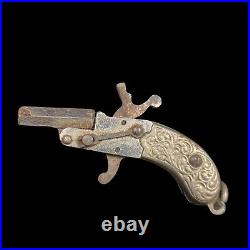
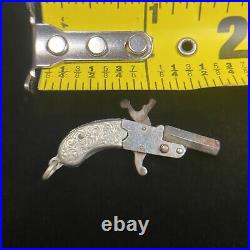
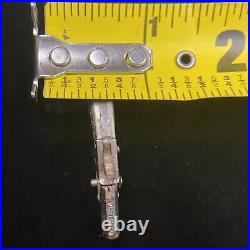
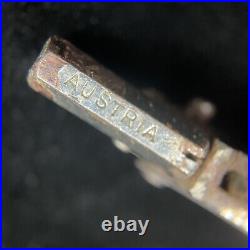
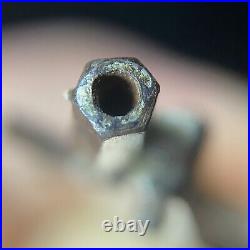
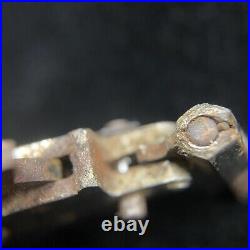
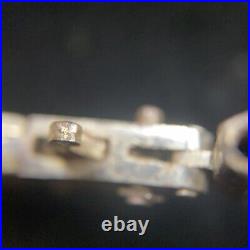
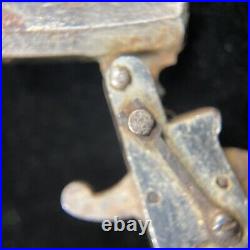
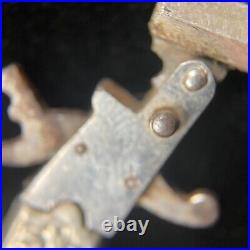
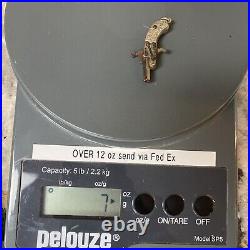
Barrel-breaks open appears to function mechanically see photos for more details.

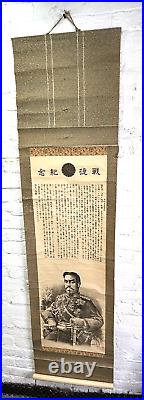
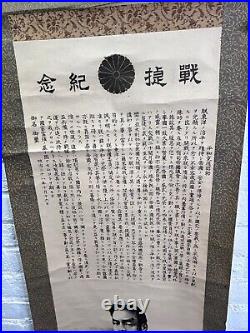
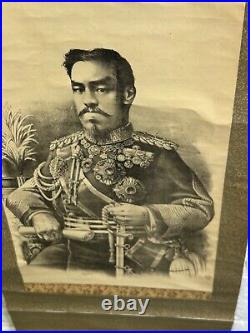
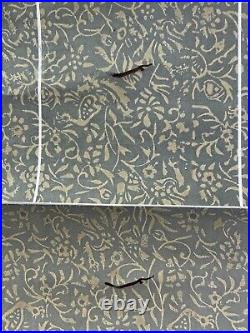
1905 Japanese Emperor Taisho Declaration Of Peace Scroll. It measures 17 inches wide by 69 inches long. Has some stains, creases and a bug damage holes, but still displays great.