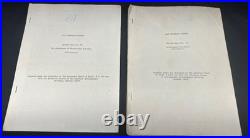
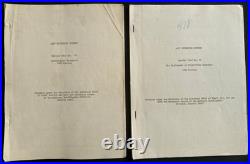
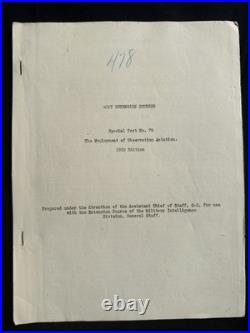
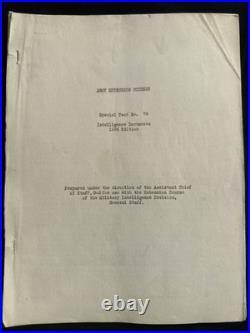
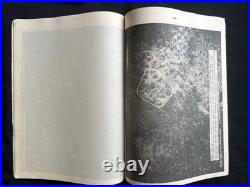
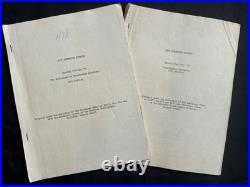

1932 1934 Army Intelligence Manuals Observation Aviation G-2 Military School.

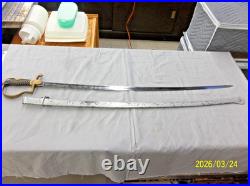
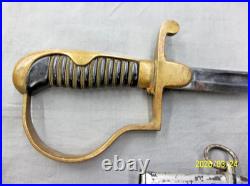
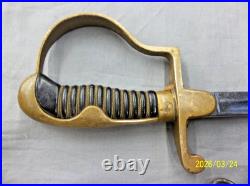
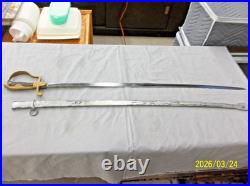
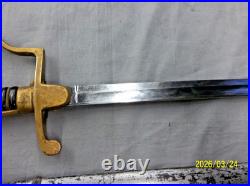
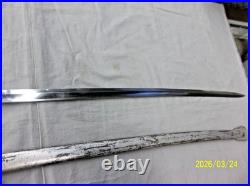
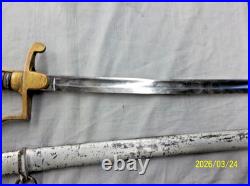
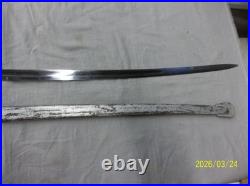
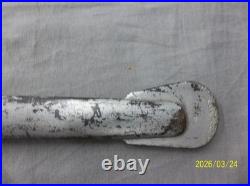
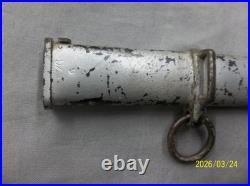
Antique Carl Eickhorn Early Military Officer Sword Soligen.


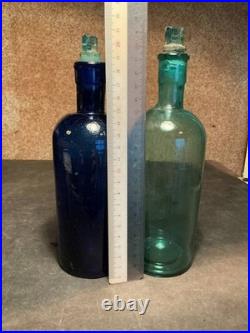
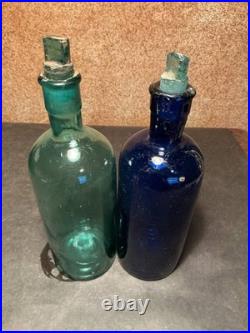
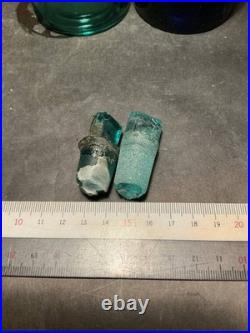
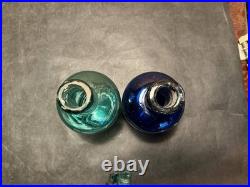

Empty bottle set from former japanese army. It’s from war time. Size please see picture. Shows signs of age, such as scratches and stains. The Army star mark is visible on the bottom of one of the bottles. International Buyers – Please Note.

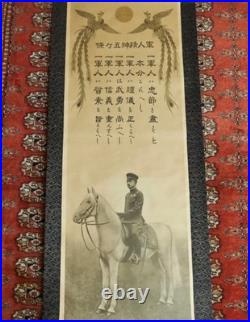
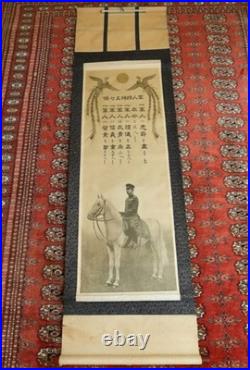
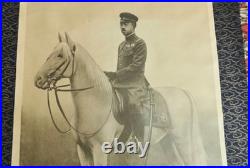
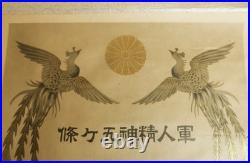
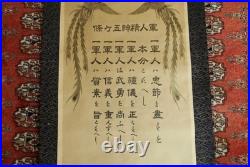
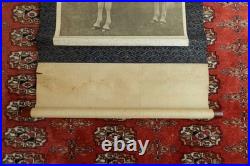
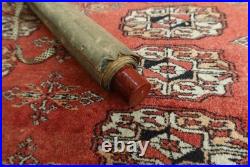
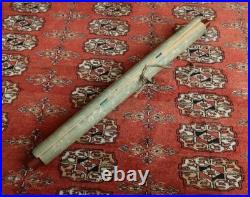
This is an original prewar Japanese hanging scroll featuring. Emperor Hirohito (Emperor Showa). Five Principles of Military Spirit (Gunjin Seishin Gokajo). One of the moral foundations taught to soldiers of the Imperial Japanese Army. At the top of the composition are the Imperial Chrysanthemum Crest and a pair of phoenixes, symbols traditionally associated with the Imperial House of Japan. Beneath them appears the. Five Principles of Military Spirit. Which instructed soldiers to uphold. Loyalty to the Emperor. Proper conduct and courtesy. These principles reflected the ethical code expected of Japanese servicemen during the prewar period and formed an important part of military education. The lower portion of the scroll depicts. Emperor Hirohito on horseback in military uniform. From his accession to the throne in 1926 until the end of World War II in 1945, Emperor Hirohito served as Japan’s sovereign and was constitutionally recognized as the. Supreme Commander of the Imperial Japanese Army and Navy. For this reason, his portrait was widely displayed in military facilities, schools, and government institutions as a symbol of national unity, discipline, and loyalty. The Emperor is portrayed as a relatively young man in this artwork. Based on the style of the portrait and the overall design, it is likely that this image was originally created during the. Late 1920s or early 1930s. Shortly after his accession. While the exact production date of this scroll cannot be confirmed, it clearly reflects the visual style of early Showa-era military educational materials. Scrolls of this type were displayed in barracks, military schools, youth organizations, and other public institutions to reinforce discipline, patriotism, and the ideals of Bushido among soldiers and young people. Today, this piece serves not only as decorative artwork but also as an important historical document illustrating how military ethics and loyalty to the Emperor were visually communicated in prewar Japan. Imperial Chrysanthemum Crest, phoenixes, the Five Principles of Military Spirit, and a youthful portrait of Emperor Hirohito. This is an impressive display piece for collectors of Imperial Japanese militaria, military education, wartime propaganda, and modern Japanese history. The scroll shows expected age-related wear, including minor foxing, discoloration, and light stains, but remains in overall good condition for its age. Please examine all photographs carefully before purchasing. Own a Piece of History. International Buyers – Please Note. Thank you for your understanding.

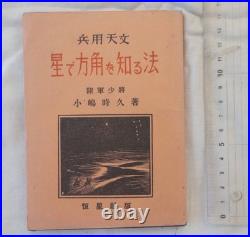
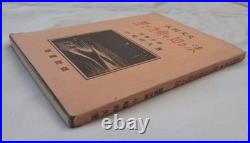

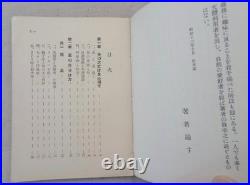
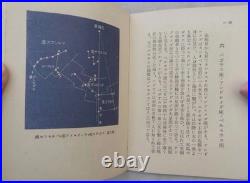
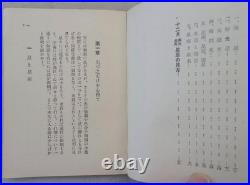
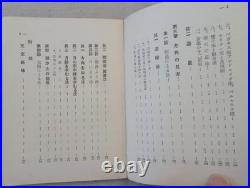
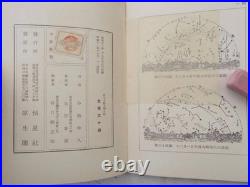
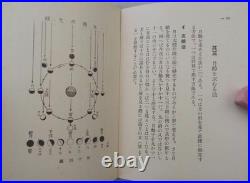
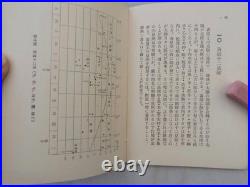
WWII Imperial Japanese Army Military Astronomy Manual. “How to Determine Direction by the Stars”. Published November 1, 1937. This is an original pre-war Japanese military astronomy manual titled. “Heiyo Tenmon – Hoshi de Hogaku wo Shiru Ho”. Military Astronomy – How to Determine Direction by the Stars. The book was written by. Major General Tokihisa Kojima. And published by Koseisha. The colophon (publication page) clearly states. Published November 1, 1937 (Showa 12). Military Navigation Before GPS. Before GPS, radio navigation, and modern electronic equipment, soldiers often relied on the night sky to determine direction during field operations. This manual was created to teach practical methods of navigation using celestial bodies. Finding Polaris (the North Star). Determining direction from stars. Solar and celestial orientation methods. Numerous diagrams, charts, and constellation illustrations are included throughout the book. Rather than a general astronomy guide, this is a practical military field manual intended to teach navigation and orientation techniques useful for soldiers operating in the field. Graduated from the Imperial Japanese Army Academy and later the Army War College. He served during the Russo-Japanese War and eventually rose to the rank of Major General. Kojima was also known for his strong interest in astronomy and reportedly maintained a private observatory, making this publication an unusual combination of military science and astronomical knowledge. Published in 1937, the same year the Second Sino-Japanese War began, this book provides a fascinating glimpse into how military personnel learned navigation techniques before modern technology existed. It represents a unique intersection of. Survival and navigation techniques. A scarce and interesting reference for collectors of Imperial Japanese military material, navigation history, and pre-war scientific publications. Age-related wear, foxing, and discoloration are present. Please examine all photographs carefully for condition details. International Buyers – Please Note. Thank you for your understanding.

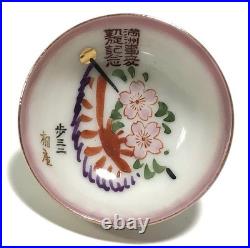
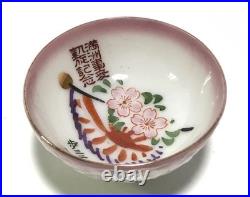
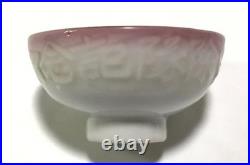
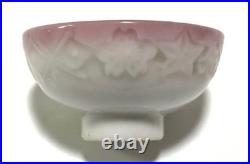
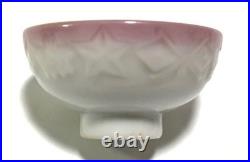
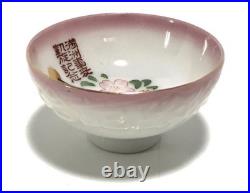
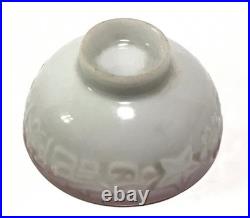
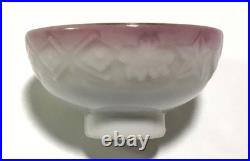
WWII Imperial Japanese Army Manchurian Incident Commemorative Military Sake Cup. Thank you for visiting. Imperial Japanese Store Kamikaze. This small porcelain military sake cup tells the story of one Japanese soldier who likely served during the. Unlike ordinary souvenirs, this cup preserves both military history and a personal milestone. Inside the cup are several important inscriptions. “Manchurian Incident Victory Return Commemoration”. Around the rim appears. The cup also bears. Which most likely refers to the. Of the Imperial Japanese Army. Another inscription appears to read. Although the characters are somewhat difficult to read, so this identification cannot be confirmed with certainty. What was the Manchurian Incident? The Manchurian Incident began in. Becoming one of the most significant events leading toward the Second Sino-Japanese War and eventually the Pacific War. Following the incident, Japanese forces occupied Manchuria and established the state of. For soldiers who participated, surviving the campaign and returning home safely was considered an important milestone worthy of commemoration. The 32nd Infantry Regiment. The inscription “Ho 32″ strongly suggests the. Although this cannot be stated with absolute certainty. The regiment was established in. And had a distinguished service history. The Second Sino-Japanese War. The Battle of Okinawa. During the Manchurian Incident, elements of the regiment participated in operations including the. The regiment later became well known for its determined resistance during the Battle of Okinawa, making it one of the better-known infantry regiments of the Imperial Japanese Army. The Story This Cup Tells. Reading the inscriptions together suggests a compelling story. Its owner most likely. Served with what was probably the 32nd Infantry Regiment. Participated in the Manchurian Incident. Completed his period of military service. And received this commemorative cup to celebrate both his return and his honorable discharge. Rather than commemorating a victory alone, this cup appears to celebrate the completion of an entire chapter in one soldier’s life. Military Sake Cups in Japanese Army Culture. Military sake cups were much more than drinking vessels. They were presented during important milestones such as enlistment, deployment, promotion, victory celebrations, safe return, and discharge from military service. Many were produced for only a single individual. As a result, they often preserve names, units, campaigns, and personal histories that would otherwise have been lost. Collectors often regard these cups as miniature military biographies preserved in porcelain. The cup features several symbolic military motifs. Cherry blossoms, representing the Japanese soldier. A bugle, symbolizing military ceremonies, mobilization, and victory celebrations. Decorative elements reflecting the patriotic aesthetic of pre-war Japan. 5.5 cm (2.2 inches). In diameter, it preserves an extraordinary amount of military history. 5.5 cm (2.2 in). This is more than a military sake cup. It is a surviving record of one soldier’s journey-from deployment during the Manchurian Incident to his safe return and discharge from military service. A remarkable piece of personal military history. Own a Piece of History. International Buyers – Please Note. Thank you for your understanding.

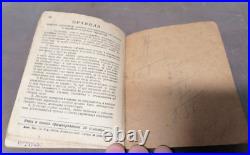
Do you have any questions? Please don’t hesitate to contact the dealer. You are always welcome to my store. Have a nice day!

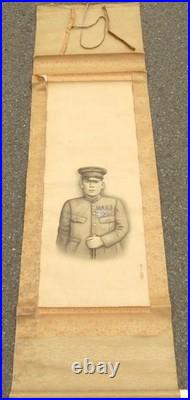
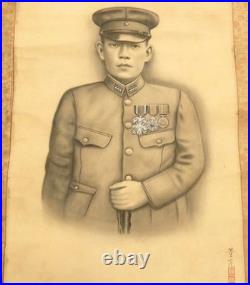
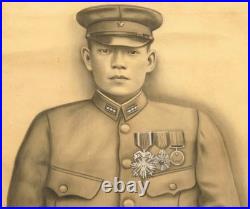
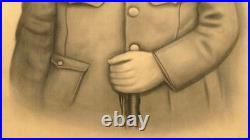
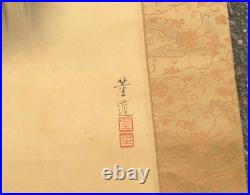
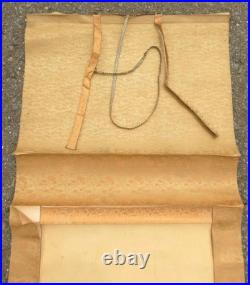
WWII Imperial Japanese Army Officer Portrait Hanging Scroll. This hanging scroll depicts an. Imperial Japanese Army Captain. Wearing a Type 45 military cap, captain’s rank insignia, and several decorations. Although no production date or the officer’s name is recorded, several details suggest that it was. Most likely created during the pre-war or WWII period. Rather than after the war. The uniform includes what appears to be the. Introduced in 1912 and worn by Japanese Army officers through the end of World War II. The rank insignia and decorations are also consistent with an Imperial Japanese Army captain. Another important clue is the format itself. Before photography became commonplace in Japanese homes. Hanging scroll portraits (kakejiku). Were a traditional way to preserve the image and achievements of respected family members. Military officers were sometimes commemorated in this manner, making these portraits both family heirlooms and historical records. Following Japan’s surrender in 1945, the Allied Occupation implemented extensive demilitarization policies. Public displays celebrating the Imperial Japanese military largely disappeared, and portraits honoring military officers became far less common. For these reasons, collectors generally regard works of this type as being associated with the pre-war or wartime era. While the officer’s identity is unknown, the portrait conveys the story of an individual soldier whose service was important enough to be preserved by those around him. An unusual historical display piece combining military history, portrait art, and traditional Japanese craftsmanship. Original Imperial Japanese Army officer portrait. Depicts a Captain wearing a Type 45 military cap. Multiple medals and decorations illustrated. Traditional Japanese hanging scroll format. Likely pre-war or WWII era. Excellent display piece for WWII and Japanese militaria collections. Own a Piece of History. Approximate 7-21days(To USA).

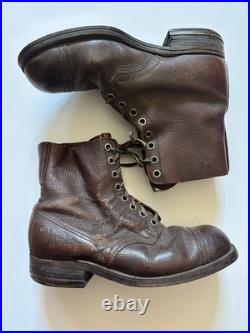
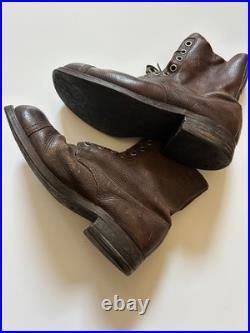
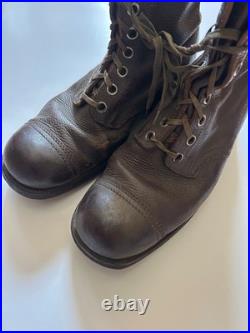
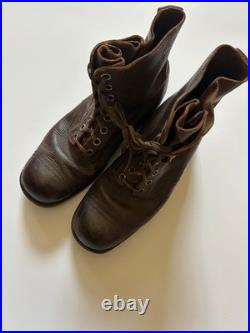
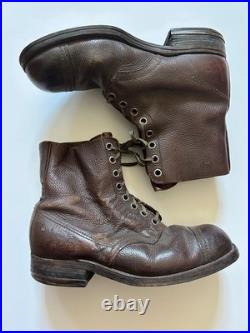
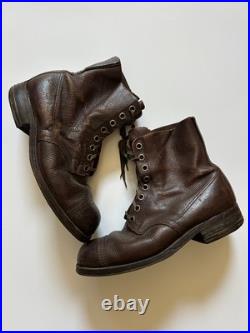
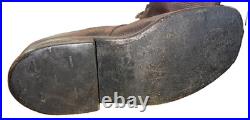
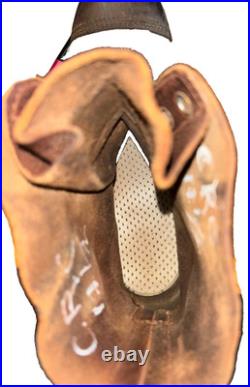
MS012 Genuine WW2 Swiss Military Combat Field Boots brown leather US 11 Rare! Double thick leather soles. Stacked leather heel with metal plate between leather layers. 12″ long, 8″ tall, 4.5 wide (at widest point). Pair weight: 4.25 lb. All products sourced directly from Major Surplus, Gardena CA 90248.