
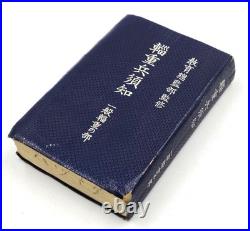
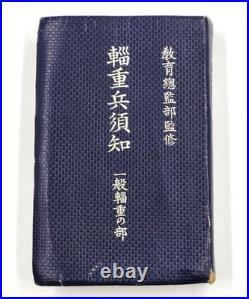

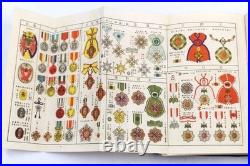
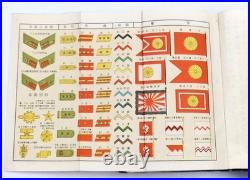
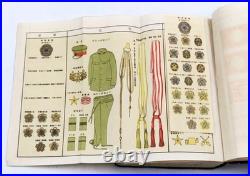
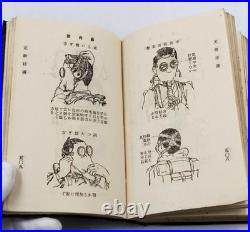
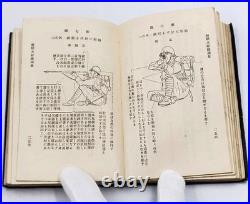
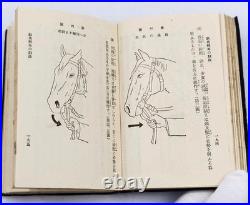

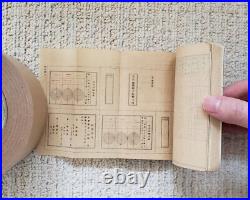
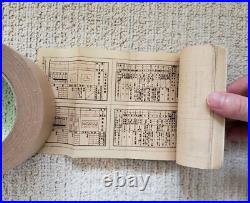
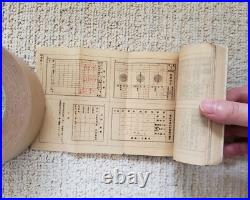
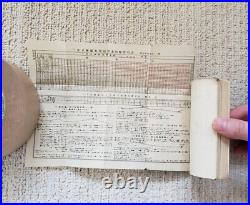
This is an original Imperial Japanese Army military handbook titled. (“What Every Logistics Soldier Should Know”), supervised by the Army Inspector General of Military Education. The cover is marked. Army Inspector General of Military Education Supervision. This was a compact educational handbook intended for soldiers serving in the Japanese Army’s logistics and transport branch. What Was the Army Inspector General of Military Education? The Army Inspector General of Military Education was one of the most influential organizations within the Imperial Japanese Army. It was responsible for military doctrine, officer education, training programs, and the preparation of official instructional materials used throughout the army. Because this handbook was supervised by that organization, it was not simply a commercial publication but an official educational reference reflecting Imperial Japanese Army training standards. The Forgotten Soldiers of the Japanese Army. The Shichohei (Logistics Corps) were responsible for transporting food, ammunition, equipment, uniforms, and horses to frontline units. In modern terms, they were the military logistics and supply branch. Interestingly, logistics troops often received less prestige than combat arms within the Japanese military culture. A famous wartime saying even mocked them as. Shichohei are not real soldiers. History ultimately proved otherwise. Many military historians consider Japan’s chronic logistical weaknesses to be one of the major factors contributing to its defeat during the Pacific War. As supply lines collapsed, entire units suffered from starvation, ammunition shortages, and lack of equipment. This handbook therefore represents a rarely preserved glimpse into the branch responsible for sustaining the Japanese Army. Imperial and military flags. Orders, decorations, and medals. Army uniforms and equipment. Logistics and transport training. Several attractive fold-out color plates illustrate military insignia, decorations, flags, and uniforms, making this both a practical military handbook and an excellent research reference. Why It Is Scarce. Most Japanese military instructional materials were discarded or destroyed after 1945. Pocket reference books such as this were heavily used by soldiers and rarely survived in good condition. Furthermore, while infantry, aviation, and armored units are widely collected today, surviving materials relating specifically to the Japanese Army’s logistics branch appear much less frequently on the market. An excellent item for collectors of Imperial Japanese military history, military education, uniforms, insignia, and logistics history. Own a Piece of History. International Buyers – Please Note. Thank you for your understanding.

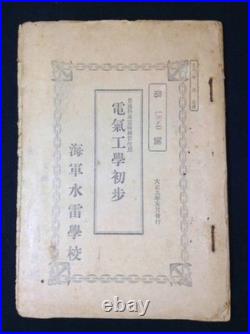
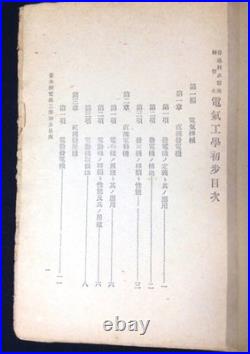
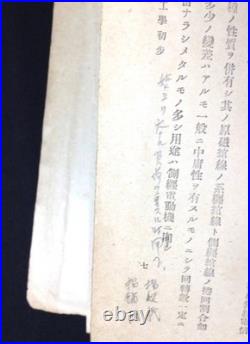
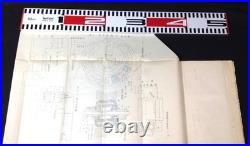
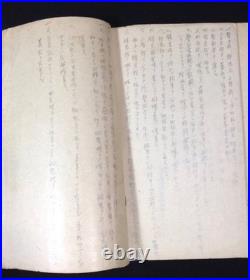
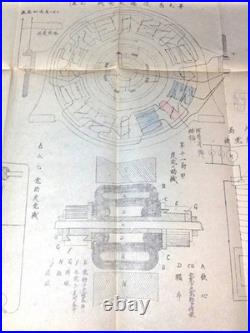
Here is an original Imperial Japanese Navy technical training manual. Issued for torpedo trainees at the Imperial Japanese Navy Torpedo School. Dated 1920 (Taisho 9). The Navy Torpedo School was responsible for training personnel in torpedo and naval mine operations – one of the most advanced weapon systems of its time. By 1920, Japan was rapidly expanding its naval power and modernizing its fleet with advanced electrical and mechanical systems. Electrical knowledge was essential for. Torpedo launch mechanisms. Naval mine systems. Shipboard motors and generators. This manual was created for trainees studying the fundamentals of electrical engineering necessary for naval weapon systems. Direct current generators. Electric motor principles. Structural diagrams and cross-sections. Coil and winding systems. Mechanical and electrical schematics. It includes fold-out technical diagrams showing detailed machine construction. This is not a commercial publication. It was an internal naval training document. Cover foxing and staining. General age wear and discoloration. Pencil markings and underlining. Damage on the final page. Overall fair condition for its age (over 100 years old). Please review photos carefully. This manual represents the technological foundation of the Imperial Japanese Navy during its expansion era – well before World War II. A rare Taisho-period naval technical document. Own a Piece of History. International Buyers – Please Note. Thank you for your understanding.

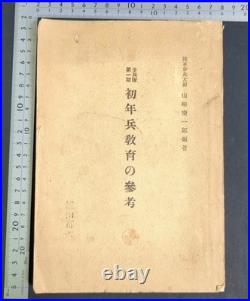
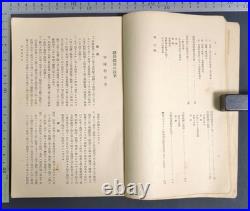
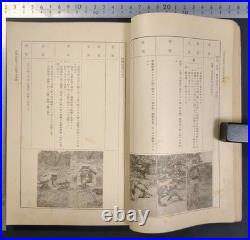
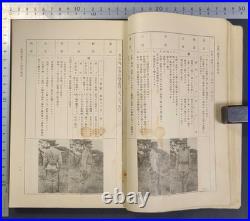
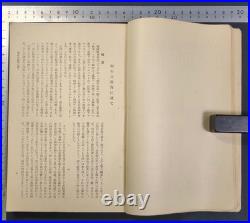
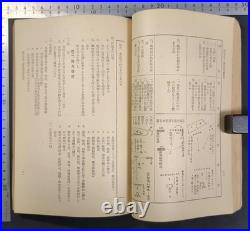
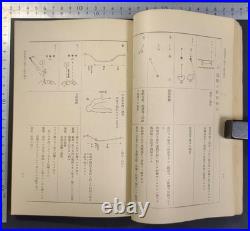
Own a piece of pre-WWII Japanese military history. This is the “Reference for First-Year Soldier Education” (14, 1935), compiled by Captain Keiichiro Yamazaki of the Imperial Japanese Army Infantry School. Published in Showa 10 (1935), this manual reflects Japan’s growing militarization in the tense years before the Second Sino-Japanese War (1937). It was used to train new recruits – teaching not only bayonet fighting, shooting, gas protection, and light machine-gun drills. But also the mental discipline and moral training essential to the Imperial Army’s doctrine of loyalty and endurance. Inside are detailed sections on. Bayonet and rifle training methods. Gas defense and field fortification. Leadership principles and psychological training. Field diagrams and photos of real training scenes. This manual captures the fusion of spiritual discipline and modern tactics that defined Japan’s 1930s military education. An invaluable primary source for historians, collectors, and researchers of prewar Japan and WWII militaria. Condition: Edge wear and small tears on spine, stains, and aging consistent with its 1930s origin. All pages remain intact – a well-preserved survivor from a critical era of Japanese military history. International Buyers – Please Note. Thank you for your understanding.

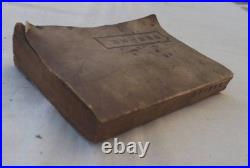
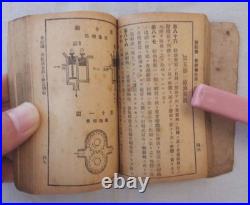
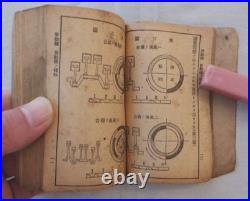
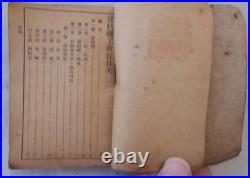
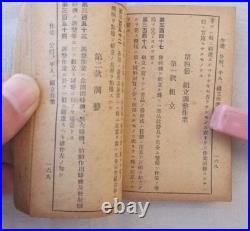
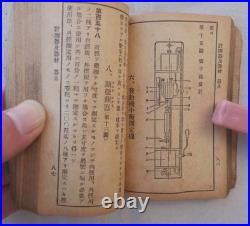
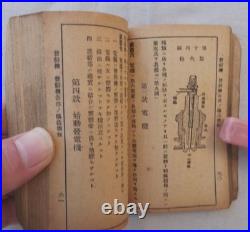
WWII-era precursor aviation technical manual titled. “Hatsudoki-ko Kyotei (Engine Mechanics Course)”, published in 1930 (Showa 5). This book was issued by Shoheikan with a foreword written by Kiyoshi Furuya, who served as Chief of the Imperial Japanese Army Aviation Headquarters at the time. The manual was designed as an instructional textbook for personnel involved in the maintenance and understanding of aircraft engines used by the Japanese Army aviation units. The contents cover the fundamental structure and operation of aircraft engines, including. Engine construction and components. Fuel supply mechanisms. Measuring instruments and diagnostic tools. Engine assembly and adjustment procedures. Maintenance and operational guidelines. Numerous diagrams and technical illustrations are included throughout the book, providing insight into early Japanese aviation engineering education and aircraft engine technology during the pre-WWII period. Publications related to Japanese Army aviation technical training from the early Showa period are relatively scarce today, making this an interesting reference for collectors and researchers of military aviation history. Age-related wear including stains, toning, and damage to the cover due to age. Pages remain readable with technical diagrams intact. Please examine the photos carefully for overall condition. International Buyers – Please Note. Thank you for your understanding.

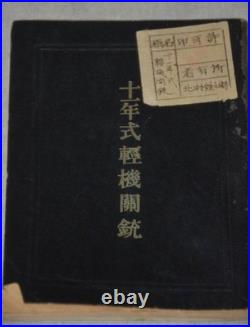
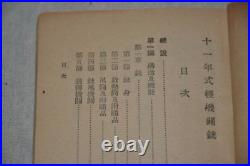
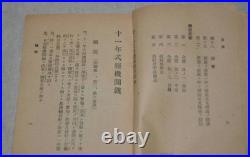
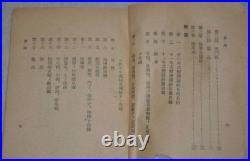
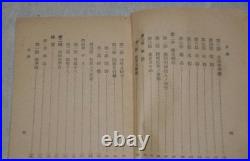
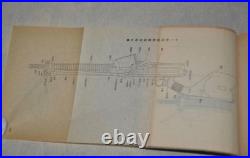
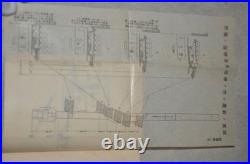
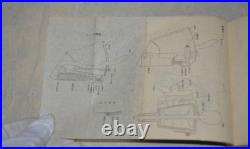
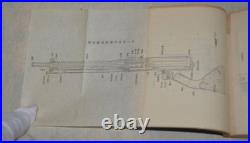
This is an original Imperial Japanese Army manual for the. Type 11 Light Machine Gun. The Type 11 light machine gun was adopted by the Japanese Army in. And was the first standard light machine gun widely used by Japanese infantry. It saw extensive service during the early stages of the Second World War. The Type 11 is particularly famous for its. Unique hopper-fed ammunition system. Making it one of the most distinctive machine guns developed during the interwar period. This manual explains the structure, operation, and maintenance of the weapon and includes information on. Construction of the machine gun. Disassembly and assembly. Firing and operation procedures. Anti-aircraft sights and accessories. A particularly notable feature of this manual is the inclusion of. 25 foldout technical diagrams. Showing detailed mechanical illustrations of the weapon, tripod, and components. These diagrams provide valuable insight into the engineering and military technology of the Imperial Japanese Army. Original Japanese military technical manuals with detailed diagrams are highly sought after by collectors of. Military firearms history. Japanese military documents. An excellent reference piece for collectors and researchers of Japanese military firearms. International Buyers – Please Note. Thank you for your understanding.

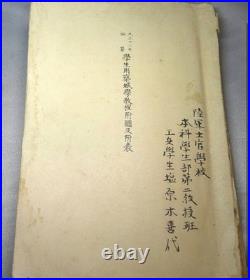
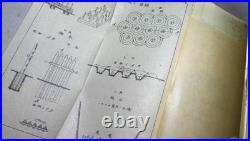
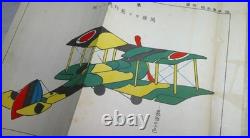
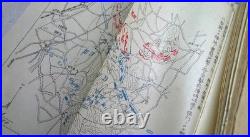
This is an original Imperial Japanese Army engineering textbook. Compiled in 1923 (Taisho 12) for use at the Imperial Japanese Army Academy. Titled “Student Fortification Engineering Manual – Supplementary Diagrams and Tables”. This volume was created specifically for engineer cadets, who were trained to design and construct. Field fortifications, defensive positions, trenches, obstacles, and battlefield layouts. According to the cover inscription, this copy was personally owned by an Army engineer cadet. Enrolled in the regular officer training course, making it a genuine used instructional manual. Not a ceremonial or later reprint. The book contains numerous technical diagrams, maps, structural layouts, and engineering illustrations. Including fortress planning, troop deployment concepts, and early military aviation-related schematics. Handwritten notes and annotations remain, offering rare insight into how future officers actually studied and applied military engineering. Condition is heavily worn, with stains, tears, aging, and possible missing plates. But these characteristics strongly reflect its authentic use in military education. A highly desirable primary-source item for collectors of. Imperial Japanese Army history. Military engineering & fortification studies. Pre-WWII Asian military doctrine. Approximate 7-21days(To USA).

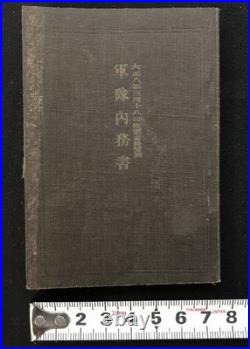
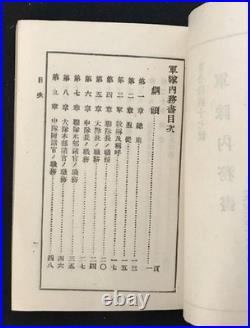
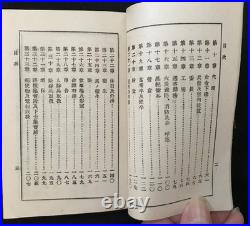
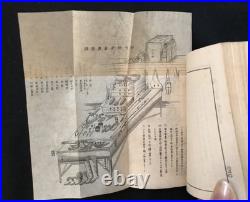
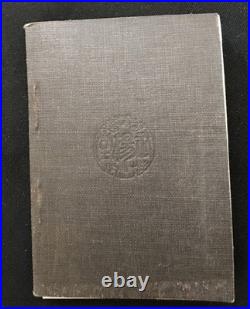
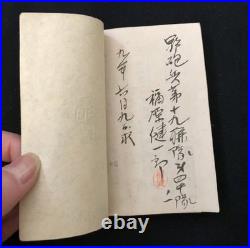
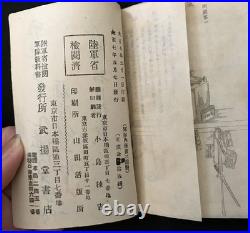
This is an original Imperial Japanese Army Internal Service Regulations Manual, issued in 1918 (Taisho 7) by the Ministry of the Army and published by Bujodo, Tokyo. It served as a complete rulebook for daily military life-covering commands, salute regulations, camp hygiene, fire drills, inspections, punishments, and even horse care for artillery and cavalry units. Inside cover bears a handwritten ownership note. “Field Artillery 19th Regiment, 4th Company, Kenichiro Fukuhara – June 1920 (Taisho 9)”, with personal seal. Includes an impressive foldout inspection diagram showing how equipment was to be laid out for formal checks, reflecting the extreme discipline of the Imperial Army. ? Why it matters. Not just a manual, but a signed, field-used artifact connecting one soldier to the broader history of the Japanese Army in the Taisho era. Own a Piece of History. Approximate 7-21days(To USA).

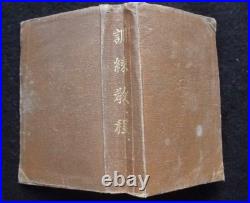
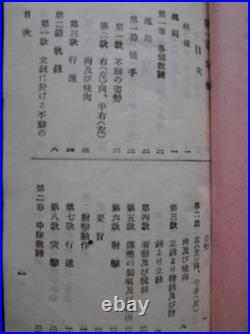
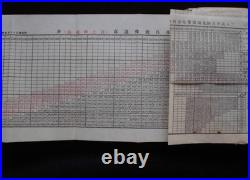
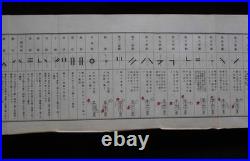
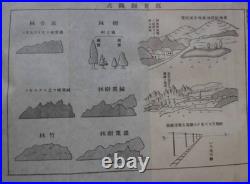
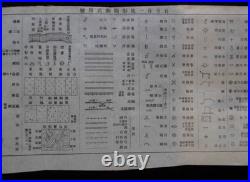
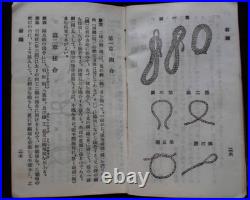
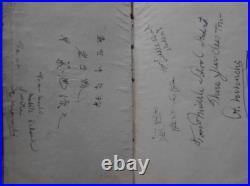
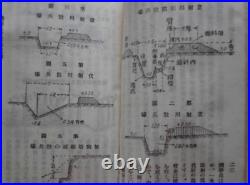
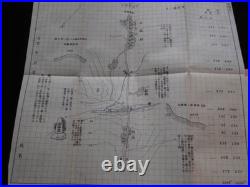
This is an original 1926 (Taisho 15) Imperial Japanese Army training manual. Published by Seibudo, intended for active-duty soldiers and non-commissioned officers. At the end of the Taisho era, Japan was transforming its army into a fully standardized modern military, shifting away from individual experience toward systematic, reproducible training doctrine. This book was created as a practical field manual, not a theoretical text. This manual was used by. As a daily reference for training, field exercises, and instruction. It covers virtually every aspect of soldier education at the time, including. Command and signaling methods. Flag signaling, distance measurement, and map reading. Hygiene and first aid. (21 sections in total). Small portable format (12.8 × 7.8 cm). Extensive diagrams, charts, and illustrations. Period pencil markings and notes remain. The handwritten notes and underlining indicate actual use by a soldier, adding significant historical authenticity. This is not a reproduction. It is a genuine primary source showing how Imperial Japanese soldiers were trained immediately before the Showa era. A serious reference piece for military historians, collectors, and researchers. Approximate 7-21days(To USA).

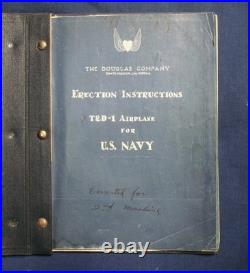
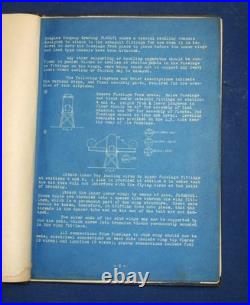
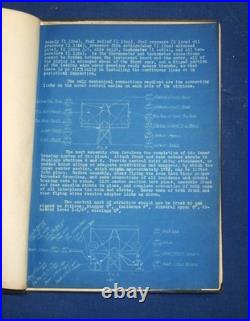
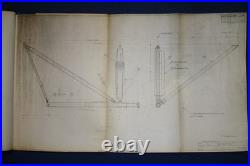
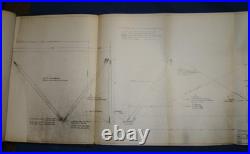
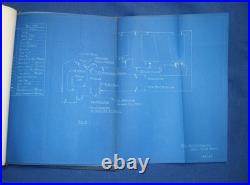
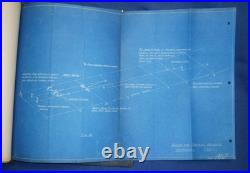
Erection Plans and Instructions Manual for the Douglas T2D-1 Torpedo-Bomber-Scout Airplane. This manual Contains approx 24 pages and is dated 1926/1927 depending on the page. See the attached photos for a sample of manual contents. These photos are from the actual manual. Because this manual is a original historic document, some pages may show normal wear and tear/usage and imperfections expected with age. AND IS NOT TO BE USED FOR AIRCRAFT MAINTENANCE OR OPERATION. IT WILL MAKE AN EXCELLENT REFERENCE FOR THE SCHOLAR, COLLECTOR, MODELER, OR AVIATION BUFF. THE INFORMATION IS FOR REFERENCE ONLY AND I DO NOT GUARANTEE THE COMPLETENESS OR ACCURACY OF THIS MANUAL.

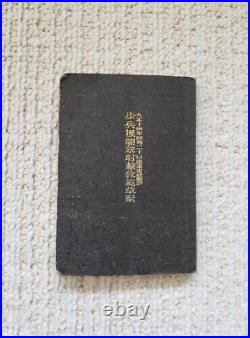
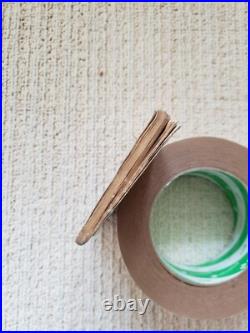
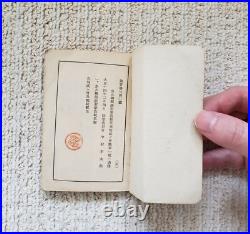
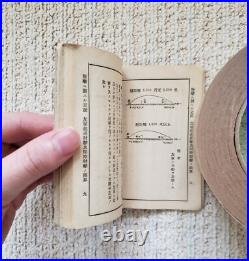
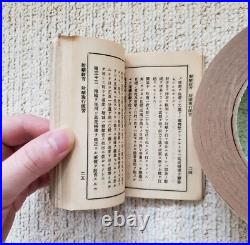
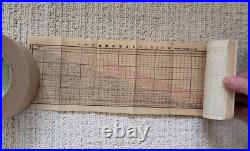
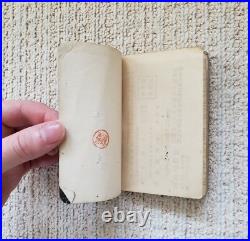
Japanese text / Size: 7.4cm x 10.8cm (Circa) / 92 pages + folded illustrations. It could take longer depending on the. Condition is used with obvious wear, stain, tear on folded pages, underlinings, etc. No return is accepted. Required paperwork when necessary or fails to. I do not mark merchandise values below value or mark items as “gifts” – US and International government regulations prohibit such behavior. Police and other authorities.