
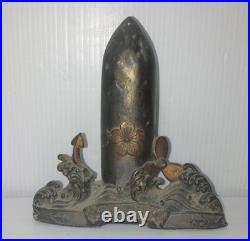
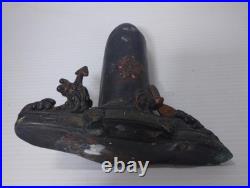
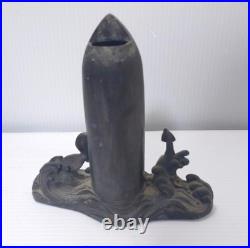
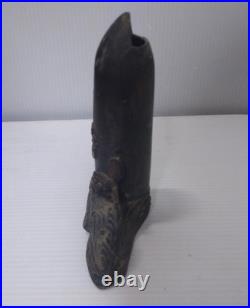
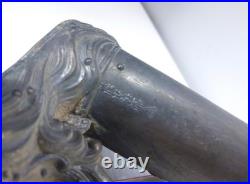
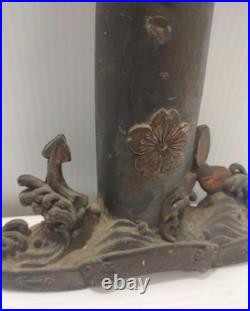
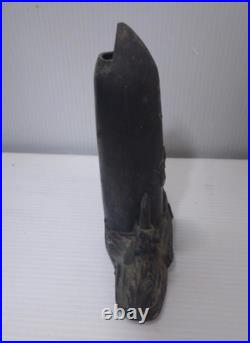

A striking prewar / WWII-era. Imperial Japanese Navy themed shell-shaped vase or decorative metal ornament. Richly designed with naval symbolism. The body is formed in the shape of an artillery shell, surrounded by detailed motifs including. Anchor, propeller, ocean waves, and sakura blossoms. These elements strongly reflect the visual culture and pride associated with the Imperial Japanese Navy. The side bears the maker’s mark. “Dodokunaga / Do Tokunaga Sei”. Indicating a named workshop or maker rather than an anonymous mass-produced item. Signed examples like this are especially desirable to collectors. Many collectors estimate naval artifacts appear only a fraction as often on the market. Decorative Navy pieces with this level of sculptural detail are particularly hard to find. This piece likely served as a commemorative object, officer’s room display, retirement gift, or patriotic home décor item of the era. It has exceptional shelf presence and tells a story immediately. A true conversation piece for militaria, naval history, or Japanese decorative arts collectors. 15.5 × 5 × 16 cm. Please review photos carefully. No major visible damage. Age wear, surface scratches, patina, and minor imperfections consistent with age. Own a Piece of History. International Buyers – Please Note. Thank you for your understanding.

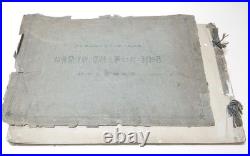
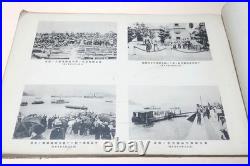
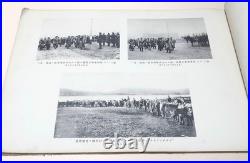
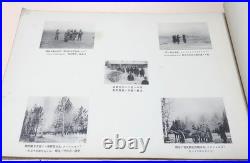
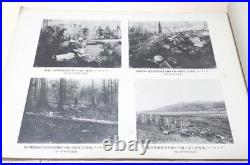
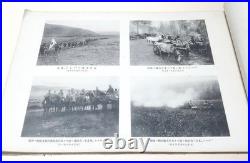
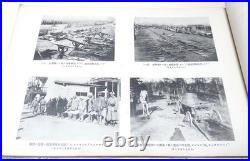
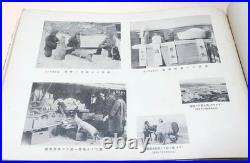
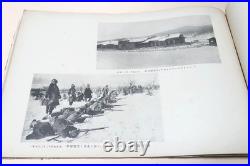
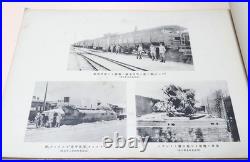
This item is an official, non-commercial photo album compiled by the Imperial Japanese Army 5th Division Headquarters, based in Hiroshima, during the period of the Siberian Intervention. The photographs document the activities of the 5th Division between August 1919 and July 1920, including military operations, troop movements, logistics, encampments, transportation, and daily life in Siberia and the Russian Far East. This album was not intended for public sale and was produced as an internal military record. As a result, surviving copies are limited, and such albums are rarely encountered on the open market today. What Was the Siberian Intervention? Japan, Britain, the United States, France, and other Allied powers. (Japan deployed the largest force). Siberia and the Russian Far East (primarily east of Lake Baikal). Officially to assist the evacuation of the Czechoslovak Legion and stabilize the region after the Russian Revolution; Japan also pursued its own strategic interests. Deployment of troops, occupation, security operations, and logistics. Japan dispatched over 70,000 soldiers, remaining in Siberia even after other Allied forces withdrew, before ultimately evacuating under international pressure. About the Imperial Japanese Army 5th Division. The 5th Division was one of Japan’s long-established standing divisions, headquartered in Hiroshima. It participated in major conflicts including the Sino-Japanese War, Russo-Japanese War, World War I-era operations, and the Siberian Intervention. During the Siberian campaign, the division was responsible for operations and long-term deployment under severe climatic conditions. The division was later reorganized and ultimately dissolved with the disbandment of the Imperial Japanese Army in 1945. About This Album. This album is not a commemorative or propaganda publication in the modern sense, but rather a documentary military record created by the unit itself. Infantry, cavalry, artillery, and logistics units. Field operations and troop formations. Railway transport and supply activities. Encampments and winter conditions. Officers and unit group photographs. Its value lies in its documentary and historical significance as a primary source. Size & Condition. 27 × 39 cm. Visible wear, edge damage, and binding deterioration consistent with age. Condition does not detract from research or reference value. A rare non-commercial primary source documenting the Imperial Japanese Army’s Siberian operations through the lens of a single division. Appealing to collectors and researchers of military history, early 20th-century geopolitics, and archival photography. Approximate 7-21days(To USA).

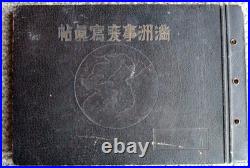
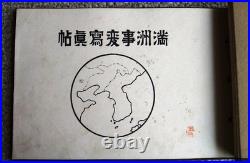
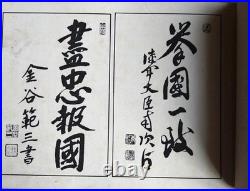
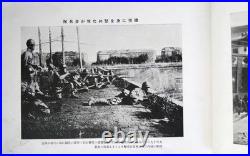
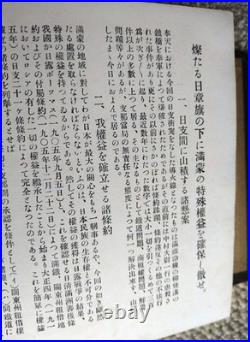
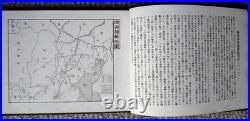
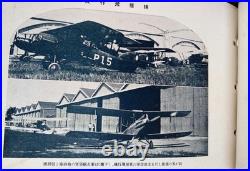


Here is an original Japanese photo album documenting the early stage of the conflict known as the Manchurian Incident (1931). What is the Manchurian Incident? The Manchurian Incident began in 1931, when the Imperial Japanese Army advanced into northeastern China (Manchuria). This event led to the creation of Manchukuo and ultimately expanded into the larger conflicts of the Second Sino-Japanese War and World War II in the Pacific. ? This is one of the earliest visual records of the war that would reshape Asia. Early war photographs (infantry, artillery, occupation scenes). Imperial Japanese military aircraft and airfields. Urban control and railway infrastructure (South Manchuria Railway context). Strategic maps of Manchuria. Original wartime Japanese perspective (propaganda material). This is not just a photo book-it is a visual narrative of how the war was presented to the Japanese public. Why This Matters. Unlike later wartime publications, this album captures the early phase of the conflict, before the war expanded into full-scale global warfare. The beginning of Japanese expansion. The role of military and infrastructure. The atmosphere of a nation entering war. Cover shows wear, fading, and aging. Missing colophon page (publication details inferred from content and style). Interior pages and photographs are in relatively good condition for age. Please check photos carefully. Early Imperial Japanese military documentation. Manchuria / Manchukuo historical material. Wartime propaganda and visual culture. Perfect for collectors, historians, and researchers. Own a Piece of History. International Buyers – Please Note. Thank you for your understanding.

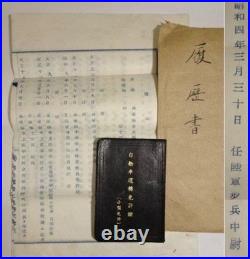
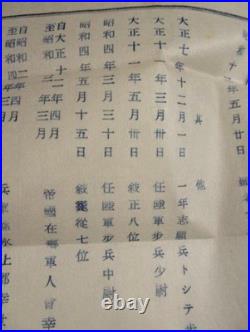
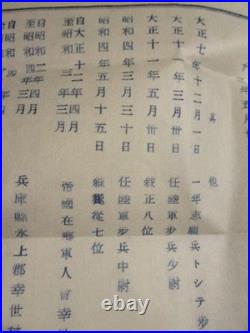
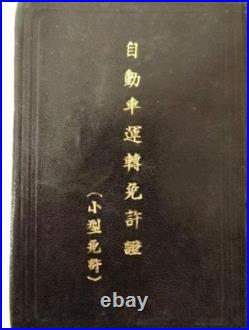
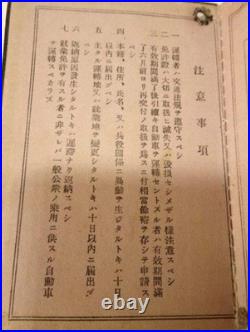
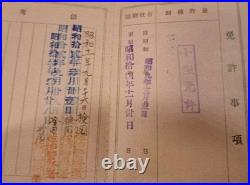
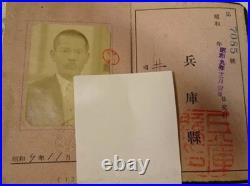
This is a complete personal document set belonging to a former Imperial Japanese Army Lieutenant, dating from the early Showa period (1930s). All documents are original, authentic, and named, forming a rare first-hand historical archive of a single officer’s life and career. What is included. Full name (real individual). Enlistment as a volunteer soldier. Commission as an officer. Final rank: Lieutenant (Imperial Japanese Army). This is an official document that clearly shows how one individual became a commissioned officer. Military Service Record. The service record details. Promotion through enlisted ranks. Commission as Second Lieutenant. Assignments and service periods. It allows the viewer to trace a complete military career from enlisted man to officer. Driver’s License with Photograph. Included is an early Showa-period Japanese driver’s license featuring. Unlike medals or battlefield relics, this set preserves the personal administrative history of an individual officer, a category of material rarely surviving intact. Such personal archives were often lost due to wartime destruction, making this an exceptionally rare survivor. Ideal for collectors, historians, or museum reference collections. Shows age-related wear, stains, and creases. All items are original and unaltered. International Buyers – Please Note. Thank you for your understanding.

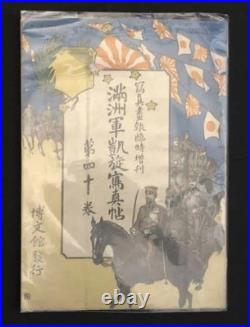
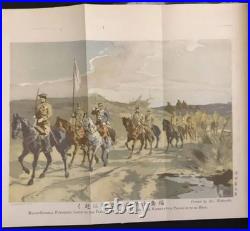
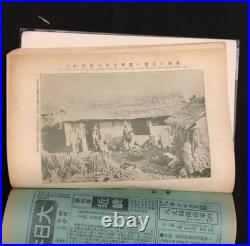
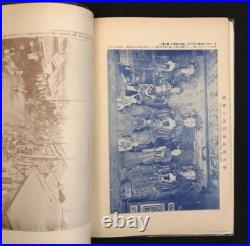
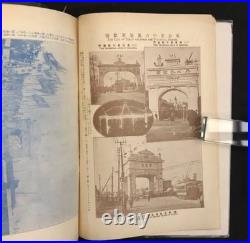
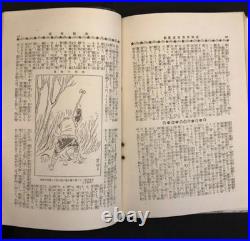
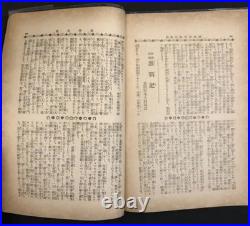
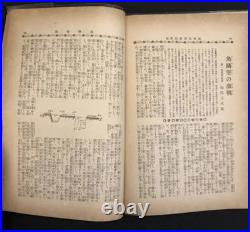
This is the “Manchurian Army Victory Photo Album” Vol. 40, published in 1906 by Hakubunkan as a special issue of the Shashin Gaho (Pictorial Magazine). About the Russo-Japanese War. It marked the first time an Asian power defeated a European empire in modern warfare, and had a major impact on world history. The “Manchurian Army” refers to the Japanese Army forces dispatched to Manchuria (present-day Northeast China), where they fought decisive battles such as the Siege of Port Arthur and the Battle of Mukden. Contents of this Album. Includes a vivid color lithograph frontispiece depicting Major General Fukushima and troops marching in triumph. Rich with battlefield photographs, illustrations, soldiers’ accounts, and war reports, vividly recording the atmosphere of the era. This album served as both a commemorative publication of Japan’s victory and a record for the home front. Today, it remains an invaluable historical reference for collectors and researchers of the Russo-Japanese War and modern Japanese military history. Approximate 7-21days(To USA).

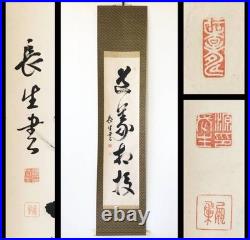
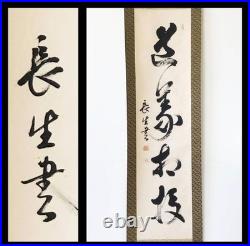
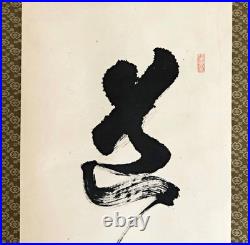
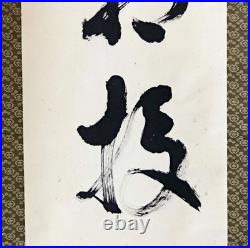
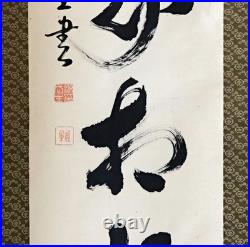
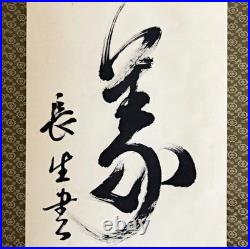
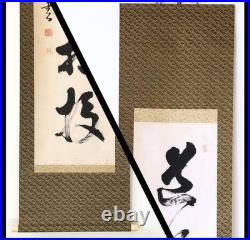
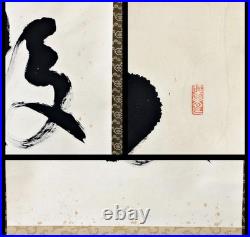
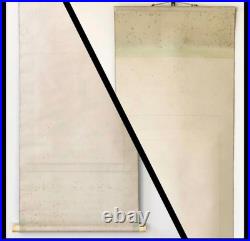
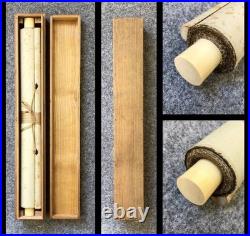
This is an authentic Japanese calligraphy hanging scroll written by a Vice Admiral of the Imperial Japanese Navy. The work features the powerful four-character phrase. And is additionally inscribed with. ? (Written by Nagao). A red personal seal reading (Ogasawara Nagao) is clearly impressed on the paper, confirming the authorship. Meaning of “Dogi Aito”. “Dogi Aito” means to share the same moral principles and ideals. It expresses the idea that individuals are united through common ethics, justice, and purpose. This phrase was especially favored by military officers, as it reflects values such as. Shared duty and responsibility. Loyalty based on principle rather than convenience. Moral alignment beyond rank or position. The calligraphy strongly conveys the disciplined yet expressive spirit characteristic of senior naval officers. About Ogasawara Nagao. Ogasawara Nagao was a Vice Admiral in the Imperial Japanese Navy and a member of the historic Ogasawara clan, former lords of the Karatsu domain. He served during the period spanning late Meiji through early Showa Japan, an era when the Imperial Japanese Navy was rapidly expanding and modernizing. As a high-ranking officer, he was involved in naval command and fleet administration during a formative period of modern Japanese naval history. This scroll is considered a genuine work created by Ogasawara Nagao, reflecting the personal philosophy and ethical ideals of a senior naval officer. Overall (including roller ends): 207.5 × 50 cm. Artwork (paper only): 134.5 × 33 cm. Paper: Age-related spotting and foxing throughout. Mounting: Front is well preserved; stains visible on the reverse. Box: Comes with a wooden storage box (tomobako-style, later). All conditions are consistent with an authentic period piece. This scroll is a historically significant and authentic example of. Imperial Japanese Navy senior officer calligraphy. Traditional Japanese hanging scroll craftsmanship. Highly suitable for collectors of Japanese military history, calligraphy, and early modern Japanese artifacts. Approximate 7-21days(To USA).

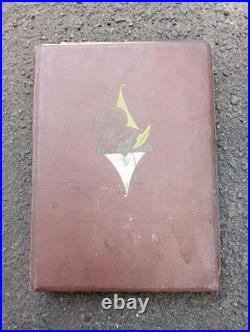
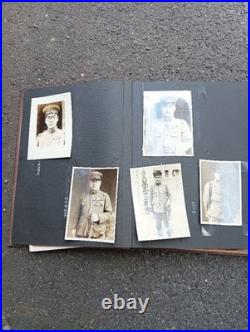
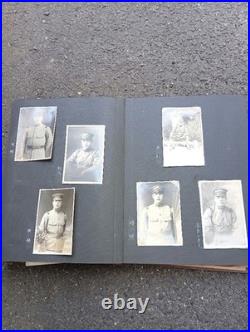
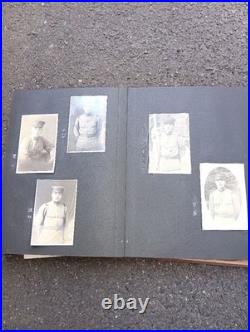
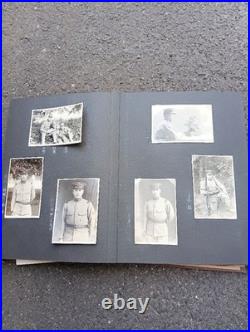
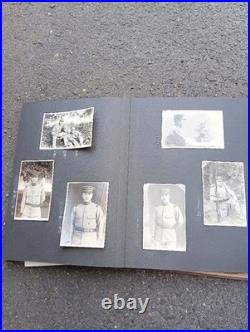
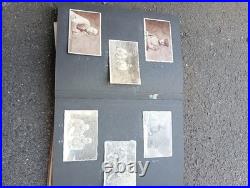
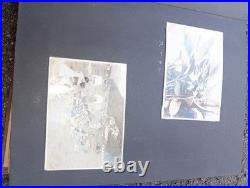
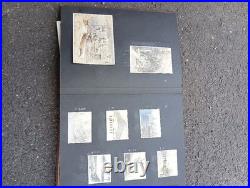
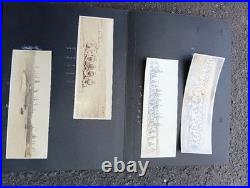
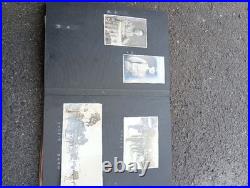
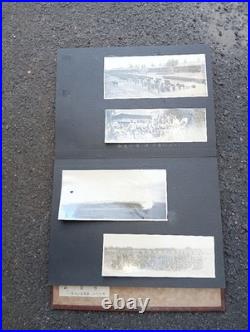
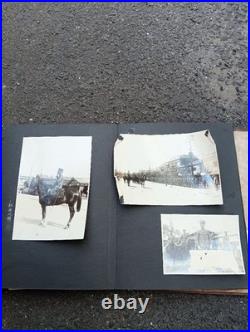
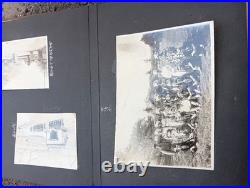
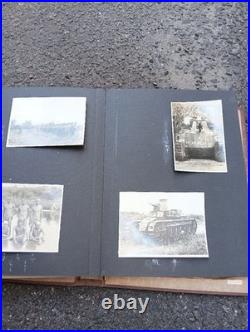
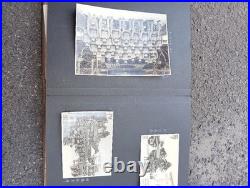
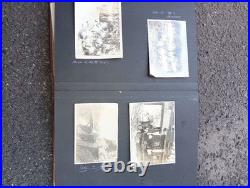
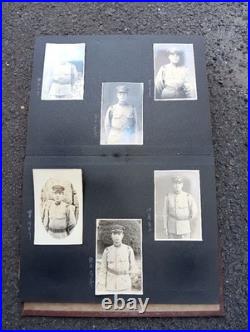
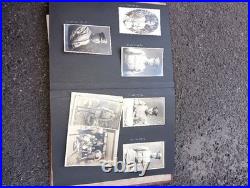
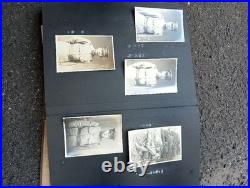
Pre-WWII Imperial Japanese Army Infantry Photo Album 112 Photos 1930s. Condition Vintage pre-owned item. The album spine binding is detached, but the photographs remain viewable and enjoyable. Please check the images carefully for detailed condition. Item Details Type: Original Military Photo Album Country: Japan Era: Estimated around Showa 8 (circa 1933) Number of Photos: Approx. 112 photographs Album Size: Approx. 25 cm x 19 cm Contents (as identified). Imperial Japanese Army infantry regiment. Soldiers and military uniforms. Tanks and armored vehicles. Military ceremonies and regimental flag events. Locations including Yamagata Station, Chitoseyama, Obanazawa, and Kajo Park. Officers such as Brigade Commander Kawahara and Colonel Tanaka Historical Context This album is believed to date from around 1933 during the early expansion period of the Imperial Japanese Army following the Manchurian Incident. It documents military personnel, equipment, ceremonies, and local activities, providing a rare visual record of the pre-World War II Japanese Army. Following the Manchurian Incident of 1931, the Imperial Japanese Army entered a period of rapid expansion and military activity across East Asia. During this time, soldiers and officers often compiled personal or regimental photo albums to record training exercises, ceremonies, and daily life within their units. Albums containing large numbers of original photographs are particularly valuable to historians and collectors because they provide a continuous visual record of military organization, equipment, and regional deployment during the early 1930s. Examples documenting infantry regiments and military life in regional Japan, such as Yamagata, are relatively scarce and offer unique insight into the pre-World War II era of the Japanese military. About other area, please ask me. International Buyers – Please Note. We do not mark merchandise values below value or mark items as “gifts” – US and International government regulations prohibit such behavior.

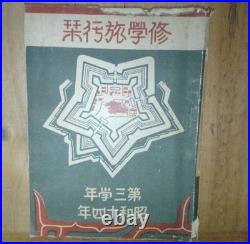
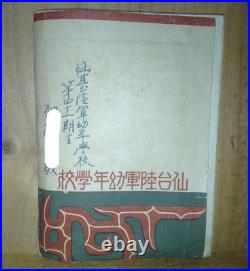
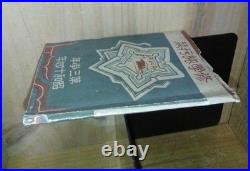

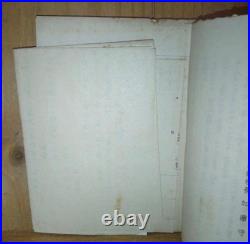
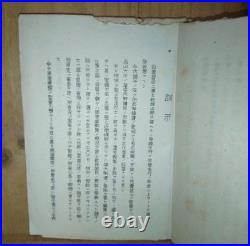
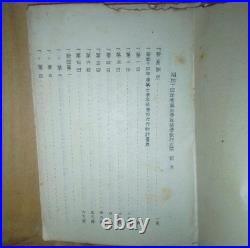
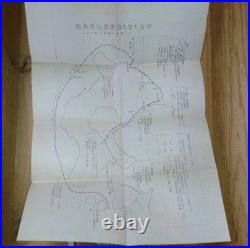
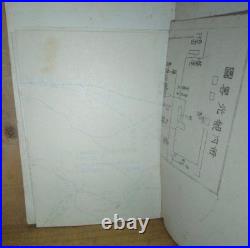
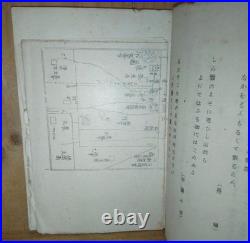
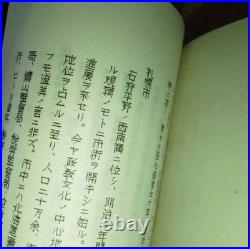
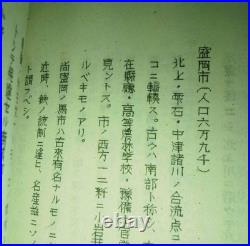
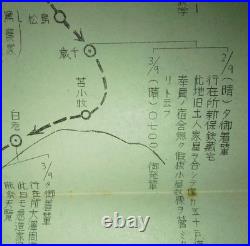
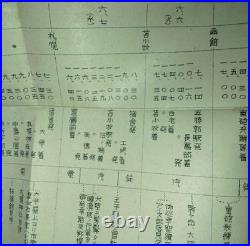
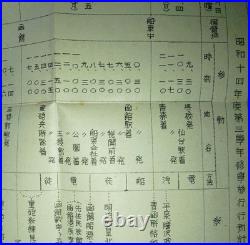
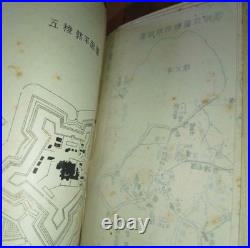
Original 1939 (Showa 14) guidebook. Used for an official school trip. By students of the. Sendai Imperial Japanese Army Cadet School. What does “school trip” mean here? Not a leisure or sightseeing trip. In prewar Japan, especially within military institutions, a “school trip” referred to a. Designed to train discipline, endurance. Geographical awareness, and group conduct. For Army Cadet Schools, such trips functioned as. What was the Sendai Army Cadet School? The Imperial Japanese Army Cadet Schools were. Established to educate boys selected to become future Army officers. Limited number of schools nationwide. Early military discipline and ideological education. Direct pipeline to higher military academies. Because of this system. Original materials actually used by cadets are scarce. Especially items documenting daily training and organized movement. (including coastal cities such as Hakodate and Sapporo). Detailed timetables, routes, lodging points, and maps. Clearly structured in a military, time-controlled format. This is not merely a booklet, but a. The mindset of Japan’s wartime preparatory system. Upper part of the cover. Multiple original maps and route documents are inserted. No major missing pages; contents remain readable. Please review all photos carefully due to the age of the material. An authentic prewar Japanese military education artifact. Imperial Army cadet training material. Dated 1939, just before full wartime escalation. Strong appeal to collectors of military, education, and social history. Approximate 7-21days(To USA).

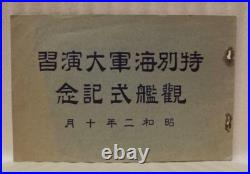
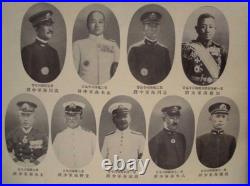
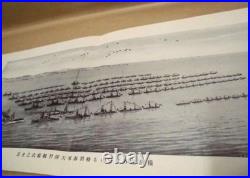
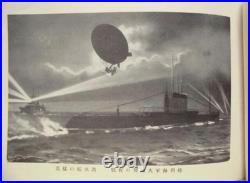
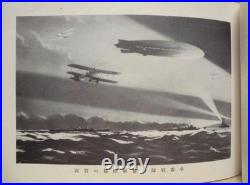
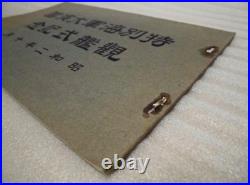
Imperial Japanese Navy Fleet Review commemorative photo album. October 1927 (Showa 2). Special Naval Grand Maneuvers and Fleet Review. Hatakeyama Picture Postcard Store. 15 x 22.5 cm. This is an exceptional surviving visual record of Japan’s interwar navy at the height of battleship prestige. Grand Fleet Review outside Yokohama Harbor. Night battle operations of the Second Fleet. Aircraft and torpedo flotilla maneuvers. Smoke screen attack actions by destroyer forces. Activity of then-modern cruisers. Admirals and Naval Leadership Included. Portrait pages include major commanders of the era. Commander in Chief, Combined Fleet. First Torpedo Squadron. Second Torpedo Squadron. First Submarine Squadron. This album captures the Imperial Japanese Navy during the treaty era between World Wars, when sea power was still measured by battleships, cruisers, submarines, and emerging naval aviation. As an original item over many decades old. Corrosion to staples/binding metal parts. Please review photos carefully. A scarce naval historical piece rarely found today. Own a Piece of History. International Buyers – Please Note. Thank you for your understanding.

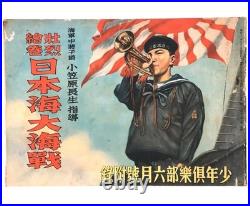
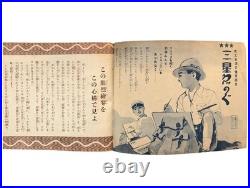
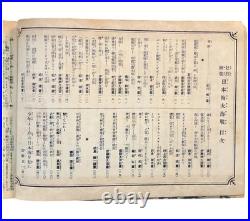
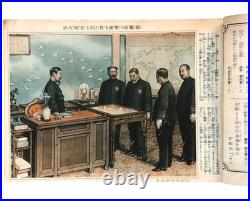
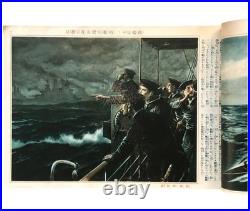
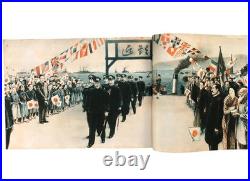
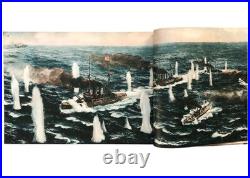
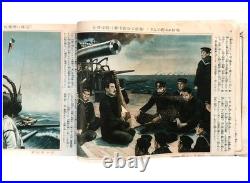
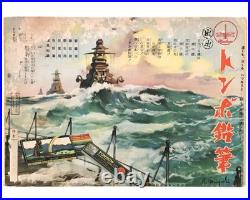
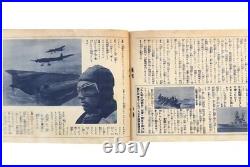
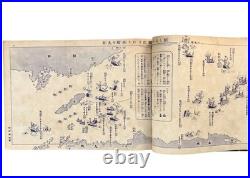
What: A 1937 (Showa 12) supplement to Shonen Club by Kodansha, vividly illustrating the Russo-Japanese War’s decisive Battle of Tsushima (Battle of the Japan Sea). Filled with dramatic color spreads, fleet charts, heroic episodes, and military songs, it was produced as clear wartime propaganda to inspire loyalty in young readers. When: Covers the battle of May 27-28, 1905. Published 32 years later in 1937, as Japan entered the escalation of the Sino-Japanese conflict. Where: The naval battle was fought in the Tsushima Strait, where Admiral Togo’s Combined Fleet defeated Russia’s Baltic Fleet. Why: To pass on the national victory myth to the next generation, reinforcing the Navy’s prestige and patriotic sentiment. 1937 marked the rise of militarism and mass propaganda campaigns through magazines, posters, and songs. 19×27cm, 48 pages, richly illustrated. Includes panoramic battle scenes, fleet deployment maps, and text aimed at youth. Condition: aged paper, wear, foxing, edge fray; intact and readable (see photos). A rare survivor of 1930s Japanese militarist culture-valuable both as children’s media and as a window into wartime propaganda. Own a Piece of History. Approximate 7-21days(To USA).