
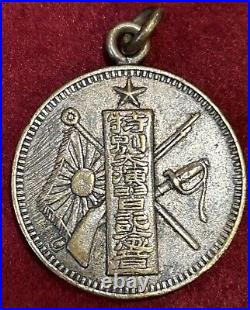
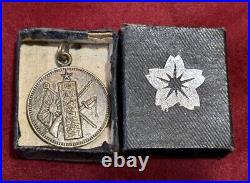
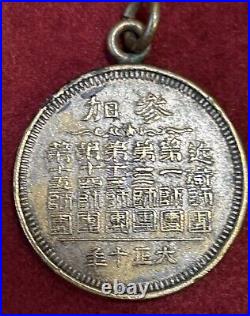
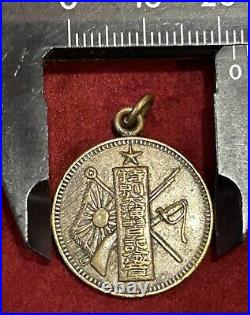
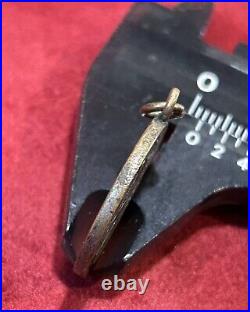
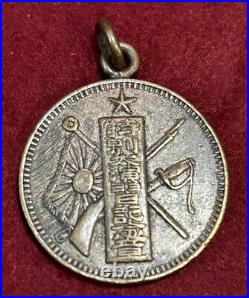

Antique Imperial Japanese medal. Rare Imperial Japanese Army Medal from 1921 Special Grand Maneuvers. Authentic antique military award with original box. Commemorates major exercises involving multiple divisions. Features rising sun, star, and weapons motifs. Excellent condition with attractive patina. 1.5 inches / 38mm in diameter. Incredible piece of early Taisho era military history. Perfect for collectors of Japanese militaria and medals. Emperor’s son (future Hirohito) oversaw these landmark maneuvers Involved over 100,000 troops, aircraft, and cutting-edge technology Simulated defense of Tokyo region against invading forces Culminated in massive mock battle along Tama River. Don’t miss this chance to own a tangible piece of pre-WWII Japanese military heritage! Questions welcome – I’m happy to provide more details on this fascinating item. It is expected to take more than a month to arrive.

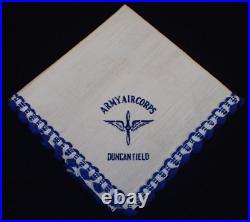
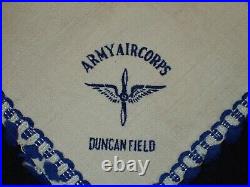
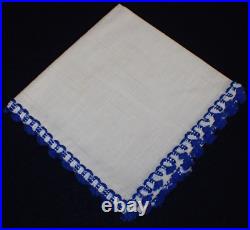
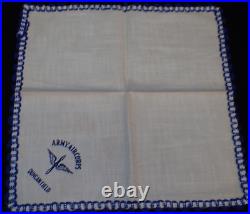
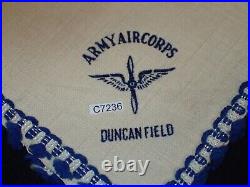
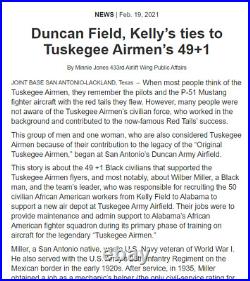
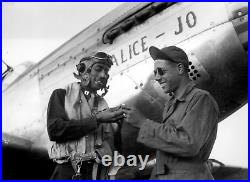
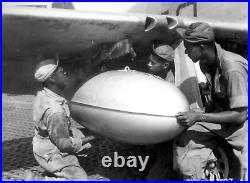
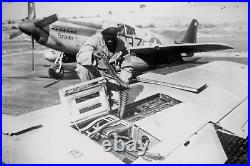
WWII US AAC Army Air Corps Duncan Field Repair Depot San Antonio Tuskegee Airmen. Original WWII United States AAC Army Air Corps Duncan Field Repair Depot (Kelly Army Air Field 1942 Merged) San Antonio, Texas with a Unique Tuskegee Airmen Connection (Partial Article Shown – Easily Found) Linen Embroidered Napkin, Decorative Edging, Good Early Period. As Photographed with wear and some discoloration as seen. A Nice Candidate for any Advanced Collection, Archive, or Display. Recent Estate Collection Acquisition & Presented as Acquired, Rare (Photos 6 – 9 Digital Reference Only). Check back often – we search estates and sources across the world to bring a fine selection of militaria. Please review all photos for details regarding the condition of the item listed – further condition information will be included in the listing as is relevant, if you need additional photographs or have questions regarding the condition please do not hesitate to ask. I describe all items to the best of my ability – please do not hesitate to ask any and all questions prior to the close of the listing. Mistakes very rarely occur – however if one does please rest assured that it will be corrected. International Buyers are Welcome!

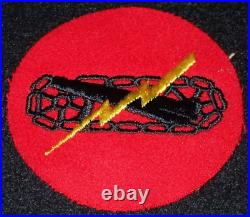
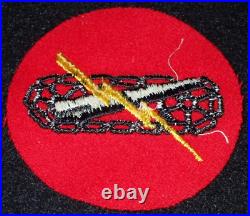
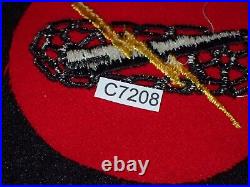
Interwars US Army 68th Field Artillery Battalion Mechanized SSI Shoulder Patch. Scarce Interwars US Army 68th Field Artillery Battalion Mechanized SSI Shoulder Patch, Fine Issued. As Photographed with wear as seen – Period Production. A Nice Candidate for any Collection, Library, or Display. Recent Estate Collection Acquisition & Presented as Acquired, Does Not Fluoresce Under Ultraviolet Light. Check back often – we search estates and sources across the world to bring a fine selection of militaria. Please review all photos for details regarding the condition of the item listed – further condition information will be included in the listing as is relevant, if you need additional photographs or have questions regarding the condition please do not hesitate to ask. I describe all items to the best of my ability – please do not hesitate to ask any and all questions prior to the close of the listing. Mistakes very rarely occur – however if one does please rest assured that it will be corrected. International Buyers are Welcome!

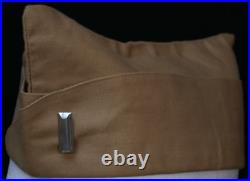
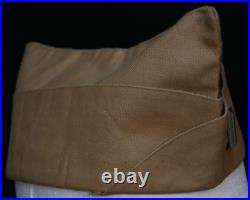
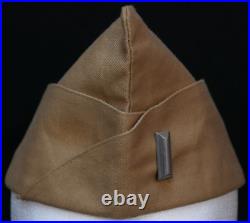
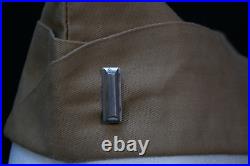

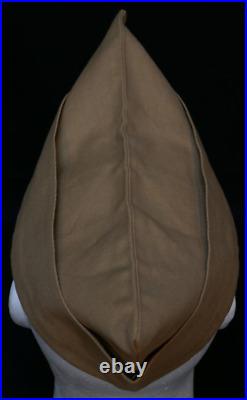

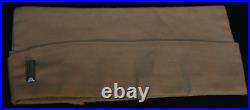

Interwar US Army Officers Khaki Cotton Overseas Garrison Cap 1st Lieutenant Bar. Interwar Pre-WW2 United States Army Officers Khaki Cotton Overseas Garrison Cap 1st Lieutenant “Coffin” Style Bar, Great Issued Condition. As Photographed with minimal wear as seen. A Fine Candidate for any Period Collection, Impression, or Display. Recent Estate Collection Acquisition & Presented as Acquired, Scarce. Check back often – we search estates and sources across the world to bring a fine selection of militaria. Please review all photos for details regarding the condition of the item listed – further condition information will be included in the listing as is relevant, if you need additional photographs or have questions regarding the condition please do not hesitate to ask. I describe all items to the best of my ability – please do not hesitate to ask any and all questions prior to the close of the listing. Mistakes very rarely occur – however if one does please rest assured that it will be corrected. International Buyers are Welcome!

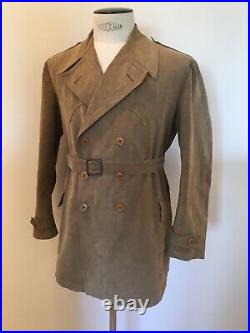
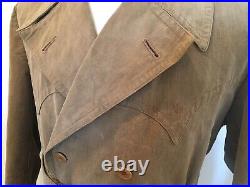
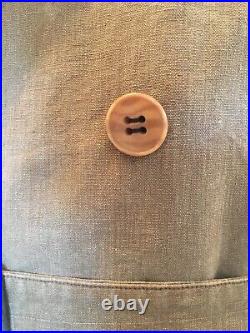
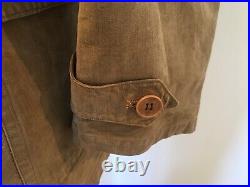
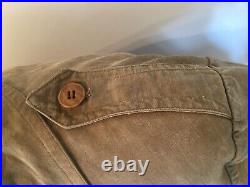
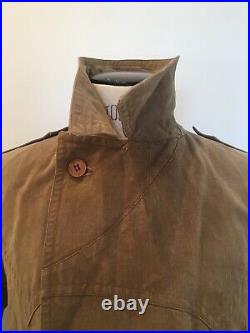
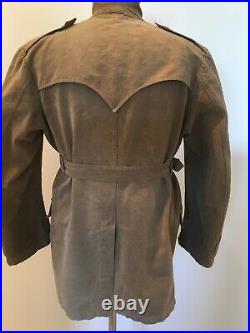
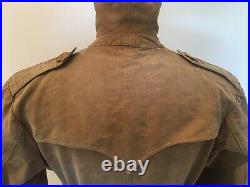
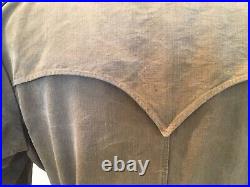
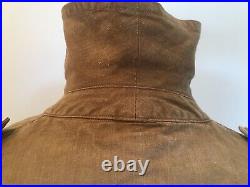
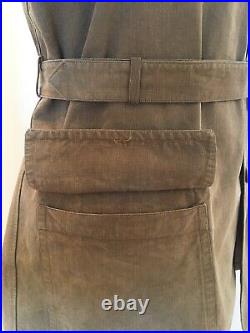
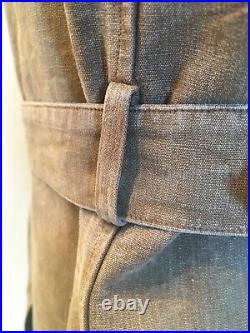
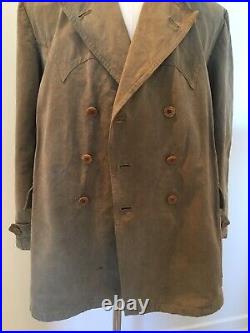
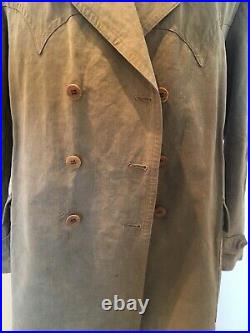
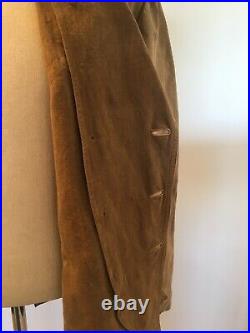
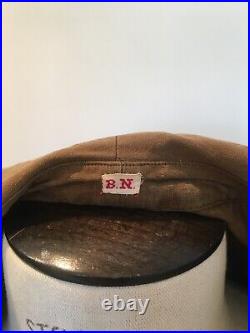
A rare civilian jacket / coat made in brown canvas cotton like M38 WW2 French Army jacket, good condition size S. Please look at my other auctions for more great stuff!

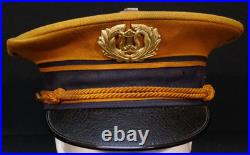
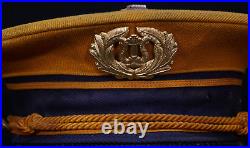
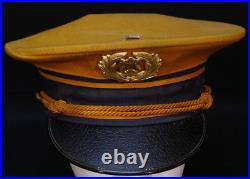
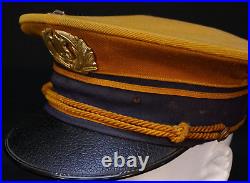
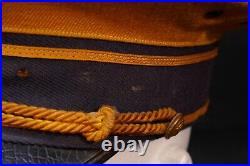



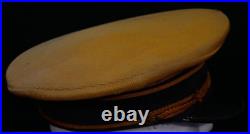
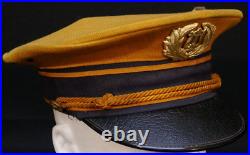
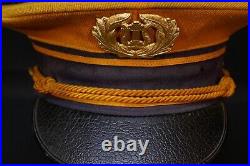
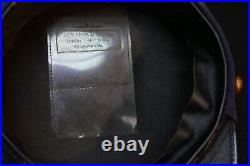
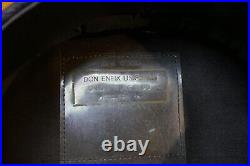
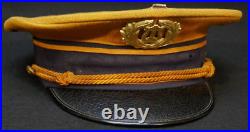
Interwar Era 1920’s US Army Band Musician Service Visor Hat Missing Plume. Original Interwar Era 1920’s United States Army Band Musician Service Visor Hat Missing Plume, Good Issued. As Photographed with wear, some discoloration to the cover, a few moth hits and crazing to the visor as seen, Early Production. An Authentic Candidate for any Collection, Impression, or Display. Recent Estate Collection Acquisition & Presented as Acquired, Scarce. Check back often – we search estates and sources across the world to bring a fine selection of militaria. Please review all photos for details regarding the condition of the item listed – further condition information will be included in the listing as is relevant, if you need additional photographs or have questions regarding the condition please do not hesitate to ask. I describe all items to the best of my ability – please do not hesitate to ask any and all questions prior to the close of the listing. Mistakes very rarely occur – however if one does please rest assured that it will be corrected. International Buyers are Welcome!

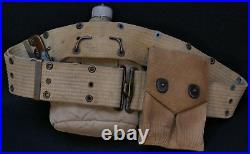
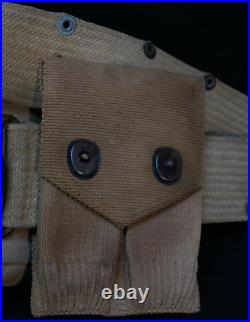
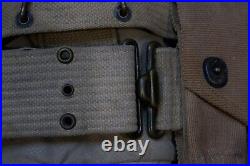
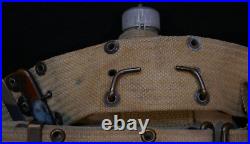
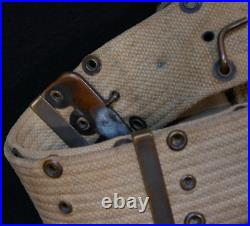
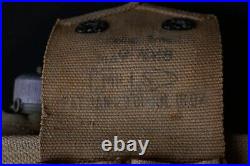
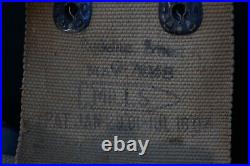
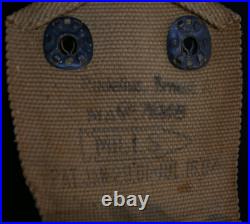
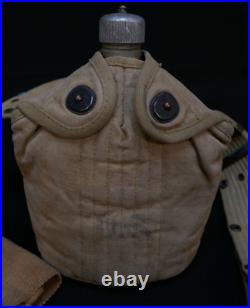
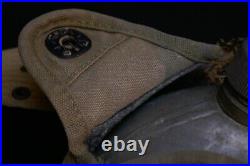
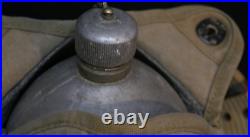
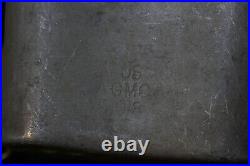
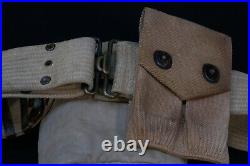

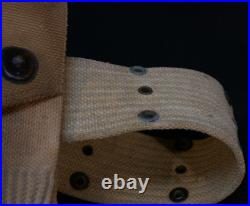
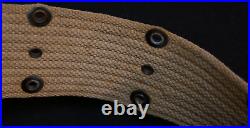
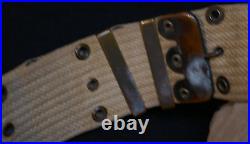
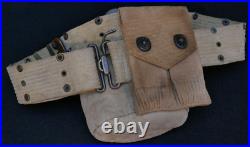
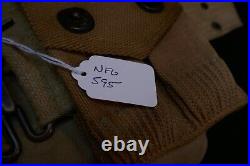
WWI US Army M1910 Pistol Belt AGM Co Canteen + Cover MILLS M1911 May 1911 Pouch. WWI United States Army Model 1910 Pistol Belt, AGM Co Canteen + Cover, plus MILLS Co. 45 Automatic Ammunition Pouch Dated May 1918 1911 Pouch named – illegible? , Good Issued and Serviceable. As Photographed with wear as seen – Early Wartime Production. A Nice Candidate for any Collection, Impression, or Display. Recent Estate Collection Acquisition & Presented as Acquired, Scarce. Check back often – we search estates and sources across the world to bring a fine selection of militaria. Please review all photos for details regarding the condition of the item listed – further condition information will be included in the listing as is relevant, if you need additional photographs or have questions regarding the condition please do not hesitate to ask. I describe all items to the best of my ability – please do not hesitate to ask any and all questions prior to the close of the listing. Mistakes very rarely occur – however if one does please rest assured that it will be corrected. International Buyers are Welcome!

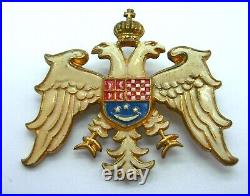

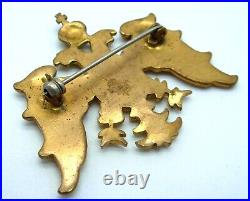
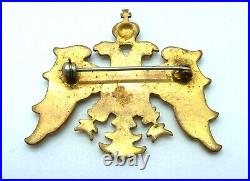
Believed to be Officers Cap Badge most likely made in the UK. Graphically the coats of arms were similar, featuring only two major differences, the first difference being the royal crowns. The royal Serbian coat of arms depicts the Obrenovic dynastic crown, while the royal Yugoslav coat of arms depicted the ruling Karadordevic dynastic crown. The second difference involved the shield surmounted on the white double-headed eagle. The previous Serbian coat of arms depicted only the Serbian tetragrammatic cross, representing only the Serbian nation. When Yugoslavia formed in 1918, the surmounted shield changed to include symbolism for the newly integrated Croat (red-and-white chequerboard) and Slovene nations, as the three official nations of Yugoslavia. Measures approximately 1 3/4″ by 1 1/2″ overall. Excellent antique/vintage condition as shown. Please Note: Some devices/phones are unable to properly view scans and details of description.

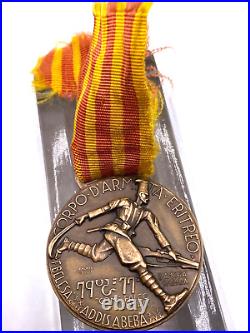
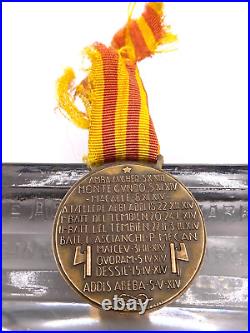
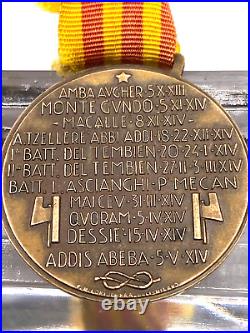
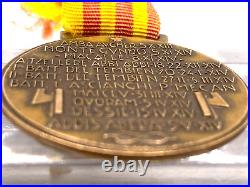
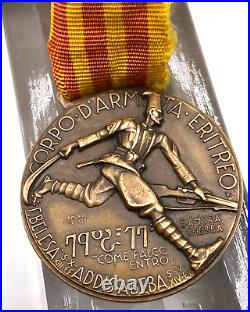
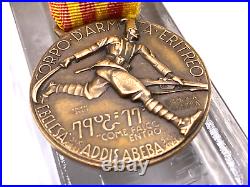
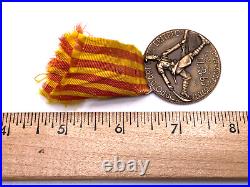
Vintage Rare bronze medal, high relief Italy Kingdom Eritrean Army Corps Medal from the late 1930’s. Beautiful condition with remnants of original ribbon. Please see all pics for condition, and feel free to request more photos.

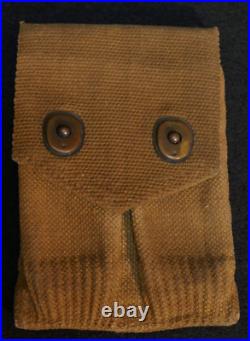
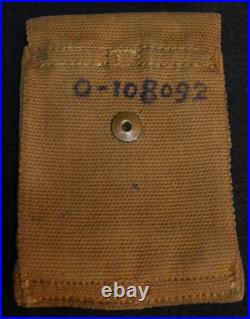
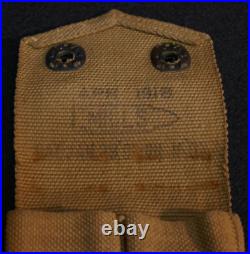
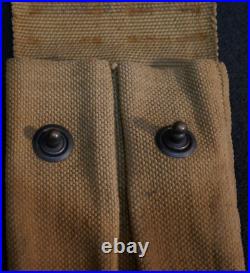
WWI US Army USMC Ammunition Pouch MILLS. 45 Automatic M1911 – MAR 1918 Dated. Original WWI United States Army USMC M1912. 45 Automatic M1911 – MAR 1918 Dated, Good Issued and Serviceable. As Photographed with wear as seen – Wartime Production. A Nice Candidate for any Collection, Library, or Display. Recent Estate Collection Acquisition & Presented as Acquired, Rare. Check back often – we search estates and sources across the world to bring a fine selection of militaria. Please review all photos for details regarding the condition of the item listed – further condition information will be included in the listing as is relevant, if you need additional photographs or have questions regarding the condition please do not hesitate to ask. I describe all items to the best of my ability – please do not hesitate to ask any and all questions prior to the close of the listing. Mistakes very rarely occur – however if one does please rest assured that it will be corrected. International Buyers are Welcome!