
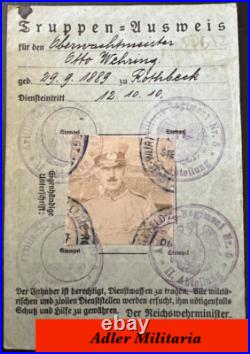
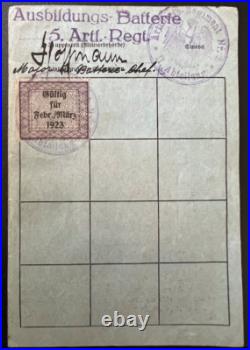

Original Pre-WWII German Army Weimar Reichswehr Soldier ID Truppen Ausweis RARE. A very rare photo identity paper known as the Troop Identity. Issued to Oberwachtmeister Otto Wehring in the Reichswehr in 1923 with Artillerie Regiment Nr 5. He was one of the 100,000 standing army. Interestingly the II Batt, that Wehring was in was in Bayern, and the Reichswehr took part in the downing of H Putsch in 9 November 1923. If Wehring was present, we will not know, but he certainly was in active service at the time in a very small army.’Reich Defense’ was the official name of the German armed forces during the Weimar Republic and the first years of the Third Reich. After Germany was defeated in World War I, the Imperial German Army (Deutsches Heer) was dissolved in order to be reshaped into a peacetime army. From it a provisional Reichswehr was formed in March 1919. Under the terms of the Treaty of Versailles, the rebuilt German army was subject to severe limitations in size, structure and armament. The official formation of the Reichswehr took place on 1 January 1921 after the limitations had been met. The German armed forces kept the name’Reichswehr’ until Adolf Hitler’s 1935 proclamation of the “restoration of military sovereignty”, at which point it became part of the new Wehrmacht. Although ostensibly apolitical, the Reichswehr acted as a state within a state, and its leadership was an important political power factor in the Weimar Republic. The Reichswehr sometimes supported the democratic government, as it did in the Ebert-Groener Pact when it pledged its loyalty to the Republic, and sometimes backed anti-democratic forces through such means as the Black Reichswehr, the illegal paramilitary groups it sponsored in contravention of the Versailles Treaty. The Reichswehr saw itself as a cadre army that would preserve the expertise of the old imperial military and form the basis for German rearmament. Structure of the Reichswehr. Arms limitations under the Treaty of Versailles. In Part V of the 1919 Versailles Peace Treaty, Germany had obligated itself to limit the size and armaments of its military forces so that they could be used only as border protection and for the maintenance of order within Germany. In accordance with the treaty’s provisions, personnel strength was limited to a professional army of 100,000 men plus a 15,000-man navy. The establishment of a general staff was prohibited. Heavy weapons above defined calibers, armored vehicles, submarines and large warships were prohibited, as was any type of air force. The regulations were overseen by the Military Inter-Allied Commission of Control until 1927. Conscription into the German army had traditionally been for a period of 1 to 3 years. After they had completed their terms of service, the discharged soldiers created a large pool of trained reserves. The Versailles Treaty fixed the term of service for Reichswehr officers at 25 years and for all others at 12 in order to prevent such a buildup of reservists. Artillerie Regiment Nr 5. The regiment was formed on January 1, 1921 in Ulm from the Reichswehr Artillery Regiments 11, 13 and 14 of the Transitional Army. At the beginning of the 1920s, the departments in Ulm and Fulda exchanged their numbering. In the course of the expansion of the Reichswehr in 1934, the new regiments Artillery Regiment Ulm, Artillery Regiment Fulda and Artillery Regiment Ludwigsburg, each with five departments, were set up from the three departments of the regiment. On October 15, the Artillery Regiment Ulm was renamed Artillery Regiment 5 and placed under the 5th Infantry Division. Check back often – we search estates and sources across the world to bring a fine selection of militaria. Please review all photos for details regarding the condition of the item listed – further condition information will be included in the listing as is relevant, if you need additional photographs or have questions regarding the condition please do not hesitate to ask. I describe all items to the best of my ability – please do not hesitate to ask any and all questions prior to the close of the listing. Mistakes very rarely occur – however if one does please rest assured that it will be corrected. International Buyers are Welcome!

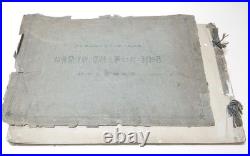
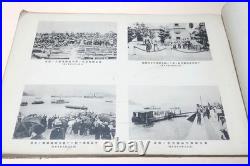
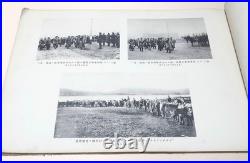
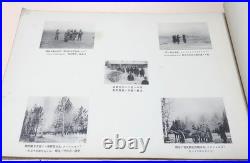
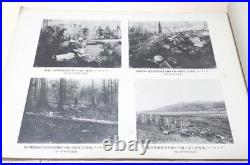
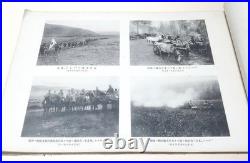
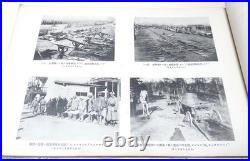
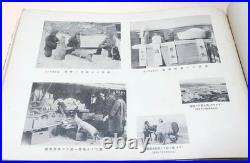
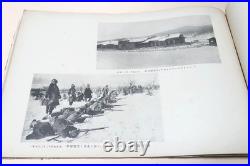
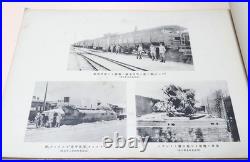
This item is an official, non-commercial photo album compiled by the Imperial Japanese Army 5th Division Headquarters, based in Hiroshima, during the period of the Siberian Intervention. The photographs document the activities of the 5th Division between August 1919 and July 1920, including military operations, troop movements, logistics, encampments, transportation, and daily life in Siberia and the Russian Far East. This album was not intended for public sale and was produced as an internal military record. As a result, surviving copies are limited, and such albums are rarely encountered on the open market today. What Was the Siberian Intervention? Japan, Britain, the United States, France, and other Allied powers. (Japan deployed the largest force). Siberia and the Russian Far East (primarily east of Lake Baikal). Officially to assist the evacuation of the Czechoslovak Legion and stabilize the region after the Russian Revolution; Japan also pursued its own strategic interests. Deployment of troops, occupation, security operations, and logistics. Japan dispatched over 70,000 soldiers, remaining in Siberia even after other Allied forces withdrew, before ultimately evacuating under international pressure. About the Imperial Japanese Army 5th Division. The 5th Division was one of Japan’s long-established standing divisions, headquartered in Hiroshima. It participated in major conflicts including the Sino-Japanese War, Russo-Japanese War, World War I-era operations, and the Siberian Intervention. During the Siberian campaign, the division was responsible for operations and long-term deployment under severe climatic conditions. The division was later reorganized and ultimately dissolved with the disbandment of the Imperial Japanese Army in 1945. About This Album. This album is not a commemorative or propaganda publication in the modern sense, but rather a documentary military record created by the unit itself. Infantry, cavalry, artillery, and logistics units. Field operations and troop formations. Railway transport and supply activities. Encampments and winter conditions. Officers and unit group photographs. Its value lies in its documentary and historical significance as a primary source. Size & Condition. 27 × 39 cm. Visible wear, edge damage, and binding deterioration consistent with age. Condition does not detract from research or reference value. A rare non-commercial primary source documenting the Imperial Japanese Army’s Siberian operations through the lens of a single division. Appealing to collectors and researchers of military history, early 20th-century geopolitics, and archival photography. Approximate 7-21days(To USA).

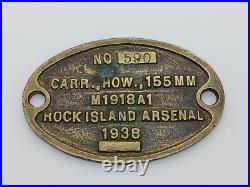
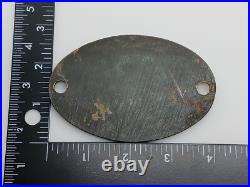
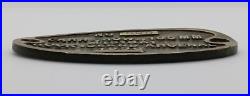
THANK YOU FOR CHOOSING OUR AUCTIONS. US Army 155mm Rock Island Arsenal Howitzer Carriage Brass Data Plate. The brass plate is bent. Please see picture 3.

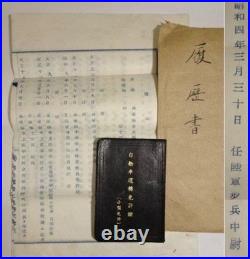
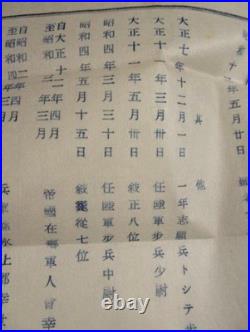
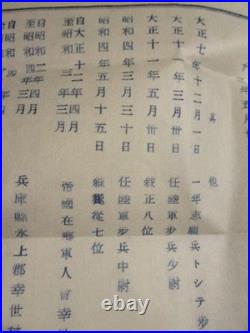
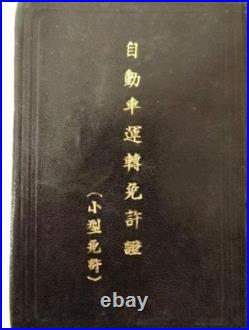
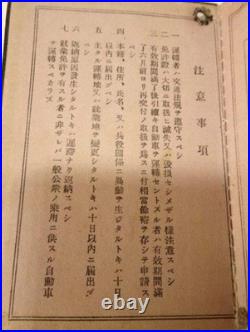
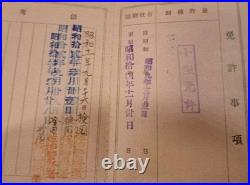
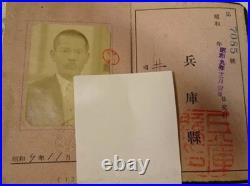
This is a complete personal document set belonging to a former Imperial Japanese Army Lieutenant, dating from the early Showa period (1930s). All documents are original, authentic, and named, forming a rare first-hand historical archive of a single officer’s life and career. What is included. Full name (real individual). Enlistment as a volunteer soldier. Commission as an officer. Final rank: Lieutenant (Imperial Japanese Army). This is an official document that clearly shows how one individual became a commissioned officer. Military Service Record. The service record details. Promotion through enlisted ranks. Commission as Second Lieutenant. Assignments and service periods. It allows the viewer to trace a complete military career from enlisted man to officer. Driver’s License with Photograph. Included is an early Showa-period Japanese driver’s license featuring. Unlike medals or battlefield relics, this set preserves the personal administrative history of an individual officer, a category of material rarely surviving intact. Such personal archives were often lost due to wartime destruction, making this an exceptionally rare survivor. Ideal for collectors, historians, or museum reference collections. Shows age-related wear, stains, and creases. All items are original and unaltered. International Buyers – Please Note. Thank you for your understanding.

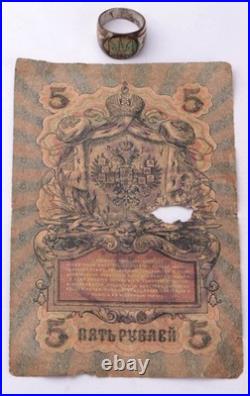
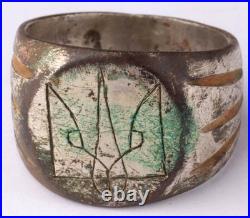
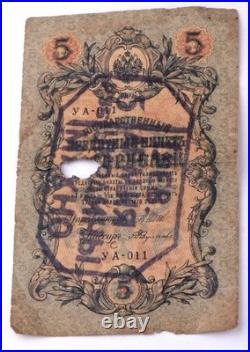

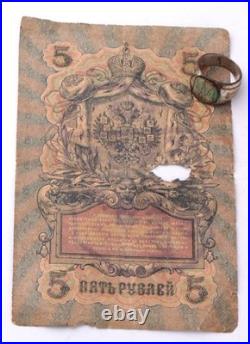
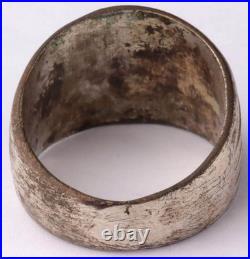
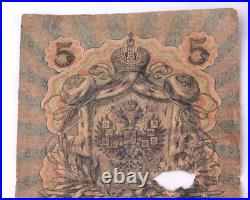
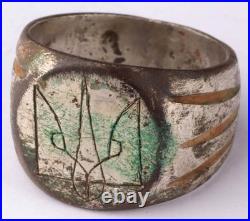
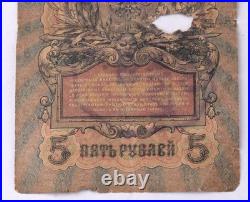
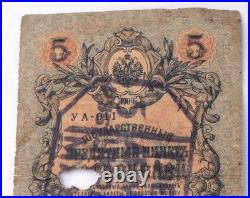
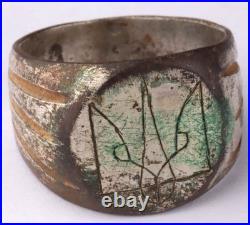
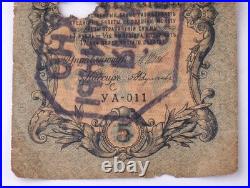
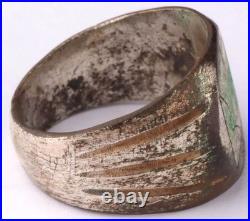
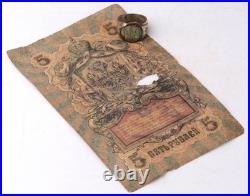
Good item for your collection or gift for holidays! If you have any question – please write me. You can make your best offer for this item.

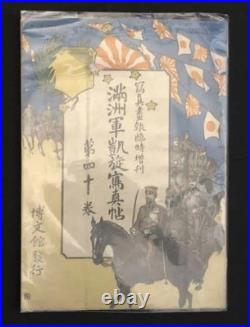
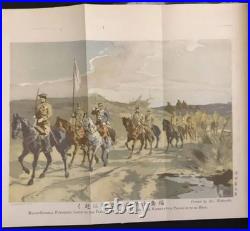
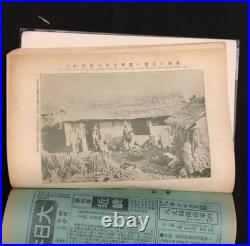
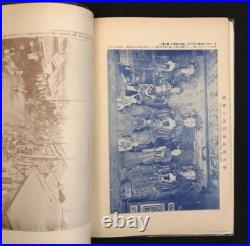
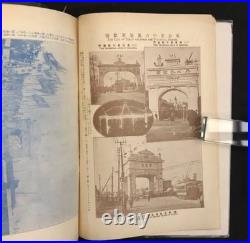
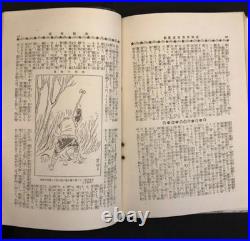
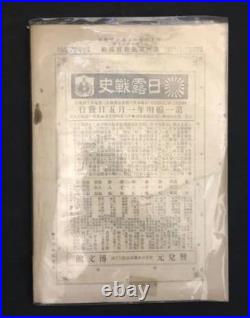
This is the “Manchurian Army Victory Photo Album” Vol. 40, published in 1906 by Hakubunkan as a special issue of the Shashin Gaho (Pictorial Magazine). About the Russo-Japanese War. It marked the first time an Asian power defeated a European empire in modern warfare, and had a major impact on world history. The “Manchurian Army” refers to the Japanese Army forces dispatched to Manchuria (present-day Northeast China), where they fought decisive battles such as the Siege of Port Arthur and the Battle of Mukden. Contents of this Album. Includes a vivid color lithograph frontispiece depicting Major General Fukushima and troops marching in triumph. Rich with battlefield photographs, illustrations, soldiers’ accounts, and war reports, vividly recording the atmosphere of the era. This album served as both a commemorative publication of Japan’s victory and a record for the home front. Today, it remains an invaluable historical reference for collectors and researchers of the Russo-Japanese War and modern Japanese military history. Approximate 7-21days(To USA).

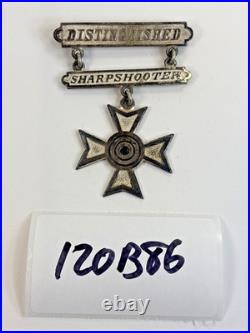
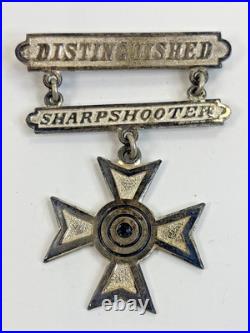
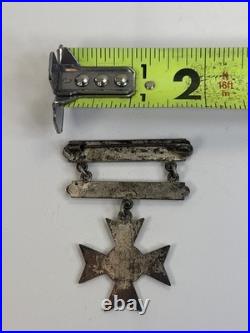
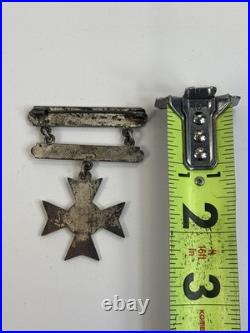
This is a vintage item. Please see the pictures for condition, completeness, and what is included. We did not perform any cleaning or restorations and left the item just as found. Very nice color and detail. Great for collectors and display. Well made, great build quality. Thank you for looking.

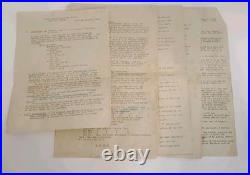
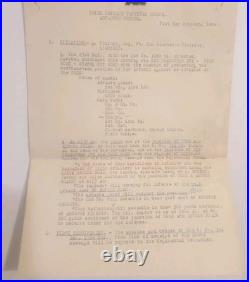
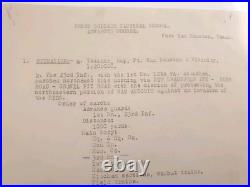
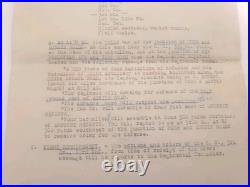
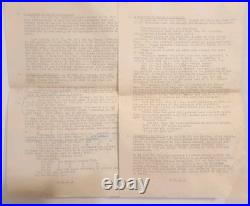
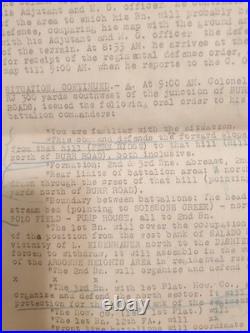
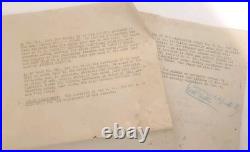
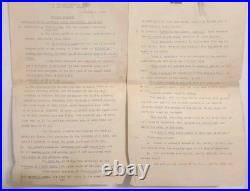
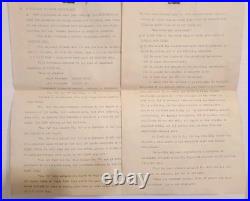
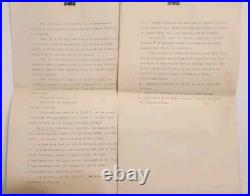
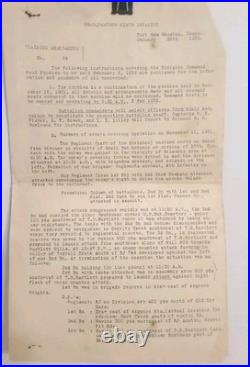
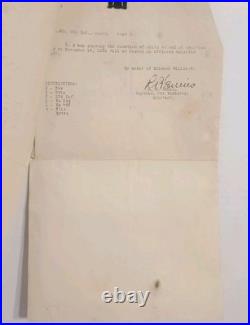
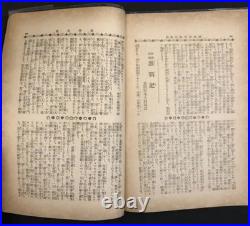
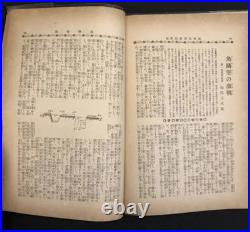
Included are orders, situations, requirements, and solutions. Detailing troop movement, with tanks involved. Worn, discolored, spotted, stained. However, it is legible. It is not torn up.

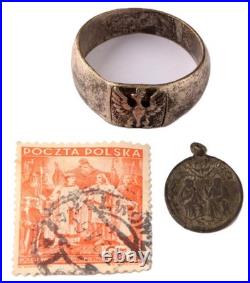
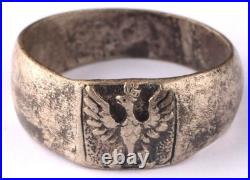
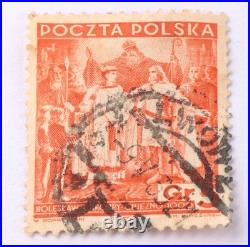
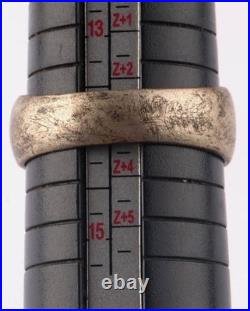
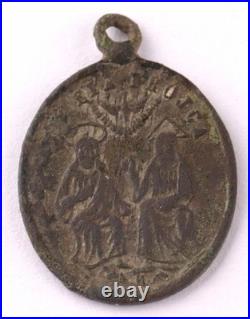


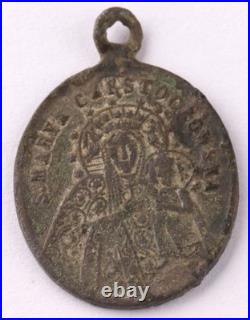
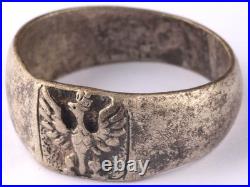
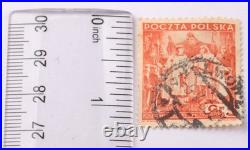

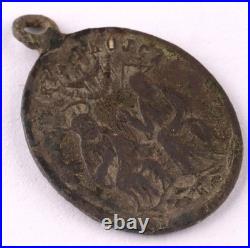
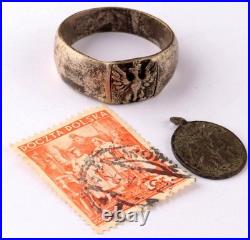

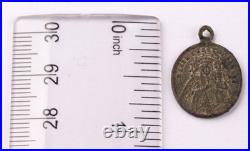
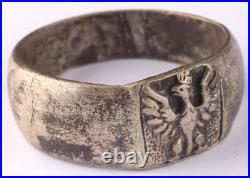
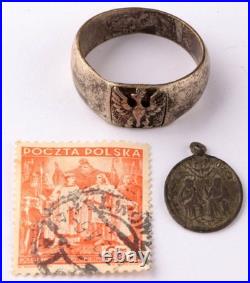
Ring Poland WW2 Eagle WWII Polish Army Coat of arms Polska Europe Jewelry Set Silver-plated Bronze Size 14 23 mm 6.9g Medalion 21×14.5 mm 1.2g Poczta 32×26 mm? 3072. Do you always want to be the first to see new interesting items? Subscribe to my items, add to your favorite sellers. Be the first to see, win and enjoy the win! Thank you for your time!

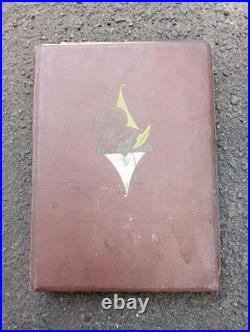
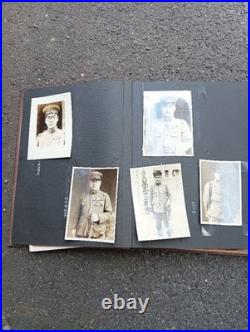
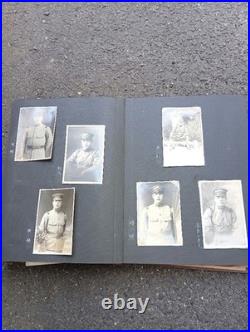
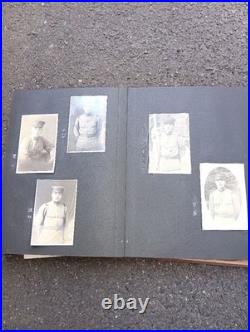
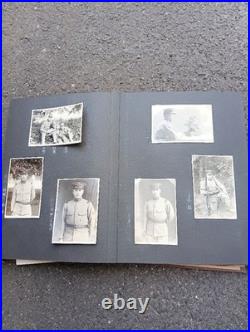
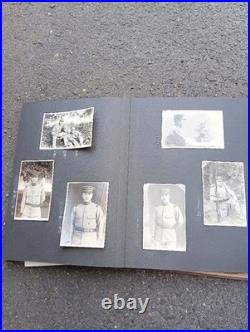
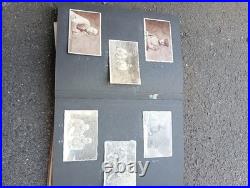
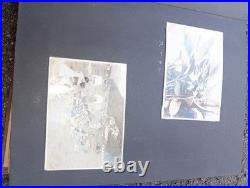
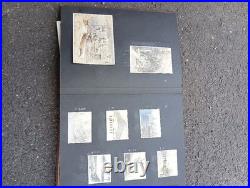
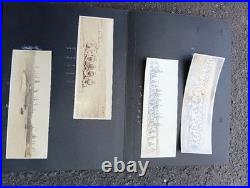
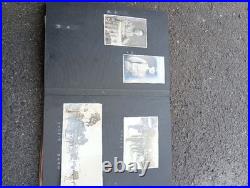
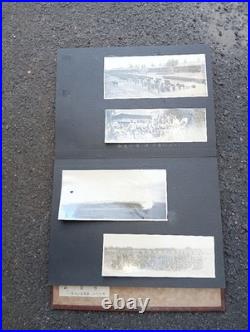
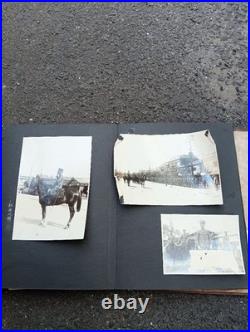
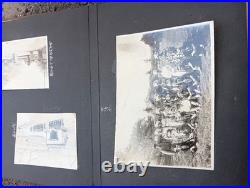
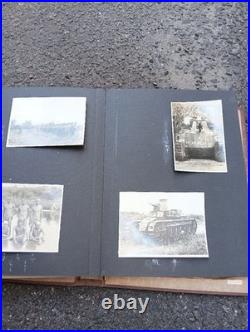
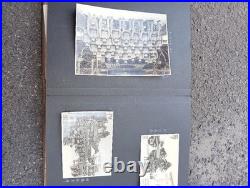
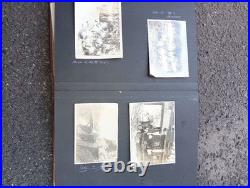
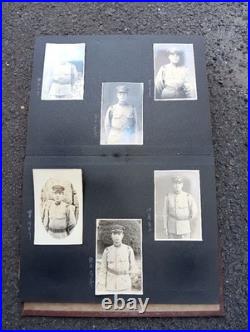
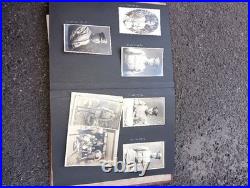
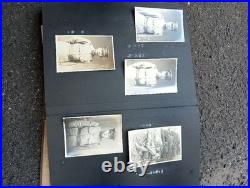
Pre-WWII Imperial Japanese Army Infantry Photo Album 112 Photos 1930s. Condition Vintage pre-owned item. The album spine binding is detached, but the photographs remain viewable and enjoyable. Please check the images carefully for detailed condition. Item Details Type: Original Military Photo Album Country: Japan Era: Estimated around Showa 8 (circa 1933) Number of Photos: Approx. 112 photographs Album Size: Approx. 25 cm x 19 cm Contents (as identified). Imperial Japanese Army infantry regiment. Soldiers and military uniforms. Tanks and armored vehicles. Military ceremonies and regimental flag events. Locations including Yamagata Station, Chitoseyama, Obanazawa, and Kajo Park. Officers such as Brigade Commander Kawahara and Colonel Tanaka Historical Context This album is believed to date from around 1933 during the early expansion period of the Imperial Japanese Army following the Manchurian Incident. It documents military personnel, equipment, ceremonies, and local activities, providing a rare visual record of the pre-World War II Japanese Army. Following the Manchurian Incident of 1931, the Imperial Japanese Army entered a period of rapid expansion and military activity across East Asia. During this time, soldiers and officers often compiled personal or regimental photo albums to record training exercises, ceremonies, and daily life within their units. Albums containing large numbers of original photographs are particularly valuable to historians and collectors because they provide a continuous visual record of military organization, equipment, and regional deployment during the early 1930s. Examples documenting infantry regiments and military life in regional Japan, such as Yamagata, are relatively scarce and offer unique insight into the pre-World War II era of the Japanese military. About other area, please ask me. International Buyers – Please Note. We do not mark merchandise values below value or mark items as “gifts” – US and International government regulations prohibit such behavior.