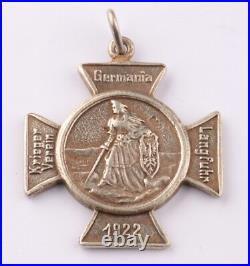
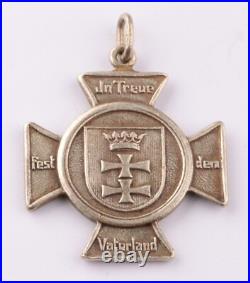


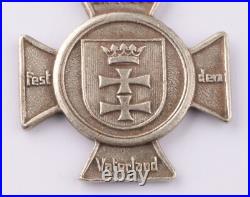
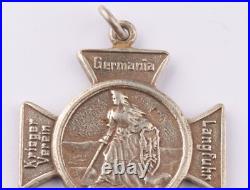
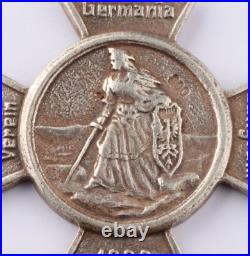
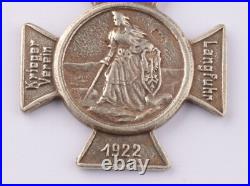


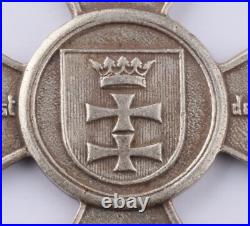
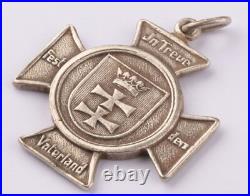
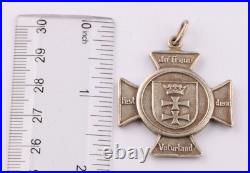


German iron cross 800 silver 1922 Danzig Coat of arms Germania Gdansk Poland Woman with sword 46x35x7 mm Stamped 0.800 silver 15 g? 1758. Thank you for your time in opening the page and reviewing my items! If you have any questions – please write me! Do you always want to be the first to see new interesting items? Subscribe to my items, add to your favorite sellers. Be the first to see, win and enjoy the win!

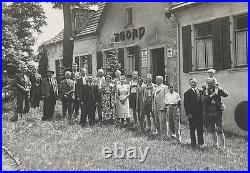
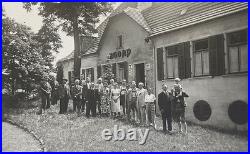
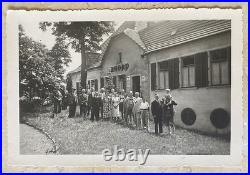
PRE-WW2 GERMAN NATIONAL SOCIALIST LOCAL HEADQUARTERS 1941 PHOTO POSTCARD RPPC. WW2 GERMAN NATIONAL SOCIALIST LOCAL HEADQUARTERS IN FRIEDRICHSTHAL (SAAR) IN THE REGIONALVERBAND SAARBRÜCKEN DISTRICT OF SAARLAND, GERMANY. A LARGE (NS DA P) SIGN HANGS OUT FRONT WITH BUREAUCRATS AND LOCAL CIVILIAN MEMBERS WITH TRADITIONAL DRESS POSING FOR THIS PHOTO c1940. VERY SHARP FOCUS WITH VERY FINE CONTRAST. PHOTOGRAPHER HAND STAMPED IMPRINT ON THE REVERSE. DIMENSIONS: 3 1/4″ x 5 1/4″. THIS IS NOT A REPRODUCTION OR A COPY.

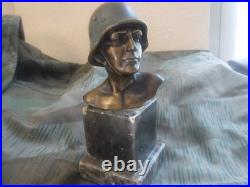
The Germans traditionally celebrated military service with a wide variety of plaques, trophies and assorted militaria. This is a classic piece with a bronze bust of a German Army soldier in a DD M18 helmet on a marble base. The bust itself is a really nice bronze piece with gold tome highlights and interestingly enough, the helmet has a green finish which is original and relatively uncommon. The two-piece marble base has some light wear on the on the upper corners which really adds to the character of the piece. Really nice and classic item of German Military Art collectibles.

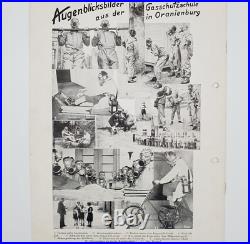
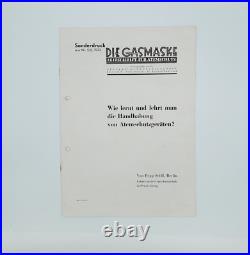
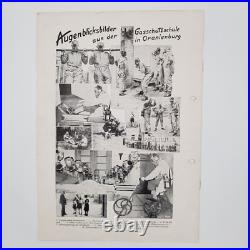
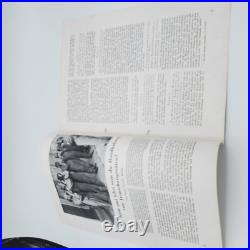
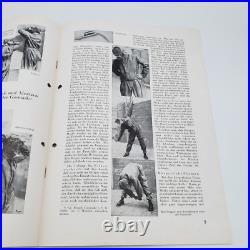
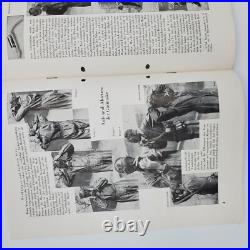
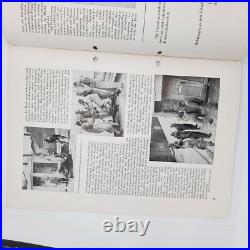
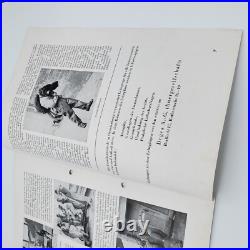
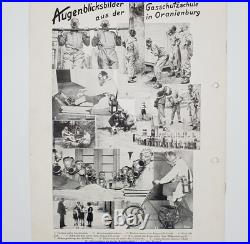
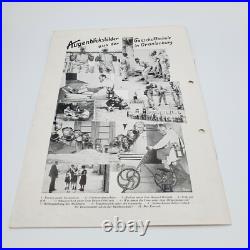
Rare original 1932 German DEGEA / Auergesellschaft gas-mask and respiratory-protection training publication from the famous Auer Gasschutzschule at Oranienburg, near Berlin. This large-format illustrated technical pamphlet is an original Sonderdruck (special offprint) from issues 5/6, 1932 of “Die Gasmaske – Zeitschrift für Atemschutz”, the specialist German journal devoted to gas masks, respiratory protection and protective equipment. The article is titled. Wie lernt und lehrt man die Handhabung von Atemschutzgeräten? It was written by Pepp Seidl of Berlin, identified on the publication as an instructor at the Gasschutzschule in Oranienburg. This is an especially interesting piece of pre-WWII German gas-protection history, dating from the final year of the Weimar Republic. Published in 1932, it predates the Third Reich and World War II, but documents the development of German gas-mask, respiratory-protection and civil/industrial gas-defense training that would continue and expand during the 1930s. DEGEA / Auergesellschaft was one of Germany’s important manufacturers and developers of gas masks, respirators, filters and respiratory-protection equipment. Rather than being simply an equipment advertisement, this publication provides a fascinating contemporary look at how German personnel were actually trained to fit, wear and work while using gas masks and respiratory equipment. A major attraction of this publication is its extensive period photographic content. The booklet contains numerous black-and-white photographs showing training and practical exercises at the Gasschutzschule Oranienburg, including. Gas-mask fitting and donning instruction. Men performing physical exercises while masked. Respiratory-protection training under physical load. DEGEA breathing/protective equipment in actual use. Exercise and testing equipment. Groups of trainees wearing protective equipment. One illustrated section is headed. “Augenblicksbilder aus der Gasschutzschule in Oranienburg”. Snapshots from the Gas Protection School in Oranienburg. The photographs provide exceptional visual documentation of early German gas-mask and breathing-apparatus training. One image is captioned “Rettungsübung des Stahlhelms”, documenting a rescue exercise involving the interwar German veterans’ organization Der Stahlhelm. Other illustrations show training with the DEGEA-CO-Gerät, an early Auer respiratory-protection apparatus developed for working in hazardous atmospheres. / Auergesellschaft Publication: Die Gasmaske – Zeitschrift für Atemschutz Issue: Sonderdruck aus Nr. 5/6 Date: 1932 Author: Pepp Seidl, Berlin Affiliation: Lehrer an der Gasschutzschule in Oranienburg Language: German Format: Illustrated technical pamphlet / journal offprint Pages: Approximately 8 pages plus front cover Size: Approximately 11 7/8″ × 8 1/4″ Illustrations: Numerous original black-and-white training photographs. Very good original condition for a fragile German technical publication dating from 1932. The printed pages and photographic illustrations remain crisp, clear and highly displayable. The paper retains good overall presentation with relatively limited age toning. Two old filing/binder holes are present along the left margin and continue through the publication, consistent with archival or binder storage of technical offprints of this type. There is localized wear and oxidation around portions of the binding area. No major tears or extensive losses are evident in the photographs. The important printed text and photographic content remain well preserved. Please carefully examine all photographs, as they form an important part of the condition description. A scarce and highly visual piece of German pre-WWII gas-mask, Atemschutz, Gasschutz, industrial-safety and civil-defense history, particularly desirable to collectors of Auer / Auergesellschaft / DEGEA equipment, German gas masks, Luftschutz-related material, Weimar-era militaria, technical ephemera and the development of WWII-era respiratory protection. Guaranteed original period item. Please visit RAD Militaria and Collectibles for additional original WWI, WWII, Imperial German, Austro-Hungarian, military-document, photograph, map and historical collectibles. New and unusual pieces are added regularly, so please check our other listings and add our store to your favorite sellers. / Auergesellschaft Publication: Die Gasmaske – Zeitschrift für Atemschutz Author: Pepp Seidl Location: Oranienburg / Berlin, Germany Subject: Gas Mask / Respiratory Protection / Atemschutz / Gasschutz Language: German Material: Paper Features: Illustrated / Original Period Photographs Dimensions: Approx. 11 7/8″ × 8 1/4″ Number of Pages: Approx. 8 pages plus cover Conflict: Leave blank / Not Applicable – dated 1932 Modified Item: No known modern modification.

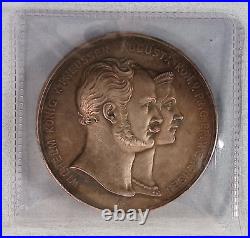
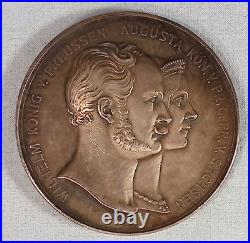
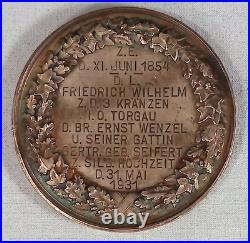
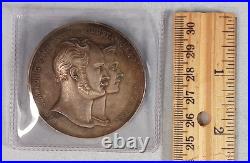
Medallion comes in a flip. See pictures for details. We aim to please.

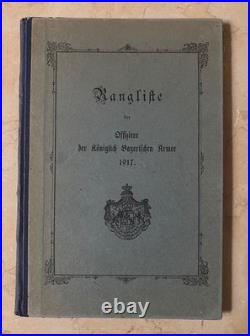
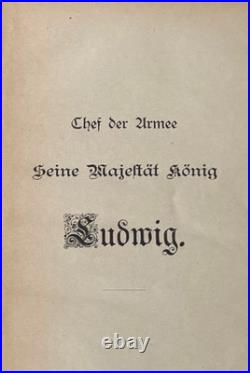

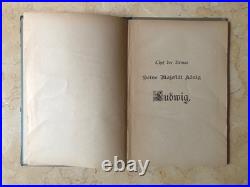
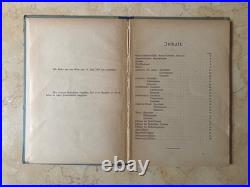
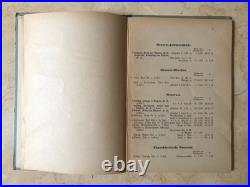
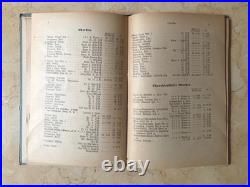
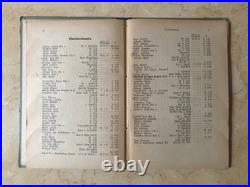
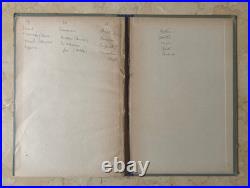

ORIGINAL 1917 BAVARIAN OFFICER RANGLISTE GERMAN MILITARY. WORLD WAR 1 RANK LIST BOOK. FOR SALE IS AN EXTREMELY SCARCE, 100% ORIGINAL 1917 MILITARY RANK LIST (RANGLISTE) FOR THE OFFICERS OF THE ROYAL BAVARIAN ARMY (KONIGLICH BAYERISCHE ARMEE). THIS INVALUABLE WORLD WAR 1 REFERENCE WAS OFFICIALLY ISSUED BY THE BAVARIAN MINISTRY OF WAR (KRIEGSMINISTERIUM) DURING THE HEIGHT OF THE FIRST WORLD WAR. THIS VOLUME RETAINS ITS HISTORIC GREY-GREEN CARD COVER AND PROUDLY DISPLAYS THE BAVARIAN COAT OF ARMS EMBLEM ON THE FRONT COMPARTMENT. IT SERVES AS AN UNMATCHED PRIMARY SOURCE ACADEMIC ROSTER, DETAIL-MAPPING ACTIVE OFFICERS, UNIT STRUCTURES, WARTIME RANKS, PROMOTIONS, AND REGIMENTAL ASSIGNMENTS JUST BEFORE THE FALL OF THE GERMAN IMPERIAL MONARCHY. THIS CENTURY-OLD BOOK IS IN COLLECTOR-GRADE, VERY GOOD ANTIQUARIAN CONDITION WITH FLALWESS STRUCTURAL INTEGRITY. EVERY SINGLE INTERNAL PAGE AND TEXT ENCLOSURE IS FULLY PRESENT WITH NO RIPPED, OR MISSING PAGES. BINDING: COMPLETE AND ORIGINAL HOLLOW-BACK BINDING IS PERFECTLY SOUND WITH JUST A FEW OF THE FRONT TEXT BLOCK PAGES HANGING ON ONLY PARTIALY. THE OUTER CLOTH SPINE REMAINS SECURELY ANCHORED VIA THE COVER EDGES AS HISTORICALLY MANUFACTURED, OPENING COMPLETELY FLAT FOR EASY REFERENCING. INTERIOR PAGES: CRISP AND CLEAN INTERIOR TEXT. REVEALS ONLY LIGHT VINTAGE TONING COMPATIBLE WITH AGE, ABSOLUTELY FREE FROM SEVERE WATER MOISTURE DAMAGE, MOLD, RE-WRITING, OR MODERN RE-BINDING MARKS. INSIDE BACK COVER RETAINS ORIGINAL FIELD WRITTEN ADDITIONS AND DELETIONS TO THE RANKS. COVERS: EXTERIOR CARDBOARD BOARDS ARE CRISP WITH MINIMAL CORNER WEAR. NO MODERN LIBRARY STAMPS, POCKET CARDS, OR DEFACING REGIMENTAL PEN MARKS. A MUST-HAVE FOR SERIOUS WWI MILITARIA COLLECTORS, GERMAN IMPERIAL HISTORIANS, AND ANTIQUARIAN MILITARY REFERENCE ENTHUSIASTS. THIS IS NOT A REPRODUCTION OR A COPY.

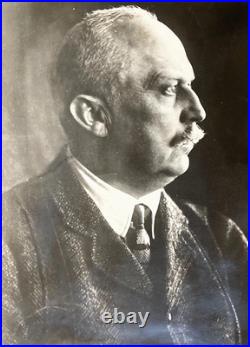
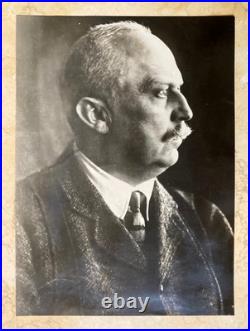
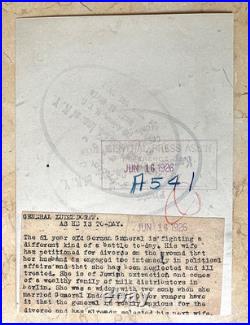
WW1 GERMAN GENERAL ERICH LUDENDORFF (FREIKORPS LEADER) 1924 NEWS WIRE PHOTO. 1937 was an Important German General in WW1. He took part in the failed Kapp Putsch (coup d’état) in 1920 and the Beer Hall Putsch of 1923 and in 1925 he ran unsuccessfully for the office of President of Germany against his former superior Hindenburg. MUNICH PHOTOGRAPHER’S PHOTOGRAPH OF WW1 GERMAN GENERAL ERICH LUDENDORFF b. TAKEN IN 1924 AND THIS WIRE PHOTO WAS MADE IN JUNE 16,1926. ERICH LUDENDORFF POSES IN CIVILIAN CLOTHES FOR A PROFILE PHOTO IN 1924 JUST AFTER THE BEER HALL PUTSCH NOVEMBER 9, 1923. PHOTOGRAPH WITH ORIGINAL NEWS WIRE SLUG MOUNTED ON THE REVERSE RETAINS ITS PERIOD RED / BLUE GREASE PENCIL WRITING AND 2 NEWS WIRE HAND STAMPS. DIMENSIONS: 5 3/8″ x 7 7/16″. SHARP FOCUS WITH VERY GOOD CONTRAST. THIS IS NOT A COPY OR A REPRODUCTION.


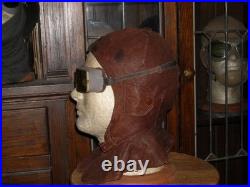
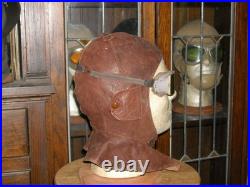
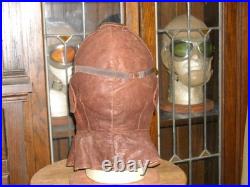


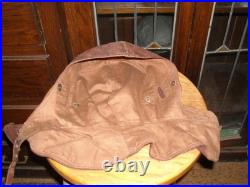
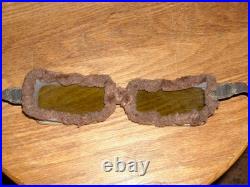
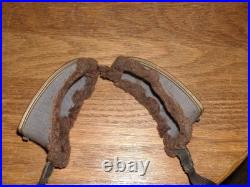
FLYERS HELMET SZ & & 7 1/2. OILED & SMOOTH FLEXIBLE! CLEAN INSIDE GOGGLES ARE GLASS LENS GREEN, WEB SURROUNDS ARE GREAT, PROBABLE REPLACED STRAP, ALL ORIGINAL PERIOD.



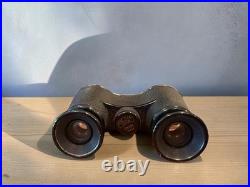
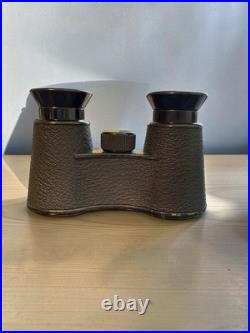
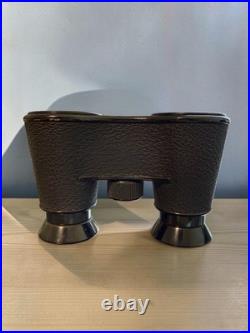
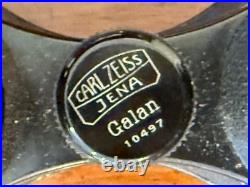
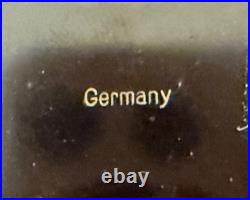


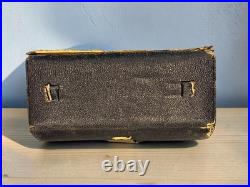



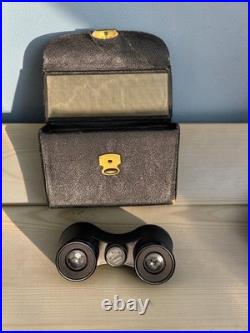
A refined example of early 20th-century optical craftsmanship, these antique Galilean opera glasses were produced by Carl Zeiss Jena between 1924 and 1934, representing a period when German engineering set the global standard for precision optics. Compact and elegantly designed, these field glasses reflect the classic Galilean optical system-valued for its simplicity, clarity, and portability. Originally intended for theatergoing and light field use, they embody both function and sophistication from a bygone era. Crafted in Germany by the renowned Carl Zeiss Jena, this piece carries both historical and collector significance, offering a tangible connection to interwar European design and innovation. Antique Carl Zeiss Jena opera glasses. Made in Germany (Jena). Compact, lightweight field glasses. Optics: (update-clear / minor haze / spotting). Focus: (confirm smooth operation). Exterior shows age-appropriate wear. Case present with vintage patina. Early Zeiss production period (interwar era). Galilean system typical of theater/opera use. Strong crossover appeal: optics + decorative display. Increasingly sought after by collectors of scientific instruments. Theater or opera enthusiasts. Library or study décor. These opera glasses are more than a viewing instrument-they are a preserved piece of early 20th-century craftsmanship, reflecting a time when even the smallest objects were built with precision and purpose. Please review the photos carefully as they are part of the description. Price is reflective of condition, age, and market availability. Extra care will be taken to ensure safety during transit.