
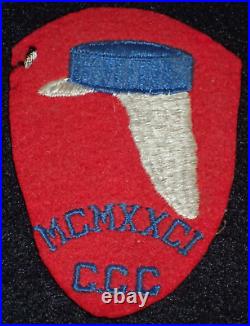
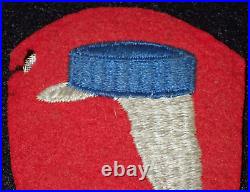
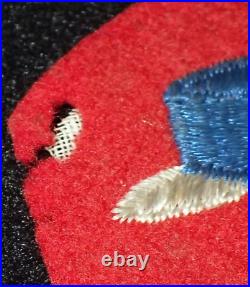
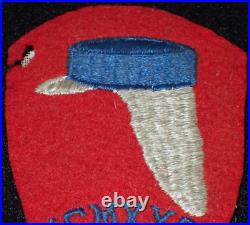
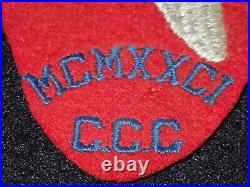
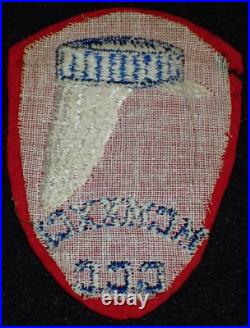
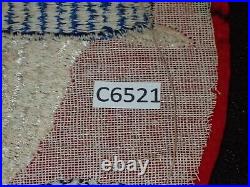

Civilian Conservation Corps CCC Camp MCMXXCI SSI Wool Shoulder Patch. Civilian Conservation Corps CCC Camp MCMXXCI SSI Wool Shoulder Patch, Wool and Cotton Embroidered, Good. Condition as Photographed with some moth damage as seen – An Excellent Period Patch. Recent Acquisition & Presented as Acquired, Very Rare. Does Not Fluoresce Under Ultraviolet Light. Check back often – we search estates and sources across the world to bring a fine selection of militaria. Please review all photos for details regarding the condition of the item listed – further condition information will be included in the listing as is relevant, if you need additional photographs or have questions regarding the condition please do not hesitate to ask. I describe all items to the best of my ability – please do not hesitate to ask any and all questions prior to the close of the listing. Mistakes very rarely occur – however if one does please rest assured that it will be corrected. International Buyers are Welcome!

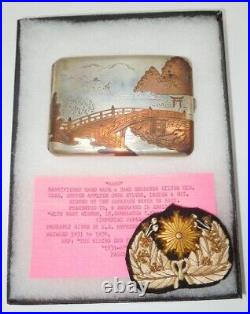

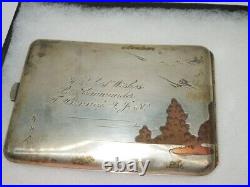
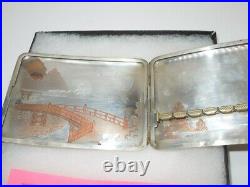
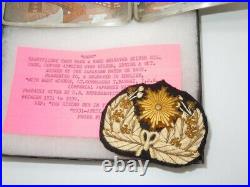
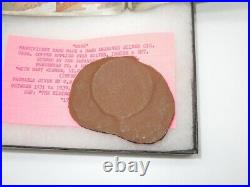
Cigarette Case & Cap Badge. Hand made and engraved SILVER cigarette case, copper on silver signed by the Japanese made artist on the back. Presented to a Japanese Officer in the 1930s. Comes with a note card and a cap badge. The display case DOES NOT come with this item. Good condition for their ages. Look over pictures to see the exact item you will receive and to determine the overall condition of this item.

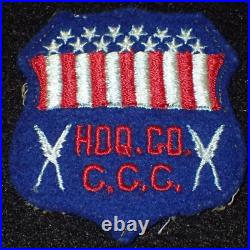
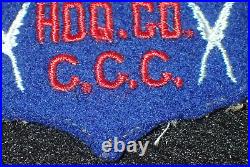
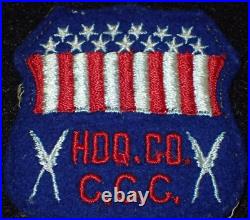
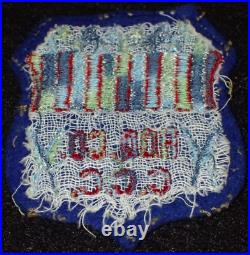


1930s US CCC Civilian Conservation Corp Headquarters Hdq. 1930s United States C. Civilian Conservation Corp Headquarters Hdq. SSI Shoulder Patch Wool and Cotton Embroidered, Good Issued. Condition as Photographed with light wear and uniform removed as seen – An Exceptional Period Piece to Add to Any CCC Collection or Display. Recent Estate Acquisition & Presented as Acquired, Scarce. Check back often – we search estates and sources across the world to bring a fine selection of militaria. Please review all photos for details regarding the condition of the item listed – further condition information will be included in the listing as is relevant, if you need additional photographs or have questions regarding the condition please do not hesitate to ask. I describe all items to the best of my ability – please do not hesitate to ask any and all questions prior to the close of the listing. Mistakes very rarely occur – however if one does please rest assured that it will be corrected. International Buyers are Welcome!

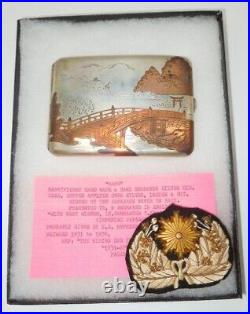

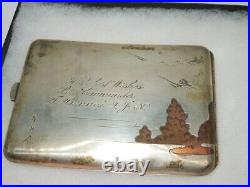
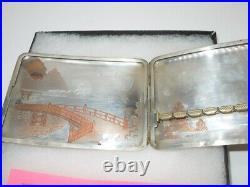
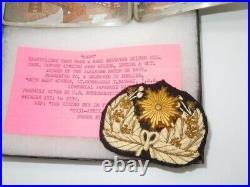
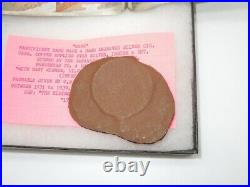
Hand made and engraved SILVER cigarette case, copper on silver signed by the Japanese made artist on the back. Presented to a Japanese Officer in the 1930s. Cigarette Case & Cap Badge.

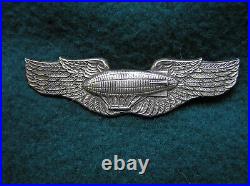
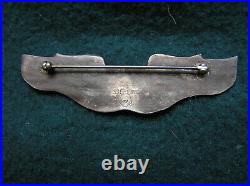
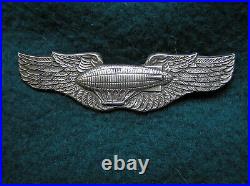
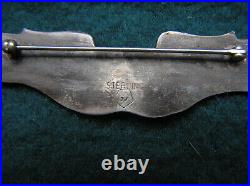
1930’s Military Airship Pilot, full size, marked, perhaps “yj” or “ph” (depending on how you view the Hallmark) in a Pentagon and sterling. This is a lovely pattern from the era of flying balloons and airships. This item weighs 0.7 oz. Please consider viewing my other listings and adding me to your “favorites” list as I will be listing many more interesting and unusual items in the future-particularly wings.

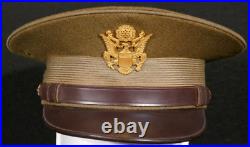
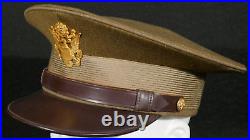
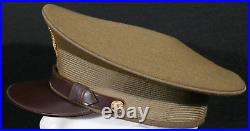

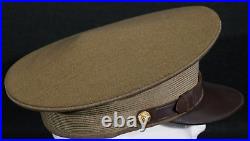
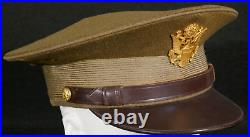
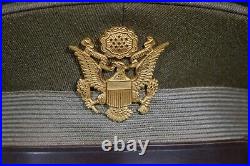
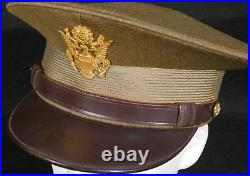
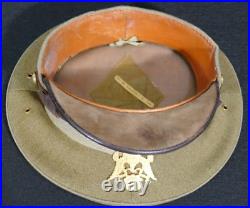
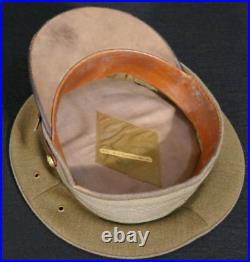
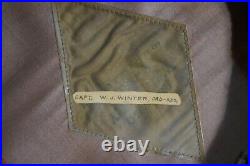
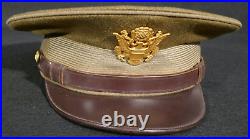
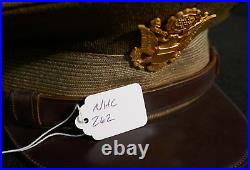
1930’s US Army Officers Service Visor Hat’Capt. WJ Winter ORD RES’ Pre-War. Overall Fine Condition as Photographed with light wear as seen – Recent Estate Acquisition & Presented as Acquired, Scarce. Check back often – we search estates and sources across the world to bring a fine selection of militaria. Please review all photos for details regarding the condition of the item listed – further condition information will be included in the listing as is relevant, if you need additional photographs or have questions regarding the condition please do not hesitate to ask. I describe all items to the best of my ability – please do not hesitate to ask any and all questions prior to the close of the listing. Mistakes very rarely occur – however if one does please rest assured that it will be corrected. International Buyers are Welcome!

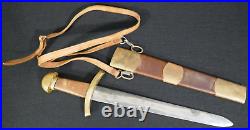
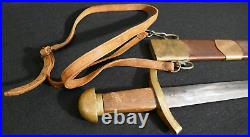
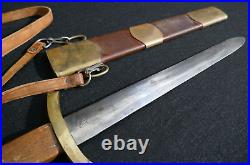
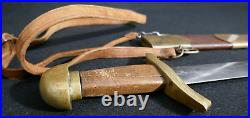
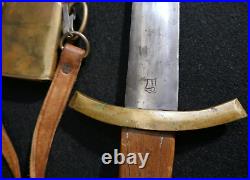
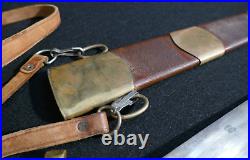
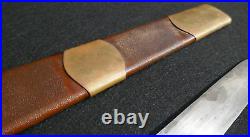
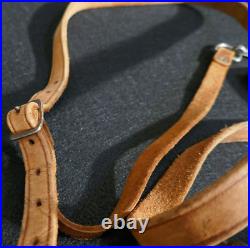
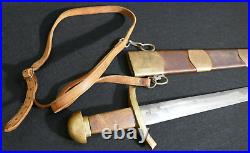
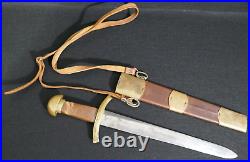
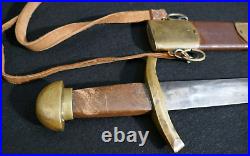
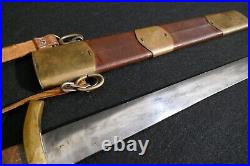
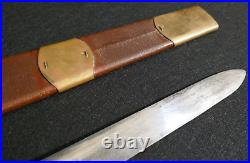
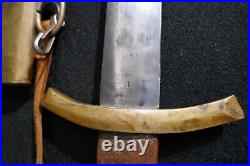
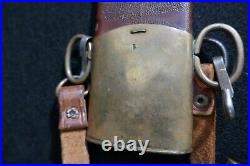
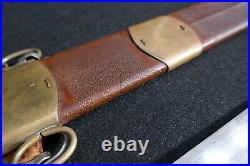
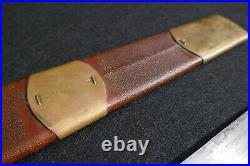
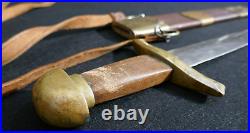


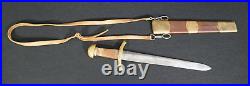
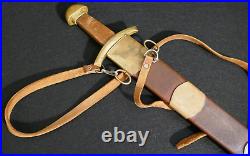
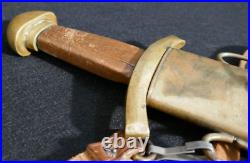
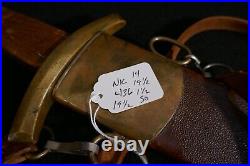
1930’s German Parade Costume Short Sword Gladiator Historic Germanic. 1930’s German Parade Costume Short Sword Gladiator Historic Germanic, Double Edged Blade Measures 14 Inches in Length, 19 1/2 to the Pommel, 1 1/2 Across at the Ricasso, the Leather Lanyard is 50 Inches with further adjustability, 19 1/2 Seated in the Leather Scabbard, Short Sword and Scabbard Number Matched Number’1′, Unidentified Makers Mark Logo to the Ricasso, Nice Issued Condition as Photographed. Recent Estate Acquisition & Presented as Acquired. Exceptionally RARE (Complies with all rules and regulations). Check back often – we search estates and sources across the world to bring a fine selection of militaria. Please review all photos for details regarding the condition of the item listed – further condition information will be included in the listing as is relevant, if you need additional photographs or have questions regarding the condition please do not hesitate to ask. I describe all items to the best of my ability – please do not hesitate to ask any and all questions prior to the close of the listing. Mistakes very rarely occur – however if one does please rest assured that it will be corrected. International Buyers are Welcome!

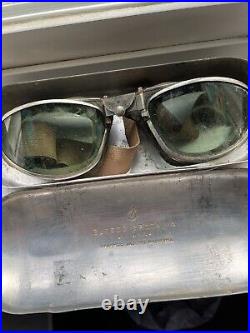
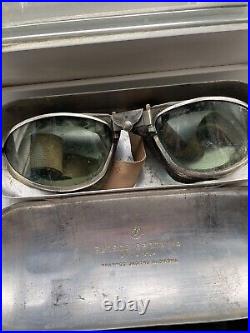
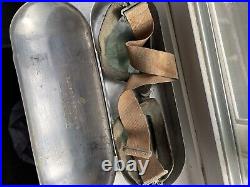
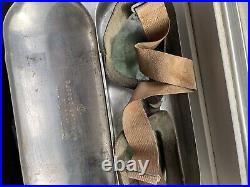
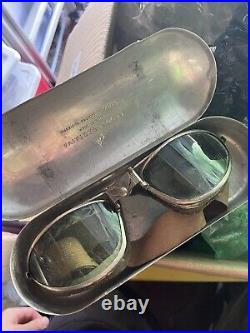
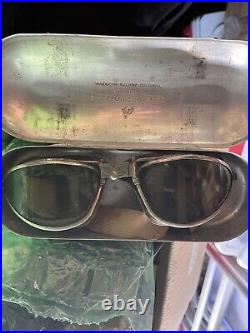
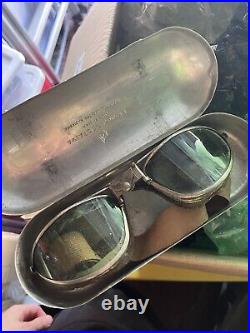
1930s American Optical Company Pilot Goggles in Case.

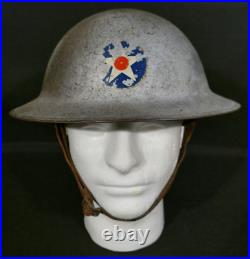
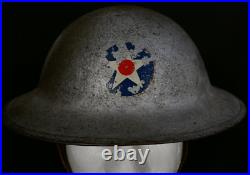

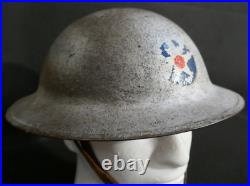
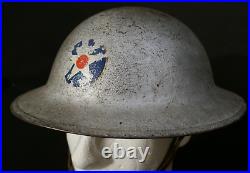

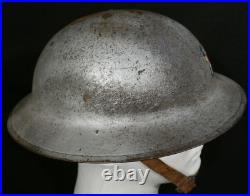
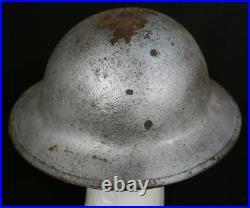
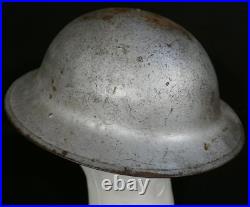

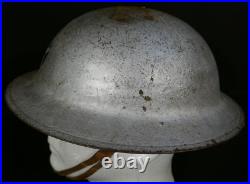
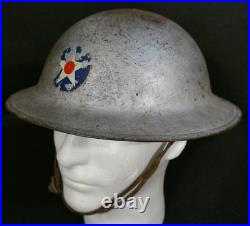
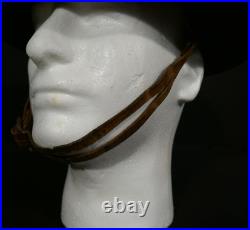
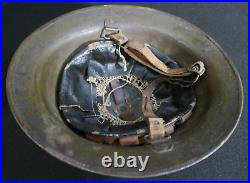
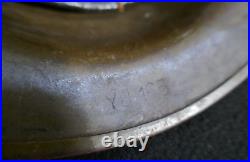
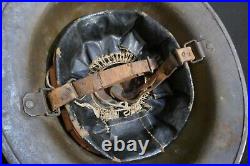
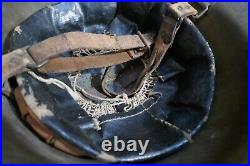
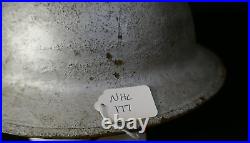
1930’s US Army Air Corps M-1917’Brodie’ Doughboy Helmet Silver & AAC Roundel. Army Air Corps Model 1917’Brodie’ Doughboy Helmet Heat Stamped’YJ 165′ Silver Painted with AAC Transfer Type Roundel Insignia Applied; Original Good Issued Condition as Photographed some loss of the roundel, discoloration, looseness to the liner and thinness to the leather chinstrap where cut as seen. Excellent Display or Candidate for Restoration – Recent Estate Acquisition & Presented as Acquired, Rare. Check back often – we search estates and sources across the world to bring a fine selection of militaria. Please review all photos for details regarding the condition of the item listed – further condition information will be included in the listing as is relevant, if you need additional photographs or have questions regarding the condition please do not hesitate to ask. I describe all items to the best of my ability – please do not hesitate to ask any and all questions prior to the close of the listing. Mistakes very rarely occur – however if one does please rest assured that it will be corrected. International Buyers are Welcome! This item is in the category “Collectibles\Militaria\WW II (1939-45)\Original Period Items\United States\Hats & Helmets”. The seller is “tortugaacquisitions” and is located in this country: US. This item can be shipped worldwide.
- Conflict: WW II (1939-45)
- Original/Reproduction: Original
- Theme: Militaria
- Region of Origin: United States
- Country/Region of Manufacture: United States
- Modified Item: No

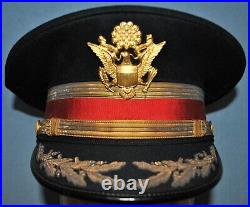
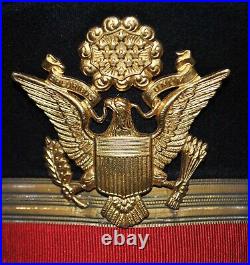
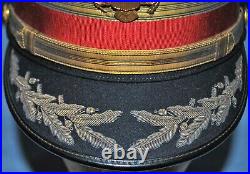
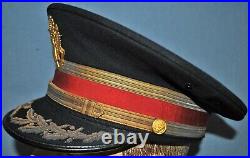
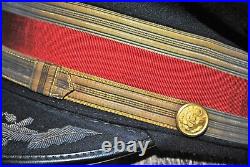

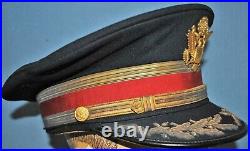
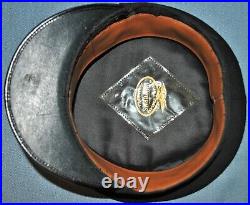
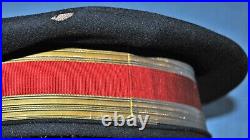
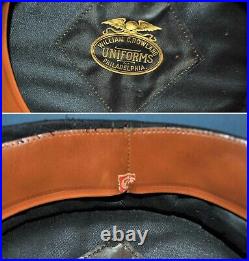
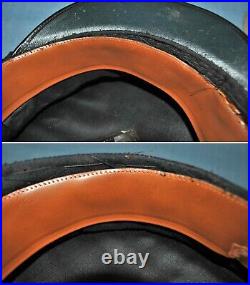
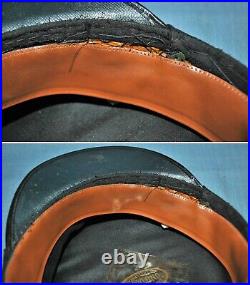
1930’s Artillery Officer’s Full Dress Field Grade Cap. The cap is in fine condition overall. There is some light wear and blemishing throughout. On the backside of the cap along the top brim there is some wear (see pictures). The bullion on the visor has some light toning throughout; all stitching is sound. The cap insignia has no maker’s mark on the back and has some very light wear. The sweatband is coming loose in parts (see pictures) and the inside of the cap has the maker’s mark, William C. Reference the photos for condition and detail. This item is in the category “Collectibles\Militaria\1919-38\Original Period Items”. The seller is “jimmtn” and is located in this country: US. This item can be shipped to United States, Canada, United Kingdom, Denmark, Romania, Slovakia, Bulgaria, Czech Republic, Finland, Hungary, Latvia, Lithuania, Malta, Estonia, Australia, Greece, Portugal, Cyprus, Slovenia, Japan, China, Sweden, South Korea, Indonesia, Taiwan, South Africa, Belgium, France, Ireland, Netherlands, Poland, Spain, Italy, Germany, Austria, Bahamas, Israel, Mexico, New Zealand, Philippines, Singapore, Switzerland, Norway, Saudi Arabia, United Arab Emirates, Qatar, Kuwait, Bahrain, Republic of Croatia, Malaysia, Chile, Colombia, Costa Rica, Panama, Trinidad and Tobago, Guatemala, Honduras, Jamaica, Antigua and Barbuda, Aruba, Belize, Dominica, Grenada, Saint Kitts-Nevis, Saint Lucia, Montserrat, Turks and Caicos Islands, Barbados, Bangladesh, Bermuda, Brunei Darussalam, Bolivia, Egypt, French Guiana, Guernsey, Gibraltar, Guadeloupe, Iceland, Jersey, Jordan, Cambodia, Cayman Islands, Liechtenstein, Sri Lanka, Luxembourg, Monaco, Macau, Martinique, Maldives, Nicaragua, Oman, Pakistan, Paraguay, Reunion, Dominican Republic, El Salvador.
- Country/Region of Manufacture: United States
- Modified Item: No