
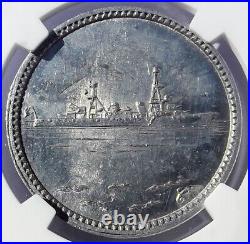
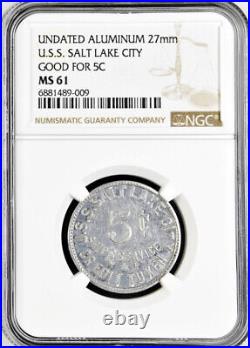
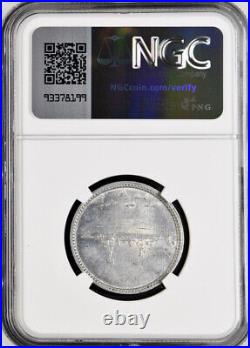
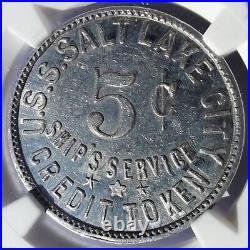
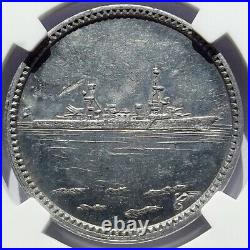
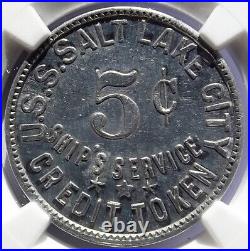

Description : The token is made from aluminum, and measures approximately 27mm in diameter. The USS Salt Lake City (nicknamed “Old Swayback” or “Swayback Maru”) was launched in December 1929, served during several engagements in the Pacific Theater in World War 2, receiving 11 battle stars and a Navy Unit Commendation. It has been graded at MS61 and encapsulated by NGC. Condition : Plenty of scuffing but luster remaining. Please examine the photographs for further details and qualities.

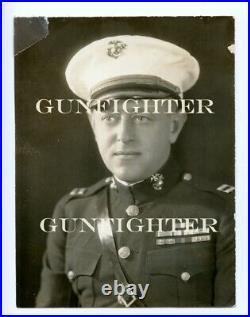
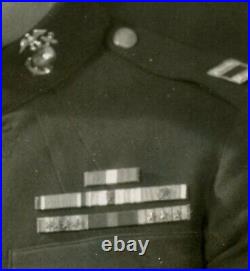
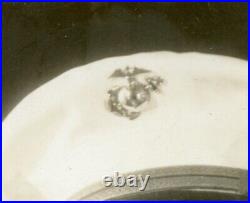
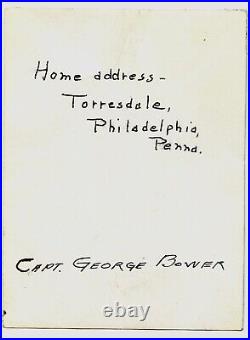
Original early 1930’s photograph of Captain George Bowers, USMC. As a 2nd Lt in WW1, Bowers was awarded the Navy Cross and Distinguished Service Cross for action at Thiacourt, France in 1918 while with the 81st Company, 6th MG Battalion. He was also awarded two Silver Stars, two Purple Hearts and three French Croix de guerre Medals. He earned a battlefield commission and was a “Mustang” Marine. He also served in Haiti and the USS Arizona. He is shown in his dress blue uniform and cap with Sam Browne sword belt, EGAs and ribbons denoting his heroism and awards. 81st Company, 6th Machine-Gun Battalion, 6th Regiment (Marines), 2d Division, A. Date of Action: September 15, 1918. The Navy Cross is presented to George Bower, Second Lieutenant, U. Marine Corps, for extraordinary heroism while serving with the 81st Company, 6th Machine-Gun Battalion, 6th Regiment (Marines), 2d Division, A. In action near Thiaucourt, France, September 15, 1918. Aiding an infantry platoon, which had been forced to withdraw because of heavy machine-gun and artillery fire, Lieutenant Bower, while suffering from severe wounds, kept his guns in position, consolidating his location, and preventing the danger of an enemy counterattack. Born: at Torresdale, Pennsylvania. Home Town: Torresdale, Pennsylvania. Other Award: Distinguished Service Cross (Same Action). This photo was submitted by him and was removed at some point from his file. Marines were required to submit a photo for the next rank and have their name on the back. I believe it is his printing. Others that I have are signed, but he chose to print. Small piece of tape to the upper left corner. Measures 4″ x 3″. Please pay upon receipt of invoice.


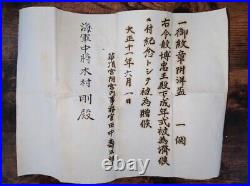


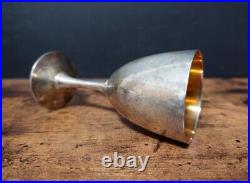
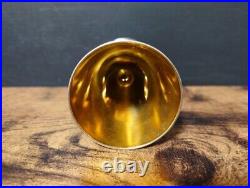


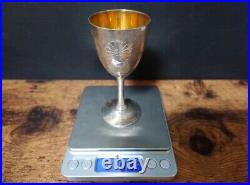

Antique imperial japanese glass. Rare 1922 Taisho-era Imperial Japanese Navy Admiral’s Gift: A Pure Silver Wine Glass from the Higashifushimi Royal Household. This distinguished piece, featuring the royal chrysanthemum crest, was presented in commemoration of an adult ceremony to Admiral Takeshi Kimura. Weight: Approximately 88.8g. Dimensions: Height 10.5cm; Width 5cm. Condition: Shows signs of age and use but retains historical elegance and significance. Includes the original box and a document of gift, verifying its imperial provenance and esteemed connection to Admiral Kimura. A treasured artifact that embodies the rich cultural heritage of Imperial Japan. Approximate 5-7days(To USA).

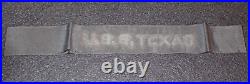
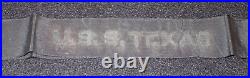
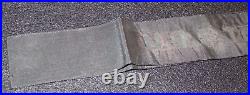
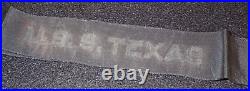
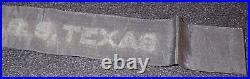
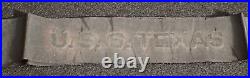
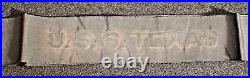
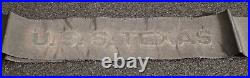
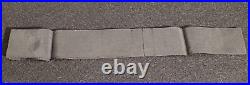
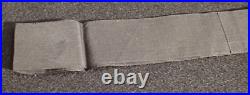
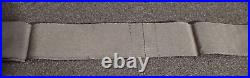
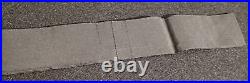
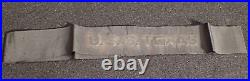
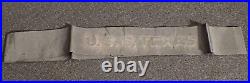
WWI US Navy USS Texas BB-35 Sailor’s Flat Cap Donald Duck Hat Tally U. Original Historic WWI United States Navy USS Texas BB-35 Sailor’s Flat Cap Donald Duck Hat Tally’U. Condition as Photographed with wear and the lettering gild gold of U. TEXAS well faded as seen from numerous photos utilizing flash and studio light only as seen. Recent Estate Acquisition & Presented as Acquired, RARE. Check back often – we search estates and sources across the world to bring a fine selection of militaria. Please review all photos for details regarding the condition of the item listed – further condition information will be included in the listing as is relevant, if you need additional photographs or have questions regarding the condition please do not hesitate to ask. I describe all items to the best of my ability – please do not hesitate to ask any and all questions prior to the close of the listing. Mistakes very rarely occur – however if one does please rest assured that it will be corrected. International Buyers are Welcome!

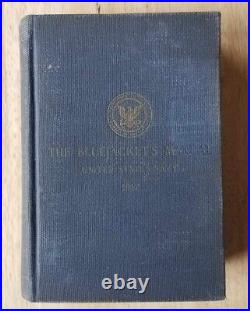
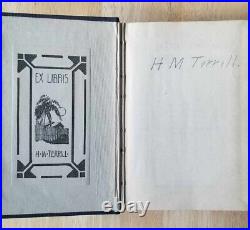

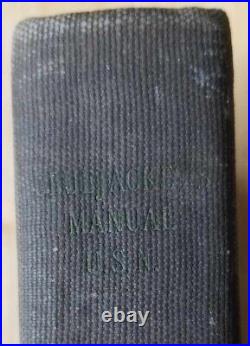




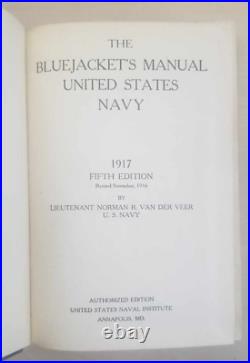
1917 THE BLUEJACKET’S MANUAL FIFTH 5TH EDITIONUNITED STATES NAVY WWI. Amazing condiion for it’s age.

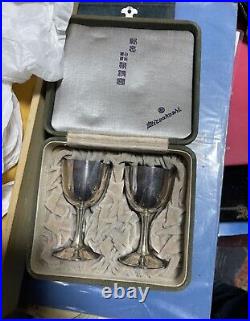
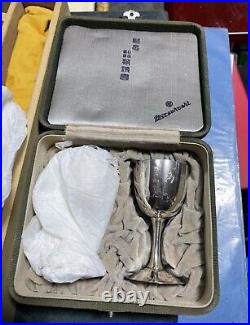
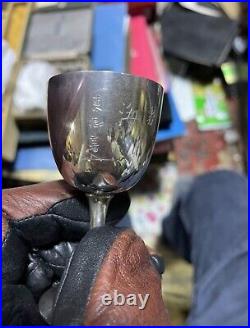
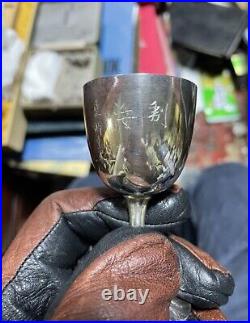
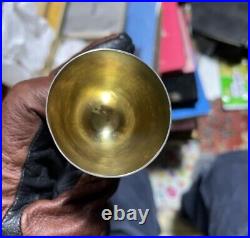
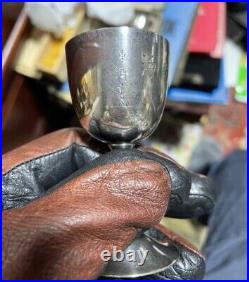
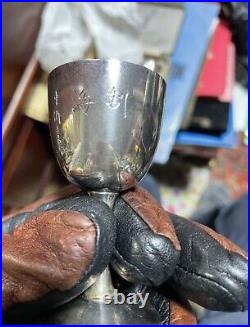
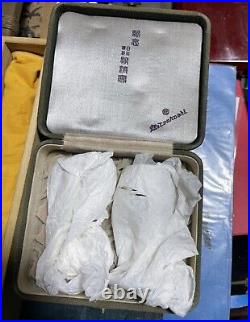

Antique imperial Japanese glasses. Uncover the elegance of the Imperial Japanese Navy with this antique silver wine glass set, bestowed as a distinguished gift from the Nelson of the East. Each piece is a tribute to Admiral Togo Heihachiro, a revered figure akin to the Western Admiral Nelson. Two-piece silver wine glass set, steeped in history. Impeccable, unused condition; a rare find. Engraved with Admiral Togo’s name and the Kanji for “Naval Supremacy”. A remarkable collector’s item from the Meiji or Taisho era. An exclusive opportunity for military and nautical collectors. Celebrate a rich naval legacy with these silver glasses, an extraordinary addition to any collection. Peruse the images to appreciate the untouched quality and craftsmanship indicative of a bygone era of naval distinction. International Buyers – Please Note. Thank you for your understanding.

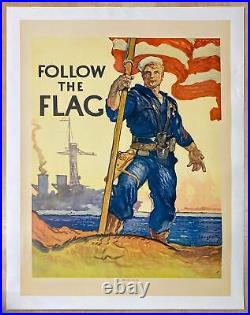
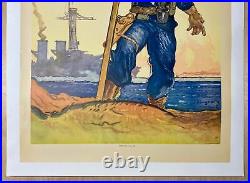
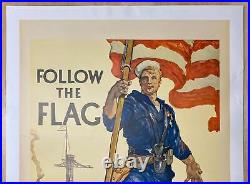
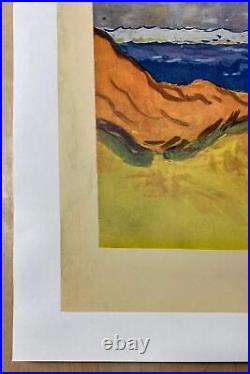
1931 Follow The Flag U. S Navy Recruiting Poster James H. Date: 1931 Artist: Daugherty, James H. Size (in): 38.375″ x 28.125″ Size (cm): 97.5 x 71.4 Condition: B Linen Backed: No This vintage original and rare poster was created by the artist James H. Daugherty and issued by the United States Navy for recruiting purposes in 1931. For this poster Daughtery renders an image of a strapping Navy sailor standing on shore, holding a large American flag and starring ahead with resolute gaze under the bold title. This poster design was originally issued during the First World War in 1917 and is sometimes seen in variations with additional text printed at the bottom. This version here was issued in 1931 as indicated by the US Navy document code printed in the lower margin. Daugherty was born in Asheville, North Carolina and grew up mostly in the Washington D. Area where he studied at the Corcoran School of Art. This vintage original poster has been professionally linen backed. This poster had some paper loss along the lower left edge and bottom edge confined to the margin not affecting the image area which was been expertly restored during the linen backing process. This poster retains the original color and displays beautifully. Overall condition is very good. If you have questions about how to pay for this item please let me know.

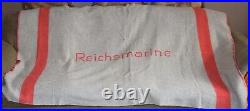
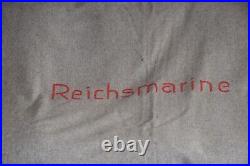
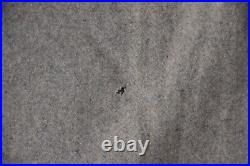


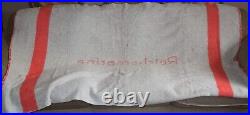

This vintage German wool blanket was issued to the Reichsmarine (Navy) in the 1920s-1930s. It is made of high-quality wool and features the official Navy emblem. The blanket is a unique piece of history, perfect for any collector of militaria or vintage items. It has been well-preserved and is in great condition. Some nips and thin spots. Small nickel sized stain. Add this piece of German Navy history to your collection today.

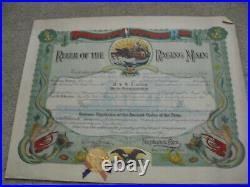
This is a very nice, cool old oddball piece, 16 3/4 inches tall, 21 1/2 inches wide, Domain of Neptunus Rex, Navy type large certificate, not filled out with date of 192- so it’s an original old piece from the 1920s with old seal in the lower center. Really a neat old piece. Large size, you don’t see that often. Very nice shape, some light wear to the edges and folded corner, would look great framed. Zoom in for details.

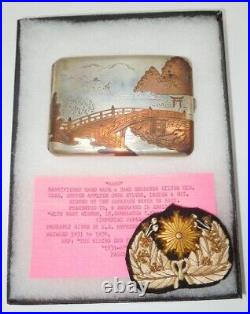
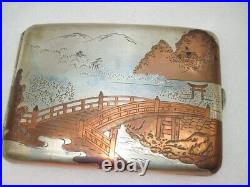
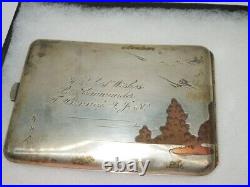
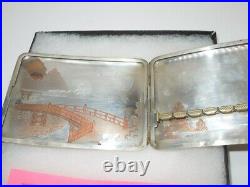
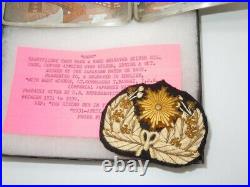
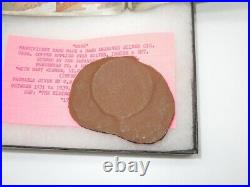
Cigarette Case & Cap Badge. Hand made and engraved SILVER cigarette case, copper on silver signed by the Japanese made artist on the back. Presented to a Japanese Officer in the 1930s. Comes with a note card and a cap badge. The display case DOES NOT come with this item. Good condition for their ages. Look over pictures to see the exact item you will receive and to determine the overall condition of this item.