
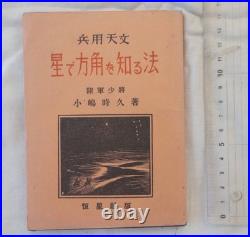

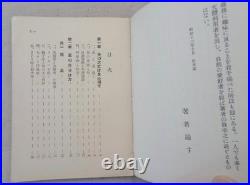
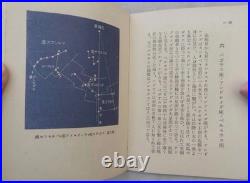
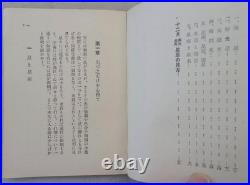
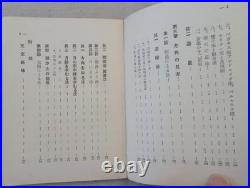
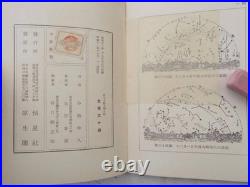
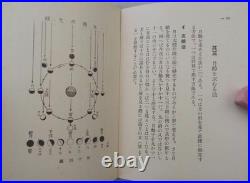
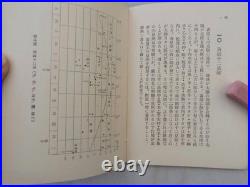

WWII Imperial Japanese Army Military Astronomy Manual. “How to Determine Direction by the Stars”. Published November 1, 1937. This is an original pre-war Japanese military astronomy manual titled. “Heiyo Tenmon – Hoshi de Hogaku wo Shiru Ho”. Military Astronomy – How to Determine Direction by the Stars. The book was written by. Major General Tokihisa Kojima. And published by Koseisha. The colophon (publication page) clearly states. Published November 1, 1937 (Showa 12). Military Navigation Before GPS. Before GPS, radio navigation, and modern electronic equipment, soldiers often relied on the night sky to determine direction during field operations. This manual was created to teach practical methods of navigation using celestial bodies. Finding Polaris (the North Star). Determining direction from stars. Solar and celestial orientation methods. Numerous diagrams, charts, and constellation illustrations are included throughout the book. Rather than a general astronomy guide, this is a practical military field manual intended to teach navigation and orientation techniques useful for soldiers operating in the field. Graduated from the Imperial Japanese Army Academy and later the Army War College. He served during the Russo-Japanese War and eventually rose to the rank of Major General. Kojima was also known for his strong interest in astronomy and reportedly maintained a private observatory, making this publication an unusual combination of military science and astronomical knowledge. Published in 1937, the same year the Second Sino-Japanese War began, this book provides a fascinating glimpse into how military personnel learned navigation techniques before modern technology existed. It represents a unique intersection of. Survival and navigation techniques. A scarce and interesting reference for collectors of Imperial Japanese military material, navigation history, and pre-war scientific publications. Age-related wear, foxing, and discoloration are present. Please examine all photographs carefully for condition details. International Buyers – Please Note. Thank you for your understanding.

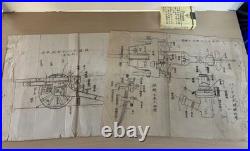
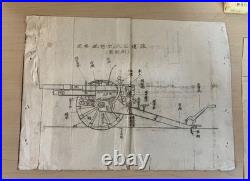
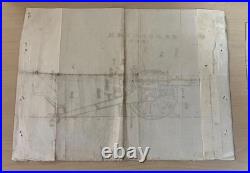
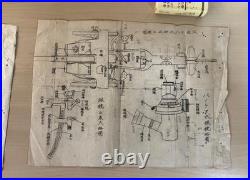
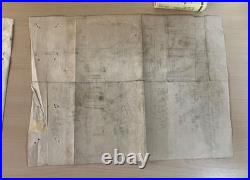
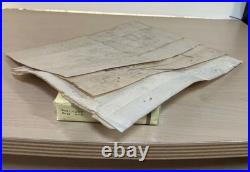
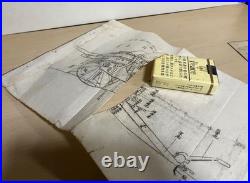
These are two original technical drawing sheets for the. Modified Type 38 (Model 1905) Field Gun. Used by the Imperial Japanese Army. Rather than an instruction manual, these are detailed engineering drawings illustrating the construction and layout of one of Japan’s most important field artillery pieces. The drawings include both the gun itself and its optical aiming equipment, making them valuable references for military historians, artillery researchers, model builders, and collectors of original technical documents. Type 38 Field Gun. Was officially adopted in. And became the principal field artillery piece of the Imperial Japanese Army for decades. Later improved as the. Modified Type 38 Field Gun. Its maximum range was significantly increased, allowing it to remain in frontline service well into World War II. This artillery system saw service in numerous conflicts including. The Second Sino-Japanese War. The Battles of Khalkhin Gol (Nomonhan). One particularly interesting aspect of this artillery is its historical connection to. Japan adopted German recoil technology and further refined it domestically, making the Type 38 one of the defining artillery pieces of the Imperial Japanese Army during the first half of the 20th century. Modified Type 38 Field Gun – Side View. Shows detailed construction including. Modified Type 38 Field Gun – Top View. Also includes detailed drawings of. These illustrate the aiming instruments and their installation in remarkable detail. Why These Drawings Matter. Original Japanese military manuals occasionally appear on the market, but. Original engineering drawings are considerably scarcer. Unlike printed manuals intended for general military use, these sheets document the mechanical design and layout of the weapon itself, preserving technical information that was used to understand and maintain one of Japan’s primary field guns. Because of this, they appeal not only to military collectors but also to researchers, museums, historical reenactors, and scale model builders seeking authentic reference material. These are original historical paper documents and show age-related wear including. General wear from age. Please examine the photographs carefully for condition. Own a Piece of History. International Buyers – Please Note. Thank you for your understanding.

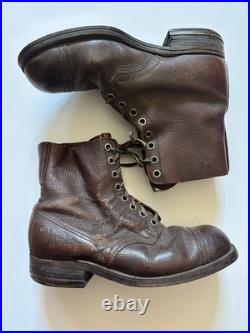
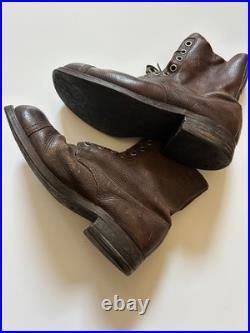
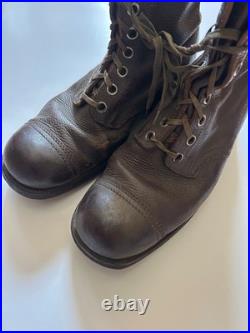
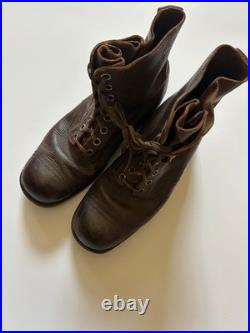
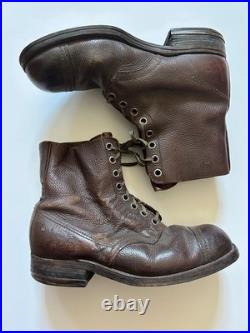
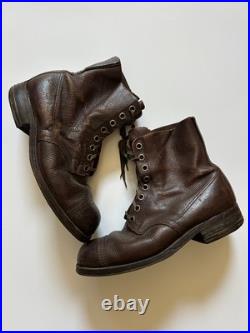
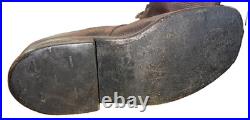

MS012 Genuine WW2 Swiss Military Combat Field Boots brown leather US 11 Rare! Double thick leather soles. Stacked leather heel with metal plate between leather layers. 12″ long, 8″ tall, 4.5 wide (at widest point). Pair weight: 4.25 lb. All products sourced directly from Major Surplus, Gardena CA 90248.

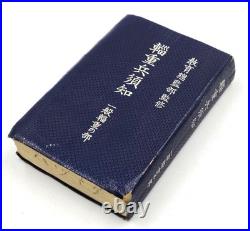
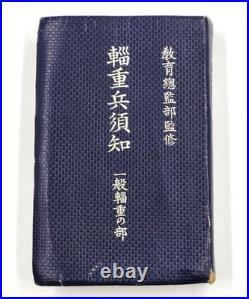
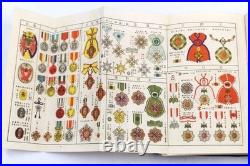
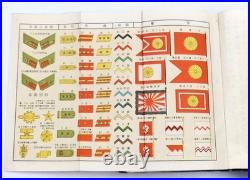
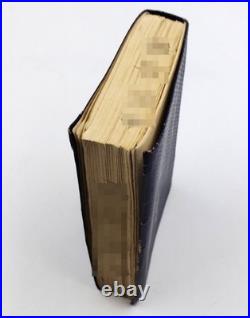
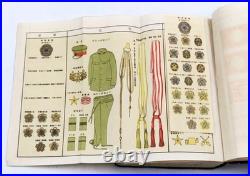
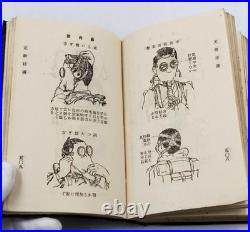
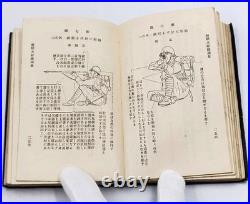
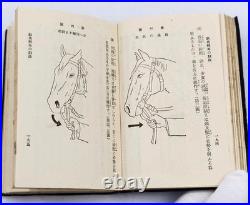
This is an original Imperial Japanese Army military handbook titled. (“What Every Logistics Soldier Should Know”), supervised by the Army Inspector General of Military Education. The cover is marked. Army Inspector General of Military Education Supervision. This was a compact educational handbook intended for soldiers serving in the Japanese Army’s logistics and transport branch. What Was the Army Inspector General of Military Education? The Army Inspector General of Military Education was one of the most influential organizations within the Imperial Japanese Army. It was responsible for military doctrine, officer education, training programs, and the preparation of official instructional materials used throughout the army. Because this handbook was supervised by that organization, it was not simply a commercial publication but an official educational reference reflecting Imperial Japanese Army training standards. The Forgotten Soldiers of the Japanese Army. The Shichohei (Logistics Corps) were responsible for transporting food, ammunition, equipment, uniforms, and horses to frontline units. In modern terms, they were the military logistics and supply branch. Interestingly, logistics troops often received less prestige than combat arms within the Japanese military culture. A famous wartime saying even mocked them as. Shichohei are not real soldiers. History ultimately proved otherwise. Many military historians consider Japan’s chronic logistical weaknesses to be one of the major factors contributing to its defeat during the Pacific War. As supply lines collapsed, entire units suffered from starvation, ammunition shortages, and lack of equipment. This handbook therefore represents a rarely preserved glimpse into the branch responsible for sustaining the Japanese Army. Imperial and military flags. Orders, decorations, and medals. Army uniforms and equipment. Logistics and transport training. Several attractive fold-out color plates illustrate military insignia, decorations, flags, and uniforms, making this both a practical military handbook and an excellent research reference. Why It Is Scarce. Most Japanese military instructional materials were discarded or destroyed after 1945. Pocket reference books such as this were heavily used by soldiers and rarely survived in good condition. Furthermore, while infantry, aviation, and armored units are widely collected today, surviving materials relating specifically to the Japanese Army’s logistics branch appear much less frequently on the market. An excellent item for collectors of Imperial Japanese military history, military education, uniforms, insignia, and logistics history. Own a Piece of History. International Buyers – Please Note. Thank you for your understanding.

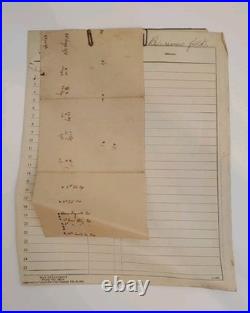
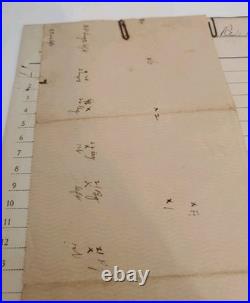
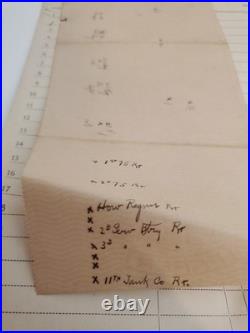
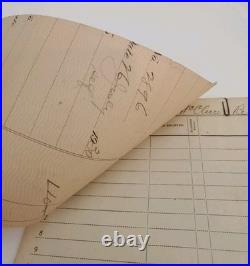
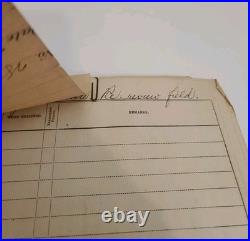

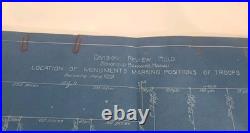
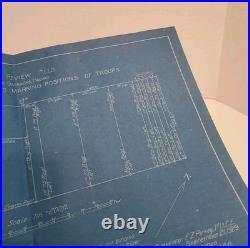
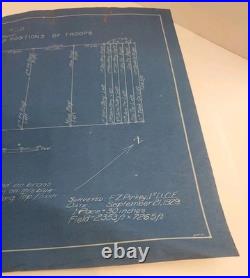
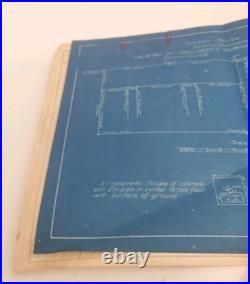
Surveyed by 1st Lt. Pirkey, Corps of Engineers C. , dated September 21, 1929. This detailed plan shows precise troop positions for division-level parades/reviews, including regiments 1st-3rd Infantry, 21st-27th, Howitzer, Service Batteries, Engineers, Tank Co. , monument locations (1ft concrete cubes with 2in brass pipe centers, flush with ground, stamped designations), and measurements in paces/yards/feet (1 pace = 30 inches). Overall field dimensions: 2353 ft x 7265 ft. North arrow and detailed construction notes included.

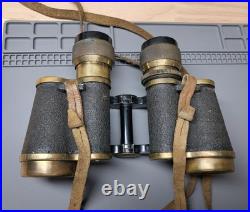
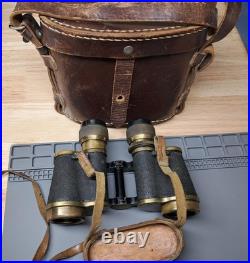
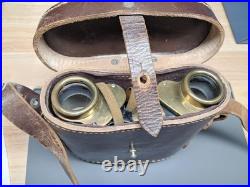
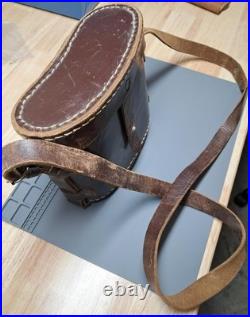
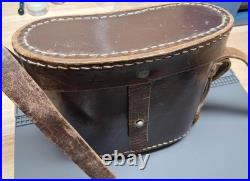
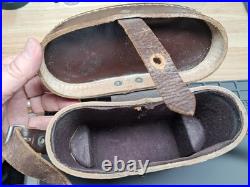
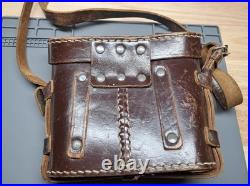
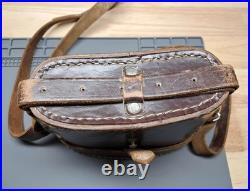
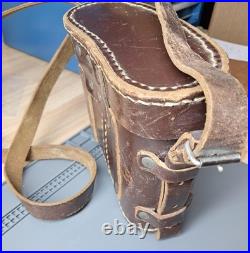
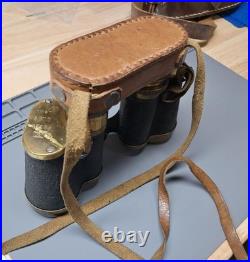
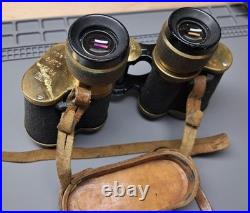
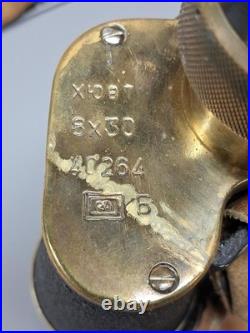
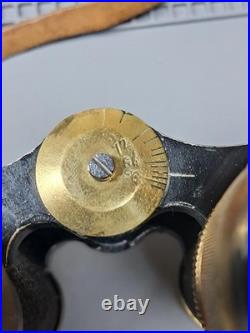
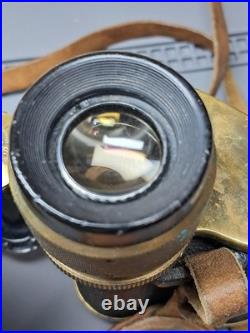
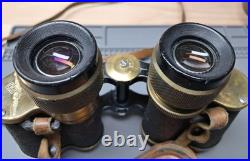
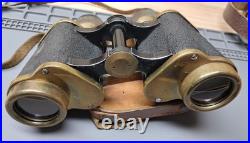
These appear to be of Central European manufacture (most likely Germany, but not certain), likely made for civilian or general field use. They are solidly constructed with brass components, black textured barrels, and original stamped markings. Both eyepieces rotate smoothly. When properly focused, the image is clear, sharp, and single. No double vision observed. No obvious haze, clouding, or separation noted during use. Optics have not been professionally serviced; evaluation is based on careful visual inspection and use. Vintage condition consistent with age and normal use. Original patina present throughout. A previously active area of green verdigris on the brass plate has been carefully stabilized and removed without polishing or refinishing. No aggressive cleaning performed; original character preserved. All stamped markings remain crisp and legible. Boxed emblem and inspection marking present (see photos). Includes the original leather carrying case with strap. Includes original leather strap on binoculars, as well. Leather shows expected age-related wear. All stitching intact; no loose or hanging threads. Case and straps remain fully usable. Interior of case is clean. These binoculars are best described as inter-war European field binoculars. They are not marked as issued military equipment. Please review all photos carefully, as they are part of the description.

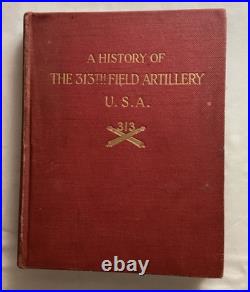
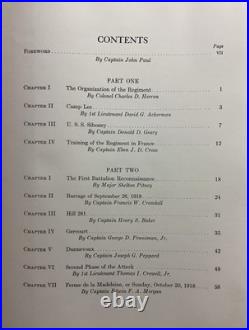
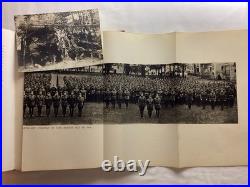
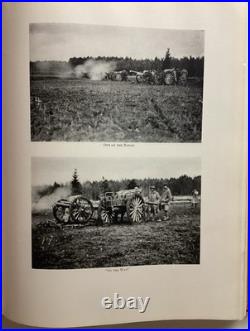
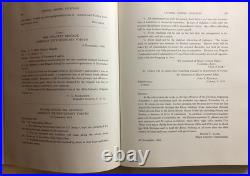
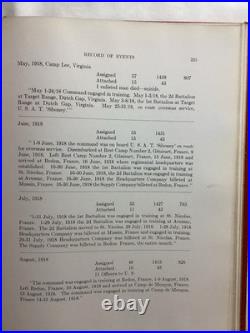
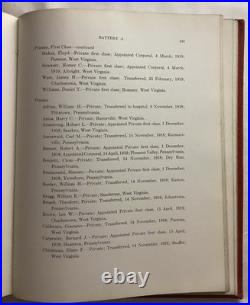
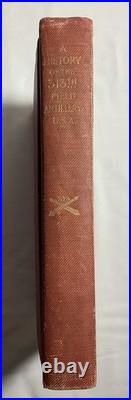
Here is a rare old book in good condition for its age. Covers the history of the 313th Field Artillery in the First World War. Includes history of formation and training, major engagements, casualty list, full roster, and a war diary. There is a map missing that is supposed to slide into the pocket on the back cover. Covers show moderate to heavy wear along edges and on spine. Spine is still intact with no separation. Covers and all pages securely attached to spine with no separation. No torn, creased, or marred pages. Pages are slightly yellowed along edges. Book measures 8 3/4 inches by 11 1/8 inches and contains 300 pages. All photos are of the actual item. I do not use stock photos. Great addition to any collection.

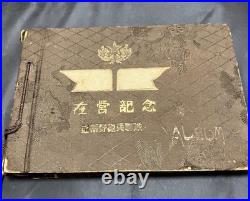
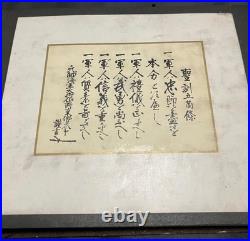
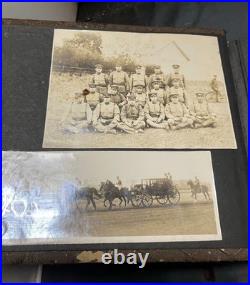

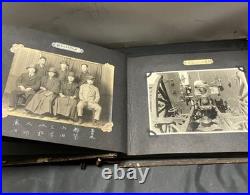

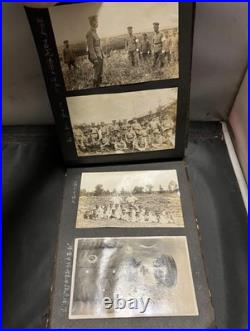
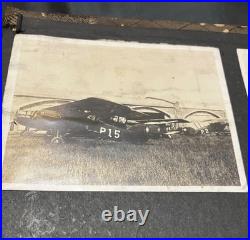
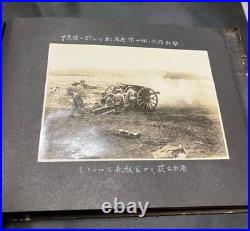
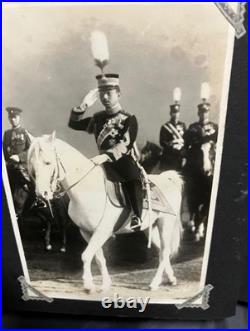
Original pre-WWII Japanese photo album. Compiled by a member or affiliate of the. Imperial Guard Field Artillery Regiment. The cover bears the original Japanese inscription. Commemorative Album – Imperial Guard Field Artillery Regiment. Unlike mass-produced publications, this album was. Privately assembled as a service memento. Most likely kept by someone who actually served in the unit. Albums of this nature were. Making surviving examples uncommon. Based on uniforms, insignia, ceremonial dress, and photographic style, the images are. Estimated to date from the late Taisho to early Showa period (circa late 1920s-early 1930s). This was a time when the Imperial Guard was maintained as a. Closely associated with the capital and imperial institutions. Please note: the exact year is not stated; this is a historically informed estimate. About the Imperial Guard Field Artillery. Belonged to Japan’s Imperial Guard Division, a unit distinct from ordinary regional formations. Stationed primarily around Tokyo. Emphasized discipline, appearance, and ceremonial standards. Personnel were carefully selected. Records and commemorative items were typically produced in. As a result, albums connected to Imperial Guard units tend to be. Than those of standard field regiments. Over 100 original photographs. Officers, non-commissioned officers, and enlisted men. Group portraits and individual studio photos. Mounted officers in full dress. Artillery equipment, training scenes, and barracks life. Likely added by the original owner. The photographs are mounted on original black album pages and appear untouched since the pre-war era. Album cover and binding show noticeable wear consistent with age. No major losses or removed photographs observed. Honest and stable for a pre-WWII private album. Historical & Collecting Value. This album offers a. Coherent, first-hand visual record. Of a specific Imperial Guard unit during the interwar period. It is well suited for. Researchers of Imperial Japan. Photo and archival collections. Museums or reference libraries. This item is offered strictly as a. No restoration or alteration has been performed. International Buyers – Please Note. Thank you for your understanding.

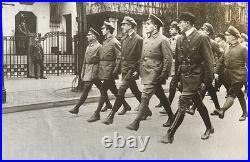
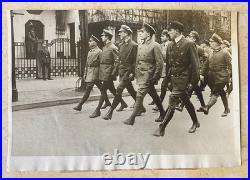
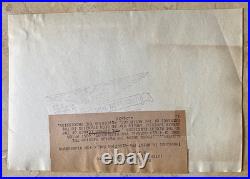
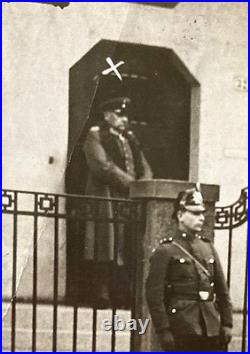
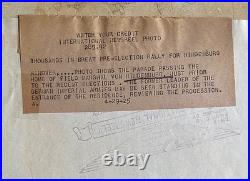
PRE-WW2 GERMAN FIELD MARSHAL VON HINDENBURG w/ PATRIOTIC MARCHERS 4/29/1925 PHOTO. PRE-WW2 GERMAN FIELD MARSHAL VON HINDENBURG WITH PATRIOTIC MARCHERS 4/29/1925 NEWS WIRE PHOTO. A huge rally for Hindenburg, the candidate of the Reich Bloc, took place in front of his villa in Hanover, Germany. Hindenburg reviewed young men of patriotic associations including paramilitary groups and other right-wing nationalist organizations from the steps of his villa. Paul von Hindenburg b. 1934 was a German Field Marshal and statesman who led the Imperial German Army during WW I and later became President of Germany from April 29,1925 until his death in 1934. RETAINS ITS ORIGINAL CAPTIONED NEWS SLUG LABEL ON THE REVERSE. THOUSANDS IN GREAT PRE-ELECTION RALLY FOR HINDENBURG. PHOTO SHOWS THE PARADE PASSING THE. FIELD MARSHAL JUST PRIOR. TO THE RECENT ELECTIONS. THE FORMER LEADER OF THE. GERMAN IMPERIAL ARMIES MAY BE SEEN STANDING IN THE. ENTRANCE OF THE RESIDENCE, REVIEWING THE PROCESSION. SHARP FOCUS WITH VERY FINE CONTRAST. THIS IS NOT A REPRODUCTION OR A COPY.


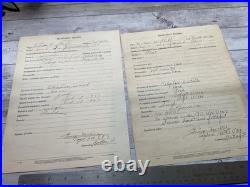
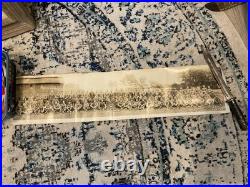
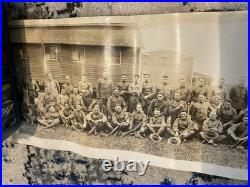
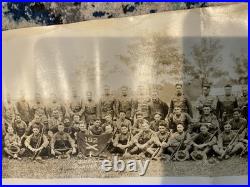
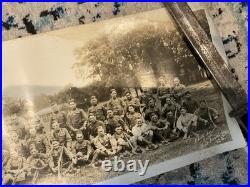
All from one man, bayonet not included. Please see my other auctions for more items from this estate and other estate military items. Thank you and good luck! As required by your country’s laws, they are not charged by me and I have no responsibility toward them.