
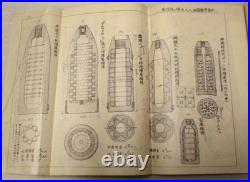
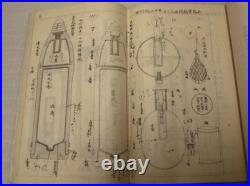
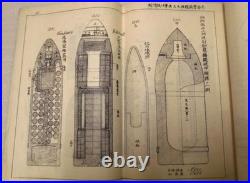
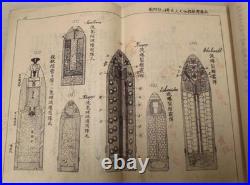
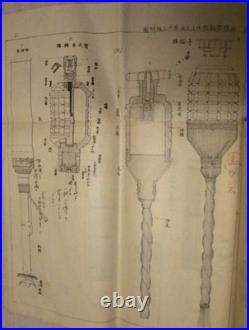
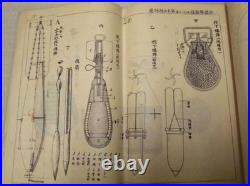
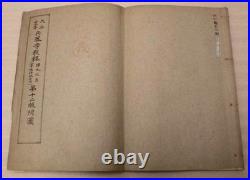


Understanding a weapon begins with understanding its internal structure. This original reference manual contains the. Illustration volume Appendix No. Japanese Army Ordnance Course. During the Taisho era. Unlike an ordinary textbook, this volume consists almost entirely of. 44 large technical plates. Illustrating the internal construction of artillery ammunition, shells, fuzes, grenades, igniters, and related ordnance equipment used by the Imperial Japanese Army. The drawings are highly detailed cross-sectional engineering diagrams intended for artillery officers and military students studying the design and function of modern ammunition. One of the most interesting features is that the book bears a. Red “Secret” (Maruhi) military stamp. Along with the ownership stamp of an. Imperial Japanese Army artillery second lieutenant. Numerous handwritten annotations remain throughout the diagrams, showing that this was an actual working reference rather than an unused archive copy. The publication dates to. A period when the Imperial Japanese Army was actively studying and modernizing its artillery technology after World War I. Many of the designs reflect European ordnance concepts that influenced Japanese military development during the interwar years. Rather than focusing on combat history, this book documents the engineering and educational side of the Japanese Army. It offers a rare look at how officers learned the construction of shells, fuzes, grenades, and ignition systems nearly a century ago. For collectors of Imperial Japanese Army material, military engineering, artillery history, or original technical manuals, this is an outstanding and visually impressive reference. Own a Piece of History. International Buyers – Please Note. Thank you for your understanding.

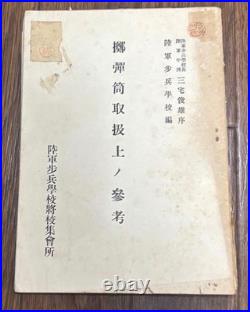
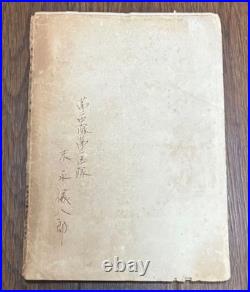
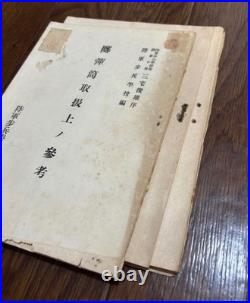
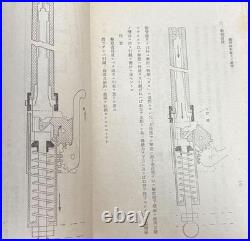
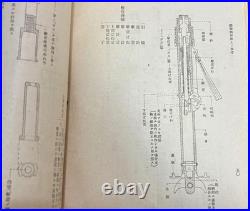
This is an original Imperial Japanese Army training reference manual for the grenade discharger, commonly known as the. The grenade discharger was one of the most important infantry support weapons used by the Japanese Army during WWII. Lightweight and highly portable, it was operated at the squad level and widely used in both the. China front and Pacific War. Forming a core element of Japanese infantry tactics. This manual is believed to have been issued through the. Imperial Japanese Army Infantry School. Inside, the book contains detailed. Mechanical diagrams, cross-sections, and operational explanations. Offering not only instruction but also valuable technical insight into how the weapon functioned. The text is written in pre-war Japanese orthography, reflecting the military education system of the time. One particularly important feature. On the back cover, there is a handwritten inscription. “2nd Company, 3rd Platoon – Sueyoshi (Yoshihachiro)”. This indicates that the manual was once owned and used by an actual soldier. It transforms this item from a simple manual into a. Personal artifact connected to a real individual who lived through that era. Who he was, where he was deployed, and what he experienced. This book quietly carries a fragment of that untold story. Aged with wear, stains, and some looseness in binding due to age, but. Complete with no missing pages. While manuals for the Type 92 machine gun are relatively common. Materials specifically focused on the grenade discharger-especially with a. Named soldier’s inscription. Rare and highly collectible. Perfect for collectors, historians, and anyone drawn to authentic, story-rich WWII artifacts. International Buyers – Please Note. Thank you for your understanding.

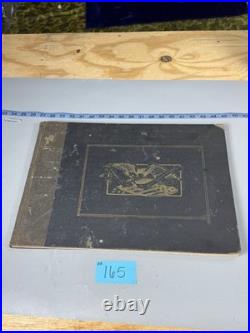
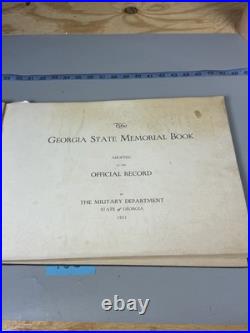
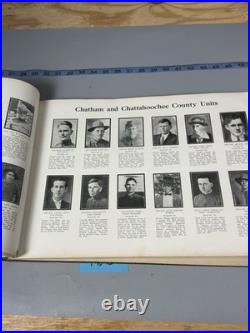
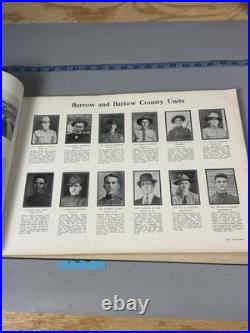
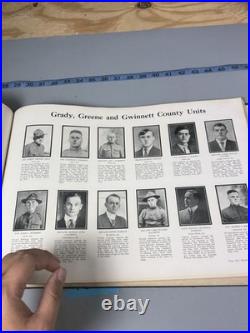
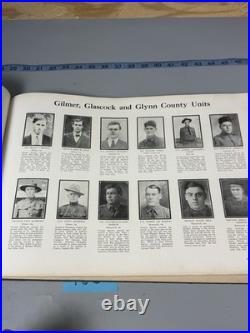
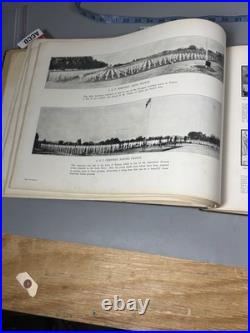
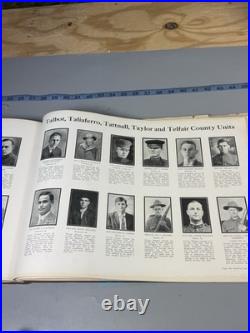
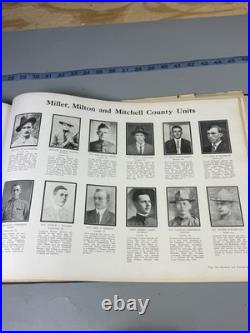
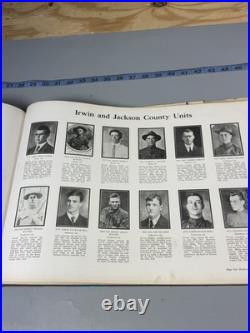
WWI Georgia State Memorial Book 1921.

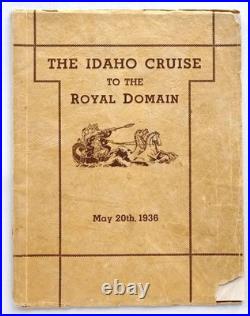
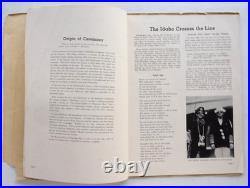
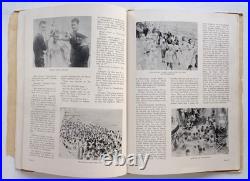
MAY 20, 1936 CRUISE TO THE ROYAL DOMAIN. INCLUDES COMMENTARY – CAPTIONED CANDID PHOTOS – A LOG AND A MUSTER ROLL. 9″ x 11″ SOFTCOVER.

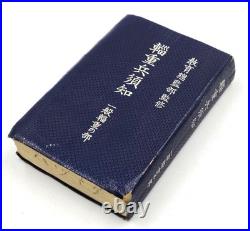
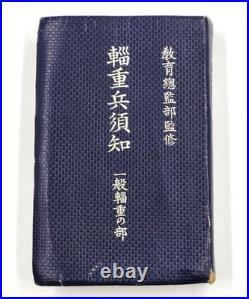
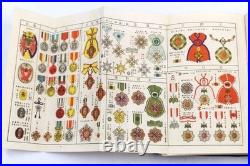
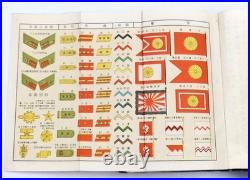
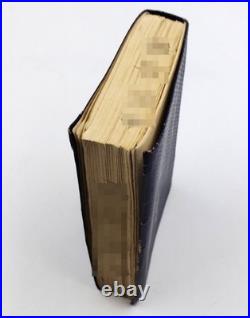
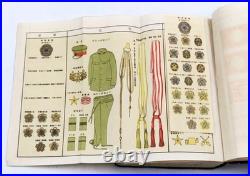
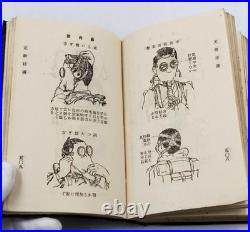
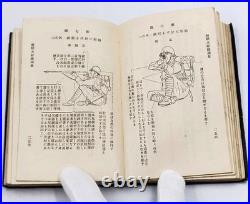
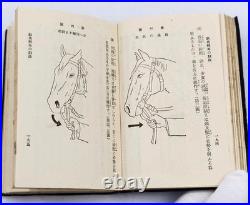
This is an original Imperial Japanese Army military handbook titled. (“What Every Logistics Soldier Should Know”), supervised by the Army Inspector General of Military Education. The cover is marked. Army Inspector General of Military Education Supervision. This was a compact educational handbook intended for soldiers serving in the Japanese Army’s logistics and transport branch. What Was the Army Inspector General of Military Education? The Army Inspector General of Military Education was one of the most influential organizations within the Imperial Japanese Army. It was responsible for military doctrine, officer education, training programs, and the preparation of official instructional materials used throughout the army. Because this handbook was supervised by that organization, it was not simply a commercial publication but an official educational reference reflecting Imperial Japanese Army training standards. The Forgotten Soldiers of the Japanese Army. The Shichohei (Logistics Corps) were responsible for transporting food, ammunition, equipment, uniforms, and horses to frontline units. In modern terms, they were the military logistics and supply branch. Interestingly, logistics troops often received less prestige than combat arms within the Japanese military culture. A famous wartime saying even mocked them as. Shichohei are not real soldiers. History ultimately proved otherwise. Many military historians consider Japan’s chronic logistical weaknesses to be one of the major factors contributing to its defeat during the Pacific War. As supply lines collapsed, entire units suffered from starvation, ammunition shortages, and lack of equipment. This handbook therefore represents a rarely preserved glimpse into the branch responsible for sustaining the Japanese Army. Imperial and military flags. Orders, decorations, and medals. Army uniforms and equipment. Logistics and transport training. Several attractive fold-out color plates illustrate military insignia, decorations, flags, and uniforms, making this both a practical military handbook and an excellent research reference. Why It Is Scarce. Most Japanese military instructional materials were discarded or destroyed after 1945. Pocket reference books such as this were heavily used by soldiers and rarely survived in good condition. Furthermore, while infantry, aviation, and armored units are widely collected today, surviving materials relating specifically to the Japanese Army’s logistics branch appear much less frequently on the market. An excellent item for collectors of Imperial Japanese military history, military education, uniforms, insignia, and logistics history. Own a Piece of History. International Buyers – Please Note. Thank you for your understanding.

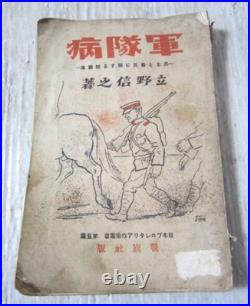
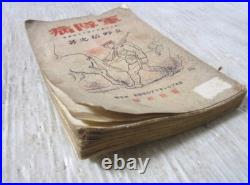
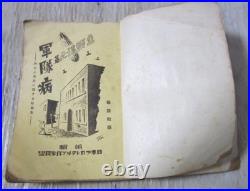
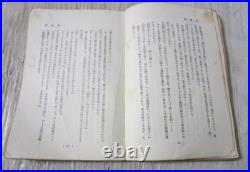
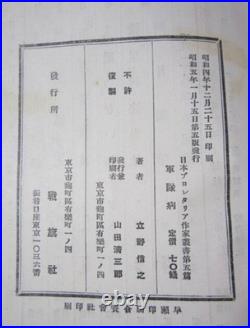
Published in 1930 (Showa 5), this is a rare pre-war Japanese proletarian literature book titled. Army Disease (Gun Tai Byo). The book was published by Senkisha and marked as part of the “Japan Proletarian Writers League” series. As the name suggests, the Japan Proletarian Writers League was a communist-oriented writers’ organization that promoted anti-war and anti-military ideas during the early Showa period. This work focuses on themes such as. Psychological pressure inside the army. Poverty in rural farming communities. Exhaustion and suffering of soldiers. At the time, these themes were considered socially and politically sensitive. What makes this book especially important is its publication date. It was printed in 1930, before the Manchurian Incident (1931), during a brief period before militarism rapidly expanded across Japan. In the years that followed, anti-war thought and criticism of the military were increasingly suppressed, and many left-wing organizations and writers became targets under the Peace Preservation Laws. Because of this historical background, surviving publications like this are now quite scarce. Rather than just an old book, this is a surviving historical artifact from a period when alternative political and social ideas still openly existed in prewar Japan. The cover artwork is also striking, showing an exhausted soldier and rural imagery rather than heroic military propaganda imagery commonly seen in wartime publications. Printed: November 25, 1929. Fifth Edition Published: January 15, 1930. Showing that the book already had a readership at the time. An excellent item for collectors interested in. Communist / proletarian movements. Heavy age wear, stains, creases, edge wear, and paper aging consistent with its age of nearly 100 years. Own a Piece of History. International Buyers – Please Note. Thank you for your understanding.

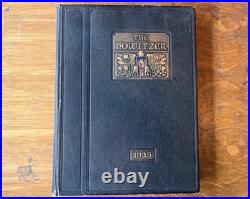
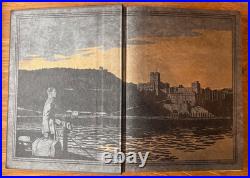
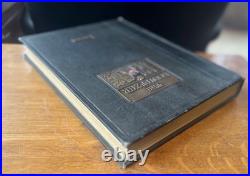
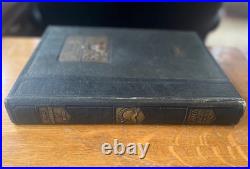
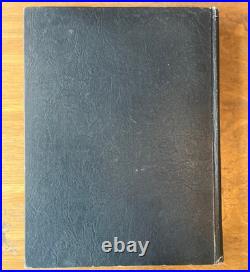
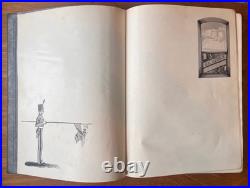
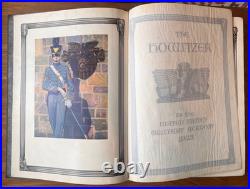
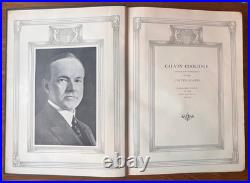
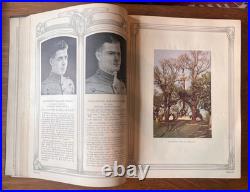
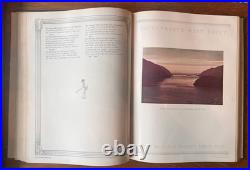
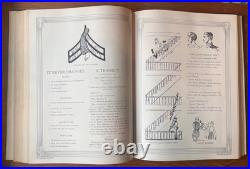
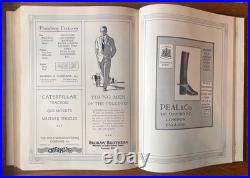
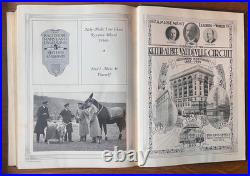
The Vintage 1925 United States Military Academy West Point The Howitzer Year Book is an original period item with a militaria theme, focusing on the history and activities of the United States Military Academy at West Point. This collectible publication from 1925 provides a unique glimpse into the military academy’s traditions, training, and events during that time period, making it a valuable piece for collectors interested in military history and memorabilia. Book is in excellent shape. One page has come separate from the binding and there is some light foxing. There is some normal shelf wear to the cover. Please see photos for condition.

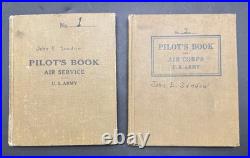
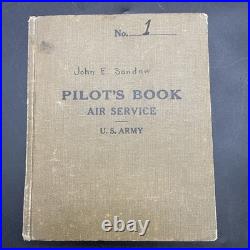
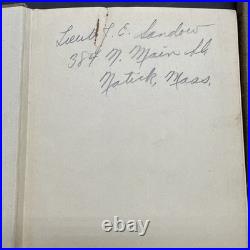
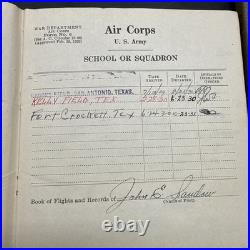
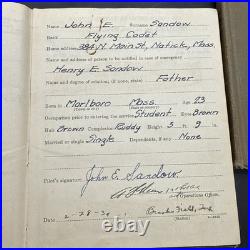
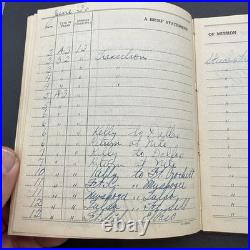
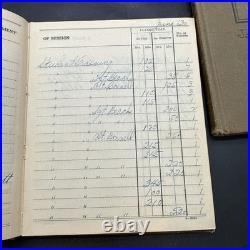
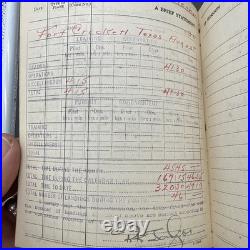
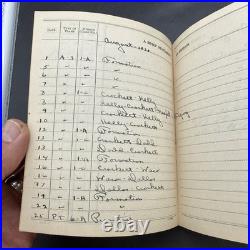
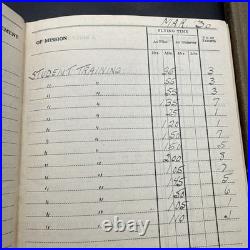
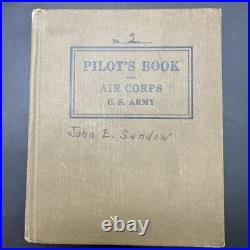
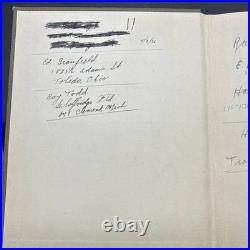
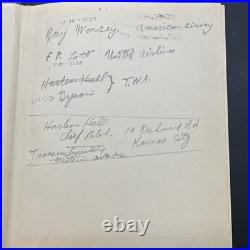
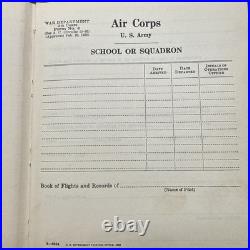
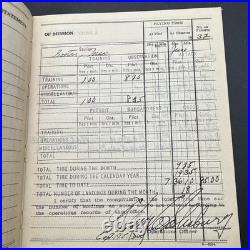
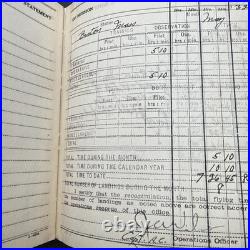
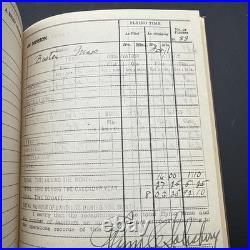
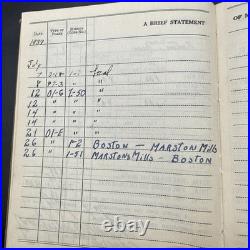
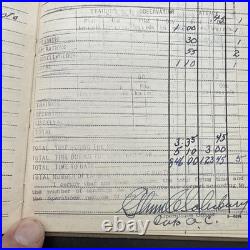
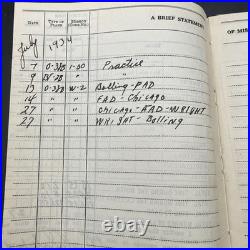
This product is a lot of 2 original NAMED to John E. Sandow, pilot’s book log air service records from the U. Army USAAS in the 1930s. These vintage documents provide a glimpse into the military aviation history of the United States during the interwar period. With a theme of militaria, these records offer a unique insight into the activities and operations of the U. Army Air Service during this significant time in history. Perfect for collectors of historical military memorabilia, these original documents from the 1930s are a valuable addition to any collection.

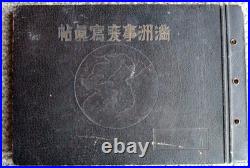
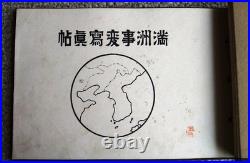
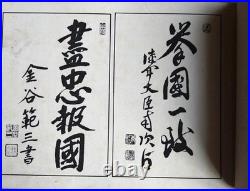
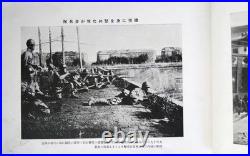
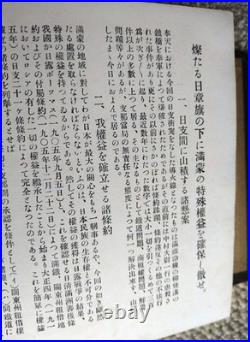
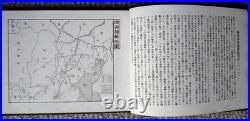
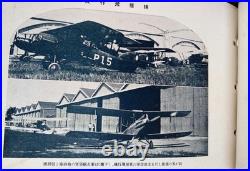


Here is an original Japanese photo album documenting the early stage of the conflict known as the Manchurian Incident (1931). What is the Manchurian Incident? The Manchurian Incident began in 1931, when the Imperial Japanese Army advanced into northeastern China (Manchuria). This event led to the creation of Manchukuo and ultimately expanded into the larger conflicts of the Second Sino-Japanese War and World War II in the Pacific. ? This is one of the earliest visual records of the war that would reshape Asia. Early war photographs (infantry, artillery, occupation scenes). Imperial Japanese military aircraft and airfields. Urban control and railway infrastructure (South Manchuria Railway context). Strategic maps of Manchuria. Original wartime Japanese perspective (propaganda material). This is not just a photo book-it is a visual narrative of how the war was presented to the Japanese public. Why This Matters. Unlike later wartime publications, this album captures the early phase of the conflict, before the war expanded into full-scale global warfare. The beginning of Japanese expansion. The role of military and infrastructure. The atmosphere of a nation entering war. Cover shows wear, fading, and aging. Missing colophon page (publication details inferred from content and style). Interior pages and photographs are in relatively good condition for age. Please check photos carefully. Early Imperial Japanese military documentation. Manchuria / Manchukuo historical material. Wartime propaganda and visual culture. Perfect for collectors, historians, and researchers. Own a Piece of History. International Buyers – Please Note. Thank you for your understanding.

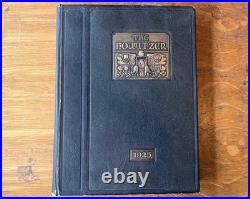
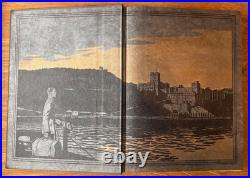
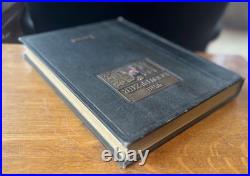
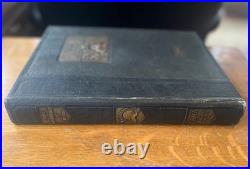
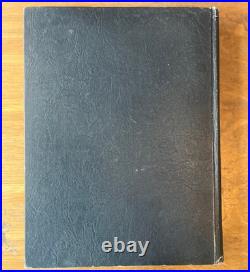
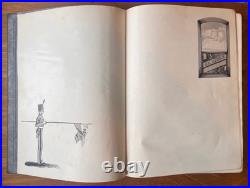
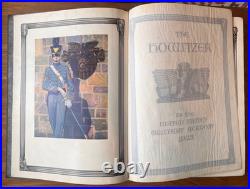
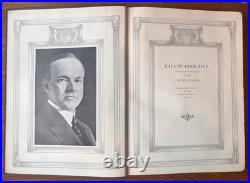
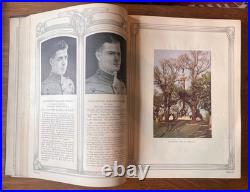
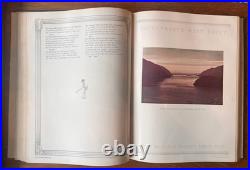
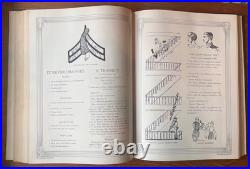
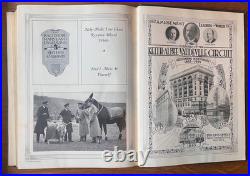
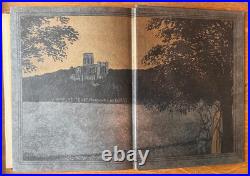
The Vintage 1925 United States Military Academy West Point The Howitzer Year Book is an original period item with a militaria theme, focusing on the history and activities of the United States Military Academy at West Point. This collectible publication from 1925 provides a unique glimpse into the military academy’s traditions, training, and events during that time period, making it a valuable piece for collectors interested in military history and memorabilia. Book is in excellent shape. One page has come separate from the binding and there is some light foxing. There is some normal shelf wear to the cover. Please see photos for condition.