
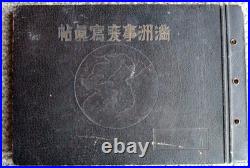
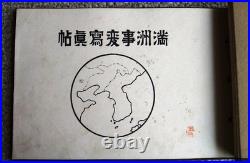
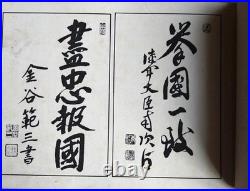
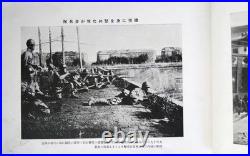
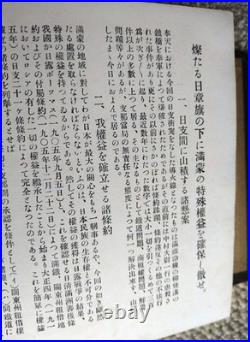
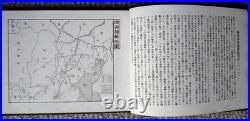
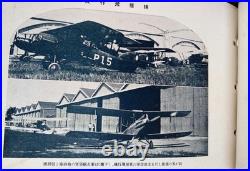



Here is an original Japanese photo album documenting the early stage of the conflict known as the Manchurian Incident (1931). What is the Manchurian Incident? The Manchurian Incident began in 1931, when the Imperial Japanese Army advanced into northeastern China (Manchuria). This event led to the creation of Manchukuo and ultimately expanded into the larger conflicts of the Second Sino-Japanese War and World War II in the Pacific. ? This is one of the earliest visual records of the war that would reshape Asia. Early war photographs (infantry, artillery, occupation scenes). Imperial Japanese military aircraft and airfields. Urban control and railway infrastructure (South Manchuria Railway context). Strategic maps of Manchuria. Original wartime Japanese perspective (propaganda material). This is not just a photo book-it is a visual narrative of how the war was presented to the Japanese public. Why This Matters. Unlike later wartime publications, this album captures the early phase of the conflict, before the war expanded into full-scale global warfare. The beginning of Japanese expansion. The role of military and infrastructure. The atmosphere of a nation entering war. Cover shows wear, fading, and aging. Missing colophon page (publication details inferred from content and style). Interior pages and photographs are in relatively good condition for age. Please check photos carefully. Early Imperial Japanese military documentation. Manchuria / Manchukuo historical material. Wartime propaganda and visual culture. Perfect for collectors, historians, and researchers. Own a Piece of History. International Buyers – Please Note. Thank you for your understanding.

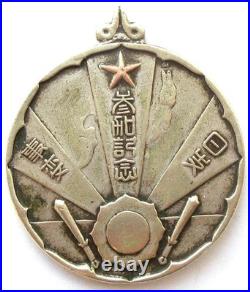
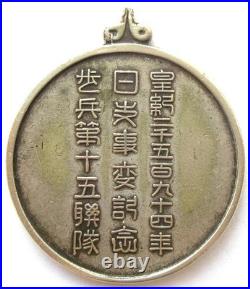
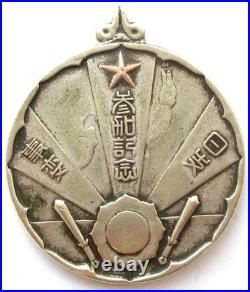
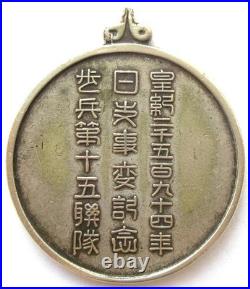
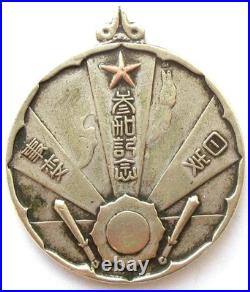
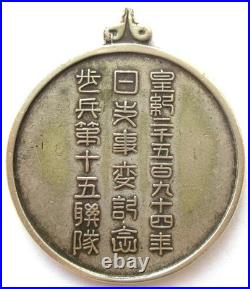
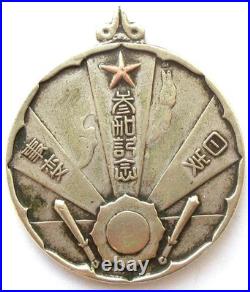
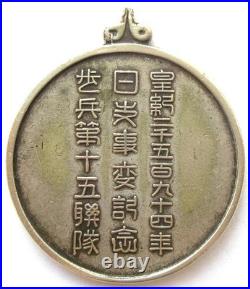
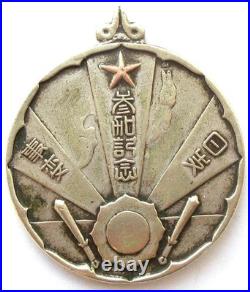
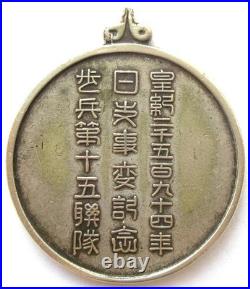
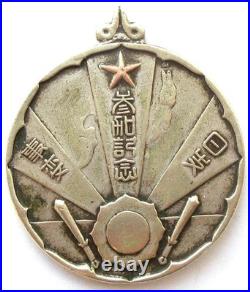
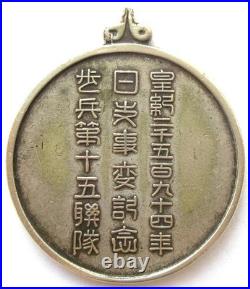
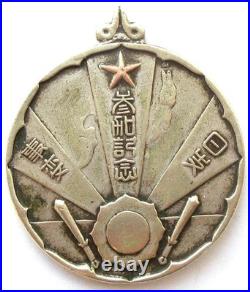
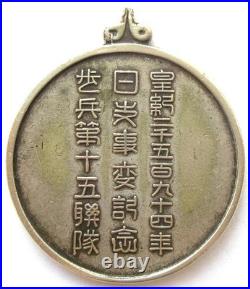
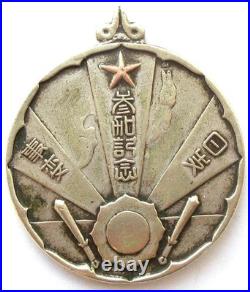
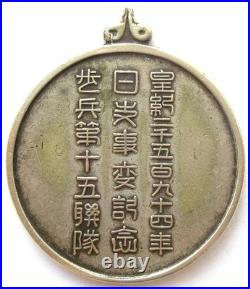
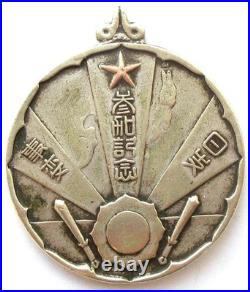
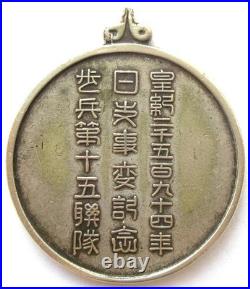
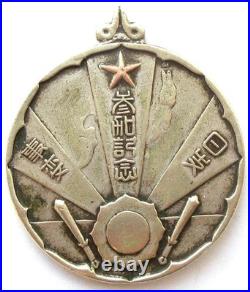
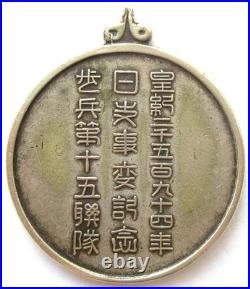
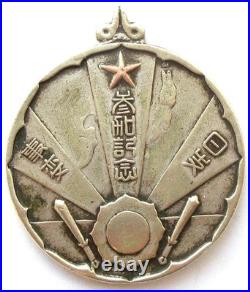
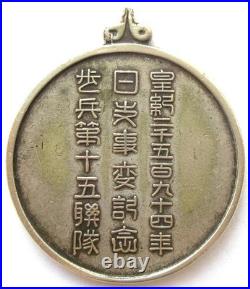
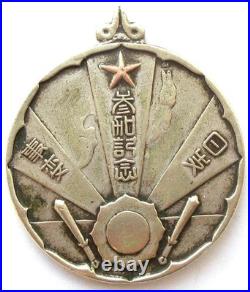
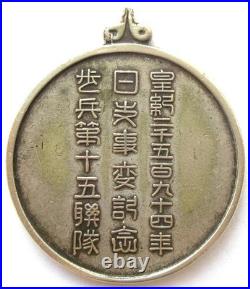
This is a commemorative medal for the 15th Infantry Regiment of the Imperial Japanese Army’s participation in the Sino-Japanese War. The ring at the top is detached. International Buyers – Please Note. Thank you for your understanding.

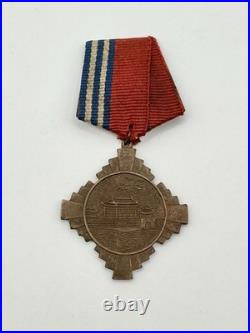
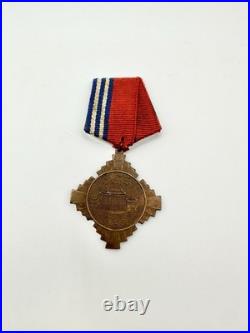
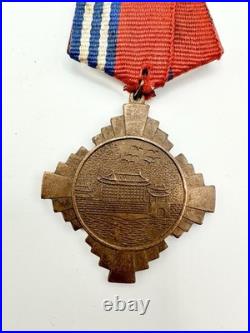
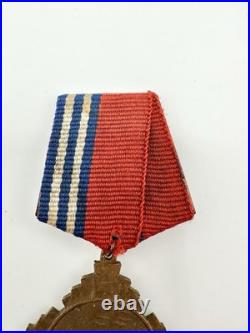
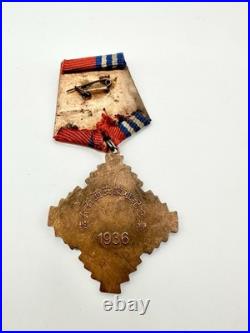
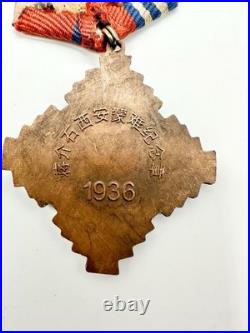
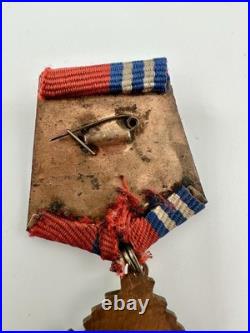
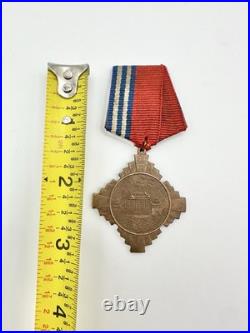
This medal commemorates the Xi’an Incident of 1936, a major turning point in the Chinese Civil War and the lead-up to WWII. The incident involved the kidnapping of Generalissimo Chiang Kai-shek by his own generals to force a United Front against Japanese aggression. Design Details. Obverse: Features a central image of a traditional Chinese gate/palace structure (likely a gate in Xi’an) with birds flying above and a textured background. The medal is shaped in a distinctive stepped, four-pointed star or sunburst pattern. Reverse: Features a clear Chinese inscription: (Chiang Kai-shek Xi’an Incident Commemorative Medal) and the date 1936. Ribbon: Includes the original red, blue, and white striped ribbon on a five-sided metal suspension backer with a safety-pin style attachment. Condition Report. Metal: Shows a natural aged patina with some minor surface oxidation consistent with its 90-year age. High points of the relief are well-preserved. Ribbon: The silk shows some fraying and wear at the suspension point, as shown in photos. The colors remain distinct. Attachment: The rear pin is intact and functional. Measurements. Total Height: Approximately 3.5 inches. Medal Width: Approximately 1.75 inches. Please refer to the photos with the tape measure for exact scaling.

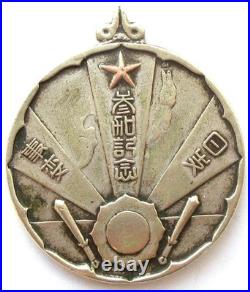
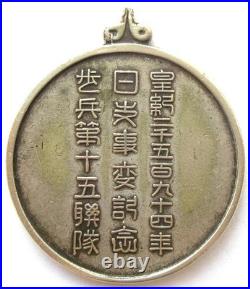
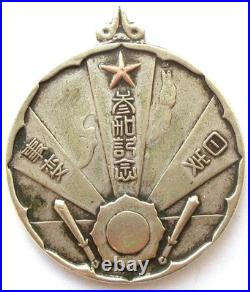
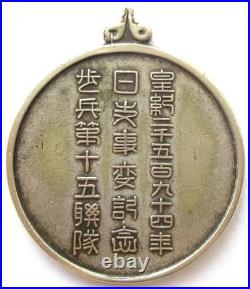
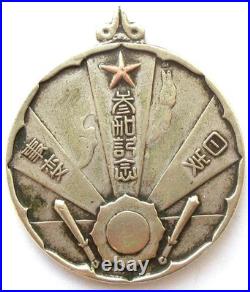
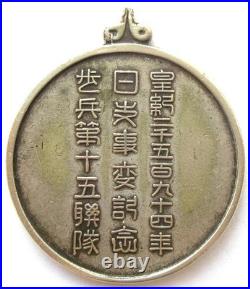
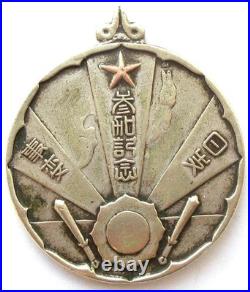
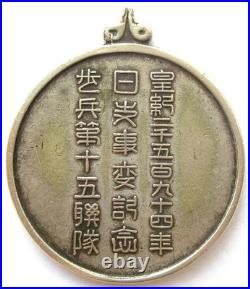
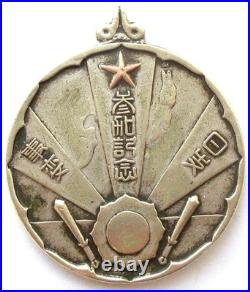
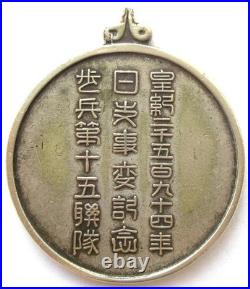
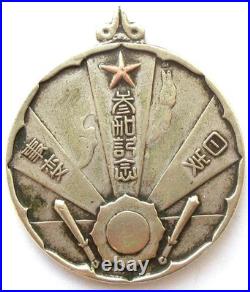
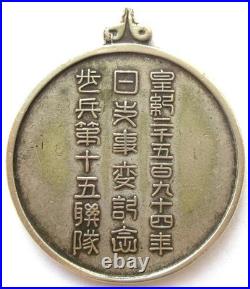
This is a commemorative medal for the 15th Infantry Regiment of the Imperial Japanese Army’s participation in the Sino-Japanese War. The ring at the top is detached. International Buyers – Please Note. Thank you for your understanding.

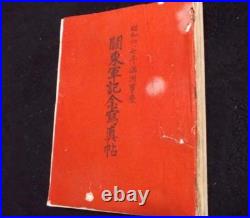
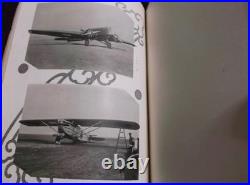
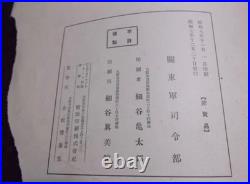
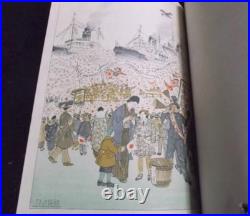
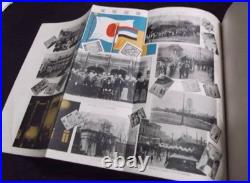
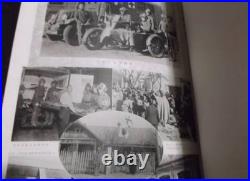
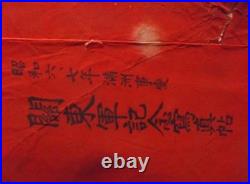
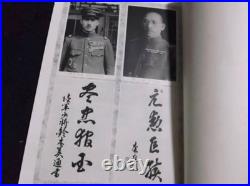
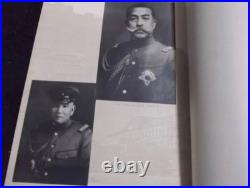
Rare historical photo album documenting the early period of the Manchurian Incident. The book was issued by the Kwantung Army Headquarters, the Japanese Imperial Army force stationed in Manchuria (northeastern China). Rather than a commercial publication, this type of book was typically produced for military personnel or related officials as a commemorative historical record. The Kwantung Army was one of the most influential military forces of Imperial Japan. Originally established to protect Japanese interests and the South Manchuria Railway, it later became the main military force involved in the events that triggered the Manchurian Incident in 1931. The Manchurian Incident marked a major turning point in East Asian history. Following the conflict, Japan established the state of Manchukuo, and the region became a central stage for the political and military developments that eventually led to the Second World War in Asia. Contents of the Book. This album contains many photographs and illustrations documenting that period, including. Portraits of senior Japanese military commanders. Military operations and units of the Kwantung Army. Military vehicles and medical units. Scenes from cities and daily life in Manchuria. Early Japanese military aircraft. Public ceremonies and historical events. The book is a large-format photo album approx. 31 cm with many photographic plates. Why This Book Is Rare. After World War II, during the Allied occupation of Japan under GHQ, large quantities of wartime materials were confiscated or destroyed. Military publications, aviation-related documents, and wartime records were especially affected. Additionally, Japan was prohibited from manufacturing aircraft for several years after the war. Because of this, many pre-war Japanese military and aviation publications did not survive, making original photo albums from this era increasingly scarce today. Cover wear and stains. Minor damage consistent with age. Please review the photos carefully for details. Large photo album format. International Buyers – Please Note. Thank you for your understanding.

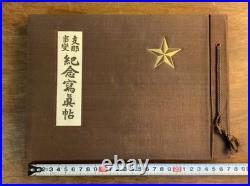

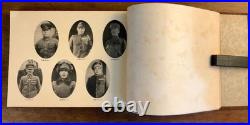
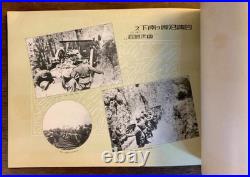
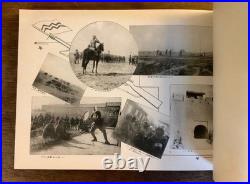
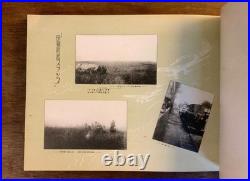
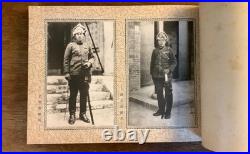
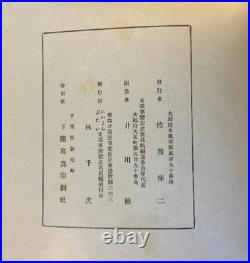
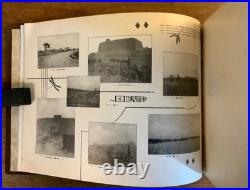
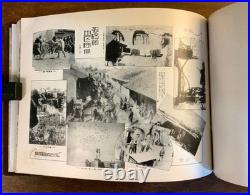
This is an original pre-WWII Japanese military photo album titled. “China Incident Commemorative Photo Album”. The China Incident refers to the large-scale conflict between Japan and China that began in 1937, known internationally as the Second Sino-Japanese War. This album contains numerous photographs documenting the activities of the Imperial Japanese Army in China. Inside the album are photographs showing. Japanese soldiers and military units. Marching columns and cavalry. Military exercises and artillery. Chinese towns, villages, and landscapes. Historical buildings and city gates. Everyday scenes in wartime China. These images provide a rare visual record of the military and cultural landscape of China during the late 1930s. The album is bound in a traditional Japanese format and the cover bears the five-pointed star emblem of the Imperial Japanese Army. In the later pages of the album, portraits of Japanese officers are included. Among them appears Ushijima Mitsuru, who would later become known as the commander of the Japanese 32nd Army during the Battle of Okinawa (1945). While the album itself commemorates the China Incident period, the presence of officers who later played roles in major WWII events makes it an interesting historical reference. The publication information lists. China Incident Commemorative Photo Album Publishing Association. Original wartime photo albums like this were often produced in limited numbers and distributed among military personnel or related organizations. Because of this, surviving examples today are increasingly difficult to find. Imperial Japanese Army memorabilia. Early 20th-century East Asia photography. This is a fascinating historical artifact. International Buyers – Please Note. Thank you for your understanding.

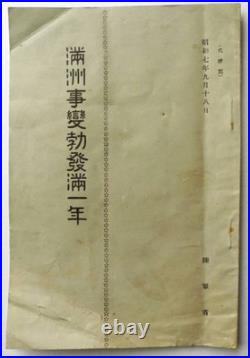
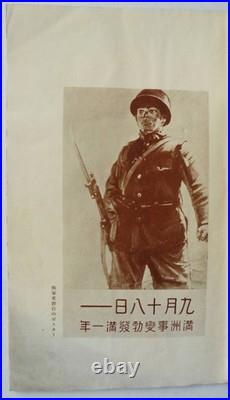
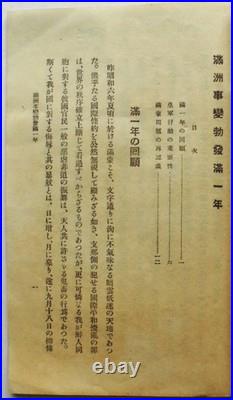
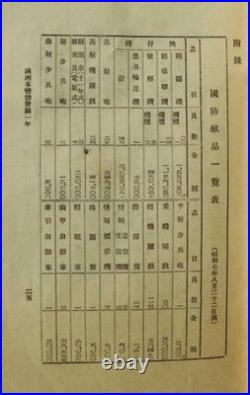
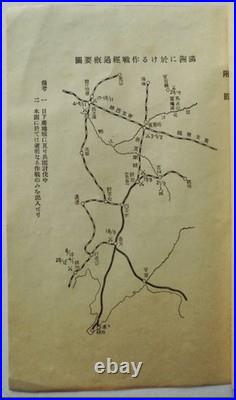
Published by the Imperial Japanese Army Ministry on September 18, 1932, this booklet commemorates the first anniversary of the Manchurian Incident. It reviews the military operations, highlights the “importance of the Emperor’s Army actions, ” and re-emphasizes the so-called Manchuria-Mongolia problem. Operational overview map of campaigns in Manchuria. Table of national defense contributions (donations & equipment). Propaganda photo/poster illustrations (commemorating “9.18”). The Manchurian Incident (Mukden Incident) began on September 18, 1931, near Mukden (Shenyang), when the South Manchuria Railway was sabotaged. The Japanese Kwantung Army used this as a pretext to occupy Manchuria, leading to the establishment of Manchukuo in 1932. The League of Nations condemned Japan’s actions, eventually prompting Japan’s withdrawal from the League in 1933. Interior pages are well preserved, with age toning, stains, and wear on the cover (see photos). No major tears or missing pages detected. A rare official Army Ministry publication, reflecting the narrative Japan promoted at the time. Own a piece of history. Approximate 7-21days(To USA).

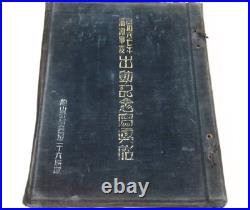
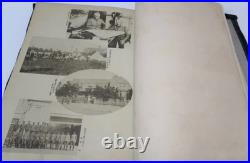
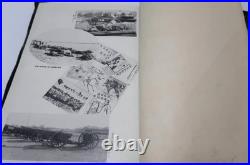
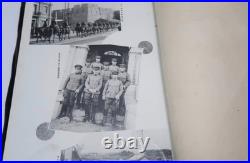
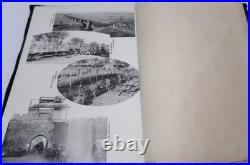
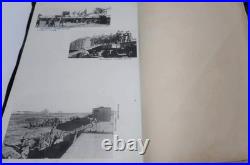
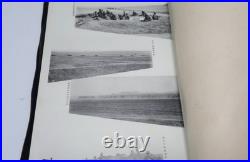
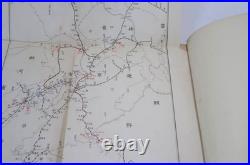
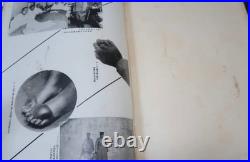
This is an original Japanese military photo album documenting the deployment of an artillery unit during the. The album was produced as a commemorative record of mobilization and includes period photographs and a folded operational route map. The images show artillery movement, transportation by rail carts, field deployment, security patrols, and daily scenes of the unit during its early continental assignment. The Manchuria Incident marked a major turning point in East Asian history and represents the beginning of Japan’s large-scale overseas military operations prior to World War II. This album provides valuable visual reference material for researchers and collectors interested in early 20th-century military history, artillery operations, and historical photo documentation. Artillery transport and deployment scenes. Early 1930s military infrastructure and logistics. This is an original vintage item. Wear consistent with age is present, including surface wear, toning, and minor repairs to the map. A rare reference item suitable for collectors, historians, and archival research. Approximate 7-21days(To USA).

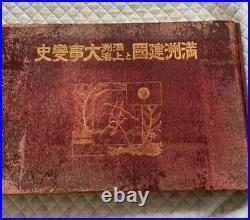
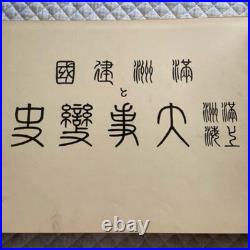
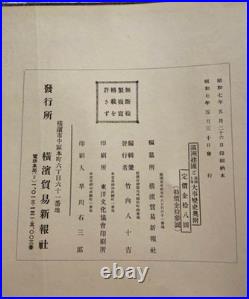
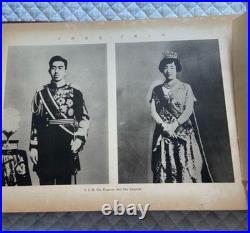
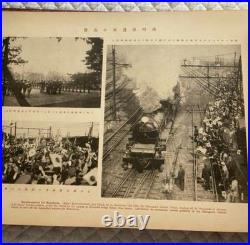
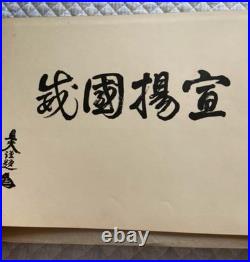
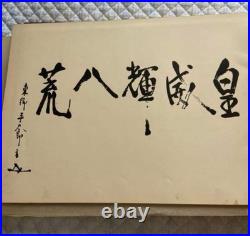
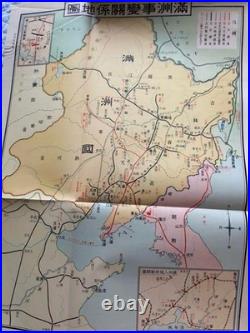
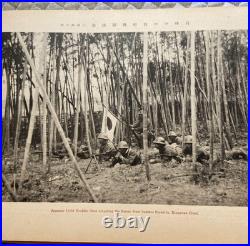
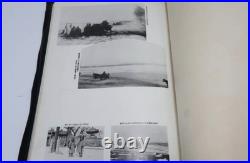
This is a rare large-format pictorial album titled “Manchukuo Founding and the Shanghai Incident”, published in 1932 (Showa 7) by Yokohama Trading News Co. It features numerous original photographs, maps, and calligraphy, documenting the turbulent events in East Asia during the early 1930s. Following the Mukden Incident (September 1931), the Japanese Kwantung Army occupied Manchuria. In March 1932, the puppet state of Manchukuo was proclaimed with the last Qing emperor Puyi as its head of state. For Japan, Manchukuo became both an economic and military stronghold, while the international community strongly criticized it as illegitimate, leading to Japan’s growing isolation in world affairs. In January 1932, hostilities broke out in Shanghai between Japanese and Chinese forces. Intense urban combat followed, including the deployment of Japanese Navy Special Landing Forces. After months of fighting, a ceasefire was signed in May. The scale and violence of the conflict marked a deep escalation in Sino-Japanese tensions. Showa 7 (1932) – A Turning Point. March: Manchukuo officially proclaimed. January-May: First Shanghai Incident. May: Prime Minister Inukai Tsuyoshi assassinated in the May 15 Incident. This year marked a decisive shift in Japan’s path toward militarization and international isolation, eventually leading to its withdrawal from the League of Nations. ? Contents of This Album. Portraits of the Emperor & Empress. Photographs of the Manchurian Incident and Shanghai Incident. Large fold-out color map with railways and battlefields. Calligraphy pages by notable figures. Rare action photos of Japanese military operations. The outer cover shows significant wear due to age, but the internal pages and photographs remain intact. Overall, this is a valuable contemporary primary source that preserves the atmosphere and visual record of 1932. A highly important reference for historians, researchers, and serious collectors of Japanese pre-WWII militaria and Asian history. Own a Piece of History. International Buyers – Please Note. Thank you for your understanding.

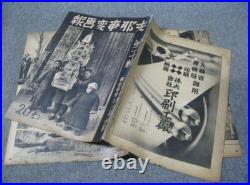
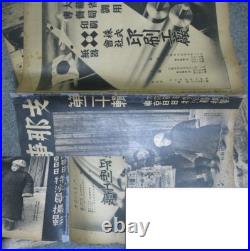
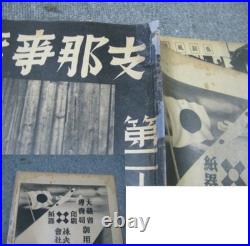
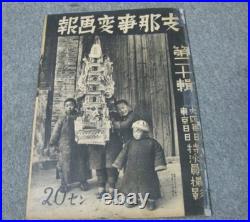
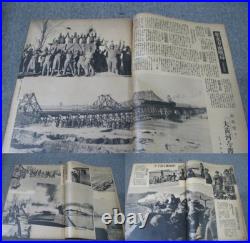
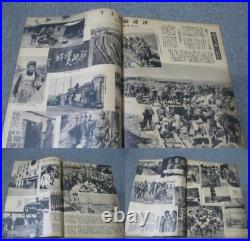
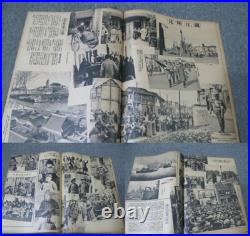
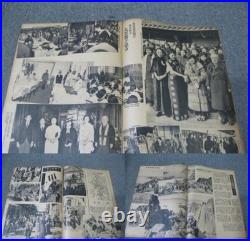
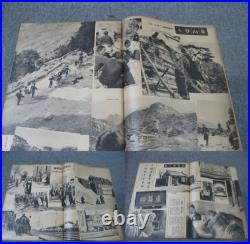
Original 1938 China Incident Pictorial Report No. 20, published on March 1, 1938 (Showa 13) by the Osaka Mainichi Shimbun and Tokyo Nichi Nichi Shimbun joint war correspondents. This rare wartime photo magazine covers the Yellow River Crossing Operation and the Tsinpu Railway Campaign, key offensives during Japan’s southward advance from North China into Central China in early 1938. It documents the Japanese Army’s strategy to cut off Nationalist China’s supply lines between North and Central China following the Marco Polo Bridge Incident. Construction of pontoon bridges and river-crossing scenes of the Yellow River (Daiko-gawa). Infantry and cavalry advancing along the Tsinpu Railway Line. Street battles and occupation of major cities in Shandong and Jiangsu provinces. Local civilians, prisoners, and post-battle urban recovery scenes. Military hospitals, engineering units, and morale photos from the front. Publisher: Osaka Mainichi Shimbun / Tokyo Nichi Nichi Shimbun. Date: March 1, 1938 (Showa 13). Pages: 32 / Format: B4 approx. 36 × 25 cm. Price at release: 20 Sen. Printed by: Paper Printing Co. For the Ministry of Finance. The China Incident Pictorial series was Japan’s official war photo journalism during the early Sino-Japanese War. This issue captures a turning point in the campaign – the massive Yellow River crossing and Tsinpu advance that marked Japan’s strategic expansion deep into China. Highly valuable as a primary source of wartime photo documentation and propaganda media study. Condition: Poor to fair. Spine detached and taped, tears and stains, but complete. Still a rare and important historical document. Own a Piece of History. International Buyers – Please Note. Thank you for your understanding.