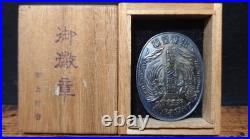
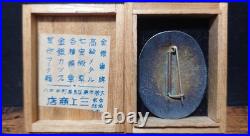
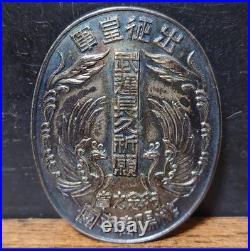
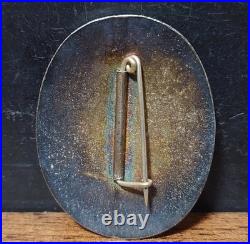
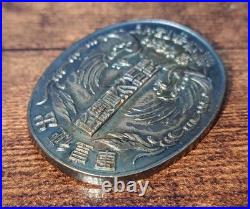
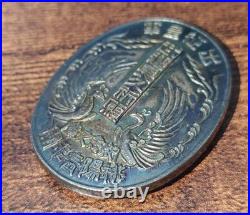
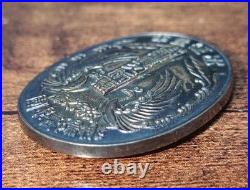
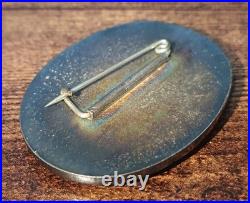
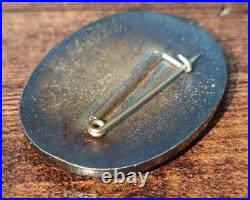
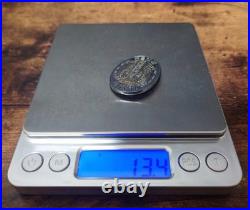

This is a rare pre-war Imperial Japanese “Good Luck in Battle” commemorative badge. Presented by the Toyo Youth Group (Toyo Seinen-dan) to a local soldier who was leaving for the front. What the inscriptions say. “Shusse Kogun” – “Departing Imperial Soldier”. “Bu’un Chokyu Kigan” – “Prayer for Long-Lasting Good Fortune in Battle”. “Toyo Seinen-dan Kinen-zo” – “Presented by the Toyo Youth Group”. The badge features two phoenixes, a traditional symbol of protection, rebirth, and auspicious fortune. What was the Youth Group (Seinen-dan)? The Seinen-dan was a pre-war local youth organization in every village and town in Japan. They supported community events and, importantly, organized send-off ceremonies for soldiers. Members would create and present items like this badge to wish for. Long-lasting fortune in battle. And to show the community’s support. This makes the badge not only a military item but a deeply personal community artifact. 3.5 cm tall. Weight: 13.4 g. Material: silver-tone metal (possibly silver, not tested). Condition: Light aging, very good for its age. Comes with original wooden box and the maker’s paper label (rare). A valuable piece for collectors of Imperial Japanese militaria, pre-WWII youth organizations, and historical badges. International Buyers – Please Note. Thank you for your understanding.

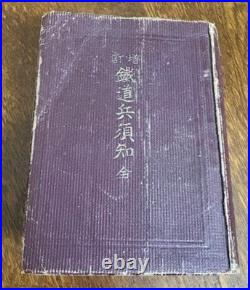
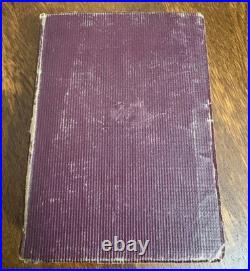
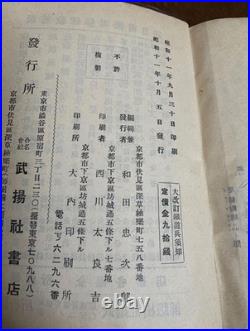
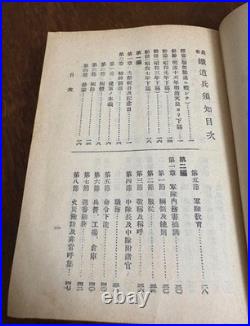
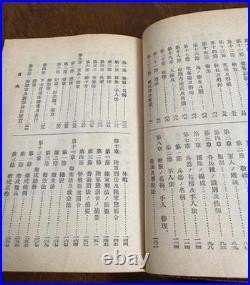
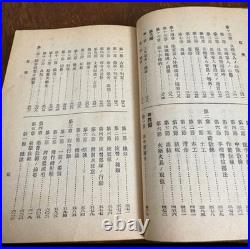

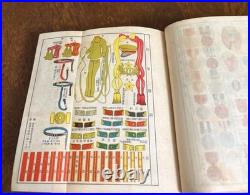
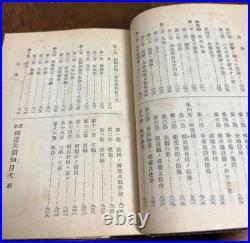
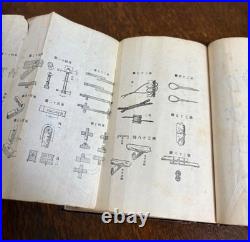

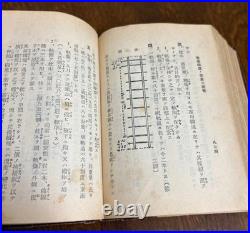
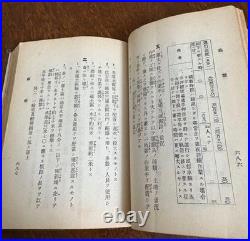
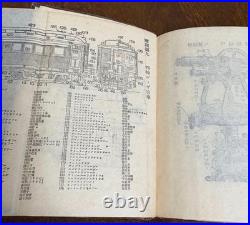
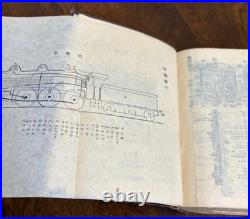
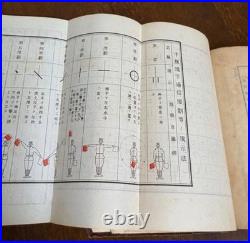
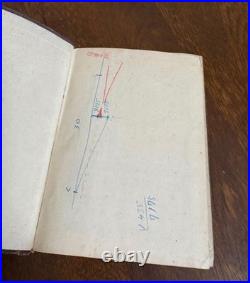

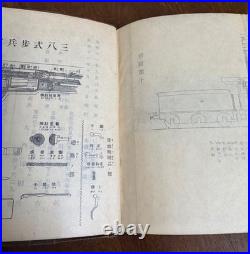
Original 1936 Imperial Japanese Army “Tetsudohei Succhi” (Railway Troop Handbook) – a complete field reference book issued to Imperial Army railway engineers. This large and comprehensive manual covers every aspect of military railway operation, construction, demolition, and maintenance during the pre-WWII era. Detailed instructions for railway construction, bridge building, signaling, communications, logistics, demolition, and repair. Dozens of technical illustrations – locomotives, railcars, switches, bridges, and telegraph systems. Full-color signal flag communication chart and rank / uniform illustrations included. Contains hand-written notes and measurement sketches by the original soldier-owner – authentic field-used copy. Published in Showa 11 (1936), during the tense years between the Manchurian Incident (1931) and the China Incident (1937). Railway troops (Tetsudohei) played a crucial role in constructing and maintaining transport lines across Manchuria and China – essential for the Japanese Army’s logistics, troop movement, and supply chain. This handbook represents the military application of civil engineering – blending railway technology, logistics, and warfare strategy in the pre-WWII Japanese Empire. Title: Daikaitei Tetsudohei Succhi (Great Revised Railway Troop Manual). Publisher: Bueisha Shoten, Kyoto / Tokyo. Date: October 5, 1936 (Showa 11). 18 × 12 cm. Signs of age, foxing, writing, stains, and edge wear from field use. Pages complete and binding tight. A rare and historically rich original Imperial Japanese Army engineering manual, showing the exact methods used for wartime railway operations and logistics. Highly valuable for researchers, military historians, and collectors of WWII field manuals and Japanese militaria. Own a piece of Japan’s military engineering history. International Buyers – Please Note. Thank you for your understanding.

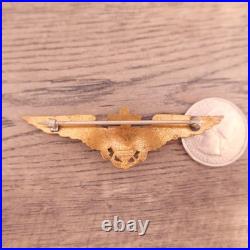
In good shape with minor wear. If you have any problems upon receiving your item, please contact me so that I can help. See pictures for details. Quarter in Picture for scale.


Please see the images of the actual item above for a better idea of the condition. The packed card will weigh around two and a half ounces, as I pack with thick cardboard to assure the card arrives safely. Be sure to add me to your. Please contact me with any issues prior to leaving negative/neutral Feedback or low detail ratings, as I will always do my best to solve any problems that may come up!

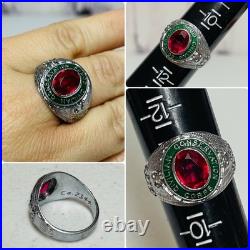
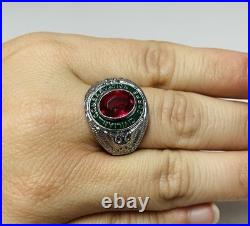
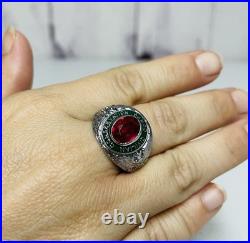
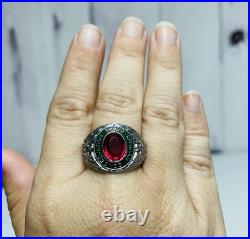
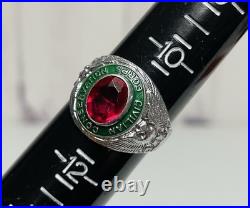
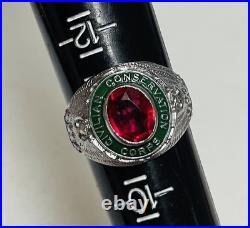
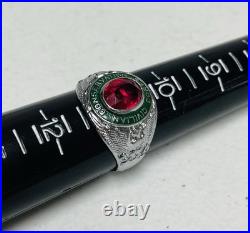
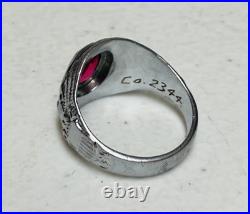
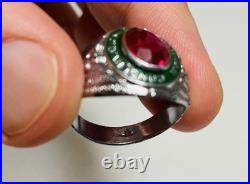
Vintage Civilian Conservation Corps Sterling Silver Enamel Ring Size 11 Rare! This ring is a collectible piece of U. Here’s some history. The Civilian Conservation Corps was a public work relief program that operated from. As part of President Franklin D. It provided jobs to young men during the Great Depression, focused on conservation projects like Planting trees, Building trails, shelters, and fire towers in national parks, and Erosion and flood control. It’s considered one of the most successful New Deal programs. This ring likely belonged to a CCC enrollee or was given as a commemorative or service piece. The ring has the following features. The name “Civilian Conservation Corps” embossed on the front. Green enamel inlay – green is common, referencing conservation. Jeweler’s mark on the inside. Rings like this were not mass-produced in large quantities. This is a rare ring. I couldn’t find another one like it anywhere.

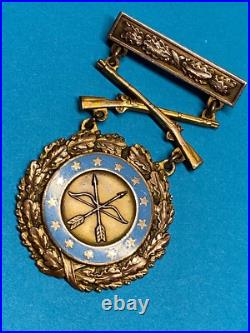
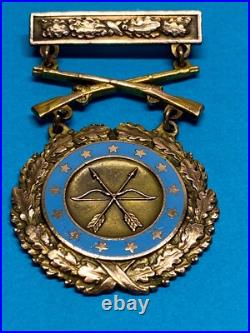

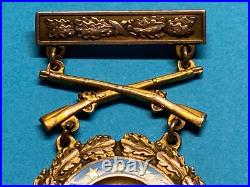
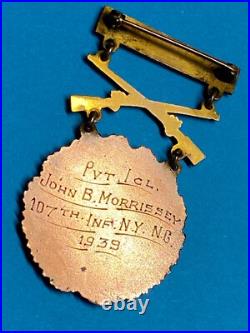
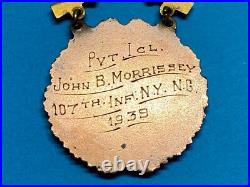
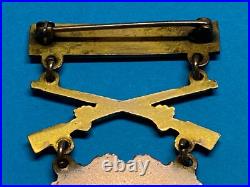
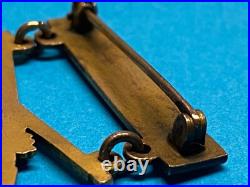
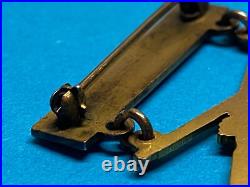
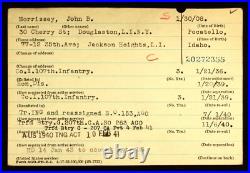
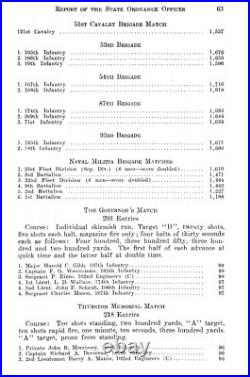
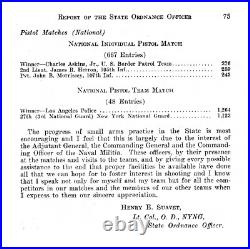
1938, ARMY LEVEL PRIZE, BRONZE, RIFLE COMPETITION, INFANTRY, NAMED, w/RESEARCH. This 1939 Infantry Army Level Prize for Rifle Competition was awarded to Private First Class John B. Morrissey, Company I, 107. SGT Morrissey was born on 30 January, 1908, Pocatello, Idaho. SGT Morrissey enlisted on 21 January 1936. When John Bacon Morrissey was born on January 30, 1908, in Pocatello, Idaho, his father, Harry, was 30 and his mother, Florence, was 23. He had two sons and two daughters with Anna R Morrissey. He died on February 3, 1982, in Aberdeen, Maryland, at the age of 74. These interwar Army marksmanship badges are highly sought after among collectors. We will include printed copies of the research artifacts. We are limited to 12 images, so there are more artifacts than what is displayed here. This Army level prize consists of three parts. Top bar that indicated either Army level or Corps / department level competition and served as a brooch to affix the assembled device to the uniform. The top bar is squared ended and ornamented with oak leaves, and was always worn with this bronze clasp and an enameled planchet prior to WWII. The top bar or brooch is a pin back with a functional rotating clasp closure. The second portion consists of an intermediate clasp of crossed arms to indicate the type of weapon that was used to earn the award rifle, pistol, or, soon thereafter, automatic weapons. In this case it has crossed rifles. The third, lower piece is a planchet, that when enameled, told the arm or the type of service, in this case, blue for Infantry. The central design is a bow and a pair of arrows. The planchet consists of three concentric designs. 0625 in diameter, displays a compound bow and two crossed arrows, a symbol of marksmanship. Outside of that is a center ring, 015 in width, which displays 13 stars. An oak-leaf wreath executed in bronze surrounds the entire design, making the planchet 1-1/2 in width. The combatant arms had bronze stars with the ring enameled in blue for Infantry. They would be responsible to send the package to you.



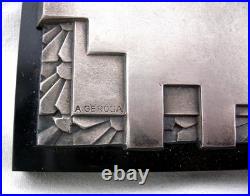
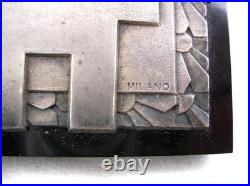


WW2 VENTENNIO PLAQUE PLACCA PREMIO CAMPIONATI CICLISTICI DEL MONDO ROMA 1932 A. WW2 VENTENNIO PLAQUE PLACCA PREMIO CAMPIONATI CICLISTICI DEL MONDO ROMA 1932. International Buyers Please Note. PLEASE SEE ITEM DESCRIPTION. Dharma di Caterina Cimmino e C. Via Manzoni, 51 80046 – San Giorgio a Cremano (NA). Informativa sul trattamento dei Suoi dati personali Art. 13 GDPR Regolamento Generale sulla Protezione dei Dati (UE/2016/679). Gentile Cliente, La informiamo che, per linstaurazione e lesecuzione dei rapporti contrattuali con Lei in corso, la nostra organizzazione è in possesso di Suoi dati, acquisiti anche verbalmente, direttamente o tramite terzi, qualificati come personali dal GDPR UE 679/2016. In conformità a tale norma La invitiamo, quindi, a leggere attentamente la seguente informativa. Natura dei dati trattati: Trattiamo i Suoi dati anagrafici, fiscali, di natura economica, necessari allo svolgimento dei rapporti contrattuali in essere o futuri. Non siamo in possesso di alcun Suo dato qualificabile come particolare art. 9 del regolamento o di natura giudiziaria art. Finalità del trattamento e periodo di conservazione dei dati: I Suoi dati vengono trattati per tutta la durata del rapporto contrattuale ed anche successivamente, per esigenze contrattuali, a seguito di adempimenti di obblighi legali e, per unefficace gestione dei rapporti finanziari e commerciali. Gli stessi saranno conservati per il tempo necessario per adempiere agli obblighi fiscali come previsto dalla normativa nazionale. Modalità del trattamento: Il trattamento dei dati avviene mediante lutilizzo di strumenti e procedure idonei a garantirne sicurezza e riservatezza e potrà essere effettuato sia mediante supporti cartacei, sia attraverso lausilio di mezzi informatici automatizzati, atti a memorizzare, gestire e trasmettere i dati stessi. Obbligo o facoltà di conferire i dati: Per quanto concerne i dati che siamo obbligati a conoscere, al fine di adempiere agli obblighi previsti da leggi, il loro mancato conferimento da parte Sua comporta limpossibilità di instaurare o proseguire il rapporto, nei limiti in cui tali dati sono necessari allesecuzione dello stesso. Ambito di conoscenza dei Suoi dati: Le seguenti categorie di soggetti possono venire a conoscenza dei Suoi dati: Titolare, Responsabile ed incaricati del trattamento, soggetti nostri consulenti, in qualità di responsabili esterni, nei limiti necessari per svolgere il loro incarico presso la nostra organizzazione, previo nostra lettera di incarico che imponga il dovere di riservatezza e sicurezza. Comunicazione e diffusione: I Suoi dati non verranno da noi diffusi a soggetti indeterminati mediante la loro messa a disposizione o consultazione. I Suoi dati potranno da noi essere comunicati, per quanto di loro rispettiva e specifica competenza, ad Enti ed in generale ad ogni soggetto pubblico o privato rispetto al quale vi sia per noi obbligo (o facoltà riconosciuta da norme di legge o di normativa secondaria o comunitaria) o necessità di comunicazione. I Suoi diritti: Gli art. Dal 15 al 22 del GDPR UE 679/2016 Le conferiscono specifici diritti. In particolare, potrà ottenere conferma dell’esistenza o meno di dati personali che La riguardano e la comunicazione di tali dati e delle finalità su cui si basa il trattamento. Inoltre, potrà ottenere la cancellazione, la trasformazione in forma anonima o il blocco dei dati trattati in violazione di legge, nonché l’aggiornamento, la rettifica o, qualora sussista un Suo interesse in merito, l’integrazione dei dati. Potrà opporsi, per motivi legittimi, al trattamento stesso. Le chiediamo cortesemente di segnalare tempestivamente al Titolare del trattamento ogni eventuale variazione dei Suoi dati personali in modo da poter ottemperare allart. 16 della suddetta normativa che richiede che i dati raccolti siano esatti e, quindi, aggiornati. Titolare del trattamento è Dharma di Caterina Cimmino e C. Il Responsabile del trattamento è la Sig. ALL THE ITEMS FOR SALE ARE USED. ANY DEFECT WILL BE SPECIFIED. IF SOME ITEM HAD TO BE NEW IT WILL BE SPECIFIED. We do our very best to describe with photos our merchandise accurately. L’acquirente può godere di diritti aggiuntivi in base a quanto stabilito dalla Normativa sulle vendite a distanza. L’acquirente ha il diritto di restituire l’oggetto entro 10 giorni dopo la ricezione. Dettagli sulla restituzione: Diritto di recesso Ai sensi dell’art. 185/1999, in materia di vendite a distanza, se il Cliente è un consumatore ha diritto di recedere dal contratto di acquisto per qualsiasi motivo e senza fornire spiegazioni. Per esercitare tale diritto, il cliente dovrà inviare a mezzo lettera raccomandata A. Una comunicazione in tale senso, entro 10 giorni lavorativi dalla data di ricevimento della merce. La comunicazione dovrà essere indirizzata, a: Dharma di Caterina Cimmino & c. Giorgio a Cremano 80046 Napoli Italia P. La merce dovrà poi essere restituita a cura e spese del Cliente entro 10 giorni dalla data di consegna della merce stessa. Si provvederà alla restituzione dell’intero importo pagato (escluso le spese di spedizione) dopo aver accertato l? DHARMA SAS DI CATERINA CIMMINO & C. Get Supersized Images & Free Image Hosting. Create your brand with Auctiva’s. Attention Sellers – Get Templates Image Hosting, Scheduling at Auctiva. Track Page Views With.

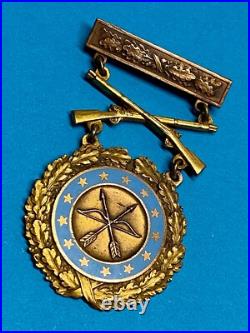
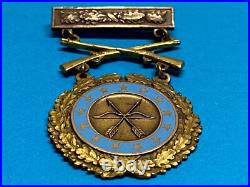
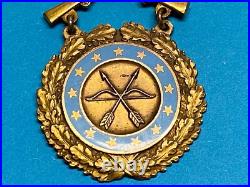
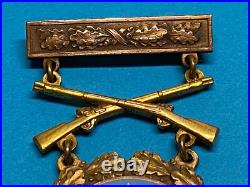
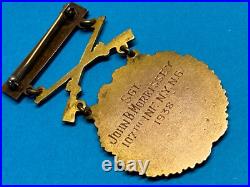
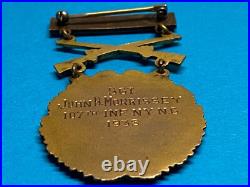
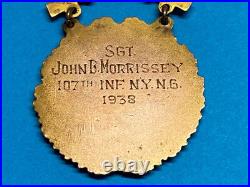
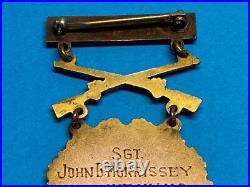
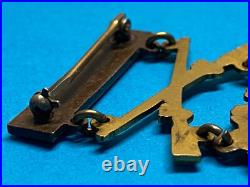
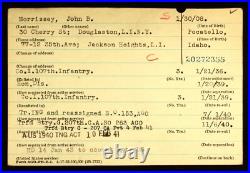
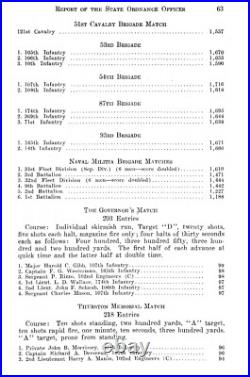
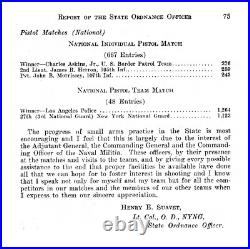
1938, ARMY LEVEL PRIZE, BRONZE, RIFLE COMPETITION, INFANTRY, NAMED, w/RESEARCH. This 1938 Infantry Army Level Prize for Rifle Competition was awarded to SGT John B. Morrissey, Company I, 107. SGT Morrissey was born on 30 January, 1908, Pocatello, Idaho. SGT Morrissey enlisted on 21 January 1936. When John Bacon Morrissey was born on January 30, 1908, in Pocatello, Idaho, his father, Harry, was 30 and his mother, Florence, was 23. He had two sons and two daughters with Anna R Morrissey. He died on February 3, 1982, in Aberdeen, Maryland, at the age of 74. These interwar Army marksmanship badges are highly sought after among collectors. We will include printed copies of the research artifacts. This Army level prize consists of three parts. Top bar that indicated either Army level or Corps / department level competition and served as a brooch to affix the assembled device to the uniform. The top bar is squared ended and ornamented with oak leaves, and was always worn with this bronze clasp and an enameled planchet prior to WWII. The top bar or brooch is a pin back with a functional rotating clasp closure. The second portion consists of an intermediate clasp of crossed arms to indicate the type of weapon that was used to earn the award rifle, pistol, or, soon thereafter, automatic weapons. In this case it has crossed rifles. The third, lower piece is a planchet, that when enameled, told the arm or the type of service, in this case, blue for Infantry. The central design is a bow and a pair of arrows. The planchet consists of three concentric designs. 0625 in diameter, displays a compound bow and two crossed arrows, a symbol of marksmanship. Outside of that is a center ring, 015 in width, which displays 13 stars. An oak-leaf wreath executed in bronze surrounds the entire design, making the planchet 1-1/2 in width. The combatant arms had bronze stars with the ring enameled in blue for Infantry. They would be responsible to send the package to you.

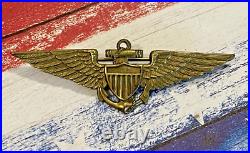
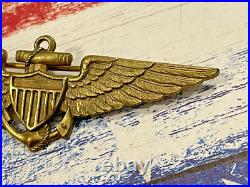
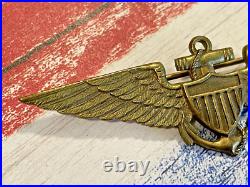
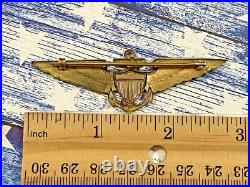
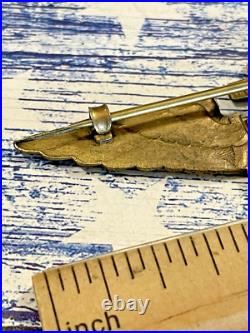
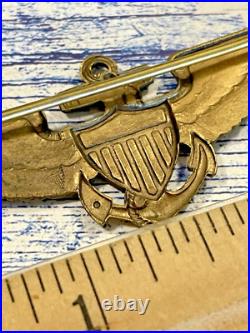
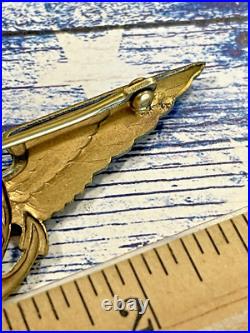
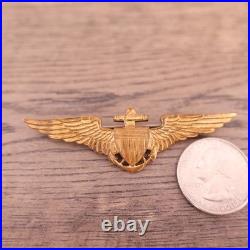
Very hard to find, authentic, Post WWI 1920’s/30’s Naval Aviator Wing – White Co. Excellent original, un-cleaned condition as shown. Please see our other listings, and check back often as we typically list 30-50 high-end estate items each week with No Reserve!