
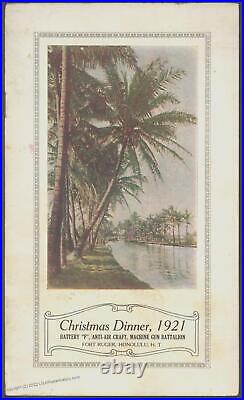
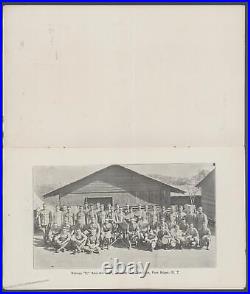
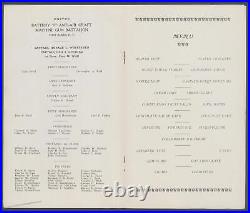

Slightly worn and soiled, good condition. With group portrait inside of the and nice color illustration on front. Size 5.5×9 inches, closed. All items are absolutely guaranteed genuine as described. We hope you like what you see! International Buyers Please Note.

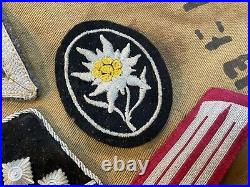
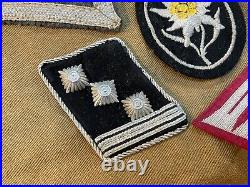
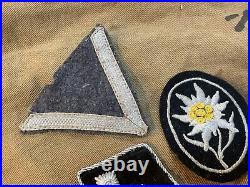
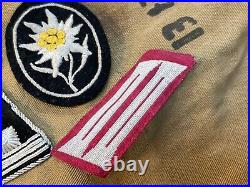
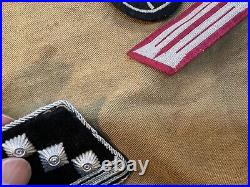
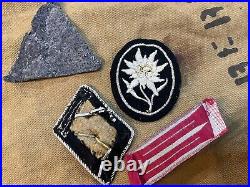
NO OFFENSIVE MARKINGS ANYWHERE. Light age from storage, wire a little loose in spots on one. Please see my other auctions for more items from this estate and other estate military items. Thank you and good luck! As required by your country’s laws, they are not charged by me and I have no responsibility toward them.

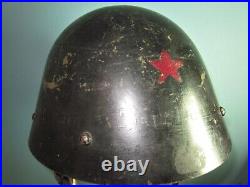
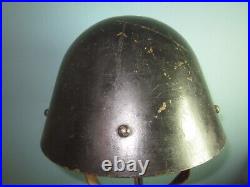
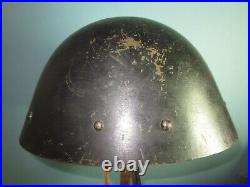
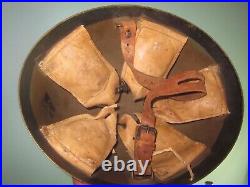
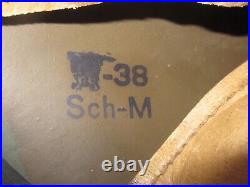
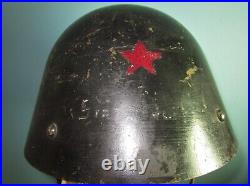
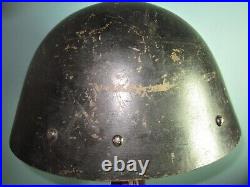
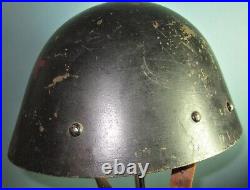
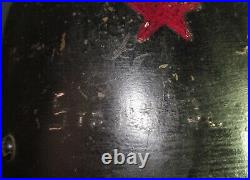
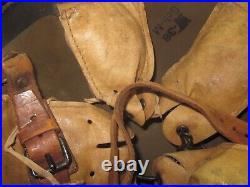
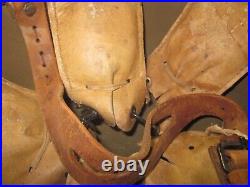
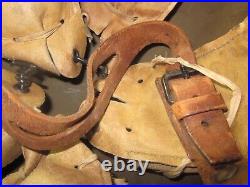
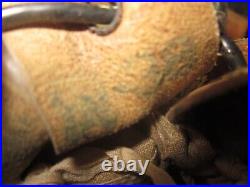
See also my other advertisements. Preferred when you are from Europe. Please ask before you pay. For sale is an original Czechoslovak original M32-34 steel helmet for the army. The liner and the chin strap are hold in place by seven bolts, which is one of the most comfortable, consisting of of 5 small cushions. The mark Sch-M stands for C. Complete with original leather liner and chin strap. The black painting was applied in the after-war era of communism. Original khaki paint still underneath. Have a good look at the pictures. Prodám originální ceskoslovenskou originální ocelovou helmu M32-34 pro armádu. Vlozka a podbradní pásek drzí na svém míste sedm sroubu, coz je jeden z nejpohodlnejsích, skládající se z 5 malých polstárku. Znacka Sch-M znamená C. Kompletní s originální kozenou vlozkou a páskem pod bradu. Cerná malba byla aplikována v poválecném období komunismu. Pod ním jeste puvodní khaki barva. Dobre si prohlédnete obrázky. Podívejte se i na mé dalsí inzeráty. Predám originál ceskoslovenskú originál ocelovú prilbu M32-34 pre armádu. Výstelka a remienok pod bradou sú drzané na mieste siedmimi skrutkami, co je jedna z najpohodlnejsích, pozostáva z 5 malých vankúsikov. Kompletná s originálnou kozenou vlozkou a remienkom na bradu. Cierna malba bola aplikovaná v povojnovom období komunizmu. Zospodu este originál khaki farby. Dobre si prezrite obrázky. Pozri aj ostatné moje inzeráty. Zum Verkauf steht ein original tschechoslowakischer original M32-34 Stahlhelm für die Armee. Der Innenschuh und der Kinnriemen werden durch sieben Schrauben befestigt, was zu den bequemsten zählt und aus fünf kleinen Kissen besteht. Die Marke Sch-M steht für C. Komplett mit originalem Lederfutter und Kinnriemen. Die schwarze Bemalung wurde in der Nachkriegszeit des Kommunismus aufgetragen. Darunter ist noch die originale Khaki-Lackierung. Schauen Sie sich die Bilder gut an. Siehe auch meine anderen Anzeigen. À vendre est un casque en acier M32-34 d’origine tchécoslovaque pour l’armée. La doublure et la mentonnière sont maintenues en place par sept boulons, l’un des plus confortables, composés de 5 petits coussinets. La marque Sch-M signifie C. Complet avec doublure en cuir d’origine et mentonnière. La peinture noire a été appliquée dans l’ère communiste d’après-guerre. Peinture kaki d’origine encore en dessous. Regardez bien les photos. Voir aussi mes autres annonces. Se vende un casco de acero original checoslovaco M32-34 para el ejército. El forro y la correa de la barbilla se sujetan mediante siete pernos, lo cual es uno de los más cómodos y consta de 5 pequeños cojines. La marca Sch-M significa C. Completo con forro de cuero original y correa para la barbilla. La pintura negra se aplicó en la era del comunismo de posguerra. Pintura caqui original todavía debajo. Fíjate bien en las fotos. Vea también mis otros anuncios. Vendo elmetto in acciaio originale cecoslovacco M32-34 per l’esercito. La fodera e il sottogola sono tenuti in posizione da sette bulloni, che è uno dei più comodi, composto da 5 piccoli cuscini. Il marchio Sch-M sta per C. Completo di fodera in pelle originale e sottogola. La pittura nera è stata applicata nel dopoguerra del comunismo. La vernice kaki originale è ancora sotto. Dai un’occhiata alle foto. Vedi anche gli altri miei annunci. M32-34? ,, 5? Sch-M C. ????

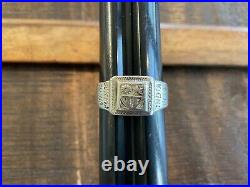
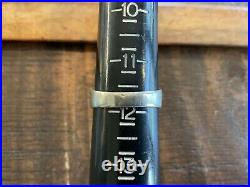
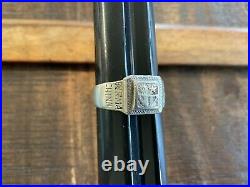
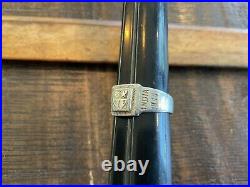
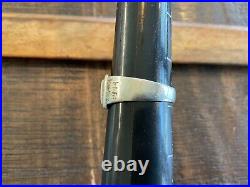
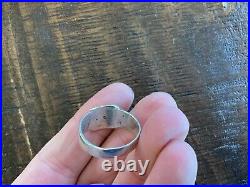
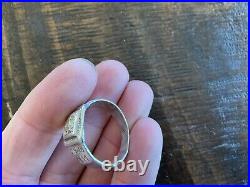
Unmarked but tested silver. A very nice example in a good size. Please see my other auctions for more items from this estate and other estate military items. Thank you and good luck! As required by your country’s laws, they are not charged by me and I have no responsibility toward them.

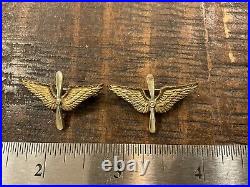
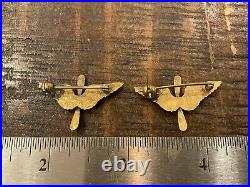
High quality, very nice. Please see my other auctions for more items from this estate and other estate military items. Thank you and good luck! As required by your country’s laws, they are not charged by me and I have no responsibility toward them.

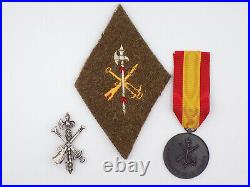
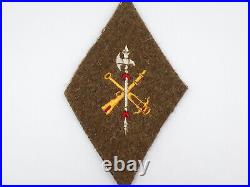
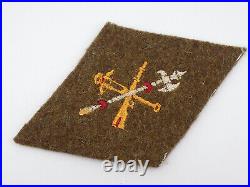
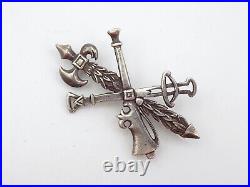
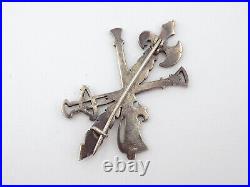
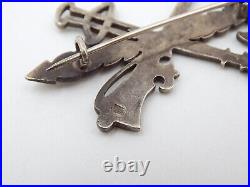
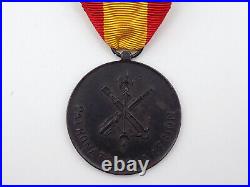
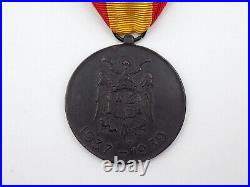
Original Spanish Civil War de la Legion Lot – Medal, Patch, & Sterling Badge. Nice vintage lot of original Spanish Civil War era items for the Spanish Legion (de la Legion Espanola). 1937-19 39 Patronato de la Legion medal in black painted bronze (35mm diameter). Spanish Legion 925 sterling silver cap badge (50mm tall). Spanish Legion sleeve insignia diamond patch (125mm tall). Please feel free to ask any questions. We strive to satisfy our customers.

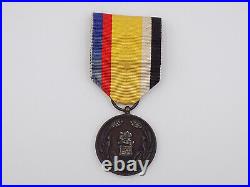
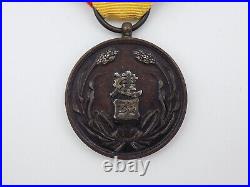
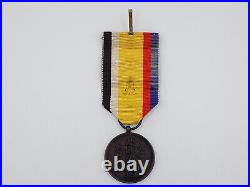
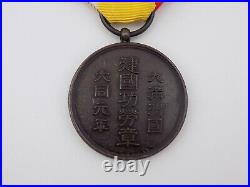
Original Imperial Japanese 1933 Manchukuo National Foundation Medal. Very nice original item. Instituted by the Japanese puppet government of Manchukuo in 1933 and presented to those who performed meritorious service in the foundation of the new nation. Blackened bronze with silvered characters, 30mm, on original ribbon with hook but missing the eyelet. Please feel free to ask any questions. We strive to satisfy our customers.

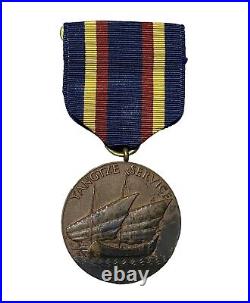
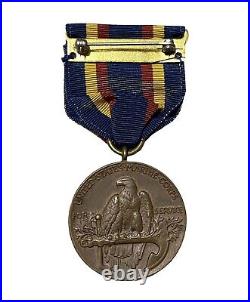
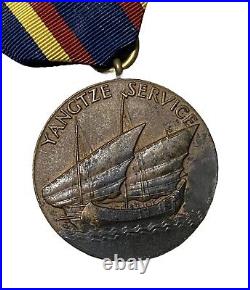
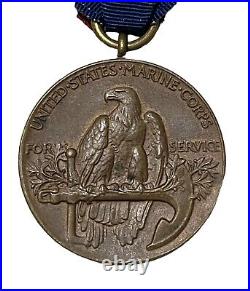
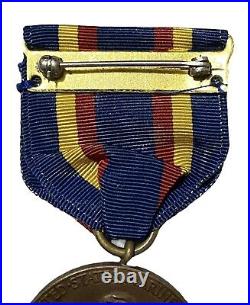
Marine Corps Yangtze Service Medal 1940’s NO Rim Number… This is a later strike from the early 1940’s. And once again, we here at GungHo Militaria appreciates your continued business!

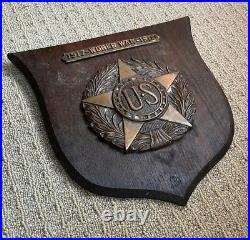
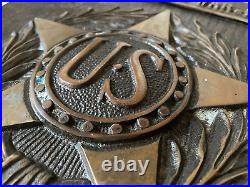
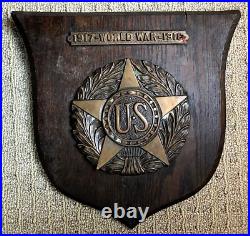
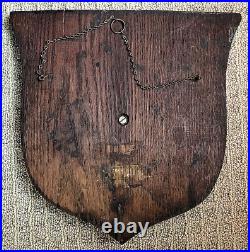
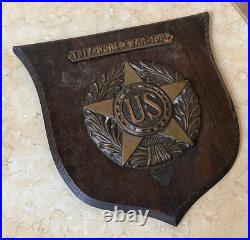
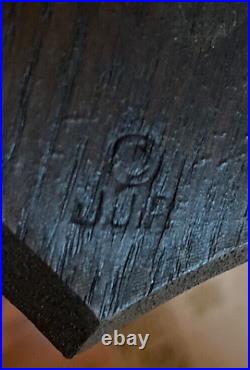
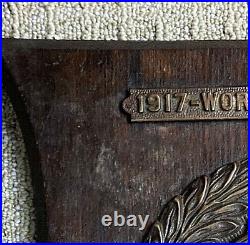
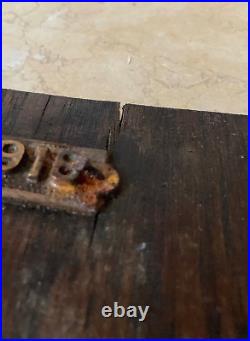
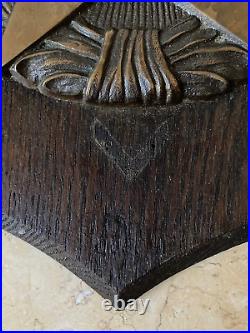
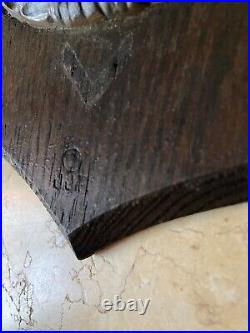
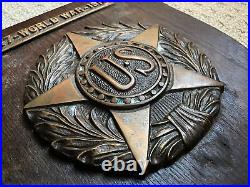
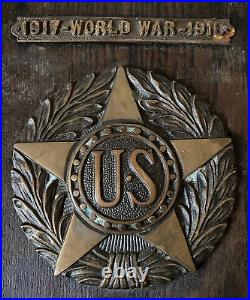
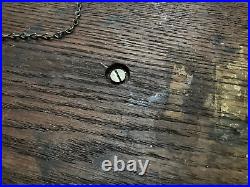
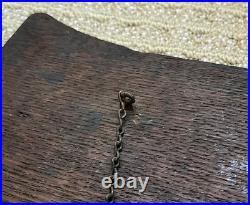
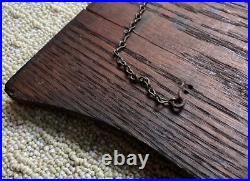
THE SOLID BRONZE EMBLEM WAS DESIGNED BY SCULPTOR ADOLPH ALEXANDER WEINMAN OF NEW YORK CITY UNDER SUPERVISION OF THE COMMISSION OF FINE ARTS. ONE OF THE ORIGINAL VERY SMALL EYE SCREWS THAT HOLD THE ORIGINAL BRASS CHAIN TO THE SOLID OAK PLAQUE ON THE REVERSE HAS SNAPPED OFF AND COULD EASILY BE REPLACED.

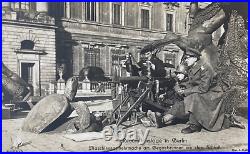
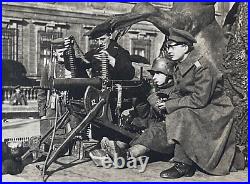
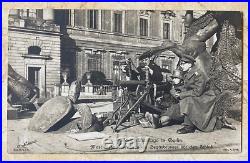
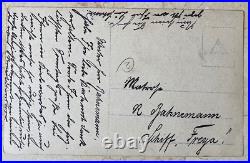
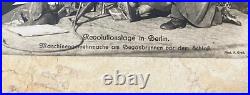
MACHINE GUN NOISE AT THE BEGAS FOUNTAIN IN FRONT OF THE CASTLE. TITLED IN THE LOWER NEGATIVE.