
WWII-Imperial-Japanese-South-Seas-Philippines-Taiwan-Photo-Album-122-Photos-01-cm

WWII Imperial Japanese South Seas Philippines Taiwan Photo Album 122 Photos

WWII Imperial Japanese South Seas Philippines Taiwan Photo Album 122 Photos

WWII Imperial Japanese South Seas Philippines Taiwan Photo Album 122 Photos
WWII Imperial Japanese South Seas, Philippines & Taiwan Photo Album (1935). This remarkable photo album contains approximately. Documenting a study tour made in. Through Japan’s overseas territories and areas of influence across the Pacific. Taiwan (Taipei and Tainan). Menado (Dutch East Indies). Along with many other locations throughout Southeast Asia and the South Pacific. Rather than focusing on military subjects, the album records everyday life throughout Japan’s expanding maritime sphere before the Pacific War. It includes ports, schools, government buildings, shrines, streets, villages, tropical landscapes, indigenous communities, traditional dances, canoes, local architecture, and Japanese settlements overseas. One of the most fascinating aspects of this album is its coverage of the. After Germany’s defeat in. Japan took control of many Pacific islands-including. Saipan, Tinian, Palau, and Yap. Under a League of Nations mandate. During the following two decades Japan developed these islands with schools, ports, government offices, and civilian communities. Everything changed during World War II. The Pacific campaign devastated many of these islands. Fierce battles were fought across Saipan, Tinian, and Peleliu, and much of the Japanese-built infrastructure disappeared forever. Many of the towns, buildings, and communities seen in this album no longer exist today. That is what makes this album so compelling. It preserves a peaceful world that vanished only a few years later. The photographs also document the Japanese community in. Then home to one of the largest Japanese populations outside Japan, as well as colonial Manila, Taiwan under Japanese administration, and parts of the Dutch East Indies. Together they create an unusually broad visual record of East and Southeast Asia immediately before the outbreak of the Pacific War. Although this album was compiled by students from. One of Japan’s oldest and most respected universities, that is not its greatest significance. Its real value lies in the extraordinary visual record it preserves-capturing places, cultures, and communities across the Japanese Pacific that would soon be transformed forever by war. The original travel itinerary is still included, allowing the entire route of the expedition to be followed. Many photographs retain handwritten captions identifying locations and subjects, making this an excellent resource for historians, researchers, and collectors. This is far more than a travel souvenir. It is a visual time capsule of a lost world. Own a Piece of History. International Buyers – Please Note. Thank you for your understanding.
WWII Imperial Japanese South Seas Philippines Taiwan Photo Album 122 Photos

WW2-Era-Japan-Emperor-Hirohito-1931-Official-Biography-1150p-Photo-Book-01-ugto

WW2 Era Japan Emperor Hirohito 1931 Official Biography 1150p Photo Book

WW2 Era Japan Emperor Hirohito 1931 Official Biography 1150p Photo Book

WW2 Era Japan Emperor Hirohito 1931 Official Biography 1150p Photo Book
1931 “Seijo Goseitoku Roku”. Official Record of Emperor Hirohito (Showa Emperor). 1150 pages – Large Format – Photo Rich Volume. Published in 1931 (Showa 6). This is a substantial official compilation documenting the life of Emperor Hirohito from birth through approximately age 31. The book was published in 1931 – the year of the Manchurian Incident – a turning point when Imperial Japan began its expansion toward full-scale war. It was produced not as a casual biography, but as a state-sponsored record intended for. Influential regional figures. Its purpose was to present a structured image of the Emperor as head of state under the Meiji Constitution. At that time, the Emperor legally held supreme command authority over the Imperial Army and Navy. This makes the volume significant not only as an imperial biography, but as documentation of how pre-WWII Japan formally constructed and disseminated the public image of its sovereign. Constitutional sovereign of Imperial Japan. Holder of supreme military command authority. Central figure during World War II. His historical responsibility and role in wartime decision-making remain subjects of academic debate. This book reflects the official portrayal of him prior to the escalation of the Pacific War. Early life and imperial lineage charts. Formal military portraits. Scientific research (marine biology). Extensive photographic documentation. This is a primary source for researchers studying. Pre-WWII Japanese state ideology. Imperial propaganda development. 26cm x 19.5cm x 9cm. Age-related toning and wear. Structurally solid for its age. This is not a modern reprint. It is an original pre-WWII state publication – a substantial and historically significant document. International Buyers – Please Note. Thank you for your understanding.
WW2 Era Japan Emperor Hirohito 1931 Official Biography 1150p Photo Book

Pre-WWII-Japanese-South-Manchuria-Railway-Manchuria-Photo-Book-Map-1930-01-zg

Pre-WWII Japanese South Manchuria Railway Manchuria Photo Book Map 1930

Pre-WWII Japanese South Manchuria Railway Manchuria Photo Book Map 1930

Pre-WWII Japanese South Manchuria Railway Manchuria Photo Book Map 1930
This is an original 1930 Japanese photo and geography book titled “A Grand View of Manchuria”, published to commemorate the Manchuria-Mongolia Exposition held in Tokyo. The book clearly identifies: “Sponsored by the South Manchuria Railway Company” “Venue: Matsuzakaya, Ueno, Tokyo” “Commemorating the Manchuria-Mongolia Exposition” The exposition was held from May 10 to May 19, 1930, and was designed to introduce Manchuria to the Japanese public through displays of its cities, industries, transportation, resources, and regional development. The key institution behind this publication was the South Manchuria Railway Company, commonly known as Mantetsu. Despite its name, Mantetsu was far more than a railway company. It operated railways, mines, ports, hotels, urban development projects, industrial facilities, and extensive research organizations. It functioned as a powerful semi-governmental enterprise closely tied to Japan’s expansion on the Asian continent and to the political and military system surrounding Manchuria. Because of its extraordinary economic and political reach, Mantetsu has often been compared to a Japanese version of the East India Company. This book therefore offers more than a simple travel view of Manchuria. Inside are extensive photographs and articles covering places such as Dairen, Port Arthur, Mukden, Changchun, Harbin, Fushun, and the regions along the South Manchuria Railway network. Railways, ports, industry, cities, landscapes, and local people are all presented through the perspective of prewar Japan. The volume also includes a color map of Manchuria, providing a valuable visual record of how the region was geographically understood and presented in Japan at the time. The date 1930 is especially important. The Mukden Incident would begin the following year in 1931, and the state of Manchukuo would be established in 1932. This means the book was produced before Manchukuo existed, only one year before the political and military situation in Manchuria changed dramatically. It is not a military manual, but it preserves the world that existed immediately before the Manchurian Incident: the South Manchuria Railway, Japan’s growing continental ambitions, and the public image of Manchuria presented to people in Tokyo. In that sense, it offers a rare look at the civilian, economic, and propagandistic side of the history that soon became a military crisis. Nearly a century ago, visitors in Tokyo opened this book and looked toward Manchuria as a land of railways, industry, resources, and opportunity. One year later, that same region became the center of an international conflict. Own a Piece of History. International Buyers – Please Note.
Pre-WWII Japanese South Manchuria Railway Manchuria Photo Book Map 1930

1933-Manchurian-Incident-Army-Equipment-Photo-Book-Tanks-Aircraft-Vehicles-01-mj

1933 Manchurian Incident Army Equipment Photo Book Tanks, Aircraft, Vehicles

1933 Manchurian Incident Army Equipment Photo Book Tanks, Aircraft, Vehicles

1933 Manchurian Incident Army Equipment Photo Book Tanks, Aircraft, Vehicles
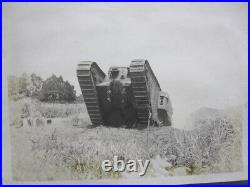
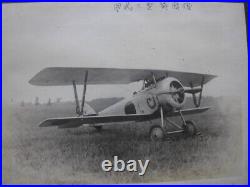
1933 “National Defense Donation Commemorative Album” – an extremely rare Imperial Japanese Army photo book documenting tanks, aircraft, artillery, vehicles, and military equipment during the Manchurian Incident era. This volume functions as a complete visual catalog of IJA equipment in 1933, containing numerous official photographs, specifications, and operational scenes. A valuable primary-source reference for collectors and researchers. Contents / Examples Included. Type 93 Reconnaissance Aircraft. Type 88 Recon Aircraft. Light bomber, medical evacuation aircraft, training aircraft. (Each with technical tables and field photos). Armored & Motor Vehicles. Type 89 Medium Tank. Type 94 Armored Car. Military trucks, towing vehicles. Artillery & Infantry Weapons. Mortars and grenade launchers. Medical & Cold-Weather Equipment. Anti-cold clothing / boots. This book is essentially a 1933 Imperial Japanese Army weapon catalog, produced with official photographs-highly valuable for historians, militaria collectors, or museum research. About the “National Defense Donation Movement”. However, the core of the book is the extensive photographic documentation of IJA weapons and vehicles. Due to age, the book has visible wear. Surface damage on cover. Wrinkles or paper warping. Please check all photos carefully. A highly significant and hard-to-find 1933 military photographic record. Rare opportunity to own an original pre-WW2 Japanese Army equipment catalog. International Buyers – Please Note. Thank you for your understanding.
1933 Manchurian Incident Army Equipment Photo Book Tanks, Aircraft, Vehicles

WWII-Imperial-Japanese-Navy-Yokosuka-Sailor-Training-Photo-Album-1934-01-mpq

WWII Imperial Japanese Navy Yokosuka Sailor Training Photo Album 1934

WWII Imperial Japanese Navy Yokosuka Sailor Training Photo Album 1934

WWII Imperial Japanese Navy Yokosuka Sailor Training Photo Album 1934
This is an original commemorative photo album produced in 1934 for sailors who completed their initial training at the Yokosuka Naval Barracks of the Imperial Japanese Navy. The title page reads: “Entered Service: January 1934″ “Commemorative Album for the Completion of Seaman Fourth Class Training” “Yokosuka Naval Barracks” The naval barracks were where newly enlisted sailors received their basic military education and training before moving on to active naval service. Yokosuka was one of the most important bases of the Imperial Japanese Navy and served as a major center for preparing sailors for service throughout the fleet. Inside are historical photographs documenting the environment in which these young sailors were trained, including Imperial Japanese Navy facilities and barracks, sailors in uniform, class and unit group photographs, the Rising Sun naval ensign, and pages identifying individual servicemen by name. What makes this album particularly interesting is that it does not simply preserve images of warships or famous officers. It preserves the faces of the ordinary sailors who formed the human foundation of the Japanese Navy. The album dates to 1934, seven years before the Pacific War began. It therefore records the Imperial Japanese Navy during the prewar period, when its peacetime training system and enormous fleet organization were still functioning before the devastating losses of the coming war. For collectors and researchers, this is a tangible record of how an ordinary young man entered the Imperial Japanese Navy and was transformed into a trained sailor. The album shows age-related wear, staining, discoloration, and rubbing consistent with an approximately 90-year-old military document. Please examine the photographs carefully for its condition. A fascinating surviving record of the men behind the Imperial Japanese Navy. Own a Piece of History. International Buyers – Please Note.
WWII Imperial Japanese Navy Yokosuka Sailor Training Photo Album 1934

WW2-Imperial-Japanese-Navy-Warship-Photo-Book-1927-Battleship-Cruiser-Destroyer-01-ea

WW2 Imperial Japanese Navy Warship Photo Book 1927 Battleship Cruiser Destroyer

WW2 Imperial Japanese Navy Warship Photo Book 1927 Battleship Cruiser Destroyer

WW2 Imperial Japanese Navy Warship Photo Book 1927 Battleship Cruiser Destroyer
WW2 Imperial Japanese Navy Warship Photo Book 1927 Battleship Cruiser Destroyer. Original Warship Photo Album published by the Kaigun Kyokai (Navy Association) in 1927 (Showa 2). This book was compiled by the Kaigun Kyokai (Navy Association), one of the most influential naval organizations in prewar Japan. Although published before World War II, it serves as an official visual and technical reference documenting the Imperial Japanese Navy during the interwar period, shortly after the Washington Naval Treaty. Rather than being simply a photo book, this volume functions much like a naval yearbook. Published in 1927, this volume captures the Imperial Japanese Navy during the Washington Naval Treaty era, making it an important historical reference that documents Japan’s fleet before its major expansion in the 1930s. An excellent collectible for Imperial Japanese Navy collectors, naval historians, warship enthusiasts, and researchers of early twentieth-century military history. Shows age-related wear, foxing, stains, and light discoloration consistent with its age. The pages remain complete and fully readable. Please examine the photographs carefully for the overall condition. International Buyers – Please Note.
WW2 Imperial Japanese Navy Warship Photo Book 1927 Battleship Cruiser Destroyer

Taminato-Incident-Conference-IJN-Wakasugi-Honda-Photo-Shanghai-1936-01-dr

Taminato Incident Conference IJN Wakasugi Honda Photo Shanghai 1936

Taminato Incident Conference IJN Wakasugi Honda Photo Shanghai 1936

Taminato Incident Conference IJN Wakasugi Honda Photo Shanghai 1936
Taminato Incident Conference IJN Wakasugi Honda Photo Shanghai 1936. Size: approximately 6.0 inches by 4.1 inches. This original photograph captures a formal crisis conference held in Shanghai during the Taminato Incident in September 1936. Seated at the center is a senior Imperial Japanese Navy officer in light service dress with an aiguillette, indicating a staff or liaison role. Based on uniform style and known naval personnel in Shanghai, it is plausible that he may be Rear Admiral Tadao Honda, who served as naval attaché in Shanghai. To his left sits Consul-General Kaname Wakasugi, the highest Japanese diplomatic authority in Shanghai at the time and a central figure in the Japanese response to the incident. The civilian men seated and standing on the right side of the image are leaders of the Japanese Resident Community of Shanghai. These individuals likely represent the executive leadership of the Shanghai Japanese Residents’ Corporation and the Japanese Chamber of Commerce. During the Taminato Incident, when the Navy deployed more than 2,000 troops and imposed strict security measures in Hongkou, these civilian leaders were called into the consulate to coordinate food distribution, school closures and community safety for the tens of thousands of Japanese civilians living in the district. The younger men standing at the edges of the frame appear to be consular secretaries, translators and junior naval aides-de-camp. The combination of senior naval command, the Consul-General, Resident Community leadership and consular staff reflects the full spectrum of Japanese authority in Shanghai during the incident. The Taminato Incident, known in Japanese sources as the and also referred to as the , occurred on September 23 1936 when sailors from the cruiser Izumo were shot in broad daylight in the Hongkou district. Seaman Tomomitsu Taminato died of his wounds, prompting a major Japanese security response. The incident became one of the significant prewar flashpoints in Shanghai, intensifying Japanese patrols and contributing to the rising tensions that eventually led to the outbreak of the 1937 Battle of Shanghai. Photographs documenting high-level coordination meetings from this period are extremely scarce, and no identical or similar examples of this conference appear in public archives or indexed listings. This is a rare and historically important image showing the Japanese diplomatic, naval and civilian leadership gathered during a critical moment in prewar Shanghai. The presence of Consul-General Wakasugi, a senior IJN officer and the Resident Community executives makes this a compelling and uncommon record of Japanese crisis management during the Taminato Incident. Those most interested in this photo. Collectors of IJN and Japanese naval staff photography. Historians researching the Taminato Incident and prewar Shanghai. Scholars studying Japanese diplomatic and consular operations in China. Researchers focused on the Japanese Resident Community of Shanghai. Archivists documenting Sino-Japanese conflict escalation prior to 1937. Collectors of treaty-port and International Settlement historical material. Specialists in Japanese naval attaché and intelligence history. Please inspect the pictures, as they give the best representation of condition. May have discoloring, edge or corner wear, marks, creases, fading, smudges, corner or edge bends, tears, or corners missing.
Taminato Incident Conference IJN Wakasugi Honda Photo Shanghai 1936

Antique-Imperial-Japanese-Army-7th-Division-Military-Exercise-Photo-Album-1922-01-dv

Antique Imperial Japanese Army 7th Division Military Exercise Photo Album 1922

Antique Imperial Japanese Army 7th Division Military Exercise Photo Album 1922

Antique Imperial Japanese Army 7th Division Military Exercise Photo Album 1922
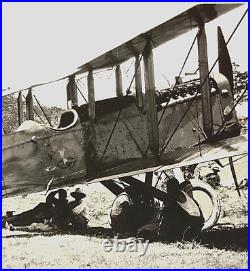
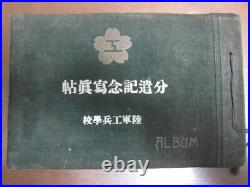
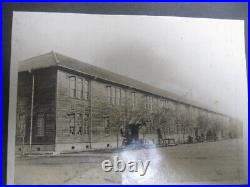
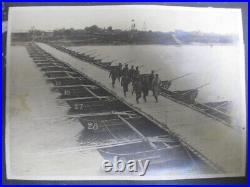
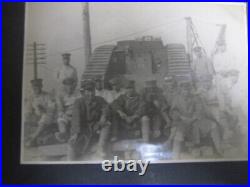
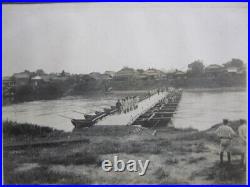
This is an original Japanese military photo album documenting a field exercise of the Imperial Japanese Army’s 7th Division in July 1922. The cover is clearly marked: “7th Division Position Attack and Defense Exercise” “Commemorative Photo Album” “July, Taisho 11″ – 1922 The 7th Division was one of the Imperial Japanese Army’s most important northern formations. Based in Hokkaido, it was responsible for the defense of Japan’s northern frontier and became widely known as the “Hokuchin Unit, ” or Northern Garrison Division. Its history stretched from the Russo-Japanese War, including the battles of Port Arthur and Mukden, through deployments to Manchuria and Siberia, and later into the conflicts of the 1930s and World War II. What makes this album especially interesting is that it does not simply contain posed portraits of soldiers. It records an actual large-scale military exercise. The photographs show troops maneuvering in the field, prepared defensive positions, artillery or explosive activity, and other scenes connected with battlefield training. Most importantly, the album also includes military aircraft, aviation personnel, aircraft in flight, and aerial reconnaissance photography of the exercise area. This is particularly significant because the album dates from 1922, when military aviation was still developing rapidly. The photographs show how the Japanese Army was already beginning to integrate aircraft into ground operations-not only as machines of flight, but as tools for observing terrain, defensive positions, and troop movements from the air. In other words, this album records Japanese soldiers learning how to: defend a position, attack a fortified area, and observe the battlefield from above. That combination makes it much more than a simple souvenir album. The 7th Division would later become deeply connected with some of the most difficult chapters of Japanese military history, including fighting connected with Manchuria, the Nomonhan Incident, Guadalcanal, and the northern Pacific theater. But these photographs were taken roughly twenty years before the Pacific War. The men appearing here had no idea what was still ahead of them. The album shows age, staining, wear, and deterioration to the binding and covers, all consistent with an item that has survived for more than a century. For a collector of Imperial Japanese Army history, early military aviation, Hokkaido military history, or prewar military photography, this is a particularly atmospheric historical document. It is not simply an old album. It is a small time capsule from a Japanese Army training ground in 1922. Own a Piece of History. International Buyers – Please Note.
Antique Imperial Japanese Army 7th Division Military Exercise Photo Album 1922

Taminato-Incident-Japanese-Navy-Shanghai-Headquarters-Photo-1936-IJN-01-yoxu

Taminato Incident Japanese Navy Shanghai Headquarters Photo 1936 IJN

Taminato Incident Japanese Navy Shanghai Headquarters Photo 1936 IJN

Taminato Incident Japanese Navy Shanghai Headquarters Photo 1936 IJN
Taminato Incident Japanese Navy Shanghai Headquarters Photo 1936 IJN. Size: approximately 4.4 inches by 3.1 inches. This original photograph shows Japanese Navy Special Naval Landing Force troops assembled in formation inside a courtyard in Shanghai during the period of heightened military activity following the 1936 Taminato Incident. The multi story buildings, trucks, and the armored vehicles marked with the number 2 and 4 create a strong impression of an SNLF headquarters or staging area. The uniforms and equipment match known Japanese naval infantry gear from the mid 1930s, and the scene reflects organized reinforcement activity during a moment of increased Japanese military presence. The Taminato Incident, known in Japanese sources as the and also referred to as the , occurred on September 23 1936 when sailors from the cruiser Izumo were shot in broad daylight in the Hongkou district. Seaman Tomomitsu Taminato died of his wounds, and the event immediately intensified Japanese naval operations in the International Settlement. Historical accounts describe the rapid arrival of SNLF reinforcements, expanded patrols and a significant increase in Japanese naval infantry presence throughout Hongkou. This photograph fits well within that documented response, showing a large formation of troops and vehicles plausibly preparing for deployment or coordination. The Taminato Incident became one of the major prewar flashpoints in Shanghai, intensifying Japanese security measures in the International Settlement and contributing to the rising political and military tensions that eventually led to the outbreak of the 1937 Battle of Shanghai. Photographs of SNLF reinforcement activity from this period are scarce, and very few private images survive that show the buildup of Japanese forces in the months following the incident. The courtyard formation seen here is not represented in publicly available archives or indexed listings, adding to the rarity of this example. This image comes from a private album that included other photographs directly tied to the Taminato Incident, such as the transfer of Taminato’s coffin from the Izumo and scenes from his funeral. The presence of those related images strongly supports the identification of this photo as part of the same sequence of events. As a result, this photograph stands as an uncommon and historically valuable record of Japanese naval infantry reinforcement activity in Shanghai during a critical moment of escalating Sino-Japanese tensions. This is a compelling and name rich example of SNLF operations in Shanghai, showing a large formation of Japanese naval infantry and vehicles during one of the key prewar flashpoints in the International Settlement. Those most interested in this photo. Collectors of IJN and SNLF military photography. Historians researching the Taminato Incident and prewar Shanghai tensions. Scholars studying Japanese naval infantry operations in treaty port China. Researchers focused on Hongkou district military activity in the 1930s. Archivists documenting Sino Japanese conflict escalation prior to 1937. Collectors of rare reinforcement or mobilization scenes in wartime contexts. Enthusiasts of cruiser Izumo and its historical role in Shanghai. Please inspect the pictures, as they give the best representation of condition. May have discoloring, edge or corner wear, marks, creases, fading, smudges, corner or edge bends, tears, or corners missing.
Taminato Incident Japanese Navy Shanghai Headquarters Photo 1936 IJN

Antique-1923-Imperial-Japanese-Navy-Recruit-Training-Graduation-Photo-Album-01-dka

Antique 1923 Imperial Japanese Navy Recruit Training Graduation Photo Album

Antique 1923 Imperial Japanese Navy Recruit Training Graduation Photo Album

Antique 1923 Imperial Japanese Navy Recruit Training Graduation Photo Album
This is an original 1923 Imperial Japanese Navy commemorative photo album documenting the training and graduation of a group of newly enlisted sailors. The cover is inscribed: “Graduated May 1, 1923″ “Commemorative Photo Album” “Naval Recruit Division” This is an important detail because it tells us exactly what this album represents. It is not simply a collection of old Japanese Navy photographs. It was created to commemorate a specific group of naval recruits who completed their training on May 1, 1923. In modern terms, it can be understood somewhat like a graduation album-but instead of ordinary school life, it records the process by which young men were transformed into trained sailors of the Imperial Japanese Navy. From Recruit to Sailor Young men entering the Imperial Japanese Navy did not simply enlist and immediately board a battleship or cruiser. This album provides a remarkable visual record of that process. For someone unfamiliar with Japanese naval history, one of the most interesting aspects is the amount of land combat training shown here. The word “Navy” naturally brings battleships, cruisers, and life at sea to mind. However, Japanese sailors could also be required to operate ashore, and their training therefore included weapons and land-based military exercises. This album allows us to see that training rather than merely read about it. Rare Glimpses of Naval Training Several photographs are particularly striking. One sequence shows naval cutters moving across the water, their crews rowing beneath Imperial Japanese naval ensigns. Other photographs show sailors deploying across open terrain during field exercises. Another remarkable image shows sailors standing beside the naval ensign while an explosion occurs in the background. Its original Japanese caption refers to a headquarters area and bridge demolition, providing an unusual glimpse of demolition training. These are not staged modern reproductions. They are photographs preserved as part of the recruits’ own 1923 graduation record. The Names Behind the Photographs Another historically valuable feature is a page titled approximately: Names of Officers and Instructors of the Naval Recruit Divisions. It records the names and positions of division leaders, officers, instructors, and assistants associated with the training organization. This transforms the album from a collection of anonymous military photographs into something much more personal. These were real instructors and recruits belonging to a specific Japanese naval training unit more than a century ago. Before World War II The date is also important. These sailors graduated on May 1, 1923-18 years before Japan entered the Pacific War in 1941. Therefore, this is not primarily a World War II combat album. Its real theme is: How a young Japanese recruit became a Navy sailor. Following the photographs allows us to see the discipline, weapons training, seamanship, physical exercises, comradeship, and daily institutional life that formed part of that transformation. In this sense, the album is almost a time capsule of Imperial Japanese Navy recruit life in 1923. The Imperial Japanese Navy was considerably smaller than the Imperial Japanese Army, and enormous quantities of naval material were subsequently lost through wartime destruction and the collapse of the Japanese Empire. An intact photographic record combining a precise graduation date, identifiable training organization, personnel names, and such a broad range of training scenes therefore offers considerable historical interest. The album shows age-related wear, staining, discoloration, deterioration, and damage to the binding and pages. Please examine the photographs carefully for condition. More than a century ago, these young men entered naval training, learned to march, shoot, row, operate in the field, and finally graduated together on May 1, 1923. This is not the story of a warship. Own a Piece of History. International Buyers – Please Note.
Antique 1923 Imperial Japanese Navy Recruit Training Graduation Photo Album