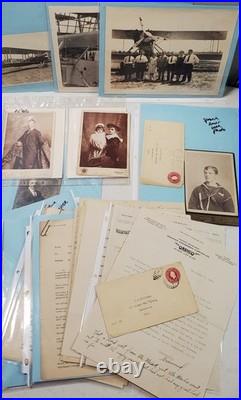
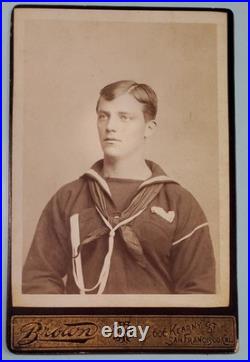
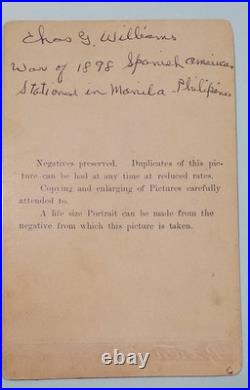
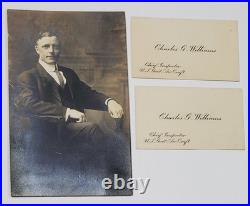
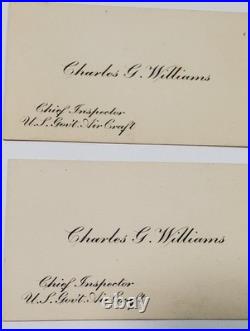
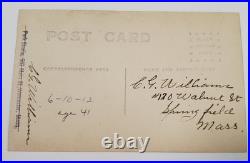
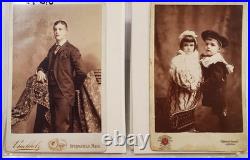
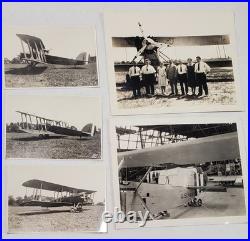
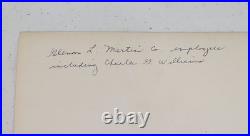
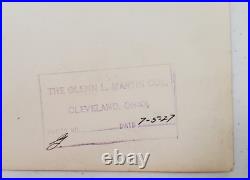
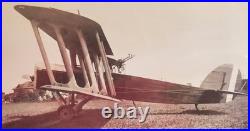
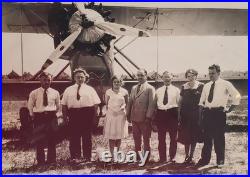
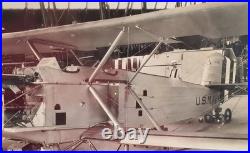
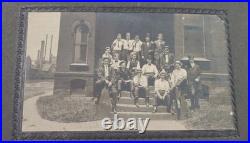
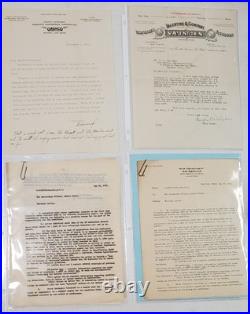
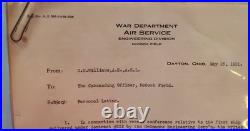
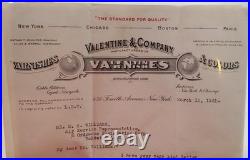
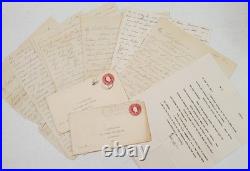
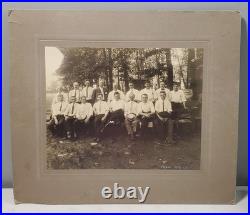

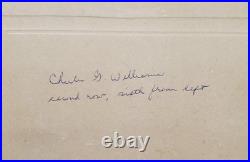

Large archive of photos, letters, and documents associated with Charles Williams. Williams was in the Navy during the Spanish American War, stationed in Manila. Later he became Chief Inspector of U. Government Aircraft and had an association with the Glenn L. This archive is primarily Williams, but there are several photos that are marked Glenn L. Martin Company on the reverse. Lots of personal letters as well as official ones. All dated in the interwar period of the 1920s. None of the letters or documents are Martin Company — they’re all correspondence to or from Williams. Interesting grouping and well worth further study and research. Fascinating insight into 1920s aviation history.

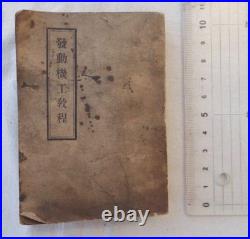


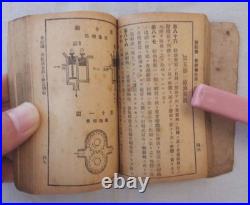
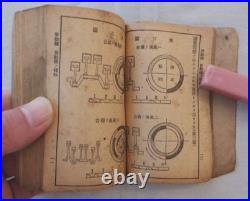
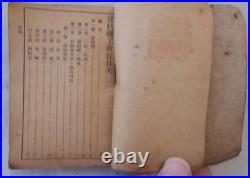
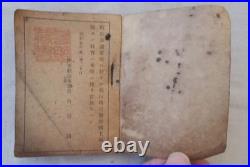
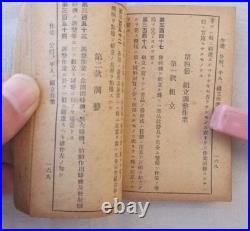

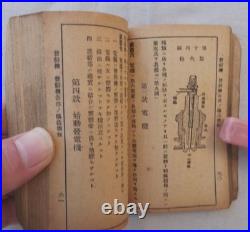
WWII-era precursor aviation technical manual titled. “Hatsudoki-ko Kyotei (Engine Mechanics Course)”, published in 1930 (Showa 5). This book was issued by Shoheikan with a foreword written by Kiyoshi Furuya, who served as Chief of the Imperial Japanese Army Aviation Headquarters at the time. The manual was designed as an instructional textbook for personnel involved in the maintenance and understanding of aircraft engines used by the Japanese Army aviation units. The contents cover the fundamental structure and operation of aircraft engines, including. Engine construction and components. Fuel supply mechanisms. Measuring instruments and diagnostic tools. Engine assembly and adjustment procedures. Maintenance and operational guidelines. Numerous diagrams and technical illustrations are included throughout the book, providing insight into early Japanese aviation engineering education and aircraft engine technology during the pre-WWII period. Publications related to Japanese Army aviation technical training from the early Showa period are relatively scarce today, making this an interesting reference for collectors and researchers of military aviation history. Age-related wear including stains, toning, and damage to the cover due to age. Pages remain readable with technical diagrams intact. Please examine the photos carefully for overall condition. International Buyers – Please Note. Thank you for your understanding.

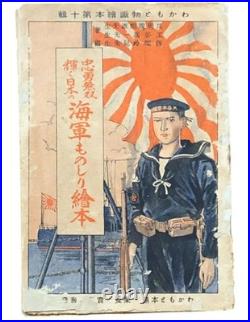
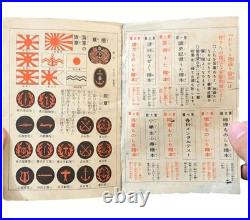
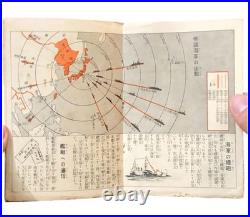
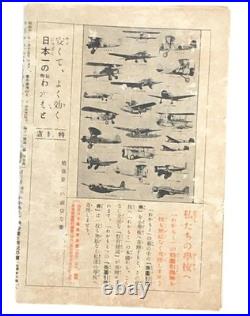
What: An illustrated children’s introduction to the Imperial Japanese Navy. Who: Published in 1938 by a wartime educational press, aimed at schools and young readers. When: Showa 13 (1938), during the height of the Sino-Japanese War, when total war mobilization influenced all aspects of society. Where: Produced in Japan, focusing on East Asia and the Pacific region. Why: Designed to inspire loyalty, pride, and fascination with the Navy among children-serving as clear wartime propaganda and a tool of national education. How: Richly illustrated with detailed diagrams, silhouettes of naval aircraft, full-color operational maps, and icon charts for easy learning. Condition: Shows age-related wear, discoloration, and small tears, but no missing pages. Please check photos for details. Collectible Value: A rare example of pre-WWII Japanese propaganda for children, combining education and ideology in one book. Own a piece of history-this volume captures the spirit and messaging of 1930s Japan. Approximate 7-21days(To USA).

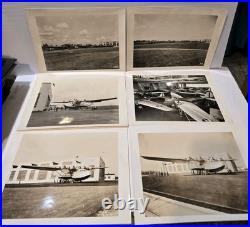
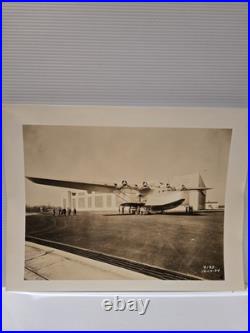
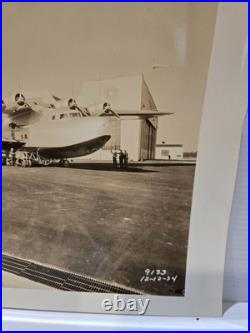
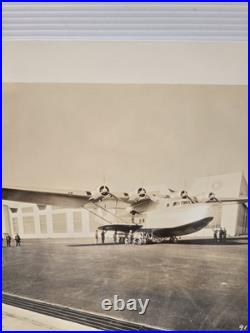
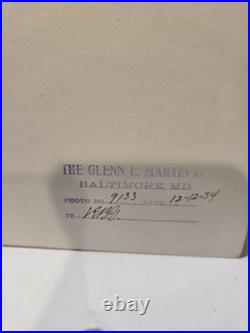
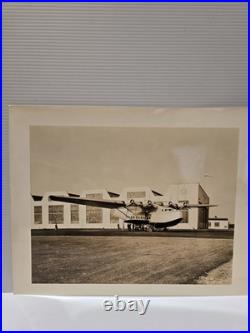
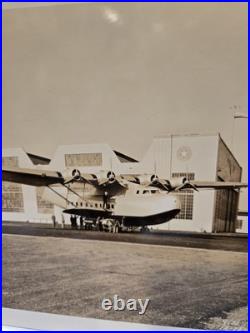
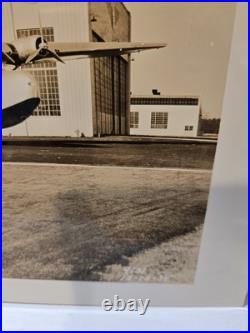
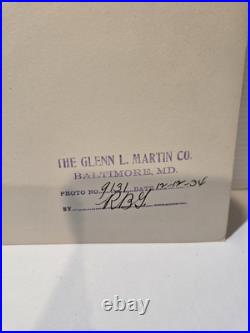
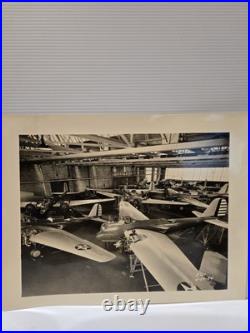
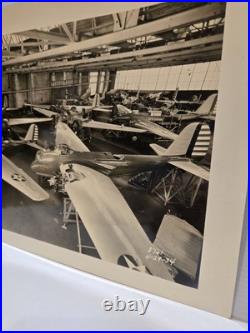
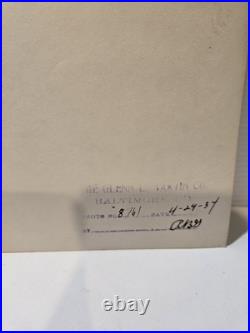
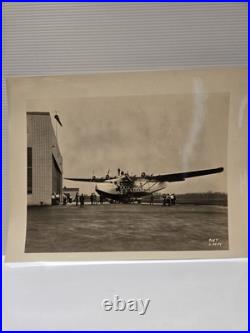
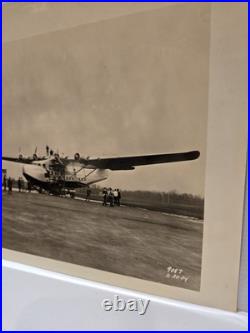
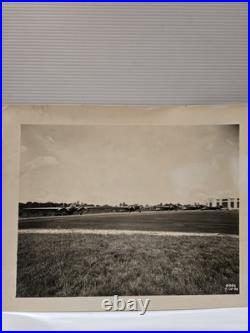
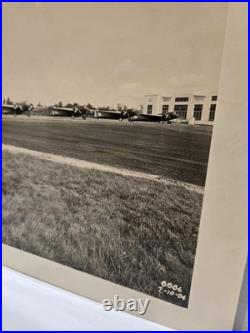
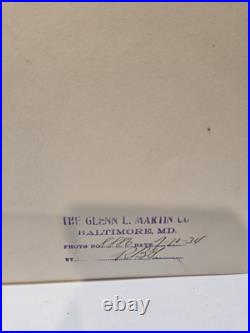
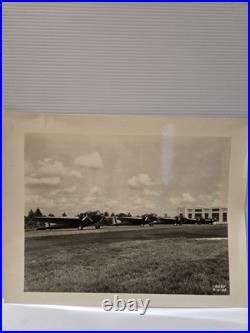
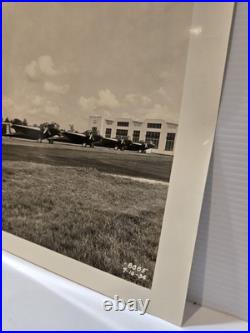
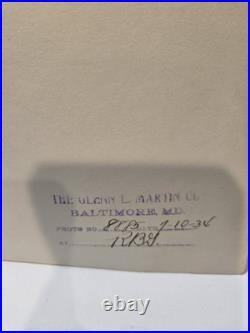
Baltimore 1934 Official 8.5×11 Aircraft Photos (6). Photos from the collection of George Washington Polk Jr. Born 13 May 1889, Died 27 July 1976. He was a Colonel in the US Army Air Corps/US Air Force and served in both WWI and WWII. Over his career he flew hundreds of domestic and international mapping and aerial survey missions and amassed a massive collection of photgraphs from around the world. We have additional historical photographs from later periods which we will be listing soon so please check back or subscribe to our store for notifications.

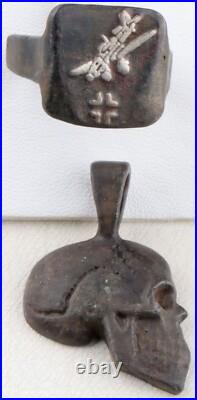
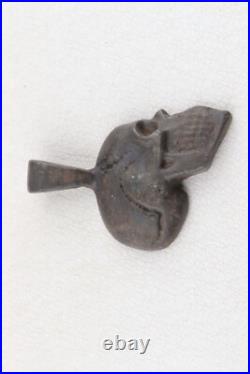
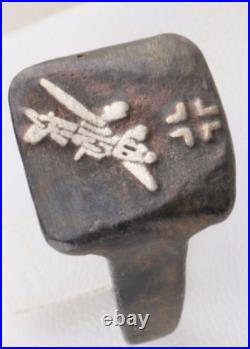
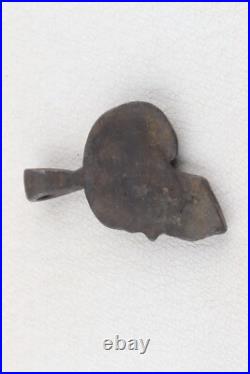
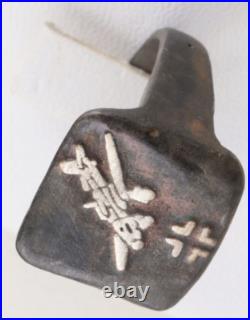
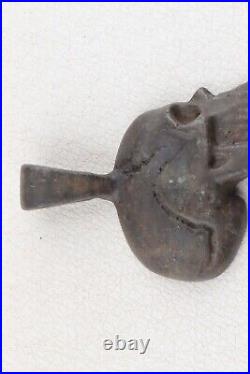

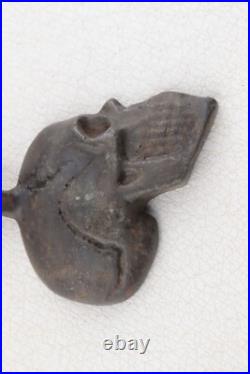
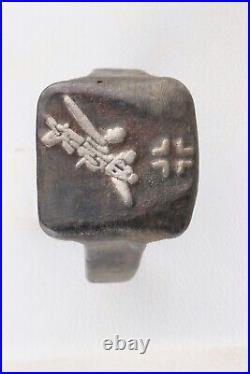
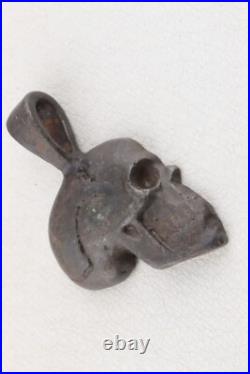

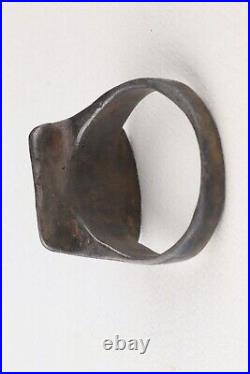
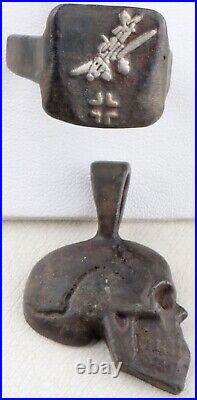
German air force WW2 Junkers Ju 87 Stuka dive bomber and ground-attack aircraft Ring war period WWII Germany Skull bronze Size 13 22.3mm 13.25g badge 37.5x25x8mm 14.09g 1235. Good item for your collection or gift for holidays! If you have any question – please write me. You can make your best offer for this item.

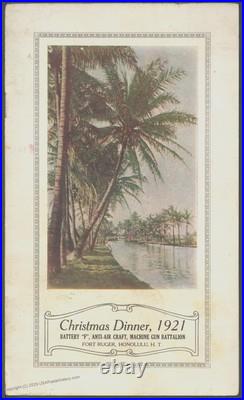
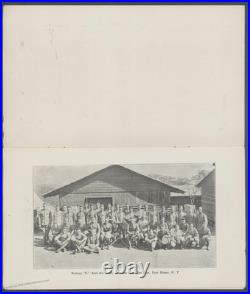
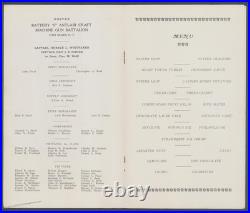
Slightly worn and soiled, good condition. With group portrait inside of the and nice color illustration on front. Size 5.5×9 inches, closed. All items are absolutely guaranteed genuine as described. We hope you like what you see! International Buyers Please Note.

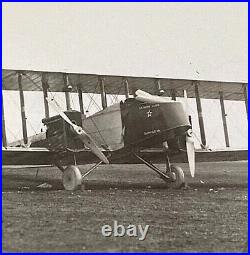
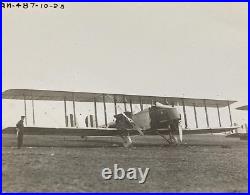
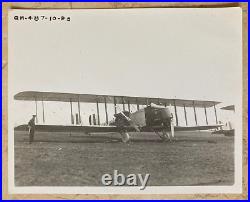
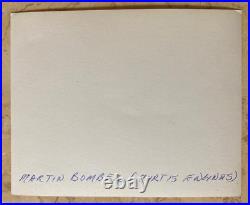

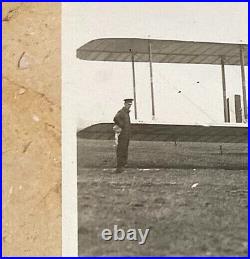
MARINE CORPS AVIATION ” FIRST AIRCRAFT GROUP ” – ” MARINE AIRCRAFT GROUP 11 ” – MARTIN BOMBER QUANTICO VA. MARINE CORPS AVIATION ” FIRST AIRCRAFT GROUP ” – ” MARINE AIRCRAFT GROUP 11 ” MARTIN BOMBER QUANTICO VA. MARINE AVIATION MECHANIC IN HIS JUMP SUIT WITH AN EGA ON HIS VISOR STANDS BY A U. MARINE CORPS AVIATION MARTIN PROTOTYPE BOMBER IN 1925, AT U. MARINE CORPS BASE QUANTICO VIRGINIA. THE BOMBER SITS ON THE AIRFIELD WITH THE U. MILITARY AIRCRAFT “1917 1921-41 STAR ROUNDEL” UNDER THE LOWER LEFT WING ALONG WITH THE PLANES REGISTRATION NUMBER “35” UNDER ITS LOWER RIGHT WING. LETTERED ON THE FRONT FUSELAGE IN WHITE. ALONG WITH A PARTIALLY VISIBLE (BECAUSE RED AND BLACK IN B&W PHOTOGRAPHY BOTH SHOW UP AS BLACK MAKING IT A LITTLE HARD TO DISCERN) A LARGE SET OF RED WINGS WITH A LARGE. 1917 1921-41 STAR ROUNDEL. BETWEEN THE WINGS AND OVERPRINTED WITH THE LETTERS IN BLACK ” F A G ” FOR F IRST A IRCRAFT G ROUP. Marine Aircraft Group 11. Although commissioned at Marine Corps Base Quantico, Virginia, on 1 August 1941, as the Marine Corps. Roup, elements of the organization that would eventually support its mission actually existed as early as 1 December 1921 there. Together, these ancestral units were collectively designated as Aircraft Squadron, East Coast Expeditionary Force. HAND OPAQUED IN UPPER LEFT HAND NEGATIVE. DIMENSIONS: 3 3/4″ x 4 11/16″. VERY SHARP FOCUS WITH VERY GOOD CONTRAST. ARCHIVE PENNED ID’d ON THE LOWER REVERSE IN THE MID 20th CENTURY. MARTIN BOMBER (CURTIS ENGINES). THIS IS NOT A COPY OR A REPRODUCTION.

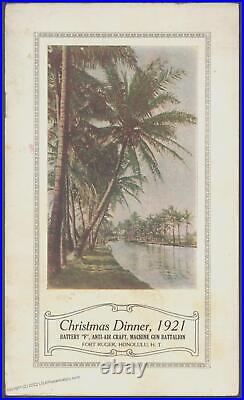
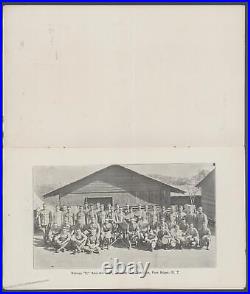
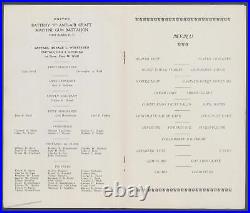
Slightly worn and soiled, good condition. With group portrait inside of the and nice color illustration on front. Size 5.5×9 inches, closed. All items are absolutely guaranteed genuine as described. We hope you like what you see! International Buyers Please Note.

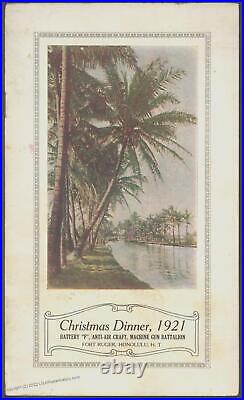
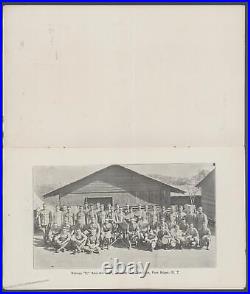
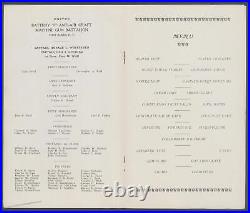
Slightly worn and soiled, good condition. With group portrait inside of the and nice color illustration on front. Size 5.5×9 inches, closed. All items are absolutely guaranteed genuine as described. We hope you like what you see! International Buyers Please Note.