
Imperial-Japanese-army-original-sho-5-type-winter-tunic-WW2-military-IJA-IJN-01-vdqe

Imperial Japanese army original sho 5 type winter tunic WW2 military IJA IJN

Imperial Japanese army original sho 5 type winter tunic WW2 military IJA IJN

Imperial Japanese army original sho 5 type winter tunic WW2 military IJA IJN
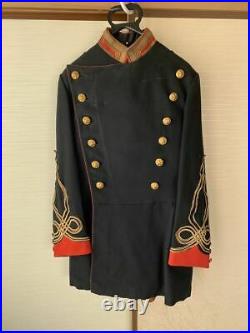
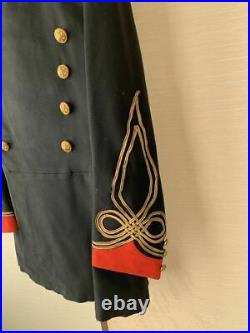
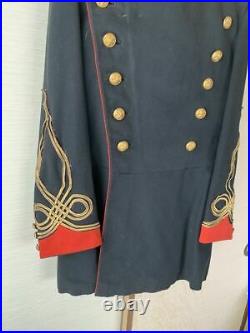
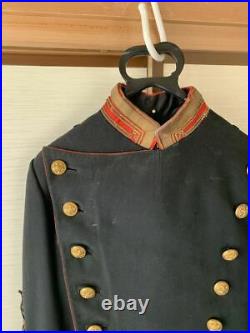
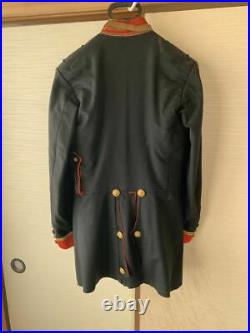
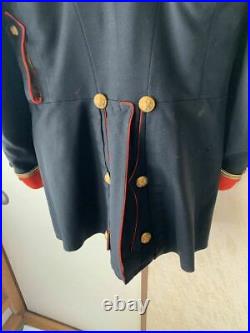
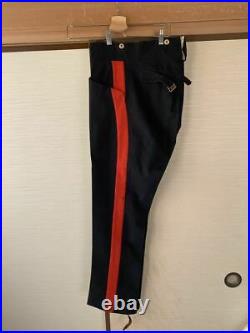
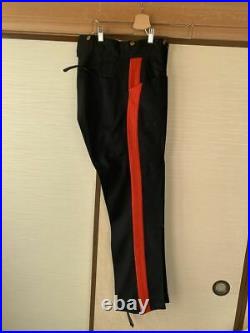
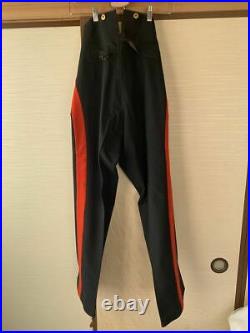
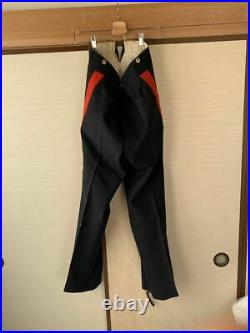
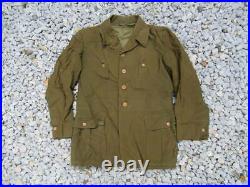
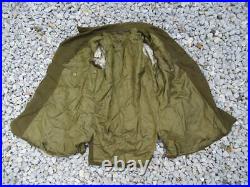
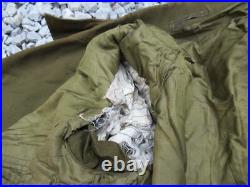
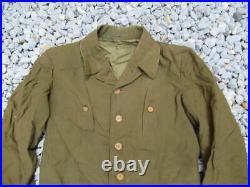
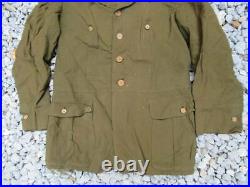
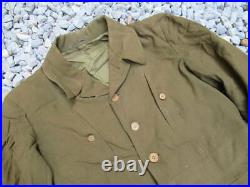
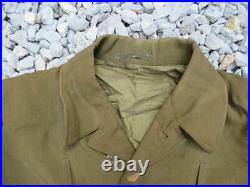
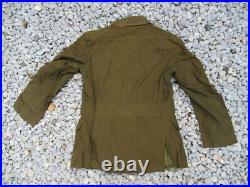
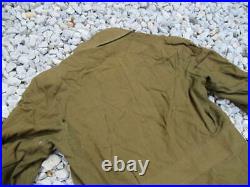
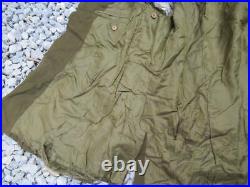
This is sho 5 type winter tunic from the former Japanese army. It’s from war time. The stand-up collar of the Showa 5th style has been modified to a folded collar. Made of wool and supplied by the government. Military stamps from the Army Clothing Factory Headquarters, made in 1934, size 4. There are some insect bites etc. On the wool, but the wool fabric and lining are in good condition. The length is approximately 66cm (not including the collar) and the shoulder width is approximately 43cm. Perfect for your collection or mannequin! How about military collectors? International Buyers – Please Note.
Imperial Japanese army original sho 5 type winter tunic WW2 military IJA IJN

WW2-Imperial-Japanese-Emperor-Hirohito-Enthronement-Officials-Badge-Mint-01-qrvm

WW2 Imperial Japanese Emperor Hirohito Enthronement Officials Badge Mint

WW2 Imperial Japanese Emperor Hirohito Enthronement Officials Badge Mint

WW2 Imperial Japanese Emperor Hirohito Enthronement Officials Badge Mint
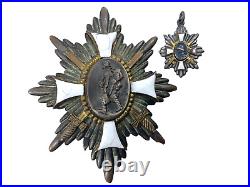
This is an original Imperial Japanese Enthronement Officials Badge. Issued for junior government officials (Hannin-kan) who participated in the Imperial enthronement ceremonies. Imperial Chrysanthemum Crest (symbol of the Emperor). Paulownia Crest (symbol of the Japanese government). The inscription “Enthronement Official” in blue enamel at the center. These badges were worn exclusively during the Daijo (Imperial Enthronement) ceremonies. Which marked the accession of Emperor Hirohito (Showa Emperor). Emperor Hirohito’s accession occurred immediately after the death of the previous emperor. And the early Showa enthronement ceremonies were conducted with restrained formality and limited production. Making surviving official items particularly scarce today. Reverse marked: Japan Mint / I. Official government issue, not a private or souvenir item. Badges such as this were produced in very limited numbers and issued only to authorized personnel. Shows natural age-related wear and patina consistent with an authentic pre-war item. Details and inscription remain clearly visible. Please refer to photos for condition. A rare and well-documented piece of Imperial Japanese ceremonial history. Approximate 7-21days(To USA).
WW2 Imperial Japanese Emperor Hirohito Enthronement Officials Badge Mint

1934-Imperial-Japanese-Army-Tactical-Case-Study-Book-with-Maps-Strategy-01-tjj

1934 Imperial Japanese Army Tactical Case Study Book with Maps Strategy

1934 Imperial Japanese Army Tactical Case Study Book with Maps Strategy

1934 Imperial Japanese Army Tactical Case Study Book with Maps Strategy
Rare original 1934 revised edition of “Senreishu” (Battle Case Study Collection). Compiled under the supervision of Lt. Shigeharu Suematsu, Principal of the Imperial Japanese Army Academy. This comprehensive tactical manual covers Strategy, Weaponry, Fortification, Transportation, and Aviation warfare. Including more than 150 fold-out operational maps, diagrams, and tables used for officer training. It contains detailed plans of fortifications, communication networks, artillery emplacements, and Manchurian battle maps. Reflecting the Imperial Army’s tactical doctrine before WWII. Fold-out operational charts: 158 pages. Explanatory notes: 10 pages. ? Size: 22.2 × 15 × 3 cm. ? Publisher / Year: Army Academy, Showa 9 (1934, Revised Edition). ? Condition: Aged paper, minor tears and stains, but well-preserved for its age. A valuable primary source for military historians and collectors of prewar Japanese army materials. Own a Piece of History. International Buyers – Please Note. Thank you for your understanding.
1934 Imperial Japanese Army Tactical Case Study Book with Maps Strategy

1936-Imperial-Japanese-Army-Type-92-Heavy-Machine-Gun-Manual-Original-01-oncc

1936 Imperial Japanese Army Type 92 Heavy Machine Gun Manual Original

1936 Imperial Japanese Army Type 92 Heavy Machine Gun Manual Original

1936 Imperial Japanese Army Type 92 Heavy Machine Gun Manual Original
December 25, 1936 (Showa 11). This was an official training textbook distributed to infantry regiments and schools during the prewar period. The manual provides comprehensive instruction on the. Mechanism, operation, disassembly, maintenance, aiming, and firing methods. Of the Type 92 Heavy Machine Gun. Illustrating the internal structure, tripod mount, and feeding system. A highly valuable reference for understanding the engineering and operation of Japan’s principal medium machine gun of the era. Bound in black cloth with the title. “Type 92 Heavy Machine Gun Manual”. Embossed in gold on the spine. The back cover bears an impressed manufacturing mark. 15 × 10 cm. , designed for field use by officers and NCOs. Issued shortly after the adoption of the Type 92, this edition represents the. Earliest stage of instructional doctrine. For Japan’s standard heavy machine gun – a weapon widely deployed across the China front and the Pacific theater. A rare surviving original, distinct from later reprints or postwar reproductions. Aging, corner wear, light stains, minor cover damage; complete with no missing pages. An authentic and significant artifact of. Imperial Japanese Army small-arms education. Offering a firsthand look into the technical precision and doctrine of the prewar Japanese military. Own a Piece of History. Approximate 7-21days(To USA).
1936 Imperial Japanese Army Type 92 Heavy Machine Gun Manual Original

WW2-Imperial-Japanese-Army-Cavalry-Training-Photo-Album-1937-Toyohashi-Army-01-yndq

WW2 Imperial Japanese Army Cavalry Training Photo Album 1937 Toyohashi Army

WW2 Imperial Japanese Army Cavalry Training Photo Album 1937 Toyohashi Army

WW2 Imperial Japanese Army Cavalry Training Photo Album 1937 Toyohashi Army
This is an original Imperial Japanese Army training photo album from. Koki 2597 (1937) – the year immediately before the full outbreak of the Second Sino-Japanese War. The album documents the 1st Cavalry Student Company of the. Toyohashi Imperial Japanese Army Instructor School, an elite military education institution responsible for training future officers and instructors. What “2597” Means (Very Important). The number 2597 on the cover refers to the Japanese imperial calendar (Koki). Koki 2597 = 1937 (Showa 12). 1937 marks a critical turning point in Japanese military history. Rapid transition from theoretical training to real combat-oriented education. Preparation for large-scale ground warfare in China. Emphasis on modern combined-arms tactics. Historical Context (Why This Album Matters). By 1937, the Imperial Japanese Army was urgently preparing officers for. River crossings under combat conditions. Chemical warfare (poison gas training & gas masks). Bridge demolition and sabotage operations. Reconnaissance and scouting missions. Cooperation with aircraft and engineering units. This album visually records those exact training doctrines, making it a primary historical source, not a later compilation. Contents & Scenes Shown. River crossing exercises (real rivers, not staged). Bridge demolition training (Tenryu River steel bridge). Gas warfare drills with masks. Field camps and long-term maneuvers. Military facilities and school buildings. Portraits of officers and trainees. Group photographs of entire units. These are not ceremonial photos – they depict operational training. The album includes images related to Major General Kanji Tsuneoka. A senior Imperial Japanese Army officer. The presence of a general officer indicates this album was produced within an official military education framework, not as a private souvenir. About the Toyohashi Army Instructor School. Unlike regular army units, this school trained. Core personnel responsible for spreading doctrine across the army. Graduates were expected to lead and teach, especially during wartime expansion. Wear, aging, and paper deterioration consistent with age. Why This Album Is Rare. After World War II. Most Japanese military education materials were destroyed or discarded. Albums documenting chemical warfare and demolition training were especially rare. This makes the album a scarce visual record of pre-war Japanese military doctrine. This is a genuine 1937 Imperial Japanese Army training photo album capturing the moment Japan shifted into full wartime posture. A highly desirable piece for. Researchers of pre-war Japanese doctrine. Approximate 7-21days(To USA).
WW2 Imperial Japanese Army Cavalry Training Photo Album 1937 Toyohashi Army

Imperial-Japanese-Navy-Discharge-Sake-Cup-Anchor-Rising-Sun-Design-Taisho-01-kpdu

Imperial Japanese Navy Discharge Sake Cup Anchor & Rising Sun Design Taisho

Imperial Japanese Navy Discharge Sake Cup Anchor & Rising Sun Design Taisho

Imperial Japanese Navy Discharge Sake Cup Anchor & Rising Sun Design Taisho
This is an original Imperial Japanese Navy ceremonial sake cup, produced during the Taisho to early Showa period (circa 1910s-1930s). The cup was presented to a Navy serviceman to commemorate the successful completion of his full term of military service. The following characters are written inside the cup in gold. (Imperial Japanese Navy). (Completion of service / full term). (“Otake” – a personal name). The presence of a personal name strongly suggests this cup was awarded to an individual sailor, making it more desirable than generic commemorative pieces. The interior features a classic Imperial Japanese Navy motif. Anchor – symbol of the Navy. Rising Sun flag – official national and military emblem of the period. Cherry blossom in gold gilt – representing honor, duty, and the fleeting nature of life. This combination is widely recognized as a formal Navy discharge commemorative design. Why Imperial Japanese Navy Items Are Rare. Compared to the Army, the Imperial Japanese Navy maintained only about one-tenth of the personnel strength. As a result, Navy commemorative items were produced in much smaller numbers, and surviving examples are significantly scarcer than Army equivalents. Named discharge cups like this one are especially difficult to find today. Cultural Significance of Sake Cups. In pre-war Japan, sake cups were not everyday tableware. They were used to mark important life milestones, including military enlistment, departure, return, and honorable discharge. This cup represents a deeply personal moment. The end of military duty and a safe return to civilian life – preserved in ceramic form. No cracks or major chips. Minor surface wear and light fading of gold due to age. Overall well-preserved for its period. Please refer to photos for details. A genuine historical artifact suitable for collectors of. Imperial Japanese Navy items, military memorabilia, pre-war Japanese ceramics, or Showa-era history. International Buyers – Please Note. Thank you for your understanding.
Imperial Japanese Navy Discharge Sake Cup Anchor & Rising Sun Design Taisho

WW2-Era-Imperial-Japanese-Navy-Cruiser-YAKUMO-Overseas-Voyage-Log-1926-1927-01-jqin

WW2 Era Imperial Japanese Navy Cruiser YAKUMO Overseas Voyage Log 1926-1927

WW2 Era Imperial Japanese Navy Cruiser YAKUMO Overseas Voyage Log 1926-1927

WW2 Era Imperial Japanese Navy Cruiser YAKUMO Overseas Voyage Log 1926-1927
This is an original overseas voyage log from the Imperial Japanese Navy armored cruiser YAKUMO, covering a long-distance training cruise conducted between 1926 and 1927 – a turning point period between the Taisho and early Showa eras. What is written on the spine? The gold lettering on the spine reads. “Commemoration of the Completion of a Training Cruise”. This book was compiled to commemorate the successful completion of an overseas training voyage. From June 13, 1926 (Taisho 15). To January 17, 1927 (Showa 2). This clearly shows that the book is not a later reprint, but a contemporary naval record created during the actual service period. YAKUMO was an armored cruiser of the Imperial Japanese Navy, originally commissioned in the early 1900s. Later reassigned as a training cruiser, responsible for overseas voyages to educate young naval officers. By the 1920s, YAKUMO represented Japan abroad as a floating symbol of naval professionalism. Contents and Historical Value. Unlike battle reports, this diary focuses on daily naval life and real operations, including. Coal loading and fuel management in the coal-fired warship era. Sanitation and disease prevention during long voyages. Foreign port visits and international interactions. Cutter races and onboard training activities. Practical notes on navigation, climate, and logistics. It offers a rare, human-scale view of how sailors actually lived and worked at sea before modern mechanized warfare. This voyage took place before relations between Japan and Western countries deteriorated. Japanese warships regularly visited foreign ports. Naval cruises functioned as both training missions and diplomatic presence. International cooperation was still part of naval culture. As such, this book captures a calmer, outward-looking phase of the Imperial Japanese Navy, making it especially valuable to collectors and researchers. Due to age, the book shows. No missing pages confirmed. Please refer to photographs for exact condition. This is not just a book, but a firsthand naval record documenting. Pre-WWII global naval operations. Everyday life aboard an Imperial Japanese Navy cruiser. Highly recommended for collectors of naval history, maritime records, and pre-WWII Japanese military materials. International Buyers – Please Note. Thank you for your understanding.
WW2 Era Imperial Japanese Navy Cruiser YAKUMO Overseas Voyage Log 1926-1927

WW2-Imperial-Japanese-Army-Osaka-Aviation-Arsenal-Opening-Commemorative-Ashtray-01-ds

WW2 Imperial Japanese Army Osaka Aviation Arsenal Opening Commemorative Ashtray

WW2 Imperial Japanese Army Osaka Aviation Arsenal Opening Commemorative Ashtray

WW2 Imperial Japanese Army Osaka Aviation Arsenal Opening Commemorative Ashtray
This is an original commemorative metal ashtray produced to mark the opening of the. Osaka Imperial Japanese Army Aviation Arsenal. During the early Showa period. The inscription cast into the base reads. Osaka Army Aviation Arsenal – Opening Commemoration. The Osaka Army Aviation Arsenal was established as a. Logistics and maintenance center. Supporting the Imperial Japanese Army’s growing air power. Unlike front-line air units, aviation arsenals played a crucial behind-the-scenes role. Aircraft maintenance and repair. Storage and supply of aviation equipment. Technical and logistical support necessary for sustained air operations. Osaka was selected due to its strong industrial base, advanced metalworking capabilities, and well-developed transportation networks. The opening of this facility reflects Japan’s shift in the 1930s toward. Long-term, systemized air warfare preparation. Why an Ashtray? In Imperial Japan, it was customary to produce. Such as sake cups, trays, and ashtrays-as official commemorative gifts for military milestones. This ashtray was likely distributed to officers, engineers, or personnel involved in the establishment of the aviation arsenal. It represents a rare example of how military history survives not only through medals or documents, but through everyday objects. Material & Construction. Solid cast metal construction. Heavy and durable, not a lightweight souvenir. Aviation-related motif visible on the base. The industrial character and casting quality strongly reflect military production standards of the period. Shows age-related wear, surface patina, and minor marks consistent with original use. No major damage or structural issues. Collector’s Note. This piece offers insight into the. Logistical foundation of Imperial Japanese Army aviation. An area often overlooked compared to combat units. A compelling artifact for collectors of. Imperial Japanese Army history. Aviation logistics and support units. Pre-war / early WWII military industrial artifacts. Approximate 7-21days(To USA).
WW2 Imperial Japanese Army Osaka Aviation Arsenal Opening Commemorative Ashtray

1919-Imperial-Japanese-Flag-Chart-Hanging-Scroll-Imperial-Military-Flags-01-qlv

1919 Imperial Japanese Flag Chart Hanging Scroll Imperial & Military Flags

1919 Imperial Japanese Flag Chart Hanging Scroll Imperial & Military Flags

1919 Imperial Japanese Flag Chart Hanging Scroll Imperial & Military Flags
This is a large educational hanging scroll published in 1919 (Taisho 8) by the Great Japan National Flag Company titled. Correct Chart of Imperial Flags and Treaty Nations’ Flags. The publishing details printed on the scroll include. Printed March 28, 1919 / Published April 1, 1919. This chart was produced as official school teaching material, displaying. Imperial flags such as the Emperor’s flag, Crown Prince’s flag, military and naval flags, and the national flag. Flags of major world powers and treaty nations of the time. 1919 marks the period right after World War I, when Japan became a permanent member of the League of Nations. Educational materials emphasizing international awareness and imperial identity were widely used in classrooms during this era. The scroll measures approx. It shows stains and signs of age, but Taisho-period flag charts preserved in scroll format are extremely rare, making this a valuable piece for collectors of vexillology and pre-war educational materials. Own a Piece of History. International Buyers – Please Note. Thank you for your understanding.
1919 Imperial Japanese Flag Chart Hanging Scroll Imperial & Military Flags

1936-Imperial-Japanese-Navy-Communications-School-Photo-Album-Pre-WWII-01-wvmq

1936 Imperial Japanese Navy Communications School Photo Album Pre-WWII

1936 Imperial Japanese Navy Communications School Photo Album Pre-WWII

1936 Imperial Japanese Navy Communications School Photo Album Pre-WWII
This is an original Imperial Japanese Navy Communications School commemorative photo album, dated 1936 (Showa 11). The year 1936 marks a crucial period in Japanese naval history, following Japan’s withdrawal from international naval disarmament treaties. During this time, the Navy rapidly expanded its fleet operations, aviation forces, and communications systems. Military communications played a vital role in fleet command, aviation coordination, and encrypted transmissions. The Navy Communications School trained specialized officers and personnel for these roles. Compared to general service branches, the number of communications specialists was limited, making surviving photographic records relatively scarce. This album contains approximately 32 original vintage photographs, including. Marching and training scenes. Rather than a casual personal album, this is a formal commemorative album produced within a naval educational institution, offering valuable insight into pre-war Japanese naval training. Condition shows age-related toning and minor stains, but image clarity remains good overall. The cloth cover shows light wear consistent with age. A solid reference piece for collectors of Imperial Japanese Navy material, military education history, and pre-World War II photography. Approximate 7-21days(To USA).
1936 Imperial Japanese Navy Communications School Photo Album Pre-WWII