
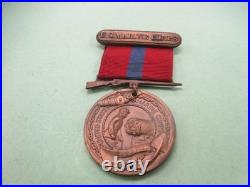
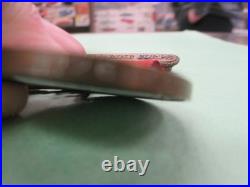
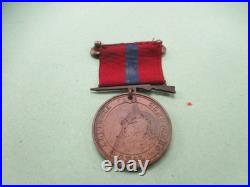

USMC early Good Conduct Medal, 26883. The number on the rim of the medal and a nice early medal.

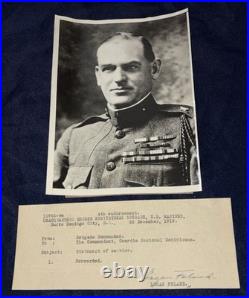
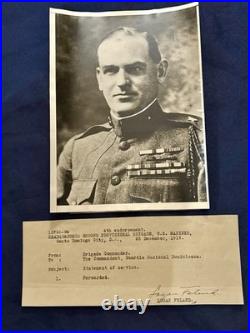
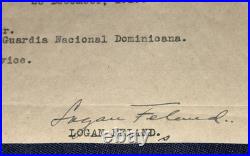
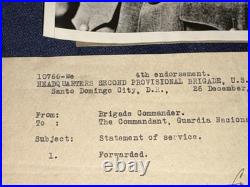
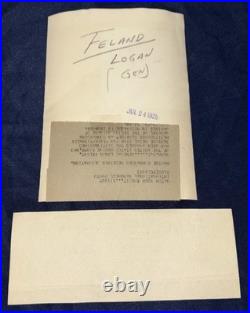
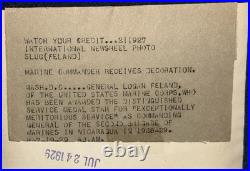
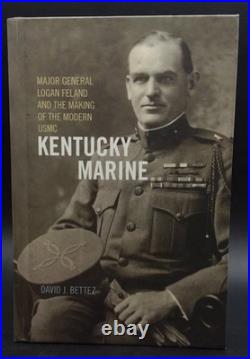
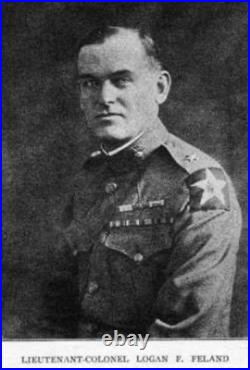
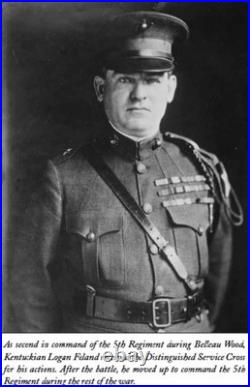
Rare original 1920’s photograph and 1919 dated signature of Logan Feland, a General in the Marine Corps who was awarded the Distinguished Service Cross, 5 Silver Stars and the Navy and Army Distinguished Service Medals during WW1 and was commander of the 5th Regiment. He is prominently noted for his heroic actions at Belleau Wood and as commander at Soissons, Blanc Mont and the Argonne. His original signature comes from when he was commander of the 2nd Brigade and part of the Guardia Nacional Dominicana in 1919.

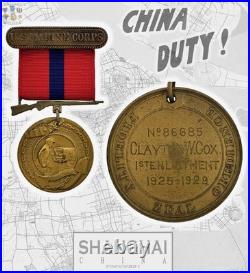
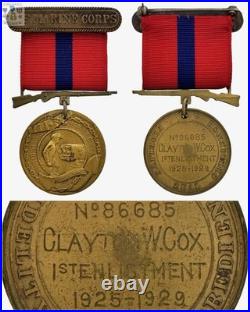
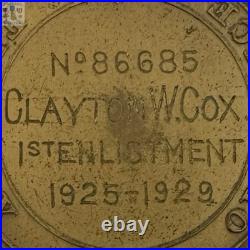
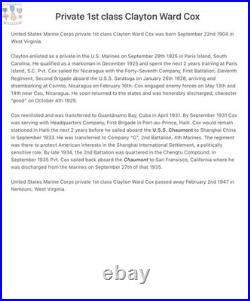
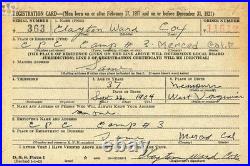
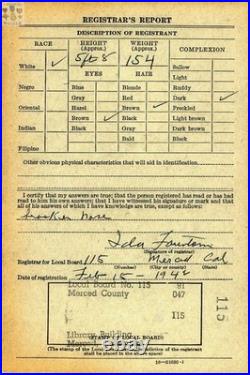
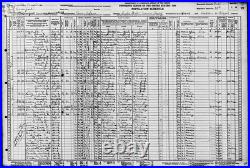
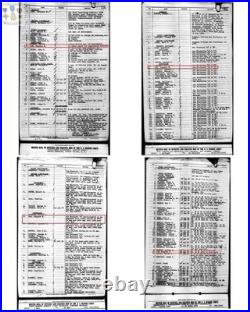
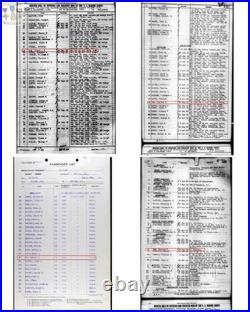
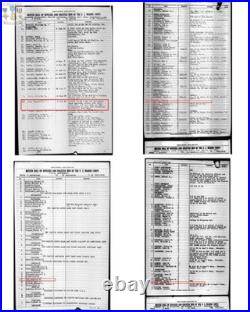
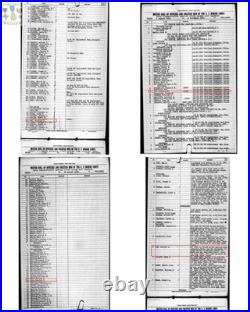
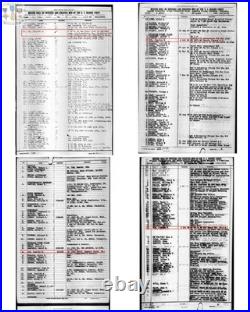
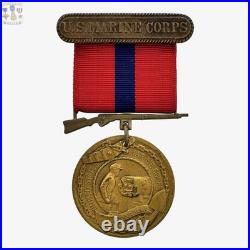
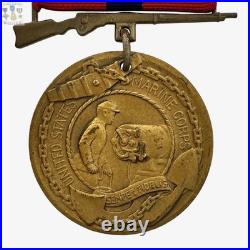
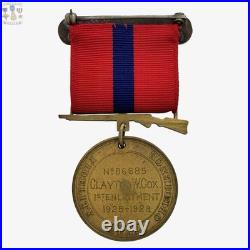
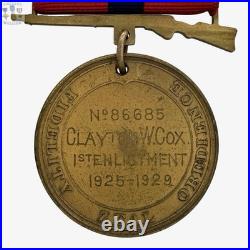
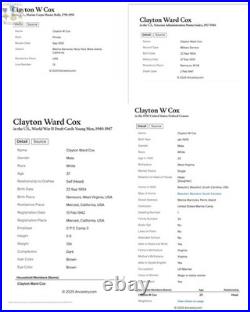
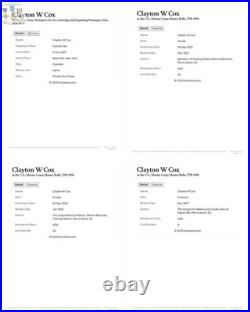
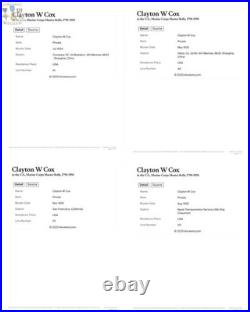
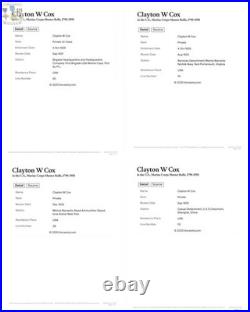
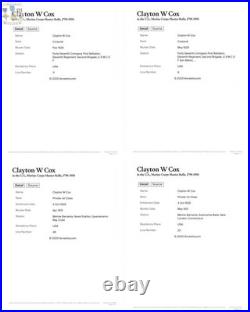
United States Marine Corps private 1st class Clayton Ward Cox was born September 22nd 1904 in West Virginia. Clayton enlisted as a private in the U. Marines on September 29th 1925 in Paris Island, South Carolina. He qualified as a marksman in December 1925 and spent the next 2 years training at Paris Island, S. Cox sailed for Nicaragua with the Forty-Seventh Company, First Battalion, Eleventh Regiment, Second Brigade aboard the U. Saratoga on January 26th 1928, arriving and disembarking at Corinto, Nicaragua on February 16th. Cox engaged enemy forces on May 13th and 14th near Cau, Nicaragua. Cox reenlisted and was transferred to Guantánamo Bay, Cuba in April 1931. By September 1931 Cox was serving with Headquarters Company, First Brigade in Port-au-Prince, Haiti. Cox would remain stationed in Haiti the next 2 years before he sailed aboard the U. Chaumont to Shanghai China in September 1933. He was transferred to Company “G”, 2nd Battalion, 4th Marines. The regiment was there to protect American interests in the Shanghai International Settlement, a politically sensitive role. By late 1934, the 2nd Battalion was quartered in the Chengtu Compound. In September 1935 Pvt. Cox sailed back aboard the Chaumont to San Fransisco, California where he was discharged from the Marines on September 27th of that 1935. United States Marine Corps private 1st class Clayton Ward Cox passed away February 2nd 1947 in Nemours, West Virginia. I will include 45 full size color printed copies of the research presented. ORIGINAL WORLD WAR I UNITED STATES MARINE CORPS GOOD CONDUCT MEDAL. RE-RIBBONED DRAPE TESTED U. Please let me know if there’s anything else I can do for you!

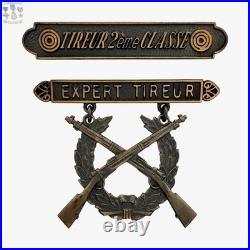
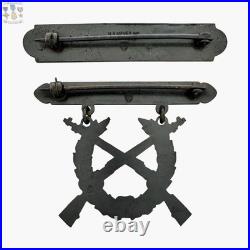
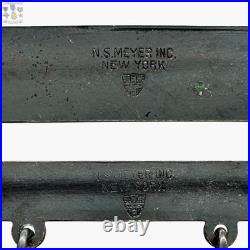
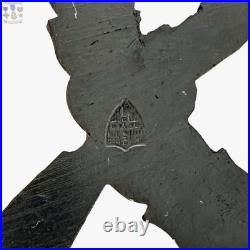
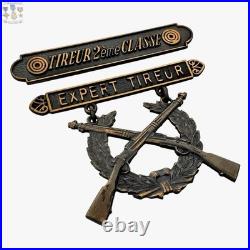
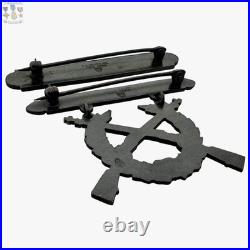
ORIGINAL EARLY 1920’S UNITED STATES MARINE CORPS HAITIAN GENDAMARIE EXPERT TIREUR BADGE, PIN-BACK W/ LOCKING CATCH. MEYER INC NEW YORK + SHIELDS. ORIGINAL EARLY 1920’S UNITED STATES MARINE CORPS HAITIAN GENDAMARIE TIREUR 2ÈME CLASSE BADGE, PIN-BACK W/ LOCKING CATCH. MEYER INC NEW YORK + SHIELD. Soon after the landing of the U. Marines in Hayti, in August 1915, it became apparent that the existing police and military forces of Hayti were in need of a complete reorganization. With this in view, steps were taken towards the institution of a Haytian Military Police organization which would take the place of all the existing military and police forces of the Republic. This idea met with the favor of the Haytian and the United States governments and on September 16, 1919, a Treaty was signed between the two powers which among other agreements stipulated that a Gendarmerie should be organized which should take over all the military and police activities of Hayti. The enlisted men of this organization were to be Haytians and the officers to be Americans until such a time as qualified Haytians could be found to take the places of these latter. With the exeption of the senior grades, practically all the officers were selected from the ranks of the Marine Corps. Please let me know if there’s anything else I can do for you!

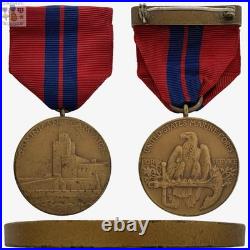

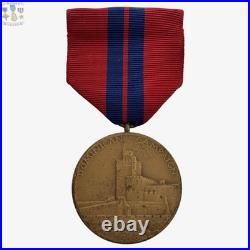
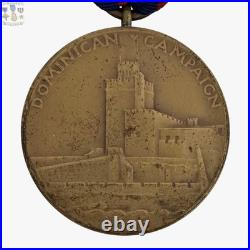
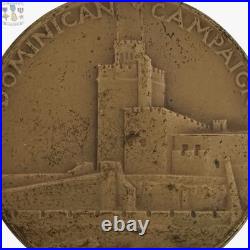
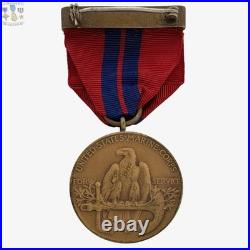
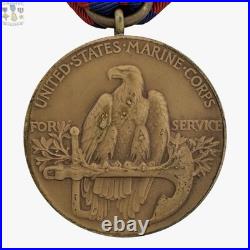
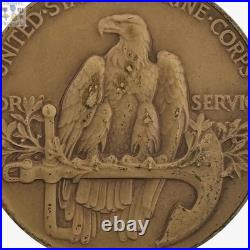
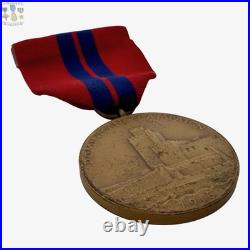
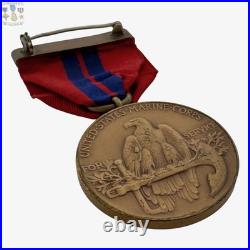
1916 DOMINICAN CAMPAIGN MEDAL, W/ FULL WRAP BROOCH. RIBBON DRAPE TESTED UV NEGATIVE. The Dominican Campaign Medal is a military decoration of the United States Navy and United States Marine Corps which was created on December 29, 1921. To be awarded the Dominican Campaign Medal, a servicemen must have performed active military duty in the Dominican Republic between May 5 and December 4, 1916. The medal commemorates the 1916 United States invasion of the Dominican Republic. The medal was designed by Adolph Alexander Weinman, and the design approved by the United States Commission of Fine Arts in November 1923. It was the first Navy and Marine Corps medal whose reverse face contained the inscription “For Service” on a straight line. All previous reverse faces of Navy and Marine Corps medals had placed the inscription on a curve. Please let me know if there’s anything else I can do for you!

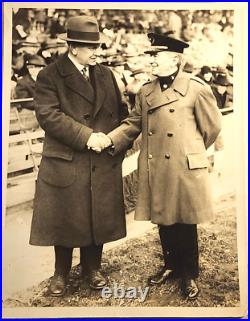
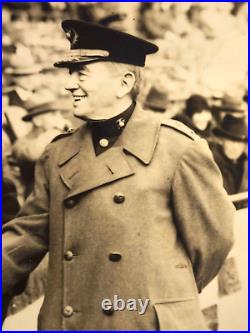
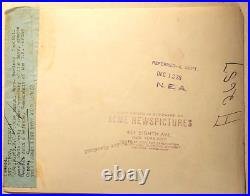
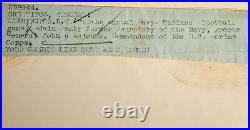
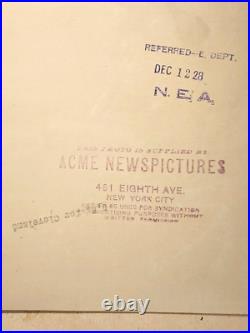
GENERAL JOHN A LEJEUNE U. This photo has some wear from normal use. There are stamps and typed text on the back. The photo is approx. 6 1/2 across x approx. (see photos for more details). Additional photos available upon request. Please specify details you would like to see more clearly.

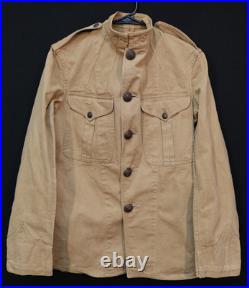
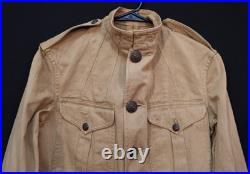


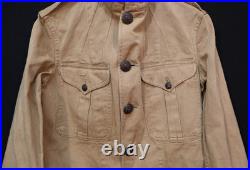
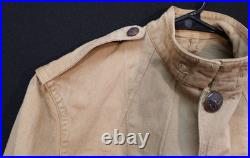
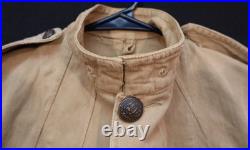
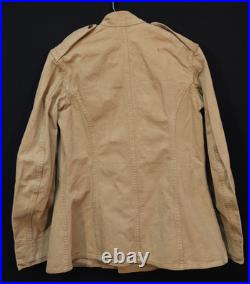
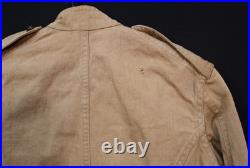

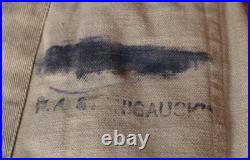
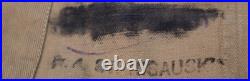
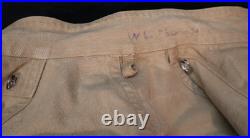
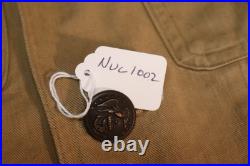
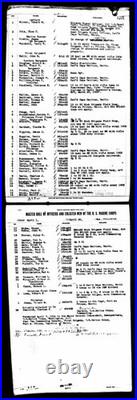
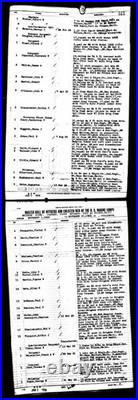
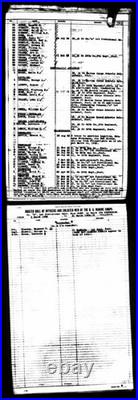
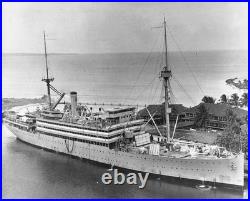
USMC Marine Corps M1912 Summer Khaki Uniform NA STANISAUSKIS 1920s USS Henderson. USMC Marine Corps M1912 Summer Khaki Uniform NA STANISAUSKIS 1920s Service in Haiti & aboard USS Henderson. Ned A Stanisauskis b. 26 May 1904 – d. 22 Jun 1997 who served in the United States Marine Corps 1921 – 1925 according to various muster rolls, Signal Battalion, Constabulary Service, serving in Haiti several times Depot Duty, Embassy Duty, and Expeditionary Forces at Sea aboard USS Henderson Good Condition. As Photographed with wear and age as seen (see photos for condition). A Great Candidate for any Collection, War Room, or Display. Recent Estate Collection Acquisition & Presented as Acquired, Scarce (Photos 15 – 18 Digital Reference Only) Warrants Further Research. Check back often – we search estates and sources across the world to bring a fine selection of militaria. Please review all photos for details regarding the condition of the item listed – further condition information will be included in the listing as is relevant, if you need additional photographs or have questions regarding the condition please do not hesitate to ask. I describe all items to the best of my ability – please do not hesitate to ask any and all questions prior to the close of the listing. Mistakes very rarely occur – however if one does please rest assured that it will be corrected. International Buyers are Welcome!

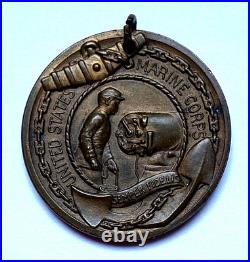
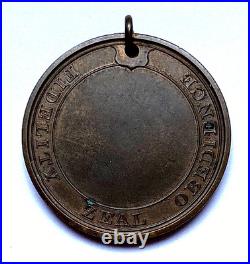
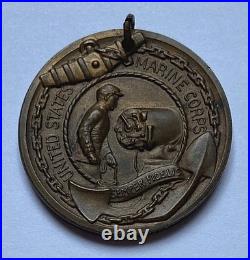
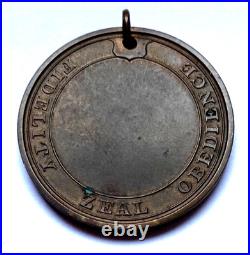
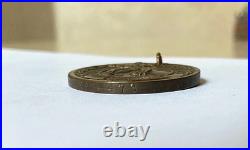
MARINE CORPS GOOD CONDUCT MEDAL w/ LOW NUMBER #24473. Marine Corps Good Conduct Medal (GCMs) had rim numbers when issued by the Marine Corps. The war, primarily in. These medals, stamped on the edge (numbers 20,000-50,000+), were awarded for excellent service between April 1917 and November 1918. LACKING RIBBON AND SUSPENCION BARS. THIS IS NOT A REPRODUCTION.

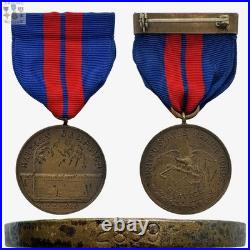
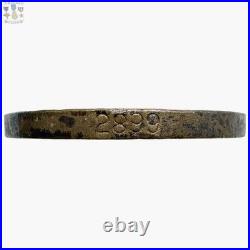
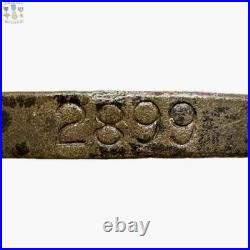
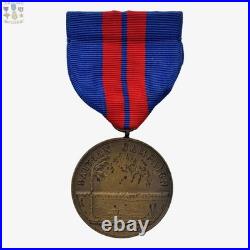
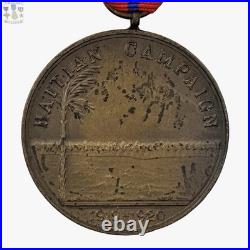
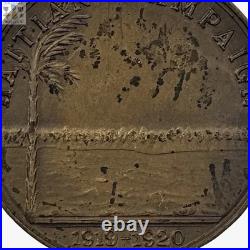

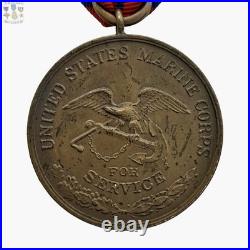

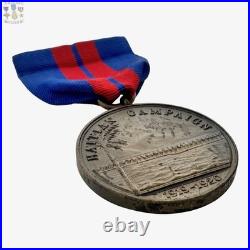
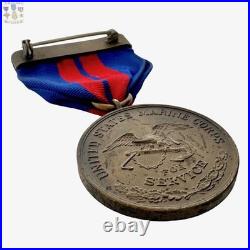
RE-RIBBONED DRAPE TESTED U. Specifically, it recognizes service between April 1, 1919, and June 15, 1920, encompassing operations against armed opposition or under circumstances deemed equivalent by the Department of the Navy. Please let me know if there’s anything else I can do for you!

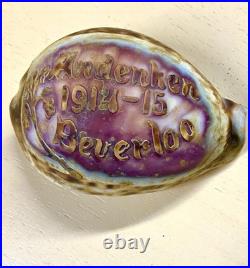


FIRST BALKAN WAR 1912 MONTENEGRO, OTTOMAN EMPIRE ENGRAVED MARINE SNAIL. 3 X 2 X 2 Inches.