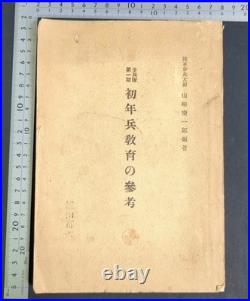
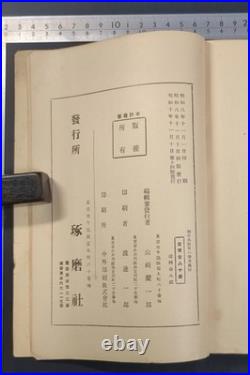
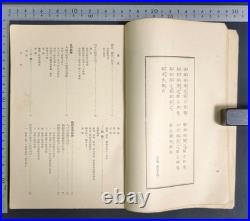
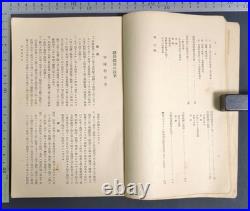
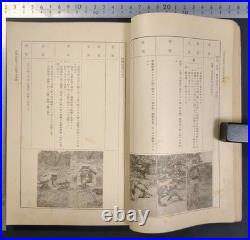
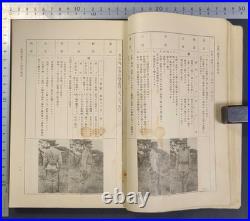
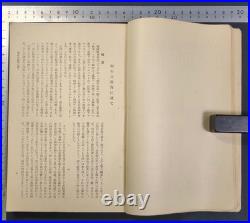
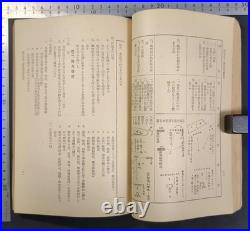
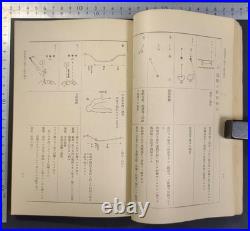
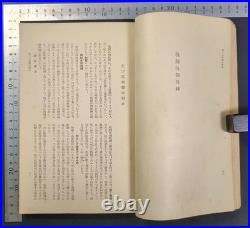

Own a piece of pre-WWII Japanese military history. This is the “Reference for First-Year Soldier Education” (14, 1935), compiled by Captain Keiichiro Yamazaki of the Imperial Japanese Army Infantry School. Published in Showa 10 (1935), this manual reflects Japan’s growing militarization in the tense years before the Second Sino-Japanese War (1937). It was used to train new recruits – teaching not only bayonet fighting, shooting, gas protection, and light machine-gun drills. But also the mental discipline and moral training essential to the Imperial Army’s doctrine of loyalty and endurance. Inside are detailed sections on. Bayonet and rifle training methods. Gas defense and field fortification. Leadership principles and psychological training. Field diagrams and photos of real training scenes. This manual captures the fusion of spiritual discipline and modern tactics that defined Japan’s 1930s military education. An invaluable primary source for historians, collectors, and researchers of prewar Japan and WWII militaria. Condition: Edge wear and small tears on spine, stains, and aging consistent with its 1930s origin. All pages remain intact – a well-preserved survivor from a critical era of Japanese military history. International Buyers – Please Note. Thank you for your understanding.

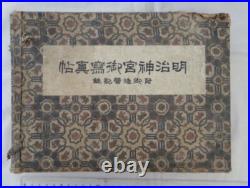
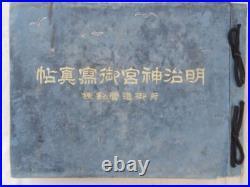


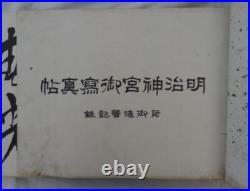
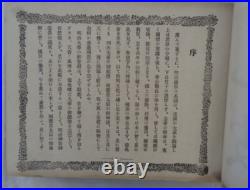

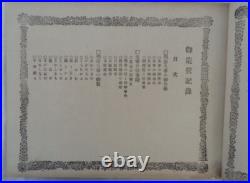
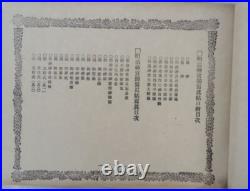
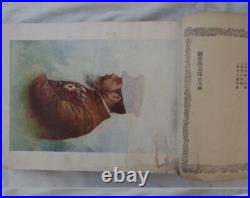
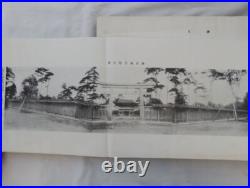

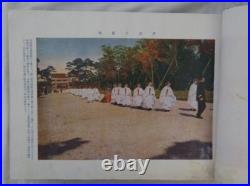


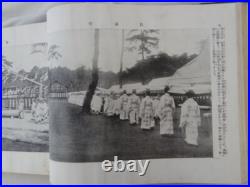
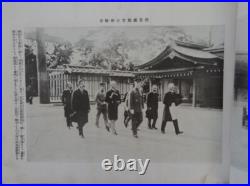
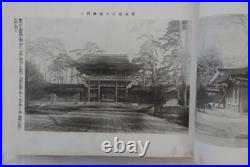
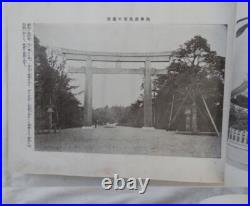
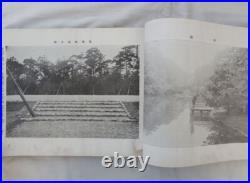
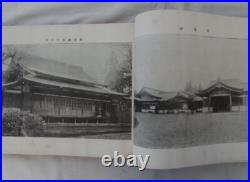
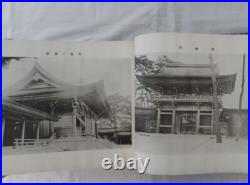
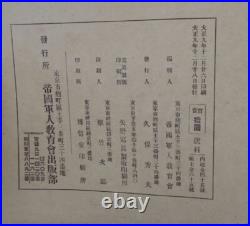
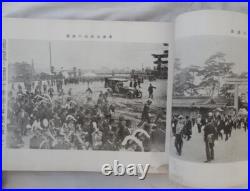
This is an original photo album published in Taisho 9 (1920), just after the completion of Meiji Shrine (Meiji Jingu) in Tokyo. This sacred site was built to honor Emperor Meiji, who led Japan’s rapid modernization in the late 19th and early 20th centuries, transforming the country from a feudal society into a major world power. Rare photographs and illustrations showing the shrine’s grand construction, architecture, rituals, and the first ceremonies ever held at Meiji Jingu. Detailed scenes of traditional Shinto processions, the great torii gate, and the lush forest that was planted as an act of national devotion. A glimpse into the mindset of the era, where loyalty to the Emperor and national unity were central values taught to soldiers and citizens alike. Why is it important? Meiji Shrine is more than a religious site: it became a symbol of Japan’s national identity and its new place in the world after the Meiji Restoration. This album was published by the Imperial Military Education Association, meaning it was intended as an official educational tool for young soldiers-instilling pride, reverence, and national spirit. Who valued this album? Young military cadets, educators, and even ordinary citizens would have seen these images as a source of inspiration and pride. Today, it is a tangible “piece of history” for collectors, researchers, and anyone interested in the roots of modern Japan. There are stains, discoloration, and minor damages due to age, but this only adds to the authenticity and charm of this almost 105-year-old artifact. Own a Piece of History. Approximately 5-7days(To USA).

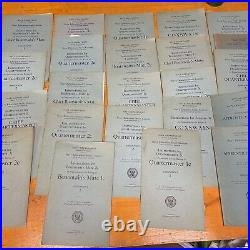
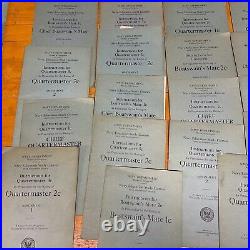
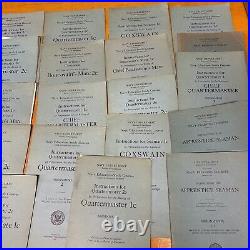
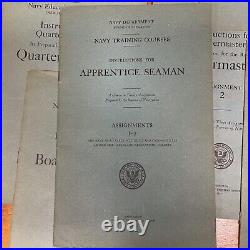

Lot of 23 Various USN Educational Study Courses. Fair condition given them being 100 years old – please message w/ any questions.