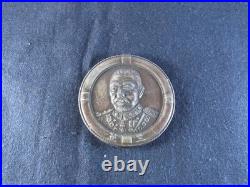
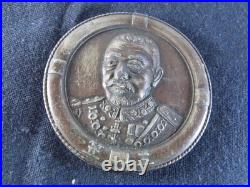
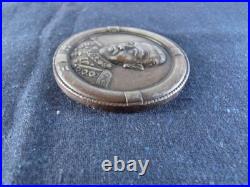
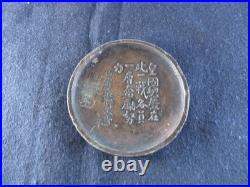
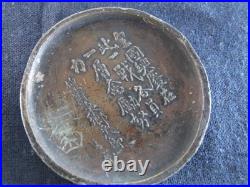
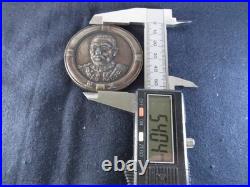
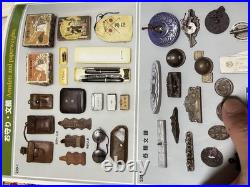

This is an antique Japanese naval commemorative metal paperweight featuring Admiral Heihachiro Togo, one of the most famous figures in Imperial Japanese naval history. The front shows a relief portrait of Admiral Togo in full military uniform and decorations. The reverse carries an even more historically significant inscription: The fate of the Empire depends upon this battle. Let every man do his utmost. ” followed by: “Count Heihachiro Togo. ” The original Japanese reads: “?????? This message is closely associated with the opening of the Battle of Tsushima, the decisive naval engagement of the Russo-Japanese War. In May 1905, Russia’s Baltic Fleet-after sailing thousands of miles from Europe-approached Japanese waters for what would become one of the most famous naval battles of the early 20th century. Waiting for it was the Japanese Combined Fleet under Admiral Togo. His flagship was Mikasa. The resulting battle ended in a devastating defeat for the Russian fleet and transformed Togo into an internationally known naval commander. That is what makes the combination on this paperweight so powerful: Admiral Togo. And the famous words associated with the Battle of Tsushima. This is not simply a portrait souvenir. It preserves, in one small object, three symbols of one of the most important moments in modern Japanese naval history. Another important point is that the same type of Togo paperweight appears in the Japanese militaria reference book Imperial Japanese Army & Navy 2, in the section titled Amulets and Paperweights. The present piece itself does not bear a manufacturing date, so its exact production year cannot be confirmed. However, the appearance of the same type in a specialist Japanese militaria reference is an important reference point when evaluating this piece as a period military commemorative item. Togo remained a national naval hero in prewar Japan, and the Battle of Tsushima continued to hold enormous symbolic importance within Japanese naval culture long after 1905. Weapons tell us how battles were fought. Objects like this show us how those battles were remembered. The surface shows age-related wear, oxidation, discoloration, scratches, and other signs of age. Please examine the photographs carefully for the exact condition. For collectors interested in Admiral Togo, Battleship Mikasa, the Battle of Tsushima, the Russo-Japanese War, and Imperial Japanese Navy history, this is a particularly evocative commemorative piece. Own a Piece of History. International Buyers – Please Note.

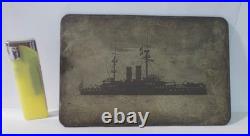
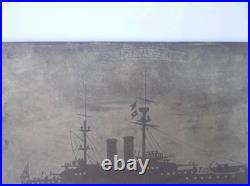
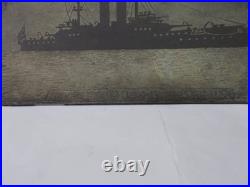
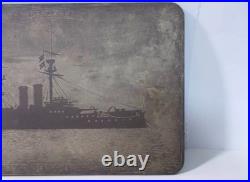
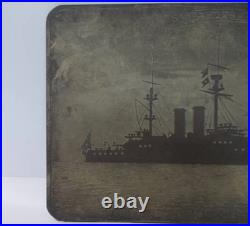
Original metal commemorative plaque for the preservation of the Imperial Japanese battleship. The plaque shows the battleship Mikasa, with the inscription. At the top and. “Preservation Commemoration, October 20, 1926″. Mikasa was the flagship of Admiral Heihachiro Togo during the Battle of Tsushima in 1905, one of the most famous naval battles of the Russo-Japanese War. After being removed from active service under the Washington Naval Treaty, Mikasa faced the possibility of dismantling. This plaque is not simply a battleship souvenir. It represents the moment when Japan chose to preserve Mikasa as history. Today, Mikasa still survives in Yokosuka as one of the world’s most important preserved warships and the only surviving pre-dreadnought battleship. Shows age-related patina, wear, discoloration, and surface oxidation. Please review all photos carefully. Own a Piece of History. Approximate 7-21days(To USA).


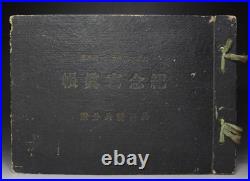
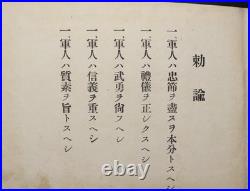
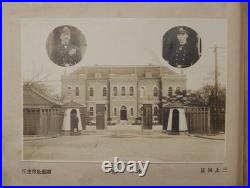
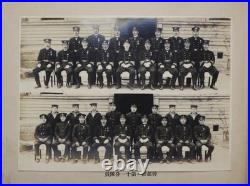
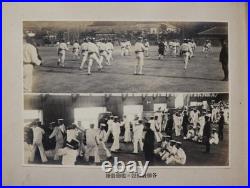
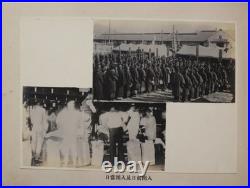
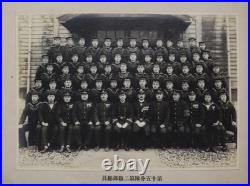
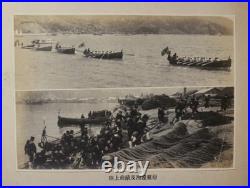
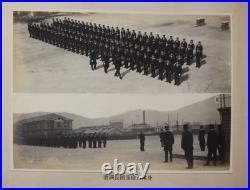
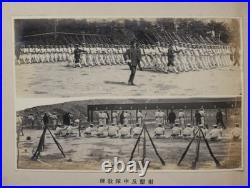
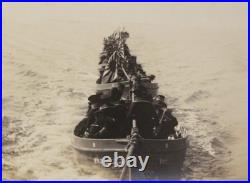
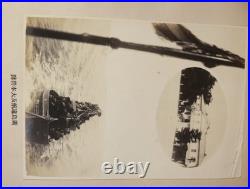
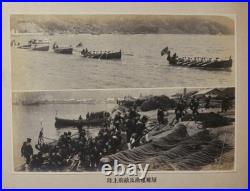
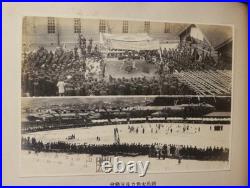
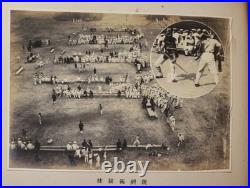
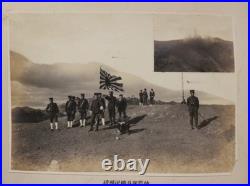
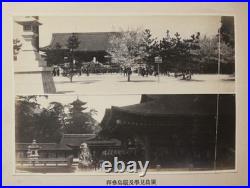
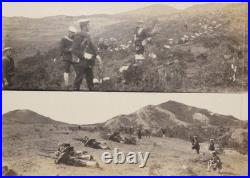
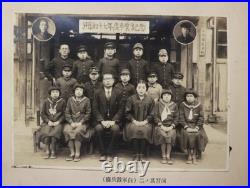
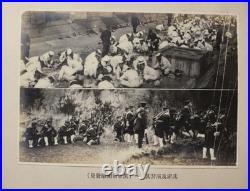
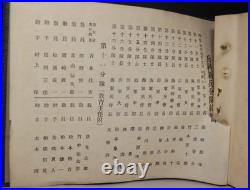
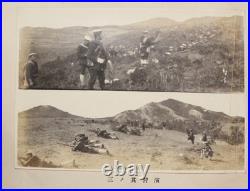
This is an original 1923 Imperial Japanese Navy commemorative photo album documenting the training and graduation of a group of newly enlisted sailors. The cover is inscribed: “Graduated May 1, 1923″ “Commemorative Photo Album” “Naval Recruit Division” This is an important detail because it tells us exactly what this album represents. It is not simply a collection of old Japanese Navy photographs. It was created to commemorate a specific group of naval recruits who completed their training on May 1, 1923. In modern terms, it can be understood somewhat like a graduation album-but instead of ordinary school life, it records the process by which young men were transformed into trained sailors of the Imperial Japanese Navy. From Recruit to Sailor Young men entering the Imperial Japanese Navy did not simply enlist and immediately board a battleship or cruiser. This album provides a remarkable visual record of that process. For someone unfamiliar with Japanese naval history, one of the most interesting aspects is the amount of land combat training shown here. The word “Navy” naturally brings battleships, cruisers, and life at sea to mind. However, Japanese sailors could also be required to operate ashore, and their training therefore included weapons and land-based military exercises. This album allows us to see that training rather than merely read about it. Rare Glimpses of Naval Training Several photographs are particularly striking. One sequence shows naval cutters moving across the water, their crews rowing beneath Imperial Japanese naval ensigns. Other photographs show sailors deploying across open terrain during field exercises. Another remarkable image shows sailors standing beside the naval ensign while an explosion occurs in the background. Its original Japanese caption refers to a headquarters area and bridge demolition, providing an unusual glimpse of demolition training. These are not staged modern reproductions. They are photographs preserved as part of the recruits’ own 1923 graduation record. The Names Behind the Photographs Another historically valuable feature is a page titled approximately: Names of Officers and Instructors of the Naval Recruit Divisions. It records the names and positions of division leaders, officers, instructors, and assistants associated with the training organization. This transforms the album from a collection of anonymous military photographs into something much more personal. These were real instructors and recruits belonging to a specific Japanese naval training unit more than a century ago. Before World War II The date is also important. These sailors graduated on May 1, 1923-18 years before Japan entered the Pacific War in 1941. Therefore, this is not primarily a World War II combat album. Its real theme is: How a young Japanese recruit became a Navy sailor. Following the photographs allows us to see the discipline, weapons training, seamanship, physical exercises, comradeship, and daily institutional life that formed part of that transformation. In this sense, the album is almost a time capsule of Imperial Japanese Navy recruit life in 1923. The Imperial Japanese Navy was considerably smaller than the Imperial Japanese Army, and enormous quantities of naval material were subsequently lost through wartime destruction and the collapse of the Japanese Empire. An intact photographic record combining a precise graduation date, identifiable training organization, personnel names, and such a broad range of training scenes therefore offers considerable historical interest. The album shows age-related wear, staining, discoloration, deterioration, and damage to the binding and pages. Please examine the photographs carefully for condition. More than a century ago, these young men entered naval training, learned to march, shoot, row, operate in the field, and finally graduated together on May 1, 1923. This is not the story of a warship. Own a Piece of History. International Buyers – Please Note.



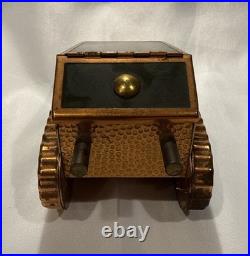
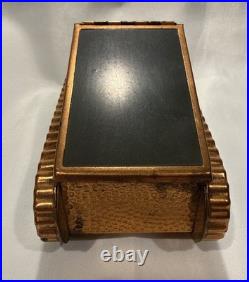
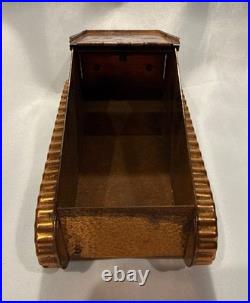
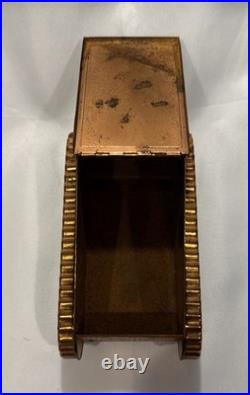
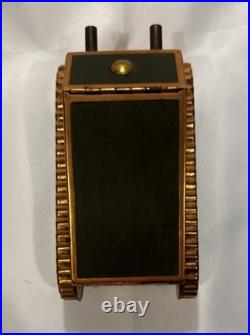
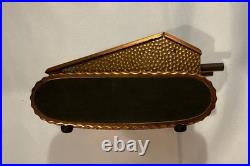
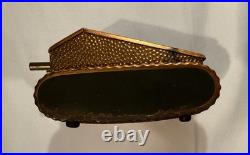
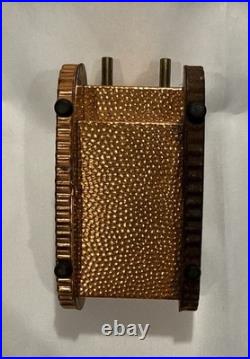
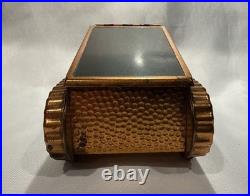


For sale is an antique WWI era US Army tank copper cigarette holder snuff box, which served as a unique and luxurious accessory for an officer’s desk during the war period. This original piece from the United States is a rare find for collectors interested in militaria and historical artifacts from the early 20th century. The intricate design and craftsmanship of the piece add to its appeal as a special and unique addition to any collection. Authentic aged patina across the copper surfaces. The interior lining shows light, natural wear consistent with age, proving its historic character. Both forward barrels are intact. Treads and lid hinge are solid. Size: 5″ L x 3″ H x 3 W. The item comes from a smoke-free, pet-free, kid-free, climate-controlled environment. Please do your research on this item before purchasing. See pictures for more details on condition. Please see my other items for sale. Thank you and good luck. Please do not hesitate to contact me for any reason If you feel that you cannot leave a positive comment with all 5 stars. Antique WWI era US Army tank hammered copper cigarette holder snuff box. Originally designed as an officer’s desk accessory for holding cigarettes, matches, or snuff tobacco. It served as a unique and luxurious accessory for an officer’s desk during the war period. It is a fantastic conversation piece and a rare collectible for history buffs. Stunning Materials: Crafted with a gorgeous, textured hammered copper finish along the sides and bottom, perfectly complemented by dark green/black metal accent panels. Details: Features iconic molded track shapes along the flanks and twin protruding gun barrels at the bow to mimic early armored combat vehicles. Functional Mechanical Lid: The sloped armor roof acts as a sturdy hinged lid that flips open smoothly to reveal a spacious, deep-set metal interior compartment. Condition: Very Good Antique Condition. Structure: Solid construction with no structural warping. The hinge is fully intact and moves smoothly. Cosmetics: Displays a beautiful, authentic aged patina across the copper surfaces. The interior shows light, natural wear consistent with age, proving its historic character. Item Type: Novelty Desk Box / Cigarette Holder / Keepsake Container. Theme: World War I (WWI) Military Tank / Trench Art Style. Estimated Era: Early-to-mid 20th Century.

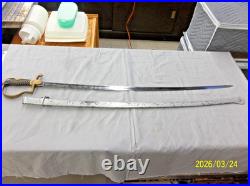
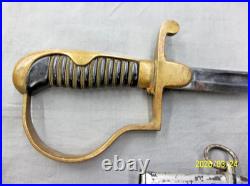
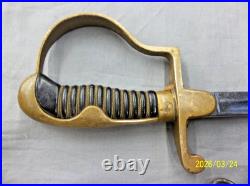
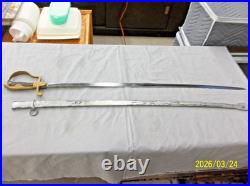
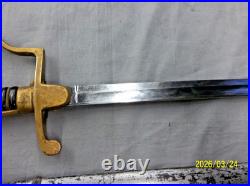
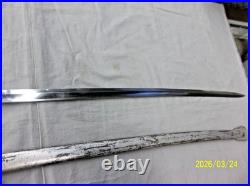
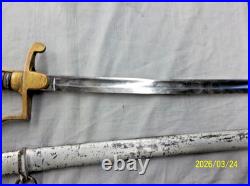
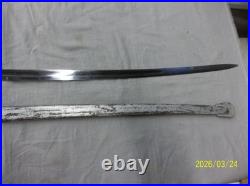
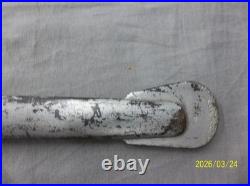
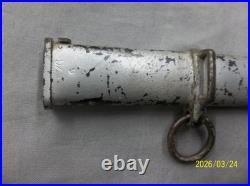
Antique Carl Eickhorn Early Military Officer Sword Soligen.

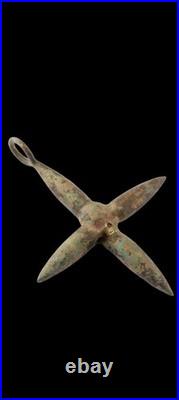
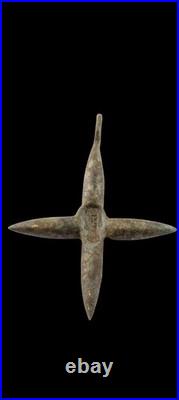
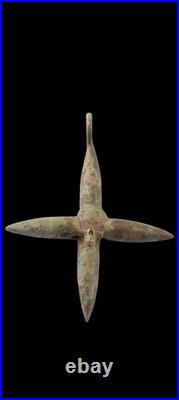
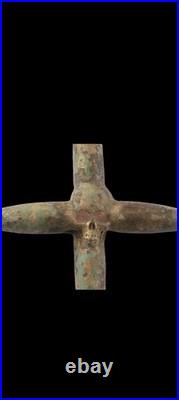


The WWI WW2 Collectable is a unique and rare piece of militaria, featuring a design inspired by the soldiers of World War I and ww2. Item showcases intricate craftsmanship and historical significance, making it a valuable collectible for anyone interested in military history. This antique piece is a one-of-a-kind treasure that pays tribute to the bravery of the soldiers who served during the Great War.

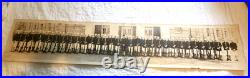
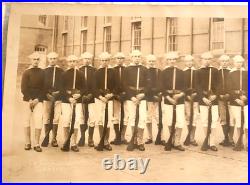
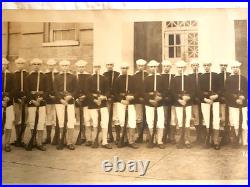
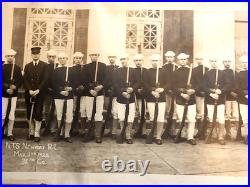
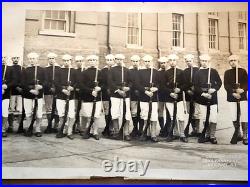
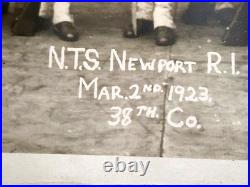
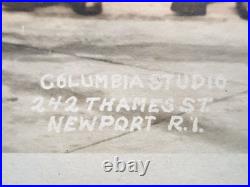

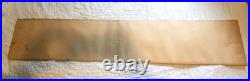
This photo has some edge wear. It is a little wavy. (Please see photos for more details). Additional photos available upon request. Please specify details you would like to see more clearly. Most items not sent internationally.



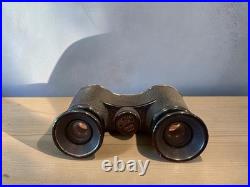
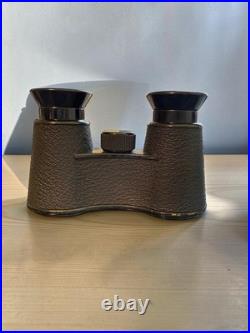
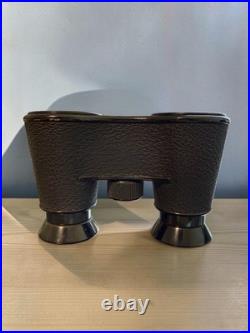
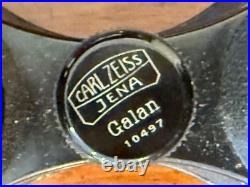
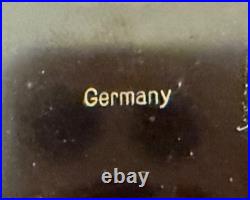






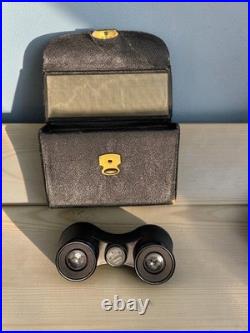
A refined example of early 20th-century optical craftsmanship, these antique Galilean opera glasses were produced by Carl Zeiss Jena between 1924 and 1934, representing a period when German engineering set the global standard for precision optics. Compact and elegantly designed, these field glasses reflect the classic Galilean optical system-valued for its simplicity, clarity, and portability. Originally intended for theatergoing and light field use, they embody both function and sophistication from a bygone era. Crafted in Germany by the renowned Carl Zeiss Jena, this piece carries both historical and collector significance, offering a tangible connection to interwar European design and innovation. Antique Carl Zeiss Jena opera glasses. Made in Germany (Jena). Compact, lightweight field glasses. Optics: (update-clear / minor haze / spotting). Focus: (confirm smooth operation). Exterior shows age-appropriate wear. Case present with vintage patina. Early Zeiss production period (interwar era). Galilean system typical of theater/opera use. Strong crossover appeal: optics + decorative display. Increasingly sought after by collectors of scientific instruments. Theater or opera enthusiasts. Library or study décor. These opera glasses are more than a viewing instrument-they are a preserved piece of early 20th-century craftsmanship, reflecting a time when even the smallest objects were built with precision and purpose. Please review the photos carefully as they are part of the description. Price is reflective of condition, age, and market availability. Extra care will be taken to ensure safety during transit.

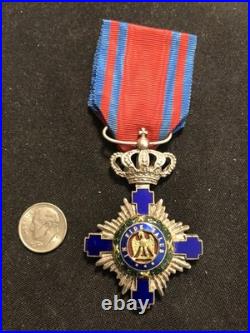
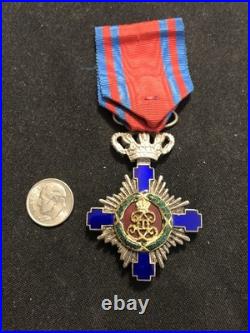
ANTIQUE ORDER OF THE STAR OF ROMANIA MEDAL MADE FROM ENAMEL & SILVER, in Excellent Condition.