
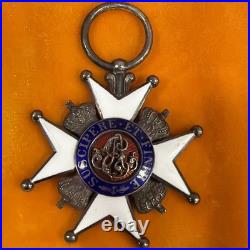
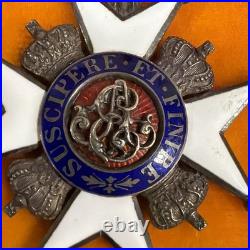
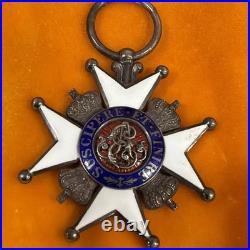
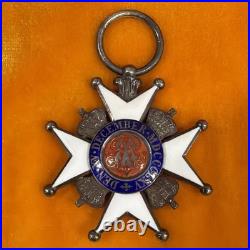
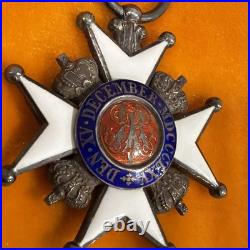
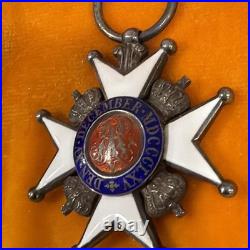
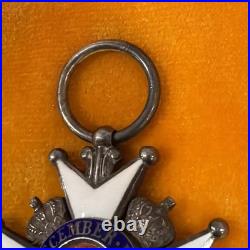
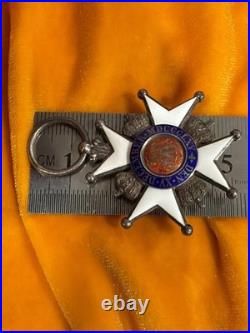
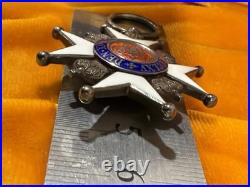
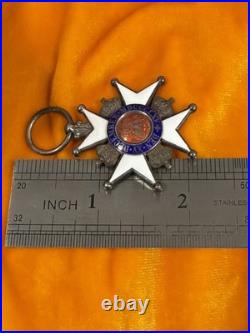
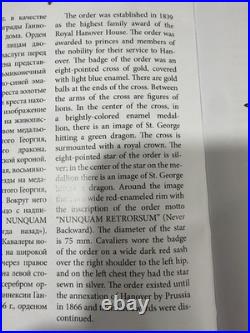
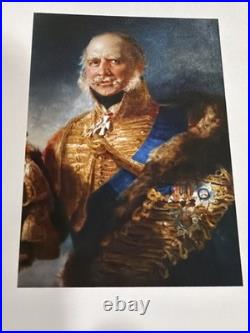

Germany / HANNOVER 1839. The product is an original. Order of ERNST AUGUSTUS. Instituted in Hannover / Germany on Dec. 15 1839 (Discontinued in 1866). This collectible item falls under the theme of Militaria and is a rare piece from the period of 1839 -1866. The fact that it was discontinued in 1866 adds to its historical significance and appeal to collectors interested in military history and memorabilia from this time period. I combine domestic and.

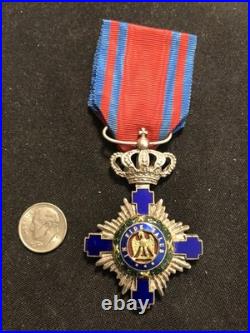
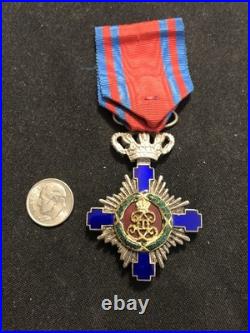
ANTIQUE ORDER OF THE STAR OF ROMANIA MEDAL MADE FROM ENAMEL & SILVER, in Excellent Condition.

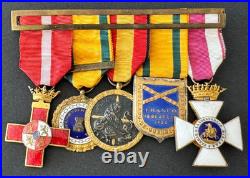
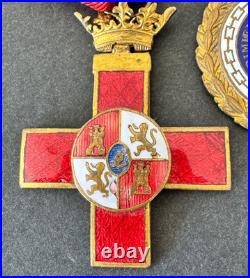
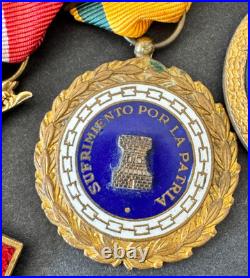
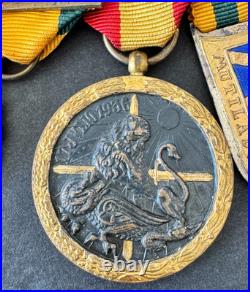
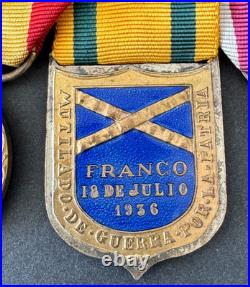
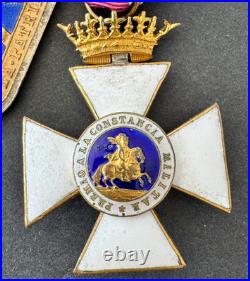
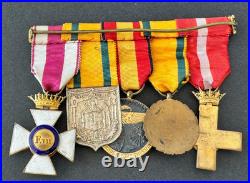
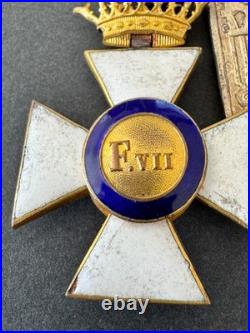
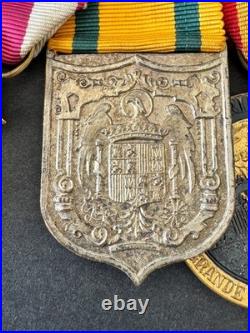
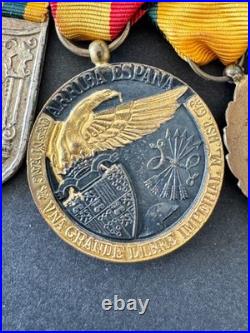
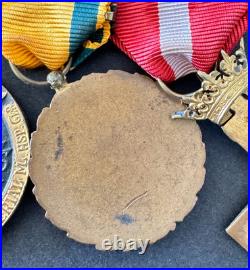
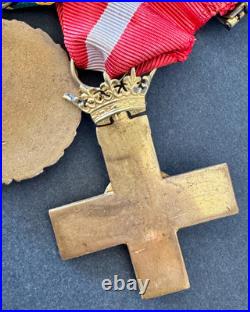
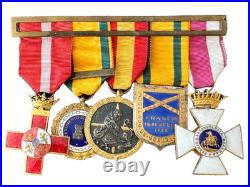
This cohesive grouping belongs to a Nationalist combatant who was wounded in action and recognized for long-standing, dedicated military service. The medals feature beautiful original enamel work, distinct period patination, and correct original ribbon configurations mounted onto a traditional brass parade presentation bar. Medal Breakdowns (Left to Right). Cross of Military Merit (Red Distinction / Cruz del Mérito Militar con Distintivo Rojo). Red enameled Greek cross with a central quarterly shield of Castile and León, featuring the Bourbon fleur-de-lis in the center. Topped with a royal crown suspension. Awarded for courage, effective service, or merit during actual combat operations. Medal for Suffering for the Motherland (Medalla de Sufrimiento por la Patria). Gold-gilded laurel wreath enclosing a deep blue enameled center with a silver castle tower. The white outer enamel ring reads. “Sufrimiento por la Patria”. Specifically awarded to military personnel who were wounded in action during combat. Blackened bronze finish with a gilt rim. Depicts a Spanish lion slaying the dragon of Communism under a radiant sun with the date. The reverse shows the Francoist Eagle with the yoke and arrows logo and the text. The standard campaign medal awarded to all Nationalist forces who participated in active military operations during the war. Medal for the War Mutilated (Medalla de Mutilado de Guerra). Shield-shaped medal featuring a gold cross of Burgundy on a blue enameled background. “Mutilado de Guerra por la Patria – Franco 18 de Julio 1936″. A specialized, highly respected award presented exclusively to soldiers who sustained permanent, disabling physical injuries or lost limbs in battle. Royal and Military Order – Knight’s Cross. White enameled Maltese cross with a crown suspension. The central blue medallion depicts Saint Hermenegild on horseback, surrounded by the inscription. “Premio a la Constancia Militar”. The reverse features the royal cypher. Awarded to military officers to recognize long, continuous, and unblemished military career longevity and loyalty. Good overall preservation with rich, deep colors. Some light surface wear consistent with age; no major chips or structural cracks to the enameled segments. Displays an attractive, honest period patina. The gilt details retain good luster, and the strike details on the Campaign Medal are clean and sharp. The original silk ribbons show expected light fading and structural aging. The reverse side features the authentic pin assembly on a sturdy brass frame, showcasing an untouched, original period assembly. Therefore, you are asked to please check ALL posted photos and review the Description Section before purchasing an item from our store. Before listing, we clean and inspect our items for neatness and accuracy. We know how important it is that your item arrive quickly and undamaged, so we will take great care in packing your items professionally and properly. You will never be disappointed.

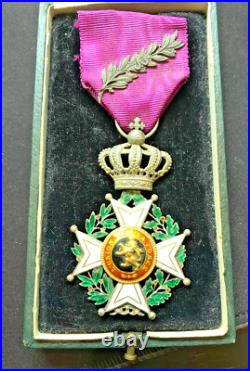
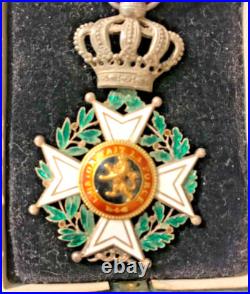
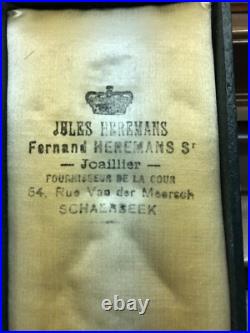
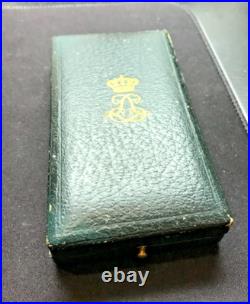
Original Belgium order of Leopold – Grand Cross Military Medal with palm. Comes in original box. Box has a smell. On sales of all items within Canada, regardless of exemption status. I will answer questions from Mondays to Fridays. M to 5 p.

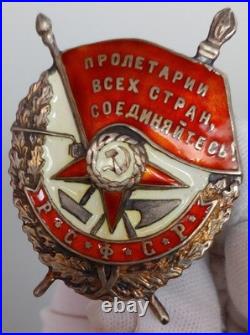
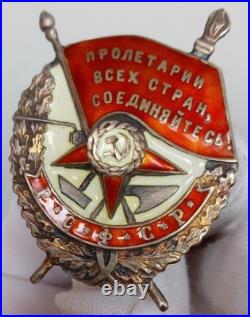
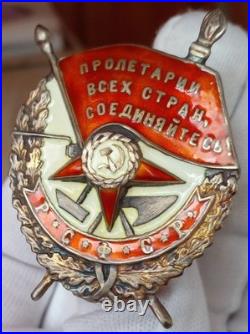
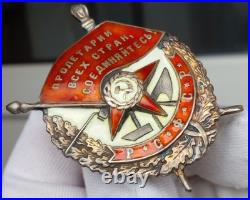
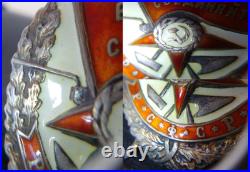
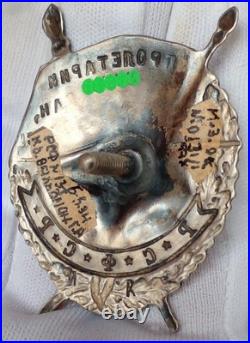
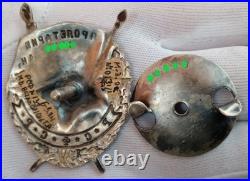
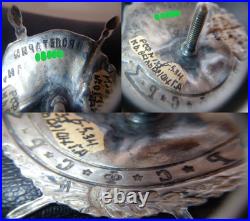
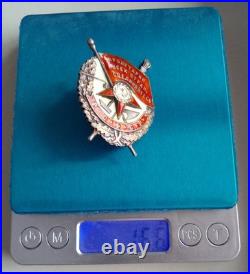
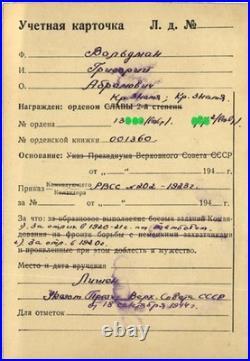
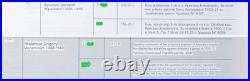
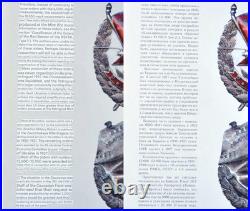
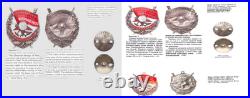
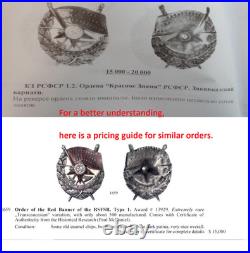

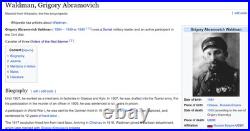
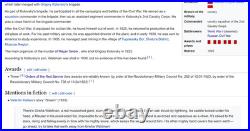
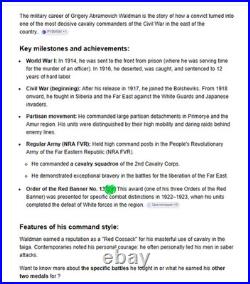
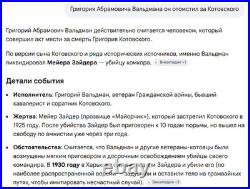
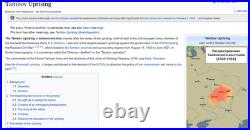
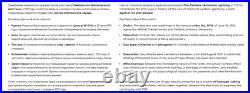
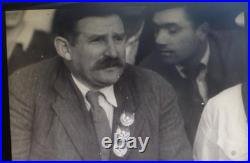
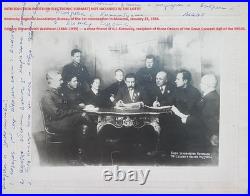
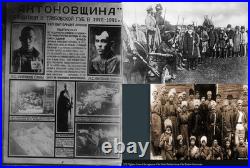
Order of the Red Banner of the RSFSR, so-called “TRANSCAUCASIAN OR UKRAINIAN, ” ATYPICAL TYPE (from the first 20 starting copies), outside the range from No. 13,599 to 13,010-13,029. THIS AWARD IS RELATED TO THE DIRECTIVE. Revolutionary MILITARY COUNCIL OF THE REPUBLIC OF THE RVSR No. 202 of December 31, 1923. FOR THE SUPPRESSION OF THE TAMBO (ANTONOV) UPRISING OF 1920-21. WHEN, FOR THE FIRST TIME IN HISTORY, CHEMICAL POISON WEAPONS WERE USED AGAINST CIVILIANS AND PEASANTS!!! The actual award ceremony took place in 1930, when the USSR celebrated the 10th anniversary of the creation of the First Cavalry Army. I WOULD ALSO LIKE TO NOTE THE SPECIAL SERVICES AND HEROISM OF THE AWARDED BROKER, G. SINCE he was the main organizer of the assassination of Meyer Seider, who shot Grigory Kotovsky in 1925. (TO WHOM ARE FAMILIAR WITH SOVIET HISTORIOGRAPHY, KOTOVSKY IS A LEGEND). Grigory Ivanovich Kotovsky (June 12 [24], 1881 – August 6, 1925) – Russian revolutionary, Soviet military and political figure, and hero of the Russian Civil War. He rose from a criminal in the Russian Empire to a member of the Union, Ukrainian, and Moldavian Central Executive Committees of the USSR. Member of the Revolutionary Military Council of the USSR. A legendary hero of Soviet folklore and literature. Silver, remnants of gilding, enamel, complex composite silhouette (counter-relief format) of a battle flag, engraved openwork oak leaves, smaller in size than the basic version 1.1. At the bottom of the reverse are the mintmaster’s initials I-K. A complete silver nut with a number, weight – 16.6 grams, nut weight – 5.9 grams. MUSEUM INVENTORY TAG WITH THE INSCRIPTION. Several examples are noted that differ in appearance from the majority of badges. The differences are clearly visible when comparing the elements of the semicircular wreath, the letters “????? ” on the red enamel ribbon, and a number of other details. The base of the order is thicker. The obverse design of this version of the order, unlike the first, has slight differences in. The oak wreath leaves are clearer and more detailed. The counter-relief on the reverse is also clearer. The reverses of the orders. Of this version differ in the clarity of the counter-relief. The lower part of the reverse is stamped with. Raised letters “? ” and? . These are most likely the initials of the minimaster who made the stamp for these orders. The orders of this version have the same types of silver washers and nuts with stamped markings as the orders of the first version. The number range for this version of the order is presumably between 13500 and 13999. The lowest known number is 13609, the highest is 13983. It should be noted that there are exceptions to this number range. Furthermore, each individual batch of 50 pieces out of 400 contains characteristic features. Leaf slits, the outline of a hammer and sickle, a more characteristic counter-relief reverse. Or smoothed without bulges, and the Münzmeister’s initials “I-K” and “I-N”. BIOGRAPHY OF THE KNIGHT. Recipient of three Orders of the Red Banner. Until 1907, he worked as a mechanic in factories in Odessa and Kyiv. In 1907, he was drafted into the Tsarist Army. For his participation in the murder of an officer in 1909, he was sentenced to six years in prison. He fought in World War I. In 1914, he was sent to the German front. In 1916, he deserted, was captured, and sentenced to 12 years of hard labor. The 1917 Revolution freed him from hard labor. Arriving in Chisinau, Waldman joined a partisan detachment in 1918, which later merged with Grigory Kotovsky’s brigade. As part of Kotovsky’s brigade, he participated in all the campaigns and battles of the Civil War. He was a squadron commander in the. Brigade, then an assistant. A regimental commander in Kotovsky’s 2nd Cavalry Corps. He was a close friend of the brigade commander. After the Civil War, ill-adapted to civilian life, he found himself out of work. Old place of work. For his past combat service, he was appointed director of the plant, and in early 1930, he was sent to America to study experience. In 1935, he managed peat mining in the village of Tugolessky Bor, Shatura District, Moscow Region. He was the main organizer of the murder of Meyer Seider, who shot Grigory Kotovsky in 1925. According to Kotovsky’s son, Waldman was executed in 1939, but no evidence has been found. The Tambov Uprising, or Antonovshchina (named after the leader of the uprising, chief of staff of the 2nd Insurgent Army, and a member of the party) The Antonov Rebellion Socialist Revolutionary A. Antonov’s rebellion was one of the largest peasant uprisings against the Russian Communist Party during the Russian Civil War, lasting in Tambov Governorate and surrounding regions from August 19, 1920, to June 1921. In Soviet historiography, it is sometimes referred to as the “Antonov Rebellion” or the Tambov Operation. The commander of the United Partisan Army and chairman of the Union of Working Peasants (STK) was Pyotr. Like the Kronstadt uprising, it largely contributed to the RCP’s decision to abandon the policy of War Communism and transition to the New Economic Policy (NEP). The use of chemical weapons against participants in the Tambov (Antonov) Uprising in 1921 is considered the first instance in history of the use of chemical warfare agents by a state against its own people. Key facts about this event. Order: The decision was enshrined in the famous. 0116 of June 12, 1921, signed by Mikhail Tukhachevsky and Vladimir Antonov-Ovseenko. Goal: To flush the rebels out of the dense forests where they were hiding and out of reach of conventional artillery and cavalry. Gas type: Chlorine and phosgene (in cylinders and chemical shells) were primarily used. Execution: Gas attacks were carried out between June and August 1921. In particular, shelling of forested areas near Lake Ramza has been documented. Effectiveness: Despite the terrifying nature of the order, the actual combat effect was limited due to poor personnel training, a shortage of ammunition, and weather conditions. However, the psychological impact on the peasants and families of the rebels was colossal. It is worth noting that the use of gas was accompanied by a system of hostage-taking and executions of civilians, which together enabled the Red Army to suppress the uprising by mid-1921. Archival and reference materials in electronic form!! ORDER WITH NO ANALOGUES!!! A COMPREHENSIVE EXPANDED EXAMINATION WAS CONDUCTED FOR THE ORDER!! MORE DETAILED INFORMATION CAN YOU RECEIVE IN PRIVATE BY CONTACTING ME WITH A PERSONAL QUESTION? IN THE INTERESTS OF THE CLIENT, FOR THE PURPOSE OF ANONYMITY, THE ORDER MARKING IS PARTIALLY HIDDEN. P/S FROM THE COLLECTION OF THE ALL-UNION MUSEUM!!

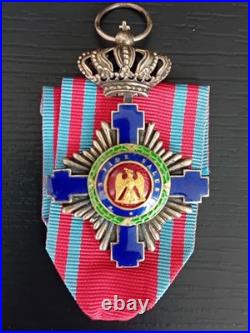
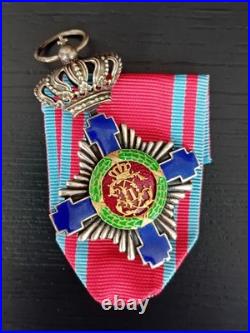
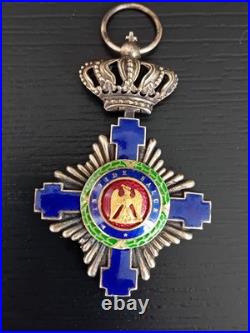
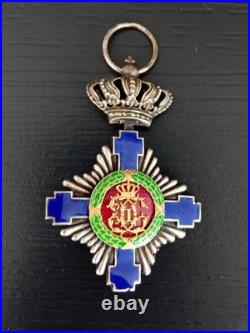
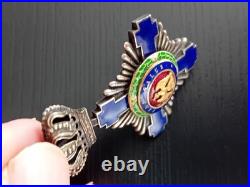
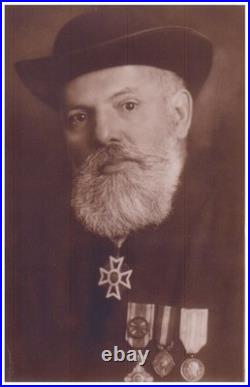
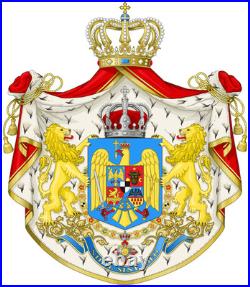
Order of the Star of Romania. The ribbon is replica. Which I bought separately from the Orden to make the set.

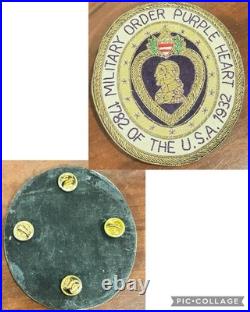
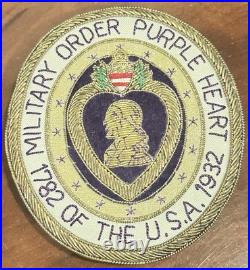
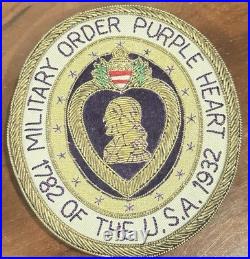
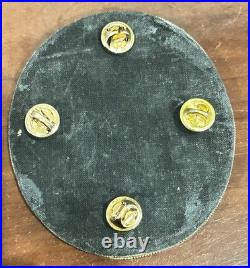
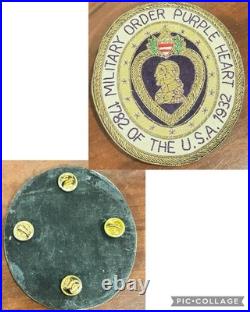
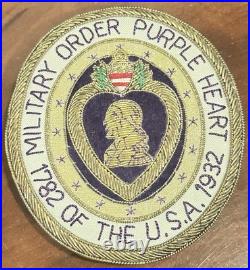
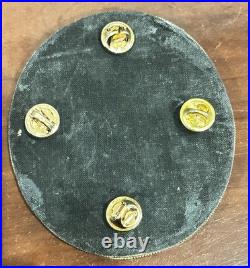
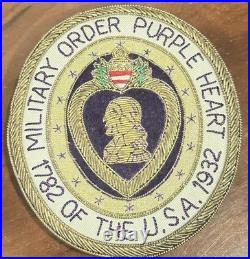
The product is an original period military order purple heart of the USA gold bullion embroidered patch, from 1782 to 1932. This collectible item holds a theme of militaria and originates from the United States. The patch likely carries historical significance and would be a unique and valuable piece for collectors interested in military artifacts.

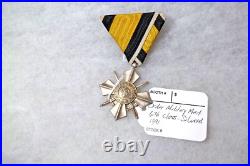
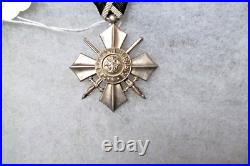
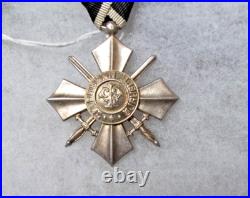
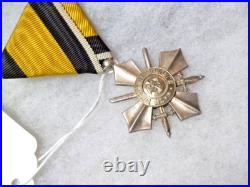
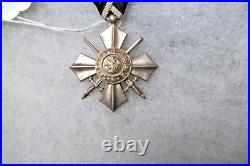
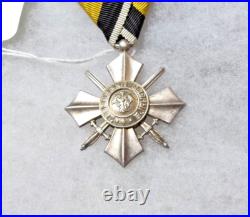
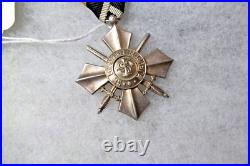
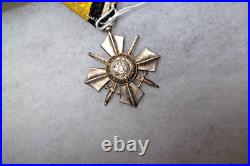
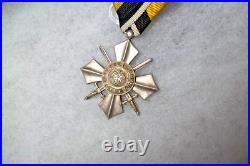
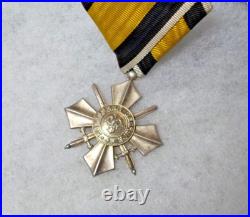
Original, Vintage Silvered National Order of Military Merit with Original triangular Ribbon; it is also called Order of Merit, Order for Military Merit, and Order of National Military Merit. Stablished May 1900 as a Grand Cross and six classes and awarded to military personnel for loyal service and merits in the time of both peace and war. The lowest class of the Order of Military merit is the so called silver cross that is made of either silver or a silvered metal alloy (like this one). This example of the VI class is on a ribbon of yellow, bordered with a wide black and thinner white stripes on either side. It is an urdy cross (46 mm), with crossed swords between the arms, on laterally-pierced ball suspension. The face is a circular central medallion bearing the monogram. For Ferdinand I, institutor of the Order, within a ring inscribed’???????????????’ (for Military Merit) and at bottom a star with a dot on each side. The reverse is a circular central medallion bearing the Bulgarian lion rampant with a shield with the Saxon coat of arms imposed on its breast within a ring inscribed with the date’2 AB?? CT? 1891′ (2 August 1891) and a star with 2 dots on each side of the date 1891. From my personal collection. You will receive the medal in photos.

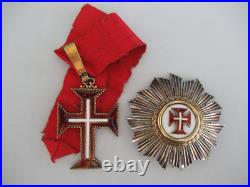
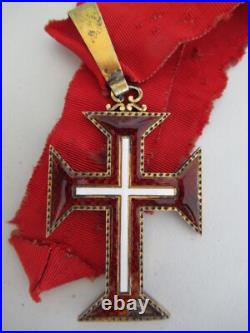
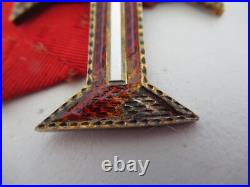
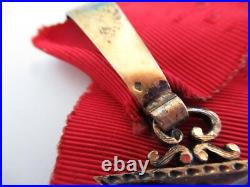
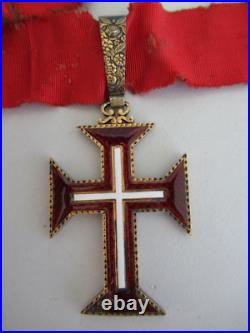
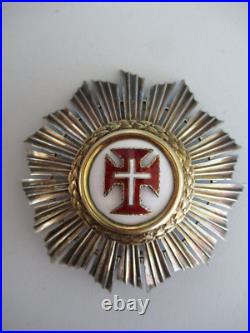
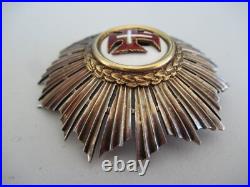
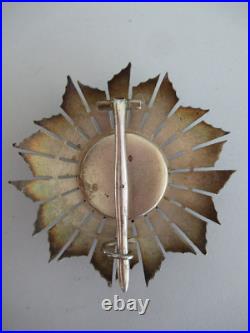
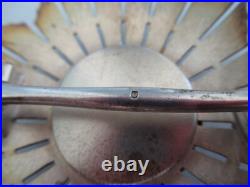
100% ORIGINAL ISSUE PIECE. Argentina, Brazil, Chile, Colombia, Romania, Bulgaria, Mexico, China, Macau, Turkey, United Arab Emirates, Montenegro. CANADA, USA, UK, IRELAND, AUSTRIA, DENMARK, SWEDEN, NORWAY, FINLAND, GERMANY, FRANCE, BELGIUM, ITALY, SWITZERLAND, NETHERLANDS, LUXEMBOURG, AUSTRALIA, AND NEW ZEALAND.

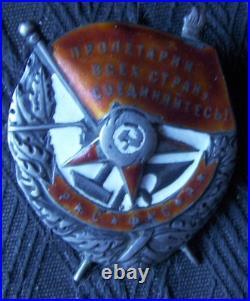
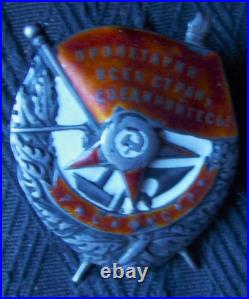
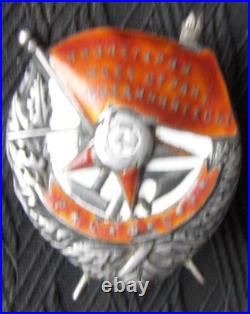
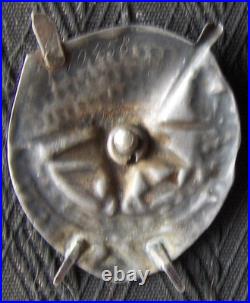
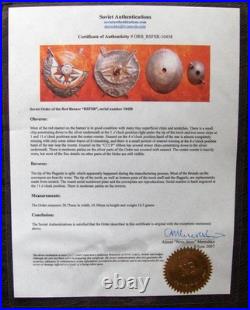
Soviet Russian order of Red Banner RSFSR with certificate of Authenticity #10458.