
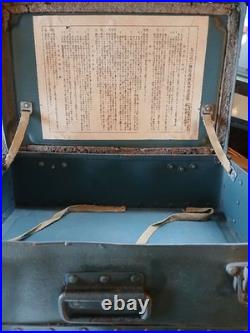
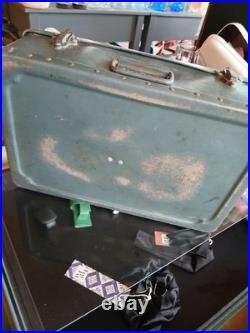
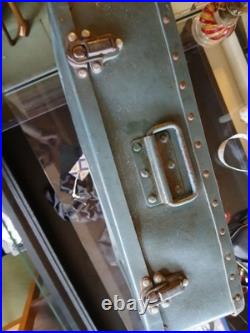
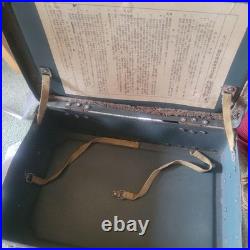
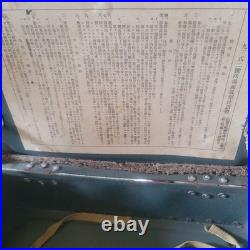

This is an original WWII-era Imperial Japanese Navy carrying case for the Type 93 No. Important: The gas mask itself is NOT included. This listing is for the original carrying/storage case only. One of the most interesting features is the original instruction sheet attached inside the lid, titled Instructions for the Type 93 No. 2 Gas Mask, Type 4. Its survival inside the original case makes this a particularly interesting historical reference piece. The Type 93 gas mask was protective equipment used by the Imperial Japanese Navy. Such equipment was intended not only as protection against chemical warfare agents, but also for hazardous conditions that could occur aboard warships and at naval installations, including smoke and potentially harmful fumes resulting from fires, explosions, shelling, or bombing. This case was specifically designed for the storage and transportation of that protective equipment. It is constructed as a sturdy military carrying case and still retains internal fabric straps. The original Japanese instruction sheet remains attached to the inside of the lid. While Japanese Army equipment survives in relatively large quantities, original Imperial Japanese Navy equipment is generally encountered less frequently. Specialized accessories such as dedicated gas-mask cases are also often separated from their original equipment over the decades. For collectors of Japanese naval militaria, the surviving original instruction sheet is an especially attractive feature. The case shows significant age and service wear, including paint loss, scratches, surface rust, staining, and general deterioration consistent with an approximately 90-year-old military item. The instruction sheet also shows age-related wear. Gas mask, filter canister, and other equipment are NOT included. Only the carrying case shown in the photographs is included. An interesting original piece for collectors of Imperial Japanese Navy equipment, WWII Japanese militaria, naval equipment, and historical military artifacts. International Buyers – Please Note.

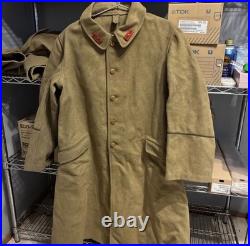
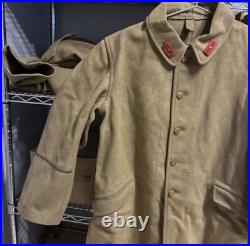
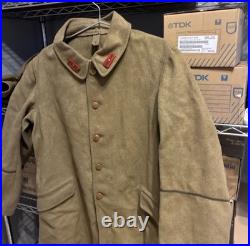
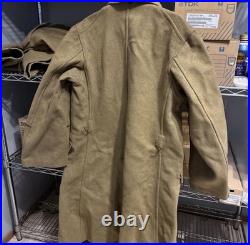
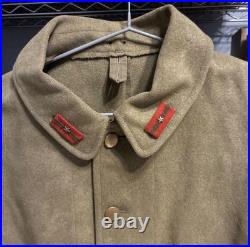
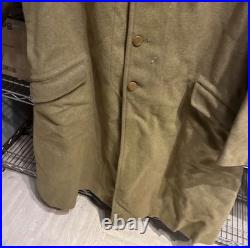
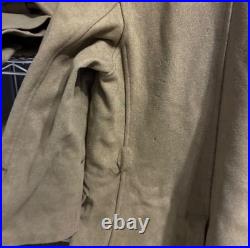
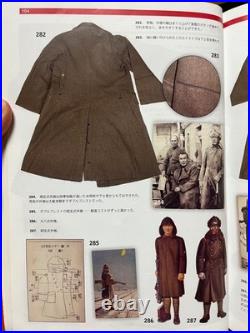
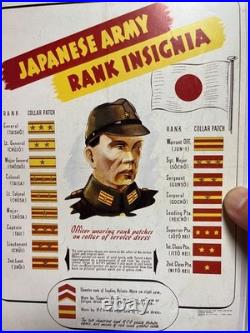
This is an original. Imperial Japanese Army Type 5 (Showa Type 5) wool greatcoat. The collar insignia identifies the original owner as a. A non-commissioned officer (NCO) responsible for leading small units and training soldiers in the Imperial Japanese Army. 1937 marked the beginning of the Second Sino-Japanese War, when Japan began its large-scale military campaign in China. This greatcoat was manufactured during that pivotal year and represents an authentic piece of early WWII Japanese military history. Unlike the later Type 98 greatcoat, the Type 5 model was made from thick, high-quality wool and offered excellent protection against severe winter conditions. Because it was expensive to manufacture, it was eventually replaced by a simpler and more economical design, making surviving Type 5 examples increasingly desirable among collectors today. Original Arsenal and Issue Markings. The inside of the coat still retains several original Japanese arsenal and inspection markings. Manufactured in Showa 12 (1937). Main Arsenal Inspection Passed. Even more importantly, the interior also bears hand-written ownership markings. “Abe Juichi” . These original handwritten inscriptions connect the coat to the individual soldier who once wore it, transforming it from a military uniform into a tangible piece of personal history. Original Type 5 Imperial Japanese Army greatcoat. Original Corporal (NCO) collar insignia attached. Original arsenal stamps and handwritten name remain visible. Moth damage, small holes, stains, and signs of age are present. Please examine all photographs carefully for condition. Considering that this coat is nearly 90 years old, it remains an impressive surviving example of an early Imperial Japanese Army winter uniform. Military uniforms with a confirmed production year, original arsenal markings, rank insignia, and a named owner are becoming increasingly difficult to find. An excellent addition for WWII militaria collectors, museums, reenactors, or anyone interested in Imperial Japanese Army history. Own a Piece of History. International Buyers – Please Note. Thank you for your understanding.

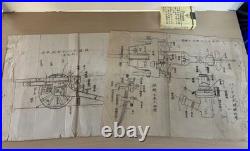
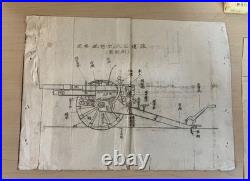
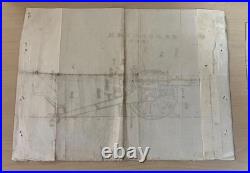
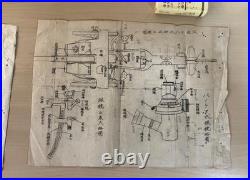
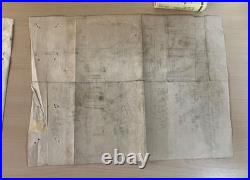
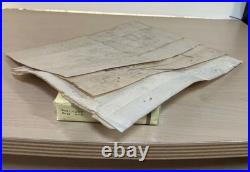
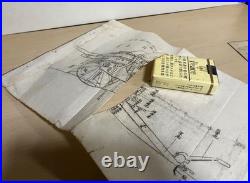
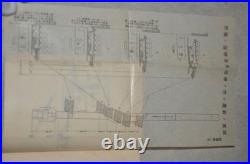
These are two original technical drawing sheets for the. Modified Type 38 (Model 1905) Field Gun. Used by the Imperial Japanese Army. Rather than an instruction manual, these are detailed engineering drawings illustrating the construction and layout of one of Japan’s most important field artillery pieces. The drawings include both the gun itself and its optical aiming equipment, making them valuable references for military historians, artillery researchers, model builders, and collectors of original technical documents. Type 38 Field Gun. Was officially adopted in. And became the principal field artillery piece of the Imperial Japanese Army for decades. Later improved as the. Modified Type 38 Field Gun. Its maximum range was significantly increased, allowing it to remain in frontline service well into World War II. This artillery system saw service in numerous conflicts including. The Second Sino-Japanese War. The Battles of Khalkhin Gol (Nomonhan). One particularly interesting aspect of this artillery is its historical connection to. Japan adopted German recoil technology and further refined it domestically, making the Type 38 one of the defining artillery pieces of the Imperial Japanese Army during the first half of the 20th century. Modified Type 38 Field Gun – Side View. Shows detailed construction including. Modified Type 38 Field Gun – Top View. Also includes detailed drawings of. These illustrate the aiming instruments and their installation in remarkable detail. Why These Drawings Matter. Original Japanese military manuals occasionally appear on the market, but. Original engineering drawings are considerably scarcer. Unlike printed manuals intended for general military use, these sheets document the mechanical design and layout of the weapon itself, preserving technical information that was used to understand and maintain one of Japan’s primary field guns. Because of this, they appeal not only to military collectors but also to researchers, museums, historical reenactors, and scale model builders seeking authentic reference material. These are original historical paper documents and show age-related wear including. General wear from age. Please examine the photographs carefully for condition. Own a Piece of History. International Buyers – Please Note. Thank you for your understanding.

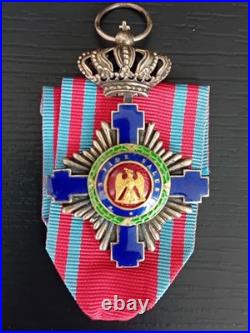
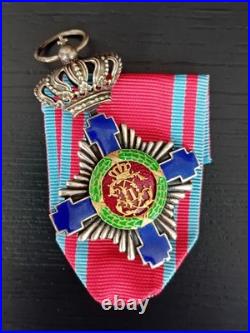
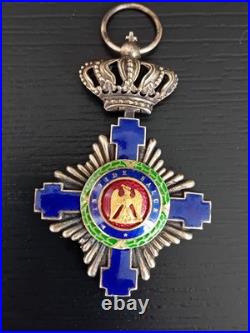
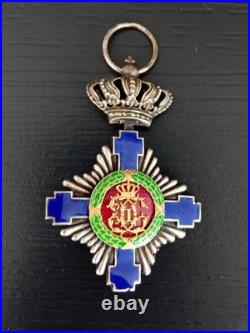
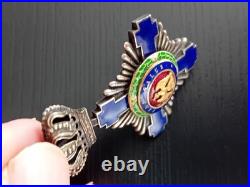
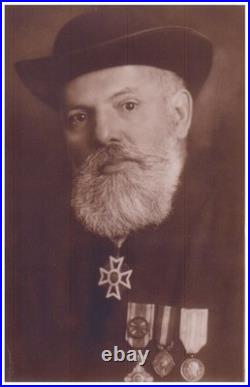

Order of the Star of Romania. The ribbon is replica. Which I bought separately from the Orden to make the set.

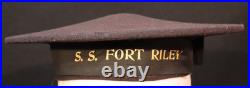


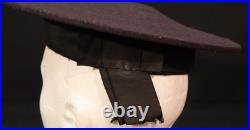


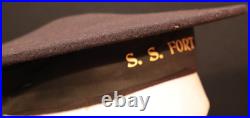
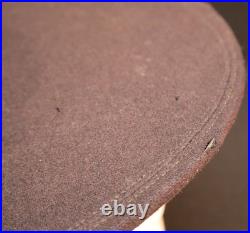
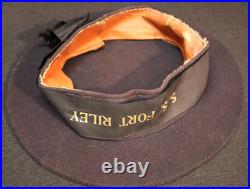
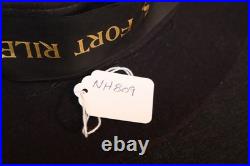
WWI – Interwar USN Navy Service Type Sailors Flat Cap S. FORT RILEY Tally with some moth hits as shown – Overall Good Condition. As Photographed with wear and age as seen (see photos for condition). A Great Candidate for any Collection, War Room, or Display. Recent Estate Collection Acquisition & Presented as Acquired, Scarce. Check back often – we search estates and sources across the world to bring a fine selection of militaria. Please review all photos for details regarding the condition of the item listed – further condition information will be included in the listing as is relevant, if you need additional photographs or have questions regarding the condition please do not hesitate to ask. I describe all items to the best of my ability – please do not hesitate to ask any and all questions prior to the close of the listing. Mistakes very rarely occur – however if one does please rest assured that it will be corrected. International Buyers are Welcome!

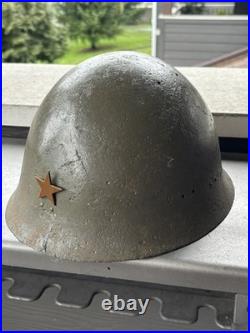
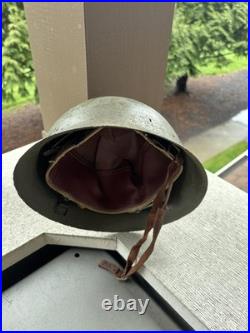
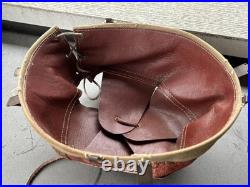
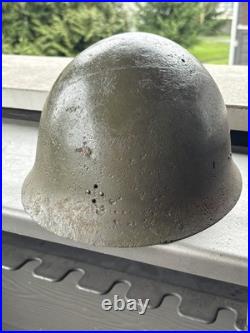
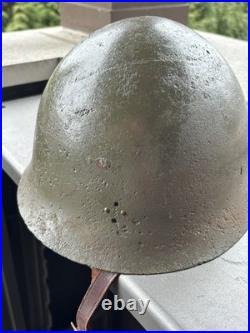
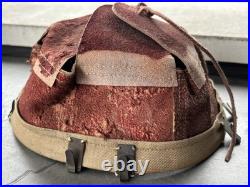
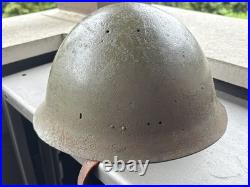
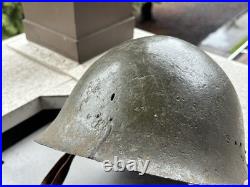
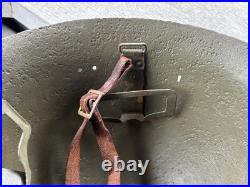
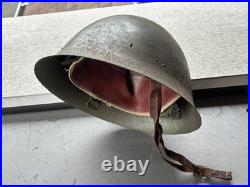
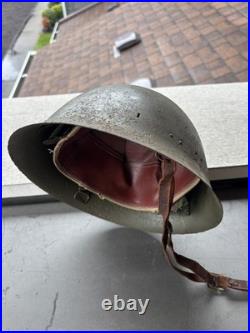
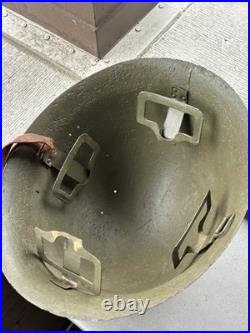
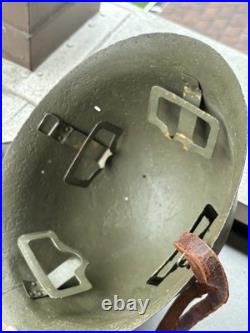
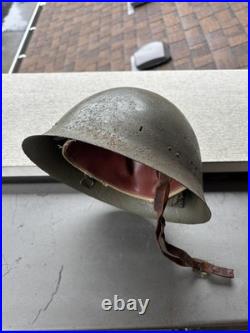
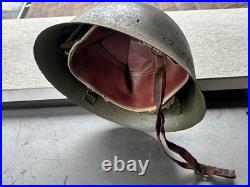
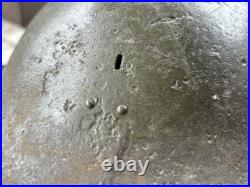
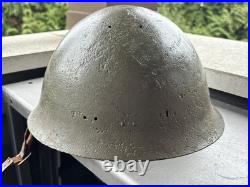
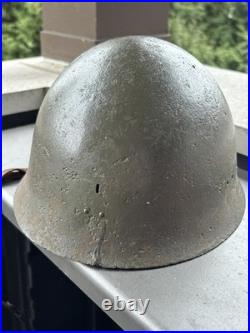
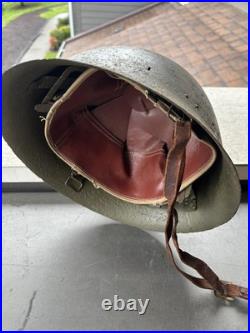
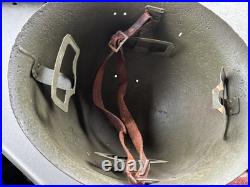
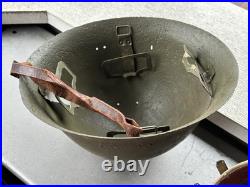
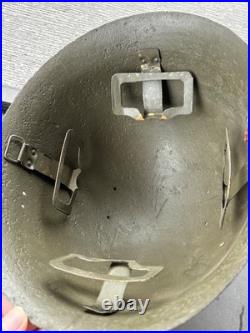
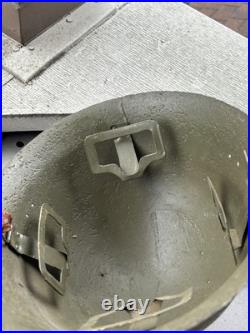
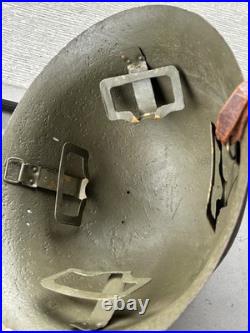
Original Type 90 Thailand Siam (Japanese) Helmet w/ Liner. The helmet used to be Japanese. It has heavy pitting, so my best guess is used extensively during ww2 and/or before. Star area in front has shadowing Otho al Thai shield but is missing now. I hav included replica Star for front. The liner is Thai and put in when converted. Leather chin strap is broken on one side. Overall great helmet for display to cover Japanese and Thai armies.

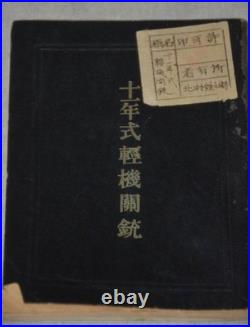
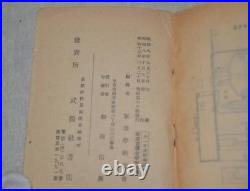
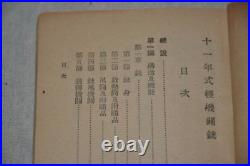
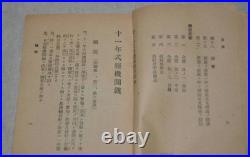
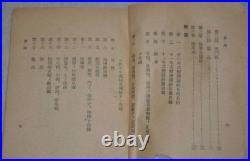
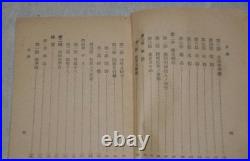
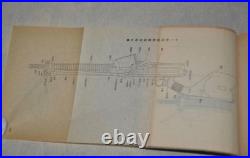
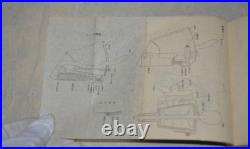
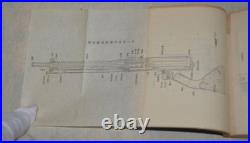
This is an original Imperial Japanese Army manual for the. Type 11 Light Machine Gun. The Type 11 light machine gun was adopted by the Japanese Army in. And was the first standard light machine gun widely used by Japanese infantry. It saw extensive service during the early stages of the Second World War. The Type 11 is particularly famous for its. Unique hopper-fed ammunition system. Making it one of the most distinctive machine guns developed during the interwar period. This manual explains the structure, operation, and maintenance of the weapon and includes information on. Construction of the machine gun. Disassembly and assembly. Firing and operation procedures. Anti-aircraft sights and accessories. A particularly notable feature of this manual is the inclusion of. 25 foldout technical diagrams. Showing detailed mechanical illustrations of the weapon, tripod, and components. These diagrams provide valuable insight into the engineering and military technology of the Imperial Japanese Army. Original Japanese military technical manuals with detailed diagrams are highly sought after by collectors of. Military firearms history. Japanese military documents. An excellent reference piece for collectors and researchers of Japanese military firearms. International Buyers – Please Note. Thank you for your understanding.

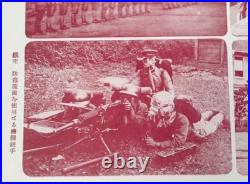
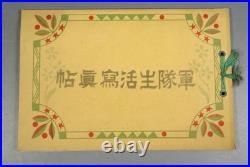

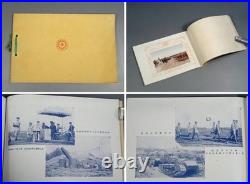
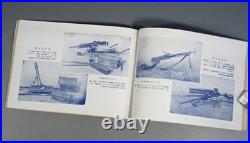
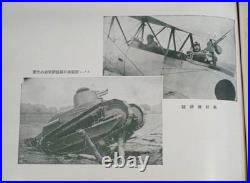
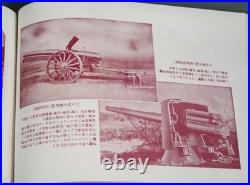
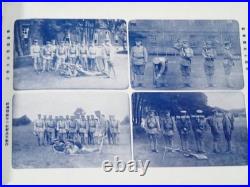
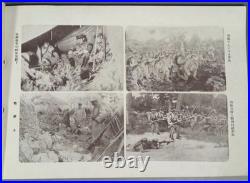
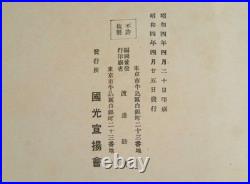
Published in April 1929 (Showa 4). This “Military Life Photo Album” was issued by Kokko Senyokai (a national promotion organization in pre-war Japan). 22.7 × 15.3 cm. Horizontal format photo book. This album documents Japanese Army life before the outbreak of large-scale conflict in Asia. It predates the Manchurian Incident (1931) and captures the atmosphere of the interwar Imperial Japanese Army. Unlike battlefield albums, this book focuses on military training and equipment, including. Type 11 Light Machine Gun. Type 38 Field Gun. Early armored vehicles and tanks. Gas mask live-fire training. It represents the Japanese Army during a transitional era – not yet at total war, but preparing for it. The publisher, Kokko Senyokai, was involved in promoting national strength and military awareness. This album was likely intended to visually present the discipline, technology, and structure of the Imperial Japanese Army to the public. In other words, this is not a battlefield record. It is a visual record of an army standing on the edge of history. The layout is clean and well-composed, with numerous original period photographs of weapons and training scenes. Expected aging for a nearly 100-year-old paper item. Light toning and minor wear consistent with age. A valuable reference for. Imperial Japanese Army collectors. Type 11 machine gun researchers. Military photo archive collectors. Historians of interwar Japan. Own a Piece of History. International Buyers – Please Note. Thank you for your understanding.

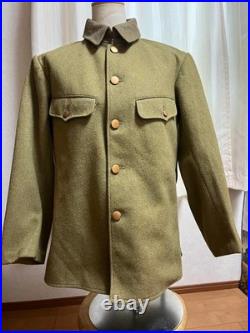
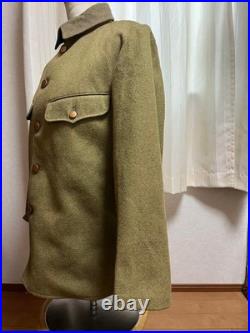
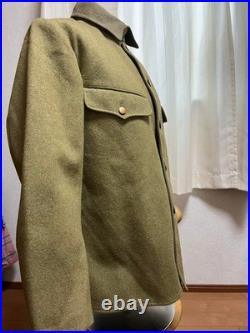
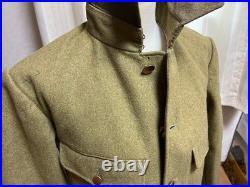
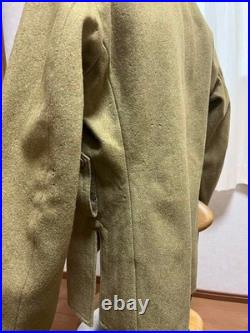
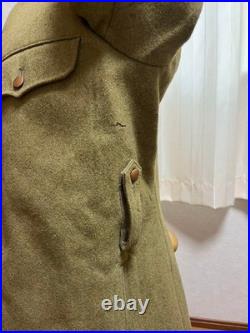
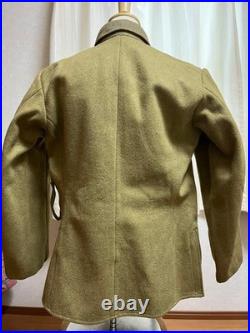
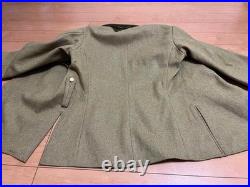
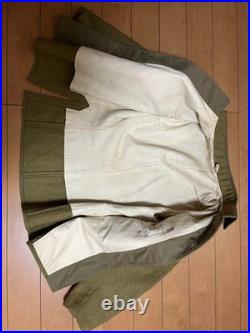
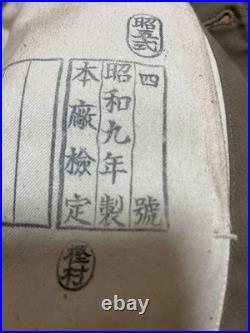
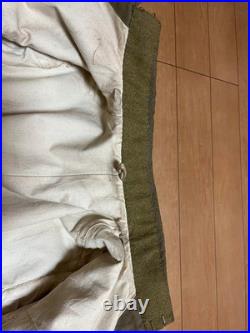
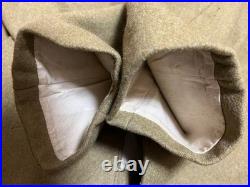
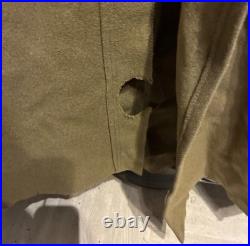
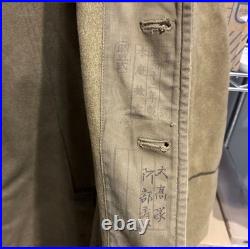
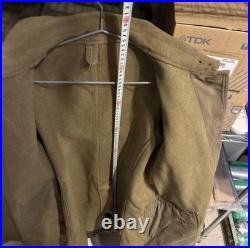
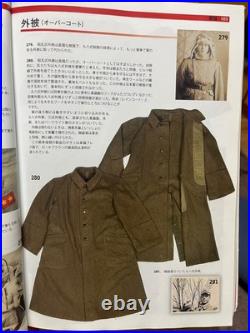
This is sho 5 type winter tunic from the former Japanese army. It’s from war time. The stand-up collar of the Showa 5th style has been modified to a folded collar. Made of wool and supplied by the government. Military stamps from the Army Clothing Factory Headquarters, made in 1934, size 4. There are some insect bites etc. On the wool, but the wool fabric and lining are in good condition. The length is approximately 66cm (not including the collar) and the shoulder width is approximately 43cm. Perfect for your collection or mannequin! How about military collectors? International Buyers – Please Note.


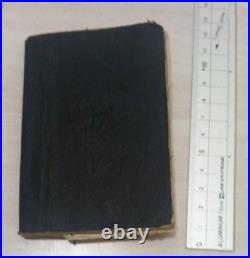
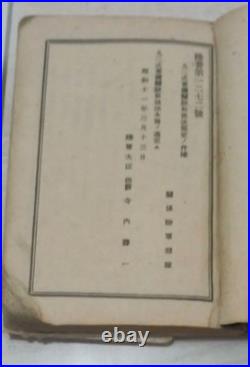
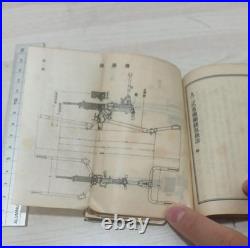
December 25, 1936 (Showa 11). This was an official training textbook distributed to infantry regiments and schools during the prewar period. The manual provides comprehensive instruction on the. Mechanism, operation, disassembly, maintenance, aiming, and firing methods. Of the Type 92 Heavy Machine Gun. Illustrating the internal structure, tripod mount, and feeding system. A highly valuable reference for understanding the engineering and operation of Japan’s principal medium machine gun of the era. Bound in black cloth with the title. “Type 92 Heavy Machine Gun Manual”. Embossed in gold on the spine. The back cover bears an impressed manufacturing mark. 15 × 10 cm. , designed for field use by officers and NCOs. Issued shortly after the adoption of the Type 92, this edition represents the. Earliest stage of instructional doctrine. For Japan’s standard heavy machine gun – a weapon widely deployed across the China front and the Pacific theater. A rare surviving original, distinct from later reprints or postwar reproductions. Aging, corner wear, light stains, minor cover damage; complete with no missing pages. An authentic and significant artifact of. Imperial Japanese Army small-arms education. Offering a firsthand look into the technical precision and doctrine of the prewar Japanese military. Own a Piece of History. Approximate 7-21days(To USA).