
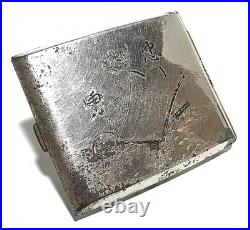


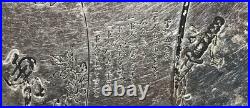
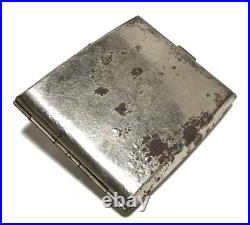
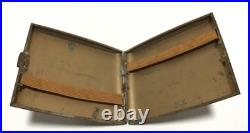
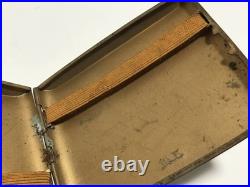
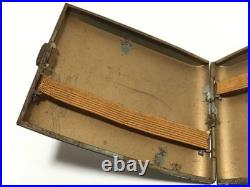
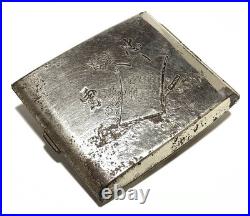

This is a prewar Imperial Japanese Army metal cigarette case associated with the Imperial Guard Division, one of the most prestigious formations of the former Japanese Army. At the top of the front is the distinctive Imperial Guard Division emblem, rather than a generic Army star. Large characters on either side read: – Loyalty – Valor Below the emblem is a design based on a commemorative plaque associated with Army Commemoration Day, and within the plaque are the Five Principles of the Imperial Rescript to Soldiers and Sailors. The Imperial Rescript to Soldiers and Sailors was issued by Emperor Meiji in 1882 and became one of the central foundations of military education in prewar Japan. Its five principal virtues were: Loyalty, Courtesy, Valor, Faithfulness, and Frugality. These principles were repeatedly taught to Japanese soldiers and sailors as the moral standards expected of military personnel. The combination of the Imperial Guard Division emblem, the words “Loyalty” and “Valor, ” and the Five Principles of the Imperial Rescript gives this small personal item unusually strong historical character. The Imperial Guard Division had its roots in the forces responsible for protecting the Emperor and the Imperial Palace. The original Guards Division organization was reorganized during World War II, and the Imperial Japanese Army itself ceased to exist following Japan’s surrender in 1945. The Imperial Rescript likewise lost its role as a military code with the dissolution of the armed forces. Cigarettes were also closely connected with everyday military life. A metal cigarette case was both a practical personal accessory and something a serviceman could carry in his uniform pocket. The original retaining straps remain inside the case. Approximate size: 7.5 × 9 × 1.5 cm The surface shows age-related wear, rust, scratches, and loss of plating. These signs of use are part of the object’s nearly century-old character. This is not simply a cigarette case. It is a small surviving object that preserves the symbols, values, and everyday material culture of Japan’s prewar military world. Own a Piece of History. International Buyers – Please Note.

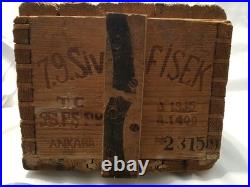
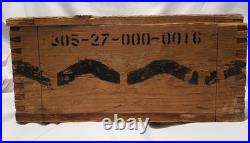
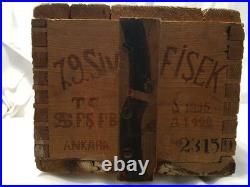
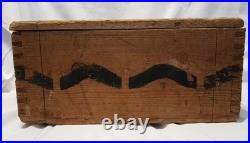
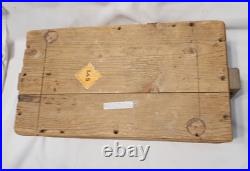
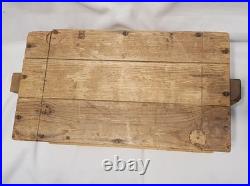
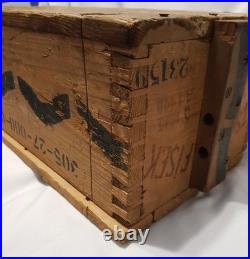
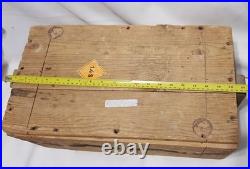
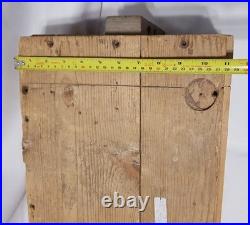
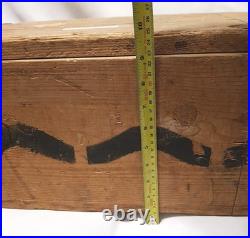
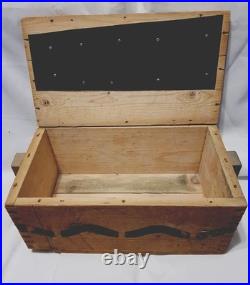


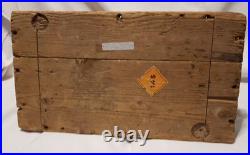
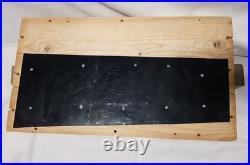
The product is a rare Turkish WW1-WW2 empty ammunition cartridge wooden box case that includes its lid. This original piece of military from the 1930s offers a unique glimpse into history, making it a valuable collectible for enthusiasts interested in military memorabilia. With its authentic design and historical significance, this item would make a prized addition to any collection related to the period. I love the way people valued their possessions, the lid has a piece of metal on the inside where the owner “fixed” the lid so it was not thrown away when the wood cracked at its seam. Thank you for viewing and have a magical day.

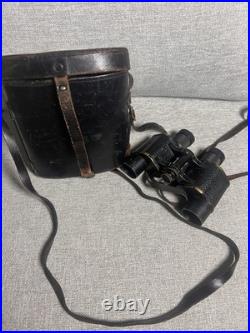
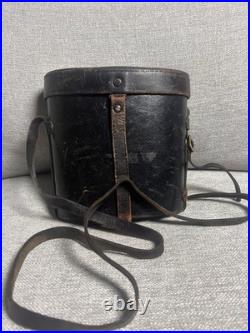
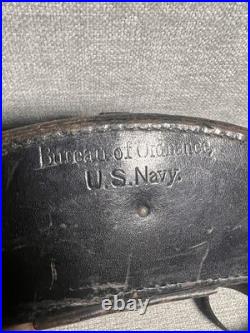
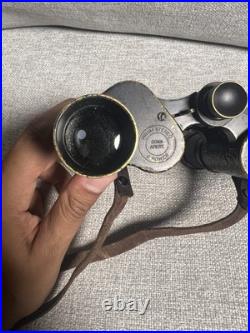
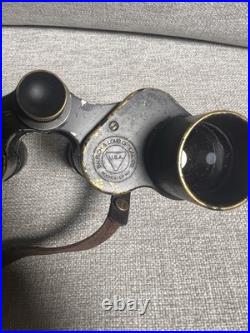
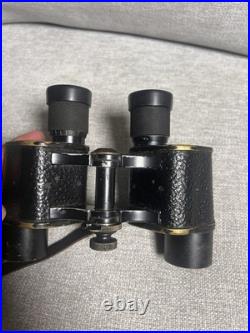
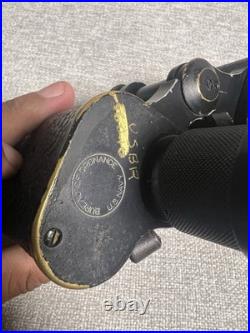
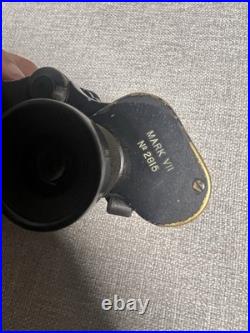
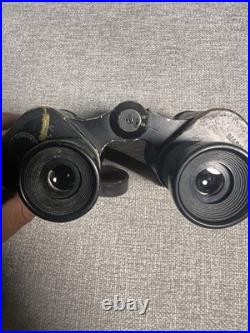
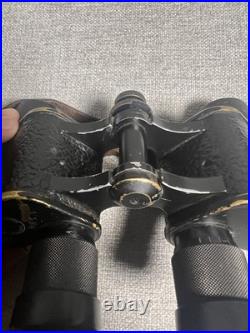
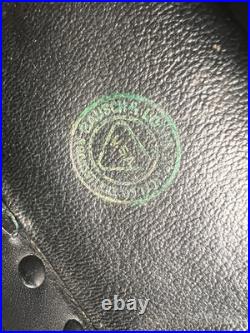
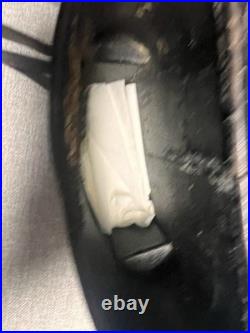
Antique Bausch & Lomb Mark VII U. Navy Binoculars – No. Original vintage Bausch & Lomb Optical Co. Military binoculars manufactured in Rochester, New York for the U. Navy Bureau of Ordnance. Binoculars are clearly marked. BAUSCH & LOMB OPTICAL CO. BUREAU OF ORDNANCE U. MARK VII – No. Includes the vintage black leather U. Navy carrying case with shoulder strap. Case is embossed Bureau of Ordnance U. Binoculars show substantial age-related cosmetic wear including paint loss, scratches, edge/brass wear and general surface wear consistent with military use and age. Leather case and straps also show wear, scuffing and aging. Please review all photos carefully for exact condition.


Vintage 1938 US Army JQMD Leather Satchel Bag Dispatch Map Case Brown Pre-WWII. Condition: Fair vintage condition with heavy wear from age and use. Scuffs, scratches, creasing, and surface cracking to the leather; dry and brittle top strap with stretched holes; verdigris on rivets; edge and corner wear; interior is heavily soiled; small seam split/tear near the top flap by the zipper; hardware shows oxidation. Authentic US military leather field/dispatch satchel from 1938. Stamped markings on back: US / J. / 1938 / J. = Jeffersonville Quartermaster Depot; J. Pebble-grain brown leather with dual front buckle straps and zippered top flap. Multiple compartments and snap closures inside; brass hardware and rivets. Material: Genuine leather; Color: Dark brown. Faint additional maker stamp on corner appears to read LENTZ (partially legible). Era: Pre-WWII (dated 1938); Made in USA.

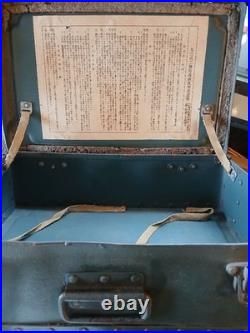
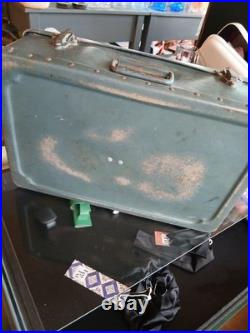
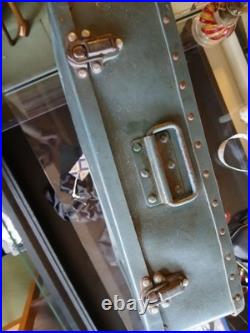
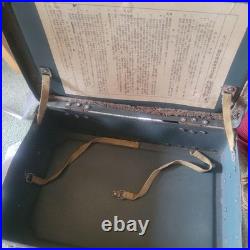

This is an original WWII-era Imperial Japanese Navy carrying case for the Type 93 No. Important: The gas mask itself is NOT included. This listing is for the original carrying/storage case only. One of the most interesting features is the original instruction sheet attached inside the lid, titled Instructions for the Type 93 No. 2 Gas Mask, Type 4. Its survival inside the original case makes this a particularly interesting historical reference piece. The Type 93 gas mask was protective equipment used by the Imperial Japanese Navy. Such equipment was intended not only as protection against chemical warfare agents, but also for hazardous conditions that could occur aboard warships and at naval installations, including smoke and potentially harmful fumes resulting from fires, explosions, shelling, or bombing. This case was specifically designed for the storage and transportation of that protective equipment. It is constructed as a sturdy military carrying case and still retains internal fabric straps. The original Japanese instruction sheet remains attached to the inside of the lid. While Japanese Army equipment survives in relatively large quantities, original Imperial Japanese Navy equipment is generally encountered less frequently. Specialized accessories such as dedicated gas-mask cases are also often separated from their original equipment over the decades. For collectors of Japanese naval militaria, the surviving original instruction sheet is an especially attractive feature. The case shows significant age and service wear, including paint loss, scratches, surface rust, staining, and general deterioration consistent with an approximately 90-year-old military item. The instruction sheet also shows age-related wear. Gas mask, filter canister, and other equipment are NOT included. Only the carrying case shown in the photographs is included. An interesting original piece for collectors of Imperial Japanese Navy equipment, WWII Japanese militaria, naval equipment, and historical military artifacts. International Buyers – Please Note.

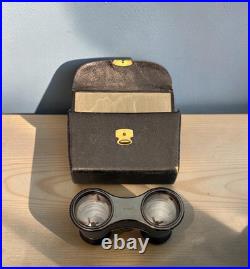
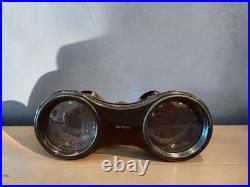
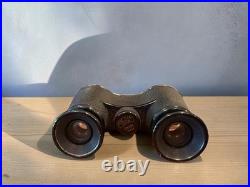
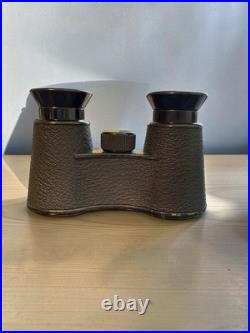
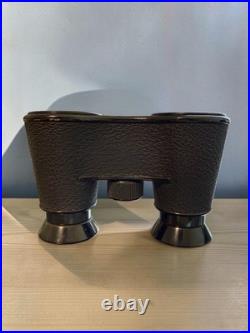
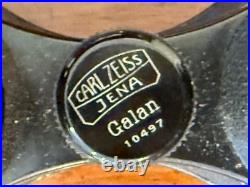
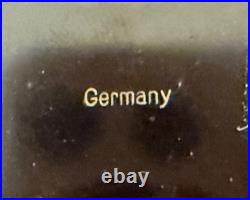
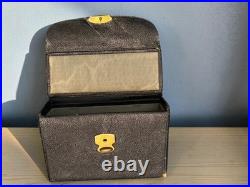





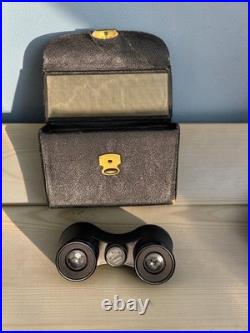
A refined example of early 20th-century optical craftsmanship, these antique Galilean opera glasses were produced by Carl Zeiss Jena between 1924 and 1934, representing a period when German engineering set the global standard for precision optics. Compact and elegantly designed, these field glasses reflect the classic Galilean optical system-valued for its simplicity, clarity, and portability. Originally intended for theatergoing and light field use, they embody both function and sophistication from a bygone era. Crafted in Germany by the renowned Carl Zeiss Jena, this piece carries both historical and collector significance, offering a tangible connection to interwar European design and innovation. Antique Carl Zeiss Jena opera glasses. Made in Germany (Jena). Compact, lightweight field glasses. Optics: (update-clear / minor haze / spotting). Focus: (confirm smooth operation). Exterior shows age-appropriate wear. Case present with vintage patina. Early Zeiss production period (interwar era). Galilean system typical of theater/opera use. Strong crossover appeal: optics + decorative display. Increasingly sought after by collectors of scientific instruments. Theater or opera enthusiasts. Library or study décor. These opera glasses are more than a viewing instrument-they are a preserved piece of early 20th-century craftsmanship, reflecting a time when even the smallest objects were built with precision and purpose. Please review the photos carefully as they are part of the description. Price is reflective of condition, age, and market availability. Extra care will be taken to ensure safety during transit.


This authentic BEZARD-KOMPASS was issued to military in The Netherlands hence the spelling K OMPASS and RICHTING meaning direction. It is the larger model II which was issued until 1928. These old army models were engraved either with D. Van Oorlog = War Dept. Until 1928 or later DvD Dept. This Army compass was called M. 22 (model 1922) and has a ruler 0-5 cms on the backside. This compass is in good working condition and comes in the original espresso brown leather cover. It has numerous scratches on the outer steel casing but the compass and mirror are in excellent condition. The leather casing is weathered but no holes or scratches. The manual has unfortunately disintegrated. Please note that my pictures have a slight rose hue (on my computer), but the compass steel encasement is cold gray steel. This is a family heirloom and will be a great addition to any collector. Please contact me regarding this special compass or any other items that I have listed. All items listed are family possessions. If you would like to return it, you must initiate the return within 3 days of receiving the item.

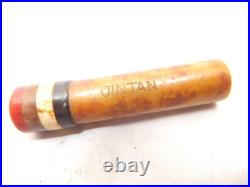
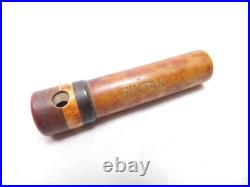
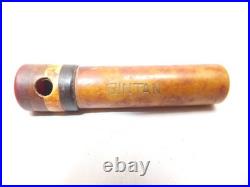
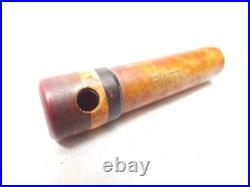
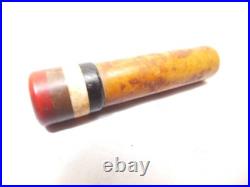


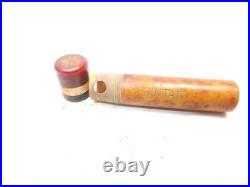
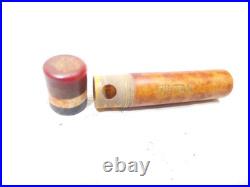
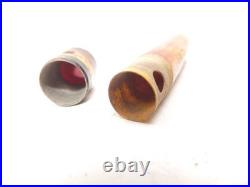
Empty case from the Manchuria. Rare Manchukuo flag design container. Originally used as a. Case / pill case. 5 cm in length. A highly collectible item featuring the distinctive. Small-sized containers of this type are becoming increasingly difficult to find today. International Buyers – Please Note.


Authentic Swiss Army Dienstglas Mod. 26 binoculars, serial No. 474, complete with their original brown leather field case made by Hans Kurt Sattler – Solothurn (case stamped “31” & Swiss “+ Sch” property mark). Estimated Era: Late 1920s to early 1930s. Leather: aged with light scuffs from use, but structurally solid and full of character. Optics & Body: optics are clear and functional; the leather grip shows age but remains original. Set Includes: binoculars + case + strap.

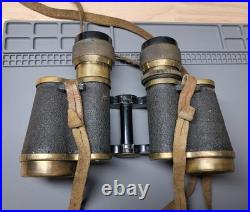
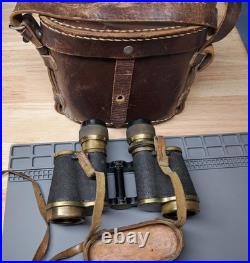
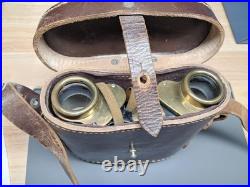
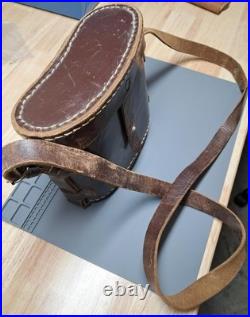
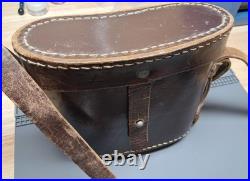
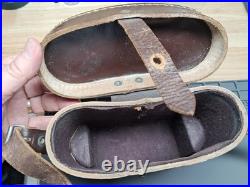
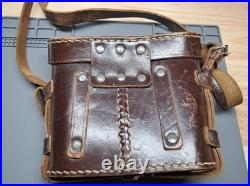
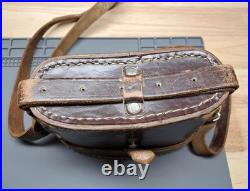
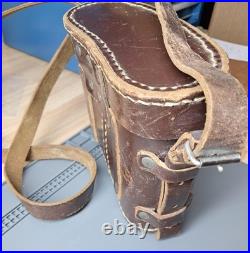
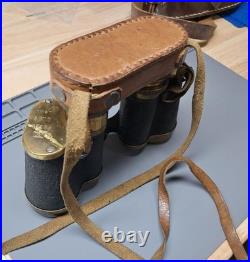
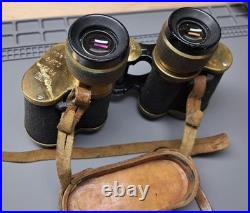
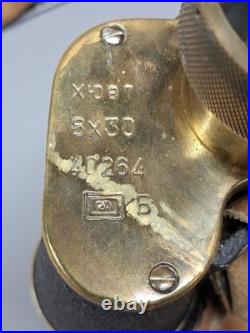
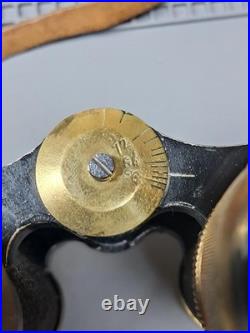
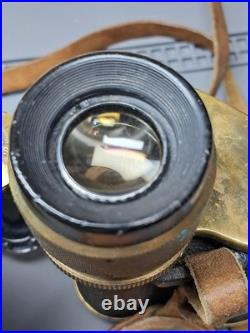
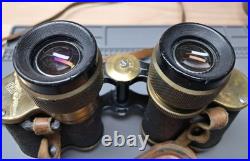
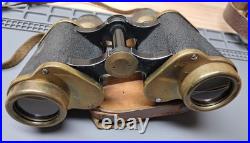
These appear to be of Central European manufacture (most likely Germany, but not certain), likely made for civilian or general field use. They are solidly constructed with brass components, black textured barrels, and original stamped markings. Both eyepieces rotate smoothly. When properly focused, the image is clear, sharp, and single. No double vision observed. No obvious haze, clouding, or separation noted during use. Optics have not been professionally serviced; evaluation is based on careful visual inspection and use. Vintage condition consistent with age and normal use. Original patina present throughout. A previously active area of green verdigris on the brass plate has been carefully stabilized and removed without polishing or refinishing. No aggressive cleaning performed; original character preserved. All stamped markings remain crisp and legible. Boxed emblem and inspection marking present (see photos). Includes the original leather carrying case with strap. Includes original leather strap on binoculars, as well. Leather shows expected age-related wear. All stitching intact; no loose or hanging threads. Case and straps remain fully usable. Interior of case is clean. These binoculars are best described as inter-war European field binoculars. They are not marked as issued military equipment. Please review all photos carefully, as they are part of the description.