
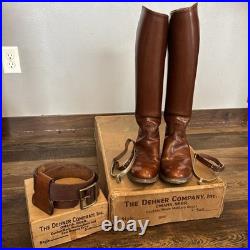
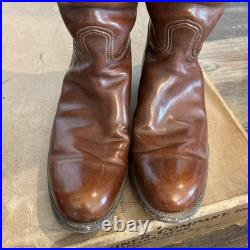
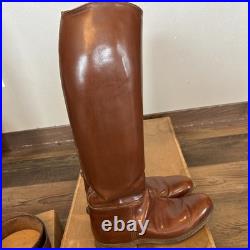
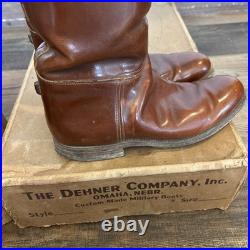
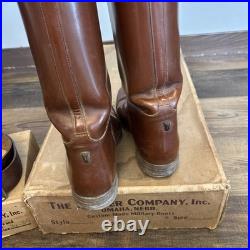
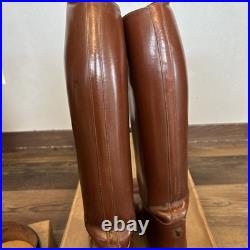
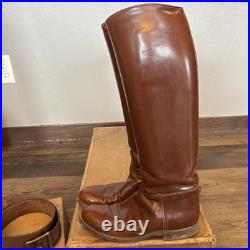
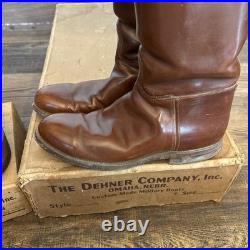

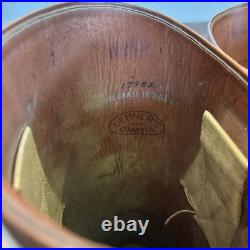
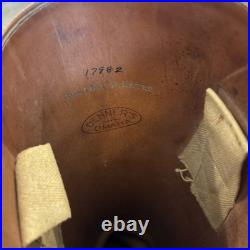
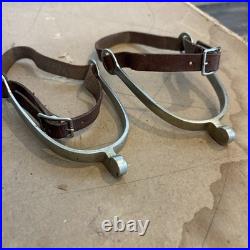
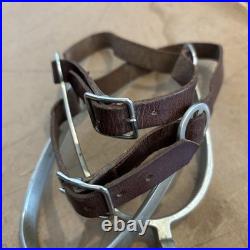
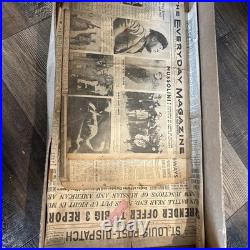
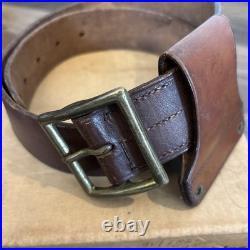
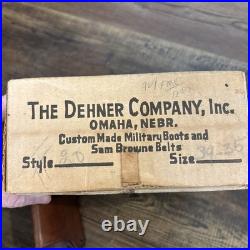
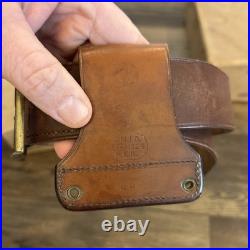
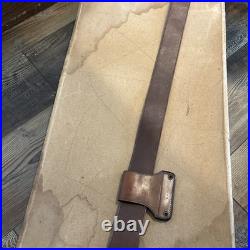
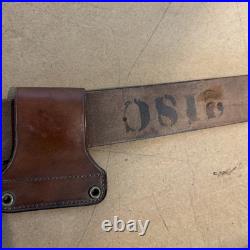
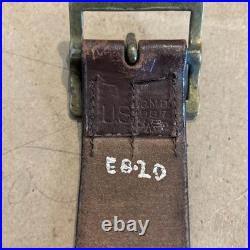
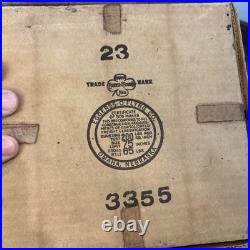

Very nice set of vintage 1930’s-1940’s Dehner riding Calvary boots with spurs and Dehner / Sam Browne leather belt all in very nice original condition. Belt and boots bother come with original boxes. Inside the boot box are St. Louis newspapers dated May 1, 1945 which are highlighted with the death of Mussolini. The boots are marked inside to William H Bates. The belt is US stamped and dated 1937 and the attached hanger is stamped QMID Jeff 1925 H. There is also a stamping of W.

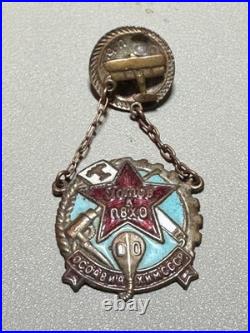
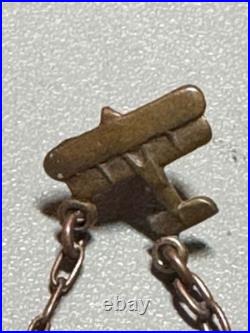
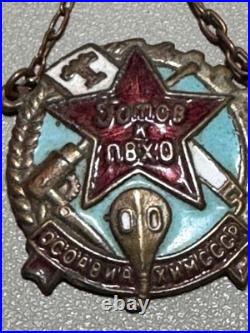
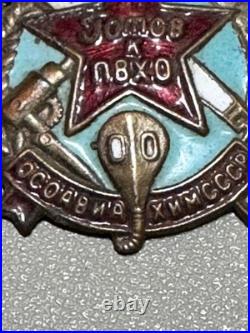
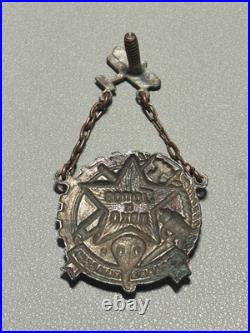
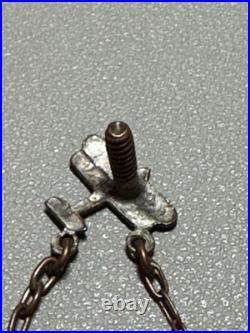
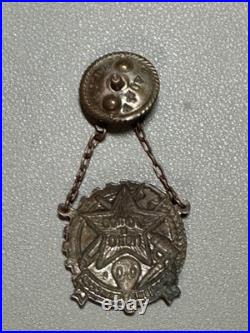
?? 1930s Soviet OSOAVIAKHIM Aviation-Chemical Defense Badge w/ Chain USSR. This rare piece is a 1930s USSR OSOAVIAKHIM aviation and chemical-defense qualification badge, featuring the early red-star design, gas-mask symbol, aviation top device, and chain suspension typical of pre-WWII models. Society for the Promotion of Defense, Aviation, and Chemical Construction. Trained Soviet civilians for military aviation, marksmanship, and chemical defense. This badge is from the inter-war period, when the USSR heavily expanded paramilitary training. The enamel star, airplane insignia, hammer, rifle, knife, and gas mask all symbolize multi-discipline readiness. Chain-suspended versions are among the most desirable and earliest patterns. Original enamel in red, turquoise, and white. Airplane top device with threaded post and screw-back plate. Early Cyrillic inscriptions typical of pre-WWII badges. Excellent collectible for Soviet militaria, chemical-defense history, aviation enthusiasts, or Cold War collections. We regret any inconvenience and appreciate your understanding. We do our best to determine what the item is, it’s history and condition. We describe it as best we can. We do not try to hide flaws or misdirect the customer. However, we are a mom and pop business and we do have to admit that we are not experts on the item listed. We use books, consultations with collectors, and the internet to determine the authenticity of the item. Since we are human, we do make mistakes so please do not hold that against us. We reuse boxes and packing supplies to do what we can for the environment so please do not be offended if you receive a box with extra stickers or writing on it. Generally postal service first class. THE NEEDS OF THE MANY OUTWEIGH THE NEEDS OF THE FEW. _gsrx_vers_1736 GS 9.9.5 (1736).

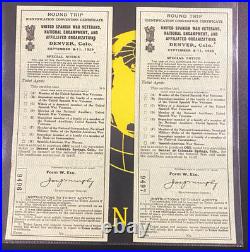
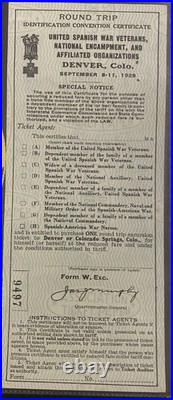
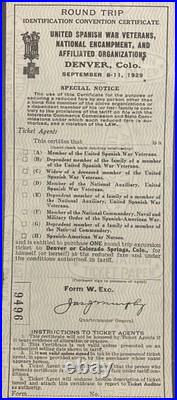
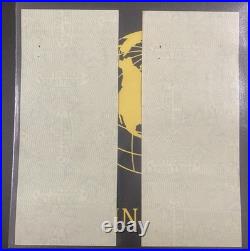
Unused CONSECUTIVE round trip certificates in great shape for the 1929 United Spanish War Veterans, National Encampment, and Affiliated Organizations in Denver, Colorado Sept. 8th-11th, 1929 Certificate #’s 9496 and 9497 A beautiful addition for history and military buffs, or collectors of vintage paper documents, tickets, and transportation.



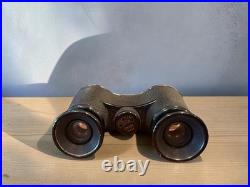
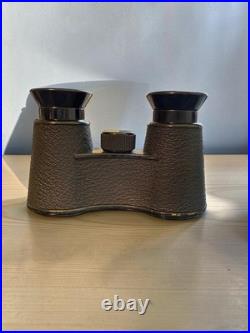
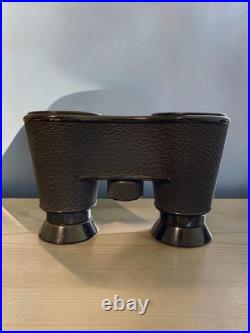
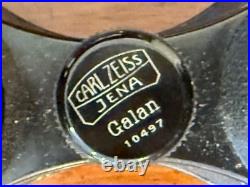
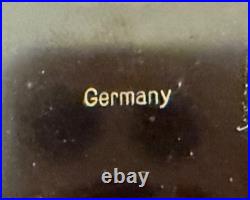


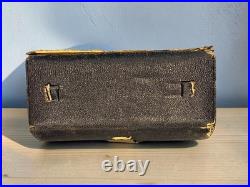



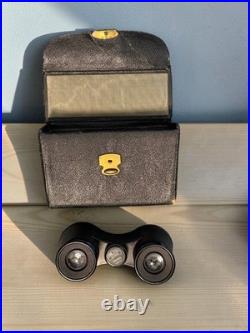
A refined example of early 20th-century optical craftsmanship, these antique Galilean opera glasses were produced by Carl Zeiss Jena between 1924 and 1934, representing a period when German engineering set the global standard for precision optics. Compact and elegantly designed, these field glasses reflect the classic Galilean optical system-valued for its simplicity, clarity, and portability. Originally intended for theatergoing and light field use, they embody both function and sophistication from a bygone era. Crafted in Germany by the renowned Carl Zeiss Jena, this piece carries both historical and collector significance, offering a tangible connection to interwar European design and innovation. Antique Carl Zeiss Jena opera glasses. Made in Germany (Jena). Compact, lightweight field glasses. Optics: (update-clear / minor haze / spotting). Focus: (confirm smooth operation). Exterior shows age-appropriate wear. Case present with vintage patina. Early Zeiss production period (interwar era). Galilean system typical of theater/opera use. Strong crossover appeal: optics + decorative display. Increasingly sought after by collectors of scientific instruments. Theater or opera enthusiasts. Library or study décor. These opera glasses are more than a viewing instrument-they are a preserved piece of early 20th-century craftsmanship, reflecting a time when even the smallest objects were built with precision and purpose. Please review the photos carefully as they are part of the description. Price is reflective of condition, age, and market availability. Extra care will be taken to ensure safety during transit.

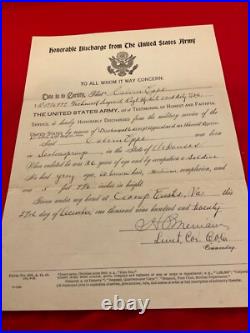
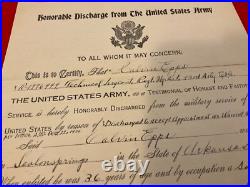
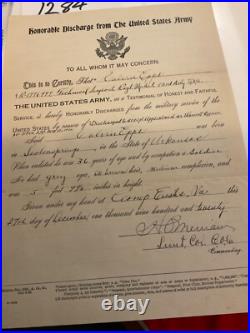
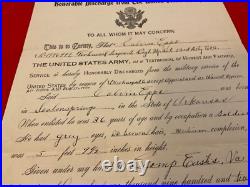
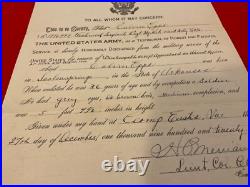
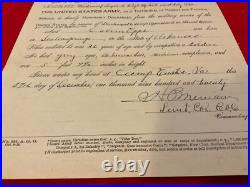
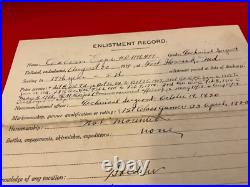
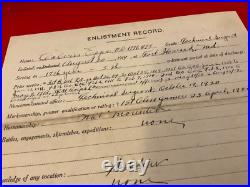
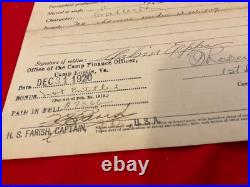
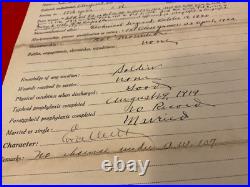
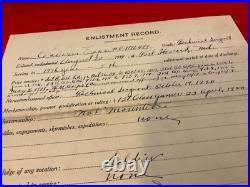
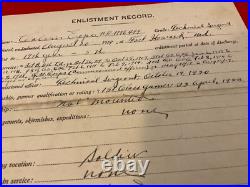
Also, once an item is brought I will no alter any information on any form. All items will have a confirmation number. Feedback will not be sent until I receive feedback. Please feel free to read my feedback. I’m very proud of my feedback. I sell military collectables. If you choose to wear or actually use items, it is at you own risk. General & Special Orders were issued to communicate commands and information to the Army. Each order, issued in writing by a command, was then printed for distribution to each unit, either at an army department headquarter or by commanders at local headquarters, sometimes in the field on portable printing presses. The orders were then issued to regiments, often to be read aloud to the troops. General Orders were printed as issued with date & location; at the end of a year the regimental adjutant might retain them loose or simply string bind them by punching holes or cut slits in the left margin and stringing on ¼? Red cloth string tape (the source of the old expression “government red tape”). Sometimes an officer or HQ clerk might take a group of orders to a local print shop or bookbinder and have an accumulation bound with leather or cloth covers. Usually, American Military Orders of the 19. Century including Civil War era were printed on an 8 x 5? Sheet of quality rag paper.

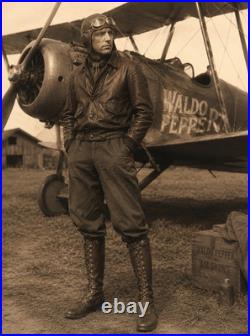
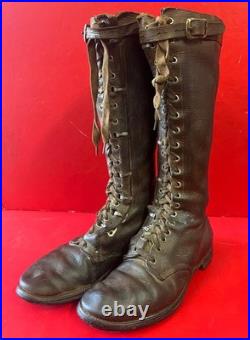
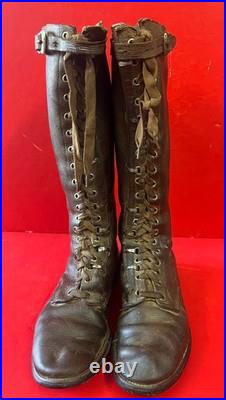
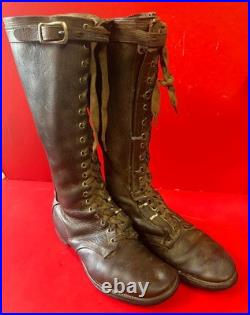
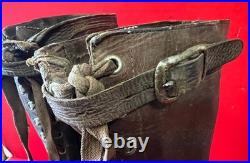
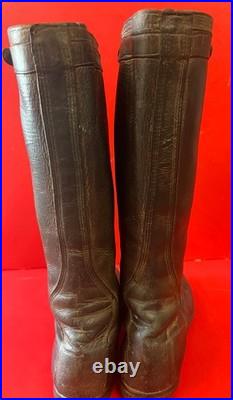
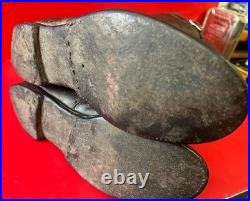
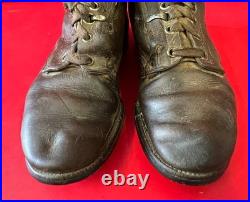
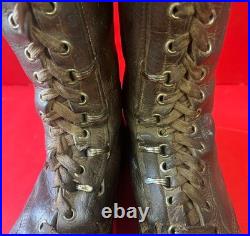
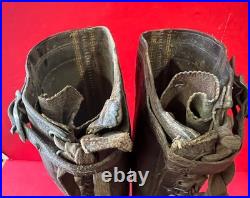
Offered here is an exceptionally rare matched pair of original early 1930’s aviator flying boots, representing the adventurous spirit and pioneering era of American aviation. These impressive high-top boots embody the rugged footwear worn by barnstormers, air racers, stunt pilots, and early civilian aviators who took to the skies during aviation’s golden age. One can easily imagine legendary pilots and daredevils of the period-such as the fictional Waldo Pepper-proudly wearing a pair like these while traveling from town to town thrilling crowds with aerial exhibitions. Constructed of heavy-duty leather and designed for warmth, durability, and protection in open-cockpit aircraft, the boots feature full-height front lacing extending all the way to the top, providing a secure and comfortable fit for pilots enduring long hours in the air. The pair remains 100% original, retaining its original soles, heels, and laces-an increasingly uncommon feature as most examples saw extensive use and were either repaired, modified, or eventually discarded after years of hard service. The boots are a size 8 and display an attractive, authentic patina acquired through decades of age. Their appearance perfectly captures the romance and excitement of the barnstorming era and makes them an outstanding display piece for any aviation collection, museum exhibit, pilot memorabilia display, or vintage clothing collection. Original flying boots from this early period are seldom encountered on today’s collector market. Due to their practical use and heavy wear, few survived intact, making this matched pair particularly desirable. Whether displayed alongside flight helmets, goggles, and leather flying jackets or featured as a centerpiece in an aviation collection, these boots represent a tangible connection to the daring men and women who helped define the earliest days of flight. An exceptionally scarce and highly collectible artifact from the golden age of aviation-a truly one-of-a-kind offering that would be difficult to duplicate. If there is a problem or concern contact me and I’ll make it right. Once feedback is received I will reciprocate.

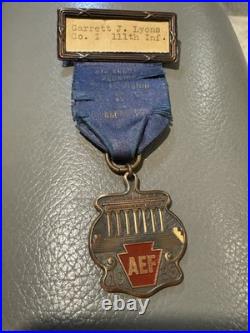
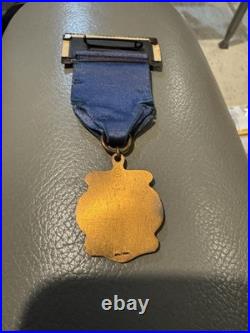
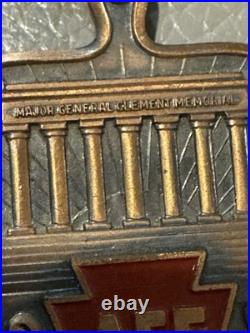
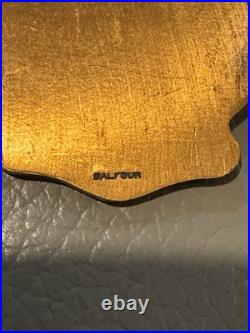
Original 1938 American Expeditionary Forces (AEF) Reunion badge manufactured by Balfour. Named to Garrett J. Lyons, Company I, 111th Infantry Regiment (Pennsylvania). Features the Major General Clement Memorial design with AEF keystone and original blue ribbon. Badge shows normal age and wear, with fading to the ribbon. A desirable named veteran reunion badge from the famous 28th Division.

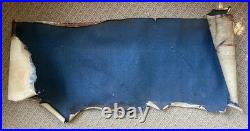
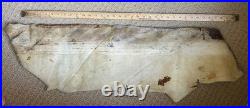
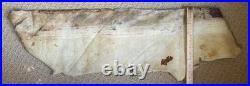
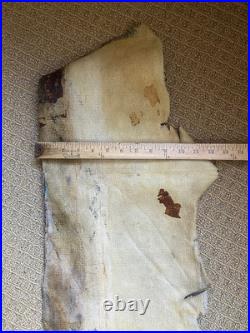

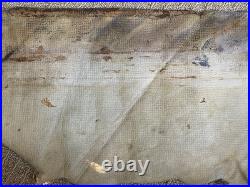
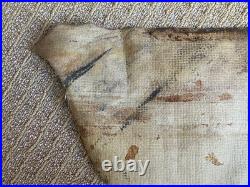
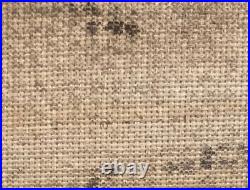



Vtg Rigid Airship Operational Deck Linoleum Floor Section 12″x41″ USS Los Angeles. MUSEUM-SCALE PATTERNED GOLDEN AGE AIRSHIP DECK FLOORING SECTION (12 1/4″ x 41″). For sale is an extraordinary, museum-grade 12 1/4 inch by 41 inch section of authentic, early 20th-century heavy-duty patterned linoleum flooring. This premium artifact originates directly from a prominent aviation archive curated by a dedicated American airship researcher who maintained close personal friendships and written correspondence with surviving German, British, and American crew members during the 1970s. Historical Context & Premium Physical Characteristics. Unlike basic unpatterned utility flooring, this specimen features an original, distinct period pattern integrated with a rugged pebble-grain non-slip texture. In the early 1920s, German Zeppelin designers utilized these patterned linoleum floors to mirror the luxury of high-end railway cars and steamships within the main passenger and command cabins of rigid airships. The pebble-grain finish provided essential traction for officers, navigators, and crew members when the vessel pitched or tilted in flight. This specific piece was obtained directly from veteran crew members stationed at Naval Air Station (NAS) Lakehurst, NJ, who had direct physical access to the airship compartments during the operational and dismantling eras. The reverse side features a textbook example of period-correct, coarse-woven jute/burlap scrim heavily embedded with the splotchy, fossilized residue of the original period adhesive-proving it was forcefully pried off the deck plating decades ago by the crewmen themselves. Given the collector’s extensive network and documented work with personnel connected to the LZ 126 / USS Los Angeles, this patterned piece is a spectacular, display-ready centerpiece representing the pinnacle of luxury interwar aviation engineering. Width: 12 1/4 Inches. This artifact is in original, uncleaned, as-salvaged condition. The front face exhibits a beautiful, authentic aged gray patina with its original pattern and deep pebble-grain texture completely intact. The reverse side retains its original, hardened adhesive residue and exposed jute backing grid. It has purposely been left completely untouched to preserve the structural and historical integrity of the material. Do not clean or alter the backing, as this serves as the primary physical proof of its age and salvage history. THIS IS NOT A REPRODUCTION.

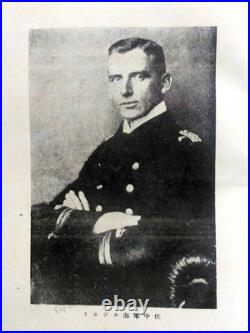
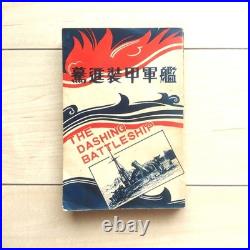

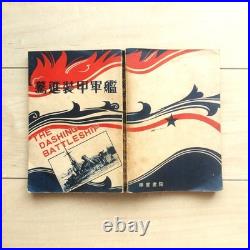



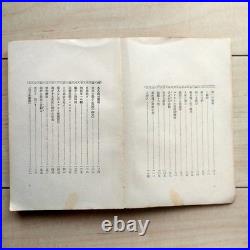

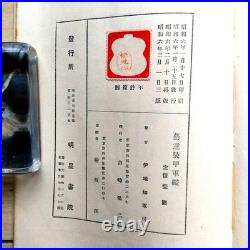
A German naval officer’s story of World War I, translated by a Japanese naval officer and published in Japan in 1931. This fascinating historical book, The Dashing Battleship (Japanese title:), was published by Meisei Shoin in Tokyo in 1931, ten years before Japan entered World War II. Its original author was Hellmuth von Mücke, an officer of the Imperial German Navy during World War I. Mücke is best known for serving aboard the German cruiser SMS Emden. In 1914, he led a group of German sailors on an extraordinary journey after escaping from the Cocos Islands, eventually making his way home. His remarkable naval career made him a notable figure in German military history. This book was translated into Japanese by Gunji Ijichi, a Japanese naval officer. Why would a Japanese naval officer translate a German naval story in 1931? By the early 1930s, Japan had become one of the world’s major naval powers. The experiences and traditions of European navies remained subjects of considerable interest to Japanese naval officers and military enthusiasts. This book reflects that fascinating connection between German and Japanese naval history. The volume presents naval adventures and episodes involving warships, voyages, and life at sea. Another particularly attractive feature is its original cover design. With bold red, navy blue, and white graphics, a battleship illustration, and the English words “THE DASHING BATTLESHIP, ” the cover has a striking appearance that reflects the international influences on Japanese publishing before World War II. This is more than an old military book. It offers a glimpse into how Japanese readers encountered the naval history and experiences of another nation nearly a century ago. Item Details Title: The Dashing Battleship Original author: Hellmuth von Mücke, Imperial German Navy officer Japanese translator: Gunji Ijichi, Japanese naval officer Publisher: Meisei Shoin, Tokyo, Japan Publication: 1931, Third Edition Pages: 237 Language: Japanese Original pre-WWII publication Condition This is an original book published in 1931, not a modern reproduction. It shows age-related toning, stains, discoloration, wear, and damage to the cover and spine. There are also traces of a previous owner’s name having been erased from the rear endpaper. The main text is reported to be free of handwritten annotations. Please carefully examine the photographs for details of its condition. From the Imperial German Navy of World War I to the Imperial Japanese Navy of the 1930s, this book connects two fascinating chapters of maritime history. An interesting addition to collections of World War I militaria, Imperial German Navy history, Japanese naval history, and prewar military literature. Own a Piece of History. Discover a German naval story as it was presented to Japanese readers nearly a century ago. International Buyers – Please Note.

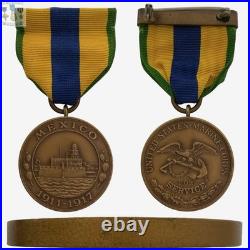
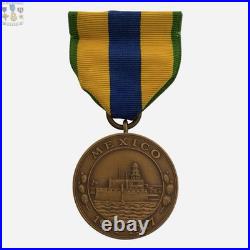
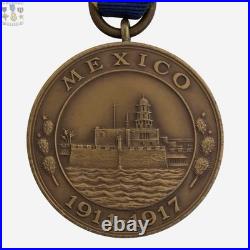
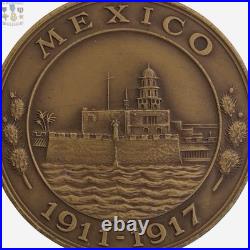
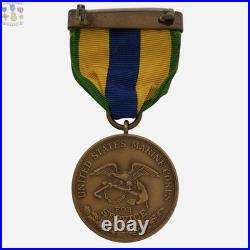
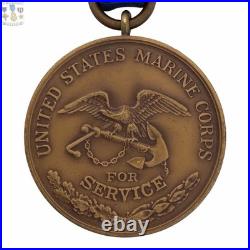
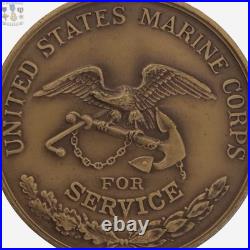
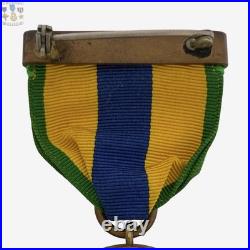
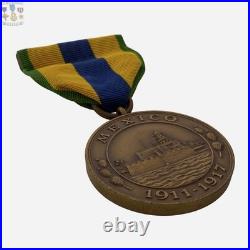
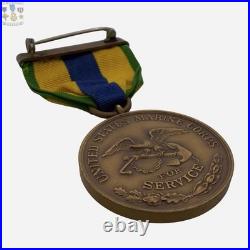
RIBBON DRAPE TESTED U. The Mexican Service Medal is an award of the United States military which was established by General Orders of the United States War Department on December 12, 1917. The Mexican Service Medal recognizes those service members who performed military service against Mexican forces between the dates of April 12, 1911 and June 16, 1919. To be awarded the Mexican Service Medal, a service member was required to perform military duty during the time period of eligibility and in one of the following military engagements. Veracruz Expedition: April 21 to November 23, 1914. Punitive Expedition into Mexico: March 14, 1916 to February 7, 1917. Buena Vista, Mexico: December 1, 1917. San Bernardino Canyon, Mexico: December 26, 1917. La Grulla, Texas: January 8 – January 9, 1918. Pilares, Chihuahua: March 28, 1918. Nogales, Arizona: November 1-26, 1915, or August 27, 1918. El Paso, Texas and Ciudad Juárez, Chihuahua: June 15 – June 16, 1919. The United States Navy issued the Mexican Service Medal to members of the Navy and Marines who participated in any of the above actions, as well as to service members who served aboard U. Naval vessels patrolling Mexican waters between April 21 and November 26, 1914, or between March 14, 1916, and February 7, 1917. The Mexican Service Medal was also awarded to any service member who was wounded or killed while participating in action any against hostile Mexican forces between April 12, 1911 and February 7, 1917. Although a single decoration, both the Army and Navy issued two different versions of the Mexican Service Medal. The Army Mexican Service Medal displayed an engraving of a yucca plant, while the Navy version depicts the San Juan de Ulúa fortress in Veracruz harbor. Both medals displayed the annotation “1911 – 1917″ on the bottom of the medal. The Mexican Service Medal was a one time decoration and there were no service stars authorized for those who had participated in multiple engagements. For those Army members who had been cited for gallantry in combat, the Citation Star was authorized as a device to the Mexican Service Medal. There were no devices authorized for the Navy’s version of the decoration. A similar decoration, known as the Mexican Border Service Medal also existed for those who had performed support duty to Mexican combat expeditions from within the United States. Please let me know if there’s anything else I can do for you!