
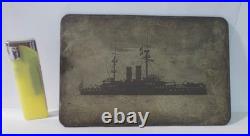
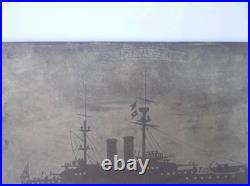
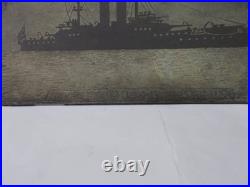
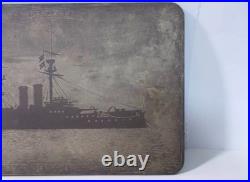
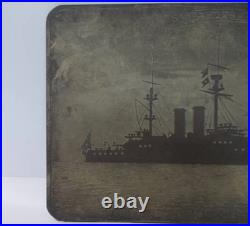


Original metal commemorative plaque for the preservation of the Imperial Japanese battleship. The plaque shows the battleship Mikasa, with the inscription. At the top and. “Preservation Commemoration, October 20, 1926″. Mikasa was the flagship of Admiral Heihachiro Togo during the Battle of Tsushima in 1905, one of the most famous naval battles of the Russo-Japanese War. After being removed from active service under the Washington Naval Treaty, Mikasa faced the possibility of dismantling. This plaque is not simply a battleship souvenir. It represents the moment when Japan chose to preserve Mikasa as history. Today, Mikasa still survives in Yokosuka as one of the world’s most important preserved warships and the only surviving pre-dreadnought battleship. Shows age-related patina, wear, discoloration, and surface oxidation. Please review all photos carefully. Own a Piece of History. Approximate 7-21days(To USA).

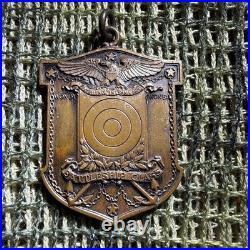
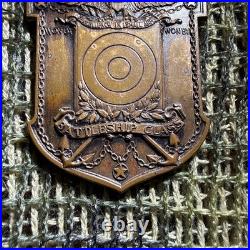
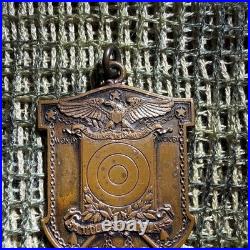
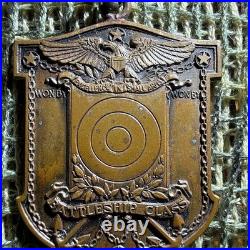
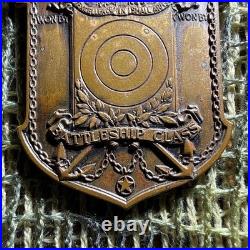
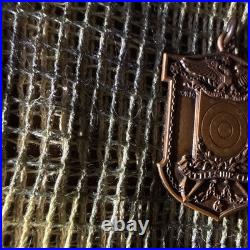
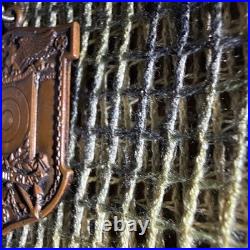
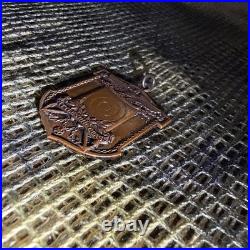
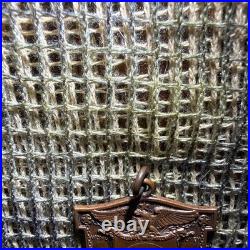
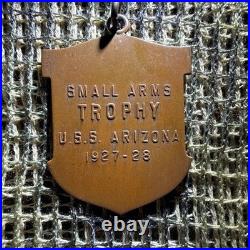
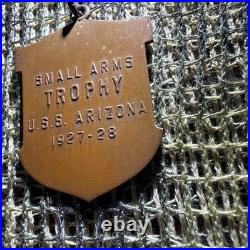
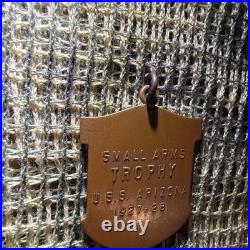
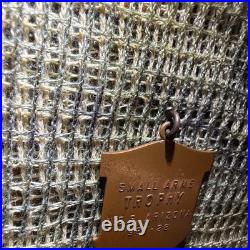
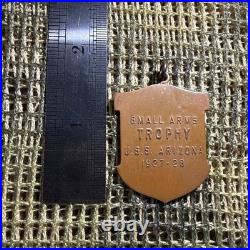
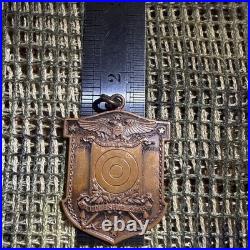
The USN USS ARIZONA Battleship Class Small Arms Trophy Medal is an original piece from the period of 1927-28, making it a valuable collectible for enthusiasts of militaria. This bronze medal reflects the history and significance of naval battleships during that time, particularly the USS Arizona. Ideal for collectors or history buffs interested in military artifacts, this trophy medal is a rare find that commemorates a significant era in American naval history. USN USS ARIZONA Battleship Class -Small Arms Trophy Medal -bronze, 1927-28. Appears to be made of bronze or copper colored metal. Approximately 2-1/4″ in height x 1-1/4″ in width, see photos for condition. Estate fresh find, don’t snooze on this one -USS Arizona items rarely come up for sale! Used medal only, nothing else. See my other listings, save my store as I’ll be listing a large collection of scarce items soon!

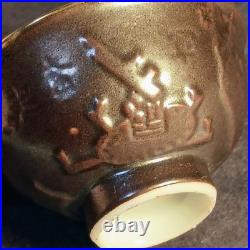
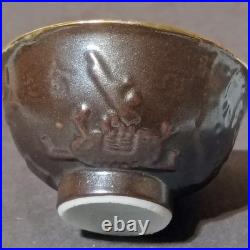
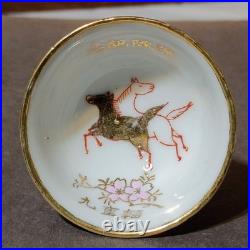
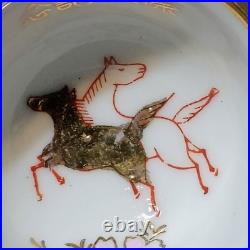
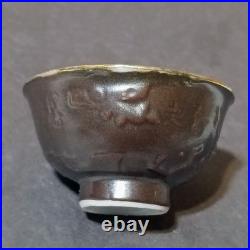
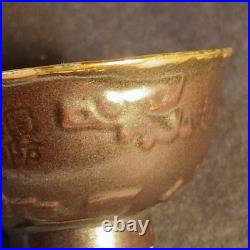
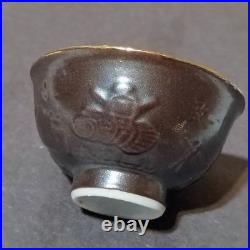
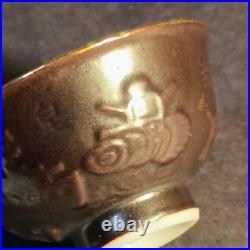
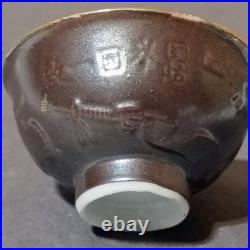
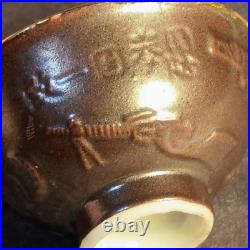
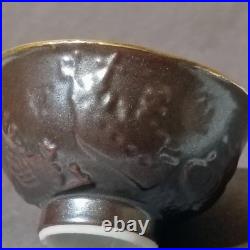
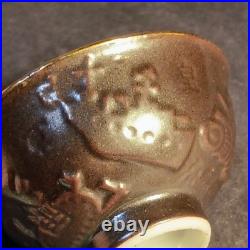
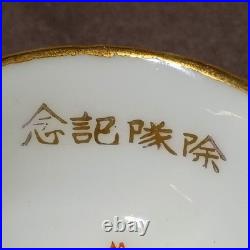
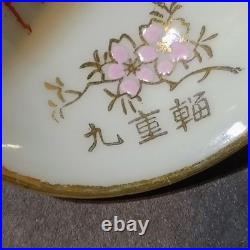
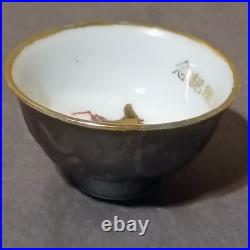
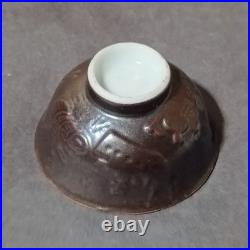
Bottom interior text reads as “9th Transport/Supply Corps”. Top interior text reads as “Discharge from military service commemoration”. This is the reference to the WW2 Japanese legend of giant crabs eating soldiers. This is a very unique design for an imperial Japanese commemorative cup. The text on the outside of the cup above the LMG is very hard to read. It appears to include , being “Japan-America” and is commonly used in WW2 phrases. Being “War against America”.

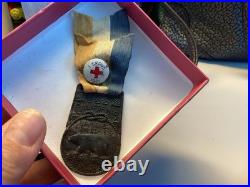
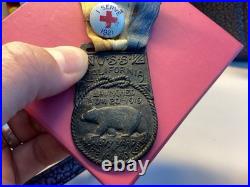
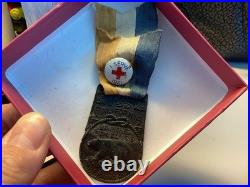
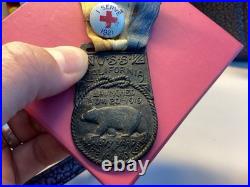
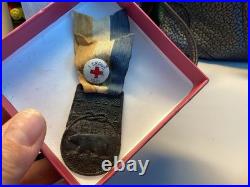
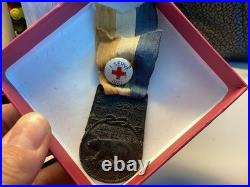
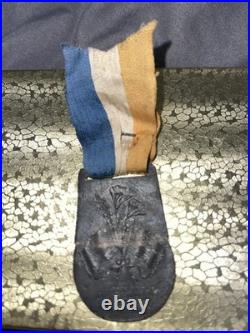
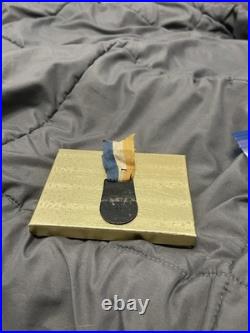
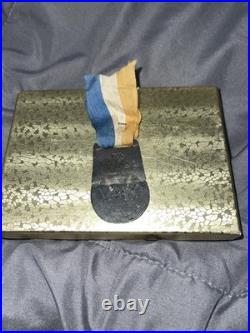
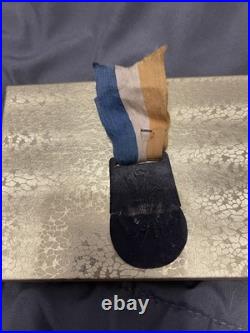
1919 Bronze Navy Yard Metal USS California Mare Island launch date November 20, 1919.

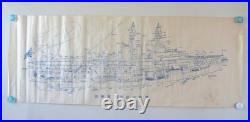
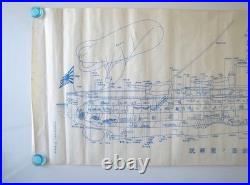
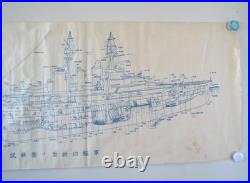

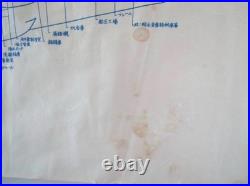

Own a rare piece of early Imperial Japanese naval history. This original “Explanation Chart of Battleship Cutaway” (?) was published by Yushu-kai on June 10, 1926 (Taisho 15) – the same organization that produced the famous Battleship Cutaway Poster. Printed in blue-print style on thin paper, this chart illustrates the detailed internal structure of a Japanese battleship modeled on the Nagato-class (Nagato & Mutsu) – the pride of the Imperial Navy at that time. Every compartment is meticulously labeled: gun turrets, officers’ quarters, boiler rooms, ammunition storage, even kitchens and signal decks. Created during the post-Washington Naval Treaty era, when Japan was forced to limit its fleet size, this diagram served both as an educational tool and as public naval propaganda, showing the advanced technology and discipline of the Empire’s Navy. The publisher Yushu-kai, based inside the Naval Officers’ Club “Suikosha” in Tokyo, specialized in producing technical and educational prints to promote naval science among officers and the public. Issued: June 10, 1926 (Taisho 15). Publisher: Yushu-kai, Suikosha, Tokyo. 39.5 × 102 cm. Format: Blue-print lithograph on thin paper. Condition: some aging stains, wrinkles, and minor edge tears (see photos). Still well-preserved for a nearly 100-year-old educational chart. A fascinating and visually striking chart that captures Japan’s naval ambition in the interwar years – a must-have for collectors of Imperial Japanese Navy memorabilia, maritime historians, and design archivists. International Buyers – Please Note. Thank you for your understanding.

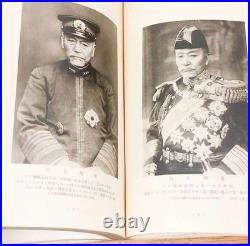
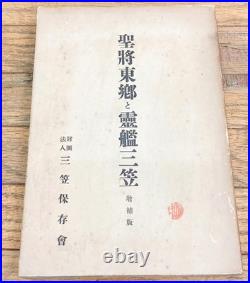
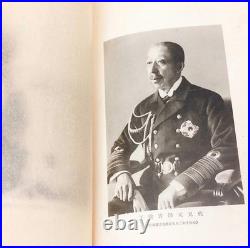
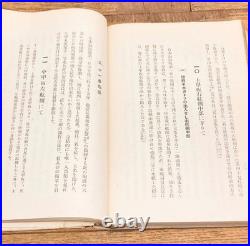
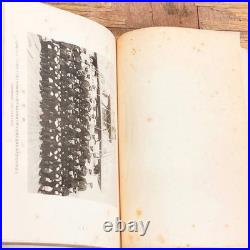
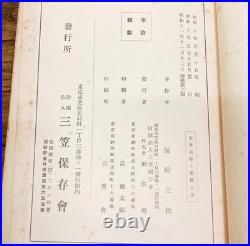
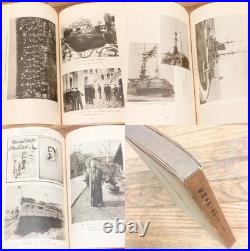
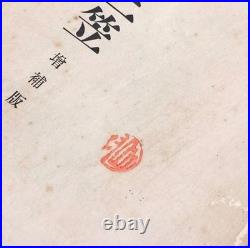
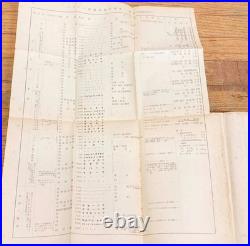

This is an original Japanese historical photo book published in 1936 (Showa 11), revised second edition, titled. And the Sacred Battleship. The book was issued by the Mikasa Preservation Society, an organization established to preserve and commemorate Battleship Mikasa as a national historical symbol following the Russo-Japanese War. Battleship Mikasa was the flagship of Admiral Togo during the Battle of Tsushima (1905), one of the most decisive naval victories of the modern era. After the war, Mikasa became a symbolic relic of Japan’s emergence as a naval power, and preservation efforts were supported by naval officers, historians, and the public. This publication reflects how pre-war Japan officially remembered, documented, and revered naval history, particularly the figure of Admiral Togo and the legacy of Mikasa. Official portrait photographs of Admiral Togo Heihachiro. Photographic records of Battleship Mikasa (exterior and interior views). Images of naval officers and related historical figures. Textual accounts and interpretations of the Russo-Japanese War. Documentary-style photo layout typical of early Showa-era historical publications. This is not a modern reprint, but an original pre-war publication intended as a commemorative and educational historical record. About the Mikasa Preservation Society. The Mikasa Preservation Society was founded to protect Battleship Mikasa as a historic warship and national monument. Books published by the society are considered semi-official historical materials, rather than private commercial publications. Overall aging consistent with an item published in the 1930s. Foxing, toning, minor stains, and edge wear present. A red ownership stamp is visible (see photos). Note: copies were originally issued without stamps; please judge condition based on images. Despite age-related wear, the book remains complete and suitable for research or collection. A valuable primary-source style photo book documenting how Imperial Japan commemorated naval history and wartime leadership in the pre-World War II era. Collectors of Imperial Japanese Navy materials. Researchers of the Russo-Japanese War. Naval history and early 20th-century military photography collectors. Approximate 7-21days(To USA).

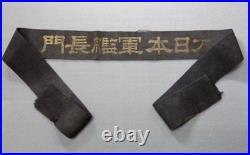
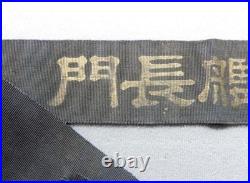
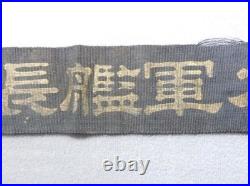
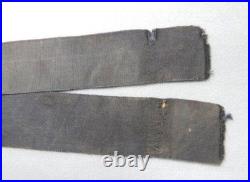
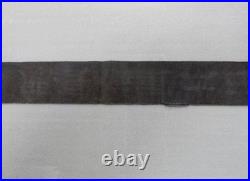
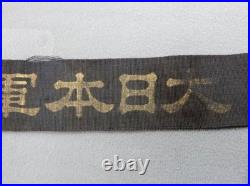
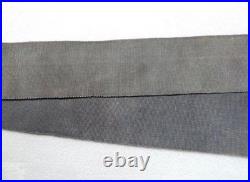
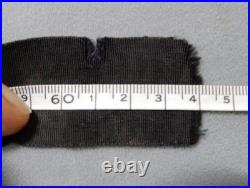
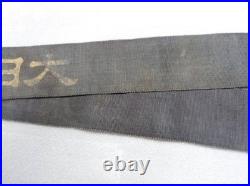
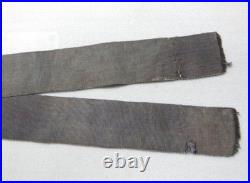
Own a Piece of Naval History. Authentic pre-WW2 cap tally ribbon. From the Imperial Japanese Navy battleship. One of the most iconic warships in world naval history. Was the first battleship in the world equipped with. Placing her among the legendary. She served as the. Flagship of the Combined Fleet. After surviving the entire Pacific War. Was seized by the U. 1946 Operation Crossroads nuclear tests. About This Cap Tally. Cap tally ribbons with. During the war, they were abolished for. And all tallies were replaced with a unified design reading. Are extremely rare – especially for a flagship like. This example retains its original gold-woven characters and wartime black fabric. Age-related wear is present, but it remains a genuine, highly desirable artifact from the golden era of the IJN. A museum-grade item suitable for advanced collectors of naval history, militaria, and WW2 artifacts. Own a piece of history from one of the most important battleships ever built. International Buyers – Please Note. Thank you for your understanding.

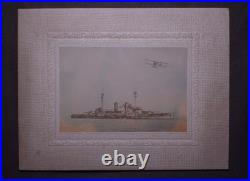
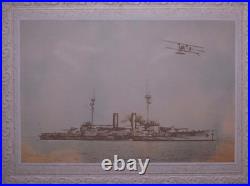
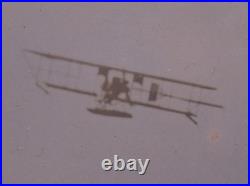
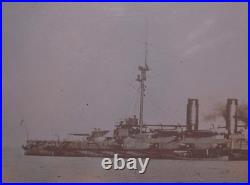
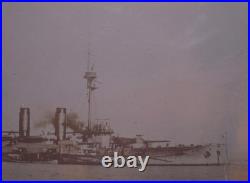
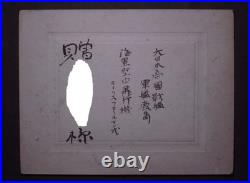
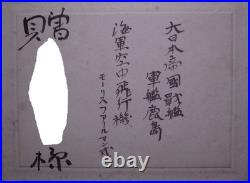
Own a moment when steel met the sky. This original Taisho-era photograph captures the Imperial Japanese Navy battleship “Kashima”. Sailing proudly beneath a Maurice Farman seaplane – the symbol of Japan’s first steps into the age of naval aviation. In 1906 under the Anglo-Japanese Alliance. Named after the sacred Kashima Shrine in Ibaraki Prefecture, she embodied the spirit of a rising maritime nation. By the early 1910s-1920s, as Japan expanded its reach across the seas. The Navy began experimenting with flight – the Maurice Farman biplane seen here was among the first aircraft operated by the IJN. This rare composition of a battleship and an aircraft together marks a turning point. The moment when battleships still ruled, but the sky had begun to matter. The back inscription reads. Type: Original mounted photo (vintage print on embossed mount). Subject: IJN Battleship Kashima with Maurice Farman Seaplane. Period: Taisho era ca. Overall – 17.1 × 22.2 cm. Photo – 9.2 × 13.7 cm. Condition: Aged patina, mild toning and spots from storage, no major damage. Please see photos for details. The Kashima and Katori were the last pre-dreadnoughts built for Japan in Britain. The Maurice Farman biplane was Japan’s first practical naval aircraft – this photograph captures a fleeting scene of both eras coexisting. International Buyers – Please Note. Thank you for your understanding.

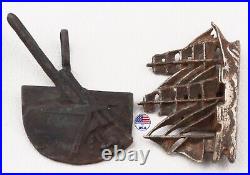
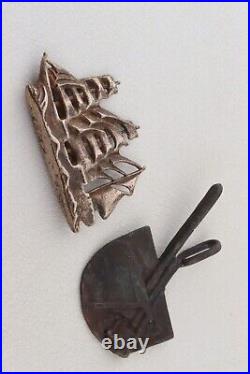

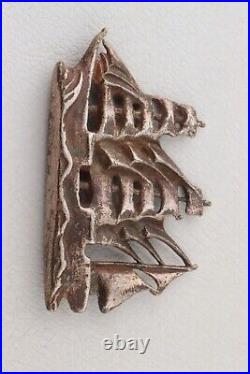
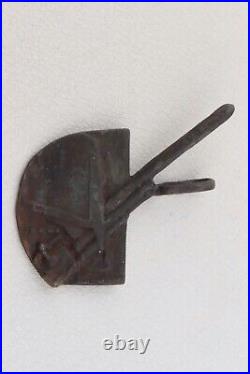
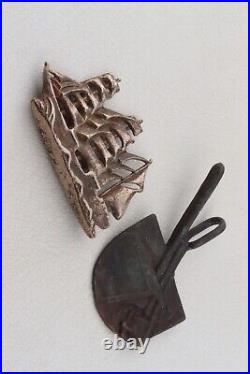
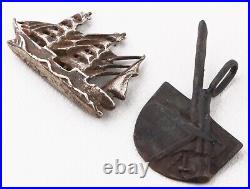
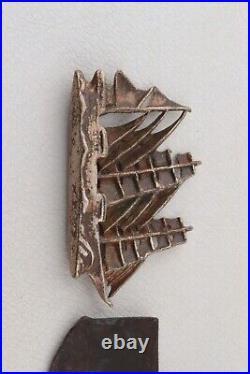
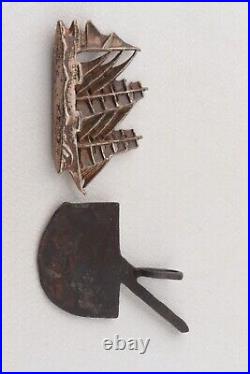
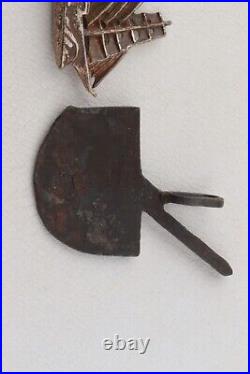
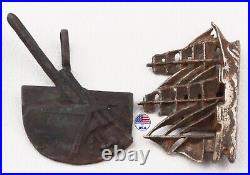
German kriegsmarine pendant set WW2 Navy Marine WWII Battleship Artillery gun Germany WW1 wwI Bronze 1. 40x25x7mm 9.37g 2. 40x32x7mm 5.83g? 601. Do you always want to be the first to see new interesting items? Subscribe to my items, add to your favorite sellers. Be the first to see, win and enjoy the win! Thank you for your time!

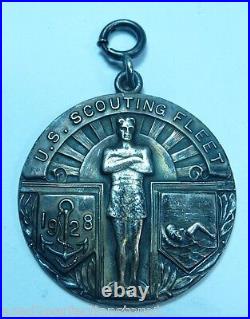
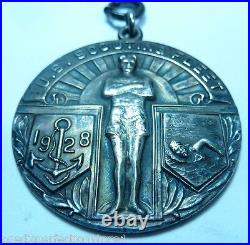
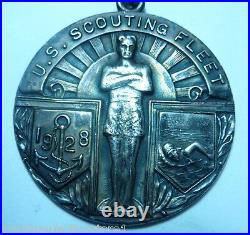
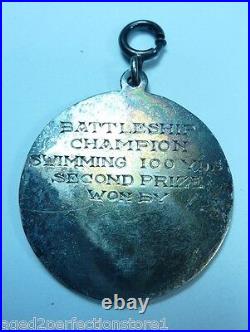
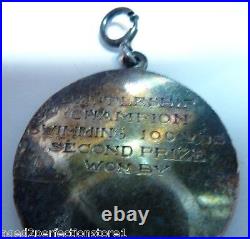
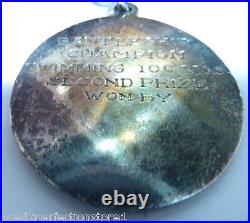
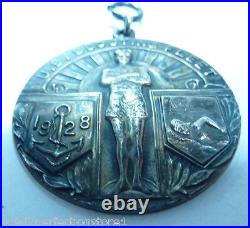
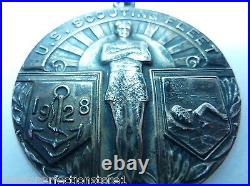
1928 US SCOUTING FLEET Award Medal Medallion Fob. Backside engraved: BATTLESHIP CHAMPION. Swimming 100 yds second prize won by (blank/not filled in). Fabulous exquisite ornate detailing. Rare hard to find award medallion. Measures approximately 1 3/8. Please view all pictures to appreciate the piece. Use zoom close up feature for detail/design. Fabulous piece to proudly display in your collection. Check our store for more old unique medallions. Available for private inspection by appointment. Please view all pictures for more information and to judge condition for yourself. Wear with age and use. Available for private inspection. Thank you for looking -blkjc. Check out our store – AGED2PERFECTIONSTORE – for more great finds: antiques and unusual items.