
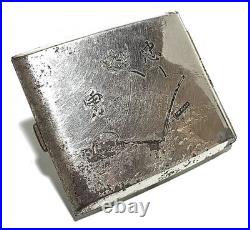
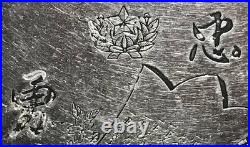
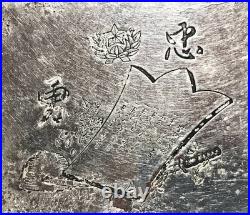
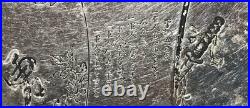
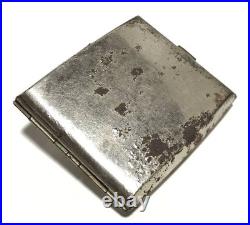
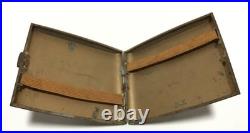

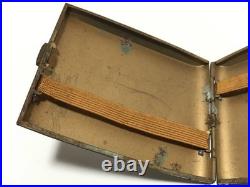
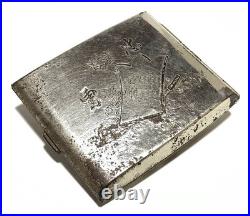

This is a prewar Imperial Japanese Army metal cigarette case associated with the Imperial Guard Division, one of the most prestigious formations of the former Japanese Army. At the top of the front is the distinctive Imperial Guard Division emblem, rather than a generic Army star. Large characters on either side read: – Loyalty – Valor Below the emblem is a design based on a commemorative plaque associated with Army Commemoration Day, and within the plaque are the Five Principles of the Imperial Rescript to Soldiers and Sailors. The Imperial Rescript to Soldiers and Sailors was issued by Emperor Meiji in 1882 and became one of the central foundations of military education in prewar Japan. Its five principal virtues were: Loyalty, Courtesy, Valor, Faithfulness, and Frugality. These principles were repeatedly taught to Japanese soldiers and sailors as the moral standards expected of military personnel. The combination of the Imperial Guard Division emblem, the words “Loyalty” and “Valor, ” and the Five Principles of the Imperial Rescript gives this small personal item unusually strong historical character. The Imperial Guard Division had its roots in the forces responsible for protecting the Emperor and the Imperial Palace. The original Guards Division organization was reorganized during World War II, and the Imperial Japanese Army itself ceased to exist following Japan’s surrender in 1945. The Imperial Rescript likewise lost its role as a military code with the dissolution of the armed forces. Cigarettes were also closely connected with everyday military life. A metal cigarette case was both a practical personal accessory and something a serviceman could carry in his uniform pocket. The original retaining straps remain inside the case. Approximate size: 7.5 × 9 × 1.5 cm The surface shows age-related wear, rust, scratches, and loss of plating. These signs of use are part of the object’s nearly century-old character. This is not simply a cigarette case. It is a small surviving object that preserves the symbols, values, and everyday material culture of Japan’s prewar military world. Own a Piece of History. International Buyers – Please Note.

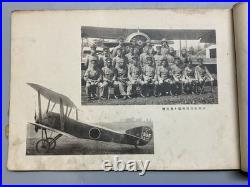
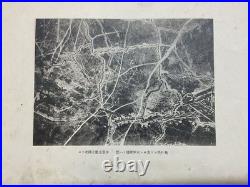
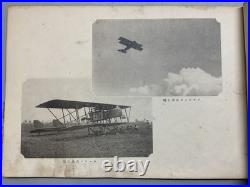
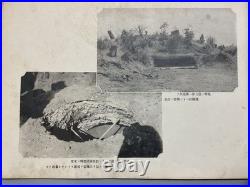
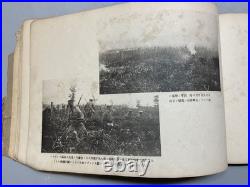
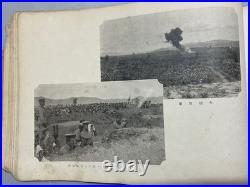
This is an original Japanese military photo album documenting a field exercise of the Imperial Japanese Army’s 7th Division in July 1922. The cover is clearly marked: “7th Division Position Attack and Defense Exercise” “Commemorative Photo Album” “July, Taisho 11″ – 1922 The 7th Division was one of the Imperial Japanese Army’s most important northern formations. Based in Hokkaido, it was responsible for the defense of Japan’s northern frontier and became widely known as the “Hokuchin Unit, ” or Northern Garrison Division. Its history stretched from the Russo-Japanese War, including the battles of Port Arthur and Mukden, through deployments to Manchuria and Siberia, and later into the conflicts of the 1930s and World War II. What makes this album especially interesting is that it does not simply contain posed portraits of soldiers. It records an actual large-scale military exercise. The photographs show troops maneuvering in the field, prepared defensive positions, artillery or explosive activity, and other scenes connected with battlefield training. Most importantly, the album also includes military aircraft, aviation personnel, aircraft in flight, and aerial reconnaissance photography of the exercise area. This is particularly significant because the album dates from 1922, when military aviation was still developing rapidly. The photographs show how the Japanese Army was already beginning to integrate aircraft into ground operations-not only as machines of flight, but as tools for observing terrain, defensive positions, and troop movements from the air. In other words, this album records Japanese soldiers learning how to: defend a position, attack a fortified area, and observe the battlefield from above. That combination makes it much more than a simple souvenir album. The 7th Division would later become deeply connected with some of the most difficult chapters of Japanese military history, including fighting connected with Manchuria, the Nomonhan Incident, Guadalcanal, and the northern Pacific theater. But these photographs were taken roughly twenty years before the Pacific War. The men appearing here had no idea what was still ahead of them. The album shows age, staining, wear, and deterioration to the binding and covers, all consistent with an item that has survived for more than a century. For a collector of Imperial Japanese Army history, early military aviation, Hokkaido military history, or prewar military photography, this is a particularly atmospheric historical document. It is not simply an old album. It is a small time capsule from a Japanese Army training ground in 1922. Own a Piece of History. International Buyers – Please Note.

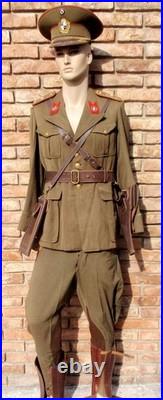


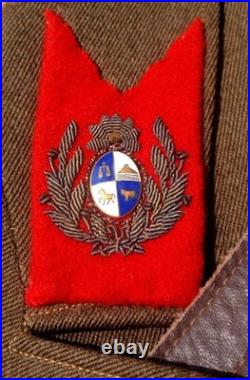
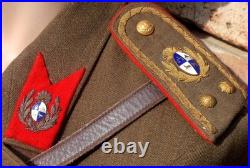
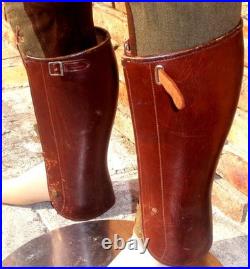
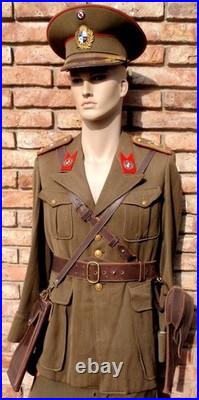
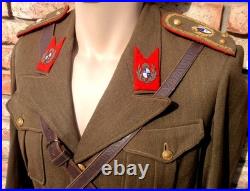

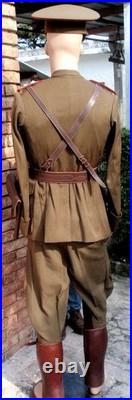
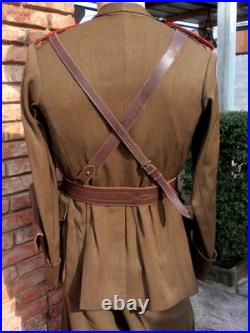
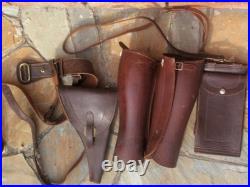
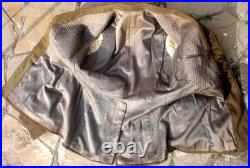
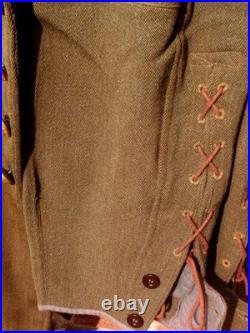

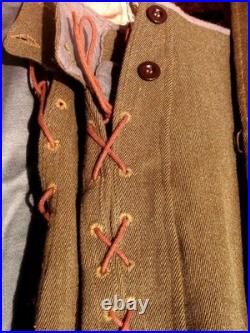
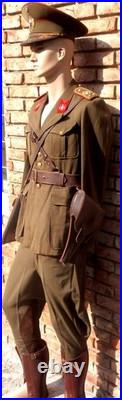
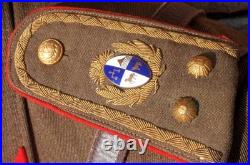
ENVÍO DESDE MONTEVIDEO, URUGUAY ES SOLO POR DHL. UN EXCELENTE CONJUNTO, QUE INCLUYE EL UNIFORME DE GENERAL ORIGINAL DEL EJÉRCITO URUGUAYO. EL UNIFORME ORIGINAL INCLUYE CHAQUETA CON HOMBRERAS Y DISTINTIVOS, PANTALÓN MUY FINO, SOMBRERO CON VISERA BORDADA DE CUERO Y CONJUNTO COMPLETO DE ACCESORIOS REALIZADOS EN PIEL, CINTURÓN Y PORTACARTAS EN BANDOLERA, FUNDA, PANTORRILLERAS DE CUERO. ESTE TIPO DE UNIFORME SOLO SE USÓ EN URUGUAY DURANTE EL PERÍODO 1932 – 1938; (EL PERÍODO DE LA GUERRA DEL CHACO ES 1932 – 1935). Los impuestos en el lugar de destino no son responsabilidad del vendedor. Y no están incluidos en el precio de venta.

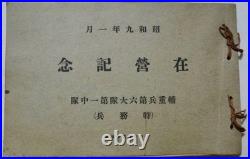
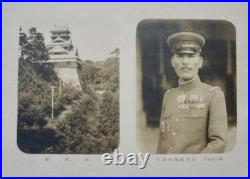
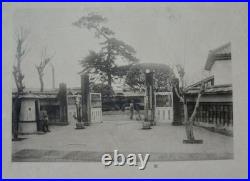
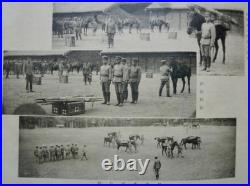
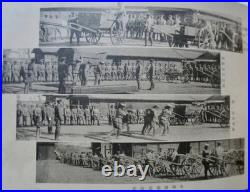
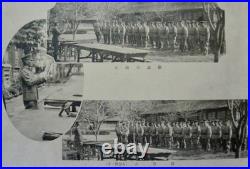
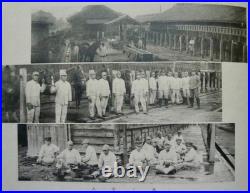
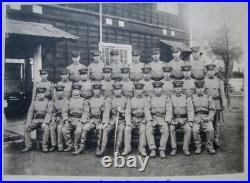
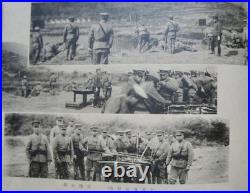
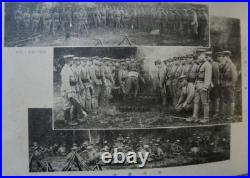
WWII Imperial Japanese Army Transport Troops Photo Album. 6th Division – 1934 (Showa 9). This original commemorative photo album was issued in 1934 for members of the. 6, 1st Company (Special Service Personnel). Of the Imperial Japanese Army. The opening pages include a portrait of Lieutenant General Sakaemon Sakamoto, commander of the 6th Division at the time. The 6th Division was one of the most famous divisions of the Imperial Japanese Army. Originally formed in Kumamoto in 1888, the division participated in numerous major conflicts including. The division later fought in China and ultimately in the Solomon Islands, where many of its soldiers suffered severe losses from starvation and disease after supply lines collapsed. What Makes This Album Unusual. Unlike most surviving Imperial Japanese Army photo albums, which focus on infantry units, this album documents a transport and logistics unit. The Imperial Japanese Army is widely known for placing relatively limited emphasis on logistics compared with other major armies of the period. As a result, surviving materials related to transport troops (Shichohei) are considerably less common than infantry-related items. This album provides a rare visual record of the soldiers responsible for moving food, ammunition, medical supplies, and equipment to the front lines. Roll calls and inspections. Horse grooming and care. Group photographs of personnel. Particularly noteworthy are the numerous photographs showing military horses, transport wagons, and logistical training activities. These images provide valuable insight into a rarely documented branch of the Japanese Army. The album captures military life during the relatively peaceful years between the Manchurian Incident and the outbreak of full-scale war in China. Imperial Japanese Army history. Logistics and supply operations. Rare unit photo albums. Shows age-related wear, staining, and storage marks consistent with age. Please examine all photographs carefully for condition details. A fascinating historical record documenting the often-overlooked soldiers who kept the Imperial Japanese Army moving. Own a Piece of History. International Buyers – Please Note. Thank you for your understanding.

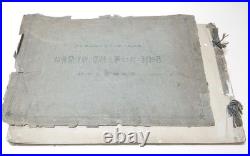
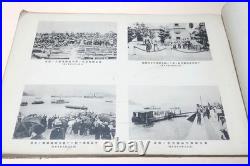
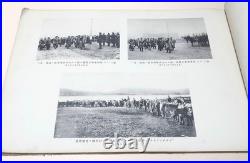
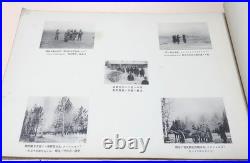
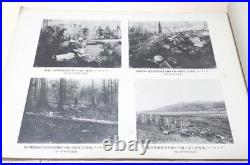
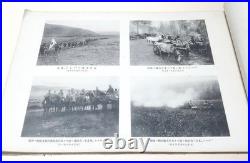
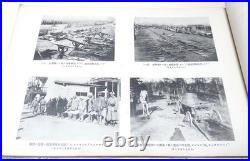
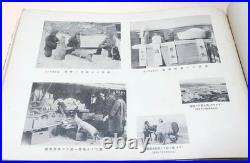
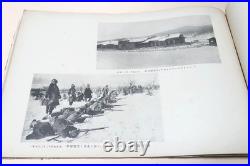
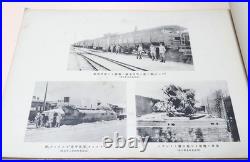
This item is an official, non-commercial photo album compiled by the Imperial Japanese Army 5th Division Headquarters, based in Hiroshima, during the period of the Siberian Intervention. The photographs document the activities of the 5th Division between August 1919 and July 1920, including military operations, troop movements, logistics, encampments, transportation, and daily life in Siberia and the Russian Far East. This album was not intended for public sale and was produced as an internal military record. As a result, surviving copies are limited, and such albums are rarely encountered on the open market today. What Was the Siberian Intervention? Japan, Britain, the United States, France, and other Allied powers. (Japan deployed the largest force). Siberia and the Russian Far East (primarily east of Lake Baikal). Officially to assist the evacuation of the Czechoslovak Legion and stabilize the region after the Russian Revolution; Japan also pursued its own strategic interests. Deployment of troops, occupation, security operations, and logistics. Japan dispatched over 70,000 soldiers, remaining in Siberia even after other Allied forces withdrew, before ultimately evacuating under international pressure. About the Imperial Japanese Army 5th Division. The 5th Division was one of Japan’s long-established standing divisions, headquartered in Hiroshima. It participated in major conflicts including the Sino-Japanese War, Russo-Japanese War, World War I-era operations, and the Siberian Intervention. During the Siberian campaign, the division was responsible for operations and long-term deployment under severe climatic conditions. The division was later reorganized and ultimately dissolved with the disbandment of the Imperial Japanese Army in 1945. About This Album. This album is not a commemorative or propaganda publication in the modern sense, but rather a documentary military record created by the unit itself. Infantry, cavalry, artillery, and logistics units. Field operations and troop formations. Railway transport and supply activities. Encampments and winter conditions. Officers and unit group photographs. Its value lies in its documentary and historical significance as a primary source. Size & Condition. 27 × 39 cm. Visible wear, edge damage, and binding deterioration consistent with age. Condition does not detract from research or reference value. A rare non-commercial primary source documenting the Imperial Japanese Army’s Siberian operations through the lens of a single division. Appealing to collectors and researchers of military history, early 20th-century geopolitics, and archival photography. Approximate 7-21days(To USA).



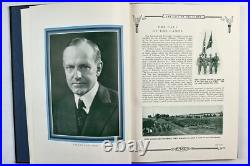
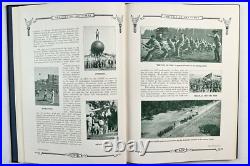
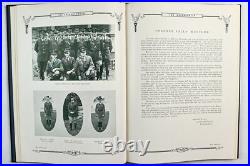
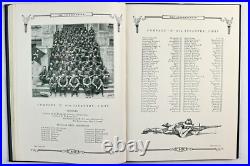
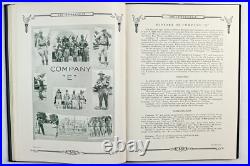
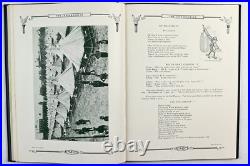
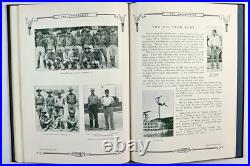
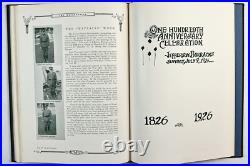


This listing is for the following original military history book. The item will be well packaged. We put effort into ensuring your item arrives safely! Powered by SixBit’s eCommerce Solution.

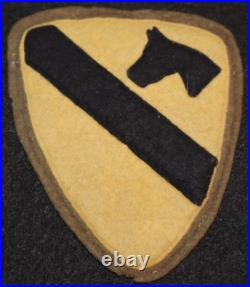
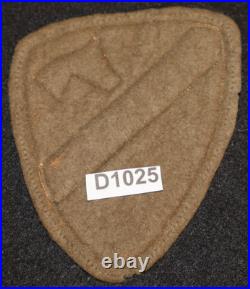
1930s / WW2 US Army 1st Cavalry Division SSI Shoulder Patch Philippine Felt Made. 1930s / WW2 US Army 1st Cavalry Division SSI Shoulder Patch Philippine Felt Made, Good Issued. As Photographed with wear and age as seen (please see photos for condition). A Great Candidate for any Collection, War Room, or Display. Recent Estate Collection Acquisition & Presented as Acquired, Rare. Check back often – we search estates and sources across the world to bring our customers a fine selection of militaria. Please review all photos for details regarding the condition of the item listed – further condition information will be included in the listing as is relevant, if you need additional photographs or have questions regarding the condition please do not hesitate to ask. I describe all items to the best of my ability – please do not hesitate to ask any and all questions prior to the close of the listing. Mistakes very rarely occur – however if one does please rest assured that it will be corrected. International Buyers are Welcome!



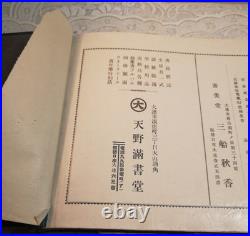
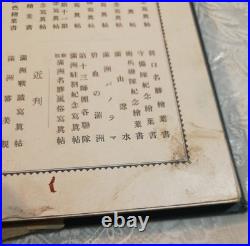
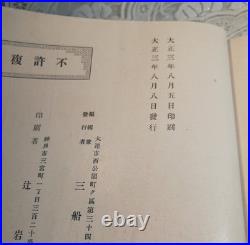
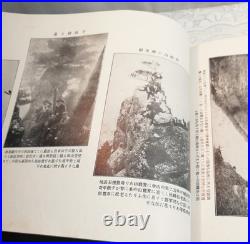
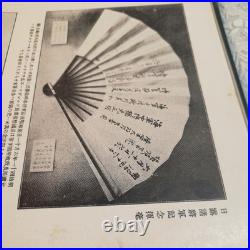
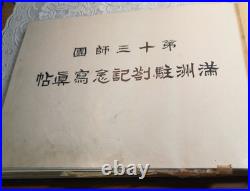
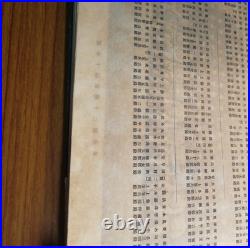
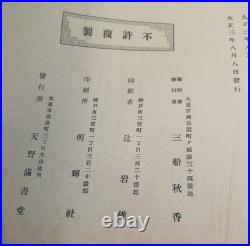
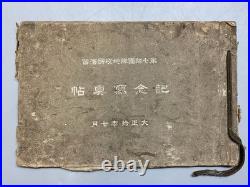
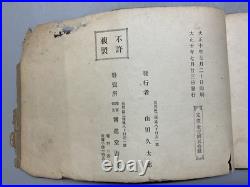
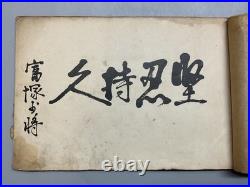
Transcription of Cover & Colophon. Cover: ” ” (13th Division – Manchuria Garrison Commemorative Photo Album). Title Page: same inscription. Heading:?? (Reproduction Prohibited). Publisher: Amano Mando Shodo (, Dairen). Editor: Mifune Shuko (, Dairen City). Printer: Iwao Tsuji / Printing House: Meiki-sha (, Kobe). Date: Printed August 5, 1914 / Published August 8, 1914 (Taisho 3). Rear matter: publisher’s advertisement for similar military albums. An official commemorative album published in 1914 (Taisho 3) by the Imperial Japanese Army 13th Division, marking its garrison duty in Manchuria (Manchukuo). Produced in Dairen (Dalian) by the Amano Mando Shodo bookshop, it is a large-format, limited-distribution volume containing photos of the division’s soldiers, facilities, commemorative items, local scenery, and even personnel rosters. These albums were non-commercial publications, intended for distribution within the unit and related circles. Following the Russo-Japanese War, Japan controlled the Kwantung Leased Territory and South Manchuria Railway Zone. This album documents the 13th Division’s stationing period there, just as Japan consolidated its position in northeast China on the eve of World War I. Published in Dairen (modern Dalian, Liaoning Province). The photographs include Dairen, Mukden (Shenyang), Changchun, and the Liao River basin, showing both military installations and regional landscapes. It provides a rare visual record of Japanese garrison life in Manchuria at the time. The 13th Division, created in 1898 after the First Sino-Japanese War, was a permanent IJA formation drawing recruits mainly from western Japan. This album visually documents its officers, enlisted men, facilities, and even supporting organizations during their Manchurian deployment. Why is it important? Primary source: Complete with publisher and imprint, confirming Dairen as the place of publication. Includes photos, rosters, commemorative objects, and facilities, giving a full overview of garrison life. Regional history value: Beyond the military focus, it captures urban landscapes, transport, bridges, markets, and rural scenery-a rich visual record of Manchuria in the 1910s. Rarity: “Commemorative Garrison Albums” from the Taisho era are significantly rarer than later Showa Incident Albums. Survival rate is very low, making this highly desirable for collectors of military history, Asian studies, and colonial-era publications. How was it made? Large horizontal format, Japanese binding style, with gilt-titled cover and decorative cords. Edited by Mifune Shuko; published by Amano Mando Shodo, Dairen; printed by Meiki-sha, Kobe. Content includes: unit gates and barracks, group portraits, officers and enlisted men, commemorative fans and flags, monuments, scenic views of Manchuria, and name lists. 13th Division: A permanent IJA division raised after the Sino-Japanese War; active in Russo-Japanese War and later overseas garrison/security roles. Manchuria (/ Manchukuo): Northeastern China, including Liaodong, Mukden, Changchun, Harbin. Japan held the Kwantung Leased Territory and railway zones after 1905. “Commemorative Garrison Album” : A limited-edition publication, produced by military units in cooperation with local publishers, distributed to soldiers, families, and patrons to mark garrison service. Exterior: age-related rubbing, edge wear, minor loss, fraying cords. Interior: overall very good, strong print contrast, fully legible. What you see in the photos is everything included. Please check images for details. Clearly dated 1914 (Taisho 3) and published in Dairen, giving it both historical and geographic precision. Combines military photographs + regional landscapes + rosters + full imprint, making it a versatile source for collectors and researchers alike. Considerably rarer than the more common Showa-era Incident Albums. Strong crossover appeal to collectors of Manchuria, Kwantung Leased Territory, Japanese Army divisional history. This item is offered strictly as a historical document. It is not intended to promote or glorify any ideology. Inquiries welcome – additional detail photos can be provided upon request. International Buyers – Please Note. Thank you for your understanding.

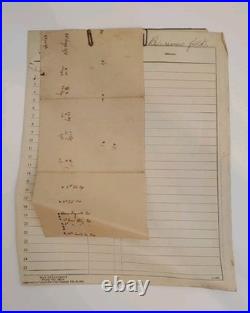
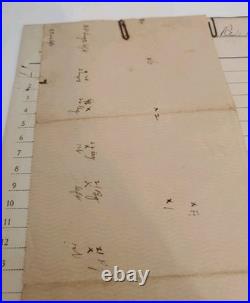
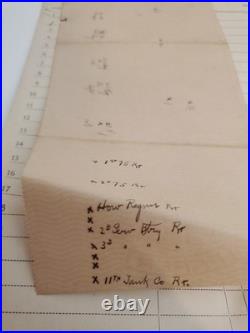

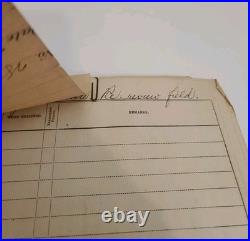



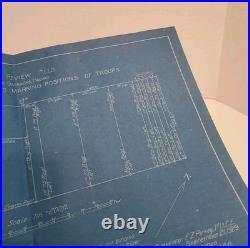
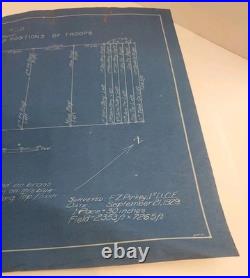
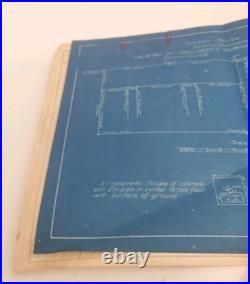
Surveyed by 1st Lt. Pirkey, Corps of Engineers C. , dated September 21, 1929. This detailed plan shows precise troop positions for division-level parades/reviews, including regiments 1st-3rd Infantry, 21st-27th, Howitzer, Service Batteries, Engineers, Tank Co. , monument locations (1ft concrete cubes with 2in brass pipe centers, flush with ground, stamped designations), and measurements in paces/yards/feet (1 pace = 30 inches). Overall field dimensions: 2353 ft x 7265 ft. North arrow and detailed construction notes included.

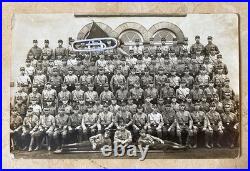

PRE- WW2 GERMAN STORM DIVISION MEMBERS STURM UNIT 1933 PHOTO POSTCARD RPPC. PRE-WW2 GERMAN STORM DIVISION MEMBERS STURM UNIT (1/145) 1933. VERY SHARP FOCUS WITH VERY FINE CONTRAST. PHOTOGRAPHER’S IMPRINT ON THE REVERSE. THIS IS NOT A REPRODUCTION OR A COPY.