
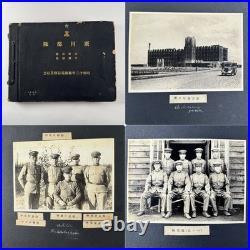
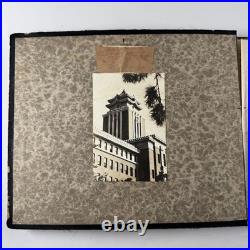
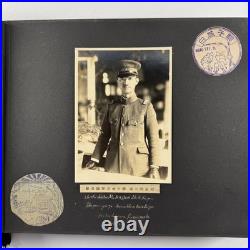
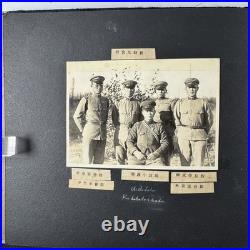
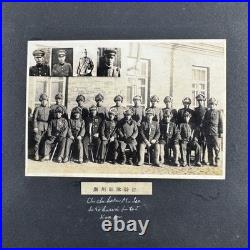
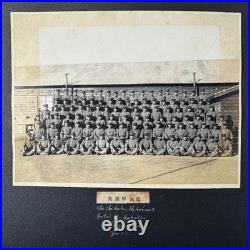
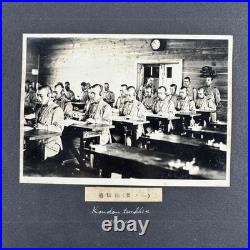
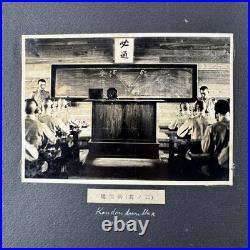
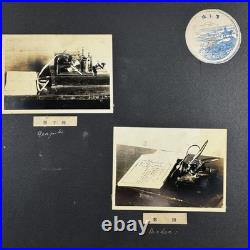
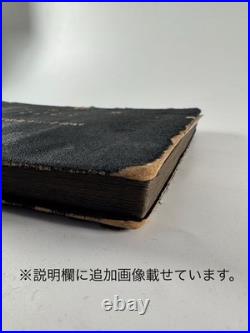
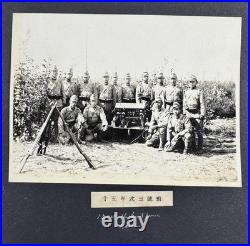
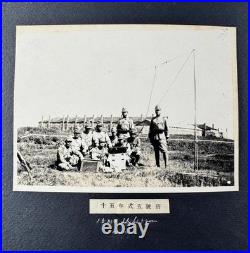
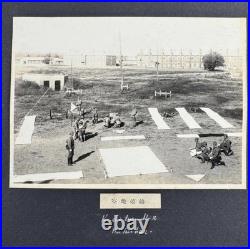
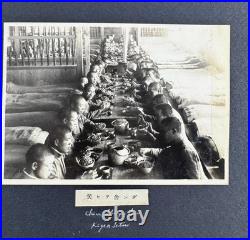
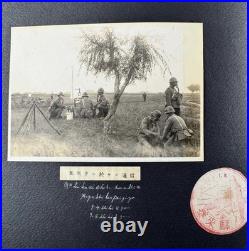
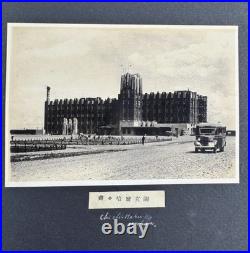
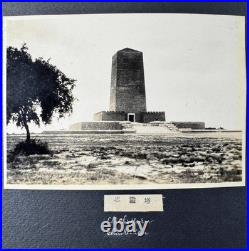
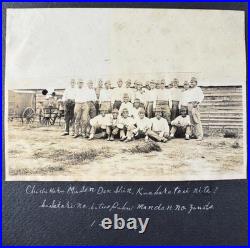
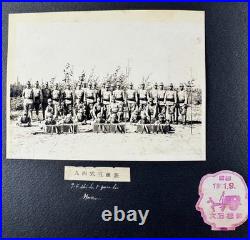
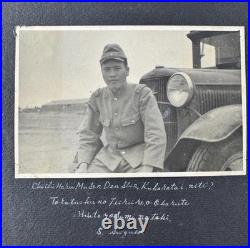

This is an original 1937 Imperial Japanese Army radio communications training photo album containing approximately 65 original photographs. The cover is gilt-lettered with the large unit name: “Hirokawa Unit” and, beneath it in smaller lettering: “Ogushi Unit” “Imari Unit” It is also clearly marked: Commemorative Album for Radio Communications Training, 1937. The exact organizational relationship between these three unit names cannot be confirmed from the album alone, but all three are clearly recorded on the original cover, making this a particularly interesting unit-specific military document. The album contains far more than ordinary soldier portraits. It documents the actual training of Imperial Japanese Army communications personnel, including instructors, assistant instructors, trainees, classroom instruction, radio equipment, field exercises, and unit life. Original Japanese captions visible in the album include: “Instructors and Assistant Instructors” “Trainees” “Hirokawa Unit Headquarters Staff” “Communications Training, Part 1″ “Communications Training, Part 2″ “Receiving Apparatus” “Telegraph Key” “Air-Ground Communication” One of the most striking photographs shows soldiers wearing headphones while practicing radio reception inside a classroom. Another shows an instructor teaching communications procedures at a blackboard. These images provide an unusually direct look at how Imperial Japanese Army signal personnel were actually trained before the Pacific War. The album also contains numerous outdoor radio training photographs. Several images show soldiers gathered around field radio sets with antennas erected in the open. Original caption labels include: Type 94 No. 5 Group” “Type 15 No. 3 Group” “Type 15 No. 5 Group These photographs appear to document training groups organized around specific communications equipment. Another particularly interesting photograph is captioned Air-Ground Communication. It shows personnel working with communication equipment while large ground panels are spread out in an open field, apparently as part of training for communication or signaling between ground units and aircraft. In addition to the technical training photographs, the album includes images of officers, unit headquarters personnel, military vehicles, barracks life, meals, large group portraits, monuments, buildings, and scenes believed to have been taken in Manchuria. Many photographs are accompanied by original Japanese caption labels and handwritten Romanized notes. This is not simply a collection of unrelated military photographs. It is a coherent visual record of the same soldiers, units, equipment, and communications training program. Military communications were the nervous system of an army. Orders, intelligence, artillery coordination, movement, and contact between ground and air units all depended on trained signal personnel. The men shown in this album were part of that invisible network. With approximately 65 original period photographs, named units, communications equipment, classroom training, field radio exercises, and air-ground communication scenes, this album is an exceptionally interesting source for collectors and researchers of: Imperial Japanese Army Signal Corps Military Radio Communications Manchuria Japanese Field Radios Prewar Military Training Military Communications History The album cover shows age-related wear, rubbing, edge loss, and deterioration. The photographs and album pages also show age-related toning, staining, lifting, and other signs of age. Please examine all photographs carefully for the exact condition. Own a Piece of History. International Buyers – Please Note.

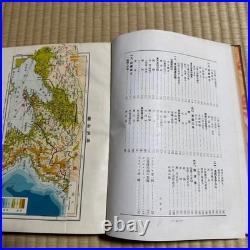
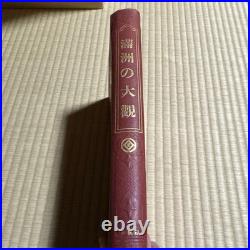
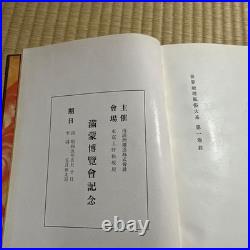
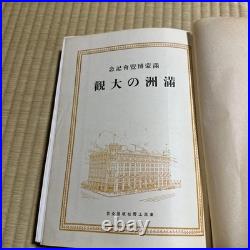
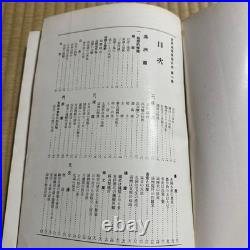
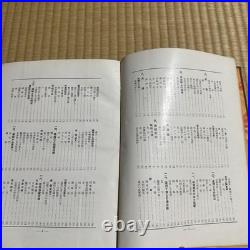
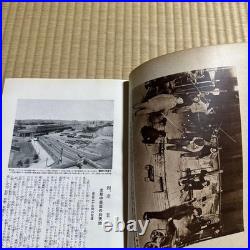
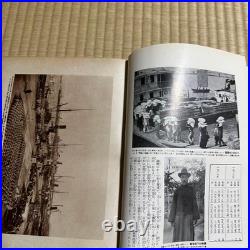
This is an original 1930 Japanese photo and geography book titled “A Grand View of Manchuria”, published to commemorate the Manchuria-Mongolia Exposition held in Tokyo. The book clearly identifies: “Sponsored by the South Manchuria Railway Company” “Venue: Matsuzakaya, Ueno, Tokyo” “Commemorating the Manchuria-Mongolia Exposition” The exposition was held from May 10 to May 19, 1930, and was designed to introduce Manchuria to the Japanese public through displays of its cities, industries, transportation, resources, and regional development. The key institution behind this publication was the South Manchuria Railway Company, commonly known as Mantetsu. Despite its name, Mantetsu was far more than a railway company. It operated railways, mines, ports, hotels, urban development projects, industrial facilities, and extensive research organizations. It functioned as a powerful semi-governmental enterprise closely tied to Japan’s expansion on the Asian continent and to the political and military system surrounding Manchuria. Because of its extraordinary economic and political reach, Mantetsu has often been compared to a Japanese version of the East India Company. This book therefore offers more than a simple travel view of Manchuria. Inside are extensive photographs and articles covering places such as Dairen, Port Arthur, Mukden, Changchun, Harbin, Fushun, and the regions along the South Manchuria Railway network. Railways, ports, industry, cities, landscapes, and local people are all presented through the perspective of prewar Japan. The volume also includes a color map of Manchuria, providing a valuable visual record of how the region was geographically understood and presented in Japan at the time. The date 1930 is especially important. The Mukden Incident would begin the following year in 1931, and the state of Manchukuo would be established in 1932. This means the book was produced before Manchukuo existed, only one year before the political and military situation in Manchuria changed dramatically. It is not a military manual, but it preserves the world that existed immediately before the Manchurian Incident: the South Manchuria Railway, Japan’s growing continental ambitions, and the public image of Manchuria presented to people in Tokyo. In that sense, it offers a rare look at the civilian, economic, and propagandistic side of the history that soon became a military crisis. Nearly a century ago, visitors in Tokyo opened this book and looked toward Manchuria as a land of railways, industry, resources, and opportunity. One year later, that same region became the center of an international conflict. Own a Piece of History. International Buyers – Please Note.

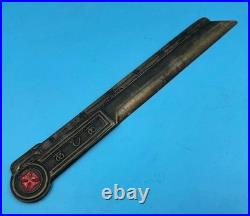
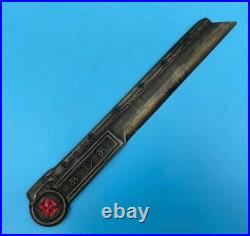
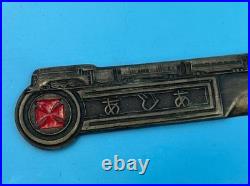
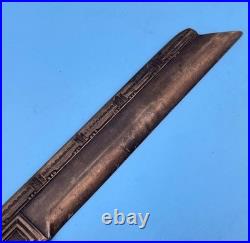
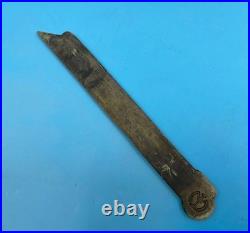
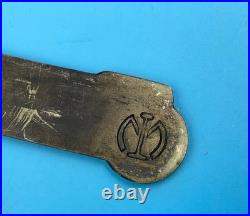
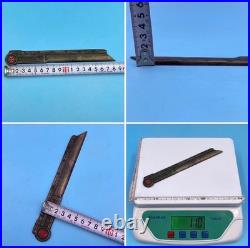
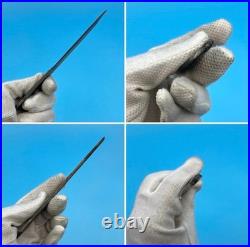
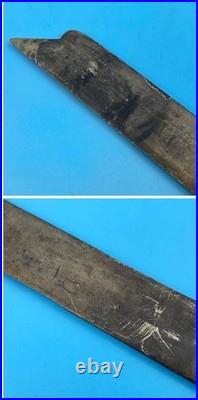
Rare commemorative paper knife issued by the South Manchuria Railway Company (Mantetsu) during the 1930s, celebrating the legendary express train “Asia” (Ajia-go) – the flagship of Japan’s imperial railway network in Manchukuo. Made of solid brass, beautifully engraved with the relief of the Asia Express locomotive, the train name “??? , ” and the red Mantetsu company crest. The reverse side also bears the official logo mark. 19 cm in length, 110 g in weight. Some age patina and wear, consistent with its age. Founded in 1906 after the Russo-Japanese War, the South Manchuria Railway (SMR) was far more than a transport company – it was the economic and military backbone of Japan’s control over Manchuria. Mantetsu managed railways, mines, cities, and intelligence networks, serving both civilian and military logistics. The Asia Express, inaugurated in 1934, represented the peak of Japanese engineering in the prewar era. Running between Dalian, Mukden (Shenyang), and Harbin, it featured streamlined design, air conditioning, and luxurious interiors. The train became a symbol of imperial prestige and modern power, used by military officers and diplomats as a moving showcase of empire. This paper knife embodies that historical moment – where technology, propaganda, and military ambition converged in Japan’s expansion across Asia. A rare collectible for historians and railway or militaria collectors alike. Own a piece of history. International Buyers – Please Note. Thank you for your understanding.

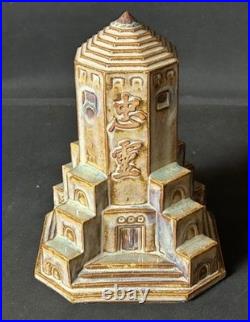
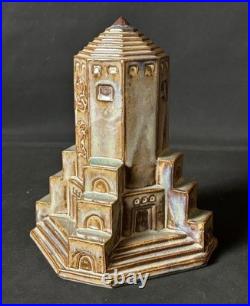
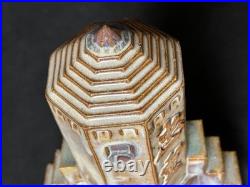
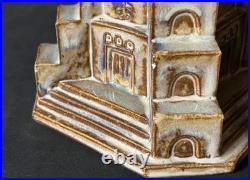
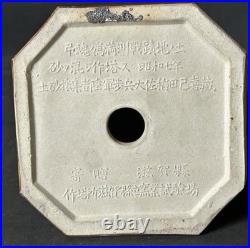
Made by mixing sand from the Manchurian battlefields for the repose of the fallen. Sand collected by Army Lieutenant Colonel Inada Kikizo. Presented by Shiga Prefecture. Manufactured at the Shiga Prefectural Ceramic Research Institute (Shigaraki). The sand used in this piece was collected directly from the actual battlefields in Manchuria where Japanese troops fought in 1931-32. Inada Kikizo, personally gathered battlefield soil at Fengtian/ Mukden. The ceramic model was produced by the Shigaraki Prefectural Ceramic Research Institute, the official government workshop responsible for high-quality Shigaraki ware. The characters ” / Churei” (“Loyal Spirits”) on the tower are the calligraphy of General Takashi Kishikiri, a senior Imperial Japanese Army commander. These memorial towers (Chureito) were erected to honor soldiers who died during the Manchurian Incident, making this piece an early-period memorial artifact. They were created in very small numbers as presentation or dedication pieces linked to the construction of the actual Fengtian Chureito tower. About This Artifact. Material: Shigaraki ware (traditional Japanese stoneware). Width / Depth: approx. Origin: Japan, 1932 (Showa 7). Antique original with natural firing marks, glaze crazing, and age-related wear. A chipped area on the lower base (see photographs). Inscription and calligraphy remain fully legible. Structurally solid and retains strong display value. Why This Piece Is Highly Collectible. Battlefield sand artifact (extremely rare). Documented inscriptions tying it to a named officer. Produced by a governmental ceramic institute. Memorial item from the earliest phase of Japan’s continental expansion. Large display size; architectural form of an actual war memorial. Pieces with battlefield material, official inscriptions, and military calligraphy almost never come to the international market. Approximate 5-7days(To USA).

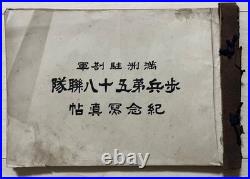
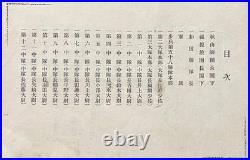
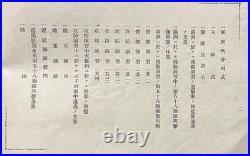
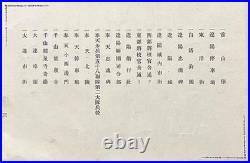
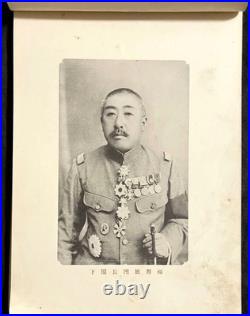
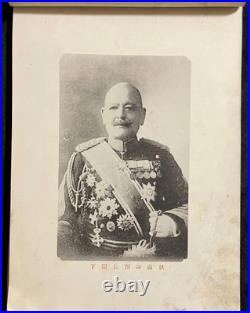
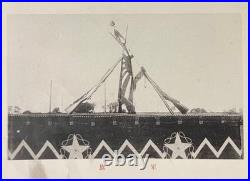
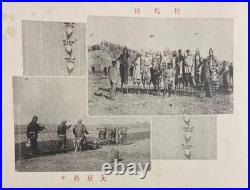
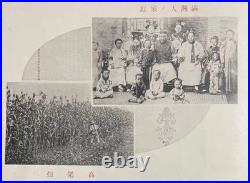
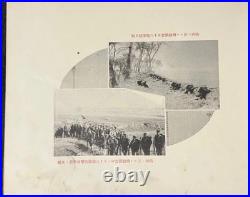
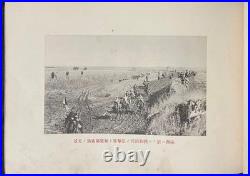
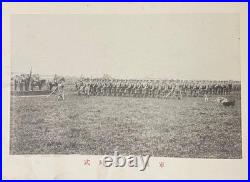
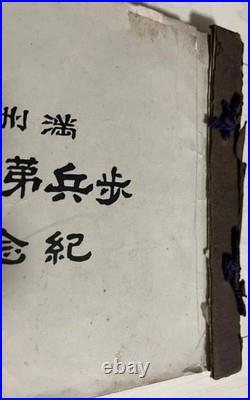
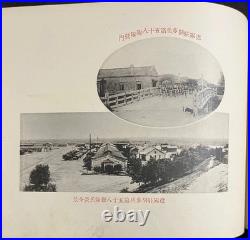
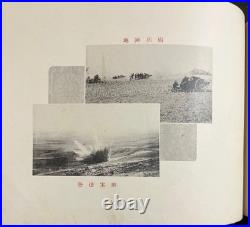
This is an original Imperial Japanese Army commemorative photo album documenting the Manchuria garrison period, dating to the Taisho era (circa 1910s), prior to World War II. The album was compiled as a “Manchuria Garrison Commemoration” (/) and contains period photographs illustrating military life, training, ceremonies, maneuvers, and surrounding landscapes during Japan’s early military presence in Manchuria. Unlike later wartime propaganda materials, this album reflects an early stage of Japanese continental deployment, when garrison duty emphasized discipline, formation training, field exercises, and symbolic military rituals. Contents & Historical Context. The photographs include, but are not limited to. Military formations and drills. Infantry training exercises and field maneuvers. Artillery and live-fire training scenes. Ceremonial flag displays and inspections. Garrison facilities and barracks. Surrounding Manchurian landscapes, farmland, and local environments. Civilian scenes offering rare contextual insight into the region during this period. These images collectively document the daily operational reality of a Japanese Army garrison unit stationed in Manchuria during the Taisho period, a time that is comparatively underrepresented in surviving photographic records. The Taisho era represents a transitional phase in Imperial Japanese military history-situated between the Russo-Japanese War and the later escalation of continental warfare in the 1930s. As such, this album is valuable not only as a military artifact, but also as a primary visual source for researchers studying. Early Japanese military administration in Manchuria. Pre-World War II garrison life. The evolution of training doctrine and military organization. Colonial-era regional landscapes and civilian life. Albums of this nature were typically produced in limited numbers, often for internal commemoration, making complete surviving examples increasingly scarce. Size: 22 × 15 cm. Covers are missing (removed), as shown. Pages show age-related wear, toning, stains, and minor damage. Overall condition is consistent with an original photographic album of this age. Please review all images carefully. No modern reproductions or reprints-this is an original period item. Notes for Collectors & Institutions. This item is offered strictly as a historical artifact and research material. No political ideology is endorsed or implied. Serious collectors of early Imperial Japanese military material. International Buyers – Please Note. Thank you for your understanding.

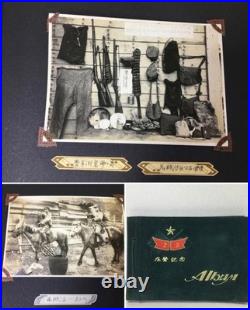
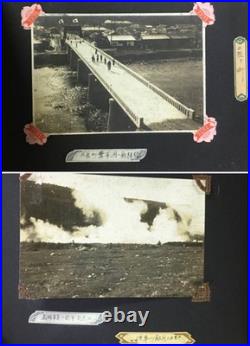
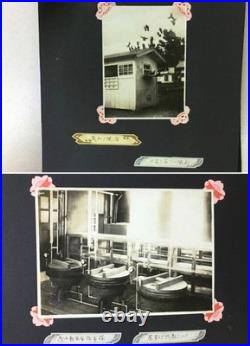
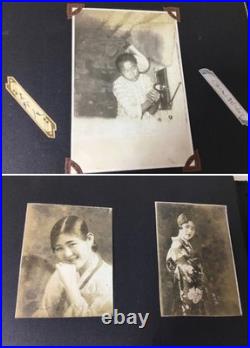
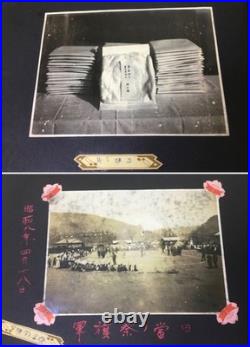
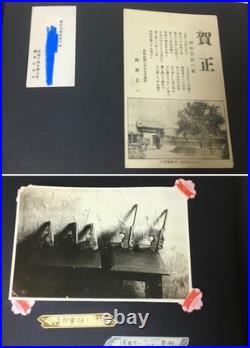
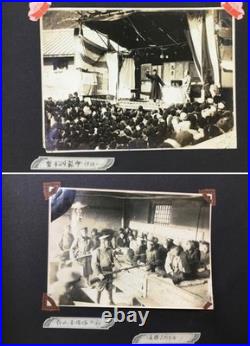
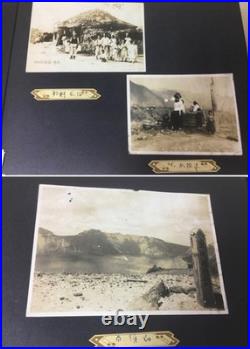
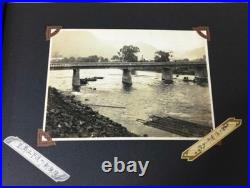
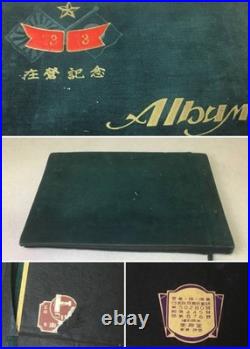
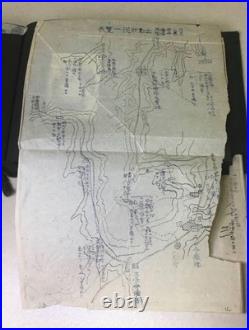
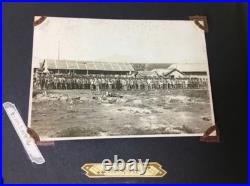
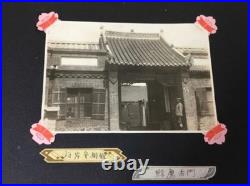
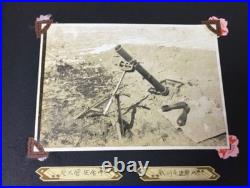
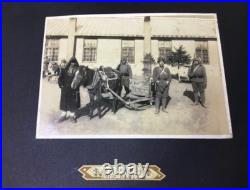
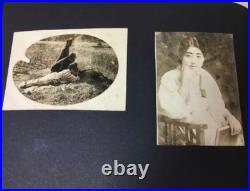
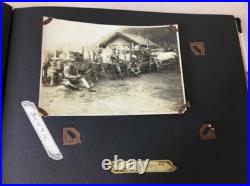
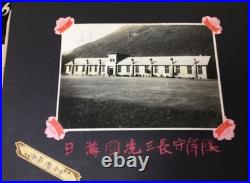
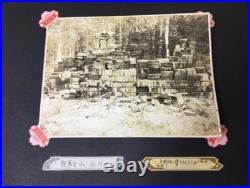
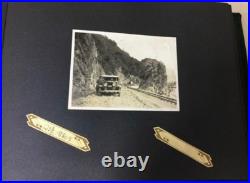
Rare pre-WWII Imperial Japanese Army “Zaiei Kinen” (Active Service Commemorative) photo album related to the 73rd Infantry Regiment. The cover features the red infantry branch collar insignia design with the number “73” and the words “Zaiei Kinen” (In Service Memorial). In the Imperial Japanese Army, red was the branch color of infantry units, and “73” generally refers to the 73rd Infantry Regiment. The 73rd Infantry Regiment was established in 1916 and stationed in Ranam, northern Korea, under the 19th Division. The regiment later participated in. The Battle of Lake Khasan. The Second Sino-Japanese War. WWII campaigns in the Philippines. And eventually ended the war in northern Luzon, Philippines. This album appears to date from around 1933 (Showa 8), shortly after the establishment of Manchukuo. The contents include many identified locations and captions such as. Mobilization / deployment status chart. The album contains approximately 41 photographs (various sizes), including. Horses and cavalry transport. Military facilities and guard posts. Mortar or artillery-related equipment. Korean and Manchurian local life. Public performances and gatherings. Rare operational deployment chart. What makes this album especially interesting is that it is not merely a military souvenir album. It documents daily life and military presence along the unstable frontier regions of Korea, Manchuria, and northern China during the early expansion period of the Japanese Empire. The included “deployment status chart” gives the album additional historical and archival significance. This is the kind of material that appeals not only to militaria collectors, but also researchers of. Some pages missing photographs. One deployment chart has tears. Please check the photos carefully for condition details. A powerful and atmospheric historical album from the forgotten frontiers of the Japanese Empire. Own a Piece of History. International Buyers – Please Note. Thank you for your understanding.


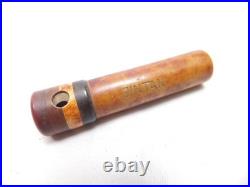
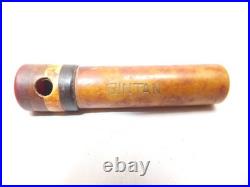

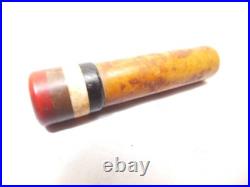



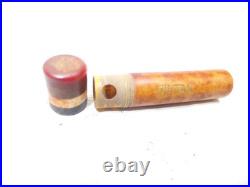

Empty case from the Manchuria. Rare Manchukuo flag design container. Originally used as a. Case / pill case. 5 cm in length. A highly collectible item featuring the distinctive. Small-sized containers of this type are becoming increasingly difficult to find today. International Buyers – Please Note.

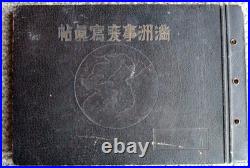
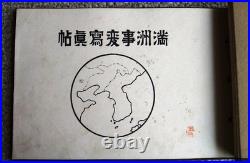
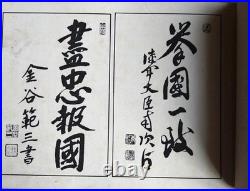
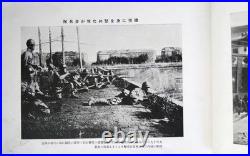
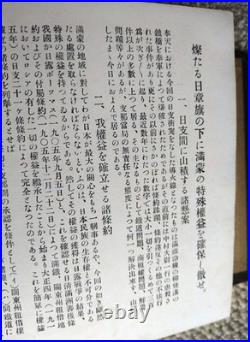
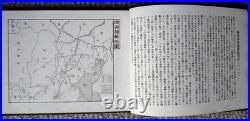
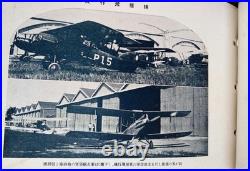

Here is an original Japanese photo album documenting the early stage of the conflict known as the Manchurian Incident (1931). What is the Manchurian Incident? The Manchurian Incident began in 1931, when the Imperial Japanese Army advanced into northeastern China (Manchuria). This event led to the creation of Manchukuo and ultimately expanded into the larger conflicts of the Second Sino-Japanese War and World War II in the Pacific. ? This is one of the earliest visual records of the war that would reshape Asia. Early war photographs (infantry, artillery, occupation scenes). Imperial Japanese military aircraft and airfields. Urban control and railway infrastructure (South Manchuria Railway context). Strategic maps of Manchuria. Original wartime Japanese perspective (propaganda material). This is not just a photo book-it is a visual narrative of how the war was presented to the Japanese public. Why This Matters. Unlike later wartime publications, this album captures the early phase of the conflict, before the war expanded into full-scale global warfare. The beginning of Japanese expansion. The role of military and infrastructure. The atmosphere of a nation entering war. Cover shows wear, fading, and aging. Missing colophon page (publication details inferred from content and style). Interior pages and photographs are in relatively good condition for age. Please check photos carefully. Early Imperial Japanese military documentation. Manchuria / Manchukuo historical material. Wartime propaganda and visual culture. Perfect for collectors, historians, and researchers. Own a Piece of History. International Buyers – Please Note. Thank you for your understanding.

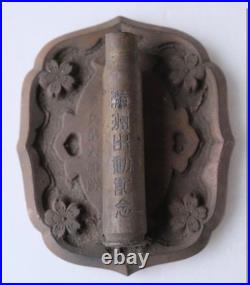
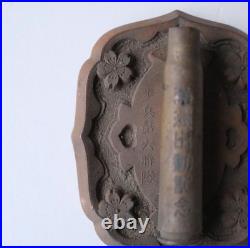
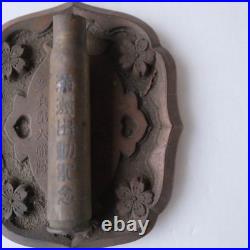
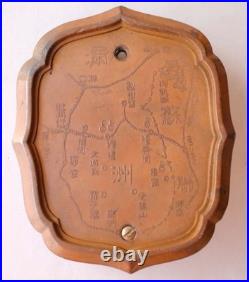
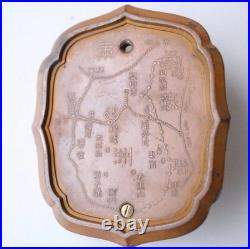
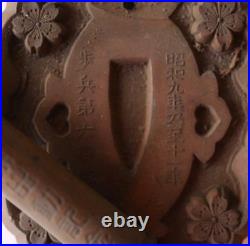
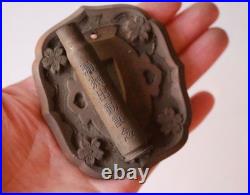
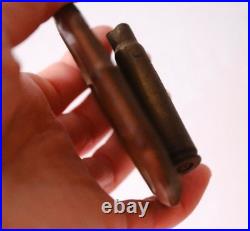
Imperial Japanese Army Manchuria Deployment Commemorative Paperweight. This is a rare Imperial Japanese Army commemorative paperweight made in the shape of a. Japanese sword tsuba (guard). Spent bullet casing decoration. These types of items were often made as. Military souvenirs or commemorative objects. For soldiers who were deployed overseas. On the bullet casing. On the front of the tsuba. On the reverse side. Showing major regions and railway routes. Refers to Japanese military deployments to Manchuria (northeastern China) following the. Manchurian Incident of 1931. After the establishment of. Japanese forces maintained large troop deployments in the region for military control, border security, and operations. This piece likely commemorates service in Manchuria during the period. Was part of the Imperial Japanese Army and had a long history dating back to the Meiji era. The regiment participated in. Early Imperial Japanese military campaigns. During World War II, elements of the regiment were sent to overseas battlefields. Like many Japanese Army units, the regiment suffered heavy losses and was effectively dissolved at the end of the war in 1945. Tsuba (Japanese sword guard) shaped design. Real bullet casing decoration. Engraved Manchuria map on reverse. Early Showa military commemorative item. Unit-specific commemorative items are relatively scarce today. And are collected by military history collectors worldwide. 7.5 cm × 6 cm. Vintage item with age-related wear. Please check photos for details. Approximate 7-21days(To USA).

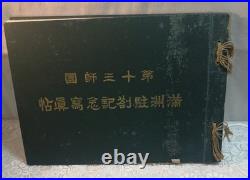
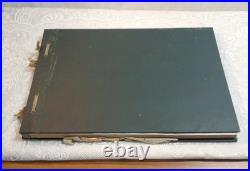
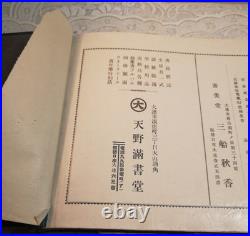
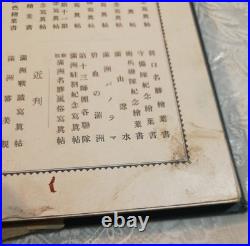
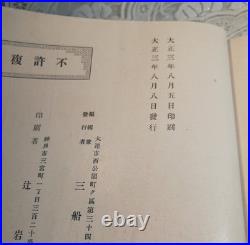
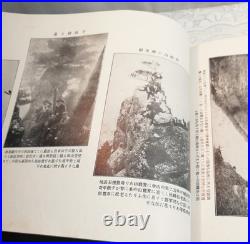
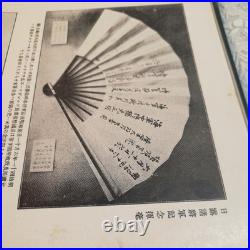
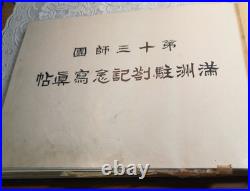
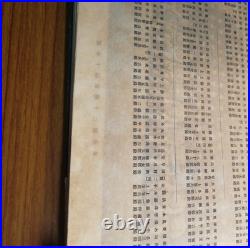
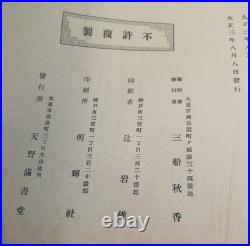
Transcription of Cover & Colophon. Cover: ” ” (13th Division – Manchuria Garrison Commemorative Photo Album). Title Page: same inscription. Heading:?? (Reproduction Prohibited). Publisher: Amano Mando Shodo (, Dairen). Editor: Mifune Shuko (, Dairen City). Printer: Iwao Tsuji / Printing House: Meiki-sha (, Kobe). Date: Printed August 5, 1914 / Published August 8, 1914 (Taisho 3). Rear matter: publisher’s advertisement for similar military albums. An official commemorative album published in 1914 (Taisho 3) by the Imperial Japanese Army 13th Division, marking its garrison duty in Manchuria (Manchukuo). Produced in Dairen (Dalian) by the Amano Mando Shodo bookshop, it is a large-format, limited-distribution volume containing photos of the division’s soldiers, facilities, commemorative items, local scenery, and even personnel rosters. These albums were non-commercial publications, intended for distribution within the unit and related circles. Following the Russo-Japanese War, Japan controlled the Kwantung Leased Territory and South Manchuria Railway Zone. This album documents the 13th Division’s stationing period there, just as Japan consolidated its position in northeast China on the eve of World War I. Published in Dairen (modern Dalian, Liaoning Province). The photographs include Dairen, Mukden (Shenyang), Changchun, and the Liao River basin, showing both military installations and regional landscapes. It provides a rare visual record of Japanese garrison life in Manchuria at the time. The 13th Division, created in 1898 after the First Sino-Japanese War, was a permanent IJA formation drawing recruits mainly from western Japan. This album visually documents its officers, enlisted men, facilities, and even supporting organizations during their Manchurian deployment. Why is it important? Primary source: Complete with publisher and imprint, confirming Dairen as the place of publication. Includes photos, rosters, commemorative objects, and facilities, giving a full overview of garrison life. Regional history value: Beyond the military focus, it captures urban landscapes, transport, bridges, markets, and rural scenery-a rich visual record of Manchuria in the 1910s. Rarity: “Commemorative Garrison Albums” from the Taisho era are significantly rarer than later Showa Incident Albums. Survival rate is very low, making this highly desirable for collectors of military history, Asian studies, and colonial-era publications. How was it made? Large horizontal format, Japanese binding style, with gilt-titled cover and decorative cords. Edited by Mifune Shuko; published by Amano Mando Shodo, Dairen; printed by Meiki-sha, Kobe. Content includes: unit gates and barracks, group portraits, officers and enlisted men, commemorative fans and flags, monuments, scenic views of Manchuria, and name lists. 13th Division: A permanent IJA division raised after the Sino-Japanese War; active in Russo-Japanese War and later overseas garrison/security roles. Manchuria (/ Manchukuo): Northeastern China, including Liaodong, Mukden, Changchun, Harbin. Japan held the Kwantung Leased Territory and railway zones after 1905. “Commemorative Garrison Album” : A limited-edition publication, produced by military units in cooperation with local publishers, distributed to soldiers, families, and patrons to mark garrison service. Exterior: age-related rubbing, edge wear, minor loss, fraying cords. Interior: overall very good, strong print contrast, fully legible. What you see in the photos is everything included. Please check images for details. Clearly dated 1914 (Taisho 3) and published in Dairen, giving it both historical and geographic precision. Combines military photographs + regional landscapes + rosters + full imprint, making it a versatile source for collectors and researchers alike. Considerably rarer than the more common Showa-era Incident Albums. Strong crossover appeal to collectors of Manchuria, Kwantung Leased Territory, Japanese Army divisional history. This item is offered strictly as a historical document. It is not intended to promote or glorify any ideology. Inquiries welcome – additional detail photos can be provided upon request. International Buyers – Please Note. Thank you for your understanding.