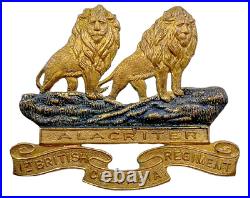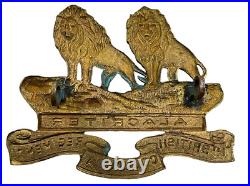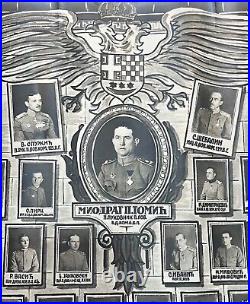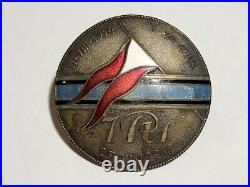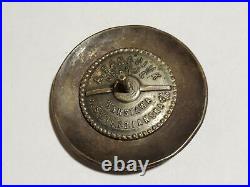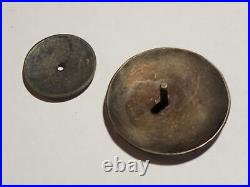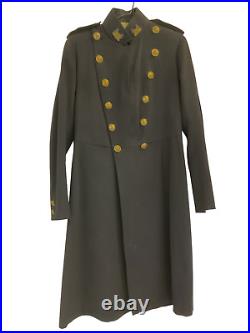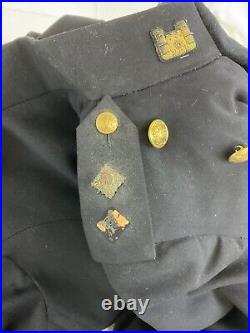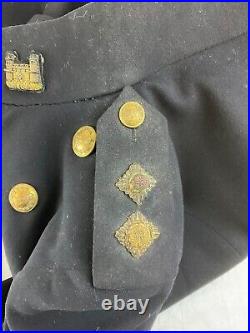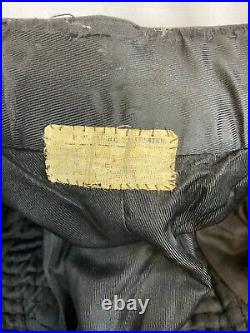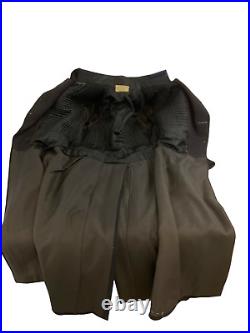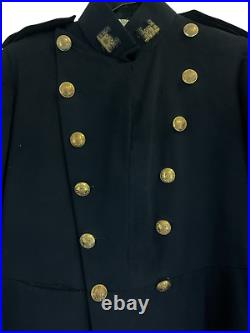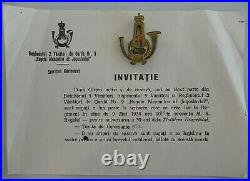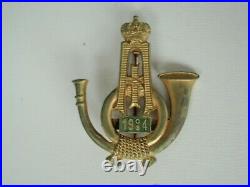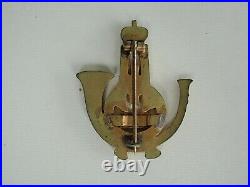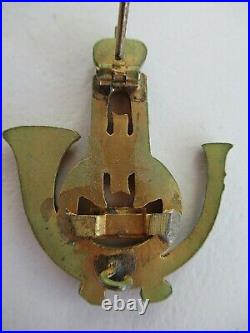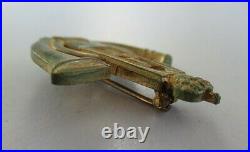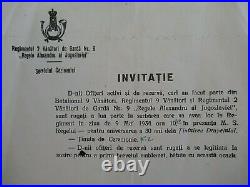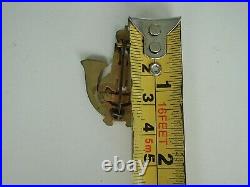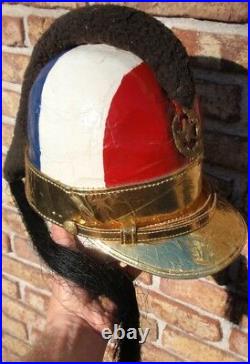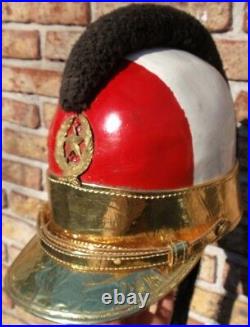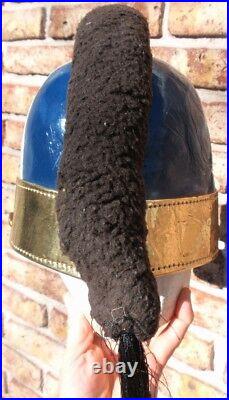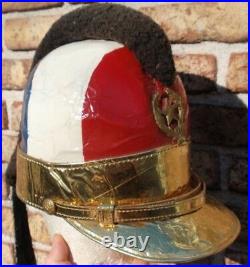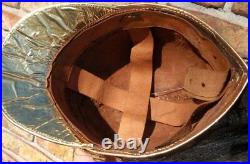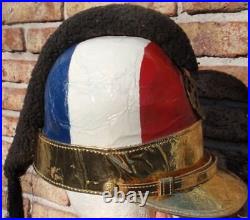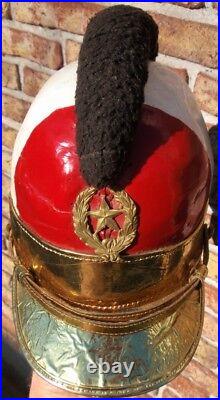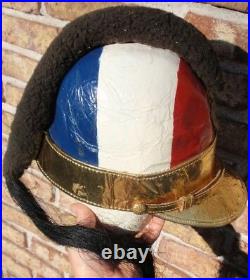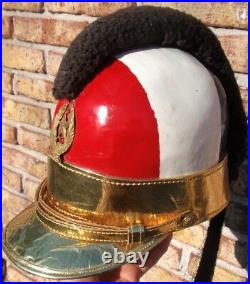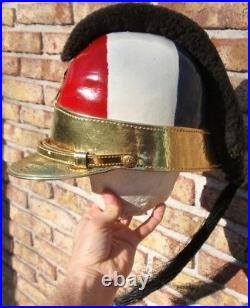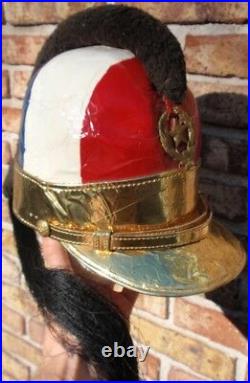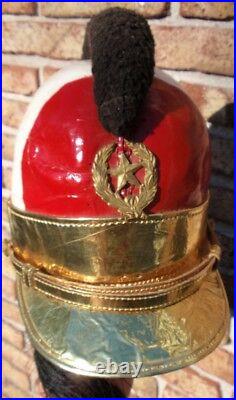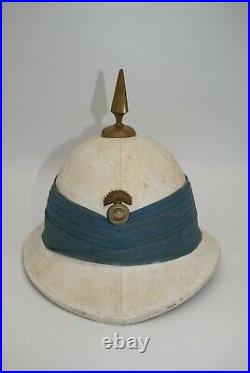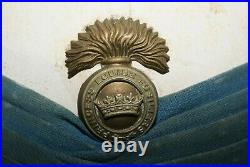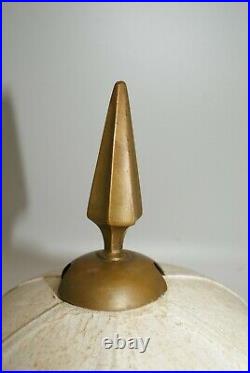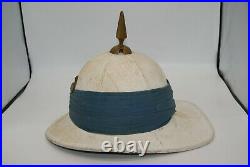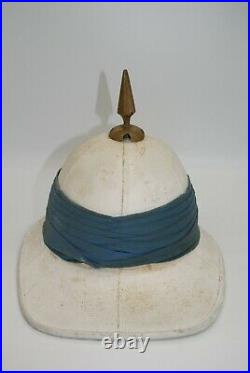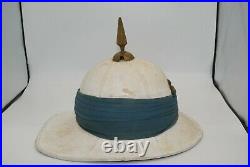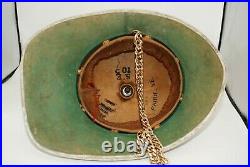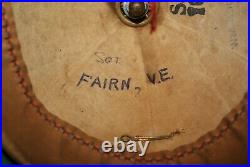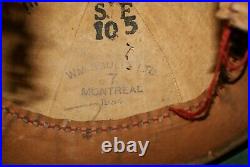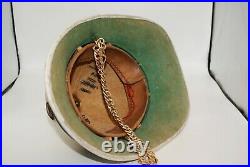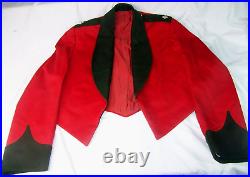
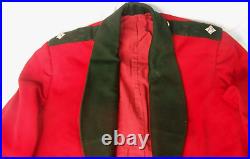
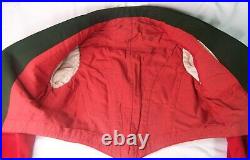
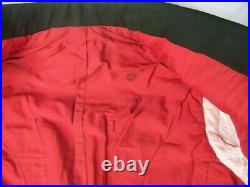
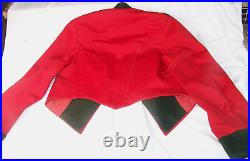
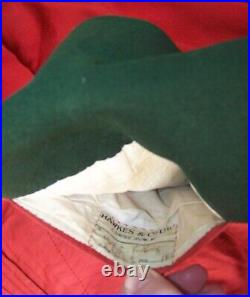

Inscribed Colonel HF McLeod 71st regiment. Made in Birmingham with date letter of 1910.
This is a remarkable commemorative lacquer tray associated with the 2nd Railway Regiment of the Imperial Japanese Army. On the left side of the tray, the unit name is clearly written in Japanese: “2nd Railway Regiment” The center features a large Imperial Japanese Army Rising Sun flag surrounded by cherry blossoms, with an Army star and a unit-related emblem above. Unlike ordinary infantry units, railway regiments were specialized technical units responsible for constructing, repairing, maintaining, and operating military railways. Their work made it possible to move troops, weapons, ammunition, food, and other supplies across long distances. The history of the 2nd Railway Regiment reaches back to 1908, when its predecessor unit was established at Tsudanuma in Chiba Prefecture. It was reorganized as the 2nd Railway Regiment in 1918. Its history crossed several major events in modern Japan. After the Great Kanto Earthquake of 1923, the unit participated in railway reconstruction work. In 1928, it was deployed during the Jinan Incident in China. Following the outbreak of the Second Sino-Japanese War in 1937, the regiment operated railways in North China and also participated in the Xuzhou Campaign. It later served in Manchuria and North China. Near the end of World War II, in 1945, the main body of the regiment was transferred to Sasebo in Kyushu, where it helped protect Japanese National Railways steam locomotives and railway operations. The regiment ended the war in Kyushu. In other words, the name preserved on this tray belonged to a unit whose history stretched from disaster relief and railway reconstruction in Japan to military railway operations on the Asian continent and finally the defense of Japan itself. The tray is also a beautiful example of the way traditional Japanese decorative arts were incorporated into military commemorative objects. The vivid vermilion surface, gold-colored border, cherry blossoms and elaborate flag design reflect the decorative tradition of Japanese lacquerware. Lacquerware had long been valued in Japan not only as practical tableware but also for ceremonial, presentation and commemorative purposes. This combination of military history, railway history and traditional Japanese craftsmanship makes the piece particularly interesting. Age-related scratches and wear are visible, especially on the reverse and around the edges, but the principal decoration and the inscription identifying the 2nd Railway Regiment remain clearly visible. Rather than representing only the men who fought at the front, this tray tells the story of the technical soldiers who built, repaired and operated the railways that kept an army moving. Own a Piece of History. International Buyers – Please Note.

This is an original prewar Imperial Japanese Army commemorative lacquer tray associated with the 1st Anti-Aircraft Artillery Regiment. The front features a detailed gold-colored image of an anti-aircraft gun, together with the inscription: “1st Anti-Aircraft Artillery Regiment” The 1st Anti-Aircraft Artillery Regiment was established in 1925 and is regarded as the first permanent anti-aircraft artillery regiment of the Imperial Japanese Army. It was later stationed at Hamamatsu, an important military and aviation center. The regiment represents the early development of Japan’s organized ground-based air defense at a time when military aviation was rapidly becoming a major factor in warfare. An especially interesting feature is the Japanese inscription near the top: “Shikishima no Yamato-gokoro wo hito towa ba” This is the opening portion of a famous poem by the Edo-period scholar Motoori Norinaga: Asked what is the spirit of Japan, it is the fragrance of mountain cherry blossoms in the morning sun. The verse became strongly associated with ideas of Japanese identity in the prewar period. Its presence together with an anti-aircraft gun and military unit name makes this more than a decorative tray-it reflects the military culture and values of its era. The reverse is marked with the name: “Maeda” This was most likely the surname of the original owner or recipient, adding an individual human connection to the piece. Another particularly interesting point is that an example of a 1st Anti-Aircraft Artillery Regiment commemorative lacquer tray is preserved in an official Aichi Prefecture wartime-history collection, showing that this type of object is recognized today as material connected with Japan’s military history. The tray shows age-related wear, scratches, rubbing and other signs of use. Please carefully examine the photographs for condition. For collectors of Imperial Japanese Army militaria, artillery history, air-defense history, or Japanese wartime lacquerware, this is a distinctive piece combining unit identification, weapon imagery, traditional Japanese culture and the name of an individual owner. Own a Piece of History. International Buyers – Please Note.

Cover Inscription (faithful reading). Imperial Japanese Army Cavalry 16th Regiment, 3rd Company, Narashino. ? What was the Narashino Cavalry 16th Regiment? One of the Imperial Japanese Army’s cavalry regiments, stationed in Narashino, Chiba Prefecture. Cavalry was considered an elite branch in the modern Army, tasked with reconnaissance, charges, and communications. This album is a commemorative photographic record of the 16th Regiment, 3rd Company, featuring their barracks, training exercises, officers’ portraits, and scenes of soldiers’ daily life. Produced by Kobayashi Photo Studio / Sankosha in a deluxe format. Showa 7 (1932), immediately after the Manchurian Incident (1931-32), when Japan was intensifying its military expansion into mainland China. This site was the Army’s central cavalry base after the Russo-Japanese War, and later became the birthplace of Japan’s paratroop units. To preserve the memory and pride of the unit. For soldiers and their families, such albums served as proof of service and a personal military chronicle. Professionally photographed, printed, and bound in a heavy commemorative album format – clearly intended as an official record and keepsake. ?? Historical Context (1932). 1931: The Manchurian Incident breaks out; Japan occupies northeast China. 1932: Founding of Manchukuo, rising militarism within Japan. Narashino cavalry units intensify training for possible continental deployment. This album is thus a direct product of Japan’s shift into its prewar military buildup. ? Collector’s Appeal. Primary source value: Provides a vivid record of military life, training, commanding officers, and regimental facilities. Rarity: Japanese cavalry was soon replaced by tanks and mechanized units, and the branch itself was abolished after WWII. Surviving photo albums are scarce. Historical importance: An artifact directly tied to Japan’s interwar military expansion following the Manchurian Incident. Artistic value: Clear professional photography, original binding, and preserved storage case. Highly collectible for militaria and Japanese pre-WWII history enthusiasts. International Buyers – Please Note. Thank you for your understanding.

This original three-legged bronze incense burner (koro) is a memorial piece associated with the. Imperial Japanese Army’s 73rd Infantry Regiment. The front is decorated with a finely inlaid. Imperial Japanese Army five-pointed star. (Irei – Memorial to the Fallen). One particularly fascinating feature is the pierced design on the lid. Rather than a simple decorative pattern, it forms the character. (Chu – Loyalty). One of the central virtues emphasized within the Imperial Japanese Army. The lid itself therefore symbolizes loyalty while allowing incense smoke to escape during memorial ceremonies. The reverse is engraved. (“Ranan – 73rd Infantry Regiment – From All Officers and Soldiers”). This inscription identifies the incense burner as a memorial object presented by the officers and enlisted men of the 73rd Infantry Regiment. Unlike ordinary decorative incense burners, this piece was intended for. Such burners were placed on memorial altars where incense was offered to honor fallen comrades, making them deeply symbolic military remembrance objects rather than household ornaments. The 73rd Infantry Regiment was established in. In northern Korea today part of. , where it remained garrisoned for decades before being deployed overseas during World War II. The regiment participated in major campaigns including. The Battle of Lake Khasan. The Second Sino-Japanese War. The Luzon Campaign in the Philippines. Because this incense burner is engraved with. It was most likely produced while the regiment was stationed there, approximately. Between 1916 and 1944. Before its deployment to the Philippines. After Japan’s surrender, military memorial objects bearing unit names were among the items frequently destroyed, discarded, or confiscated during the Allied Occupation. In addition, artifacts connected with. Ranan-now located in present-day North Korea-are exceptionally difficult to trace today. For that reason, surviving pieces that clearly preserve the. Unit name, location, and memorial purpose. Are increasingly scarce and highly desirable to collectors of Imperial Japanese military history. A remarkable historical artifact that preserves the memory of one regiment and the soldiers who served within it. Own a Piece of History. International Buyers – Please Note. Thank you for your understanding.


Rare pre-WWII Imperial Japanese Army “Zaiei Kinen” (Active Service Commemorative) photo album related to the 73rd Infantry Regiment. The cover features the red infantry branch collar insignia design with the number “73” and the words “Zaiei Kinen” (In Service Memorial). In the Imperial Japanese Army, red was the branch color of infantry units, and “73” generally refers to the 73rd Infantry Regiment. The 73rd Infantry Regiment was established in 1916 and stationed in Ranam, northern Korea, under the 19th Division. The regiment later participated in. The Battle of Lake Khasan. The Second Sino-Japanese War. WWII campaigns in the Philippines. And eventually ended the war in northern Luzon, Philippines. This album appears to date from around 1933 (Showa 8), shortly after the establishment of Manchukuo. The contents include many identified locations and captions such as. Mobilization / deployment status chart. The album contains approximately 41 photographs (various sizes), including. Horses and cavalry transport. Military facilities and guard posts. Mortar or artillery-related equipment. Korean and Manchurian local life. Public performances and gatherings. Rare operational deployment chart. What makes this album especially interesting is that it is not merely a military souvenir album. It documents daily life and military presence along the unstable frontier regions of Korea, Manchuria, and northern China during the early expansion period of the Japanese Empire. The included “deployment status chart” gives the album additional historical and archival significance. This is the kind of material that appeals not only to militaria collectors, but also researchers of. Some pages missing photographs. One deployment chart has tears. Please check the photos carefully for condition details. A powerful and atmospheric historical album from the forgotten frontiers of the Japanese Empire. Own a Piece of History. International Buyers – Please Note. Thank you for your understanding.

A rare prewar Japanese military booklet titled. March 1936 (Showa 11). Imperial Japanese Army Infantry 44th Regiment. This regiment was based in. And belonged to the famous. It was a hometown regiment that drew many recruits from Kochi Prefecture and served as one of the area’s principal military units. The Infantry 44th Regiment had a long service history, including. WWII home defense preparations. What Was Happening in 1936? This booklet was printed just before the outbreak of the Second Sino-Japanese War (1937). At that time, the regiment was mainly engaged in. So this item represents the. Japanese Army in the final peacetime stage before full wartime expansion. Presentation of the regimental colors. Portraits of commanding officers. Barracks and gate photographs. Battle history from earlier wars. Loyalty and bravery stories. Regiment traditions and spirit. Handwritten on the back cover. 3rd Company, 3rd Squad Infantry 44th Regiment Masao Ueda. This strongly suggests the booklet was personally owned by an actual soldier of the regiment. That transforms it from a simple reference booklet into a personal historical artifact connected to one individual serviceman. Please review all photos carefully. Why Collectors Like This. Are increasingly difficult to find. Own a Piece of History. International Buyers – Please Note. Thank you for your understanding.

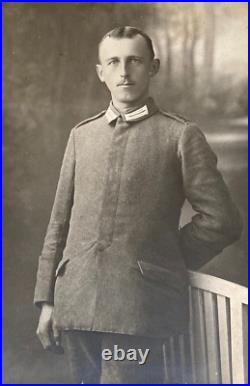
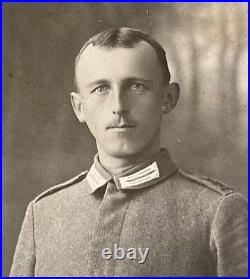
Please check the picture carefully. You receive what you see, nothing more, nothing less. If there is a part that you don’t see in the picture, that is because it’s not included. The total cost of. The items are securely packed and labeled to protect them. All usual dispatches will be made with Latvian Postal services. By the request we can send you item with an international postal service DPD. Where you can check the status of your item. Please contact your local Post Office if you suspect a delay. If you have any questions. And look for other items of WWII. Please do not hesitate to contact me and I will reply you. I have a large collection of various items German and Russian militaria.
This is an original. Commemorative photo album from November 1920 (Taisho 9). Documenting members of the. 4th Company, 34th Infantry Regiment of the Imperial Japanese Army. The 34th Infantry Regiment was one of the long-serving infantry units of the Imperial Japanese Army, originally formed in the late 19th century and active through multiple conflicts. Portrait photographs and group photographs of officers, non-commissioned officers, and enlisted men. Offering a clear visual record of unit organization, uniforms, ranks, and military bearing during the Taisho period. The Taisho era represents a transitional phase between the Russo-Japanese War and the later conflicts of the Showa period. Military systems and uniforms were relatively standardized at this time, making photographic materials from this era especially valuable as. 34th Infantry Regiment continued its service after this album was produced. In the Showa era, the regiment was deployed during the. And later sent to overseas theaters during the Pacific War. As the war situation deteriorated, the unit suffered heavy losses and was. Effectively disbanded around the end of World War II. Bringing its long history to a close. This album therefore captures the regiment at a point. Before its later wartime deployments. Preserving the appearance and atmosphere of soldiers during a relatively stable period. The expressions and posture of the men provide rare insight into everyday military life of the time. Please refer to the images for the exact contents and structure of the album. This is a genuine period item and shows. Including toning, stains, creases, corner wear, and handwritten names and place names in a few locations. These features are consistent with actual use and storage over more than a century. Recommended for collectors and researchers of Imperial Japanese Army history, military photography, and early 20th-century Japanese military units. International Buyers – Please Note. Thank you for your understanding.
Wehrmacht 10 Regiment WW2 German Ring Skull Bones WWII Death head Goth symbol Gothic brutal jewelry Silver-plated Bronze Size 10.5 20.2 mm 6.17g Button 19.5×4 mm 0.85g? 3199. Do you always want to be the first to see new interesting items? Subscribe to my items, add to your favorite sellers. Be the first to see, win and enjoy the win! Thank you for your time!