
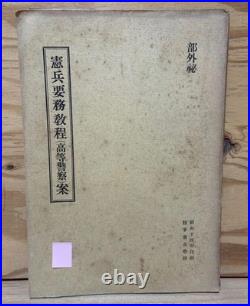
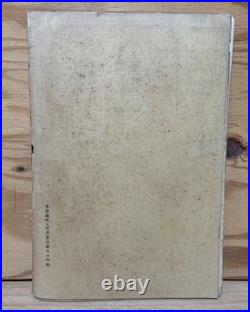
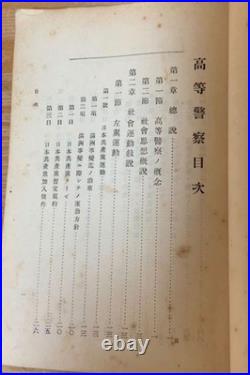
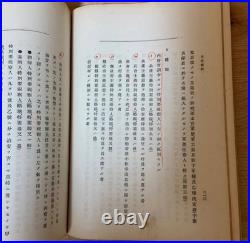
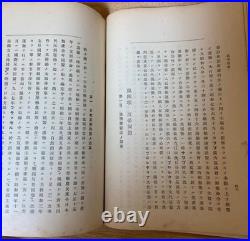

What did the Japanese military consider dangerous ideas? This is an original. 1939 (Showa 14) “Confidential” training manual. Kempei Yomu Kyotei (Higher Police Draft). Imperial Japanese Army Kempei School. Served not only as the military police but also as one of Japan’s most powerful security organizations. Their responsibilities included counterintelligence, political surveillance, suppression of espionage, and monitoring of ideological movements. Because of these activities, the Kempeitai became one of the most feared organizations in prewar and wartime Japan. This manual was prepared to train officers assigned to. Political and social thought. The Japanese Communist Party. Post-Manchurian Incident security situation. Rather than a general history book, this is a. Showing how the Japanese military itself analyzed political ideology and internal security before World War II. One reason this manual is particularly scarce is that it was marked. And distributed only within the Kempei educational system. After Japan’s surrender in 1945, the Kempeitai was dissolved under the Allied Occupation, and many internal military police documents were destroyed or discarded, making surviving originals increasingly difficult to find today. For collectors of WWII militaria, intelligence history, political history, or Japanese military documents, this is an exceptional research piece that reveals the hidden side of wartime Japan. Own a Piece of History. International Buyers – Please Note. Thank you for your understanding.

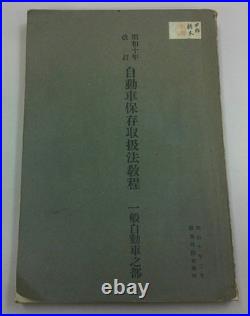

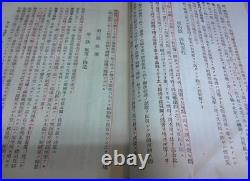
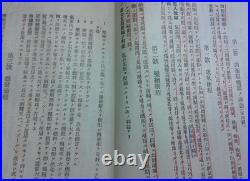
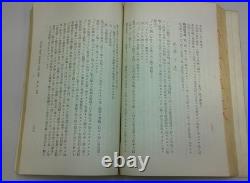
Official textbook of the Imperial Japanese Army Motor Vehicle School, used to train mechanics and drivers to keep army vehicles ready for combat. Covers the four-stroke engine cycle, ignition, fuel mixture, lubrication, cooling, inspection, storage, and troubleshooting. Many pages bear red pencil underlines from soldiers in training-adding authentic, lived history. Published in March 1935, just before the outbreak of the Second Sino-Japanese War, when the army was rapidly expanding its mechanization program. Compiled and distributed at the Imperial Japanese Army Motor Vehicle School, later circulated across units as the standard reference. As logistics shifted from horses to motor vehicles, maintaining trucks and cars became critical. Step-by-step diagrams and explanations show. Four-stroke function and why mixture/timing matter. Starting, warming up, and stopping procedures. Lubrication, cooling, and fuel system checks. Long-term storage and rust prevention. Early troubleshooting from symptoms like noise, heat, or exhaust color. 1935 (Showa 10) revised edition. Marked in red pencil (student notes). Age-related wear: foxing, fading, corner folds, binding stress (see photos). ? A rare, first-hand artifact of Japan’s military mechanization. Own a Piece of History. Approximate 7-21days(To USA).

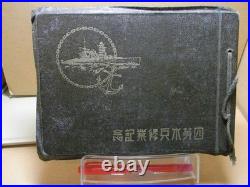

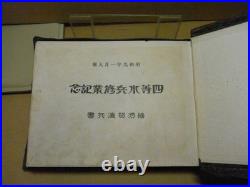
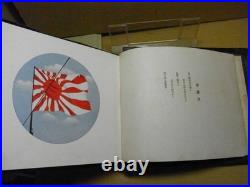
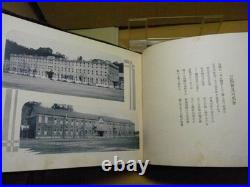
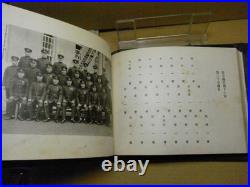
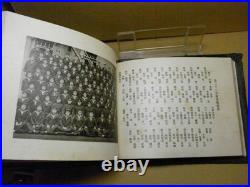

This is an original commemorative photo album produced in 1934 for sailors who completed their initial training at the Yokosuka Naval Barracks of the Imperial Japanese Navy. The title page reads: “Entered Service: January 1934″ “Commemorative Album for the Completion of Seaman Fourth Class Training” “Yokosuka Naval Barracks” The naval barracks were where newly enlisted sailors received their basic military education and training before moving on to active naval service. Yokosuka was one of the most important bases of the Imperial Japanese Navy and served as a major center for preparing sailors for service throughout the fleet. Inside are historical photographs documenting the environment in which these young sailors were trained, including Imperial Japanese Navy facilities and barracks, sailors in uniform, class and unit group photographs, the Rising Sun naval ensign, and pages identifying individual servicemen by name. What makes this album particularly interesting is that it does not simply preserve images of warships or famous officers. It preserves the faces of the ordinary sailors who formed the human foundation of the Japanese Navy. The album dates to 1934, seven years before the Pacific War began. It therefore records the Imperial Japanese Navy during the prewar period, when its peacetime training system and enormous fleet organization were still functioning before the devastating losses of the coming war. For collectors and researchers, this is a tangible record of how an ordinary young man entered the Imperial Japanese Navy and was transformed into a trained sailor. The album shows age-related wear, staining, discoloration, and rubbing consistent with an approximately 90-year-old military document. Please examine the photographs carefully for its condition. A fascinating surviving record of the men behind the Imperial Japanese Navy. Own a Piece of History. International Buyers – Please Note.

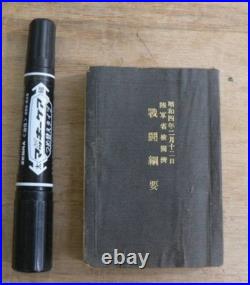
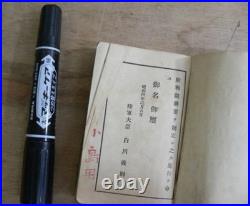
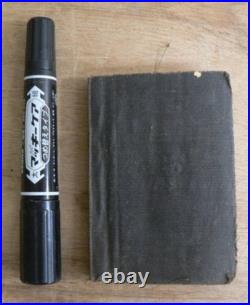
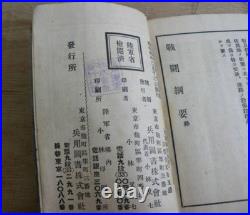
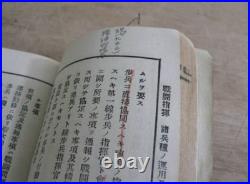
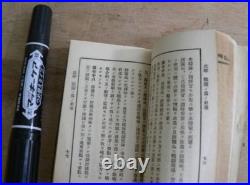
This book, Combat Outline , was an official Imperial Japanese Army training manual, issued in 1929 (Showa 4) by Heiyo Tosho Co. It standardized how infantry units were to march, deploy, attack, defend, retreat, and communicate. The manual uses diagrams and concise explanations to unify drills and ensure consistency across regiments. Written in the tense years between WWI and the Manchurian Incident (1931), it reflects Japan’s shift toward large-scale military readiness. Unlike propaganda works, this is a practical handbook meant for soldiers and junior officers, showing exactly what was considered “basic combat knowledge” at the time. Aged wear with stains, tears, and discoloration. Red pencil markings and notes are present, evidence of real field use. A genuine pre-WWII field manual that reveals how the Japanese Army trained its soldiers. A rare chance to study the tactical mindset of the Showa era. Own a Piece of History. Approximate 7-21days(To USA).

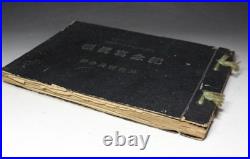
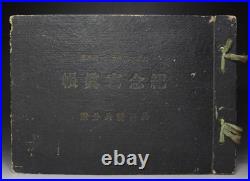
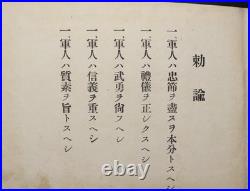
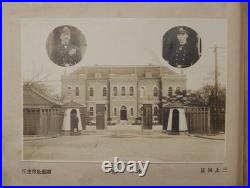
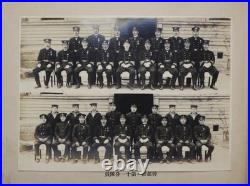
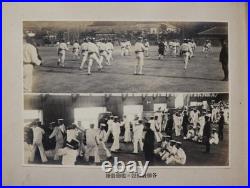
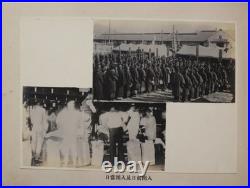
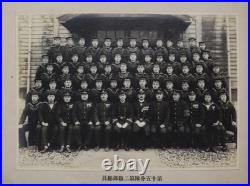
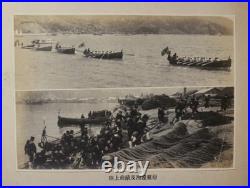
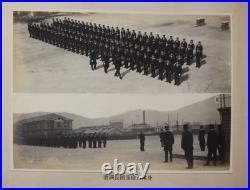
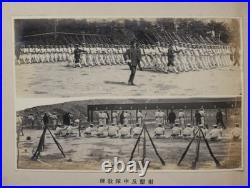
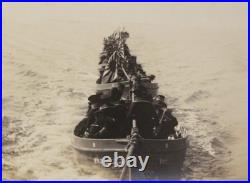
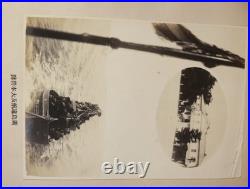
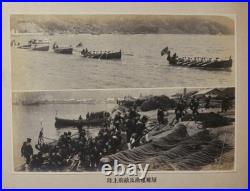
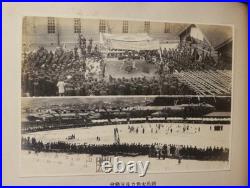
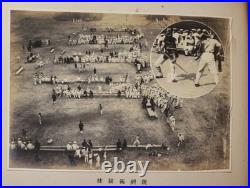
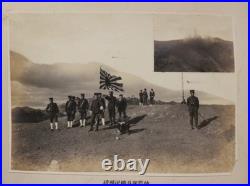
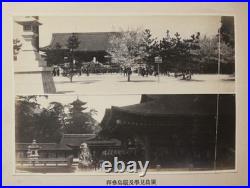
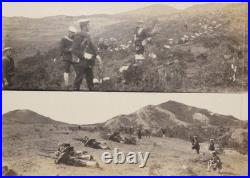
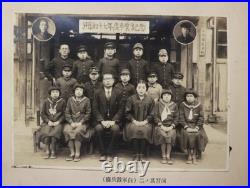
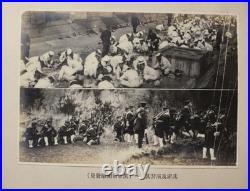
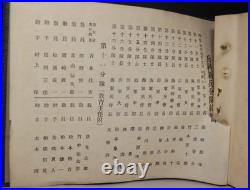
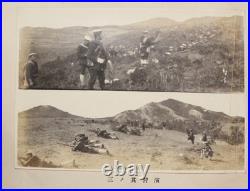
This is an original 1923 Imperial Japanese Navy commemorative photo album documenting the training and graduation of a group of newly enlisted sailors. The cover is inscribed: “Graduated May 1, 1923″ “Commemorative Photo Album” “Naval Recruit Division” This is an important detail because it tells us exactly what this album represents. It is not simply a collection of old Japanese Navy photographs. It was created to commemorate a specific group of naval recruits who completed their training on May 1, 1923. In modern terms, it can be understood somewhat like a graduation album-but instead of ordinary school life, it records the process by which young men were transformed into trained sailors of the Imperial Japanese Navy. From Recruit to Sailor Young men entering the Imperial Japanese Navy did not simply enlist and immediately board a battleship or cruiser. This album provides a remarkable visual record of that process. For someone unfamiliar with Japanese naval history, one of the most interesting aspects is the amount of land combat training shown here. The word “Navy” naturally brings battleships, cruisers, and life at sea to mind. However, Japanese sailors could also be required to operate ashore, and their training therefore included weapons and land-based military exercises. This album allows us to see that training rather than merely read about it. Rare Glimpses of Naval Training Several photographs are particularly striking. One sequence shows naval cutters moving across the water, their crews rowing beneath Imperial Japanese naval ensigns. Other photographs show sailors deploying across open terrain during field exercises. Another remarkable image shows sailors standing beside the naval ensign while an explosion occurs in the background. Its original Japanese caption refers to a headquarters area and bridge demolition, providing an unusual glimpse of demolition training. These are not staged modern reproductions. They are photographs preserved as part of the recruits’ own 1923 graduation record. The Names Behind the Photographs Another historically valuable feature is a page titled approximately: Names of Officers and Instructors of the Naval Recruit Divisions. It records the names and positions of division leaders, officers, instructors, and assistants associated with the training organization. This transforms the album from a collection of anonymous military photographs into something much more personal. These were real instructors and recruits belonging to a specific Japanese naval training unit more than a century ago. Before World War II The date is also important. These sailors graduated on May 1, 1923-18 years before Japan entered the Pacific War in 1941. Therefore, this is not primarily a World War II combat album. Its real theme is: How a young Japanese recruit became a Navy sailor. Following the photographs allows us to see the discipline, weapons training, seamanship, physical exercises, comradeship, and daily institutional life that formed part of that transformation. In this sense, the album is almost a time capsule of Imperial Japanese Navy recruit life in 1923. The Imperial Japanese Navy was considerably smaller than the Imperial Japanese Army, and enormous quantities of naval material were subsequently lost through wartime destruction and the collapse of the Japanese Empire. An intact photographic record combining a precise graduation date, identifiable training organization, personnel names, and such a broad range of training scenes therefore offers considerable historical interest. The album shows age-related wear, staining, discoloration, deterioration, and damage to the binding and pages. Please examine the photographs carefully for condition. More than a century ago, these young men entered naval training, learned to march, shoot, row, operate in the field, and finally graduated together on May 1, 1923. This is not the story of a warship. Own a Piece of History. International Buyers – Please Note.

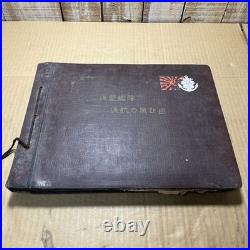
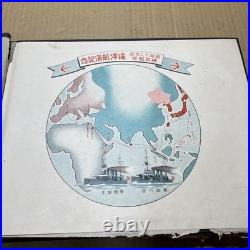
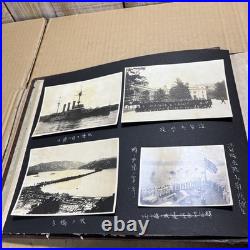
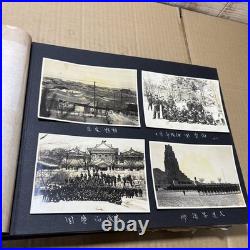
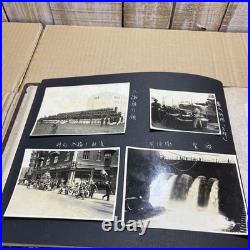
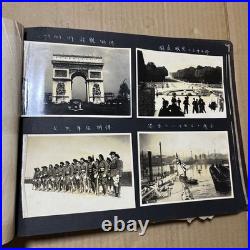
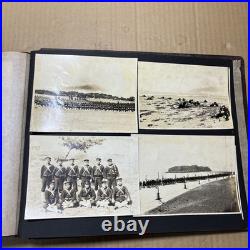
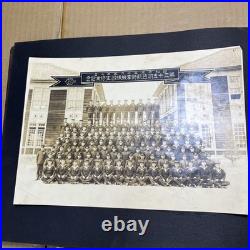
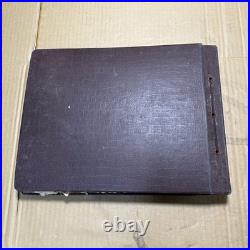
This is an original 1935 Imperial Japanese Navy photo album documenting a long-distance training cruise of the Japanese Navy Training Fleet. The cover is titled Memories of the Training Fleet Long-Distance Cruise. Inside are numerous original photographs showing Japanese naval personnel, warships, training activities, formations, ports of call, and scenes from the voyage. The album also contains a striking color route illustration depicting the training cruise. The Final Step Before Becoming a Naval Officer The Imperial Japanese Navy Training Fleet was not simply a unit for training ordinary sailors. Graduates of the Imperial Japanese Naval Academy and other naval officer schools entered the fleet as officer candidates, receiving practical instruction aboard operational warships before becoming commissioned naval officers. In other words, these cruises represented one of the final stages in the transformation from naval academy student to Imperial Japanese Navy officer. This 1935 Training Fleet included graduates of the 62nd class of the Imperial Japanese Naval Academy, together with graduates of the Naval Engineering and Paymaster schools. A Generation on the Eve of War What makes this album particularly fascinating is its date. These young men were photographed in 1935, only six years before Japan entered the Pacific War. The photographs therefore preserve something more personal than battles or famous warships: a generation of young naval officers at the beginning of their careers, before the war that would transform both their lives and the Japanese Navy. Some photographs also depict overseas locations and travel scenes that may relate to other voyages or visits. Not every photograph can be conclusively identified as having been taken during the same 1935 cruise. Complete original Navy albums with identifiable historical context are therefore much harder to encounter than ordinary Japanese military photographs. This is especially desirable because it is not a commercially produced photo book. It is a privately assembled period album containing actual photographs and handwritten captions. There is only one album exactly like this. Age-related wear, staining, deterioration to the album pages, binding wear, and other signs of age are present. Please examine the photographs carefully for condition and contents. Own a Piece of History. International Buyers – Please Note.

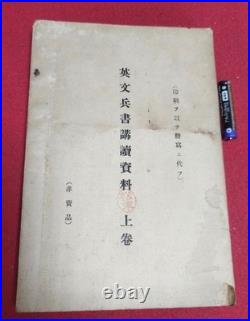
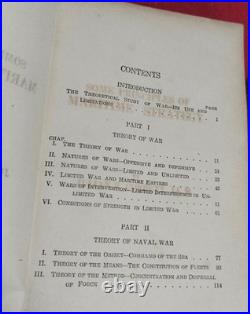
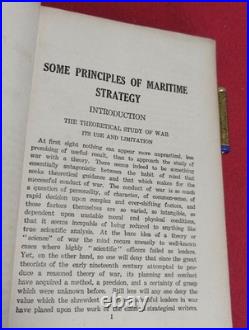
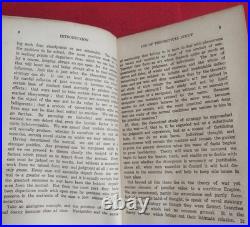
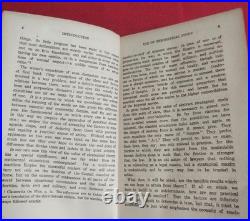
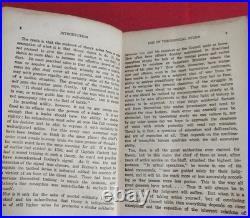
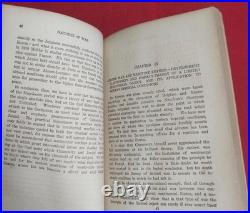
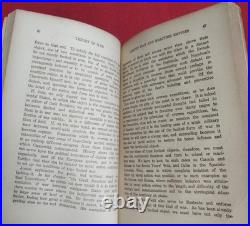
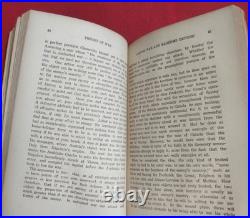
Imperial Japanese Military English Study Manual. Some Principles of Maritime Strategy. Prewar Non-Retail Educational Edition. This is a prewar Japanese military study manual containing the original English text of. Sir Julian Corbett’s influential work, Some Principles of Maritime Strategy. The cover is titled. “English Military Text Reading Materials – Upper Volume”. This indicates that it was not produced as an ordinary commercial book, but as an educational or institutional reference for the study of Western military theory. The text discusses major subjects including. The theory and nature of war. Limited and unlimited warfare. Command of the sea. Naval warfare and fleet strategy. The concentration and dispersal of naval forces. Corbett was one of Britain’s most important naval strategists. Unlike a simple English-language textbook, this volume shows how prewar Japanese military personnel studied Western strategic thought directly from its original English text. That is the real historical appeal of this item: it preserves evidence of the intellectual and educational side of the Imperial Japanese military-the study of foreign powers, their theories, and their methods of war. The surviving volume contains approximately. Only the upper volume is included. There is age-related discoloration, staining, wear, and a small tear near the lower edge of the rear cover. Please examine the photographs carefully for the condition and contents. A fascinating historical document for collectors of Imperial Japanese Navy material, naval strategy, military education, and prewar Japanese military publications. Own a Piece of History. International Buyers – Please Note. Thank you for your understanding.

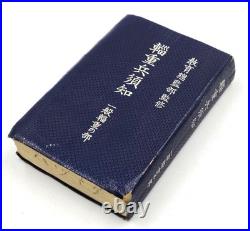
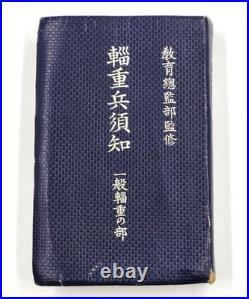
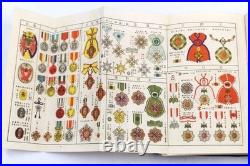
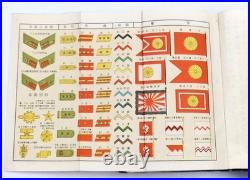
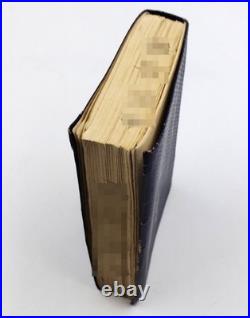
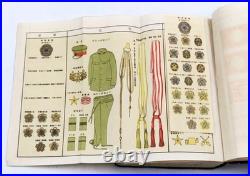
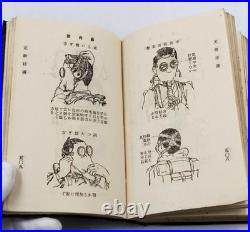
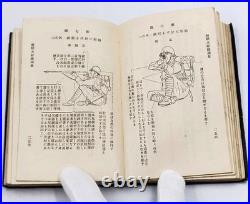
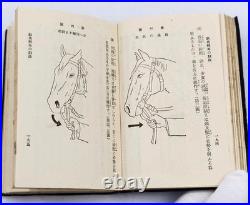
This is an original Imperial Japanese Army military handbook titled. (“What Every Logistics Soldier Should Know”), supervised by the Army Inspector General of Military Education. The cover is marked. Army Inspector General of Military Education Supervision. This was a compact educational handbook intended for soldiers serving in the Japanese Army’s logistics and transport branch. What Was the Army Inspector General of Military Education? The Army Inspector General of Military Education was one of the most influential organizations within the Imperial Japanese Army. It was responsible for military doctrine, officer education, training programs, and the preparation of official instructional materials used throughout the army. Because this handbook was supervised by that organization, it was not simply a commercial publication but an official educational reference reflecting Imperial Japanese Army training standards. The Forgotten Soldiers of the Japanese Army. The Shichohei (Logistics Corps) were responsible for transporting food, ammunition, equipment, uniforms, and horses to frontline units. In modern terms, they were the military logistics and supply branch. Interestingly, logistics troops often received less prestige than combat arms within the Japanese military culture. A famous wartime saying even mocked them as. Shichohei are not real soldiers. History ultimately proved otherwise. Many military historians consider Japan’s chronic logistical weaknesses to be one of the major factors contributing to its defeat during the Pacific War. As supply lines collapsed, entire units suffered from starvation, ammunition shortages, and lack of equipment. This handbook therefore represents a rarely preserved glimpse into the branch responsible for sustaining the Japanese Army. Imperial and military flags. Orders, decorations, and medals. Army uniforms and equipment. Logistics and transport training. Several attractive fold-out color plates illustrate military insignia, decorations, flags, and uniforms, making this both a practical military handbook and an excellent research reference. Why It Is Scarce. Most Japanese military instructional materials were discarded or destroyed after 1945. Pocket reference books such as this were heavily used by soldiers and rarely survived in good condition. Furthermore, while infantry, aviation, and armored units are widely collected today, surviving materials relating specifically to the Japanese Army’s logistics branch appear much less frequently on the market. An excellent item for collectors of Imperial Japanese military history, military education, uniforms, insignia, and logistics history. Own a Piece of History. International Buyers – Please Note. Thank you for your understanding.

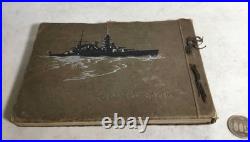
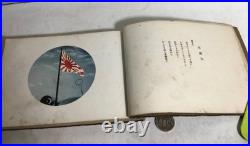
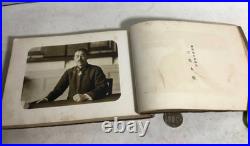
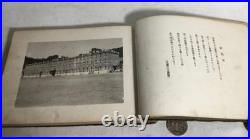
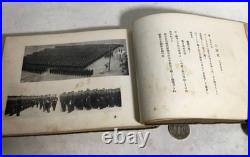
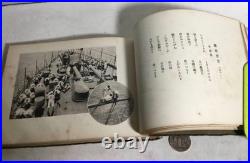
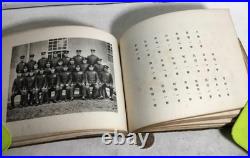
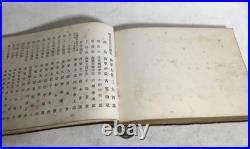
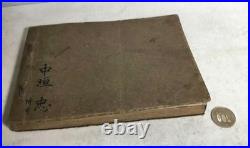
Own a Piece of History. This is an original non-commercial commemorative photo album titled. “1928 Fourth-Class Sailor Training Completion Memorial – Yokosuka Naval Training Corps”. Published in October 1928 (Showa 3). “Yokosuka Naval Training Corps Fourth-Class Sailor Memorial Album Committee, “. At the beginning of the album appears a portrait of. Who served as commander of the Yokosuka Naval Training Corps at the time. Mitsuya Shirou was an Imperial Japanese Navy officer who served aboard major warships including. Battleship Nagato (Vice Captain). Before becoming commander of Yokosuka Naval Training Corps. This gives the album a strong official and historical character rather than being merely a personal scrapbook. The back cover contains a handwritten ownership inscription. “Nakagaki Tadashi – Owner”. Believed to be the original sailor who actually trained at Yokosuka Naval Training Corps. These personal traces are highly valued among collectors because they connect the artifact directly to an individual sailor’s life. This is not simply a military photo album. It is a surviving personal relic from a young Japanese sailor before the Pacific War. Large military formation photographs. Officer and instructor portraits. Military songs and speeches. Rising Sun naval flag imagery. And many other fascinating scenes from early Showa-era Imperial Japanese Navy training life. What Was the Yokosuka Naval Training Corps? The Yokosuka Naval Training Corps was one of the most important training centers of the Imperial Japanese Navy. Young recruits from across Japan were sent here to receive. Before assignment to fleets and warships. This album captures the atmosphere of the Imperial Japanese Navy before the outbreak of the Pacific War. Why Is This Rare? Imperial Japanese Navy materials are significantly rarer than Army items today due to. Destruction of fleets during WWII. Postwar dismantling of the Navy. Limited survival of naval training materials. Albums from naval training corps were usually privately distributed to participants only. Making surviving copies extremely scarce. This example is especially desirable because it includes. Yokosuka Naval Training Corps connection. Captain Mitsuya Shirou portrait. Original handwritten owner identification. Together, these elements create a highly personal and historically important artifact. Used vintage condition with age wear, stains, foxing, scratches, and minor damage. Handwritten ownership inscription on rear cover. 15.2 × 21.6 cm. International Buyers – Please Note. Thank you for your understanding.

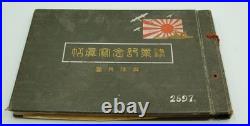
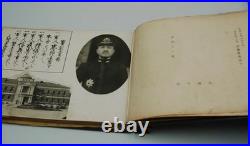
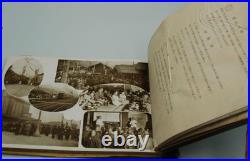
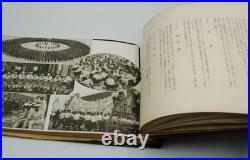
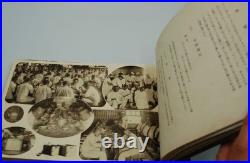
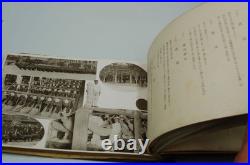
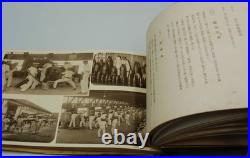
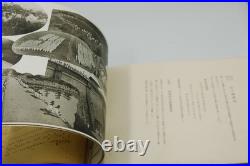
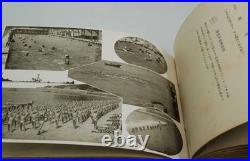
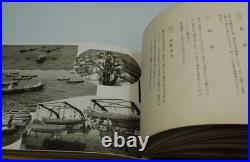
Offered here is an original. Kure Naval Training Corps commemorative photo album. Documenting recruits who entered service in. June 1937 (Showa 12). This album begins with highly significant introductory pages featuring a portrait of. Vice Admiral Takayoshi Kato. Then Commander-in-Chief of the. (later promoted to full Admiral), along with the famous. Five Articles for Military Personnel. Reflecting the discipline, values, and ideology expected of Imperial Japanese servicemen. It is far more than a simple graduation album. The following pages contain numerous original photographs showing the real training life of new sailors at the Kure Naval Training Corps, including. Cutter / rowing boat exercises. Formation drills and physical training. Mess hall scenes and daily life. Inspections and barracks discipline. Group portraits and base surroundings. Kure Naval Training Corps. Was one of the most important recruit training centers of the Imperial Japanese Navy, supporting the powerful Kure Naval District. Is especially important, as it marks the outbreak of the. And the rapid expansion of Japan’s wartime military system. This album captures the moment when ordinary young men were being transformed into wartime sailors. Original binding cord missing. Inner hinge repaired with glue. Child scribbles on reverse of 2-3 pages. About two caption tissue pages missing. Despite condition flaws, the historical and visual value remains very strong. This is an excellent primary-source piece for collectors of naval militaria, pre-war Japan, or military training history. Own a Piece of History. International Buyers – Please Note. Thank you for your understanding.