
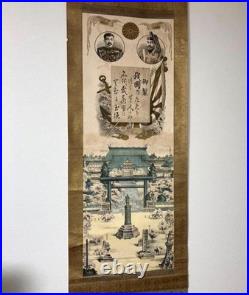
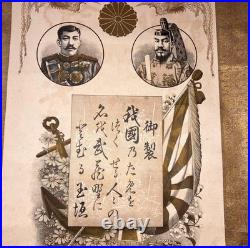
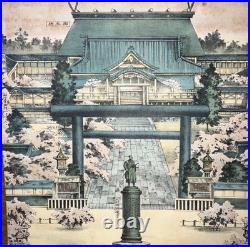
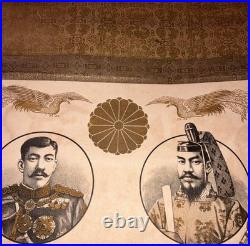
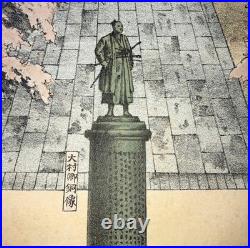
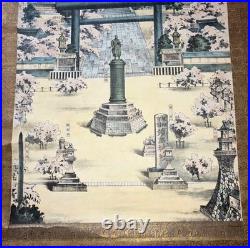
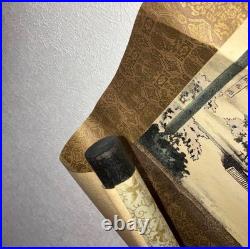
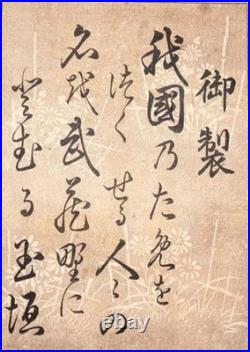
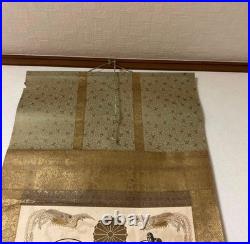
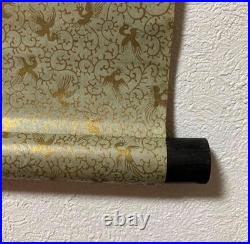

This hanging scroll is a pre-World War II Japanese historical artwork that visually explains how modern Japan understood state authority, military reform, and national remembrance. Rather than depicting combat, this piece presents the ideological framework behind war memory, making it a valuable primary visual document from early 20th-century Japan. Upper Section: Supreme Authority of the State. At the top are portraits of. During this period, the emperor was not only a monarch but the symbolic center of political and moral authority. Because Emperor Taisho is depicted, this scroll is believed to have been produced after 1910, most likely in the 1910s. Central Section: Anchor, Rising Sun, and Inscription. The center features a rising sun motif combined with an anchor, symbolizing the state and its military institutions. Above this imagery is a handwritten inscription in a style similar to imperial or commemorative verse, conveying the idea that. Those who sacrificed their lives for the nation must be remembered and honored by future generations. This section represents the ideological core of the scroll. Lower Section: Omura Masujiro Statue and Yasukuni Shrine. The lower portion depicts the bronze statue of. Omura Masujiro is widely regarded as the founder of the modern Japanese army. He introduced Western military systems and played a central role in transforming Japan’s feudal forces into a modern national army during the Meiji Restoration. Behind the statue appears. Including its torii gate and main structures. What Is Yasukuni Shrine? Yasukuni Shrine was established to enshrine those who died in service of the state. In prewar Japan, it functioned as a symbolic space where individual deaths were transformed into national memory, closely linked with state ideology and commemoration. Meaning of the Composition. The scroll follows a deliberate vertical structure. Top: The State (Emperors Meiji & Taisho). Middle: Ideology and symbolism (anchor, rising sun, inscription). Bottom: Military foundation and remembrance (Omura Masujiro & Yasukuni Shrine). This structure visually explains how authority, military reform, and remembrance were connected in pre-war Japan. Age-related toning, stains, and wear consistent with pre-WWII materials. Offered strictly as a historical and cultural artifact. No modern political intent or endorsement implied. International Buyers – Please Note. Thank you for your understanding.

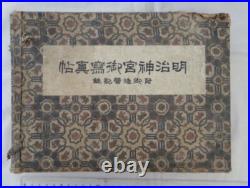
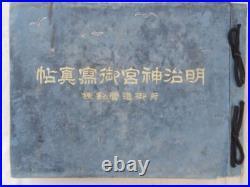
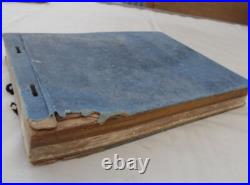
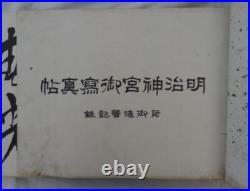
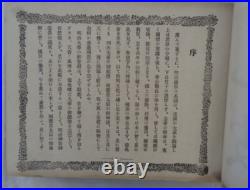
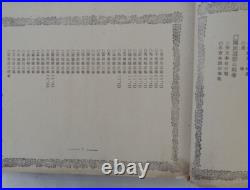
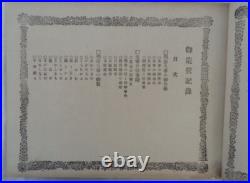
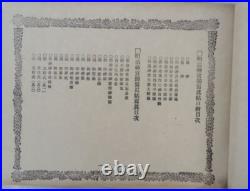
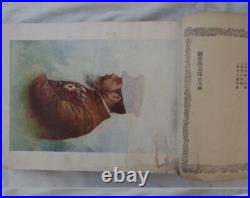
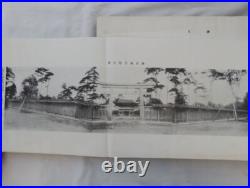
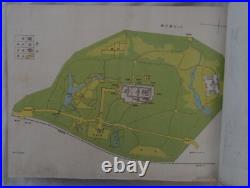
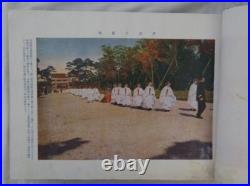
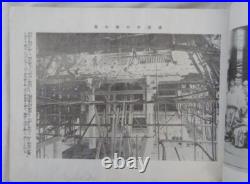
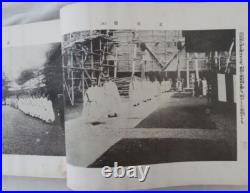
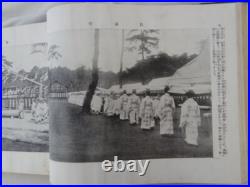
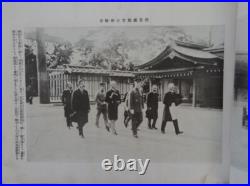
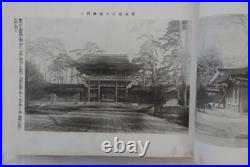
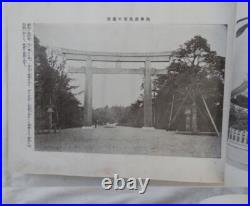
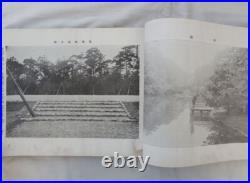
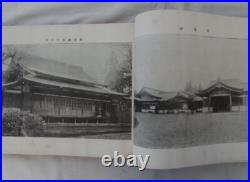
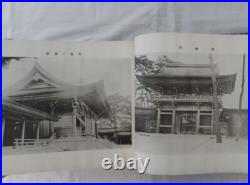
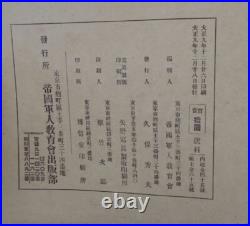
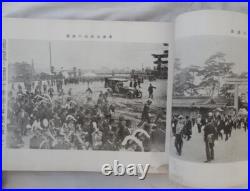
This is an original photo album published in Taisho 9 (1920), just after the completion of Meiji Shrine (Meiji Jingu) in Tokyo. This sacred site was built to honor Emperor Meiji, who led Japan’s rapid modernization in the late 19th and early 20th centuries, transforming the country from a feudal society into a major world power. Rare photographs and illustrations showing the shrine’s grand construction, architecture, rituals, and the first ceremonies ever held at Meiji Jingu. Detailed scenes of traditional Shinto processions, the great torii gate, and the lush forest that was planted as an act of national devotion. A glimpse into the mindset of the era, where loyalty to the Emperor and national unity were central values taught to soldiers and citizens alike. Why is it important? Meiji Shrine is more than a religious site: it became a symbol of Japan’s national identity and its new place in the world after the Meiji Restoration. This album was published by the Imperial Military Education Association, meaning it was intended as an official educational tool for young soldiers-instilling pride, reverence, and national spirit. Who valued this album? Young military cadets, educators, and even ordinary citizens would have seen these images as a source of inspiration and pride. Today, it is a tangible “piece of history” for collectors, researchers, and anyone interested in the roots of modern Japan. There are stains, discoloration, and minor damages due to age, but this only adds to the authenticity and charm of this almost 105-year-old artifact. Own a Piece of History. Approximately 5-7days(To USA).

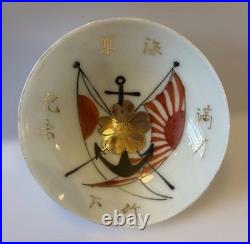
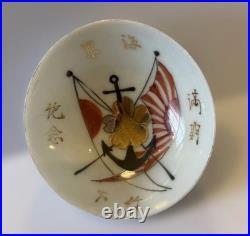
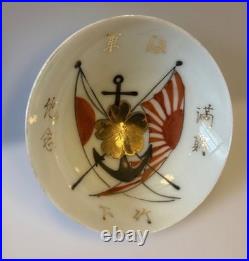
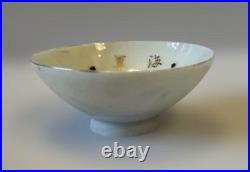
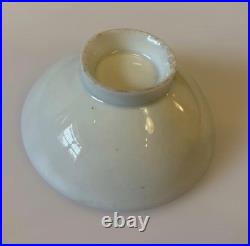
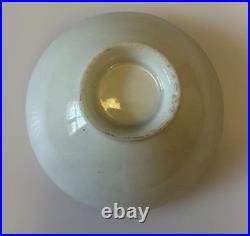
This is an original Imperial Japanese Navy ceremonial sake cup, produced during the Taisho to early Showa period (circa 1910s-1930s). The cup was presented to a Navy serviceman to commemorate the successful completion of his full term of military service. The following characters are written inside the cup in gold. (Imperial Japanese Navy). (Completion of service / full term). (“Otake” – a personal name). The presence of a personal name strongly suggests this cup was awarded to an individual sailor, making it more desirable than generic commemorative pieces. The interior features a classic Imperial Japanese Navy motif. Anchor – symbol of the Navy. Rising Sun flag – official national and military emblem of the period. Cherry blossom in gold gilt – representing honor, duty, and the fleeting nature of life. This combination is widely recognized as a formal Navy discharge commemorative design. Why Imperial Japanese Navy Items Are Rare. Compared to the Army, the Imperial Japanese Navy maintained only about one-tenth of the personnel strength. As a result, Navy commemorative items were produced in much smaller numbers, and surviving examples are significantly scarcer than Army equivalents. Named discharge cups like this one are especially difficult to find today. Cultural Significance of Sake Cups. In pre-war Japan, sake cups were not everyday tableware. They were used to mark important life milestones, including military enlistment, departure, return, and honorable discharge. This cup represents a deeply personal moment. The end of military duty and a safe return to civilian life – preserved in ceramic form. No cracks or major chips. Minor surface wear and light fading of gold due to age. Overall well-preserved for its period. Please refer to photos for details. A genuine historical artifact suitable for collectors of. Imperial Japanese Navy items, military memorabilia, pre-war Japanese ceramics, or Showa-era history. International Buyers – Please Note. Thank you for your understanding.

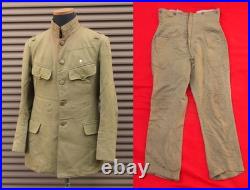
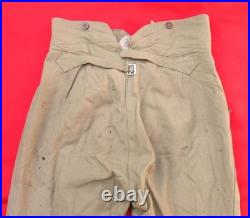
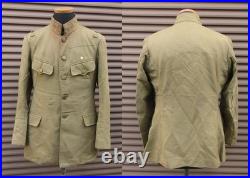
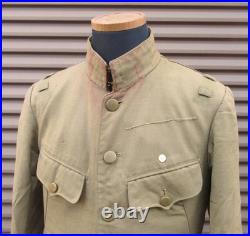
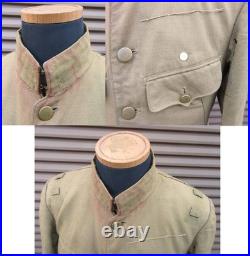
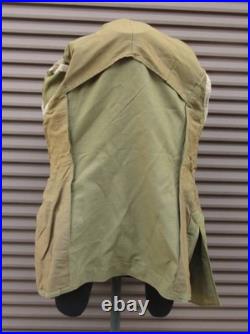
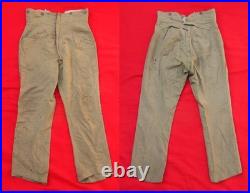
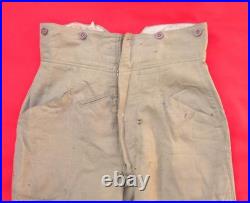
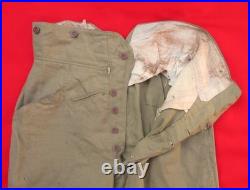
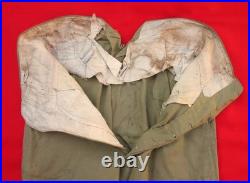
Former Japanese army kai 45 type summer tunic and trousers. It’s from taisho era. This is a military uniform with a collar worn by army officers during the Taisho period. The fabric is a thin summer wool and is of good quality Although it is in good condition, it is not in very good condition as there are signs of insect damage, repairs, and dirt. There are traces of the infantry class badge being removed from the collar, and there is a button on the left chest that seems to be a unit badge. Tunic size neck circumference of 39cm, shoulder width of 44cm, sleeve length of 55cm, and chest circumference of 100cm. Trousers around the waist 86cm, inseam 67cm. Please display in your collections and on your mannequins! How about military collector? International Buyers – Please Note.

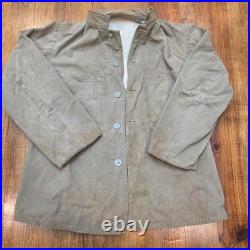
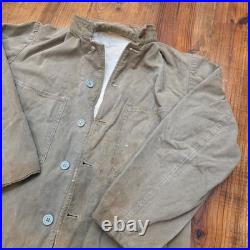
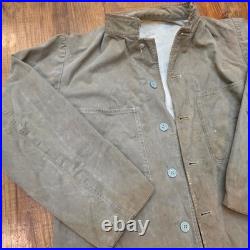
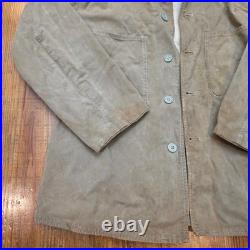
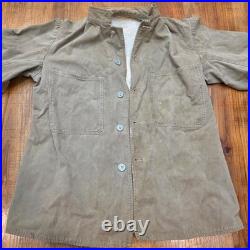
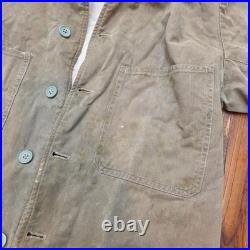
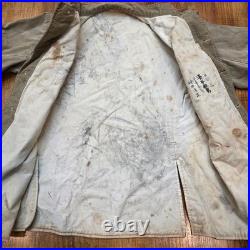
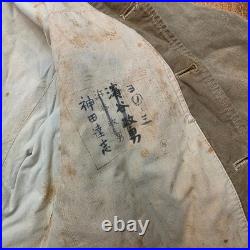
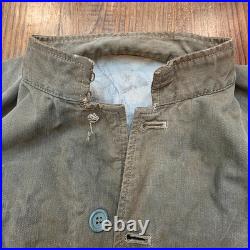
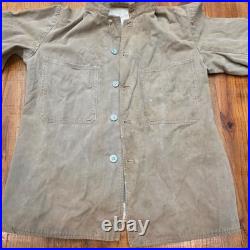
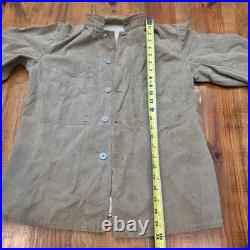
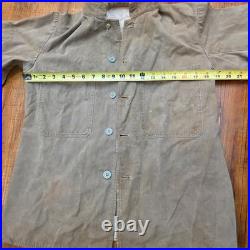
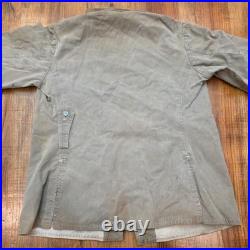
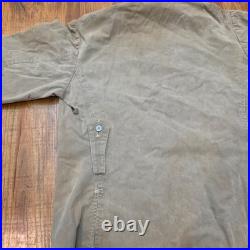
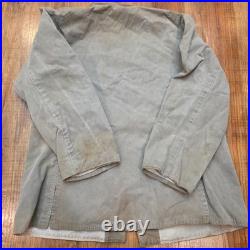
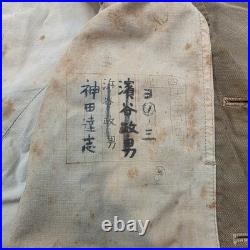
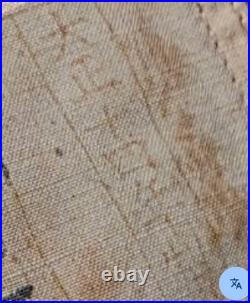
Original early interwar IJA fatigue/work jacket in cotton twill; Taisho 14 (1925) depot label, named to. Period wear, stains, and later replacement buttons consistent with age. No repairs observed to structural seams; presents well for a 100-year-old garment.

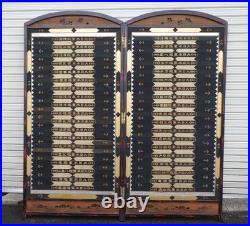
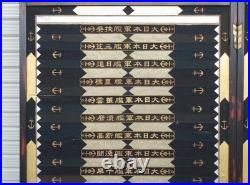
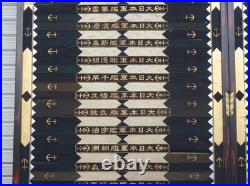
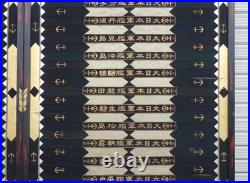
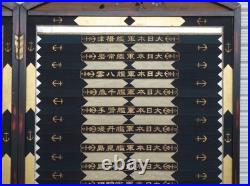
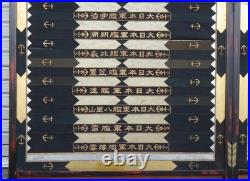
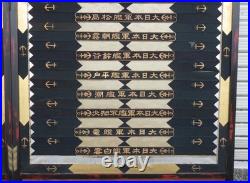
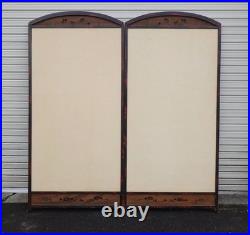
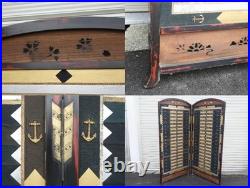
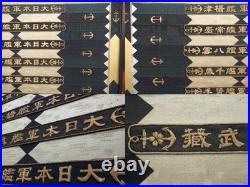
Thank you very much for viewing my listing\(^? ^)/. Extremely rare original Imperial Japanese Navy Pennant Set (38 pcs) mounted on a decorative folding screen. All are gold bullion embroidered ceremonial pennants, not the common foil-printed types used for daily uniforms. This piece was made in the late Taisho to early Showa period (circa late 1920s-early 1930s) and is absolutely original, not a postwar reproduction. What is a Pennant? This display set reproduces those cap ribbons in gold bullion embroidery, beautifully arranged for ceremonial or memorial purposes. It was likely used at naval bases, cadet schools, or commemorative events to honor active warships of the fleet. Mounted in a two-panel wooden folding screen. Frame features cutout motifs of sakura flowers and ocean waves, symbolizing the spirit of the Navy. Traditional color scheme of black, gold, and white, signifying honor and ceremony. Kongo, Hiei, Nagato, Fuso, Yamashiro, Ise, Hyuga, Musashi. Unryu, Chitose, Chiyoda, Unyo, Shiratsuyu, Asashio, Kasumi, Shiranui, Inazuma, Ikazuchi, Yamakumo, and more. Please see photos for details – 38 names in total. This display was produced during the golden age of the Imperial Japanese Navy, when Japan maintained one of the most powerful fleets in the world. It represents the pride and elegance of the prewar Navy, blending craftsmanship and reverence into a single object of ceremony. Complete with all 38 pennants. Some minor scuffs and color wear on the wooden frame from age. Embroideries remain in excellent preservation with vivid gold tone. Canvas backing in fine condition. : 152.5 cm (W) × 160.0 cm (H). This is a museum-grade ceremonial artifact – an irreplaceable witness to the artistry and prestige of the Imperial Japanese Navy. A centerpiece for serious collectors of prewar Japanese militaria. Own a Piece of History. Approximate 7-21days(To USA).

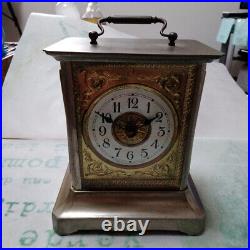
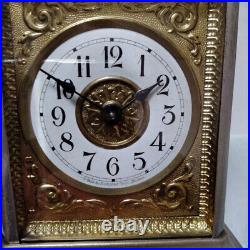
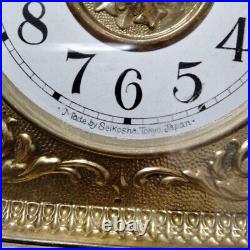
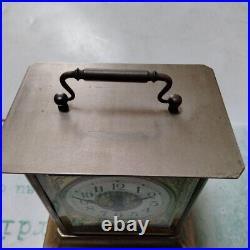
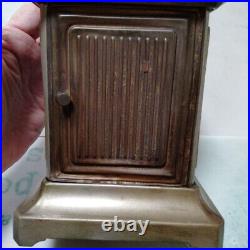
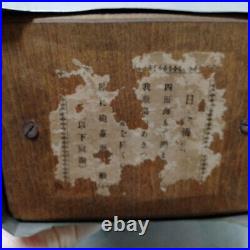
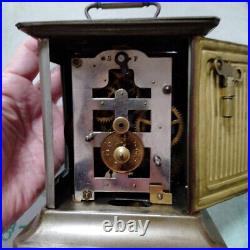
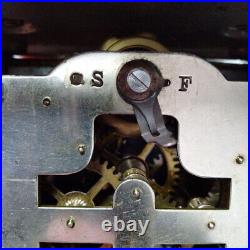
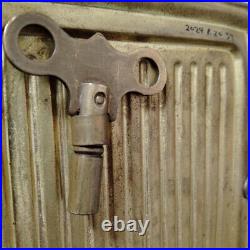
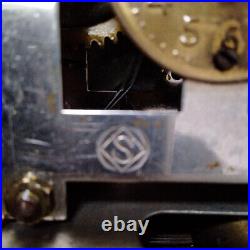
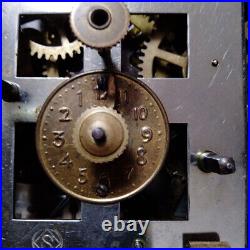
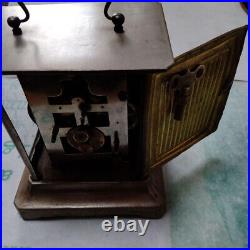
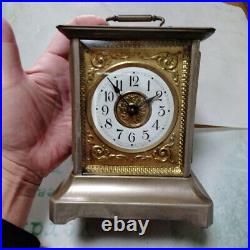
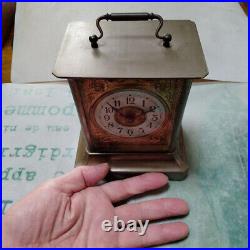
Seikosha’s spring hand-wound square table clock. It has a built-in music box and the song title is Japanese navy. A Japanese navy lyrics card is attached to the back cover. It seems that this product was manufactured from 1902 (Meiji 35) to Taisho 12. Some of the music box pins are missing, resulting in a confusing music box song. If you can fix this, it will be perfect! In January 2024, we did an overhaul for disassembly and cleaning. I brought it home from a watch store in March 2024, but it seems like a daily winding mainspring, and the music box rings for about 5 minutes at the time I set it, and then that’s it. I have to wind the mainspring every day. How about a military collector? International Buyers – Please Note.

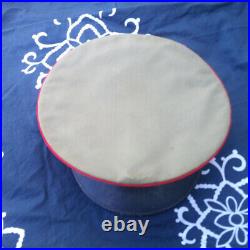
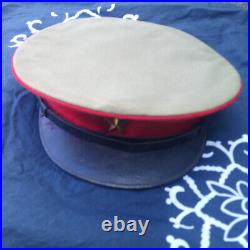
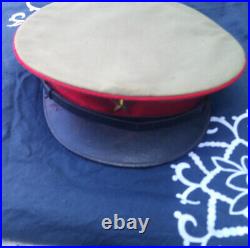
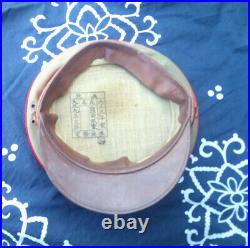
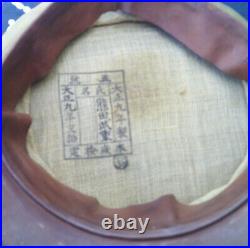
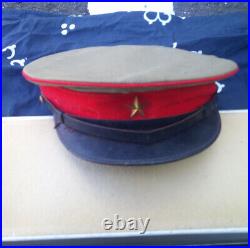
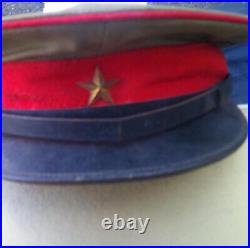
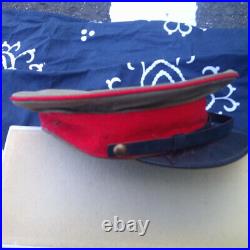
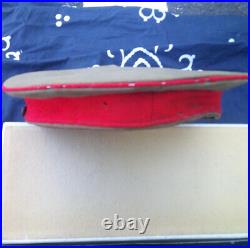
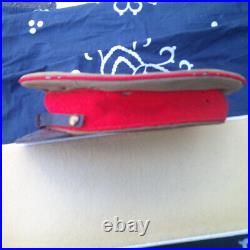
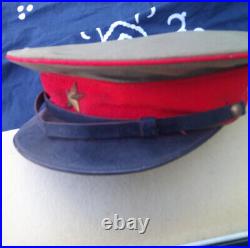
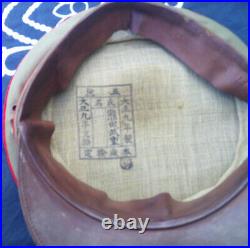
The former Japanese Army. It’s from taisho era. The military stamp was manufactured in 1920, is size 5, has the name of the army uniform factory, and the name of the person who used it. The condition of the hat is good with no noticeable scratches or stains. How about a military collector? International Buyers – Please Note.

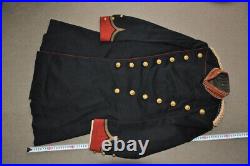
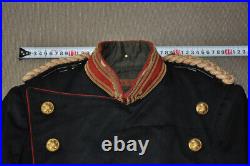
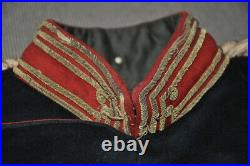
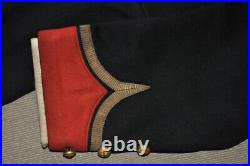
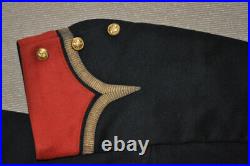
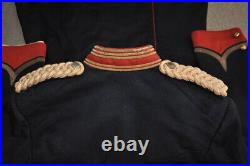
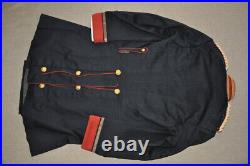
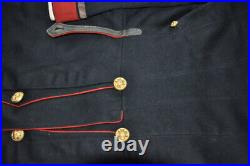

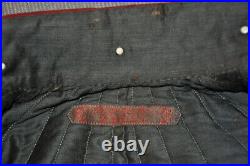
This is the original court uniform of a special infantry sergeant major from the Meiji and Taisho eras of the former Japanese Army. The molding at the base of the collar is frayed, and the threads attaching the molding have deteriorated considerably, causing the molding to fall off. There are insect bites on the red fabric on the sleeves. The epaulets are the ones that were on it when I got it. Sleeve length approximately 55cm, shoulder width approximately 40cm, length approximately 87cm. How about a military collector? International Buyers – Please Note.

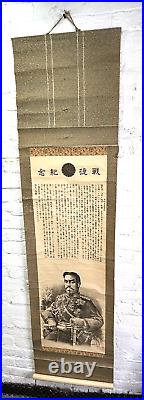
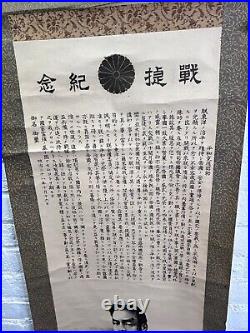
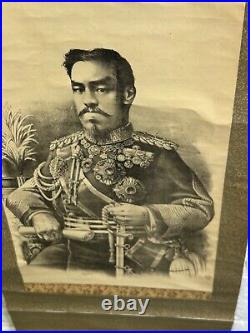
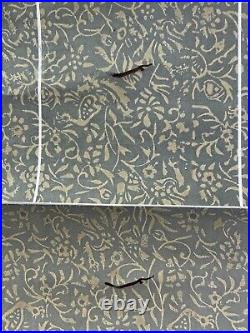
1905 Japanese Emperor Taisho Declaration Of Peace Scroll. It measures 17 inches wide by 69 inches long. Has some stains, creases and a bug damage holes, but still displays great.