
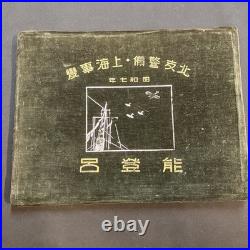
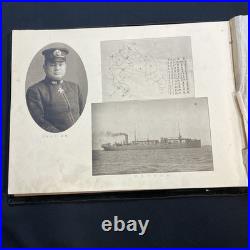
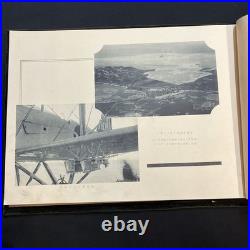
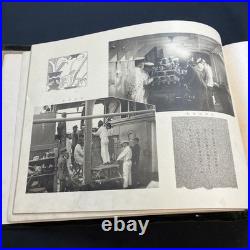
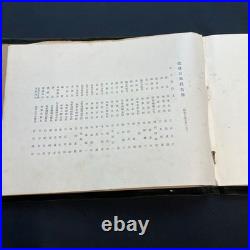
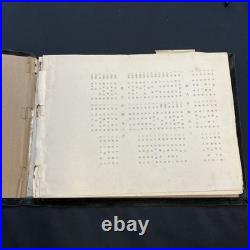

At the time, Notoro was commanded by Captain Teizo Minami. The front cover is clearly marked: “North China Security / Shanghai Incident” “Showa 7″ (1932) “Notoro” Notoro was originally built as an oiler and was later converted for use as a seaplane tender, becoming part of the early development of Imperial Japanese naval aviation. During the First Shanghai Incident in 1932, aircraft from Notoro operated in the Shanghai area on reconnaissance and combat-related missions. This is therefore more than a souvenir album. Seaplane tenders played an important role before aircraft carriers became dominant, supporting reconnaissance, observation, and other aviation operations. For that reason, this album is also an interesting document of the early era of Japanese naval aviation. The binding has significant age-related damage and some pages show staining and wear. Please review the photos carefully for condition. Recommended for collectors of the Imperial Japanese Navy, seaplane tenders, naval aviation, the First Shanghai Incident, and prewar military photography. Own a Piece of History. International Buyers – Please Note.

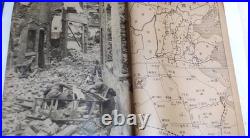
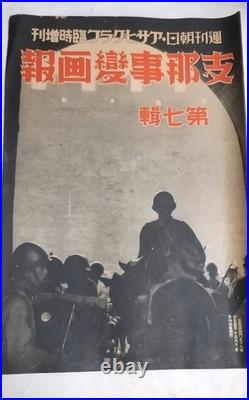
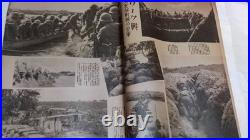
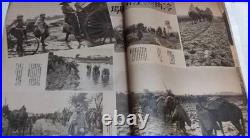
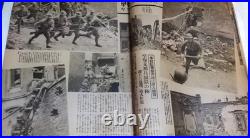
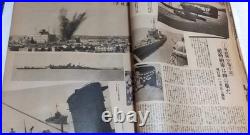
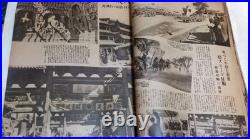
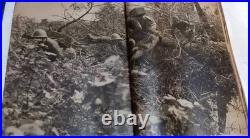
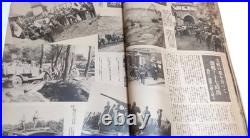
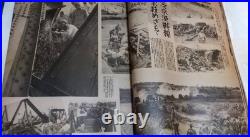
This is Pictorial Report of the China Incident, No. 7 (1937) – an exceptional, large-format wartime photo journal documenting the early stages of the Shanghai and North China campaigns. Featured inside are powerful original photographs of. The Battle of Hongkou – brutal street-to-street fighting. Creek operations and river-crossing assaults. Imperial Japanese Navy actions around Shanghai. Rapid cavalry and motorized advances across the North China plain. Front-line trenches, supply routes, and ammunition transport missions. A detailed military map of the North China theater. These pictorial magazines were produced only in limited wartime runs, and surviving copies with intact photos & maps are now extremely scarce. The visual intensity-soldiers fighting in rubble, advancing through waterlogged fields, naval aviation over Shanghai-captures the atmosphere of 1937 better than any modern history book. For researchers, collectors, and museums, this is a valuable primary source that preserves the imagery of the Second Sino-Japanese War in real time. Own a piece of history-an authentic wartime record that has survived for nearly nine decades. International Buyers – Please Note. Thank you for your understanding.

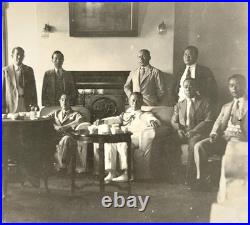
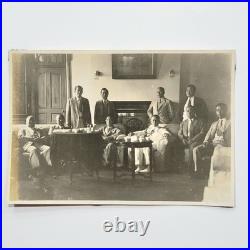
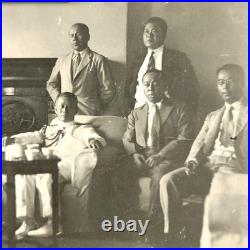
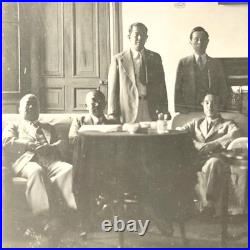
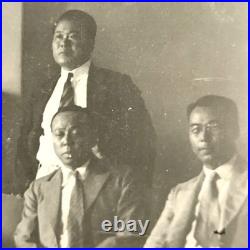
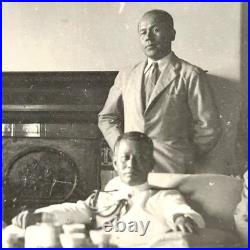
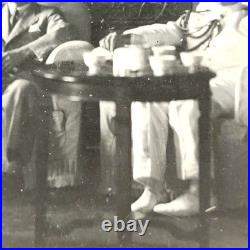
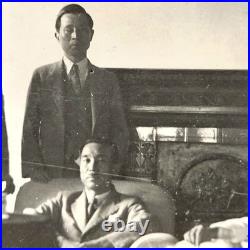
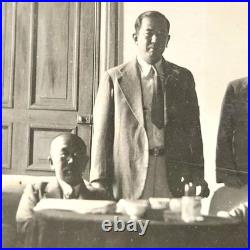
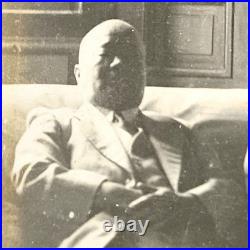
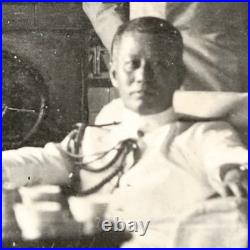
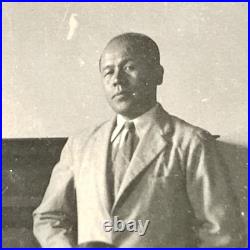
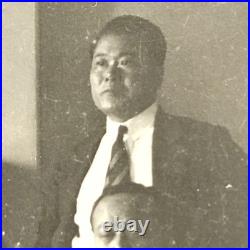
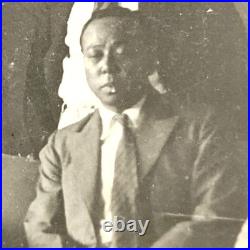
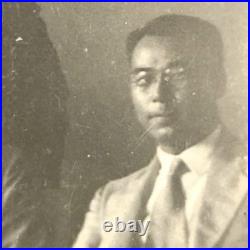
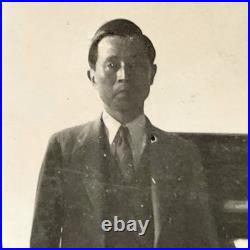
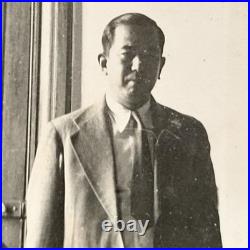
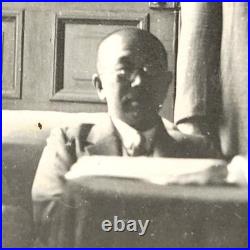
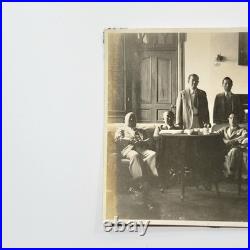
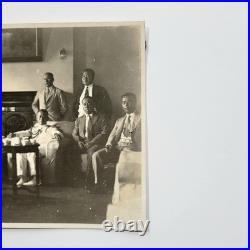
Taminato Incident Conference IJN Wakasugi Honda Photo Shanghai 1936. Size: approximately 6.0 inches by 4.1 inches. This original photograph captures a formal crisis conference held in Shanghai during the Taminato Incident in September 1936. Seated at the center is a senior Imperial Japanese Navy officer in light service dress with an aiguillette, indicating a staff or liaison role. Based on uniform style and known naval personnel in Shanghai, it is plausible that he may be Rear Admiral Tadao Honda, who served as naval attaché in Shanghai. To his left sits Consul-General Kaname Wakasugi, the highest Japanese diplomatic authority in Shanghai at the time and a central figure in the Japanese response to the incident. The civilian men seated and standing on the right side of the image are leaders of the Japanese Resident Community of Shanghai. These individuals likely represent the executive leadership of the Shanghai Japanese Residents’ Corporation and the Japanese Chamber of Commerce. During the Taminato Incident, when the Navy deployed more than 2,000 troops and imposed strict security measures in Hongkou, these civilian leaders were called into the consulate to coordinate food distribution, school closures and community safety for the tens of thousands of Japanese civilians living in the district. The younger men standing at the edges of the frame appear to be consular secretaries, translators and junior naval aides-de-camp. The combination of senior naval command, the Consul-General, Resident Community leadership and consular staff reflects the full spectrum of Japanese authority in Shanghai during the incident. The Taminato Incident, known in Japanese sources as the and also referred to as the , occurred on September 23 1936 when sailors from the cruiser Izumo were shot in broad daylight in the Hongkou district. Seaman Tomomitsu Taminato died of his wounds, prompting a major Japanese security response. The incident became one of the significant prewar flashpoints in Shanghai, intensifying Japanese patrols and contributing to the rising tensions that eventually led to the outbreak of the 1937 Battle of Shanghai. Photographs documenting high-level coordination meetings from this period are extremely scarce, and no identical or similar examples of this conference appear in public archives or indexed listings. This is a rare and historically important image showing the Japanese diplomatic, naval and civilian leadership gathered during a critical moment in prewar Shanghai. The presence of Consul-General Wakasugi, a senior IJN officer and the Resident Community executives makes this a compelling and uncommon record of Japanese crisis management during the Taminato Incident. Those most interested in this photo. Collectors of IJN and Japanese naval staff photography. Historians researching the Taminato Incident and prewar Shanghai. Scholars studying Japanese diplomatic and consular operations in China. Researchers focused on the Japanese Resident Community of Shanghai. Archivists documenting Sino-Japanese conflict escalation prior to 1937. Collectors of treaty-port and International Settlement historical material. Specialists in Japanese naval attaché and intelligence history. Please inspect the pictures, as they give the best representation of condition. May have discoloring, edge or corner wear, marks, creases, fading, smudges, corner or edge bends, tears, or corners missing.

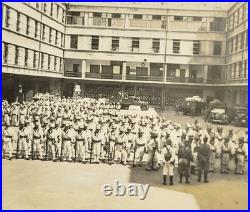
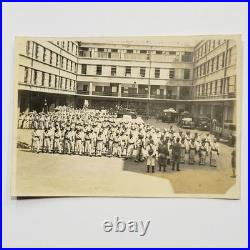
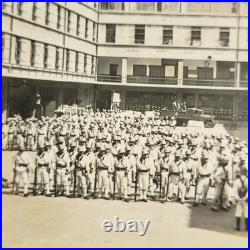
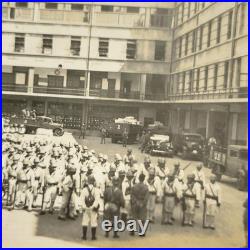
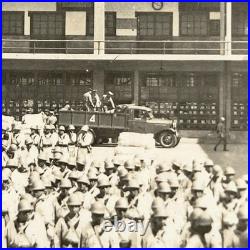
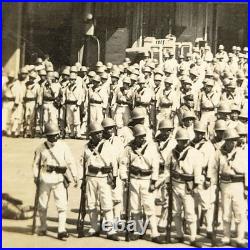
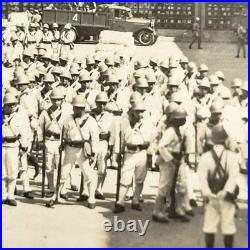
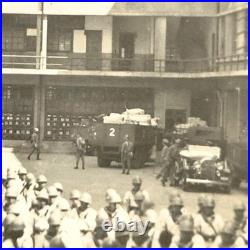
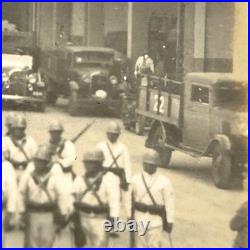
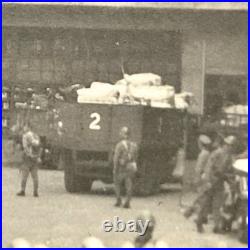
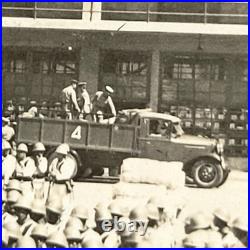
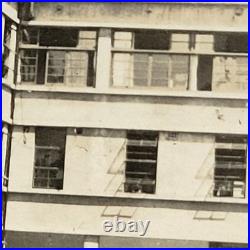
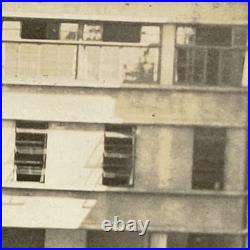
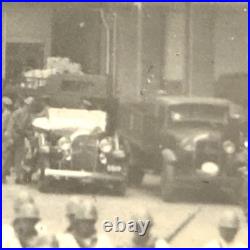
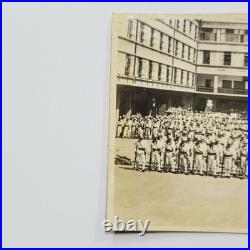
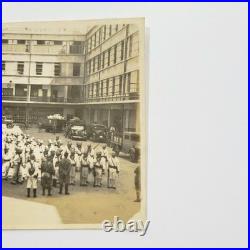
Taminato Incident Japanese Navy Shanghai Headquarters Photo 1936 IJN. Size: approximately 4.4 inches by 3.1 inches. This original photograph shows Japanese Navy Special Naval Landing Force troops assembled in formation inside a courtyard in Shanghai during the period of heightened military activity following the 1936 Taminato Incident. The multi story buildings, trucks, and the armored vehicles marked with the number 2 and 4 create a strong impression of an SNLF headquarters or staging area. The uniforms and equipment match known Japanese naval infantry gear from the mid 1930s, and the scene reflects organized reinforcement activity during a moment of increased Japanese military presence. The Taminato Incident, known in Japanese sources as the and also referred to as the , occurred on September 23 1936 when sailors from the cruiser Izumo were shot in broad daylight in the Hongkou district. Seaman Tomomitsu Taminato died of his wounds, and the event immediately intensified Japanese naval operations in the International Settlement. Historical accounts describe the rapid arrival of SNLF reinforcements, expanded patrols and a significant increase in Japanese naval infantry presence throughout Hongkou. This photograph fits well within that documented response, showing a large formation of troops and vehicles plausibly preparing for deployment or coordination. The Taminato Incident became one of the major prewar flashpoints in Shanghai, intensifying Japanese security measures in the International Settlement and contributing to the rising political and military tensions that eventually led to the outbreak of the 1937 Battle of Shanghai. Photographs of SNLF reinforcement activity from this period are scarce, and very few private images survive that show the buildup of Japanese forces in the months following the incident. The courtyard formation seen here is not represented in publicly available archives or indexed listings, adding to the rarity of this example. This image comes from a private album that included other photographs directly tied to the Taminato Incident, such as the transfer of Taminato’s coffin from the Izumo and scenes from his funeral. The presence of those related images strongly supports the identification of this photo as part of the same sequence of events. As a result, this photograph stands as an uncommon and historically valuable record of Japanese naval infantry reinforcement activity in Shanghai during a critical moment of escalating Sino-Japanese tensions. This is a compelling and name rich example of SNLF operations in Shanghai, showing a large formation of Japanese naval infantry and vehicles during one of the key prewar flashpoints in the International Settlement. Those most interested in this photo. Collectors of IJN and SNLF military photography. Historians researching the Taminato Incident and prewar Shanghai tensions. Scholars studying Japanese naval infantry operations in treaty port China. Researchers focused on Hongkou district military activity in the 1930s. Archivists documenting Sino Japanese conflict escalation prior to 1937. Collectors of rare reinforcement or mobilization scenes in wartime contexts. Enthusiasts of cruiser Izumo and its historical role in Shanghai. Please inspect the pictures, as they give the best representation of condition. May have discoloring, edge or corner wear, marks, creases, fading, smudges, corner or edge bends, tears, or corners missing.

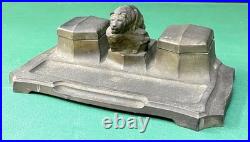
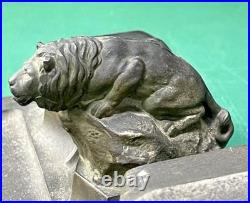
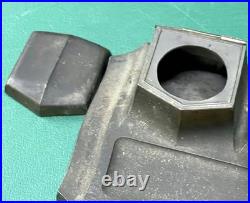
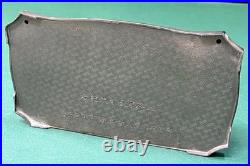
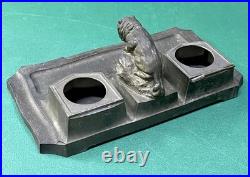
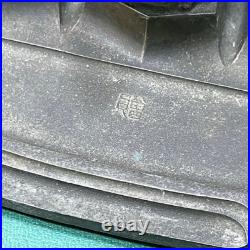
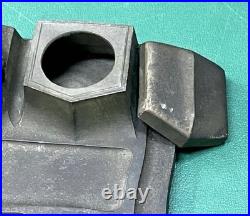
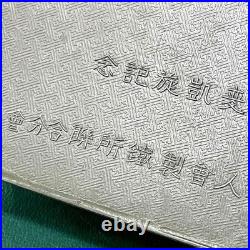
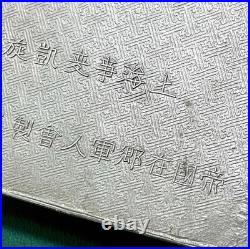
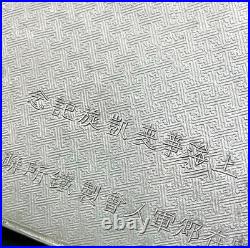
Own a Piece of History. This is a rare and heavy commemorative lion-shaped inkstand presented after the Shanghai Incident of 1932 (Showa 7). Engraved on the underside are. “Shanghai Incident Victory Return Commemoration”. “Imperial Military Reservists Association – Tetsusei Ironworks Joint Branch”. This confirms that the piece was a non-commercial presentation item connected to the Imperial Japanese military veteran community. What Was the Shanghai Incident? The Shanghai Incident was a major military conflict fought in Shanghai, China, in 1932 between Japanese and Chinese forces. It is considered one of the important precursors to the later Second Sino-Japanese War. At the time, the battle was heavily reported in Japan, and returning soldiers were celebrated as national heroes. As a result, commemorative presentation items such as this were created for veterans and military-related organizations. What Was the Imperial Military Reservists Association? The Imperial Military Reservists Association (Teikoku Zaigo Gunjinkai) was a massive nationwide organization composed mainly of reserve and retired military personnel. It was not simply a veterans club. It played a major role in connecting local communities with the Japanese military before WWII. Because of this, surviving presentation items from these organizations are deeply tied to the militarization and social atmosphere of prewar Japan. What Is an Inkstand? An inkstand was a desk accessory used during the fountain pen and dip-pen era. Glass ink bottles were originally placed into the two side compartments, while military officers, bureaucrats, teachers, and administrators used them to write official documents. In military environments of the 1930s, countless orders, reports, operational records, and training documents were written by hand. Because of this, an inkstand like this symbolized the military desk itself – the place where commands and records were created. This makes the piece more than simple deskware. It is effectively a military presentation object connected to wartime administration and veteran culture. The central lion sculpture symbolizes power, victory, and military prestige. Lion motifs were frequently used in Japanese military commemorative art during the early Showa era, especially for victory memorials and presentation trophies. The underside is decorated with an intricate traditional Japanese “Sayagata” geometric pattern, a historic symbol representing continuity and eternal prosperity. The craftsmanship and weight are exceptional, giving the piece a true early Showa presence. This is not merely an inkstand. It is a surviving artifact from the moment Japan was rapidly transforming into a militarized nation during the early 1930s. An outstanding piece for collectors of. Prewar Japanese industrial art. Military writing desk antiques. Approximate 7-21days(To USA).

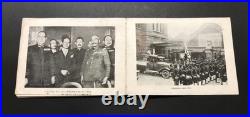
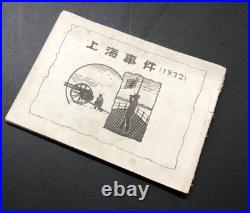
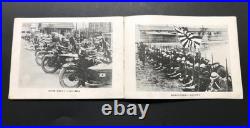
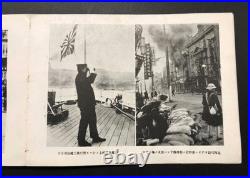
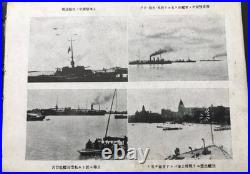
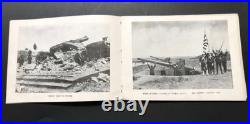
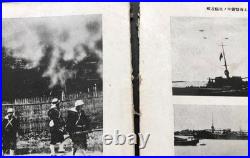
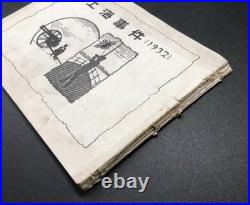
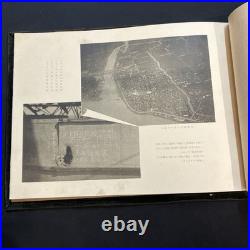
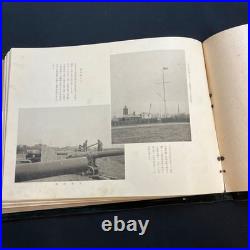
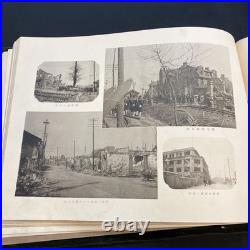
Thank you for viewing this item. This is an original. Photo album documenting the Shanghai Incident of 1932. Published in Showa 7 (1932), during the early stage of conflict between Japan and China. What was the Shanghai Incident? The Shanghai Incident (1932) was one of the first major armed clashes between Japan and China. It began after tensions escalated in Shanghai following an attack on Japanese civilians. In response, Japan deployed military forces to protect its nationals. Chinese forces mobilized in resistance. Fighting broke out in the city. Urban combat spread across Shanghai. In simple terms, this was. A local conflict that rapidly escalated into real war inside a major city. Why this event matters. This conflict is important because. It was a precursor to the full-scale. Second Sino-Japanese War (1937). Imperial Japanese Army and Navy. It took place in. Shanghai, one of the most international cities in Asia at the time. It can be seen as. A “prelude” to a much larger war that followed. About this item. This album contains approximately. Machine gun and artillery units. These are not modern reproductions. How the event was recorded and presented at the time. Why collectors value this. Items like this are valuable because. They were created during the actual period (not later reprints). They visually document real military operations. They are rarely seen outside Japan. History as it was seen in 1932. Not a modern interpretation, but a contemporary record. Age wear, stains, discoloration. Please check photos carefully. Height: 11.0 cm. Width: 14.8 cm. This is more than just a photo book. ? It is a record of. How war began in a city. A moment when tension turned into conflict, captured in real time. Own a Piece of History. International Buyers – Please Note. Thank you for your understanding.

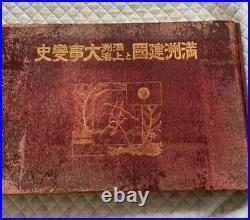
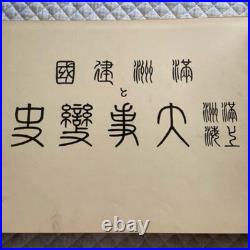
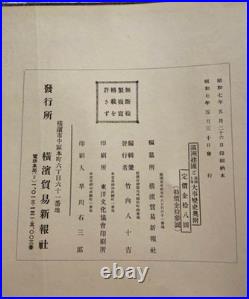
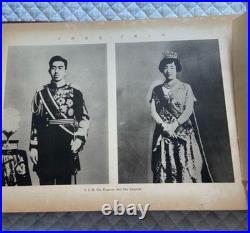
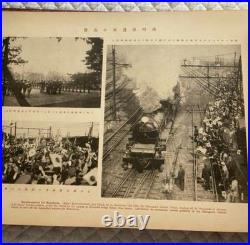
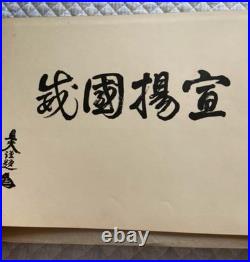
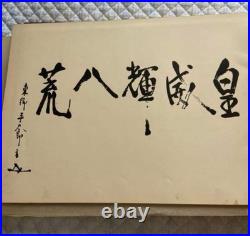
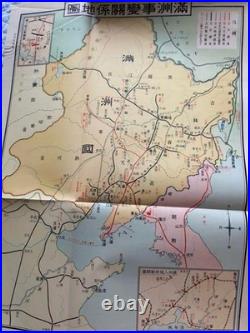
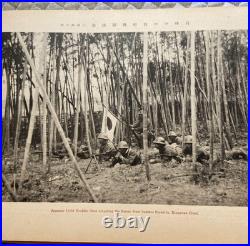
This is a rare large-format pictorial album titled “Manchukuo Founding and the Shanghai Incident”, published in 1932 (Showa 7) by Yokohama Trading News Co. It features numerous original photographs, maps, and calligraphy, documenting the turbulent events in East Asia during the early 1930s. Following the Mukden Incident (September 1931), the Japanese Kwantung Army occupied Manchuria. In March 1932, the puppet state of Manchukuo was proclaimed with the last Qing emperor Puyi as its head of state. For Japan, Manchukuo became both an economic and military stronghold, while the international community strongly criticized it as illegitimate, leading to Japan’s growing isolation in world affairs. In January 1932, hostilities broke out in Shanghai between Japanese and Chinese forces. Intense urban combat followed, including the deployment of Japanese Navy Special Landing Forces. After months of fighting, a ceasefire was signed in May. The scale and violence of the conflict marked a deep escalation in Sino-Japanese tensions. Showa 7 (1932) – A Turning Point. March: Manchukuo officially proclaimed. January-May: First Shanghai Incident. May: Prime Minister Inukai Tsuyoshi assassinated in the May 15 Incident. This year marked a decisive shift in Japan’s path toward militarization and international isolation, eventually leading to its withdrawal from the League of Nations. ? Contents of This Album. Portraits of the Emperor & Empress. Photographs of the Manchurian Incident and Shanghai Incident. Large fold-out color map with railways and battlefields. Calligraphy pages by notable figures. Rare action photos of Japanese military operations. The outer cover shows significant wear due to age, but the internal pages and photographs remain intact. Overall, this is a valuable contemporary primary source that preserves the atmosphere and visual record of 1932. A highly important reference for historians, researchers, and serious collectors of Japanese pre-WWII militaria and Asian history. Own a Piece of History. International Buyers – Please Note. Thank you for your understanding.

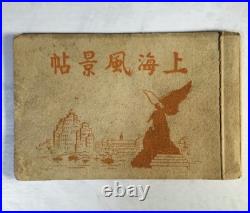
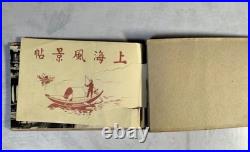
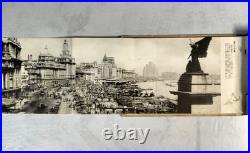
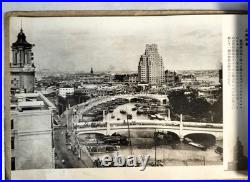
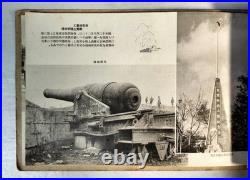
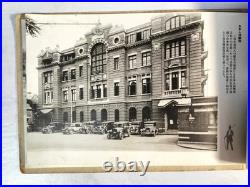
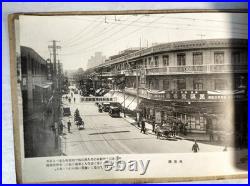
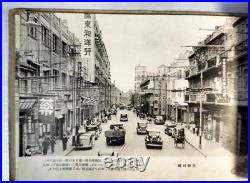
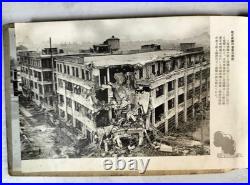
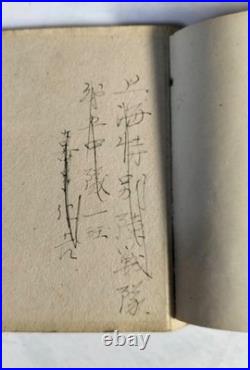
This is an original 1930s. Carried by a member of the Imperial Japanese Navy Special Naval Landing Force (SNLF) stationed in Shanghai. Although the photos are printed images and not real photographs, the book contains. Valuable scenes of pre-war Shanghai. Nanjing Road street scenes. The Japanese Club. Ruins and bomb-damaged buildings from the Shanghai Incident. (Matsue coastal artillery site). Early automobiles, rickshaws, trams, and mixed modern/colonial architecture. Inside the cover, there is a handwritten note indicating. Ownership by an SNLF soldier. Which adds historical significance. Items documenting everyday landscapes of pre-war Shanghai are increasingly scarce. This is a valuable reference piece for collectors of militaria, Asian history, or pre-WW2 Shanghai materials. Approximate 7-21days(To USA).

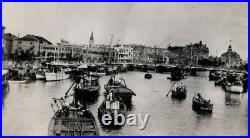
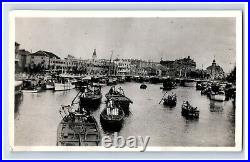

Please see the images of the actual item above for a better idea of the condition. The packed card will weigh around two and a half ounces, as I pack with thick cardboard to assure the card arrives safely. Be sure to add me to your. Please contact me with any issues prior to leaving negative/neutral Feedback or low detail ratings, as I will always do my best to solve any problems that may come up!

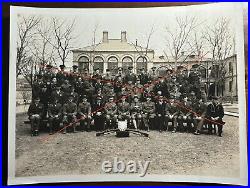
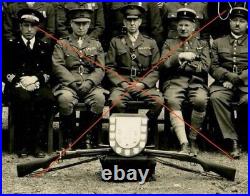
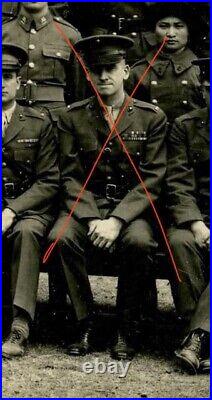
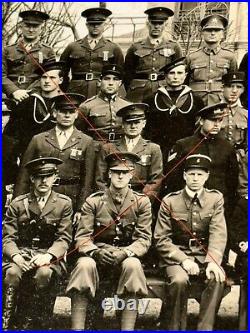
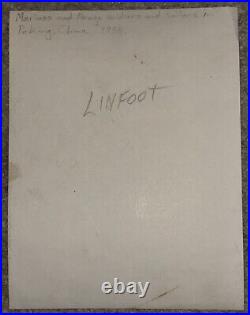
An original silver gelatin photograph circa 1934 of Peking and Shanghai Marines and other members of International Legations (British, French and Italian). Third from the right (lower right) is the post adjutant and morale officer of Headquarters Detachment, American Legation, Peking, China, Evans F. Seen wearing the Navy Cross for his actions in Nicaragua in 1930. In 1942, he and his “Raiders” were on Makin Island (second Navy Cross) and was later leading the famed “Long Patrol” on Guadalcanal. Carlson is arguably the father of Marine Special Operations. Photo appears to be the participants of the International Small Bore Rifle Competition and what looks like the international commanders. Rixey, the Legation Commanding Officer is center, behind the Johnson Trophy. Here is where Carlson studied the Chinese language, he would return in 1937 and study Chinese guerrilla tactics and the Japanese and where was born the term “Gung-ho” that he used as the Raiders motto. A rare photo of a very famous Marine officer. Measures 8-3/8″ x 6-1/2″. Combined invoice will be sent at auctions end.