
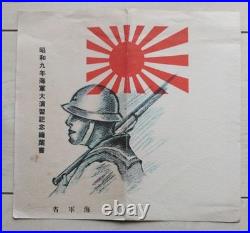
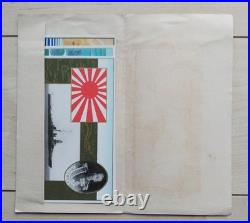
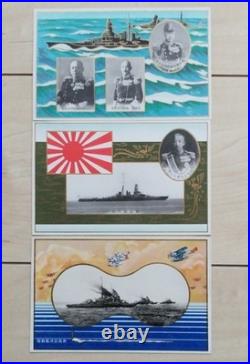
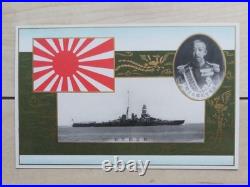
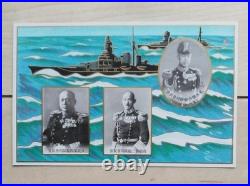
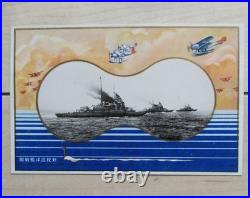

Own a piece of history. This is an original commemorative postcard set issued in Showa 9 (1934) by the Imperial Japanese Navy for the Great Naval Maneuvers (Kaigun Daienshu). The set includes 3 illustrated postcards with original envelope, issued by the Navy Ministry. About the Envelope (Cover Text). (“Commemorative Postcards of the Showa 9 Imperial Navy Grand Maneuvers – Navy Ministry”). What was the 1934 Great Naval Maneuvers? Who: Conducted by the Imperial Japanese Navy, under direct supervision of senior admirals. What: A large-scale naval exercise to test Japan’s latest fleet organization, new cruisers, and naval aviation coordination. 1934 (Showa 9) – a crucial pre-WWII moment as Japan expanded naval power under the London Naval Treaty limitations. Where: The maneuvers took place in Japanese waters and the Pacific coast, with participation of battleships, cruisers, destroyers, and aircraft. Why: To demonstrate naval readiness, showcase new warships, and strengthen command structure before escalating tensions in Asia and the Pacific. How: By mobilizing the Combined Fleet , including fleet reviews, simulated engagements, and inspection by the Emperor’s representatives. What is depicted in the postcards? Warships & Naval Aviation: New heavy cruisers at sea with fighter aircraft overhead. Commanders: Portraits of admirals such as fleet commanders and task force leaders, with battleships in the background. Rising Sun Flag motif: Symbolizing the Imperial Navy’s pride and expansion in the 1930s. Why it matters. This set is more than postcards-it is an authentic wartime propaganda item showing how Japan celebrated its naval power in the 1930s. Unlike postwar reproductions, it preserves the original art style, photography, and Navy-issued format. Collectors of WWII Japanese militaria. Vintage postcard and ephemera enthusiasts. Includes 3 postcards with original illustrated envelope. Some age toning, small stains, and wear due to 90 years of storage (see photos). No writing on reverse sides. Standard postcard format approx. 9 × 14 cm. Imperial Japanese Navy / IJN / 1930s Naval Exercises / Grand Maneuvers / Warship Postcards / Battleship / Cruiser / Admiral Portraits / WWII Propaganda / Rising Sun Flag / Showa 9 / Combined Fleet / Rare Ephemera. ? This is a rare primary source from pre-WWII Imperial Japan – don’t miss the chance to own a piece of naval history. Approximate 7-21days(To USA).

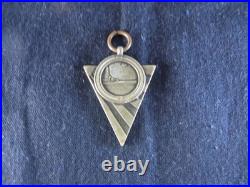
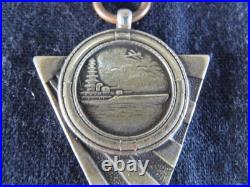
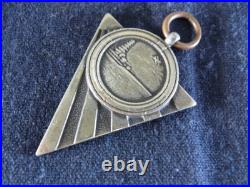
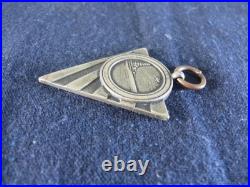
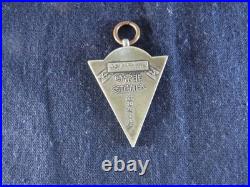
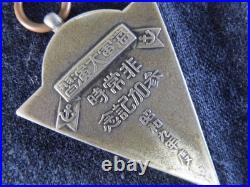
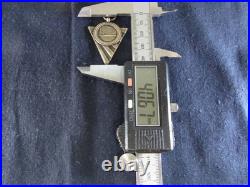
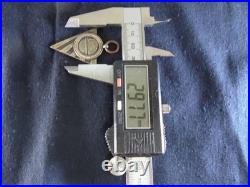
This is an original Japanese Navy participation commemorative medal from the 1934 (Showa 9) Emergency Naval Maneuvers. ” The reverse is clearly inscribed in Japanese: “Naval Grand Maneuvers” “Emergency Period” “Participation Commemorative” “Showa 9 [1934] These inscriptions are particularly important because they connect the piece directly to a specific Japanese naval exercise and a specific year, rather than making it simply a generic naval souvenir. For collectors unfamiliar with the term, large-scale naval maneuvers were major training exercises in which warships, aircraft, communications, command systems, and fleet tactics were tested under conditions intended to simulate actual operations. The year 1934 places this piece in a particularly interesting period of Japanese history. It came only a few years after the 1931 Manchurian Incident and after Japan announced its withdrawal from the League of Nations in 1933, at a time when international tensions surrounding Japan were rapidly increasing. The use of the term “Emergency” on the medal itself makes it especially evocative of the political and military atmosphere of early-1930s Japan. The front features an impressive naval design combining a warship and aircraft. This combination is also historically interesting, reflecting a period when aviation was becoming increasingly important to Japanese naval operations alongside the traditional battle fleet. The medal has a distinctive triangular form with a suspension ring at the top. Approximate dimensions: Height: 40.7 mm Width: 29.8 mm The piece shows age-related patina, surface wear, scratches, and discoloration consistent with an old metal commemorative item. Please carefully examine the photographs for the exact condition. What makes this piece particularly collectible is that its story can still be read directly from the object itself: the organization, event, purpose, and year are preserved in its inscriptions. More than a small naval medal, it is a surviving artifact connected to a specific Imperial Japanese Navy exercise during the increasingly tense years preceding the Pacific War. Own a Piece of History. International Buyers – Please Note.

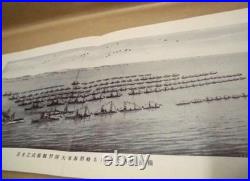
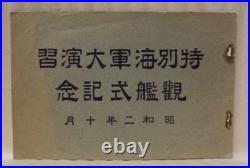
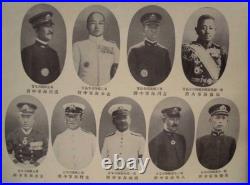
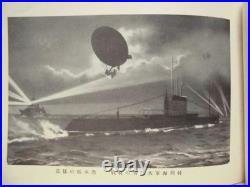
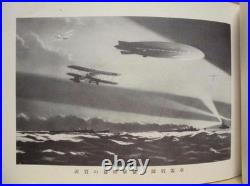
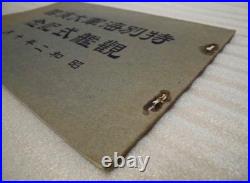
This is an original commemorative photo album documenting the. Imperial Japanese Navy Special Grand Maneuvers and Fleet Review held in October 1927 (Showa 2). The album consists of. 15 bound photographic pages. 15 × 22.5 cm and was issued on. Hatakeyama Picture Postcard Shop. A contemporary publisher specializing in naval and ceremonial imagery. The photographs capture key scenes from the fleet review conducted off. Including the appearance of the. Combined Fleet flagship Nagato. Large-scale fleet formations, night maneuver exercises, destroyer and torpedo flotilla actions, aerial cooperation, smoke-screen attack drills, and the activities of then-modern cruisers such as. Rather than a private album, this publication was created as a. Public commemorative record of a national naval event. Intended to visually convey the scale, organization, and technological strength of the Imperial Japanese Navy during the early Showa period. It reflects how the navy presented itself to the public at a time when battleships, fleet coordination, and modern naval doctrine were central to Japan’s maritime strategy. Condition shows natural age-related wear including light toning, surface wear, and corrosion to the original staples. Overall, it remains a highly evocative historical document from the. Valued by collectors of naval history, Imperial Japanese military materials, and early 20th-century photographic publications. Approximate 7-21days(To USA).

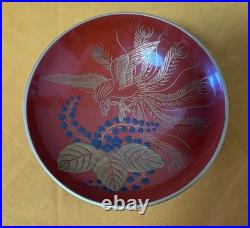
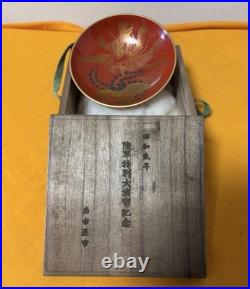
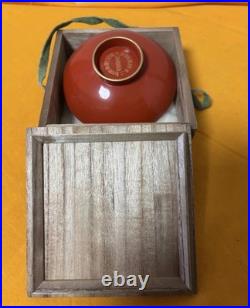
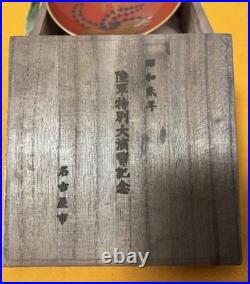
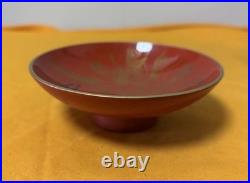
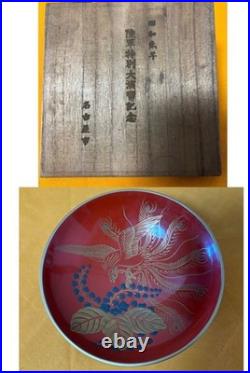
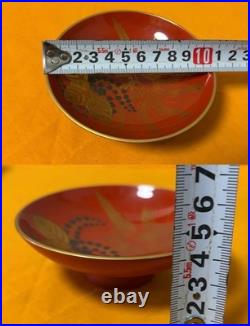
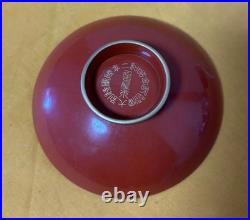
This is an original commemorative lacquer sake cup issued for the. Imperial Japanese Army Special Grand Maneuvers of Showa 2 (1927). Complete with original wooden storage box. Army Special Grand Maneuvers Commemoration. Cup Base (gold lettering). Showa 2 Special Grand Maneuvers Commemoration. The inscriptions clearly identify the historical event and place. What Were the “Special Grand Maneuvers”? The “Special Grand Maneuvers” were large-scale national military exercises conducted under the direct observation of the Emperor. Unlike ordinary field training, these were state-level demonstrations of military strength and modernization. The 1927 maneuvers were held in the Chukyo region (Nagoya area) and involved major Imperial Army divisions including. This cup was produced as an official commemorative item for that nationally significant event. Historical Context – 1927. 1927 was an early Showa period year, before the outbreak of full-scale war in China. Japan was in a phase of military modernization and expansion, but not yet in total war. Commemorative items from this era often show higher artistic refinement compared to later wartime mass production pieces. The Relationship Between the Japanese Military and Sake Cups. In Imperial Japan, sake cups were not merely drinking vessels. As such, military commemorative cups are important cultural artifacts reflecting the ceremonial traditions of the Imperial Army. Red lacquer ground with gold maki-e phoenix motif. The phoenix symbolizes honor, prosperity, and auspicious celebration. Paulownia leaves appear below, reinforcing the dignified and ceremonial tone. Elegant rather than militaristic in appearance. Traditional Japanese lacquerware is created by layering natural urushi lacquer multiple times to achieve durability and deep gloss. The gold maki-e decoration technique requires skilled craftsmanship and precision. This piece reflects the high-quality decorative standards of the early Showa period. (See photos for reference). Age-related wear, light storage marks, and natural patina consistent with its age. Maki-e decoration remains clear and well-preserved. Original wooden box included. A refined and historically documented pre-war Imperial Japanese Army commemorative piece. Own a Piece of History. International Buyers – Please Note. Thank you for your understanding.

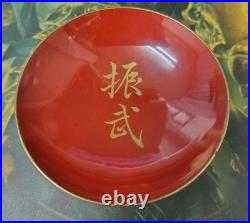
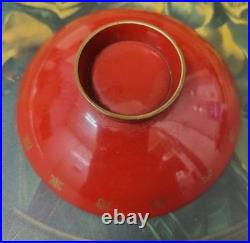
This is an original Imperial Japanese Army commemorative sake cup dating to 1931 (Showa 6). Around the rim, the following inscription is clearly written in Japanese. “Showa 6 – Imperial Japanese Army Special Grand Maneuvers”. What were the 1931 Army Special Grand Maneuvers? The Imperial Japanese Army Special Grand Maneuvers were large-scale, officially organized military exercises held periodically to test command structure, troop coordination, and national defense readiness. The 1931 maneuvers are particularly significant, as they were conducted in the same year as the Manchurian Incident, a turning point in East Asian history. These exercises were not ceremonial events, but serious preparations reflecting rising international tensions and Japan’s expanding military posture at the time. As a result, items related to the 1931 maneuvers are regarded today as important pre-war historical artifacts, rather than simple souvenirs. Meaning of the inscription ” (Shinbu)”. The center of the cup bears the gold-lettered phrase. This term can be translated as to inspire and uphold martial spirit. It was commonly used by the Imperial Japanese Army to express ideals of discipline, morale, and duty. Its presence strongly indicates that this cup was produced for an official military occasion, not for private or commercial sale. The special relationship between the Japanese Army and sake cups. In the Imperial Japanese Army, sake cups were deeply symbolic objects. They were used during. Rather than everyday drinkware, these cups served as ritual objects representing loyalty, unity, and remembrance. Commemorative cups bearing specific dates and events were typically distributed only to participants or officials, which makes surviving examples relatively scarce today. Japanese lacquer craftsmanship. This cup is finished in traditional Japanese lacquer (urushi). Japanese lacquerware is known for. Resistance to moisture and decay. Beautiful aging over time. Each piece was hand-coated in multiple layers, making true lacquer items difficult to mass-produce. Even military-issued lacquerware adhered to a certain quality standard, and many were lost or damaged during the war years. The remaining surface wear and aging visible today are consistent with an authentic pre-war lacquer piece and add to its historical character. Shows expected wear, scratches, and surface aging consistent with age. No major cracks or structural damage. This item is offered as a historical artifact, not as functional drinkware. An authentic 1931 Imperial Japanese Army commemorative lacquer sake cup, directly connected to a pivotal year in modern Japanese history. Highly suitable for collectors of. Imperial Japanese military memorabilia. Approximate 7-21days(To USA).

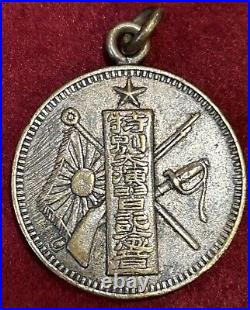
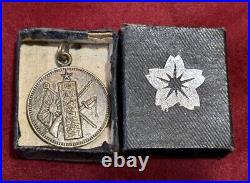
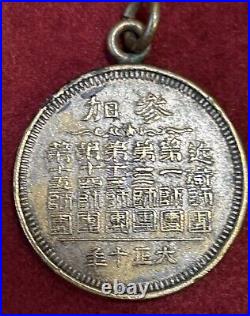
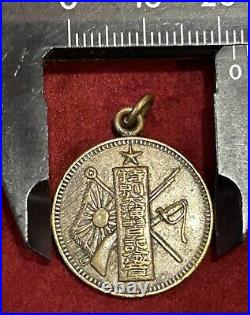
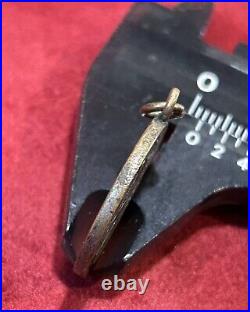
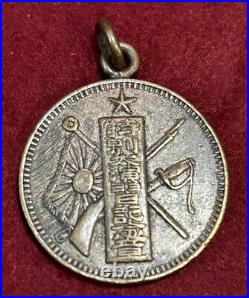
Antique Imperial Japanese medal. Rare Imperial Japanese Army Medal from 1921 Special Grand Maneuvers. Authentic antique military award with original box. Commemorates major exercises involving multiple divisions. Features rising sun, star, and weapons motifs. Excellent condition with attractive patina. 1.5 inches / 38mm in diameter. Incredible piece of early Taisho era military history. Perfect for collectors of Japanese militaria and medals. Emperor’s son (future Hirohito) oversaw these landmark maneuvers Involved over 100,000 troops, aircraft, and cutting-edge technology Simulated defense of Tokyo region against invading forces Culminated in massive mock battle along Tama River. Don’t miss this chance to own a tangible piece of pre-WWII Japanese military heritage! Questions welcome – I’m happy to provide more details on this fascinating item. It is expected to take more than a month to arrive.