
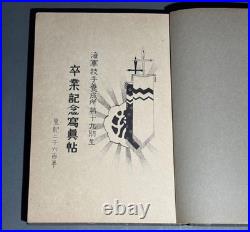
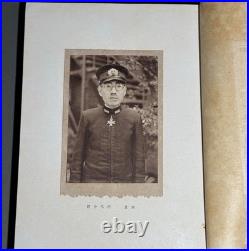
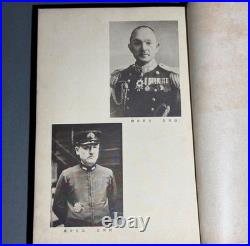
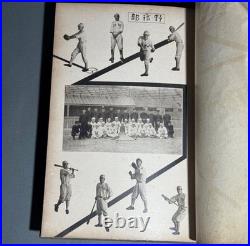
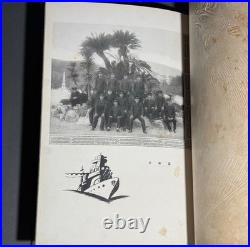
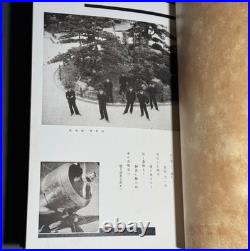
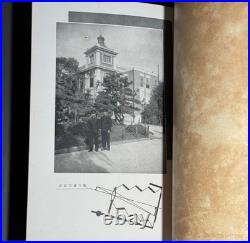
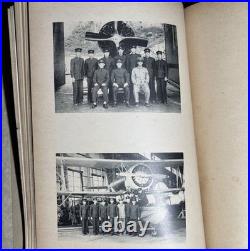
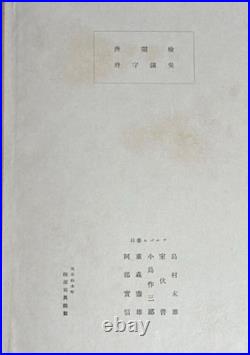

This is an original pre-WWII Imperial Japanese Navy graduation photo album. The album commemorates the 19th class of the Naval Technical Training School (Kaigun Gishu Yoseijo) and is marked “Koki 2600″, corresponding to 1940, a significant year when Japan celebrated the 2600th anniversary of the Imperial era. The Naval Technical Training School was an important institution responsible for training technical specialists for the Imperial Japanese Navy, including personnel involved in machinery, aviation maintenance, and other engineering fields necessary for modern naval warfare. The album contains numerous photographs documenting the training environment and daily life of the students, including. Group portraits of the cadets. Photographs of instructors and officers. Aircraft and aircraft engines. Training facilities and buildings. Sports and extracurricular activities such as baseball. Several pages also include portraits of senior officers associated with the naval command structure, including personnel connected to the Kure Naval Base, one of the most important naval bases of Imperial Japan. Graduation albums from Japanese naval training institutions rarely appear on the market today, and those related to technical training schools and aviation-related education are particularly uncommon. Because of the combination of naval education, aviation technology imagery, and the historical context of the 1940 Imperial anniversary year, this album represents an interesting historical artifact from the final decade of the Imperial Japanese Navy before the Pacific War. A desirable item for collectors of. Imperial Japanese Navy history. Japanese naval academies and training schools. Pre-war Japanese military memorabilia. The album shows expected age and wear consistent with a historical item of this period. International Buyers – Please Note. Thank you for your understanding.

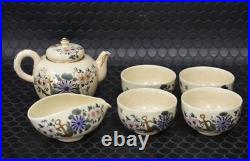
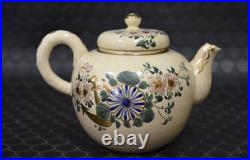
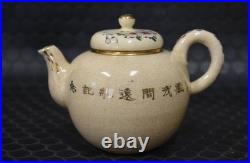
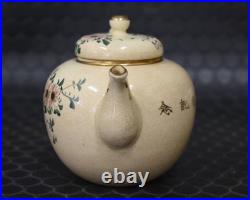
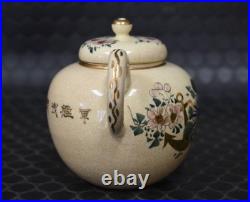
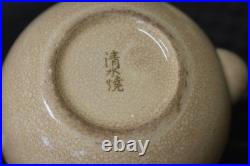
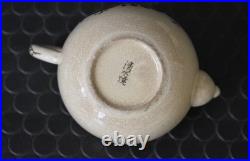
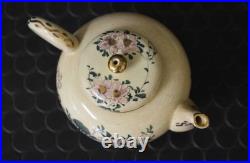
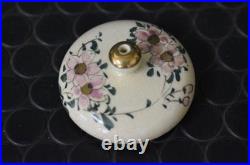
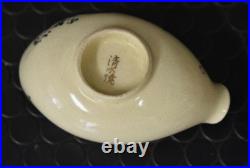
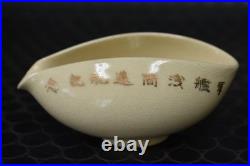
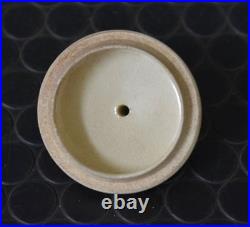
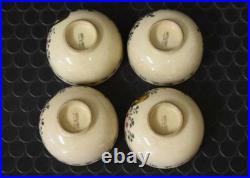
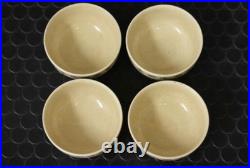
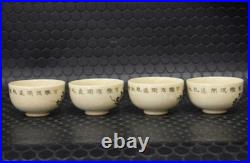
Imperial Japanese Navy Cruiser ASAMA Long Voyage Commemorative Tea Set. This is a pre-World War II Japanese tea set made to commemorate a long voyage of the Imperial Japanese Navy cruiser. The set consists of. 4 Sencha tea cups. Each piece is marked. ? (Warship Asama Long Voyage Commemoration). About IJN Cruiser Asama. Asama was an armored cruiser of the Imperial Japanese Navy built in the Meiji era. During overseas training voyages known as. Enko / long voyage. , commemorative items were produced for officers and participants. This tea set was likely made as one of those souvenirs. The base of the pieces is marked. A traditional Kyoto ceramic known for fine craftsmanship. Pre-war military commemorative items made in Kiyomizu ware are collectible among both. Tea culture was an important part of Japanese daily life and also among naval officers. Because of this, sencha tea sets were commonly produced as commemorative items for naval voyages. This item was found during a house clearing in Japan. There are signs of age including. Please review all photos carefully for condition. Feel free to ask any questions. Height approx 10 cm. Diameter approx 8.5 cm. Height approx 5 cm. Length approx 11.2 cm. Height approx 4.5 cm. Diameter approx 7.7 cm. Approximate 7-21days(To USA).

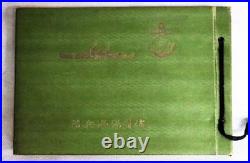
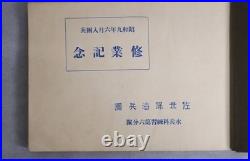
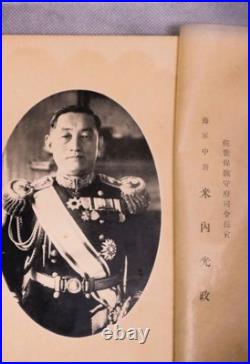
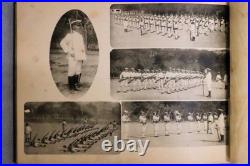
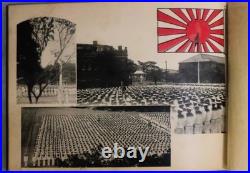
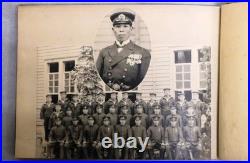
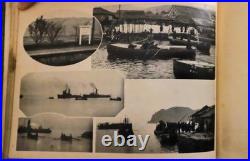
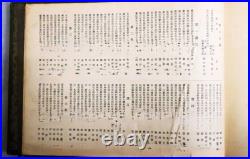
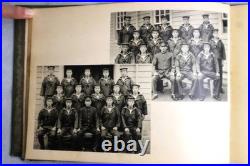
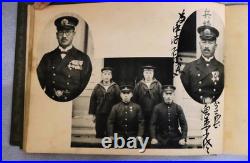
This is an original pre-WWII Imperial Japanese Navy photo album documenting sailor training at the Sasebo Naval Barracks, one of the most important naval training facilities in Japan. The album was created as a graduation / completion commemorative album for sailors who entered service in June 1934 (Showa 9) and completed their training in the 6th Sailor Training Squad. Sasebo Naval Barracks was responsible for training new sailors before they were assigned to warships of the Imperial Japanese Navy. Many naval personnel who later served during the Pacific War began their careers in institutions like this. The album contains a wide range of fascinating historical photographs, including. Sailor group portraits. Naval instructors and officers. Bayonet and rifle training drills. Formation exercises and parade grounds. Life inside the naval training facility. Photographs of Sasebo harbor and naval vessels. One particularly interesting page includes a portrait of Admiral Mitsumasa Yonai, who later served as Minister of the Navy and Prime Minister of Japan. At the end of the album there is also a roster listing the names of the sailors, providing valuable historical documentation of the individuals who trained in this unit. Some roster details have been partially obscured in the listing images to protect personal information. Albums like this rarely survive with their original photographs and roster intact, making this a valuable primary historical document related to the Imperial Japanese Navy. 19 × 27 × 2.5 cm. Total pages: 57 pages. A highly collectible piece for collectors of Imperial Japanese Navy memorabilia and WWII military history. Overall good condition for its age. There are minor signs of age such as wear, stains, and small scratches consistent with a historical item. Please see photos for details. International Buyers – Please Note. Thank you for your understanding.

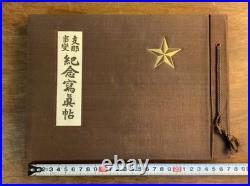
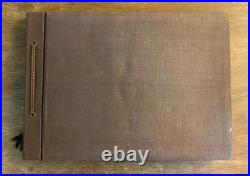
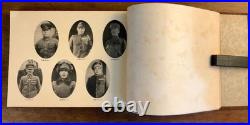
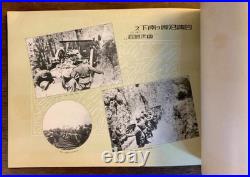
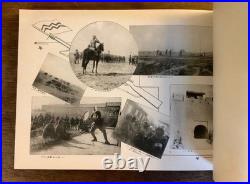
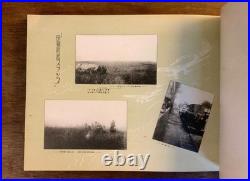
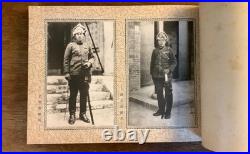
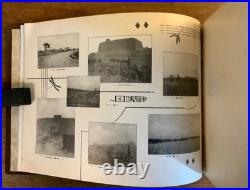
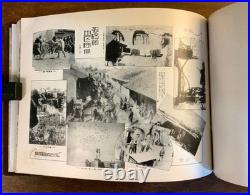
This is an original pre-WWII Japanese military photo album titled. “China Incident Commemorative Photo Album”. The China Incident refers to the large-scale conflict between Japan and China that began in 1937, known internationally as the Second Sino-Japanese War. This album contains numerous photographs documenting the activities of the Imperial Japanese Army in China. Inside the album are photographs showing. Japanese soldiers and military units. Marching columns and cavalry. Military exercises and artillery. Chinese towns, villages, and landscapes. Historical buildings and city gates. Everyday scenes in wartime China. These images provide a rare visual record of the military and cultural landscape of China during the late 1930s. The album is bound in a traditional Japanese format and the cover bears the five-pointed star emblem of the Imperial Japanese Army. In the later pages of the album, portraits of Japanese officers are included. Among them appears Ushijima Mitsuru, who would later become known as the commander of the Japanese 32nd Army during the Battle of Okinawa (1945). While the album itself commemorates the China Incident period, the presence of officers who later played roles in major WWII events makes it an interesting historical reference. The publication information lists. China Incident Commemorative Photo Album Publishing Association. Original wartime photo albums like this were often produced in limited numbers and distributed among military personnel or related organizations. Because of this, surviving examples today are increasingly difficult to find. Imperial Japanese Army memorabilia. Early 20th-century East Asia photography. This is a fascinating historical artifact. International Buyers – Please Note. Thank you for your understanding.

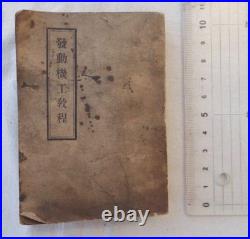
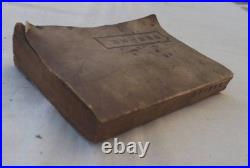
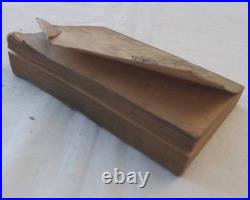
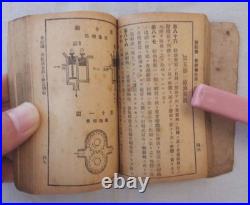
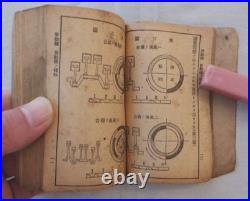
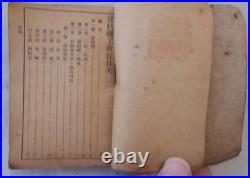
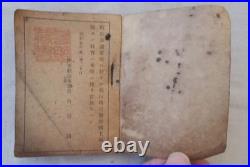
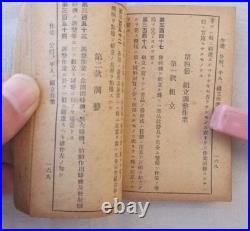
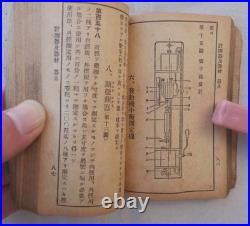
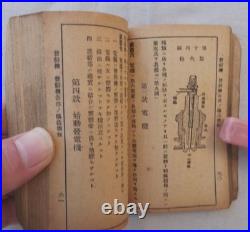
WWII-era precursor aviation technical manual titled. “Hatsudoki-ko Kyotei (Engine Mechanics Course)”, published in 1930 (Showa 5). This book was issued by Shoheikan with a foreword written by Kiyoshi Furuya, who served as Chief of the Imperial Japanese Army Aviation Headquarters at the time. The manual was designed as an instructional textbook for personnel involved in the maintenance and understanding of aircraft engines used by the Japanese Army aviation units. The contents cover the fundamental structure and operation of aircraft engines, including. Engine construction and components. Fuel supply mechanisms. Measuring instruments and diagnostic tools. Engine assembly and adjustment procedures. Maintenance and operational guidelines. Numerous diagrams and technical illustrations are included throughout the book, providing insight into early Japanese aviation engineering education and aircraft engine technology during the pre-WWII period. Publications related to Japanese Army aviation technical training from the early Showa period are relatively scarce today, making this an interesting reference for collectors and researchers of military aviation history. Age-related wear including stains, toning, and damage to the cover due to age. Pages remain readable with technical diagrams intact. Please examine the photos carefully for overall condition. International Buyers – Please Note. Thank you for your understanding.

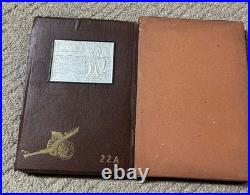
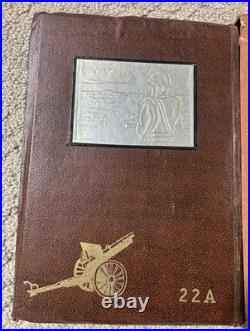
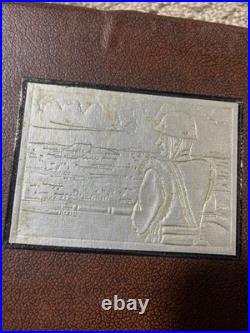
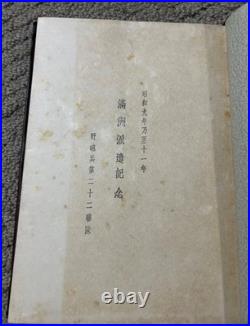
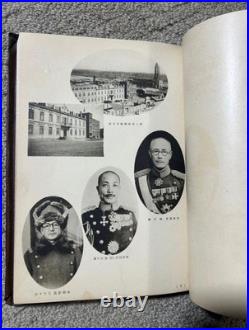
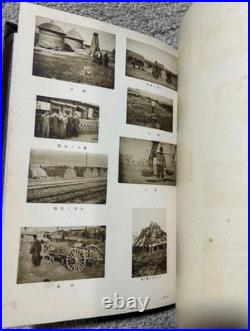
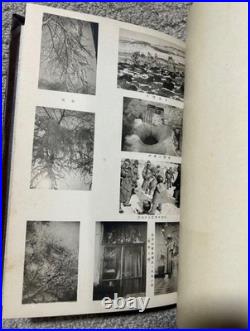
This is an original Imperial Japanese Army photo album commemorating the Manchuria deployment between 1934 and 1936. The album documents the overseas service of an Imperial Japanese Army field artillery regiment, recording the daily life, training, equipment, and surroundings of Japanese soldiers stationed in Manchuria during the early Showa period. Soldiers’ daily life and group portraits. Field artillery guns and equipment. Military training scenes and formations. Uniforms, insignia, and period gear. Landscapes and urban scenes of Manchuria. Rather than staged combat propaganda, the album presents a calm, documentary-style record of a Japanese Army artillery unit during a relatively stable pre-war phase. The unit documented in this album is identified as Field Artillery Regiment No. 22, a Japanese Army artillery regiment responsible for providing fire support to infantry formations. Artillery units played a crucial role in Imperial Japanese Army operations, requiring technical skill, coordination, and disciplined organization. This album captures the regiment before the later stages of the war, when material shortages and severe losses became widespread. Manchuria had become firmly established under Japanese control. Military organization and training were still relatively well-equipped. Large-scale total war conditions had not yet fully emerged. As such, this album preserves a moment before the extreme deterioration and collapse experienced by many units later in the war. Approximately 90 years old. Age-related toning, stains, and wear present. No major structural damage. Overall condition consistent with original military albums of this era. Please review all photos carefully. This album is more than a collection of old photographs. It is a primary historical document offering insight into. Imperial Japanese Army artillery units. Early Showa-era overseas deployment. The lived reality of soldiers stationed in Manchuria. Highly suitable for collectors of Japanese military history, Manchurian studies, and pre-World War II primary sources. International Buyers – Please Note. Thank you for your understanding.

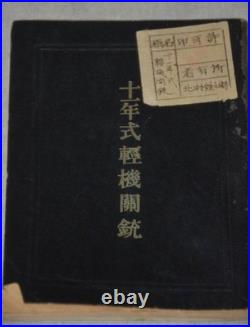
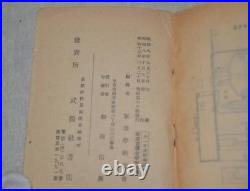
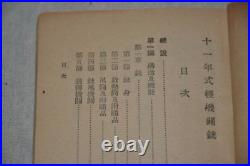
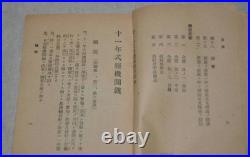
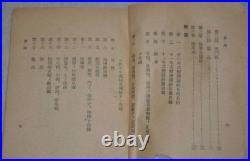
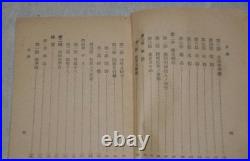
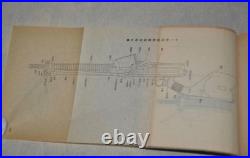
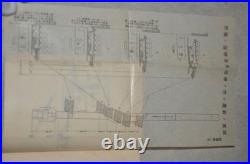
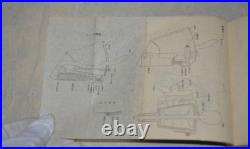
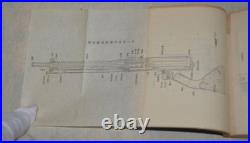
This is an original Imperial Japanese Army manual for the. Type 11 Light Machine Gun. The Type 11 light machine gun was adopted by the Japanese Army in. And was the first standard light machine gun widely used by Japanese infantry. It saw extensive service during the early stages of the Second World War. The Type 11 is particularly famous for its. Unique hopper-fed ammunition system. Making it one of the most distinctive machine guns developed during the interwar period. This manual explains the structure, operation, and maintenance of the weapon and includes information on. Construction of the machine gun. Disassembly and assembly. Firing and operation procedures. Anti-aircraft sights and accessories. A particularly notable feature of this manual is the inclusion of. 25 foldout technical diagrams. Showing detailed mechanical illustrations of the weapon, tripod, and components. These diagrams provide valuable insight into the engineering and military technology of the Imperial Japanese Army. Original Japanese military technical manuals with detailed diagrams are highly sought after by collectors of. Military firearms history. Japanese military documents. An excellent reference piece for collectors and researchers of Japanese military firearms. International Buyers – Please Note. Thank you for your understanding.

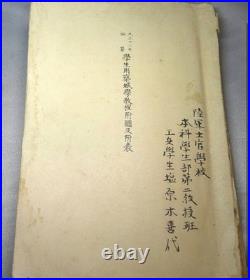
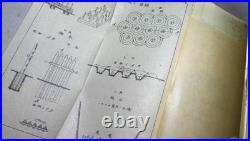
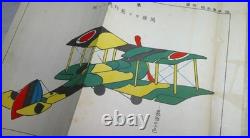
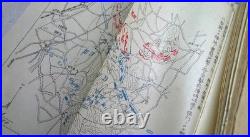
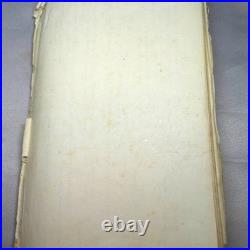
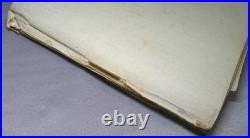
This is an original Imperial Japanese Army engineering textbook. Compiled in 1923 (Taisho 12) for use at the Imperial Japanese Army Academy. Titled “Student Fortification Engineering Manual – Supplementary Diagrams and Tables”. This volume was created specifically for engineer cadets, who were trained to design and construct. Field fortifications, defensive positions, trenches, obstacles, and battlefield layouts. According to the cover inscription, this copy was personally owned by an Army engineer cadet. Enrolled in the regular officer training course, making it a genuine used instructional manual. Not a ceremonial or later reprint. The book contains numerous technical diagrams, maps, structural layouts, and engineering illustrations. Including fortress planning, troop deployment concepts, and early military aviation-related schematics. Handwritten notes and annotations remain, offering rare insight into how future officers actually studied and applied military engineering. Condition is heavily worn, with stains, tears, aging, and possible missing plates. But these characteristics strongly reflect its authentic use in military education. A highly desirable primary-source item for collectors of. Imperial Japanese Army history. Military engineering & fortification studies. Pre-WWII Asian military doctrine. Approximate 7-21days(To USA).

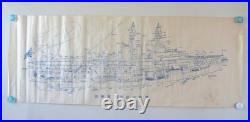
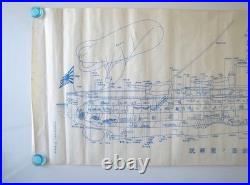
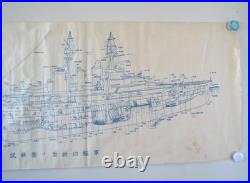

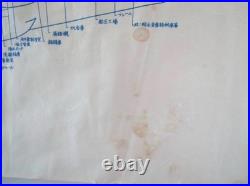
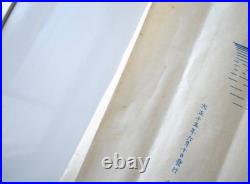
Own a rare piece of early Imperial Japanese naval history. This original “Explanation Chart of Battleship Cutaway” (?) was published by Yushu-kai on June 10, 1926 (Taisho 15) – the same organization that produced the famous Battleship Cutaway Poster. Printed in blue-print style on thin paper, this chart illustrates the detailed internal structure of a Japanese battleship modeled on the Nagato-class (Nagato & Mutsu) – the pride of the Imperial Navy at that time. Every compartment is meticulously labeled: gun turrets, officers’ quarters, boiler rooms, ammunition storage, even kitchens and signal decks. Created during the post-Washington Naval Treaty era, when Japan was forced to limit its fleet size, this diagram served both as an educational tool and as public naval propaganda, showing the advanced technology and discipline of the Empire’s Navy. The publisher Yushu-kai, based inside the Naval Officers’ Club “Suikosha” in Tokyo, specialized in producing technical and educational prints to promote naval science among officers and the public. Issued: June 10, 1926 (Taisho 15). Publisher: Yushu-kai, Suikosha, Tokyo. 39.5 × 102 cm. Format: Blue-print lithograph on thin paper. Condition: some aging stains, wrinkles, and minor edge tears (see photos). Still well-preserved for a nearly 100-year-old educational chart. A fascinating and visually striking chart that captures Japan’s naval ambition in the interwar years – a must-have for collectors of Imperial Japanese Navy memorabilia, maritime historians, and design archivists. International Buyers – Please Note. Thank you for your understanding.

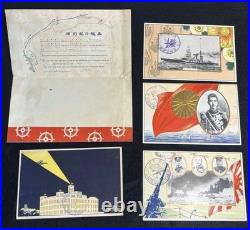
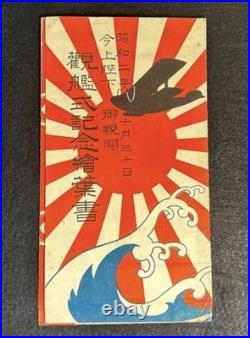
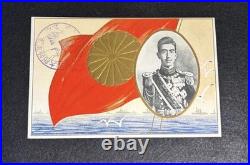
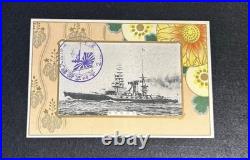
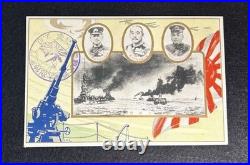
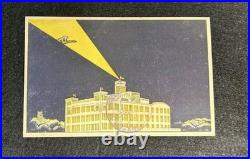
1927 Imperial Japanese Navy Grand Fleet Review Commemorative Postcard Set. Original pre-WWII Japanese naval commemorative postcard set. Showa 2 (1927), Yokohama Offshore Fleet Review. This set consists of. 4 original illustrated postcards. Original presentation folder (tatou cover). Rising Sun naval flag motifs. Japanese battleships and fleet formations. Period naval cancellation stamp marks. The 1927 Yokohama Fleet Review was a major Imperial Japanese Navy event attended by members of the Imperial household. It was a symbolic display of naval strength during the interwar period. These postcards represent early Showa naval propaganda art combined with real fleet photography, making them collectible for. Imperial Japanese Navy collectors. Pre-WWII military ephemera collectors. Interwar naval art collectors. Age toning and light wear. Period cancellation stamps present. No major structural damage. Approximate 7-21days(To USA).