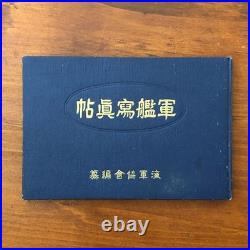
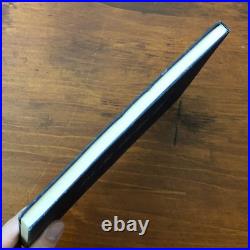
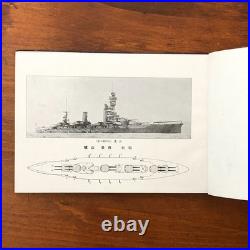
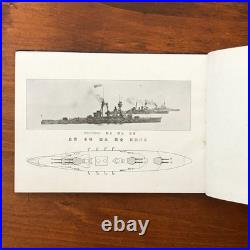
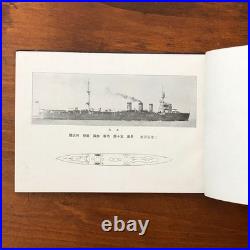
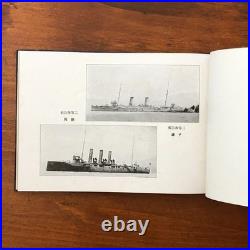
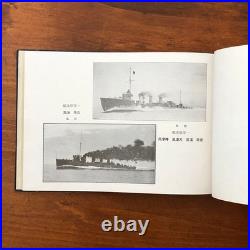
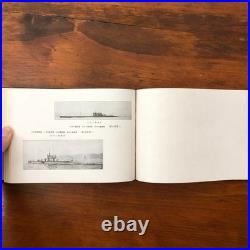
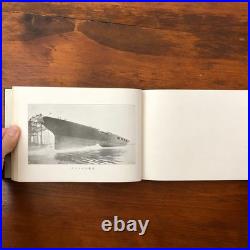
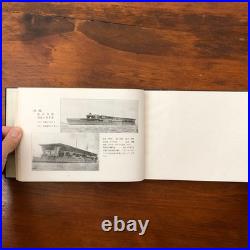
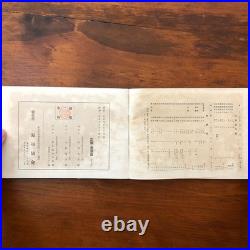
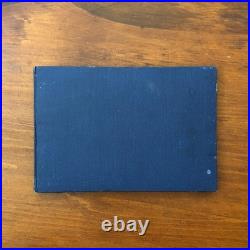

WW2 Imperial Japanese Navy Warship Photo Book 1927 Battleship Cruiser Destroyer. Original Warship Photo Album published by the Kaigun Kyokai (Navy Association) in 1927 (Showa 2). This book was compiled by the Kaigun Kyokai (Navy Association), one of the most influential naval organizations in prewar Japan. Although published before World War II, it serves as an official visual and technical reference documenting the Imperial Japanese Navy during the interwar period, shortly after the Washington Naval Treaty. Rather than being simply a photo book, this volume functions much like a naval yearbook. Published in 1927, this volume captures the Imperial Japanese Navy during the Washington Naval Treaty era, making it an important historical reference that documents Japan’s fleet before its major expansion in the 1930s. An excellent collectible for Imperial Japanese Navy collectors, naval historians, warship enthusiasts, and researchers of early twentieth-century military history. Shows age-related wear, foxing, stains, and light discoloration consistent with its age. The pages remain complete and fully readable. Please examine the photographs carefully for the overall condition. International Buyers – Please Note.

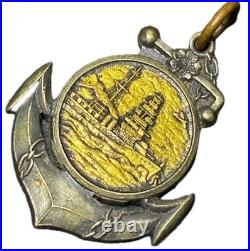
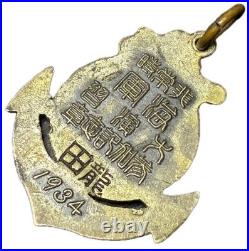
This is an original commemorative badge issued for the. 1934 Imperial Japanese Navy Great Naval Exercise. Bearing the name of the light cruiser. The reverse is engraved with. The front features an impressive design combining a warship cutting through heavy seas, a large naval anchor, and a cherry blossom suspension. Although compact, it captures the distinctive imagery and spirit of the Imperial Japanese Navy. Among the very first purpose-built light cruisers of the Imperial Japanese Navy. Commissioned in 1919, she served for more than two decades, participating in operations from the pre-war years through the Pacific War, including Wake Island, Rabaul, New Guinea, and numerous escort missions before being sunk by the U. Represents a significant period in Japanese naval history. Following the Manchurian Incident and Japan’s withdrawal from the League of Nations, national tensions were rising, and large-scale naval exercises became increasingly important demonstrations of military readiness. Reflects the atmosphere of growing international uncertainty during that era. Imperial Japanese Navy artifacts are considerably scarcer than Imperial Japanese Army items. What makes this badge especially desirable is that it is. Named for the cruiser Tatsuta. For collectors of Imperial Japanese Navy memorabilia, named warships, or pre-war naval history, this is a highly collectible piece that tells the story of one particular cruiser and the sailors who served aboard her. Own a Piece of History. International Buyers – Please Note. Thank you for your understanding.

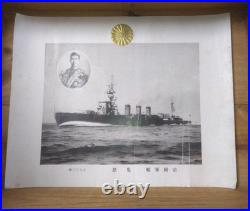
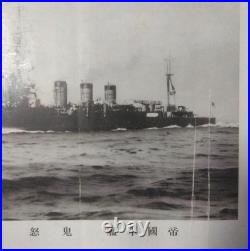
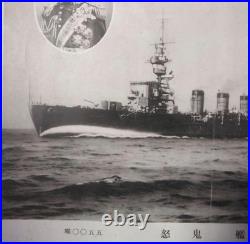
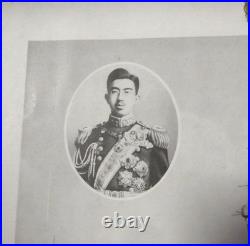
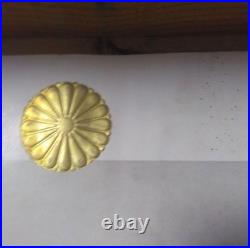
Original Pre-WW2 Imperial Japanese Navy poster featuring the light cruiser KINU (Nagara-class). Printed in the early Showa period, this piece includes a portrait of. Symbol of the Imperial Household. Large format and rare surviving example of naval promotional or commemorative prints from the 1930s. About the Cruiser KINU. She served extensively throughout the Pacific. Philippine invasion operations (1941). Dutch East Indies operations (1942). Guadalcanal “Tokyo Express” transport missions. Numerous escort and supply operations in New Guinea and the Bismarck Sea. Sunk in October 1944. During the Leyte Gulf operations. A warship known for its wide operational range and heavy wartime service. Portrait of Emperor Hirohito, gold Chrysanthemum Seal. Creases, age toning, minor stains. 380 × 296 mm. A valuable display piece for collectors of Imperial Japanese Navy history, warship memorabilia, and pre-WW2 prints. International Buyers – Please Note. Thank you for your understanding.

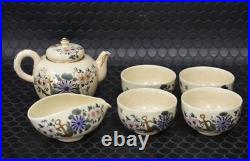
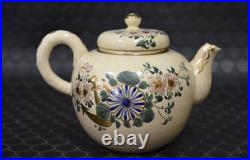
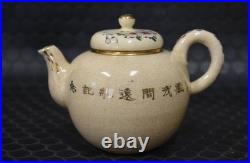
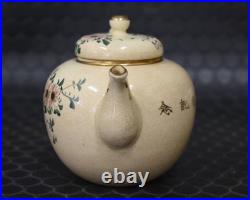
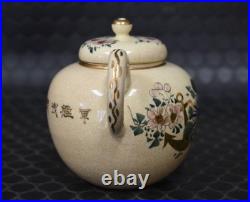
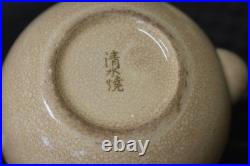
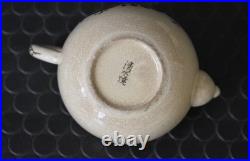
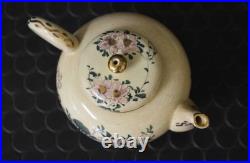
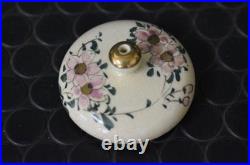
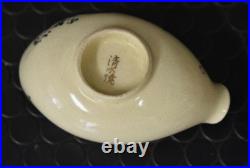
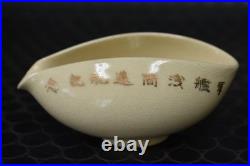
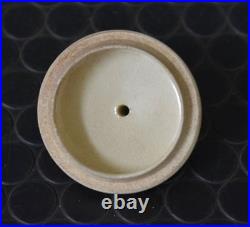
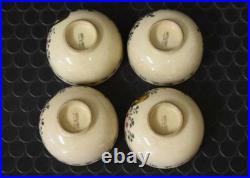
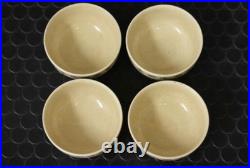
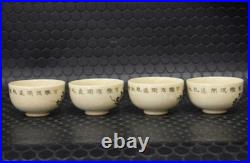
Imperial Japanese Navy Cruiser ASAMA Long Voyage Commemorative Tea Set. This is a pre-World War II Japanese tea set made to commemorate a long voyage of the Imperial Japanese Navy cruiser. The set consists of. 4 Sencha tea cups. Each piece is marked. ? (Warship Asama Long Voyage Commemoration). About IJN Cruiser Asama. Asama was an armored cruiser of the Imperial Japanese Navy built in the Meiji era. During overseas training voyages known as. Enko / long voyage. , commemorative items were produced for officers and participants. This tea set was likely made as one of those souvenirs. The base of the pieces is marked. A traditional Kyoto ceramic known for fine craftsmanship. Pre-war military commemorative items made in Kiyomizu ware are collectible among both. Tea culture was an important part of Japanese daily life and also among naval officers. Because of this, sencha tea sets were commonly produced as commemorative items for naval voyages. This item was found during a house clearing in Japan. There are signs of age including. Please review all photos carefully for condition. Feel free to ask any questions. Height approx 10 cm. Diameter approx 8.5 cm. Height approx 5 cm. Length approx 11.2 cm. Height approx 4.5 cm. Diameter approx 7.7 cm. Approximate 7-21days(To USA).

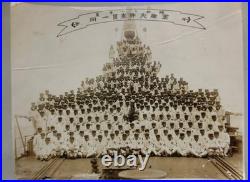
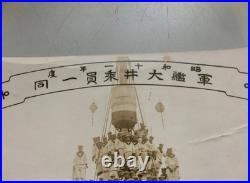
This is an original Japanese Navy crew group photograph taken in 1936 (Showa 11) aboard the light cruiser Oi. The banner visible at the top of the photograph clearly reads. This type of large-scale group photograph was typically taken during active service periods, not for individual souvenirs, making it a rare and historically meaningful image. The Oi was a Japanese light cruiser commissioned in the early 1920s. Later in her career, the Oi was modified for high-speed operations and escort missions. She was eventually sunk in 1944 after being hit by a submarine torpedo while on duty in southern waters. This photograph captures the Japanese Navy just before World War II, during a transitional period between peacetime and full wartime mobilization. Show the entire crew. Were taken onboard the vessel. Are increasingly scarce and valued by collectors of naval history, maritime photography, and pre-war Japanese ephemera. There are visible signs of age, including creases, edge wear, and small tears. However, the overall image, banner text, and crew formation remain clearly identifiable. Please review all photos carefully for condition details. Approximate 7-21days(To USA).

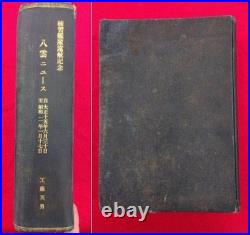

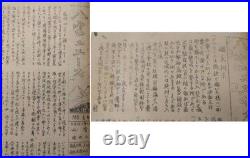
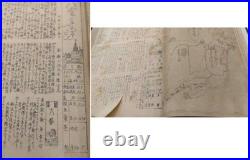
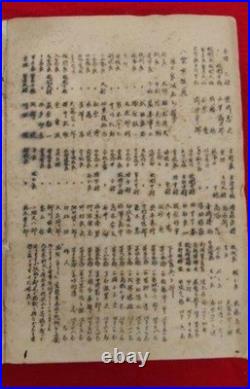
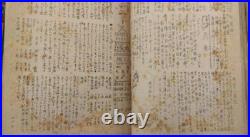
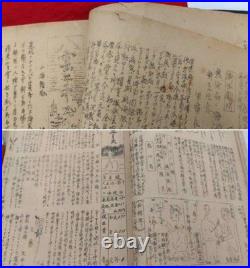
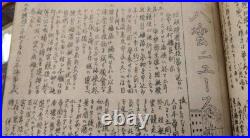
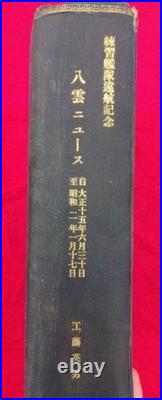
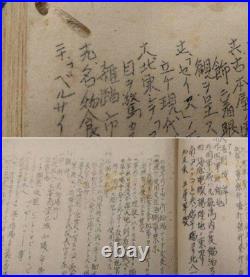
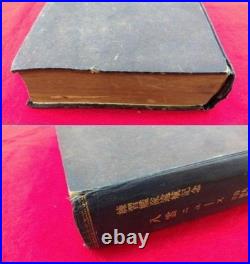
This is an original overseas voyage log from the Imperial Japanese Navy armored cruiser YAKUMO, covering a long-distance training cruise conducted between 1926 and 1927 – a turning point period between the Taisho and early Showa eras. What is written on the spine? The gold lettering on the spine reads. “Commemoration of the Completion of a Training Cruise”. This book was compiled to commemorate the successful completion of an overseas training voyage. From June 13, 1926 (Taisho 15). To January 17, 1927 (Showa 2). This clearly shows that the book is not a later reprint, but a contemporary naval record created during the actual service period. YAKUMO was an armored cruiser of the Imperial Japanese Navy, originally commissioned in the early 1900s. Later reassigned as a training cruiser, responsible for overseas voyages to educate young naval officers. By the 1920s, YAKUMO represented Japan abroad as a floating symbol of naval professionalism. Contents and Historical Value. Unlike battle reports, this diary focuses on daily naval life and real operations, including. Coal loading and fuel management in the coal-fired warship era. Sanitation and disease prevention during long voyages. Foreign port visits and international interactions. Cutter races and onboard training activities. Practical notes on navigation, climate, and logistics. It offers a rare, human-scale view of how sailors actually lived and worked at sea before modern mechanized warfare. This voyage took place before relations between Japan and Western countries deteriorated. Japanese warships regularly visited foreign ports. Naval cruises functioned as both training missions and diplomatic presence. International cooperation was still part of naval culture. As such, this book captures a calmer, outward-looking phase of the Imperial Japanese Navy, making it especially valuable to collectors and researchers. Due to age, the book shows. No missing pages confirmed. Please refer to photographs for exact condition. This is not just a book, but a firsthand naval record documenting. Pre-WWII global naval operations. Everyday life aboard an Imperial Japanese Navy cruiser. Highly recommended for collectors of naval history, maritime records, and pre-WWII Japanese military materials. International Buyers – Please Note. Thank you for your understanding.

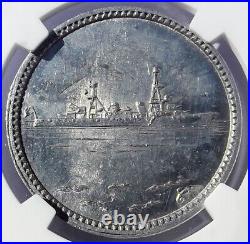
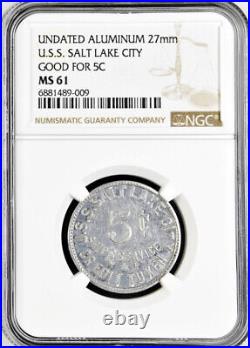
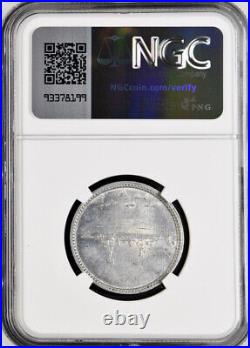
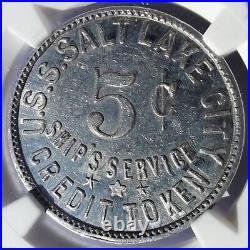
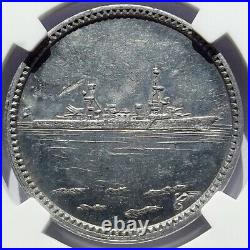
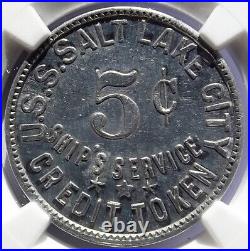
Description : The token is made from aluminum, and measures approximately 27mm in diameter. The USS Salt Lake City (nicknamed “Old Swayback” or “Swayback Maru”) was launched in December 1929, served during several engagements in the Pacific Theater in World War 2, receiving 11 battle stars and a Navy Unit Commendation. It has been graded at MS61 and encapsulated by NGC. Condition : Plenty of scuffing but luster remaining. Please examine the photographs for further details and qualities.

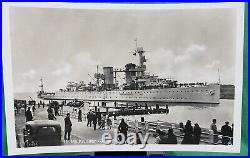
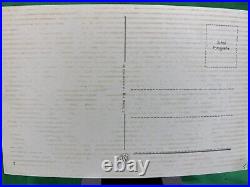
Original WW2 era RPPC photo postcard of the Royal Netherlands Navy. The postcard is clearer than my scanner shows. There are NO banned or offensive symbols anywhere in this listing. Ize Approximately: 3.5 x 5.5. Thank you for viewing, please check out my other photos, postcards, paper items and more.

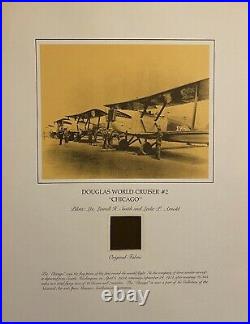
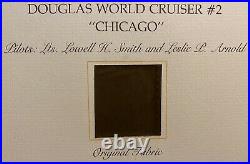
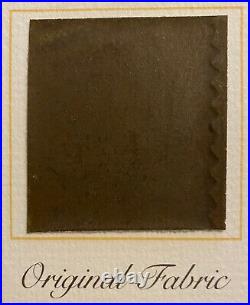
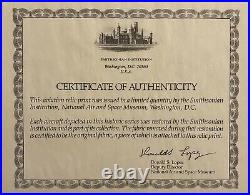
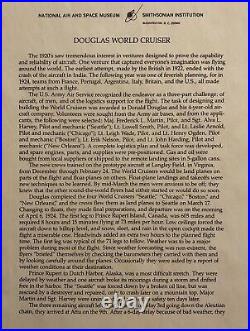
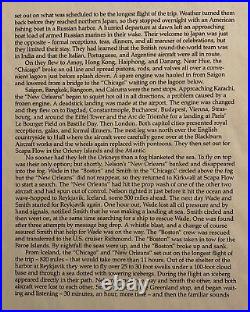
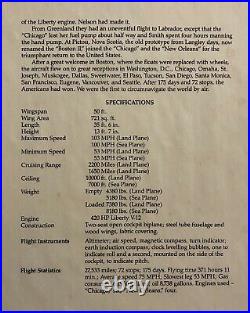
DOUGLAS WORLD CRUISER #2 “CHICAGO” AVIATION RELIC PRINT. US ARMY AIR SERVICE around the world flight. The flight was 27,533 miles and required 72 stops. Flying time totaled 371 hours 12 minutes. Average speed was 75 miles per hour. The effort lasted 175 days. The aircraft was restored by the Smithsonian Institution and is part of its collection. The fabric removed during that restoration is certified to be the original fabric, a piece if which is attached to the relic print. It is certified by the Smithsonian Air and Space Museum. This item is in the category “Collectibles\Militaria\1919-38\Original Period Items”. The seller is “b52instrpilot” and is located in this country: US. This item can be shipped worldwide.
- Theme: Militaria
- Original/Reproduction: Original
- Country/Region of Manufacture: United States