
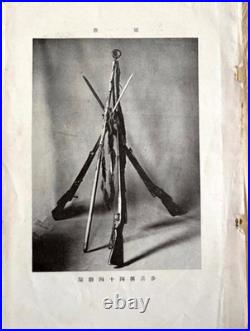
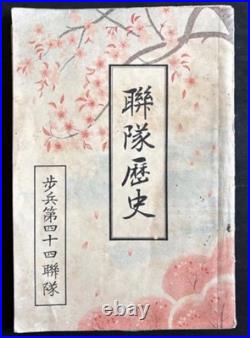
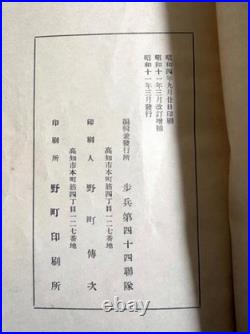
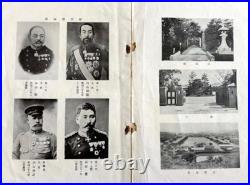
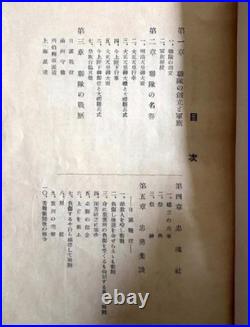
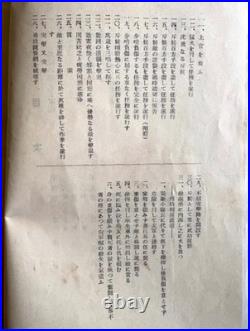

A rare prewar Japanese military booklet titled. March 1936 (Showa 11). Imperial Japanese Army Infantry 44th Regiment. This regiment was based in. And belonged to the famous. It was a hometown regiment that drew many recruits from Kochi Prefecture and served as one of the area’s principal military units. The Infantry 44th Regiment had a long service history, including. WWII home defense preparations. What Was Happening in 1936? This booklet was printed just before the outbreak of the Second Sino-Japanese War (1937). At that time, the regiment was mainly engaged in. So this item represents the. Japanese Army in the final peacetime stage before full wartime expansion. Presentation of the regimental colors. Portraits of commanding officers. Barracks and gate photographs. Battle history from earlier wars. Loyalty and bravery stories. Regiment traditions and spirit. Handwritten on the back cover. 3rd Company, 3rd Squad Infantry 44th Regiment Masao Ueda. This strongly suggests the booklet was personally owned by an actual soldier of the regiment. That transforms it from a simple reference booklet into a personal historical artifact connected to one individual serviceman. Please review all photos carefully. Why Collectors Like This. Are increasingly difficult to find. Own a Piece of History. International Buyers – Please Note. Thank you for your understanding.

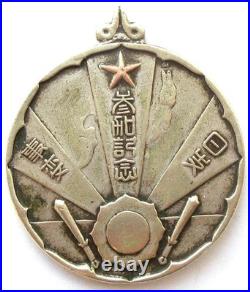
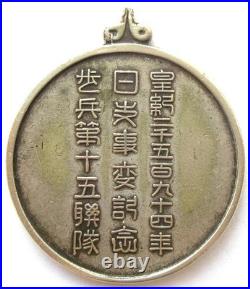
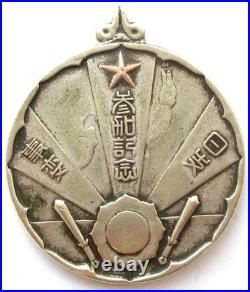
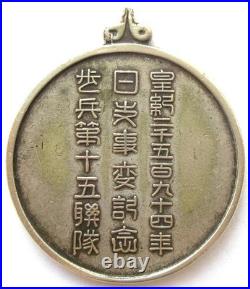
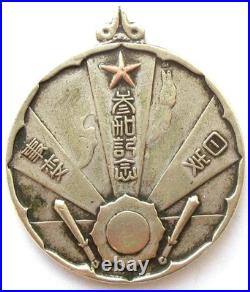
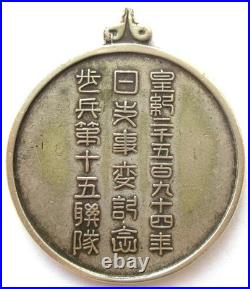
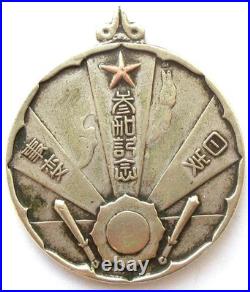
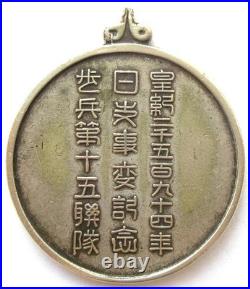
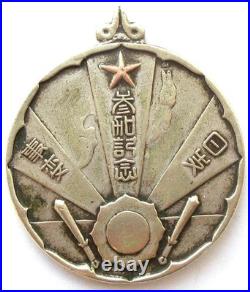
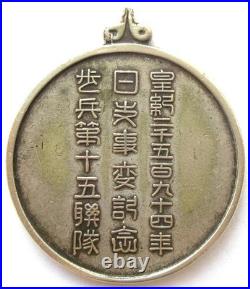
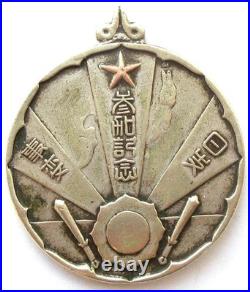
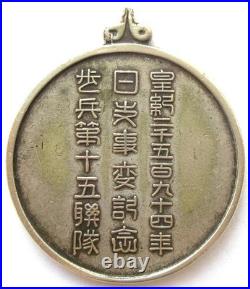
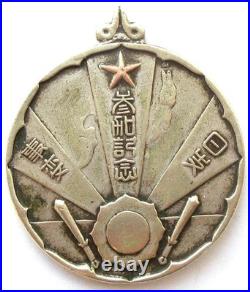
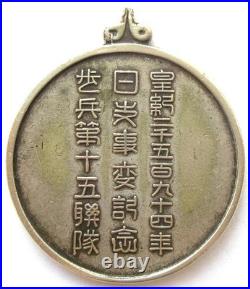
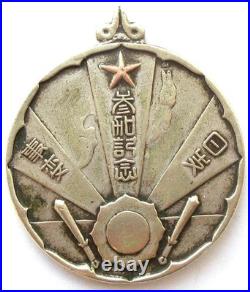
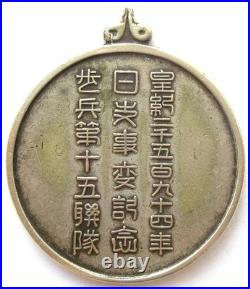
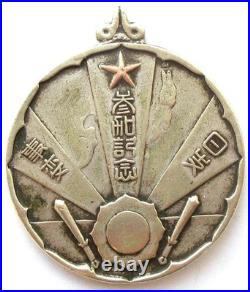
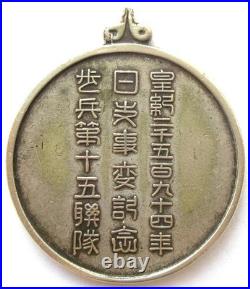
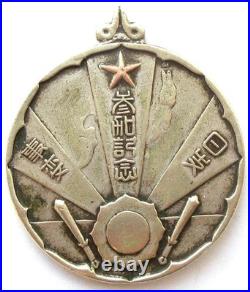
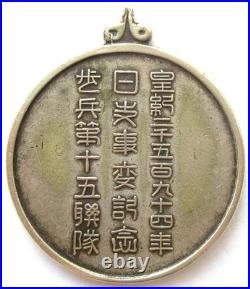
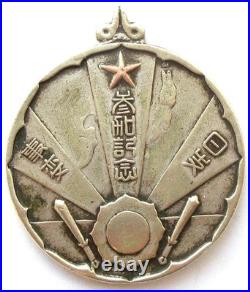
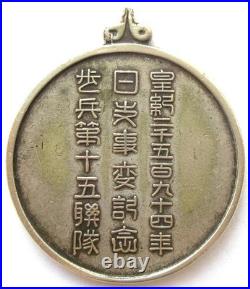
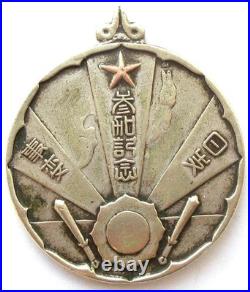
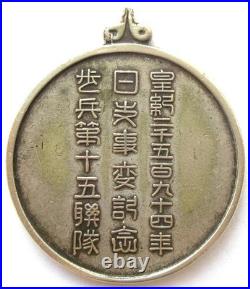
This is a commemorative medal for the 15th Infantry Regiment of the Imperial Japanese Army’s participation in the Sino-Japanese War. The ring at the top is detached. International Buyers – Please Note. Thank you for your understanding.

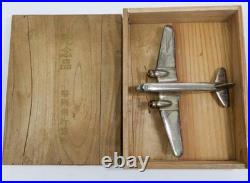
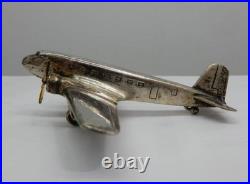
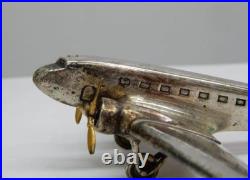
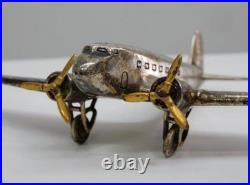
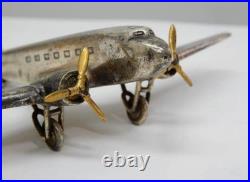
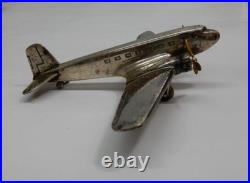
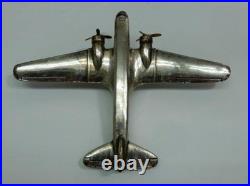
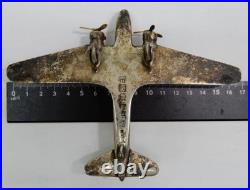
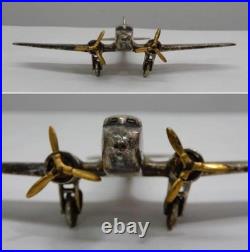
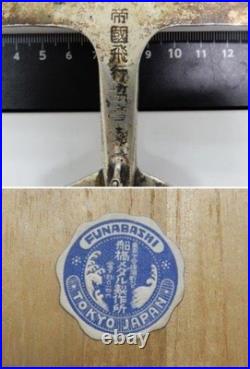
Original pre-war cast-metal desktop model of a twin-engine transport aircraft, presented as a commemorative/award by the Imperial Japanese Aviation Association (: / Romaji: Teikoku Hiko Kyokai). Box lid bears the ink stamp:??? (“Commemorative Item – Imperial Japanese Aviation Association”). Underside of the airplane is cast/engraved:?? . Metal alloy body (cast “white metal”/zinc type), nickel-silver tone. Two small propellers fitted. Size (photos with ruler): wingspan approx. 17-18 cm (? 7 in), length 13-14 cm (? 5-5.5 in). Period piece; not a modern reproduction. The Imperial Japanese Aviation Association was a semi-public national body active from the 1910s through the 1940s to promote aviation in Japan. It worked with government, Army/Navy, schools, and industry to popularize flying, sponsor air meets & model contests, publish magazines, and raise donation funds for aircraft procurement. Items like this were awards, presentation gifts, or donor premiums to encourage public support for aviation. What happened / what does it represent? A stylized model of a twin-engine transport (civil/military liaison & training types of the late 1930s). Such commemoratives were displayed in schools, clubs, and private homes-symbols of modern technology and national aviation pride on the eve of the Pacific War. Late 1930s-early 1940s (Showa pre-war years). The casting style, typography, and association mark match period souvenirs before 1945. Produced and awarded in Japan; the Association’s activities were nationwide, with headquarters in Tokyo and regional chapters. Why was it made? To promote aviation awareness, reward supporters, and commemorate events (air shows, exhibitions, donation drives, school programs). The clearly marked box and base show it was an official Association presentation. How was it made/used? Cast-metal body with plated finish; small press-fit propellers; presented in a plain kiri-style wood box stamped with the association name-practical packaging typical of period awards. Exact Japanese Marks (for researchers). Why collectors value this piece. Clearly association-marked on both box and model. Pre-WWII aviation object-bridges civil & military collecting fields. Compact desktop size; excellent display & research value. Imperial Japanese Aviation Association; Teikoku Hiko Kyokai; prewar Japan; aviation award; transport aircraft model; WWII home-front; propaganda; donor premium; original box; Japanese militaria; aeronautical history. Historical note: This item is offered as a period artifact for research/collecting purposes only. It does not endorse any past ideology. Approximate 7-21days(To USA).

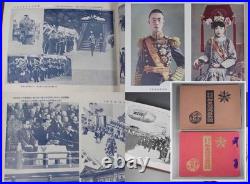
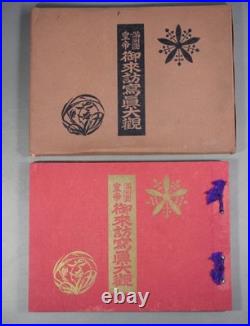
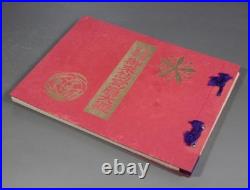
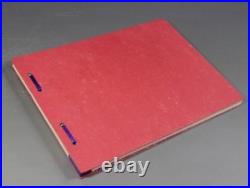
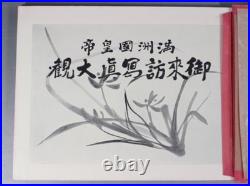
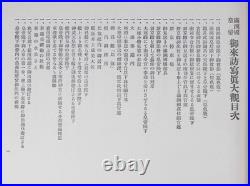
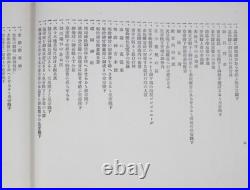
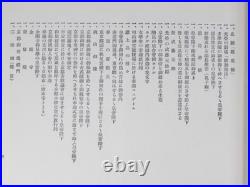
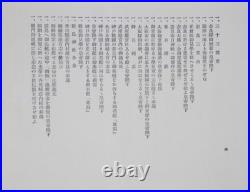
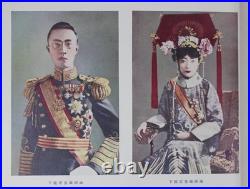
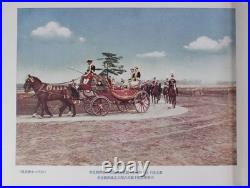
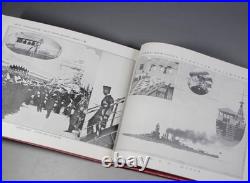
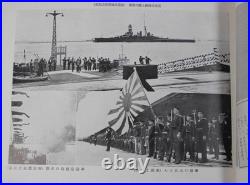
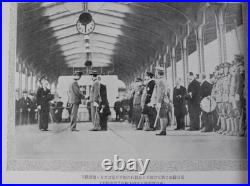
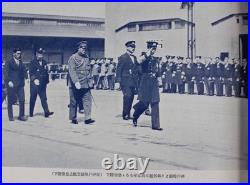
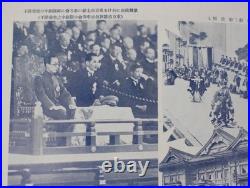
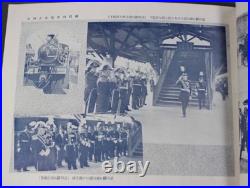
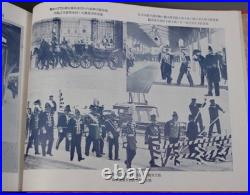
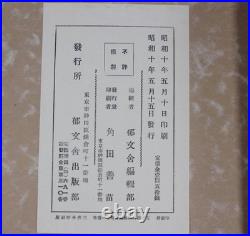
Thank you for your interest. This is an original photo album documenting the official visit of. Manchukuo Emperor Puyi to Japan in 1935 (Showa 10). Who was Puyi? The last Emperor of the Qing Dynasty (China). Later installed as the Emperor of Manchukuo under Japanese influence. He represents a unique figure in world history. ? A fallen emperor turned into the symbolic ruler of a newly created state. Why did he visit Japan in 1935? This visit was not a casual trip. ? A major political and ceremonial event to demonstrate the alliance between Imperial Japan and Manchukuo. During this visit, Puyi. Was formally welcomed at major stations and cities. Inspected military units (Army & Navy). Attended official ceremonies and state events. ? In essence, this was a carefully staged political performance. What this album contains. This album visually records that historic visit, including. Arrival scenes at railway stations. Military parades and ceremonial formations. Official receptions and processions. ? It is a primary historical record, not a later reproduction. Why this item is rare. This piece stands out because. This album documents a specific, short-lived event. It combines photographs + printed explanations. Original binding and storage case are still present. ? Items like this rarely appear on the market. Age-related stains, wear, and discoloration. Damage to outer case. Signs of use consistent with age. Please check photos carefully for details. Collector’s perspective. This is more than a photo album. ? A visual record of a vanished state. ? A document of Imperial Japan’s political narrative. ? A rare surviving piece of 20th-century history. Own a Piece of History. International Buyers – Please Note. Thank you for your understanding.

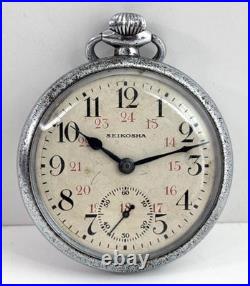
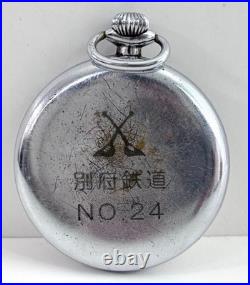
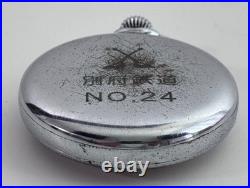
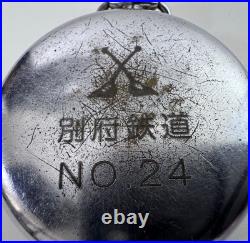
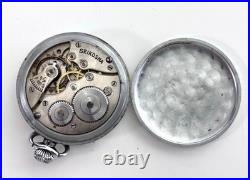
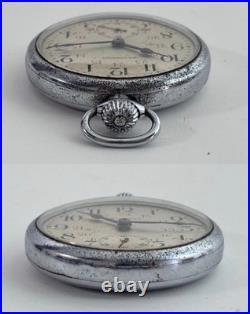
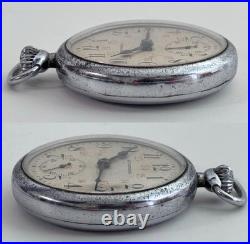
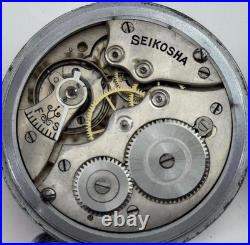
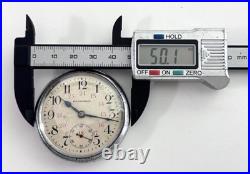
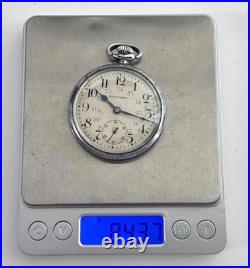
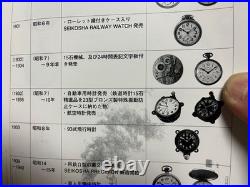
Thank you for viewing this item. This is an original pre-WWII Imperial Japanese railway pocket watch made by Seikosha (the predecessor of SEIKO), with a confirmed railway engraving. What is this item? This is a railway-issued pocket watch used for timekeeping in the Japanese railway system before and during the early Showa period. The back is clearly engraved. This indicates it was an actual working tool assigned to railway personnel. In pre-war Japan, railways were not just transportation. They were a critical national infrastructure, responsible for. Every train had to run on precise time schedules. This watch was part of that system. ? It was used to control time – the invisible backbone of operations. About Seikosha (SEIKO). At the time, railway watches required extremely high accuracy, often comparable to Swiss standards. ? This brand represents Japan’s transition to domestically produced precision timekeeping. According to historical reference materials (see attached photo). Railway watches with 24-hour dial like this model were produced around. Therefore, this piece is confirmed to be. ? Pre-WWII (before World War II). Railway pocket watch (Size 19 type). Slightly short power reserve when fully wound. Long-term accuracy not tested (may have deviation). Scratches, wear, and aging consistent with use. Please check photos for details. Why this piece is rare. Railway watches were tools, heavily used and rarely preserved. Engraved examples are limited and highly collectible. Clear historical usage (named railway + number). ? This is not just a watch – it is a documented piece of history. This watch once measured time for real railway operations. Someone relied on this exact piece to keep trains moving on schedule. Now, it is your chance to hold that history. Own a Piece of History. International Buyers – Please Note. Thank you for your understanding.

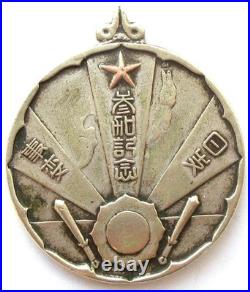
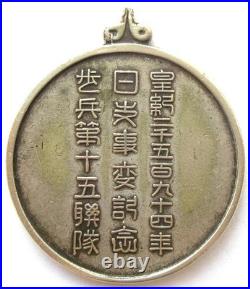
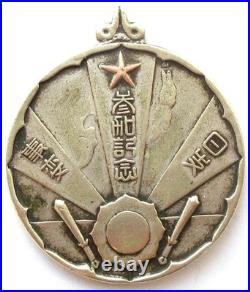
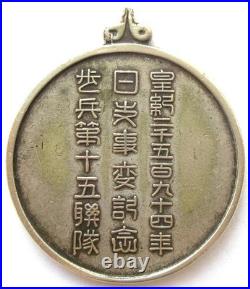
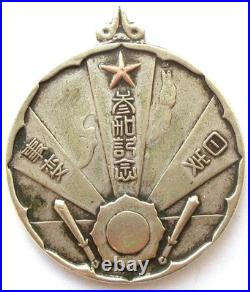
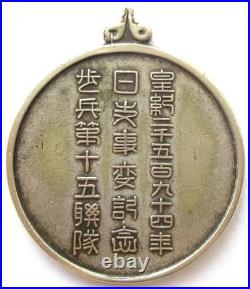
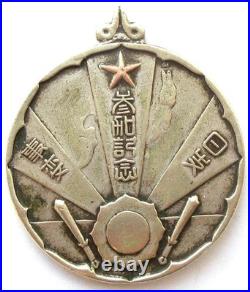
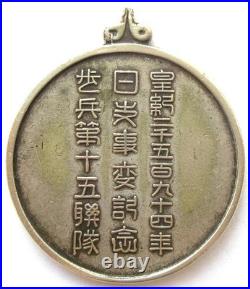
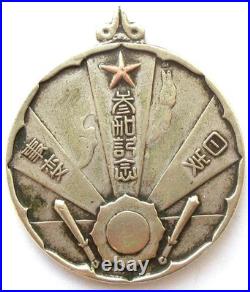
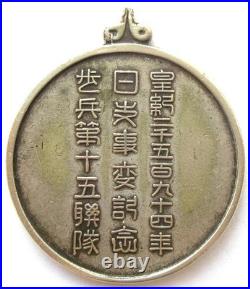
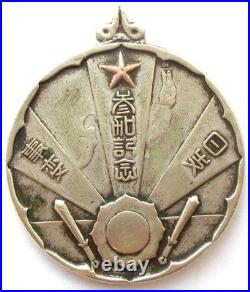
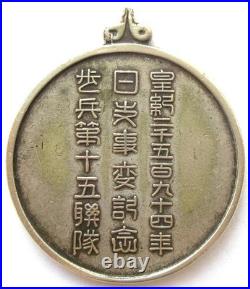
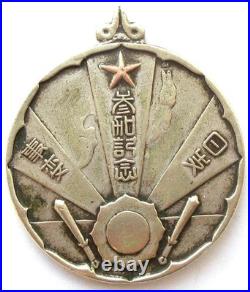
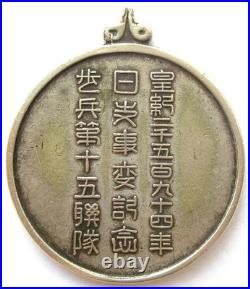
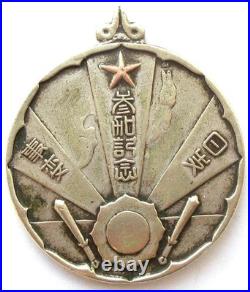
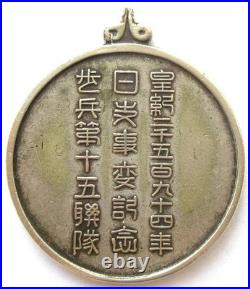
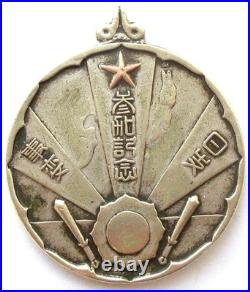
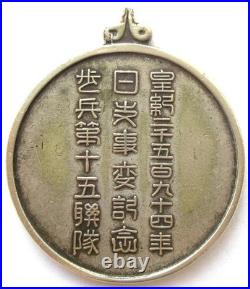
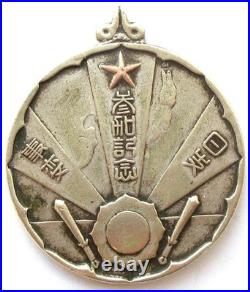
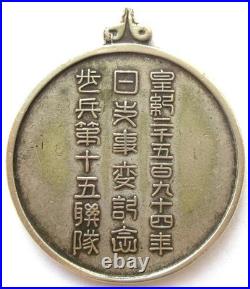
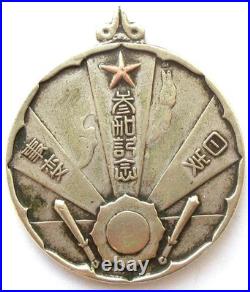
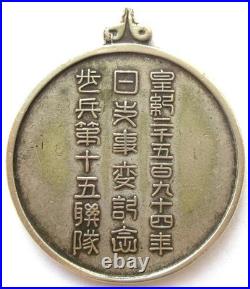
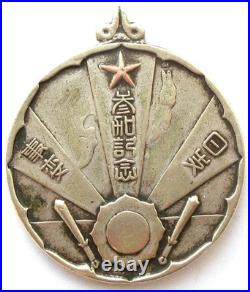
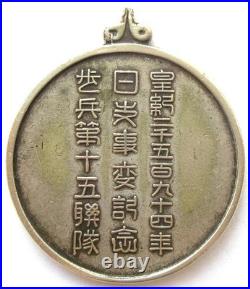
This is a commemorative medal for the 15th Infantry Regiment of the Imperial Japanese Army’s participation in the Sino-Japanese War. The ring at the top is detached. International Buyers – Please Note. Thank you for your understanding.

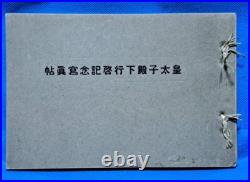
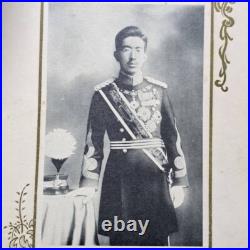
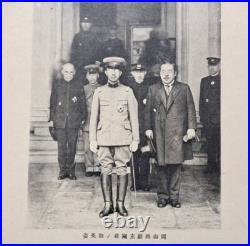
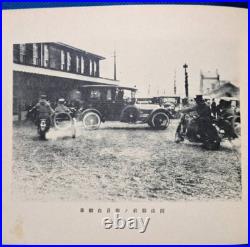
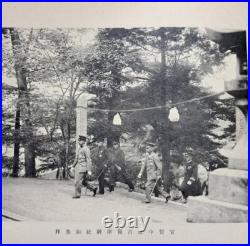
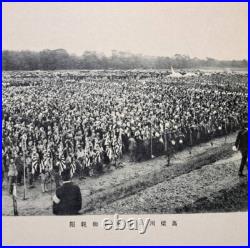
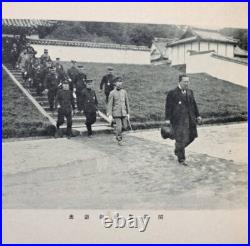
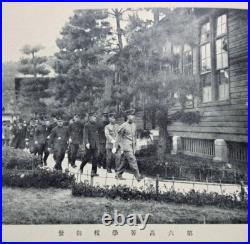
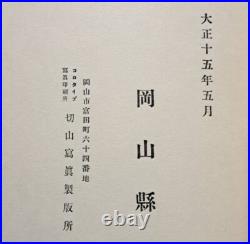
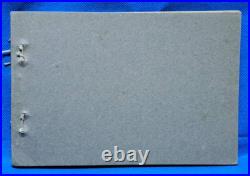
This extremely rare photo album documents a pivotal moment in modern Japanese history-the final provincial tour of Crown Prince Hirohito (later Emperor Showa) before his ascension to the Chrysanthemum Throne. Conducted in May 1926, just months before Emperor Taisho’s death, this tour to Okayama Prefecture symbolized not only continuity of imperial tradition, but also the coming of a new era. At only 25 years old, Hirohito was already serving as regent due to his father’s failing health. His travels across Japan were carefully observed by both the Japanese public and political elites, as they represented the emergence of a new national figurehead during a time of rapid modernization and political uncertainty. This particular album-privately published in Okayama-features. Hirohito’s visit to the prestigious Sixth High School (a key feeder to Tokyo Imperial University). Ceremonial appearances at Kibitsu Shrine and Okayama Castle. Photographs of cheering crowds, imperial motorcades, and students saluting the Crown Prince. Exceptional candid shots reflecting imperial pageantry and authority. As Emperor Showa, Hirohito would later reign through Japan’s most tumultuous era-spanning militarization, war, defeat, and postwar reconstruction. This album offers an intimate look at the young man who would become the longest-reigning monarch in Japanese history and one of the most complex political figures of the 20th century. Publisher: Kiriyama Photo Studio, Okayama. 15 × 22.5 cm. Condition: Wear, staining, and aging present. Please examine images carefully. A rare and historically significant artifact. Ideal for collectors of prewar Japan, imperial memorabilia, or Hirohito-related history. Approximate 7-21days(To USA).

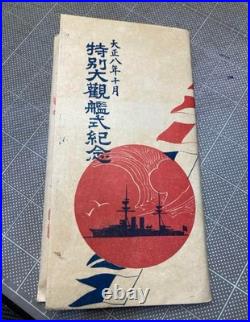
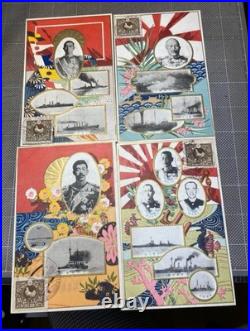
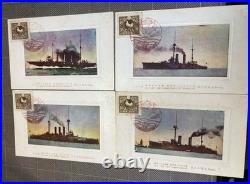
This is an original commemorative postcard set issued for the Special Grand Fleet Review of October 1919 (Taisho 8), held by the Imperial Japanese Navy. ? What was the 1919 Grand Fleet Review? The Fleet Review was a national ceremony where the Emperor inspected the Imperial Navy’s warships. The 1919 review took place shortly after Japan emerged as one of the victorious powers of World War I, expanding its influence in the Pacific and proudly displaying its naval strength to the world. Post-World War I Japan: Japan gained international prestige, securing mandates over former German territories in the South Pacific. Taisho Democracy Era: At home, democratic movements were growing, while the navy remained a symbol of power and national pride. Imperial Ceremony: The Fleet Review was not just a military display but also a state ritual linking the Emperor, the armed forces, and the people. ? About this Item. Complete set of 8 color-printed postcards featuring Imperial Japanese Navy warships and portraits of the Emperor and admirals. Includes original stamps and postmarks dated October 1919, adding strong authenticity. Over 100 years old, preserved in very good antique condition. ? A rare chance to own a piece of naval and imperial history, marking Japan’s rise as a major maritime power after World War I. Approximate 7-21days(To USA).

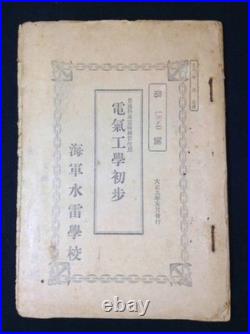
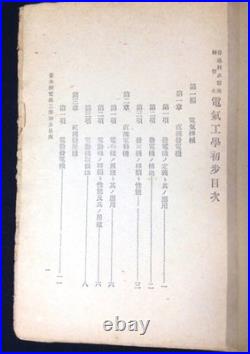
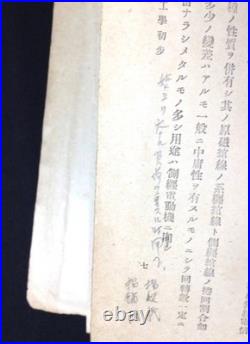
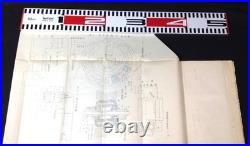
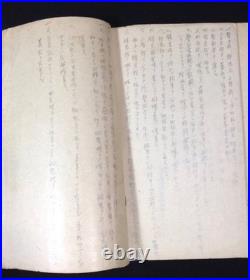
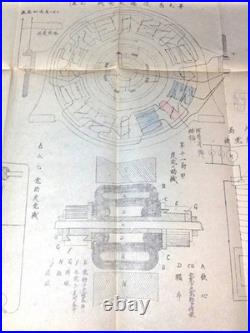
Here is an original Imperial Japanese Navy technical training manual. Issued for torpedo trainees at the Imperial Japanese Navy Torpedo School. Dated 1920 (Taisho 9). The Navy Torpedo School was responsible for training personnel in torpedo and naval mine operations – one of the most advanced weapon systems of its time. By 1920, Japan was rapidly expanding its naval power and modernizing its fleet with advanced electrical and mechanical systems. Electrical knowledge was essential for. Torpedo launch mechanisms. Naval mine systems. Shipboard motors and generators. This manual was created for trainees studying the fundamentals of electrical engineering necessary for naval weapon systems. Direct current generators. Electric motor principles. Structural diagrams and cross-sections. Coil and winding systems. Mechanical and electrical schematics. It includes fold-out technical diagrams showing detailed machine construction. This is not a commercial publication. It was an internal naval training document. Cover foxing and staining. General age wear and discoloration. Pencil markings and underlining. Damage on the final page. Overall fair condition for its age (over 100 years old). Please review photos carefully. This manual represents the technological foundation of the Imperial Japanese Navy during its expansion era – well before World War II. A rare Taisho-period naval technical document. Own a Piece of History. International Buyers – Please Note. Thank you for your understanding.

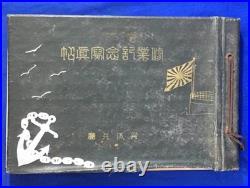
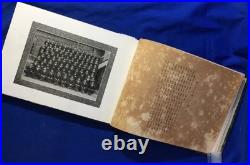
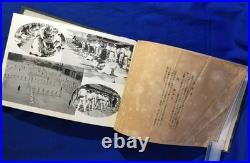
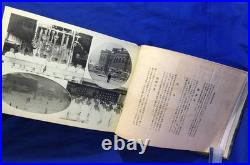
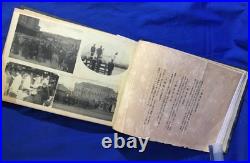
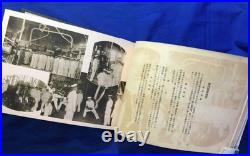
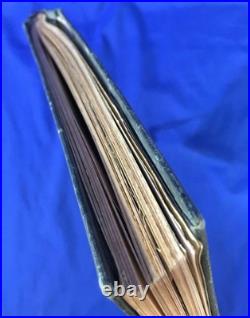
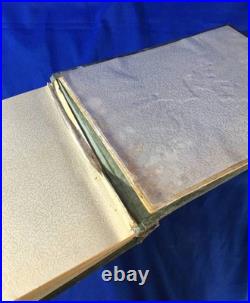
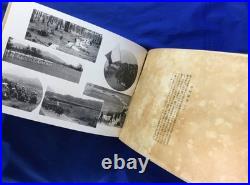
Original Imperial Japanese Navy photo album documenting the training and graduation of 4th Class Engine Room Sailors (Kikanhei) at the Kure Naval Training Corps (Kure Kaheidan) in January, 1936 (Showa 11). About the Kure Naval Training Corps. Kure Kaheidan was one of Japan’s four major naval recruit training bases, along with Yokosuka, Sasebo, and Maizuru. Located in Hiroshima Prefecture, Kure was the home of the Kure Naval Arsenal, which built the legendary battleships Yamato and Nagato. All new recruits to the Imperial Navy underwent basic training here-covering discipline, drill, seamanship, gunnery, signaling, and engineering-before joining the fleet. About Engine Room Sailors (Kikanhei). Engine room sailors were the technical backbone of the fleet, responsible for maintaining and operating boilers, turbines, and generators-the “heart” of a warship. As 4th Class trainees, they began their service at the lowest rank, learning steam and mechanical systems through practical exercises in the engine room. Scenes of the enlistment ceremony and first day of training. Physical and drill exercises, marksmanship, and engineering instruction. Photos of boiler and machinery training. A visit to the Imperial Japanese Naval Academy (Etajima). Recreation and morale events. Each section is accompanied by original period captions, vividly illustrating the strict yet proud life of Imperial Navy recruits before the Pacific War. The front cover board is torn, and some pages with text show creases or tears. Photographs remain clear and well-preserved overall. Considering its age (nearly 90 years old), the condition is good for display or research. A highly valuable prewar Japanese Navy artifact, documenting the training of the men who powered the fleet from below decks. An authentic “engine room view” of the Imperial Navy before the Pacific War. Own a Piece of History. International Buyers – Please Note. Thank you for your understanding.