

Beyond Rare Original 1917 Bavarian Officer Rangliste German Military World War 1
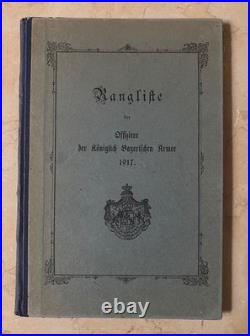
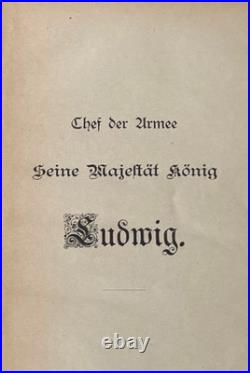
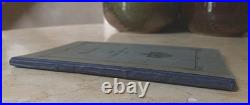
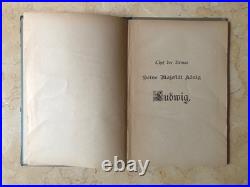
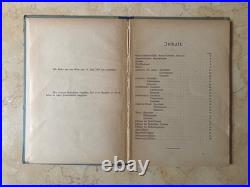
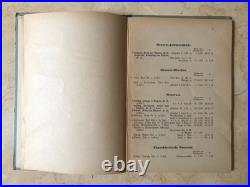
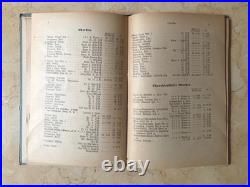
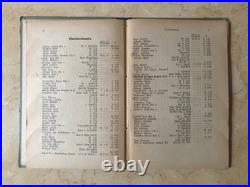
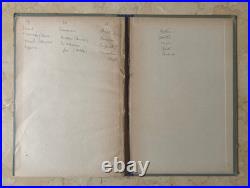
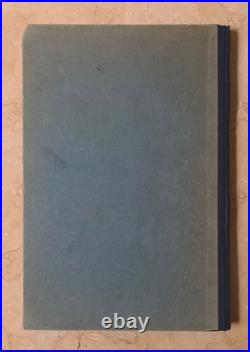

ORIGINAL 1917 BAVARIAN OFFICER RANGLISTE GERMAN MILITARY. WORLD WAR 1 RANK LIST BOOK. FOR SALE IS AN EXTREMELY SCARCE, 100% ORIGINAL 1917 MILITARY RANK LIST (RANGLISTE) FOR THE OFFICERS OF THE ROYAL BAVARIAN ARMY (KONIGLICH BAYERISCHE ARMEE). THIS INVALUABLE WORLD WAR 1 REFERENCE WAS OFFICIALLY ISSUED BY THE BAVARIAN MINISTRY OF WAR (KRIEGSMINISTERIUM) DURING THE HEIGHT OF THE FIRST WORLD WAR. THIS VOLUME RETAINS ITS HISTORIC GREY-GREEN CARD COVER AND PROUDLY DISPLAYS THE BAVARIAN COAT OF ARMS EMBLEM ON THE FRONT COMPARTMENT. IT SERVES AS AN UNMATCHED PRIMARY SOURCE ACADEMIC ROSTER, DETAIL-MAPPING ACTIVE OFFICERS, UNIT STRUCTURES, WARTIME RANKS, PROMOTIONS, AND REGIMENTAL ASSIGNMENTS JUST BEFORE THE FALL OF THE GERMAN IMPERIAL MONARCHY. THIS CENTURY-OLD BOOK IS IN COLLECTOR-GRADE, VERY GOOD ANTIQUARIAN CONDITION WITH FLALWESS STRUCTURAL INTEGRITY. EVERY SINGLE INTERNAL PAGE AND TEXT ENCLOSURE IS FULLY PRESENT WITH NO RIPPED, OR MISSING PAGES. BINDING: COMPLETE AND ORIGINAL HOLLOW-BACK BINDING IS PERFECTLY SOUND WITH JUST A FEW OF THE FRONT TEXT BLOCK PAGES HANGING ON ONLY PARTIALY. THE OUTER CLOTH SPINE REMAINS SECURELY ANCHORED VIA THE COVER EDGES AS HISTORICALLY MANUFACTURED, OPENING COMPLETELY FLAT FOR EASY REFERENCING. INTERIOR PAGES: CRISP AND CLEAN INTERIOR TEXT. REVEALS ONLY LIGHT VINTAGE TONING COMPATIBLE WITH AGE, ABSOLUTELY FREE FROM SEVERE WATER MOISTURE DAMAGE, MOLD, RE-WRITING, OR MODERN RE-BINDING MARKS. INSIDE BACK COVER RETAINS ORIGINAL FIELD WRITTEN ADDITIONS AND DELETIONS TO THE RANKS. COVERS: EXTERIOR CARDBOARD BOARDS ARE CRISP WITH MINIMAL CORNER WEAR. NO MODERN LIBRARY STAMPS, POCKET CARDS, OR DEFACING REGIMENTAL PEN MARKS. A MUST-HAVE FOR SERIOUS WWI MILITARIA COLLECTORS, GERMAN IMPERIAL HISTORIANS, AND ANTIQUARIAN MILITARY REFERENCE ENTHUSIASTS. THIS IS NOT A REPRODUCTION OR A COPY.

Mail Call Monday 3 Rare Military Collectibles Wwii Relics U0026 Historical Treasures Episode 3

Antique Imperial Japanese Army 7th Division Military Exercise Photo Album 1922
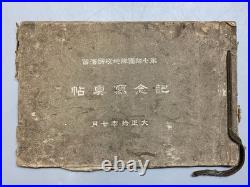
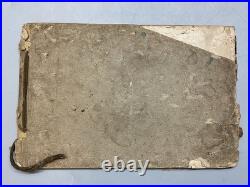
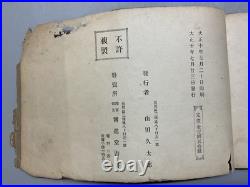
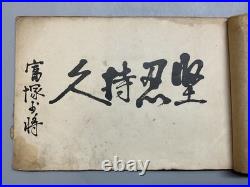
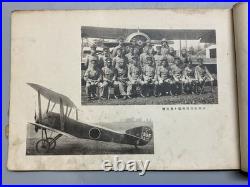
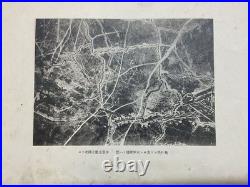
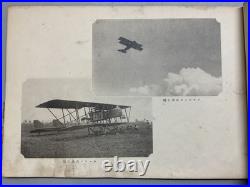
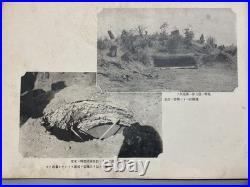
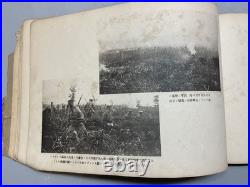
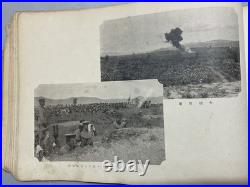
This is an original Japanese military photo album documenting a field exercise of the Imperial Japanese Army’s 7th Division in July 1922. The cover is clearly marked: “7th Division Position Attack and Defense Exercise” “Commemorative Photo Album” “July, Taisho 11″ – 1922 The 7th Division was one of the Imperial Japanese Army’s most important northern formations. Based in Hokkaido, it was responsible for the defense of Japan’s northern frontier and became widely known as the “Hokuchin Unit, ” or Northern Garrison Division. Its history stretched from the Russo-Japanese War, including the battles of Port Arthur and Mukden, through deployments to Manchuria and Siberia, and later into the conflicts of the 1930s and World War II. What makes this album especially interesting is that it does not simply contain posed portraits of soldiers. It records an actual large-scale military exercise. The photographs show troops maneuvering in the field, prepared defensive positions, artillery or explosive activity, and other scenes connected with battlefield training. Most importantly, the album also includes military aircraft, aviation personnel, aircraft in flight, and aerial reconnaissance photography of the exercise area. This is particularly significant because the album dates from 1922, when military aviation was still developing rapidly. The photographs show how the Japanese Army was already beginning to integrate aircraft into ground operations-not only as machines of flight, but as tools for observing terrain, defensive positions, and troop movements from the air. In other words, this album records Japanese soldiers learning how to: defend a position, attack a fortified area, and observe the battlefield from above. That combination makes it much more than a simple souvenir album. The 7th Division would later become deeply connected with some of the most difficult chapters of Japanese military history, including fighting connected with Manchuria, the Nomonhan Incident, Guadalcanal, and the northern Pacific theater. But these photographs were taken roughly twenty years before the Pacific War. The men appearing here had no idea what was still ahead of them. The album shows age, staining, wear, and deterioration to the binding and covers, all consistent with an item that has survived for more than a century. For a collector of Imperial Japanese Army history, early military aviation, Hokkaido military history, or prewar military photography, this is a particularly atmospheric historical document. It is not simply an old album. It is a small time capsule from a Japanese Army training ground in 1922. Own a Piece of History. International Buyers – Please Note.

Pre WWII China Pith Sun Helmet Cork Unknown Military Imperial Japanese Prewar
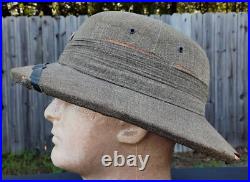
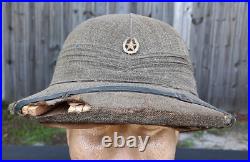
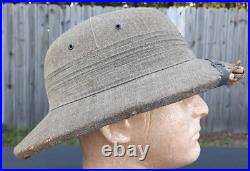
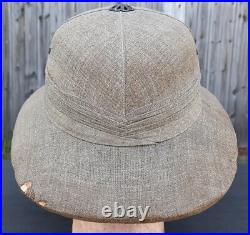
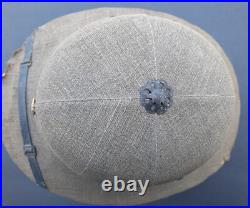
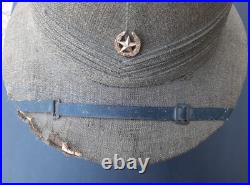


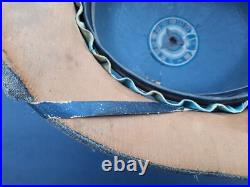
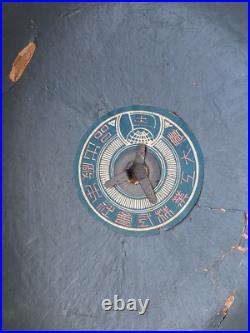
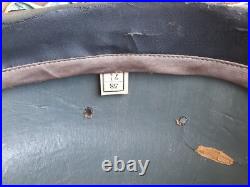
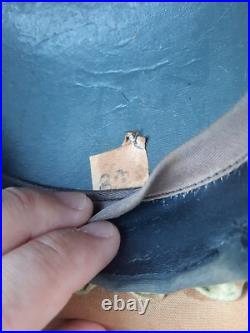
Antique original Chinese made pith helmet, otherwise known as a sun helmet. The brim is fabric covered cork and does have some damage. I would consider the entire helmet to be very very fragile. The paper manufacturers tag inside is similar to tags found in Japanese helmets. The label reads which roughly translates to Produced by the factory of Guangda Industrial Co. I do not know exactly when the helmet was produced, who would have worn it, and whether it is a military helmet or not. The closest match I have found online was described as a Chinese made helmet for use in Imperial Japan. This helmet appears to fit the same description, but I consider it to be an unknown as I have no proof that it was used by Japan and unknown year of manufacture. Photographed in natural daylight. Photos may not accurately represent actual colors. Photos are of actual items you will receive. Please see photos for condition. I can send more photos if needed. Please keep an eye on my other listings to see more rare patches, helmets, and other military collectibles for sale. If you need more pictures, just ask.

1932 1934 Army Intelligence Manuals Observation Aviation G-2 Military School
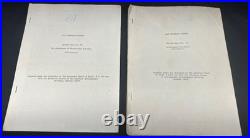
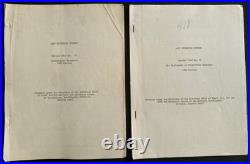
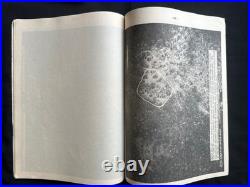
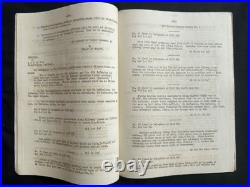
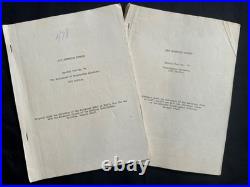
1932 1934 Army Intelligence Manuals Observation Aviation G-2 Military School.

Antique Carl Eickhorn Early Military Officer Sword Soligen
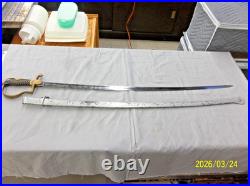
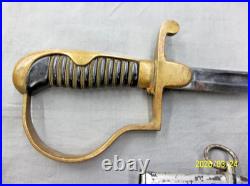
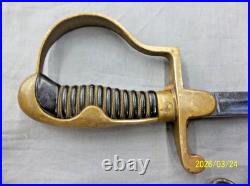
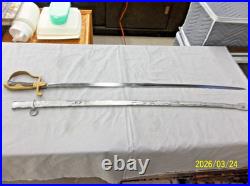
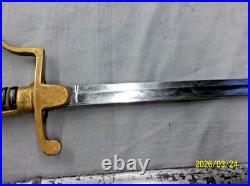
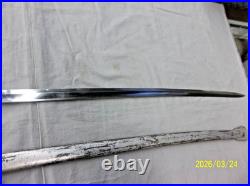
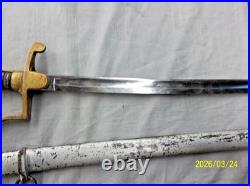
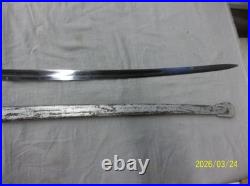
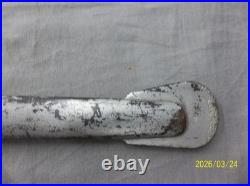
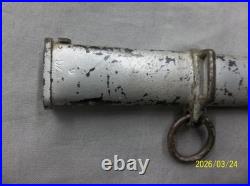
Antique Carl Eickhorn Early Military Officer Sword Soligen.

Empty bottle set from former japanese army WW2 military IJA RARE! Vintage

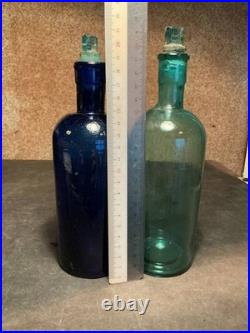

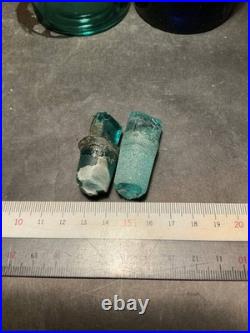


Empty bottle set from former japanese army. It’s from war time. Size please see picture. Shows signs of age, such as scratches and stains. The Army star mark is visible on the bottom of one of the bottles. International Buyers – Please Note.

WWII Imperial Japanese Military Spirit Scroll Emperor Hirohito Bushido Wall Hang
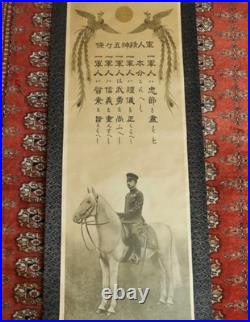
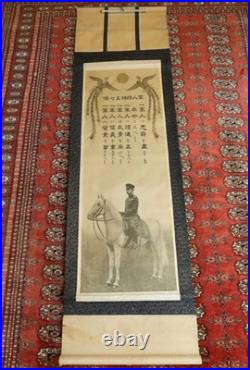
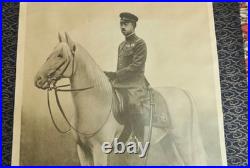
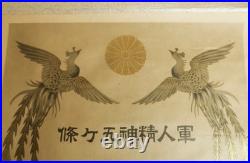
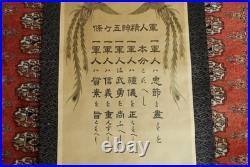
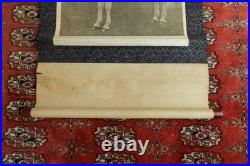
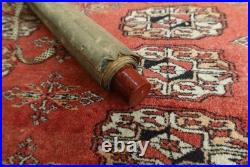
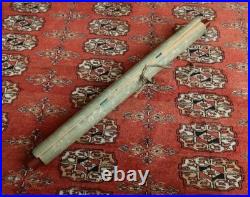
This is an original prewar Japanese hanging scroll featuring. Emperor Hirohito (Emperor Showa). Five Principles of Military Spirit (Gunjin Seishin Gokajo). One of the moral foundations taught to soldiers of the Imperial Japanese Army. At the top of the composition are the Imperial Chrysanthemum Crest and a pair of phoenixes, symbols traditionally associated with the Imperial House of Japan. Beneath them appears the. Five Principles of Military Spirit. Which instructed soldiers to uphold. Loyalty to the Emperor. Proper conduct and courtesy. These principles reflected the ethical code expected of Japanese servicemen during the prewar period and formed an important part of military education. The lower portion of the scroll depicts. Emperor Hirohito on horseback in military uniform. From his accession to the throne in 1926 until the end of World War II in 1945, Emperor Hirohito served as Japan’s sovereign and was constitutionally recognized as the. Supreme Commander of the Imperial Japanese Army and Navy. For this reason, his portrait was widely displayed in military facilities, schools, and government institutions as a symbol of national unity, discipline, and loyalty. The Emperor is portrayed as a relatively young man in this artwork. Based on the style of the portrait and the overall design, it is likely that this image was originally created during the. Late 1920s or early 1930s. Shortly after his accession. While the exact production date of this scroll cannot be confirmed, it clearly reflects the visual style of early Showa-era military educational materials. Scrolls of this type were displayed in barracks, military schools, youth organizations, and other public institutions to reinforce discipline, patriotism, and the ideals of Bushido among soldiers and young people. Today, this piece serves not only as decorative artwork but also as an important historical document illustrating how military ethics and loyalty to the Emperor were visually communicated in prewar Japan. Imperial Chrysanthemum Crest, phoenixes, the Five Principles of Military Spirit, and a youthful portrait of Emperor Hirohito. This is an impressive display piece for collectors of Imperial Japanese militaria, military education, wartime propaganda, and modern Japanese history. The scroll shows expected age-related wear, including minor foxing, discoloration, and light stains, but remains in overall good condition for its age. Please examine all photographs carefully before purchasing. Own a Piece of History. International Buyers – Please Note. Thank you for your understanding.

WWII Imperial Japanese Army Military Astronomy Field Navigation Manual 1937
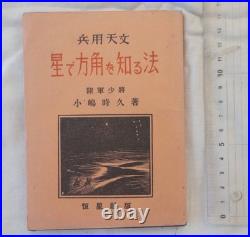
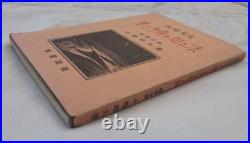

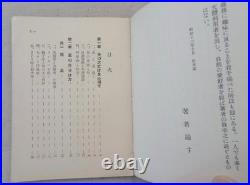
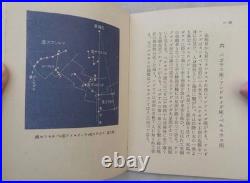
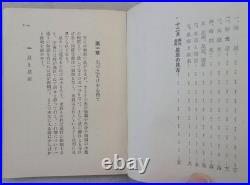
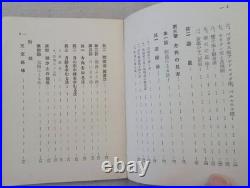
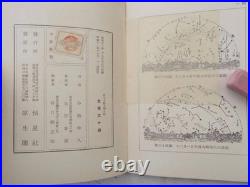
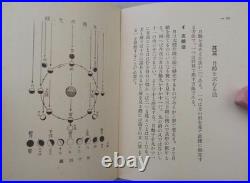
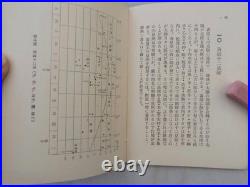
WWII Imperial Japanese Army Military Astronomy Manual. “How to Determine Direction by the Stars”. Published November 1, 1937. This is an original pre-war Japanese military astronomy manual titled. “Heiyo Tenmon – Hoshi de Hogaku wo Shiru Ho”. Military Astronomy – How to Determine Direction by the Stars. The book was written by. Major General Tokihisa Kojima. And published by Koseisha. The colophon (publication page) clearly states. Published November 1, 1937 (Showa 12). Military Navigation Before GPS. Before GPS, radio navigation, and modern electronic equipment, soldiers often relied on the night sky to determine direction during field operations. This manual was created to teach practical methods of navigation using celestial bodies. Finding Polaris (the North Star). Determining direction from stars. Solar and celestial orientation methods. Numerous diagrams, charts, and constellation illustrations are included throughout the book. Rather than a general astronomy guide, this is a practical military field manual intended to teach navigation and orientation techniques useful for soldiers operating in the field. Graduated from the Imperial Japanese Army Academy and later the Army War College. He served during the Russo-Japanese War and eventually rose to the rank of Major General. Kojima was also known for his strong interest in astronomy and reportedly maintained a private observatory, making this publication an unusual combination of military science and astronomical knowledge. Published in 1937, the same year the Second Sino-Japanese War began, this book provides a fascinating glimpse into how military personnel learned navigation techniques before modern technology existed. It represents a unique intersection of. Survival and navigation techniques. A scarce and interesting reference for collectors of Imperial Japanese military material, navigation history, and pre-war scientific publications. Age-related wear, foxing, and discoloration are present. Please examine all photographs carefully for condition details. International Buyers – Please Note. Thank you for your understanding.