
1932 Imperial Japanese Army Cavalry 16th Regiment Commemorative Photo Album
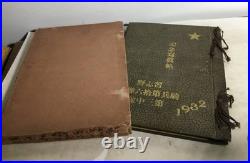
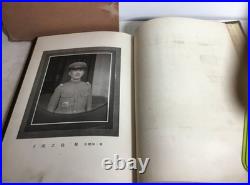
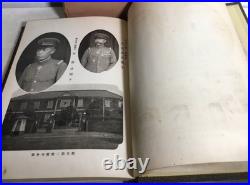
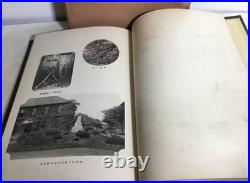
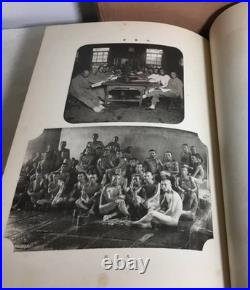
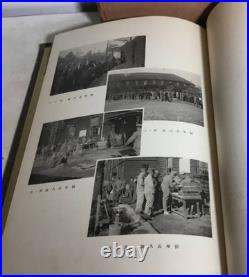
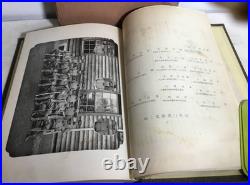
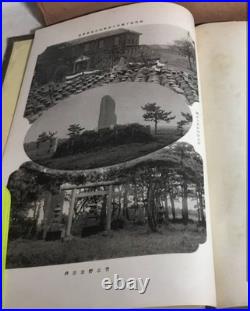
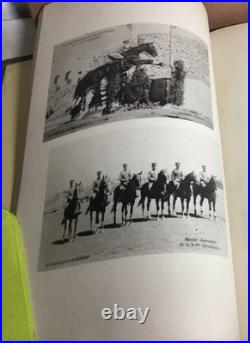
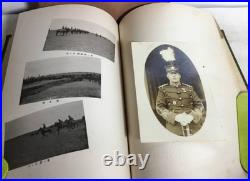

Cover Inscription (faithful reading). Imperial Japanese Army Cavalry 16th Regiment, 3rd Company, Narashino. ? What was the Narashino Cavalry 16th Regiment? One of the Imperial Japanese Army’s cavalry regiments, stationed in Narashino, Chiba Prefecture. Cavalry was considered an elite branch in the modern Army, tasked with reconnaissance, charges, and communications. This album is a commemorative photographic record of the 16th Regiment, 3rd Company, featuring their barracks, training exercises, officers’ portraits, and scenes of soldiers’ daily life. Produced by Kobayashi Photo Studio / Sankosha in a deluxe format. Showa 7 (1932), immediately after the Manchurian Incident (1931-32), when Japan was intensifying its military expansion into mainland China. This site was the Army’s central cavalry base after the Russo-Japanese War, and later became the birthplace of Japan’s paratroop units. To preserve the memory and pride of the unit. For soldiers and their families, such albums served as proof of service and a personal military chronicle. Professionally photographed, printed, and bound in a heavy commemorative album format – clearly intended as an official record and keepsake. ?? Historical Context (1932). 1931: The Manchurian Incident breaks out; Japan occupies northeast China. 1932: Founding of Manchukuo, rising militarism within Japan. Narashino cavalry units intensify training for possible continental deployment. This album is thus a direct product of Japan’s shift into its prewar military buildup. ? Collector’s Appeal. Primary source value: Provides a vivid record of military life, training, commanding officers, and regimental facilities. Rarity: Japanese cavalry was soon replaced by tanks and mechanized units, and the branch itself was abolished after WWII. Surviving photo albums are scarce. Historical importance: An artifact directly tied to Japan’s interwar military expansion following the Manchurian Incident. Artistic value: Clear professional photography, original binding, and preserved storage case. Highly collectible for militaria and Japanese pre-WWII history enthusiasts. International Buyers – Please Note. Thank you for your understanding.