
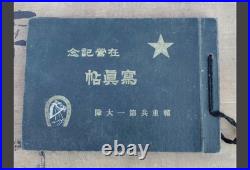
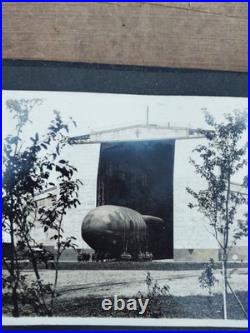
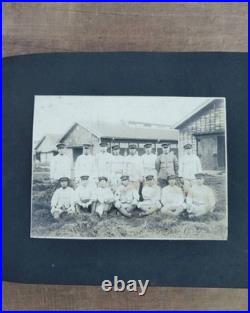
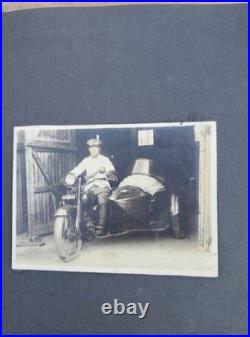
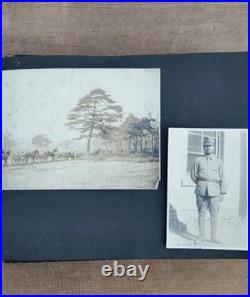
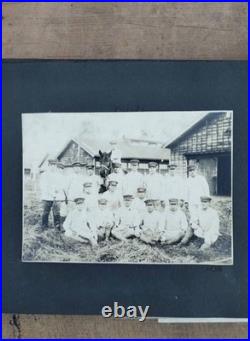
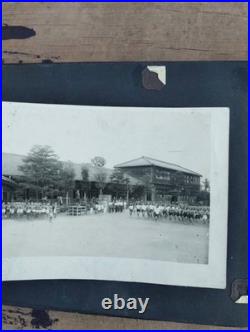
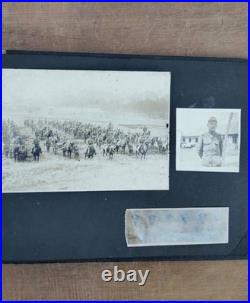
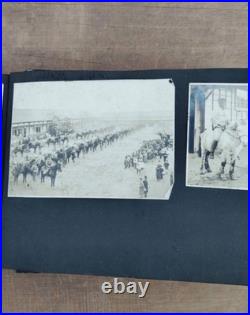
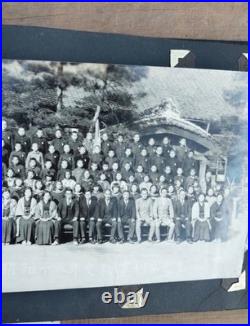

This is a pre-WWII Imperial Japanese Army commemorative photo album. 1st Transport Battalion (Shichohei Dai-ichi Daitai). Unlike frontline combat units, this battalion was responsible for. Logistics and supply transport. The lifeline of the army. About the 1st Transport Battalion. The Transport (Shichohei) units handled. Established in the Meiji era, these units supported divisional operations through the Russo-Japanese War and later conflicts. However, historically, the Japanese military placed less institutional emphasis on logistics compared to Western powers. Many historians consider logistical insufficiency one of the structural causes of Japan’s eventual defeat. This album therefore represents not just military life – but the backbone system that determined battlefield sustainability. Contents of the Album. Military motorcycle with sidecar. Barracks and base facilities. Family and school photographs. A photograph of what appears to be a. Military airship exiting a massive hangar. The airship image is particularly significant and may relate to early Japanese military aviation infrastructure. Most surviving albums focus on infantry or combat units. Logistics battalion materials are comparatively rarer in the market. The human side of support troops. The operational structure of supply units. The infrastructure behind early 20th century warfare. It is both a military collectible and a primary historical source. Age-related toning and stains. Binding wear consistent with age. Overall condition appropriate for a pre-war original item. International Buyers – Please Note. Thank you for your understanding.

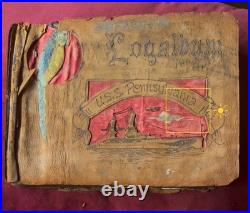
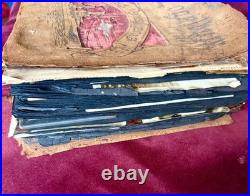
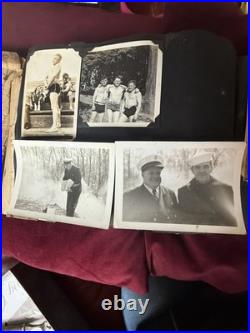
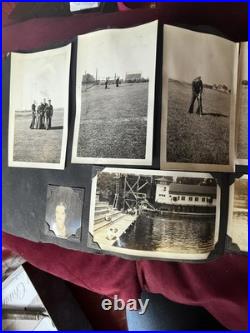
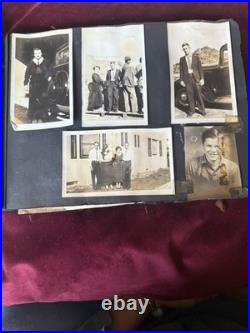
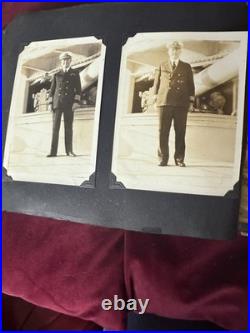
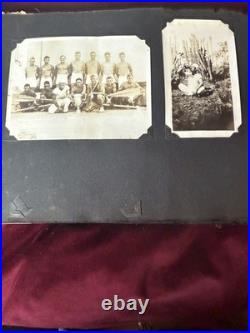
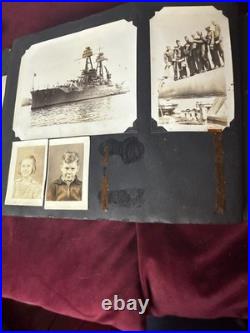
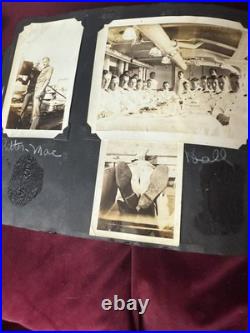
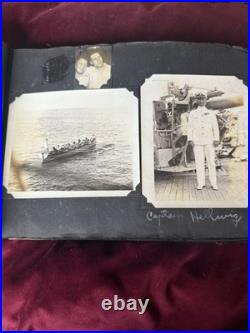
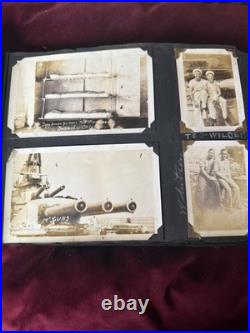
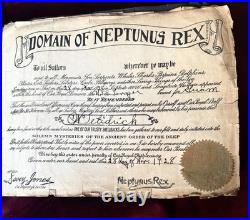
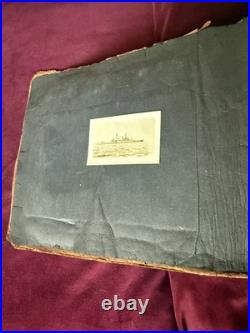
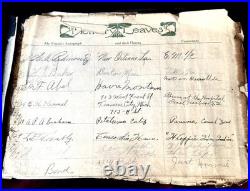
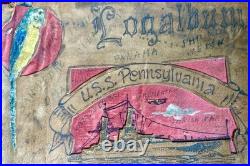
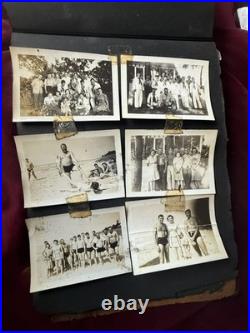
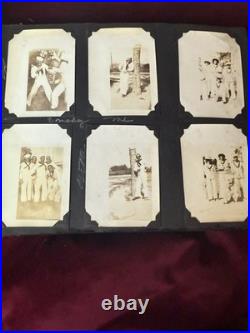
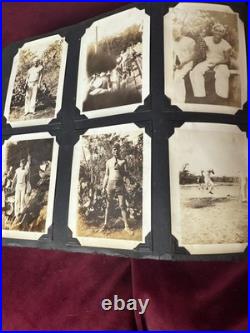
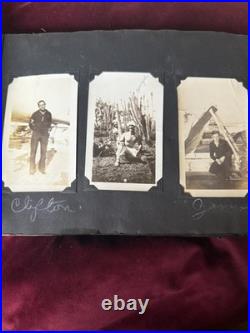
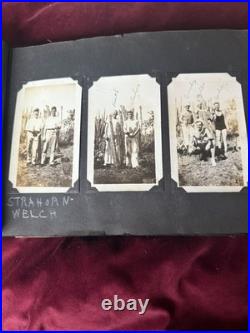
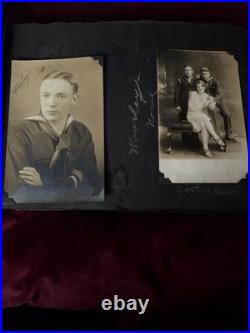
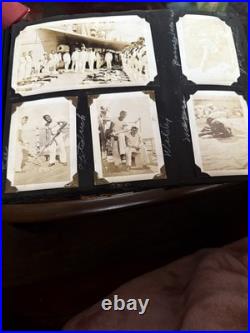
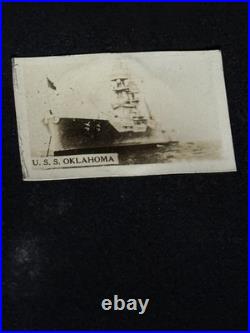
It includes the Domain of Neptunus Rex certificate of W. Tetidrick when he crossed the prime Meridian in 1928. And 6 pages of signatures from his crew mates which have funny notes for each. Each photo is original and authentic to this album, providing a unique insight into the history and events of the time. This sailor kept photos of his friends, family, girls and adventures ashore with names and places labeled. Sailors team photos, sailors golfing in uniform. Photos of the mechanics, the crew quarters and artillery. Photos of home and girls and drinking beer in ports around the world. This collectible album is a valuable piece of militaria, offering a glimpse into the naval activities and experiences of the United States Navy during that time. This leather album is full and over flowing with real photos and is a brilliant addition to your collection. It is a prized possession for any enthusiast or collector of military memorabilia. Most of the photos are in great condition. The edges of the book are worn, as pictured. Zoom in on the cover to see all the countries visited written on it. During the attack on Pearl Harbor the USS Oklahoma was sunk, 429 Sailors were lost. The USS Pennsylvania was in dry dock in Pearl Harbor at the time. She suffered 15 crewmen killed, 14 missing in action (presumed dead), and 38 wounded, with casualties resulting from bomb fragments and debris, including a torpedo tube section blown onto her deck from the destroyer Downes. The Pennsylvania was the flagship of the U. Being in drydock spared it from the direct catastrophic hits of other battleships, but it still sustained significant damage and casualties from the attack.

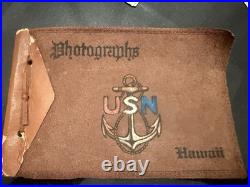
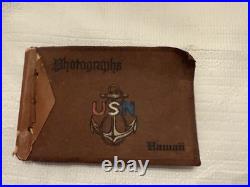
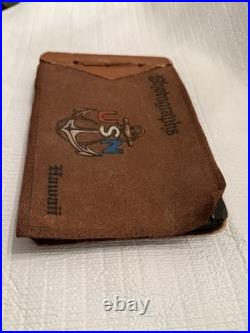
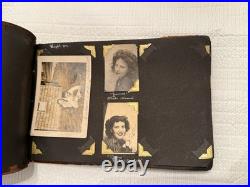
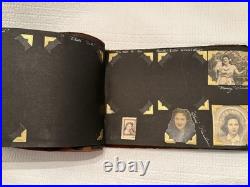
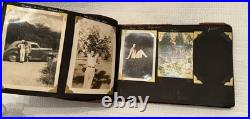
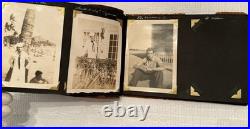
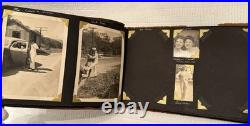
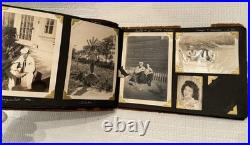
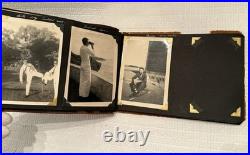
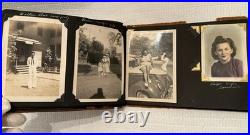
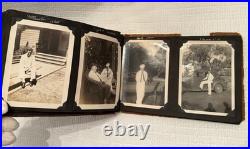
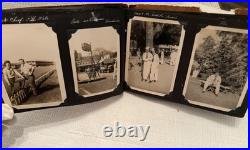
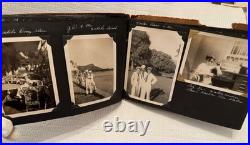
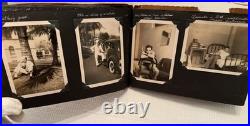
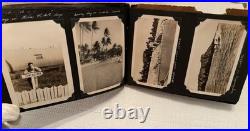
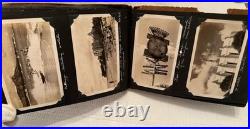
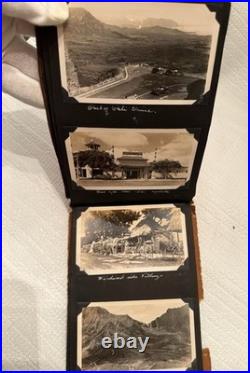
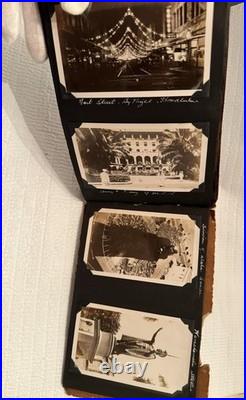
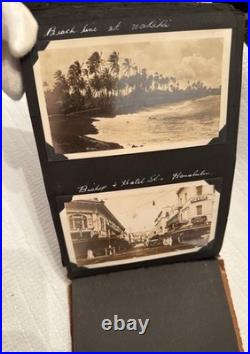
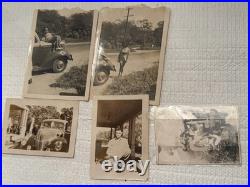
A fine description of original photos of military and civilian. Book is tattered but still presents nicely. Listing photos depict every photo/page in book.

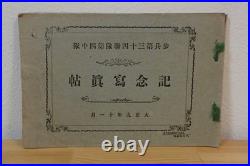


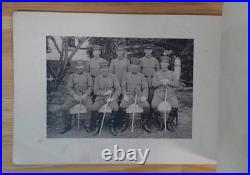
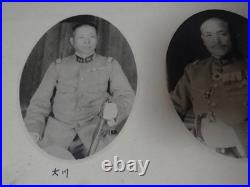
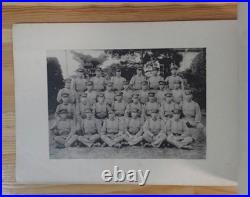

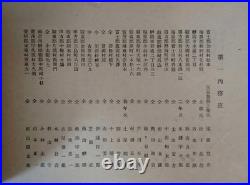
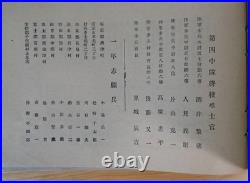
This is an original. Commemorative photo album from November 1920 (Taisho 9). Documenting members of the. 4th Company, 34th Infantry Regiment of the Imperial Japanese Army. The 34th Infantry Regiment was one of the long-serving infantry units of the Imperial Japanese Army, originally formed in the late 19th century and active through multiple conflicts. Portrait photographs and group photographs of officers, non-commissioned officers, and enlisted men. Offering a clear visual record of unit organization, uniforms, ranks, and military bearing during the Taisho period. The Taisho era represents a transitional phase between the Russo-Japanese War and the later conflicts of the Showa period. Military systems and uniforms were relatively standardized at this time, making photographic materials from this era especially valuable as. 34th Infantry Regiment continued its service after this album was produced. In the Showa era, the regiment was deployed during the. And later sent to overseas theaters during the Pacific War. As the war situation deteriorated, the unit suffered heavy losses and was. Effectively disbanded around the end of World War II. Bringing its long history to a close. This album therefore captures the regiment at a point. Before its later wartime deployments. Preserving the appearance and atmosphere of soldiers during a relatively stable period. The expressions and posture of the men provide rare insight into everyday military life of the time. Please refer to the images for the exact contents and structure of the album. This is a genuine period item and shows. Including toning, stains, creases, corner wear, and handwritten names and place names in a few locations. These features are consistent with actual use and storage over more than a century. Recommended for collectors and researchers of Imperial Japanese Army history, military photography, and early 20th-century Japanese military units. International Buyers – Please Note. Thank you for your understanding.

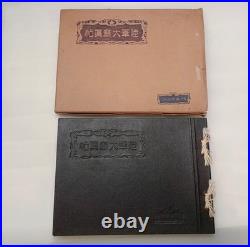
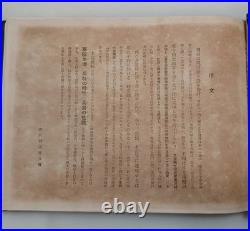
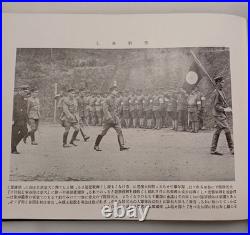
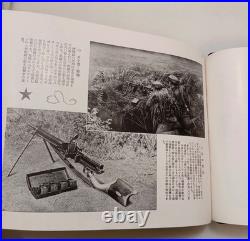
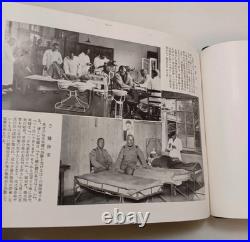
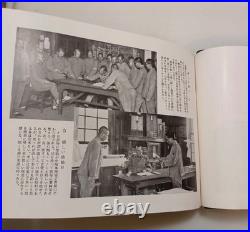
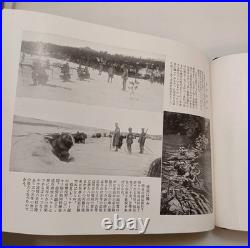
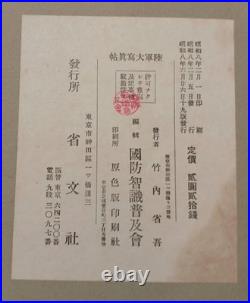
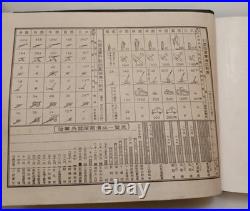
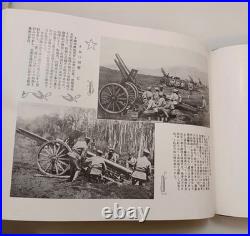
This is an original Imperial Japanese Army photo book published in 1933 (Showa 8). Edited by the National Defense Knowledge Promotion Association and issued by Shobunsha. The book contains a large collection of historical photographs documenting. The Imperial Japanese Army during the early Showa period. Rather than focusing on individual hero narratives, it visually records. Military training, field exercises, weapons, medical units, and daily life of soldiers. Artillery units, machine guns, and field weapons. Live-fire exercises and battlefield training. Winter operations and snowfield maneuvers. Medical corps activities and military hospitals. Soldiers’ daily routines and internal unit scenes. Inspections, formations, and ceremonial events. This publication reflects the historical context of the early 1930s. A period marked by rising regional tensions following the Manchurian Incident. At the time, such photo books were intended to visually convey the structure. Capabilities, and discipline of the army to the general public. Today, this book is valued as a primary visual source for researchers. Collectors, and institutions studying pre-war Japanese military history. It is not a modern reprint, but an original period publication. Title: Army Large Photo Album. Editor: National Defense Knowledge Promotion Association. 16 x 22.5 cm. Due to age, there is natural toning, foxing, and wear consistent with an. The contents remain fully legible and photographs are clear. Please review images carefully for condition details. International Buyers – Please Note. Thank you for your understanding.

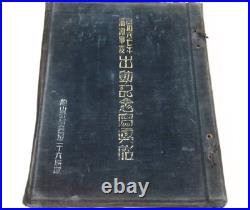
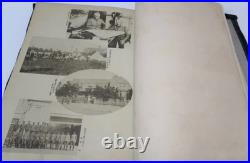
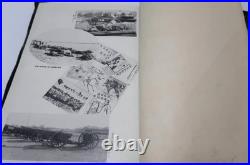
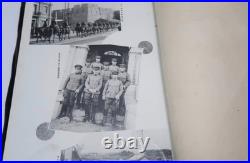
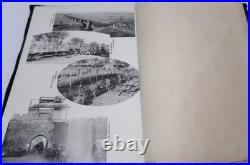
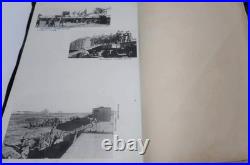
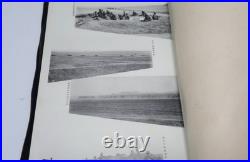
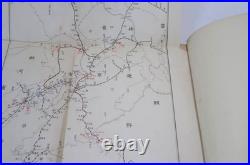
This is an original Japanese military photo album documenting the deployment of an artillery unit during the. The album was produced as a commemorative record of mobilization and includes period photographs and a folded operational route map. The images show artillery movement, transportation by rail carts, field deployment, security patrols, and daily scenes of the unit during its early continental assignment. The Manchuria Incident marked a major turning point in East Asian history and represents the beginning of Japan’s large-scale overseas military operations prior to World War II. This album provides valuable visual reference material for researchers and collectors interested in early 20th-century military history, artillery operations, and historical photo documentation. Artillery transport and deployment scenes. Early 1930s military infrastructure and logistics. This is an original vintage item. Wear consistent with age is present, including surface wear, toning, and minor repairs to the map. A rare reference item suitable for collectors, historians, and archival research. Approximate 7-21days(To USA).

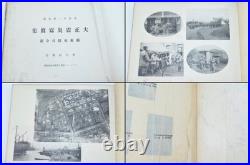
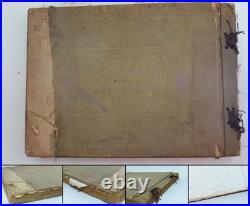
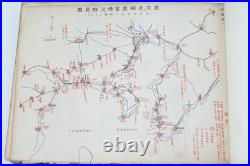
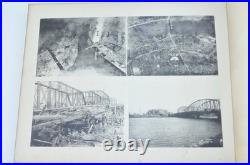
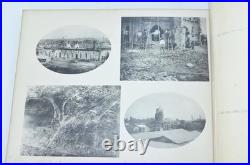
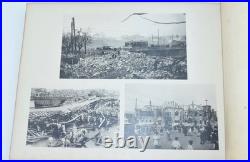
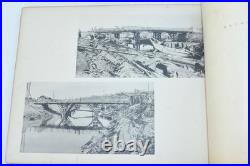
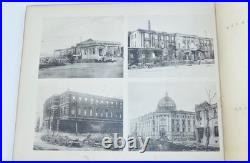
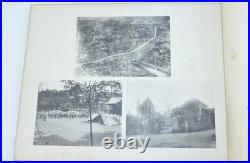
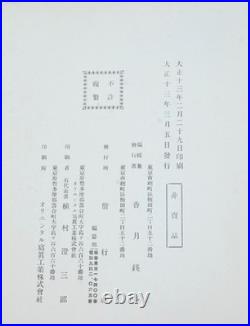
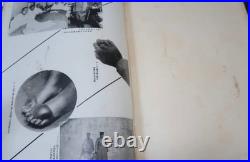
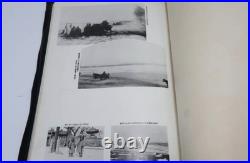
This is an official photo album documenting the Great Kanto Earthquake of 1923. Compiled by the Kanto Martial Law Headquarters and published in March 1924. The Great Kanto Earthquake struck Tokyo, Kanagawa, and surrounding regions on September 1, 1923, causing massive destruction and loss of life. Following the disaster, martial law was declared, and the Japanese Army assumed responsibility for security, relief, and administrative control of the affected areas. This album was produced as an official record for military and government use, not for public sale. Contents and Historical Significance. Devastated urban areas and burned districts. Collapsed government buildings, banks, railways, and bridges. Aerial and elevated views of destruction. Emergency camps, recovery efforts, and infrastructure damage. Maps illustrating damage distribution. The inclusion of aerial photography and systematic documentation indicates that this album was created for administrative, planning, and military analysis, rather than for commercial or commemorative purposes. This album was issued by Kaikosha, an organization established for Imperial Japanese Army officers. Kaikosha functioned as an officers’ association, publishing official materials and also supplying military uniforms and equipment exclusively for officers. Its involvement confirms the official and restricted nature of this publication. There is noticeable wear, staining, and deterioration consistent with age (damaged condition). However, photographs, maps, and text remain largely legible, and the album retains its value as a primary historical source. This is not a general photo book, but a rare, non-commercial military document recording one of Japan’s most significant natural disasters and the army’s role in urban emergency governance. Highly suitable for collectors of. Disaster and urban studies. Military and administrative history. Early 20th-century photographic archives. Approximate 7-21days(To USA).

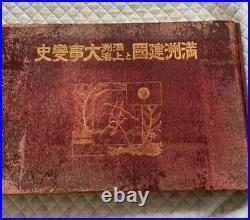
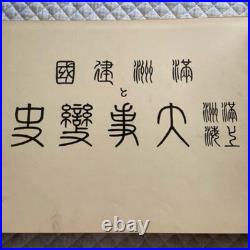
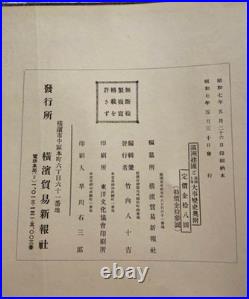
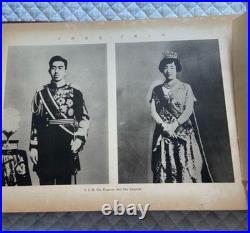
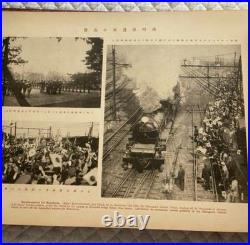
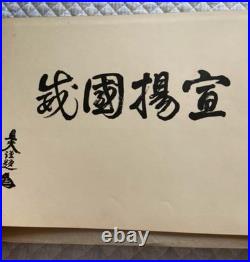
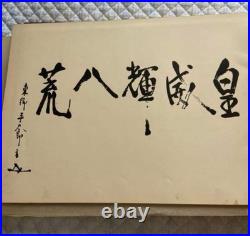
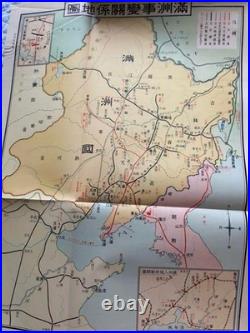
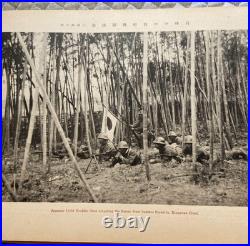
This is a rare large-format pictorial album titled “Manchukuo Founding and the Shanghai Incident”, published in 1932 (Showa 7) by Yokohama Trading News Co. It features numerous original photographs, maps, and calligraphy, documenting the turbulent events in East Asia during the early 1930s. Following the Mukden Incident (September 1931), the Japanese Kwantung Army occupied Manchuria. In March 1932, the puppet state of Manchukuo was proclaimed with the last Qing emperor Puyi as its head of state. For Japan, Manchukuo became both an economic and military stronghold, while the international community strongly criticized it as illegitimate, leading to Japan’s growing isolation in world affairs. In January 1932, hostilities broke out in Shanghai between Japanese and Chinese forces. Intense urban combat followed, including the deployment of Japanese Navy Special Landing Forces. After months of fighting, a ceasefire was signed in May. The scale and violence of the conflict marked a deep escalation in Sino-Japanese tensions. Showa 7 (1932) – A Turning Point. March: Manchukuo officially proclaimed. January-May: First Shanghai Incident. May: Prime Minister Inukai Tsuyoshi assassinated in the May 15 Incident. This year marked a decisive shift in Japan’s path toward militarization and international isolation, eventually leading to its withdrawal from the League of Nations. ? Contents of This Album. Portraits of the Emperor & Empress. Photographs of the Manchurian Incident and Shanghai Incident. Large fold-out color map with railways and battlefields. Calligraphy pages by notable figures. Rare action photos of Japanese military operations. The outer cover shows significant wear due to age, but the internal pages and photographs remain intact. Overall, this is a valuable contemporary primary source that preserves the atmosphere and visual record of 1932. A highly important reference for historians, researchers, and serious collectors of Japanese pre-WWII militaria and Asian history. Own a Piece of History. International Buyers – Please Note. Thank you for your understanding.

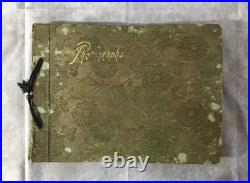
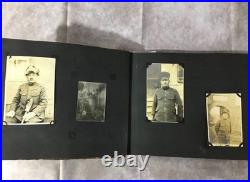
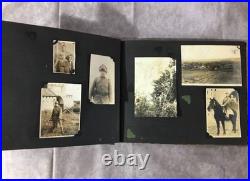
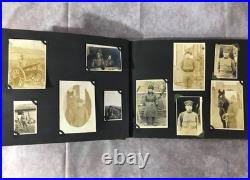
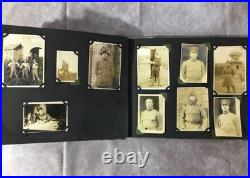
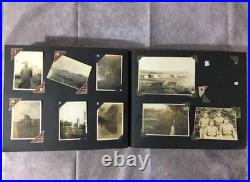
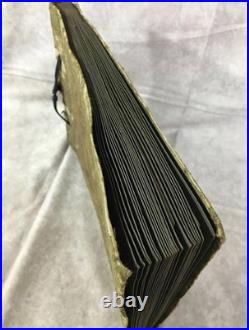
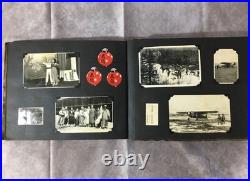
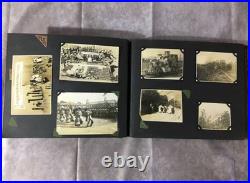
This is a pre-World War II Japanese personal photo album, compiled around circa 1935 (early Showa period). The album contains over 200 original photographs, carefully mounted by the original owner. It is not a commercial publication, but a privately assembled personal archive, making it a unique one-of-a-kind historical record. During the mid-1930s, Japan maintained a long-term presence in Manchuria, which became a major political and social focus following the early 1930s. Individuals stationed there often spent extended periods living, training, and working on site. This album documents not only official activities, but also daily life, surroundings, and personal moments, offering a continuous visual record of the era from a firsthand perspective. Photographs in this album include. Portraits of individuals in period uniforms. Daily life scenes and group photographs. Training and outdoor activities. Vehicles, horses, and equipment of the era. Aircraft and artillery-related scenes. Streets, buildings, and landscapes in Manchuria. Ceremonial and commemorative moments. Some images reflect the harsh realities of the time, making this more than a souvenir. It is a primary historical source documenting the atmosphere and lived experience of the period. Over 200 original photographic prints. Original cloth-covered album with gilt “Photographs” title. All photos appear to be period originals (not reproductions). Carefully organized by the original owner. Age-related wear to the album cover (stains, fading, fabric wear). Some photos show corner wear or minor lifting. No major missing sections; overall condition consistent with age. Please review all images carefully. Collector & Research Value. This album provides a rare, large-scale visual record of Japanese presence in Manchuria during the early Showa period. Suitable for collectors, researchers, museums, and institutional archives seeking authentic primary materials. Approximate 7-21days(To USA).

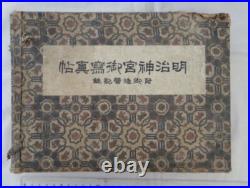
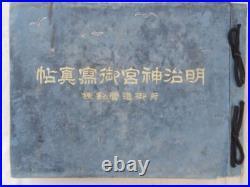
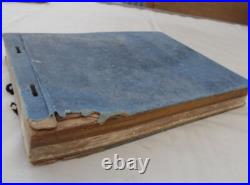

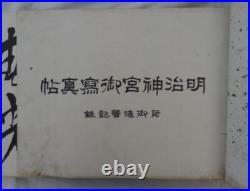
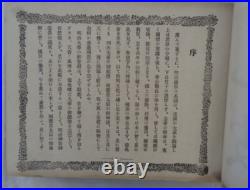
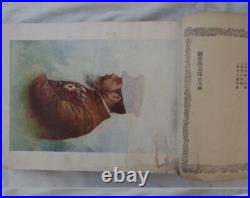
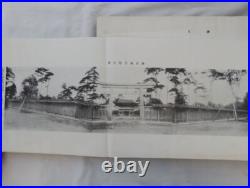
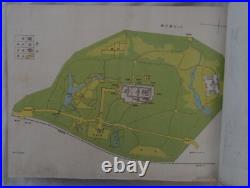
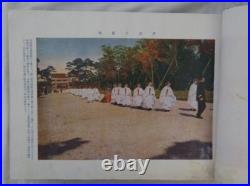
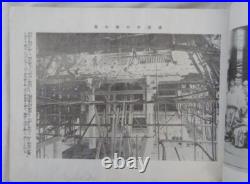
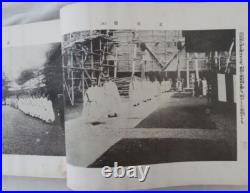
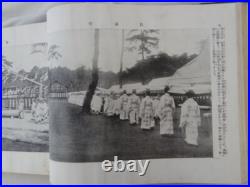
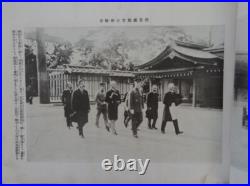
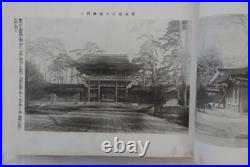
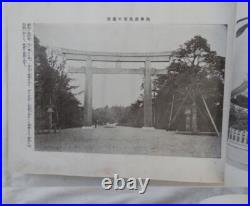
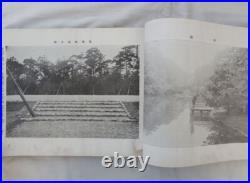
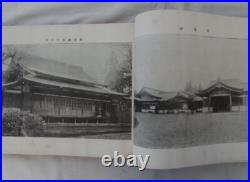
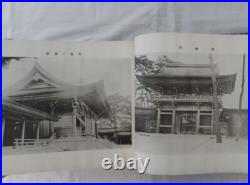
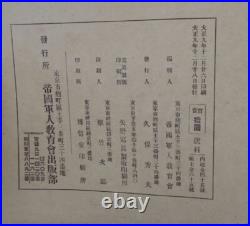
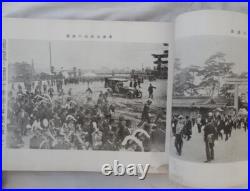
This is an original photo album published in Taisho 9 (1920), just after the completion of Meiji Shrine (Meiji Jingu) in Tokyo. This sacred site was built to honor Emperor Meiji, who led Japan’s rapid modernization in the late 19th and early 20th centuries, transforming the country from a feudal society into a major world power. Rare photographs and illustrations showing the shrine’s grand construction, architecture, rituals, and the first ceremonies ever held at Meiji Jingu. Detailed scenes of traditional Shinto processions, the great torii gate, and the lush forest that was planted as an act of national devotion. A glimpse into the mindset of the era, where loyalty to the Emperor and national unity were central values taught to soldiers and citizens alike. Why is it important? Meiji Shrine is more than a religious site: it became a symbol of Japan’s national identity and its new place in the world after the Meiji Restoration. This album was published by the Imperial Military Education Association, meaning it was intended as an official educational tool for young soldiers-instilling pride, reverence, and national spirit. Who valued this album? Young military cadets, educators, and even ordinary citizens would have seen these images as a source of inspiration and pride. Today, it is a tangible “piece of history” for collectors, researchers, and anyone interested in the roots of modern Japan. There are stains, discoloration, and minor damages due to age, but this only adds to the authenticity and charm of this almost 105-year-old artifact. Own a Piece of History. Approximately 5-7days(To USA).