
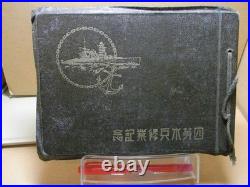



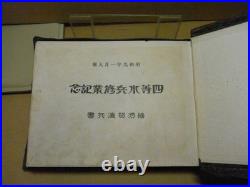
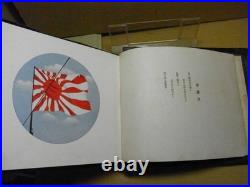
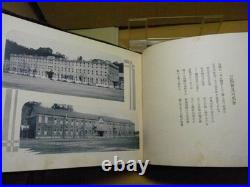
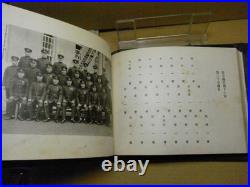
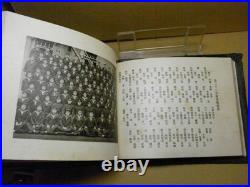


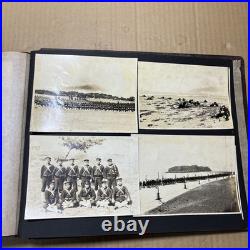
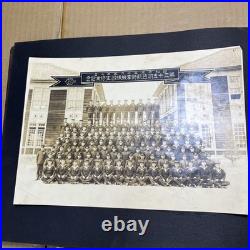
This is an original commemorative photo album produced in 1934 for sailors who completed their initial training at the Yokosuka Naval Barracks of the Imperial Japanese Navy. The title page reads: “Entered Service: January 1934″ “Commemorative Album for the Completion of Seaman Fourth Class Training” “Yokosuka Naval Barracks” The naval barracks were where newly enlisted sailors received their basic military education and training before moving on to active naval service. Yokosuka was one of the most important bases of the Imperial Japanese Navy and served as a major center for preparing sailors for service throughout the fleet. Inside are historical photographs documenting the environment in which these young sailors were trained, including Imperial Japanese Navy facilities and barracks, sailors in uniform, class and unit group photographs, the Rising Sun naval ensign, and pages identifying individual servicemen by name. What makes this album particularly interesting is that it does not simply preserve images of warships or famous officers. It preserves the faces of the ordinary sailors who formed the human foundation of the Japanese Navy. The album dates to 1934, seven years before the Pacific War began. It therefore records the Imperial Japanese Navy during the prewar period, when its peacetime training system and enormous fleet organization were still functioning before the devastating losses of the coming war. For collectors and researchers, this is a tangible record of how an ordinary young man entered the Imperial Japanese Navy and was transformed into a trained sailor. The album shows age-related wear, staining, discoloration, and rubbing consistent with an approximately 90-year-old military document. Please examine the photographs carefully for its condition. A fascinating surviving record of the men behind the Imperial Japanese Navy. Own a Piece of History. International Buyers – Please Note.

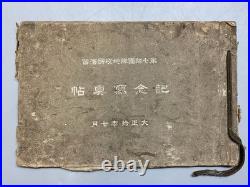
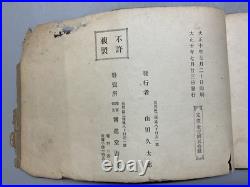
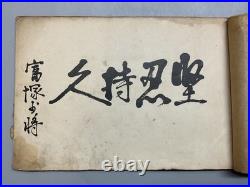
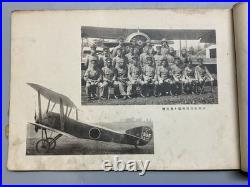
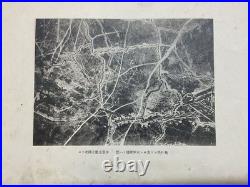
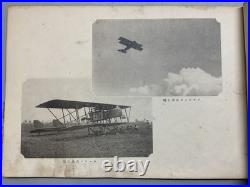
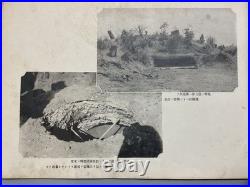
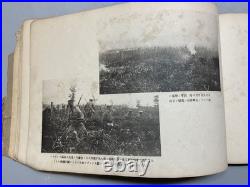
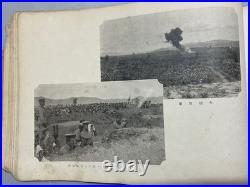
This is an original Japanese military photo album documenting a field exercise of the Imperial Japanese Army’s 7th Division in July 1922. The cover is clearly marked: “7th Division Position Attack and Defense Exercise” “Commemorative Photo Album” “July, Taisho 11″ – 1922 The 7th Division was one of the Imperial Japanese Army’s most important northern formations. Based in Hokkaido, it was responsible for the defense of Japan’s northern frontier and became widely known as the “Hokuchin Unit, ” or Northern Garrison Division. Its history stretched from the Russo-Japanese War, including the battles of Port Arthur and Mukden, through deployments to Manchuria and Siberia, and later into the conflicts of the 1930s and World War II. What makes this album especially interesting is that it does not simply contain posed portraits of soldiers. It records an actual large-scale military exercise. The photographs show troops maneuvering in the field, prepared defensive positions, artillery or explosive activity, and other scenes connected with battlefield training. Most importantly, the album also includes military aircraft, aviation personnel, aircraft in flight, and aerial reconnaissance photography of the exercise area. This is particularly significant because the album dates from 1922, when military aviation was still developing rapidly. The photographs show how the Japanese Army was already beginning to integrate aircraft into ground operations-not only as machines of flight, but as tools for observing terrain, defensive positions, and troop movements from the air. In other words, this album records Japanese soldiers learning how to: defend a position, attack a fortified area, and observe the battlefield from above. That combination makes it much more than a simple souvenir album. The 7th Division would later become deeply connected with some of the most difficult chapters of Japanese military history, including fighting connected with Manchuria, the Nomonhan Incident, Guadalcanal, and the northern Pacific theater. But these photographs were taken roughly twenty years before the Pacific War. The men appearing here had no idea what was still ahead of them. The album shows age, staining, wear, and deterioration to the binding and covers, all consistent with an item that has survived for more than a century. For a collector of Imperial Japanese Army history, early military aviation, Hokkaido military history, or prewar military photography, this is a particularly atmospheric historical document. It is not simply an old album. It is a small time capsule from a Japanese Army training ground in 1922. Own a Piece of History. International Buyers – Please Note.


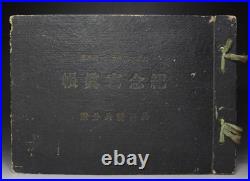
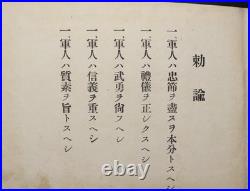
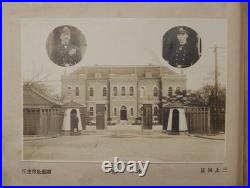
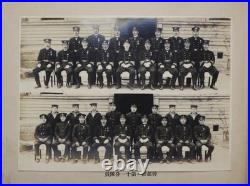
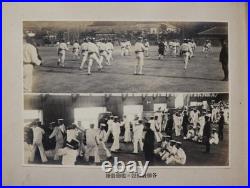
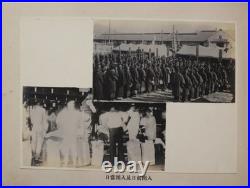
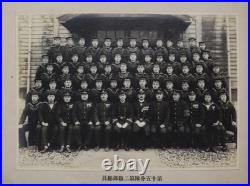
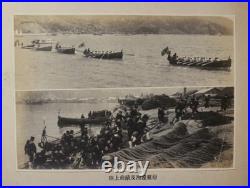
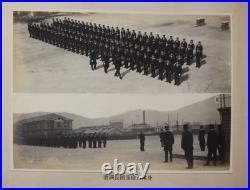
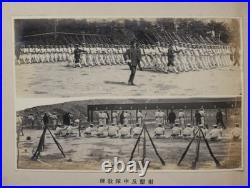
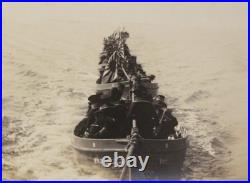
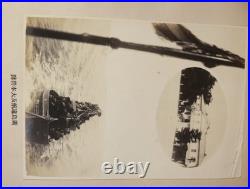
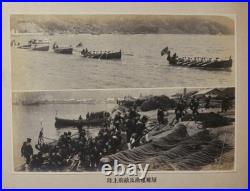
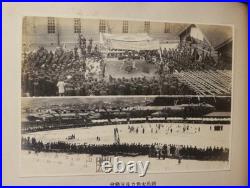
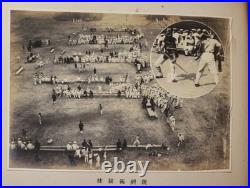
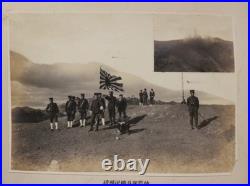
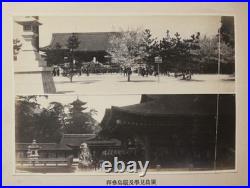
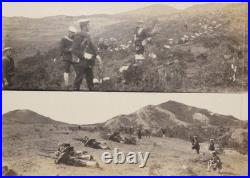
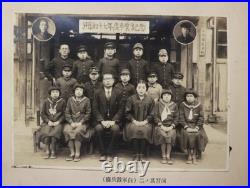
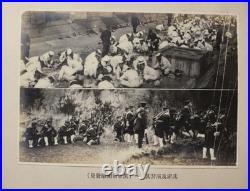
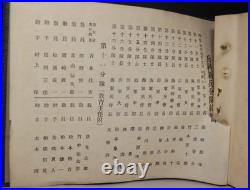
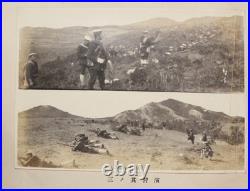
This is an original 1923 Imperial Japanese Navy commemorative photo album documenting the training and graduation of a group of newly enlisted sailors. The cover is inscribed: “Graduated May 1, 1923″ “Commemorative Photo Album” “Naval Recruit Division” This is an important detail because it tells us exactly what this album represents. It is not simply a collection of old Japanese Navy photographs. It was created to commemorate a specific group of naval recruits who completed their training on May 1, 1923. In modern terms, it can be understood somewhat like a graduation album-but instead of ordinary school life, it records the process by which young men were transformed into trained sailors of the Imperial Japanese Navy. From Recruit to Sailor Young men entering the Imperial Japanese Navy did not simply enlist and immediately board a battleship or cruiser. This album provides a remarkable visual record of that process. For someone unfamiliar with Japanese naval history, one of the most interesting aspects is the amount of land combat training shown here. The word “Navy” naturally brings battleships, cruisers, and life at sea to mind. However, Japanese sailors could also be required to operate ashore, and their training therefore included weapons and land-based military exercises. This album allows us to see that training rather than merely read about it. Rare Glimpses of Naval Training Several photographs are particularly striking. One sequence shows naval cutters moving across the water, their crews rowing beneath Imperial Japanese naval ensigns. Other photographs show sailors deploying across open terrain during field exercises. Another remarkable image shows sailors standing beside the naval ensign while an explosion occurs in the background. Its original Japanese caption refers to a headquarters area and bridge demolition, providing an unusual glimpse of demolition training. These are not staged modern reproductions. They are photographs preserved as part of the recruits’ own 1923 graduation record. The Names Behind the Photographs Another historically valuable feature is a page titled approximately: Names of Officers and Instructors of the Naval Recruit Divisions. It records the names and positions of division leaders, officers, instructors, and assistants associated with the training organization. This transforms the album from a collection of anonymous military photographs into something much more personal. These were real instructors and recruits belonging to a specific Japanese naval training unit more than a century ago. Before World War II The date is also important. These sailors graduated on May 1, 1923-18 years before Japan entered the Pacific War in 1941. Therefore, this is not primarily a World War II combat album. Its real theme is: How a young Japanese recruit became a Navy sailor. Following the photographs allows us to see the discipline, weapons training, seamanship, physical exercises, comradeship, and daily institutional life that formed part of that transformation. In this sense, the album is almost a time capsule of Imperial Japanese Navy recruit life in 1923. The Imperial Japanese Navy was considerably smaller than the Imperial Japanese Army, and enormous quantities of naval material were subsequently lost through wartime destruction and the collapse of the Japanese Empire. An intact photographic record combining a precise graduation date, identifiable training organization, personnel names, and such a broad range of training scenes therefore offers considerable historical interest. The album shows age-related wear, staining, discoloration, deterioration, and damage to the binding and pages. Please examine the photographs carefully for condition. More than a century ago, these young men entered naval training, learned to march, shoot, row, operate in the field, and finally graduated together on May 1, 1923. This is not the story of a warship. Own a Piece of History. International Buyers – Please Note.

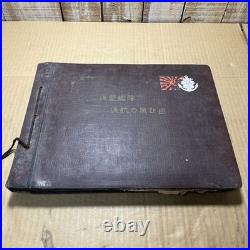
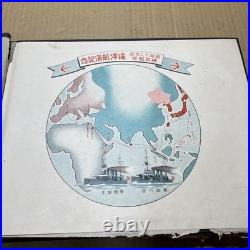
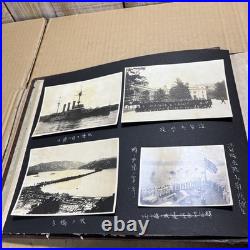
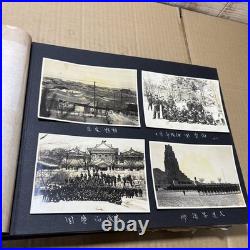
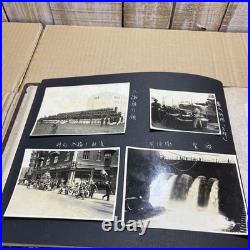
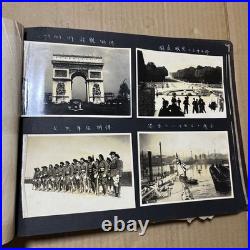
This is an original 1935 Imperial Japanese Navy photo album documenting a long-distance training cruise of the Japanese Navy Training Fleet. The cover is titled Memories of the Training Fleet Long-Distance Cruise. Inside are numerous original photographs showing Japanese naval personnel, warships, training activities, formations, ports of call, and scenes from the voyage. The album also contains a striking color route illustration depicting the training cruise. The Final Step Before Becoming a Naval Officer The Imperial Japanese Navy Training Fleet was not simply a unit for training ordinary sailors. Graduates of the Imperial Japanese Naval Academy and other naval officer schools entered the fleet as officer candidates, receiving practical instruction aboard operational warships before becoming commissioned naval officers. In other words, these cruises represented one of the final stages in the transformation from naval academy student to Imperial Japanese Navy officer. This 1935 Training Fleet included graduates of the 62nd class of the Imperial Japanese Naval Academy, together with graduates of the Naval Engineering and Paymaster schools. A Generation on the Eve of War What makes this album particularly fascinating is its date. These young men were photographed in 1935, only six years before Japan entered the Pacific War. The photographs therefore preserve something more personal than battles or famous warships: a generation of young naval officers at the beginning of their careers, before the war that would transform both their lives and the Japanese Navy. Some photographs also depict overseas locations and travel scenes that may relate to other voyages or visits. Not every photograph can be conclusively identified as having been taken during the same 1935 cruise. Complete original Navy albums with identifiable historical context are therefore much harder to encounter than ordinary Japanese military photographs. This is especially desirable because it is not a commercially produced photo book. It is a privately assembled period album containing actual photographs and handwritten captions. There is only one album exactly like this. Age-related wear, staining, deterioration to the album pages, binding wear, and other signs of age are present. Please examine the photographs carefully for condition and contents. Own a Piece of History. International Buyers – Please Note.

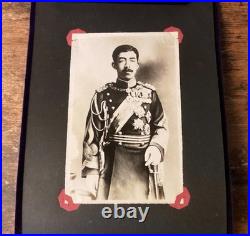
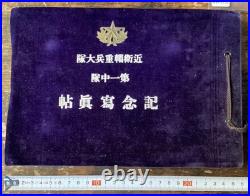

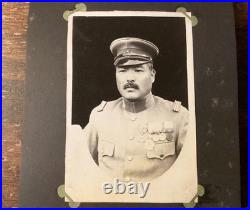
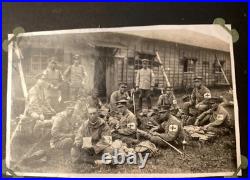
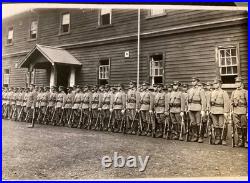
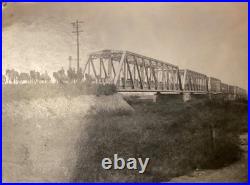
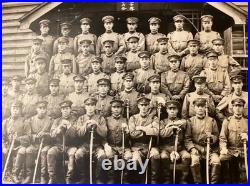
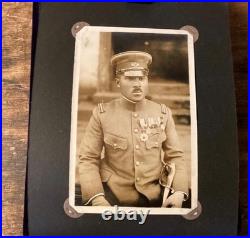

This is an original commemorative photo album from the. 1st Company, Imperial Guard Transport Battalion of the Imperial Japanese Army. Its cloth-covered front bears the Imperial Guard insignia and the unit name. The album contains a portrait of. Along with photographs of officers and enlisted soldiers, military swords, rifles, medical personnel wearing Red Cross armbands, horses, and scenes associated with military transport and unit life. What Was the Imperial Guard Transport Battalion? The Japanese Army’s transport troops were responsible for moving the supplies that kept an army functioning, including food, ammunition, equipment, medicine, and other essential materials. In modern terms, they were a military. Logistics and supply unit. The Imperial Guard transport troops performed the same basic role as ordinary Army transport units. The important difference was that they belonged to the. The prestigious formation associated with the protection of the Emperor and the Imperial Palace. In other words, these men supported one of the Japanese Army’s most distinguished formations from behind the scenes. An army could not continue operating simply with soldiers and weapons. Without transport troops delivering food, ammunition, and medical supplies, even an elite unit would quickly become ineffective. A portrait of Emperor Taisho is preserved near the beginning of the album. This suggests that the album may date from the. Taisho era or the early Showa period. Approximately the 1910s to early 1930s. However, imperial portraits could remain in use after an emperor’s death, so the exact date cannot be confirmed from the portrait alone. The album therefore appears to document the Imperial Guard during Japan’s pre-WWII military period, rather than the final years of the Pacific War. A Record of the Men Behind the Imperial Guard. The Imperial Guard is often remembered through ceremonial uniforms, palace duty, and elite status. This album shows a less visible side of that history: the soldiers who transported supplies, handled horses, supported medical work, and kept the unit moving. Most of these men left no names in history books. Here, they survive as the members of one company, photographed together during their military service in Tokyo. This is an original antique military photo album. The cover, mounting pages, and photographs show age-related toning, foxing, stains, rubbing, discoloration, and wear to the edges and corners. The exact dates, locations, and identities of all individuals have not been confirmed. Please examine all photographs carefully for the precise contents and condition. This album preserves not only the prestige of the Imperial Guard, but also the overlooked logistics troops who made its daily operation possible. Own a Piece of History. Approximate 7-21days(To USA).

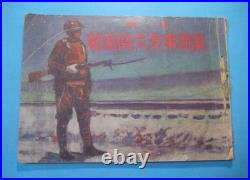
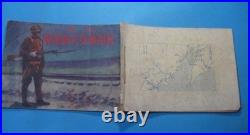
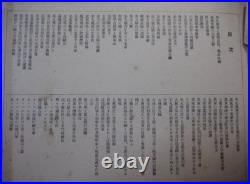
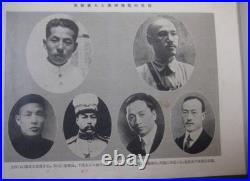
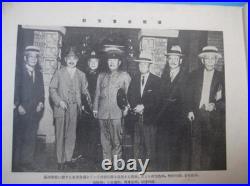
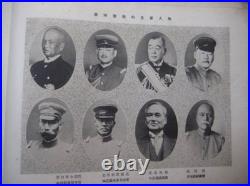
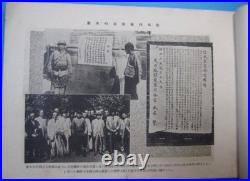
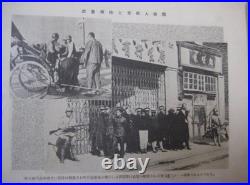
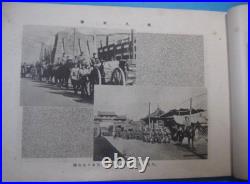
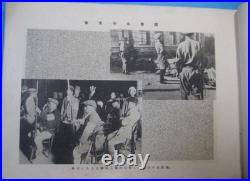
Original 1931 “Special Pictorial Record of the Manchurian Incident”. Early Showa-era photo album. Documenting the outbreak of the. The turning point that marked the beginning of Japan’s continental expansion and ultimately led to the Second Sino-Japanese War. Mukden (Liutiaohu) Railway Explosion. On September 18, 1931, near Shenyang (formerly Mukden). The Imperial Japanese Army’s Kwantung forces used this event as a pretext to launch a full-scale occupation of. Within a few months, Japan had seized major cities such as Mukden, Changchun, Harbin, and Jinzhou. This military operation shocked the international community and became a. Major prelude to World War II in Asia. ? About This Book. Provides a vivid photographic record of the campaign. Frontline scenes from Mukden, Jinzhou, Harbin, and other key locations. Portraits of leading Japanese and Chinese military and political figures. Japanese Army troop movements, artillery units, and occupation forces. Civilian life and reconstruction efforts after occupation. Detailed “Map of the Manchurian Situation” and “Japan-China War Map” on the back cover. The album serves as both a historical and visual document of early Showa Japan’s military expansion and propaganda photography. The photo portraits include. Key Imperial Japanese Army commanders. Members of the Japanese cabinet during the incident. Chinese Nationalist figures and regional leaders of Manchuria. These images collectively illustrate the. Political and military structure surrounding the 1931 Manchurian Incident. Making this album a unique record of both sides. Unlike later wartime propaganda books, this volume was produced. Immediately after the outbreak. Of the Manchurian Incident. It preserves the atmosphere and perspective of the time, offering researchers and collectors a. First-hand visual account of Japan’s early expansionism. The origins of the Sino-Japanese War. Showa-era propaganda and photojournalism. Imperial Japanese Army operations in Manchuria. Tokushu Manshu Jihen Dai Shashincho. (“Special Pictorial Record of the Manchurian Incident”). 26 × 19 cm. (cover wear, light stains, minor binding looseness). Pages remain well preserved for its age. ? Collector’s Note. A highly valuable artifact of pre-war Japanese photojournalism. Ideal for historians, collectors, and institutions interested in. Imperial Japan, military history, and early 1930s East Asia. Such complete and well-preserved copies rarely appear on the market. Manchurian Incident, Mukden, 1931, Imperial Japanese Army, Kwantung Army, Pre-WW2 Japan, Showa 6, Manchuria, China, Japanese Military Photo Album, Mukden Incident, Rare Historical Document, Propaganda Book, East Asia War History. Approximate 7-21days(To USA).

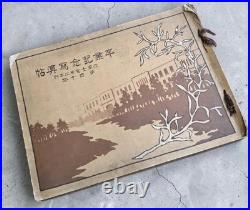
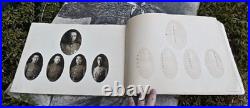
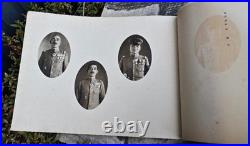
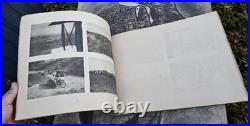
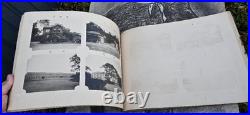
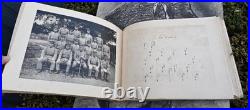
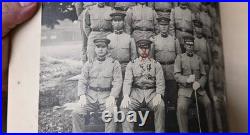
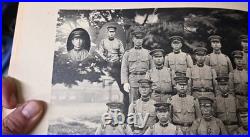
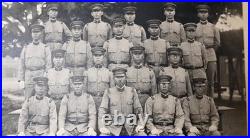
This original graduation photo album was published in. July 1928 (Showa 3). To commemorate the graduation of the. 40th Class of the Imperial Japanese Army Academy. The institution responsible for educating many of Japan’s future military officers. Far more than a simple graduation album, this is an outstanding primary historical document that captures the education of officers who would later shape some of the most significant events in modern Japanese history. The album contains numerous photographs of cadets, instructors, academy buildings, training grounds, military exercises, aircraft, vehicles, and detailed roster pages listing the names of each company and platoon. Among the graduates recorded in this album are officers who later participated in what is known in Japan as the. In 1936 that profoundly influenced Japanese politics and accelerated the growing influence of the military before World War II. The roster also includes. Who later played an important role inside the Japanese Army during the final days of World War II by helping coordinate internal discussions surrounding Japan’s acceptance of the Potsdam Declaration. Another fascinating feature is the inclusion of Chinese military students studying at the academy, providing valuable insight into military exchanges between Japan and China during the late 1920s. The photographs beautifully preserve the appearance of young cadets before they entered history-showing uniforms, field exercises, academy life, military facilities, and the atmosphere of one of Japan’s most prestigious military institutions. For collectors of Imperial Japanese military history, military academies, original photographs, and prewar Japan, this album offers exceptional research value as an authentic primary source rather than a retrospective publication. It is rare to find an original academy graduation album whose members can later be connected to such historically significant events. A remarkable opportunity to own an authentic piece of prewar Japanese military history. Own a Piece of History. International Buyers – Please Note. Thank you for your understanding.

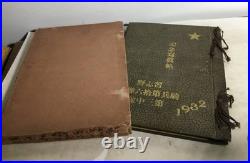
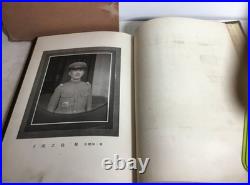
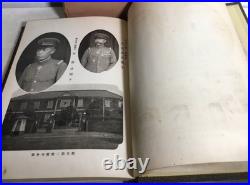
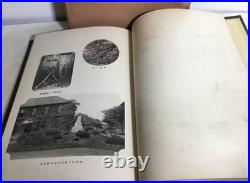
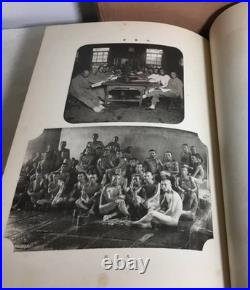
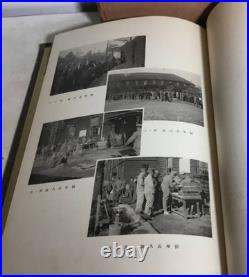
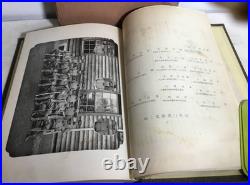
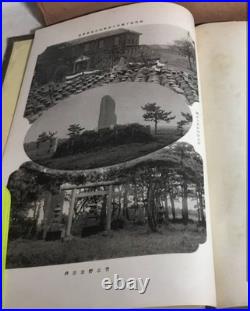
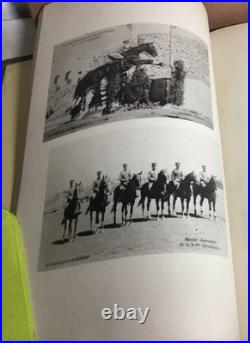
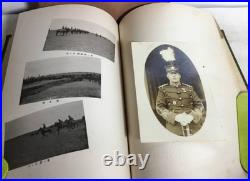
Cover Inscription (faithful reading). Imperial Japanese Army Cavalry 16th Regiment, 3rd Company, Narashino. ? What was the Narashino Cavalry 16th Regiment? One of the Imperial Japanese Army’s cavalry regiments, stationed in Narashino, Chiba Prefecture. Cavalry was considered an elite branch in the modern Army, tasked with reconnaissance, charges, and communications. This album is a commemorative photographic record of the 16th Regiment, 3rd Company, featuring their barracks, training exercises, officers’ portraits, and scenes of soldiers’ daily life. Produced by Kobayashi Photo Studio / Sankosha in a deluxe format. Showa 7 (1932), immediately after the Manchurian Incident (1931-32), when Japan was intensifying its military expansion into mainland China. This site was the Army’s central cavalry base after the Russo-Japanese War, and later became the birthplace of Japan’s paratroop units. To preserve the memory and pride of the unit. For soldiers and their families, such albums served as proof of service and a personal military chronicle. Professionally photographed, printed, and bound in a heavy commemorative album format – clearly intended as an official record and keepsake. ?? Historical Context (1932). 1931: The Manchurian Incident breaks out; Japan occupies northeast China. 1932: Founding of Manchukuo, rising militarism within Japan. Narashino cavalry units intensify training for possible continental deployment. This album is thus a direct product of Japan’s shift into its prewar military buildup. ? Collector’s Appeal. Primary source value: Provides a vivid record of military life, training, commanding officers, and regimental facilities. Rarity: Japanese cavalry was soon replaced by tanks and mechanized units, and the branch itself was abolished after WWII. Surviving photo albums are scarce. Historical importance: An artifact directly tied to Japan’s interwar military expansion following the Manchurian Incident. Artistic value: Clear professional photography, original binding, and preserved storage case. Highly collectible for militaria and Japanese pre-WWII history enthusiasts. International Buyers – Please Note. Thank you for your understanding.

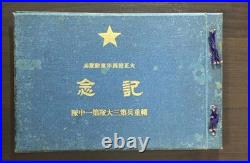
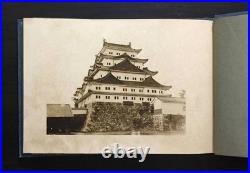
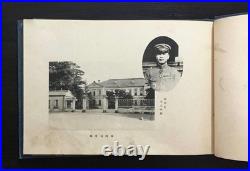
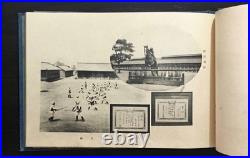
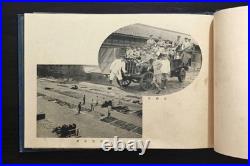
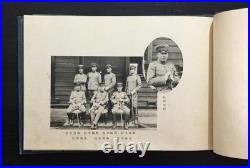
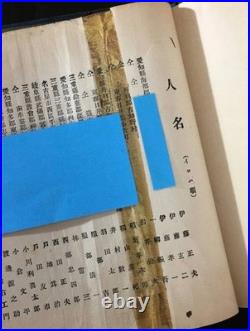
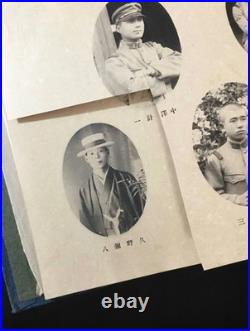
Taisho 14 (1925) discharge commemorative photo album. Imperial Japanese Army Transport Unit, Supply Troops 3rd Battalion 1st Company. Based in Nagoya, Japan. This album opens with a formal portrait of. Lieutenant General Inoue Ikutaro. Beginning the album with a senior general reflects the strict hierarchy and prestige culture of the Imperial Japanese Army. It is followed by a group photograph of officers including. The album then continues into a fascinating visual record of military life and operations, including. Barracks and gate buildings. Horse facilities and cavalry animals. Supply wagons / transport vehicles. Why This Album Matters. The men responsible for food, ammunition, transport, horses, and military supply lines. While infantry often receives the attention, armies move through logistics. Many historians note that Imperial Japan often underestimated supply capacity and long-term logistics. Weak transport networks and shortages later became one factor in military collapse during the Pacific War. Because transport units were less glamorous and often less preserved. Original logistics-related Japanese military items are noticeably scarcer today. That gives this album special appeal. This is not just a military album. It is a rare surviving record of. How armies actually functioned. Early 20th century Japanese military structure. Pre-WWII transport corps history. A strong piece for collectors of militaria, military history, transport history, or rare photo archives. Shows age and use consistent with period. Before soldiers fought, others carried the war forward. Own a Piece of History. International Buyers – Please Note. Thank you for your understanding.

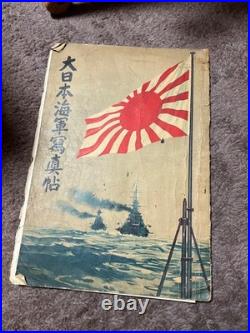
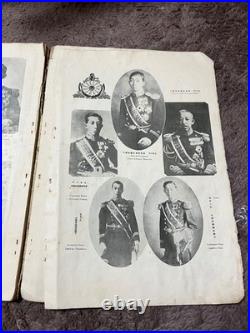
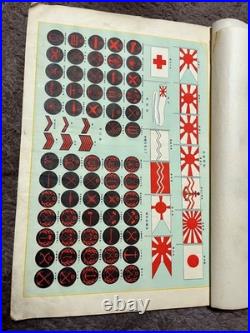
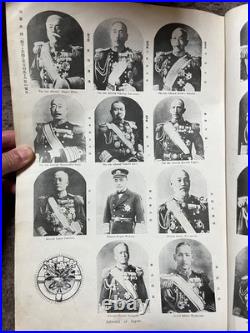
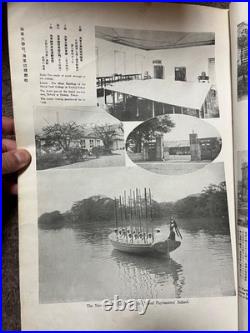
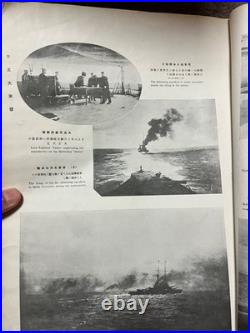
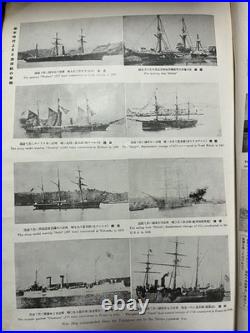
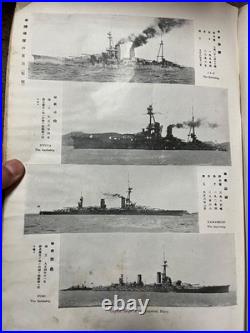
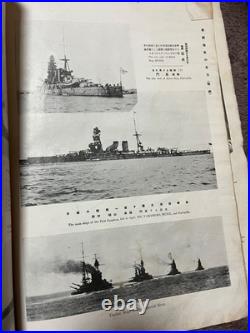
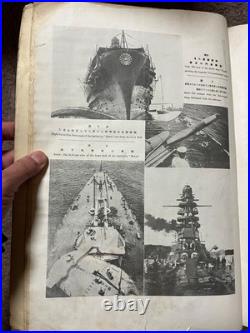
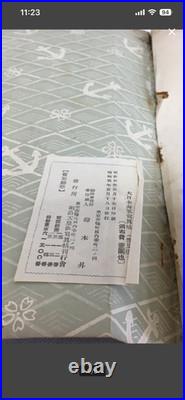
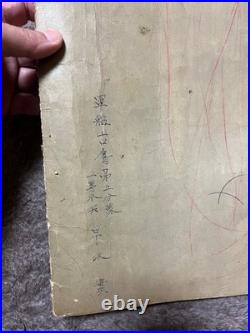
This is an original 1930 Imperial Japanese Navy Photo Album (Showa 5), featuring a comprehensive visual record of the Navy during the interwar period. On the inside back cover, there is a handwritten ownership inscription. Battleship Cruiser Furutaka, 5th Division, Seaman First Class Hayasaka Minoru. The Furutaka was the Imperial Navy’s first true heavy cruiser (built 1926), making this a rare example of a photo album personally owned by a serving crew member. This provenance adds significant historical and collector value. The album provides a sweeping overview of the Imperial Navy from the late Meiji through early Showa period, making it ideal for historians, naval researchers, and collectors of Japanese militaria. Condition shows age-related wear, but the photographs remain clear and impressive, preserving the atmosphere and power of the early 20th-century fleet. Own a genuine piece of Imperial Japanese naval history. Approximate 7-21days(To USA).