
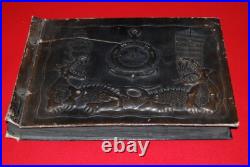
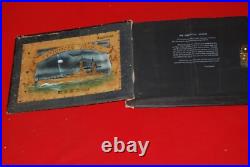
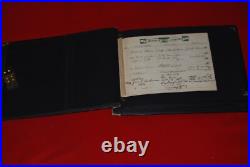
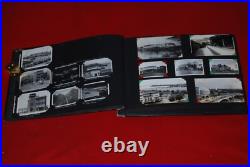
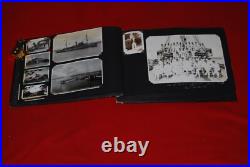
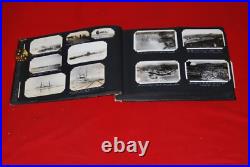
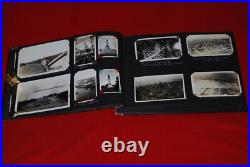
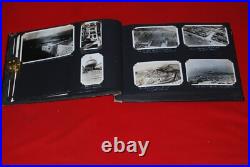
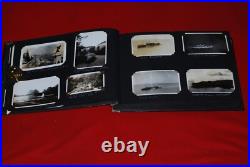
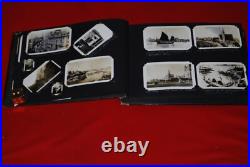
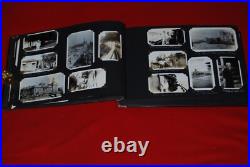
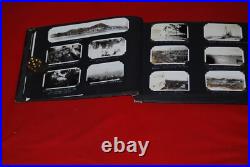
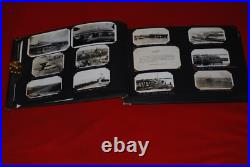
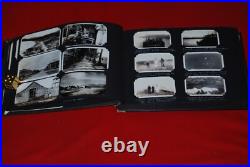
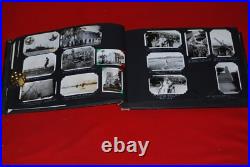
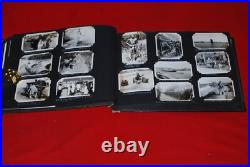
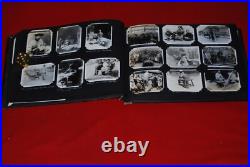
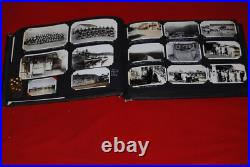
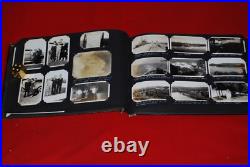
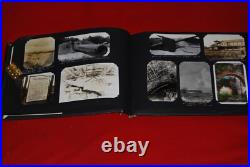
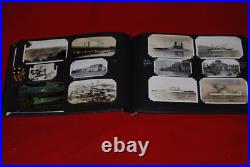
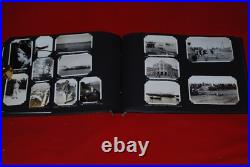
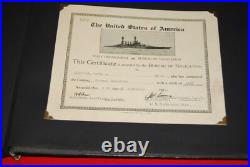


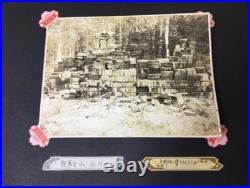
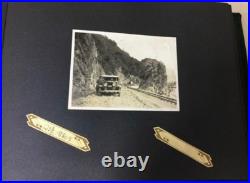
THE PLACE FOR ORIGINAL VINTAGE PHOTOGRAPHS. US NAVY PHOTO ALBUM. “IN MEMORY OF MY CHINA CRUISE”. 46 page leather bound photo album containing over 500+ images with 35+ RPPCs, 15+ tinted images, 12+ postcards. Brazil, Hong Kong, Tsingtao, China, Shang Hai, China, P. USS Jason, V Type fleet sub, LKBP, SP 497, R Boats. Some of the images captioned in white. Thank you for shopping with me.

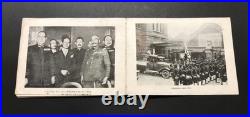
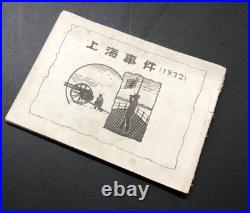
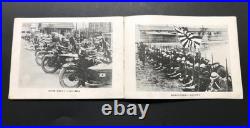
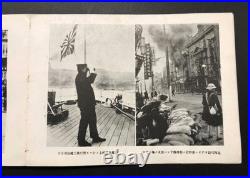
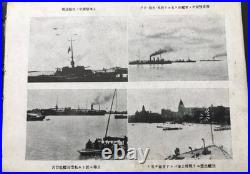
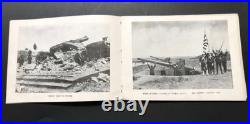
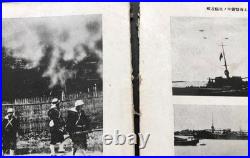
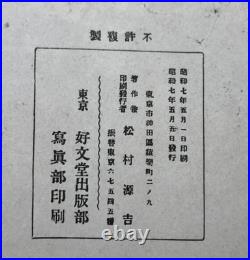
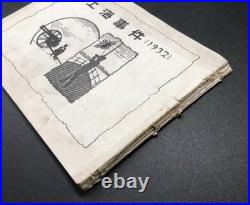
Thank you for viewing this item. This is an original. Photo album documenting the Shanghai Incident of 1932. Published in Showa 7 (1932), during the early stage of conflict between Japan and China. What was the Shanghai Incident? The Shanghai Incident (1932) was one of the first major armed clashes between Japan and China. It began after tensions escalated in Shanghai following an attack on Japanese civilians. In response, Japan deployed military forces to protect its nationals. Chinese forces mobilized in resistance. Fighting broke out in the city. Urban combat spread across Shanghai. In simple terms, this was. A local conflict that rapidly escalated into real war inside a major city. Why this event matters. This conflict is important because. It was a precursor to the full-scale. Second Sino-Japanese War (1937). Imperial Japanese Army and Navy. It took place in. Shanghai, one of the most international cities in Asia at the time. It can be seen as. A “prelude” to a much larger war that followed. About this item. This album contains approximately. Machine gun and artillery units. These are not modern reproductions. How the event was recorded and presented at the time. Why collectors value this. Items like this are valuable because. They were created during the actual period (not later reprints). They visually document real military operations. They are rarely seen outside Japan. History as it was seen in 1932. Not a modern interpretation, but a contemporary record. Age wear, stains, discoloration. Please check photos carefully. Height: 11.0 cm. Width: 14.8 cm. This is more than just a photo book. ? It is a record of. How war began in a city. A moment when tension turned into conflict, captured in real time. Own a Piece of History. International Buyers – Please Note. Thank you for your understanding.

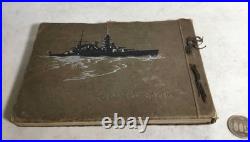
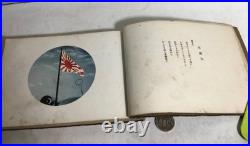
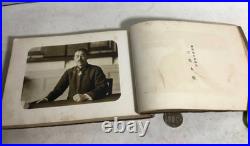
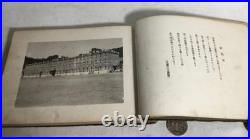
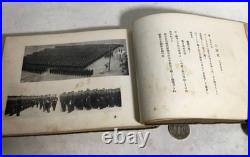
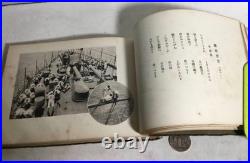
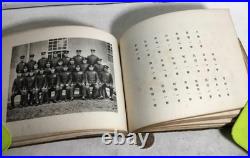
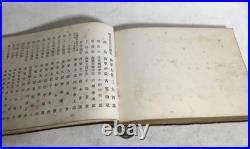
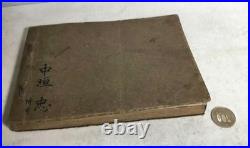
Own a Piece of History. This is an original non-commercial commemorative photo album titled. “1928 Fourth-Class Sailor Training Completion Memorial – Yokosuka Naval Training Corps”. Published in October 1928 (Showa 3). “Yokosuka Naval Training Corps Fourth-Class Sailor Memorial Album Committee, “. At the beginning of the album appears a portrait of. Who served as commander of the Yokosuka Naval Training Corps at the time. Mitsuya Shirou was an Imperial Japanese Navy officer who served aboard major warships including. Battleship Nagato (Vice Captain). Before becoming commander of Yokosuka Naval Training Corps. This gives the album a strong official and historical character rather than being merely a personal scrapbook. The back cover contains a handwritten ownership inscription. “Nakagaki Tadashi – Owner”. Believed to be the original sailor who actually trained at Yokosuka Naval Training Corps. These personal traces are highly valued among collectors because they connect the artifact directly to an individual sailor’s life. This is not simply a military photo album. It is a surviving personal relic from a young Japanese sailor before the Pacific War. Large military formation photographs. Officer and instructor portraits. Military songs and speeches. Rising Sun naval flag imagery. And many other fascinating scenes from early Showa-era Imperial Japanese Navy training life. What Was the Yokosuka Naval Training Corps? The Yokosuka Naval Training Corps was one of the most important training centers of the Imperial Japanese Navy. Young recruits from across Japan were sent here to receive. Before assignment to fleets and warships. This album captures the atmosphere of the Imperial Japanese Navy before the outbreak of the Pacific War. Why Is This Rare? Imperial Japanese Navy materials are significantly rarer than Army items today due to. Destruction of fleets during WWII. Postwar dismantling of the Navy. Limited survival of naval training materials. Albums from naval training corps were usually privately distributed to participants only. Making surviving copies extremely scarce. This example is especially desirable because it includes. Yokosuka Naval Training Corps connection. Captain Mitsuya Shirou portrait. Original handwritten owner identification. Together, these elements create a highly personal and historically important artifact. Used vintage condition with age wear, stains, foxing, scratches, and minor damage. Handwritten ownership inscription on rear cover. 15.2 × 21.6 cm. International Buyers – Please Note. Thank you for your understanding.

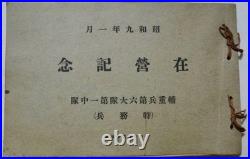
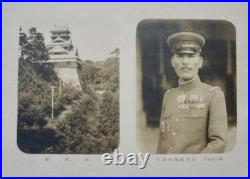
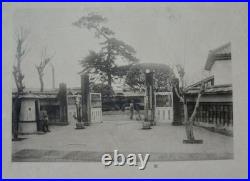
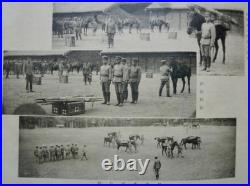
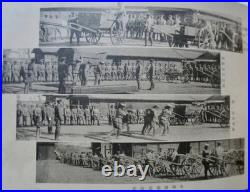
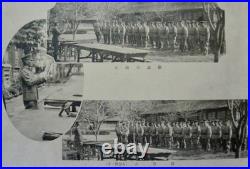
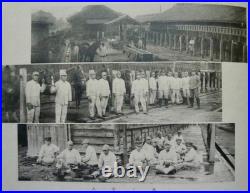
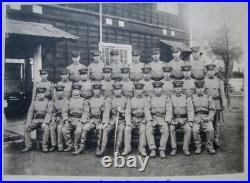
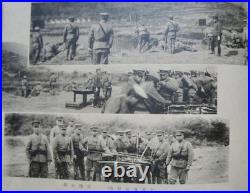
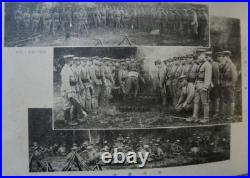
WWII Imperial Japanese Army Transport Troops Photo Album. 6th Division – 1934 (Showa 9). This original commemorative photo album was issued in 1934 for members of the. 6, 1st Company (Special Service Personnel). Of the Imperial Japanese Army. The opening pages include a portrait of Lieutenant General Sakaemon Sakamoto, commander of the 6th Division at the time. The 6th Division was one of the most famous divisions of the Imperial Japanese Army. Originally formed in Kumamoto in 1888, the division participated in numerous major conflicts including. The division later fought in China and ultimately in the Solomon Islands, where many of its soldiers suffered severe losses from starvation and disease after supply lines collapsed. What Makes This Album Unusual. Unlike most surviving Imperial Japanese Army photo albums, which focus on infantry units, this album documents a transport and logistics unit. The Imperial Japanese Army is widely known for placing relatively limited emphasis on logistics compared with other major armies of the period. As a result, surviving materials related to transport troops (Shichohei) are considerably less common than infantry-related items. This album provides a rare visual record of the soldiers responsible for moving food, ammunition, medical supplies, and equipment to the front lines. Roll calls and inspections. Horse grooming and care. Group photographs of personnel. Particularly noteworthy are the numerous photographs showing military horses, transport wagons, and logistical training activities. These images provide valuable insight into a rarely documented branch of the Japanese Army. The album captures military life during the relatively peaceful years between the Manchurian Incident and the outbreak of full-scale war in China. Imperial Japanese Army history. Logistics and supply operations. Rare unit photo albums. Shows age-related wear, staining, and storage marks consistent with age. Please examine all photographs carefully for condition details. A fascinating historical record documenting the often-overlooked soldiers who kept the Imperial Japanese Army moving. Own a Piece of History. International Buyers – Please Note. Thank you for your understanding.

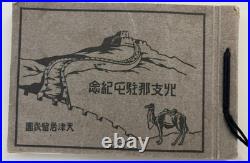
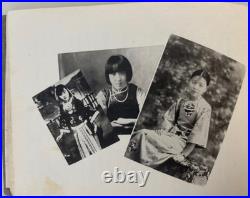
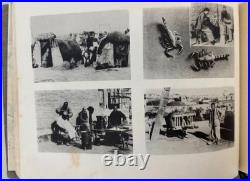
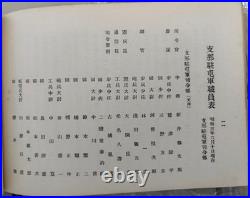
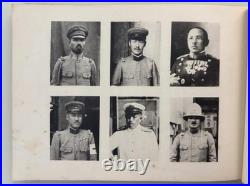
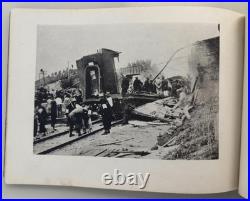
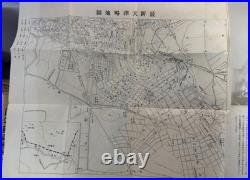
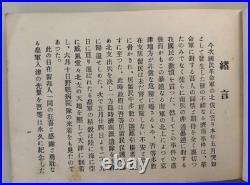
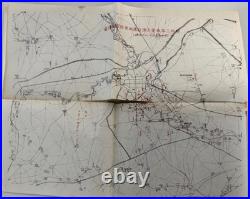
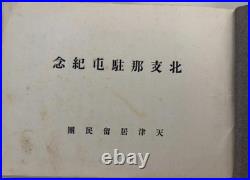
Own a Piece of History. This is an original 1928 (Showa 3) “North China Garrison Commemorative” photo album created by the Japanese Tianjin Resident Association during the turbulent years before the Manchurian Incident and the full-scale Sino-Japanese War. Far more than a simple military album, this book documents the world of the Japanese community living in Tianjin, China, alongside the activities of the Imperial Japanese Army’s North China Garrison forces. What was the Tianjin Resident Association? The Tianjin Resident Association (Tianjin Kyoryumin-dan) was the governing organization of the Japanese settlement in Tianjin, China. At the time, many Japanese civilians lived in Tianjin, including. The association managed the Japanese community and worked closely with the Japanese military presence in North China. This makes the album historically important not only as a military record, but also as documentation of Imperial Japan’s overseas civilian society in China during the 1920s. What was the North China Garrison Army? The North China Garrison Army (China Garrison Army) was a permanent Japanese military force stationed in northern China after the Boxer Rebellion. Guarding railways and strategic interests. Maintaining influence in North China. The force later became one of the foundations of Japan’s expansion into China before the Second Sino-Japanese War. A rare “pre-war empire” historical document. One of the most fascinating aspects of this album is its connection to the political instability surrounding the assassination of Zhang Zuolin (Huanggutun Incident). Photographs of officers and garrison troops. Local Chinese street life. North China cultural scenes. The opening text discusses. Fear among Japanese residents. Deployment of Japanese troops. Worsening instability in North China. This gives the album an unusually raw “before the storm” atmosphere. Rather than documenting the war itself, it captures the fragile period just before Japan’s full expansion into China. The book includes personnel listings for members of the China Garrison Army, including. Colonel Washizu Enpei later promoted to Lt. Colonel Furushiro Taneshu later promoted to Lt. These names add additional historical significance for collectors and researchers. Why is this rare? Most surviving Japanese military albums from China date from after 1937, during the full-scale Sino-Japanese War. This album predates that era. Materials specifically tied to. Japanese civilian settlements in Tianjin. The North China Garrison Army. The Zhang Zuolin assassination period. Pre-Manchurian Incident North China. Are significantly harder to find today. Even rarer are examples that still contain. Political atmosphere of 1928 North China. This is essentially a surviving snapshot of Imperial Japan’s presence in North China before the collapse into full war. 19 × 13 cm. Shows age-related wear including stains, discoloration, scratches, creases, and minor damage consistent with age. Please check all photos carefully. International Buyers – Please Note. Thank you for your understanding.

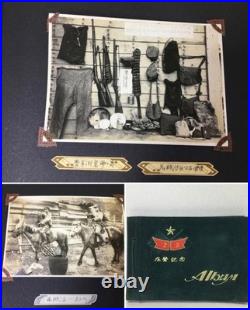
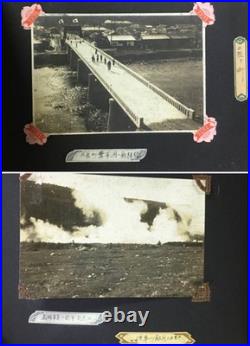
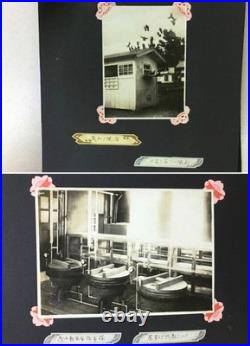
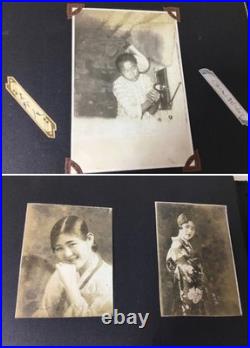
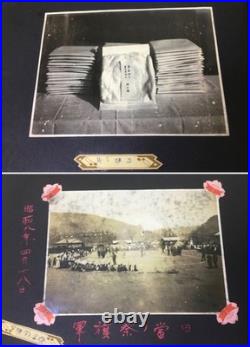
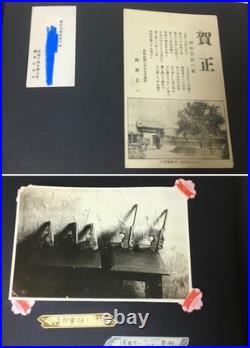
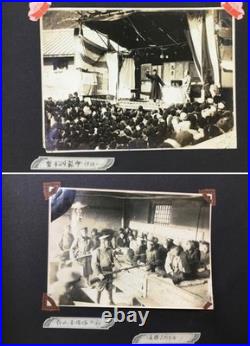
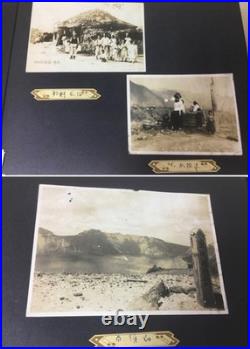
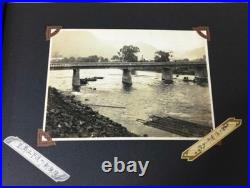
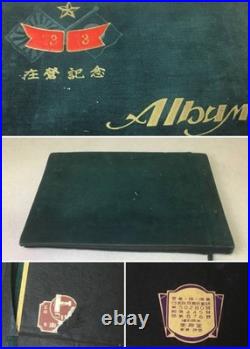
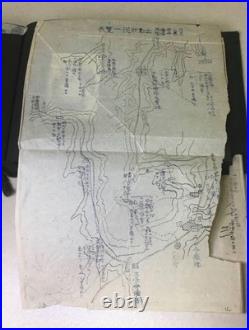
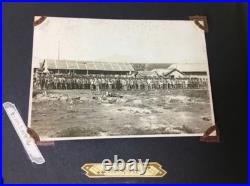
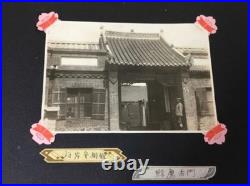
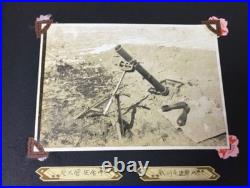
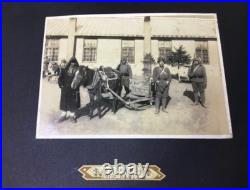
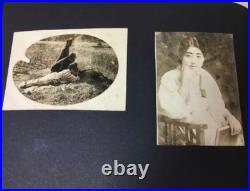
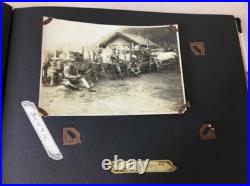
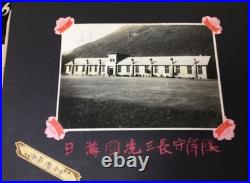
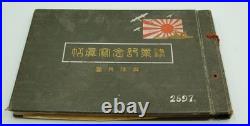
Rare pre-WWII Imperial Japanese Army “Zaiei Kinen” (Active Service Commemorative) photo album related to the 73rd Infantry Regiment. The cover features the red infantry branch collar insignia design with the number “73” and the words “Zaiei Kinen” (In Service Memorial). In the Imperial Japanese Army, red was the branch color of infantry units, and “73” generally refers to the 73rd Infantry Regiment. The 73rd Infantry Regiment was established in 1916 and stationed in Ranam, northern Korea, under the 19th Division. The regiment later participated in. The Battle of Lake Khasan. The Second Sino-Japanese War. WWII campaigns in the Philippines. And eventually ended the war in northern Luzon, Philippines. This album appears to date from around 1933 (Showa 8), shortly after the establishment of Manchukuo. The contents include many identified locations and captions such as. Mobilization / deployment status chart. The album contains approximately 41 photographs (various sizes), including. Horses and cavalry transport. Military facilities and guard posts. Mortar or artillery-related equipment. Korean and Manchurian local life. Public performances and gatherings. Rare operational deployment chart. What makes this album especially interesting is that it is not merely a military souvenir album. It documents daily life and military presence along the unstable frontier regions of Korea, Manchuria, and northern China during the early expansion period of the Japanese Empire. The included “deployment status chart” gives the album additional historical and archival significance. This is the kind of material that appeals not only to militaria collectors, but also researchers of. Some pages missing photographs. One deployment chart has tears. Please check the photos carefully for condition details. A powerful and atmospheric historical album from the forgotten frontiers of the Japanese Empire. Own a Piece of History. International Buyers – Please Note. Thank you for your understanding.

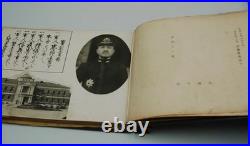
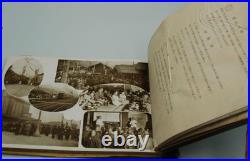
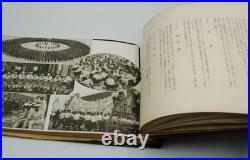
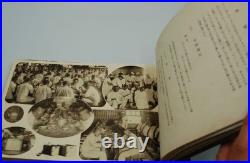
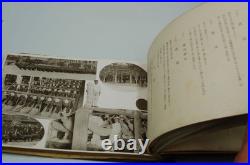
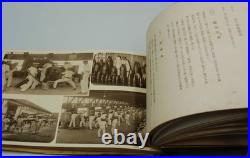
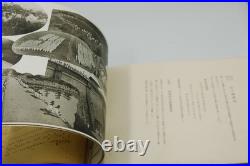
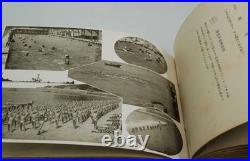
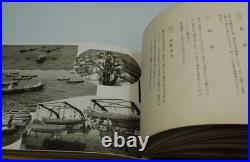
Offered here is an original. Kure Naval Training Corps commemorative photo album. Documenting recruits who entered service in. June 1937 (Showa 12). This album begins with highly significant introductory pages featuring a portrait of. Vice Admiral Takayoshi Kato. Then Commander-in-Chief of the. (later promoted to full Admiral), along with the famous. Five Articles for Military Personnel. Reflecting the discipline, values, and ideology expected of Imperial Japanese servicemen. It is far more than a simple graduation album. The following pages contain numerous original photographs showing the real training life of new sailors at the Kure Naval Training Corps, including. Cutter / rowing boat exercises. Formation drills and physical training. Mess hall scenes and daily life. Inspections and barracks discipline. Group portraits and base surroundings. Kure Naval Training Corps. Was one of the most important recruit training centers of the Imperial Japanese Navy, supporting the powerful Kure Naval District. Is especially important, as it marks the outbreak of the. And the rapid expansion of Japan’s wartime military system. This album captures the moment when ordinary young men were being transformed into wartime sailors. Original binding cord missing. Inner hinge repaired with glue. Child scribbles on reverse of 2-3 pages. About two caption tissue pages missing. Despite condition flaws, the historical and visual value remains very strong. This is an excellent primary-source piece for collectors of naval militaria, pre-war Japan, or military training history. Own a Piece of History. International Buyers – Please Note. Thank you for your understanding.

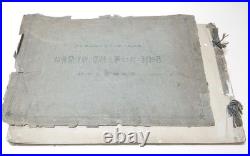
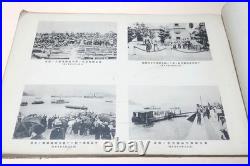
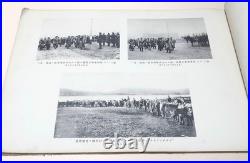
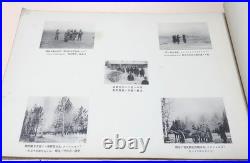
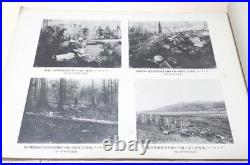
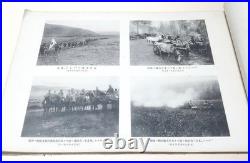
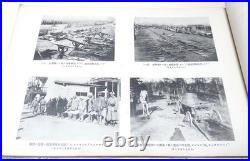
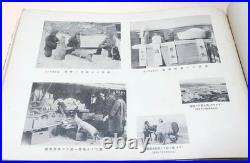
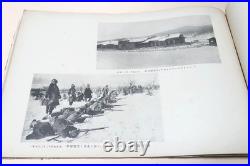
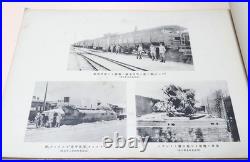
This item is an official, non-commercial photo album compiled by the Imperial Japanese Army 5th Division Headquarters, based in Hiroshima, during the period of the Siberian Intervention. The photographs document the activities of the 5th Division between August 1919 and July 1920, including military operations, troop movements, logistics, encampments, transportation, and daily life in Siberia and the Russian Far East. This album was not intended for public sale and was produced as an internal military record. As a result, surviving copies are limited, and such albums are rarely encountered on the open market today. What Was the Siberian Intervention? Japan, Britain, the United States, France, and other Allied powers. (Japan deployed the largest force). Siberia and the Russian Far East (primarily east of Lake Baikal). Officially to assist the evacuation of the Czechoslovak Legion and stabilize the region after the Russian Revolution; Japan also pursued its own strategic interests. Deployment of troops, occupation, security operations, and logistics. Japan dispatched over 70,000 soldiers, remaining in Siberia even after other Allied forces withdrew, before ultimately evacuating under international pressure. About the Imperial Japanese Army 5th Division. The 5th Division was one of Japan’s long-established standing divisions, headquartered in Hiroshima. It participated in major conflicts including the Sino-Japanese War, Russo-Japanese War, World War I-era operations, and the Siberian Intervention. During the Siberian campaign, the division was responsible for operations and long-term deployment under severe climatic conditions. The division was later reorganized and ultimately dissolved with the disbandment of the Imperial Japanese Army in 1945. About This Album. This album is not a commemorative or propaganda publication in the modern sense, but rather a documentary military record created by the unit itself. Infantry, cavalry, artillery, and logistics units. Field operations and troop formations. Railway transport and supply activities. Encampments and winter conditions. Officers and unit group photographs. Its value lies in its documentary and historical significance as a primary source. Size & Condition. 27 × 39 cm. Visible wear, edge damage, and binding deterioration consistent with age. Condition does not detract from research or reference value. A rare non-commercial primary source documenting the Imperial Japanese Army’s Siberian operations through the lens of a single division. Appealing to collectors and researchers of military history, early 20th-century geopolitics, and archival photography. Approximate 7-21days(To USA).

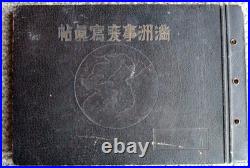
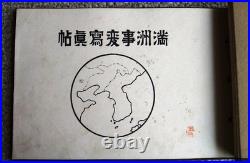
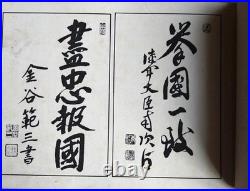
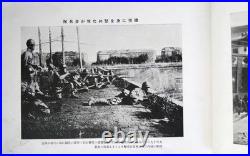
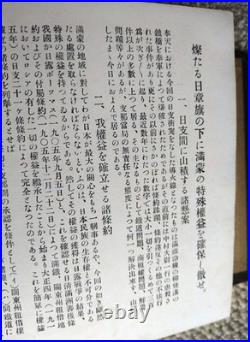
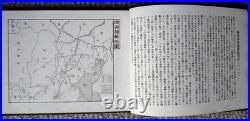
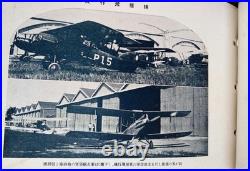


Here is an original Japanese photo album documenting the early stage of the conflict known as the Manchurian Incident (1931). What is the Manchurian Incident? The Manchurian Incident began in 1931, when the Imperial Japanese Army advanced into northeastern China (Manchuria). This event led to the creation of Manchukuo and ultimately expanded into the larger conflicts of the Second Sino-Japanese War and World War II in the Pacific. ? This is one of the earliest visual records of the war that would reshape Asia. Early war photographs (infantry, artillery, occupation scenes). Imperial Japanese military aircraft and airfields. Urban control and railway infrastructure (South Manchuria Railway context). Strategic maps of Manchuria. Original wartime Japanese perspective (propaganda material). This is not just a photo book-it is a visual narrative of how the war was presented to the Japanese public. Why This Matters. Unlike later wartime publications, this album captures the early phase of the conflict, before the war expanded into full-scale global warfare. The beginning of Japanese expansion. The role of military and infrastructure. The atmosphere of a nation entering war. Cover shows wear, fading, and aging. Missing colophon page (publication details inferred from content and style). Interior pages and photographs are in relatively good condition for age. Please check photos carefully. Early Imperial Japanese military documentation. Manchuria / Manchukuo historical material. Wartime propaganda and visual culture. Perfect for collectors, historians, and researchers. Own a Piece of History. International Buyers – Please Note. Thank you for your understanding.

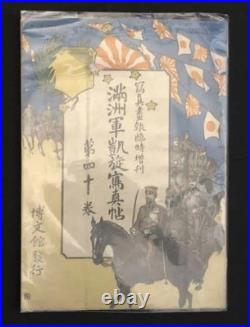
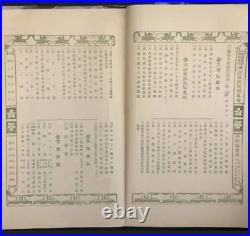
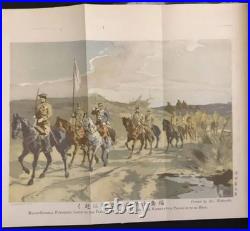
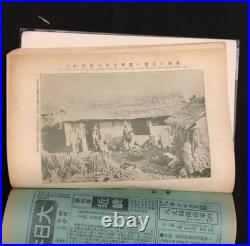
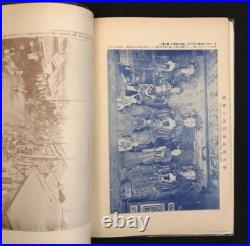
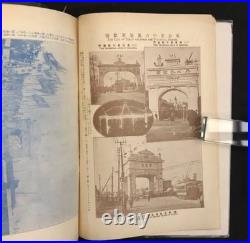
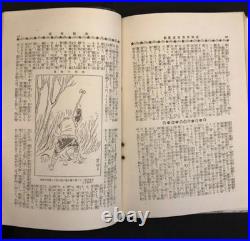
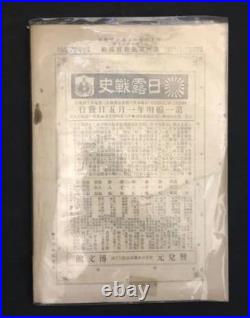
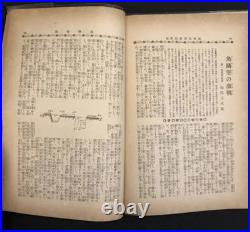
This is the “Manchurian Army Victory Photo Album” Vol. 40, published in 1906 by Hakubunkan as a special issue of the Shashin Gaho (Pictorial Magazine). About the Russo-Japanese War. It marked the first time an Asian power defeated a European empire in modern warfare, and had a major impact on world history. The “Manchurian Army” refers to the Japanese Army forces dispatched to Manchuria (present-day Northeast China), where they fought decisive battles such as the Siege of Port Arthur and the Battle of Mukden. Contents of this Album. Includes a vivid color lithograph frontispiece depicting Major General Fukushima and troops marching in triumph. Rich with battlefield photographs, illustrations, soldiers’ accounts, and war reports, vividly recording the atmosphere of the era. This album served as both a commemorative publication of Japan’s victory and a record for the home front. Today, it remains an invaluable historical reference for collectors and researchers of the Russo-Japanese War and modern Japanese military history. Approximate 7-21days(To USA).