
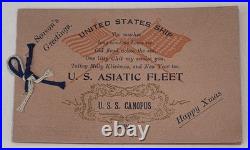
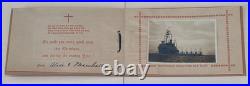
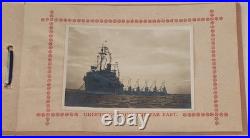

Asiatic Fleet Crew Christmas Card U. Card is in immaculate condition. Card measures 5.5″ x 3.5″. Guaranteed to be original/authentic/vintage. If you are not satisfied with the card, I will gladly take it back. I want you happy.

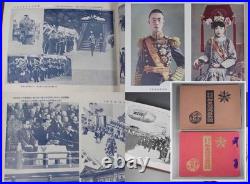
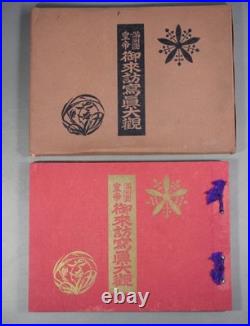
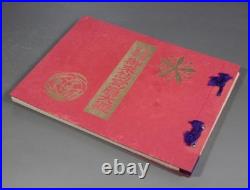

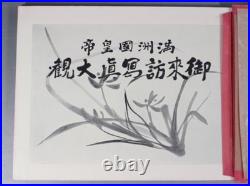
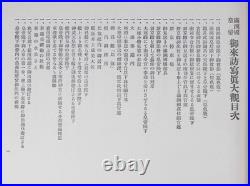
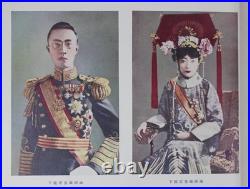
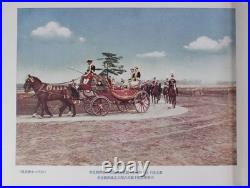
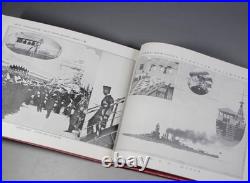
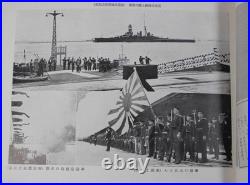
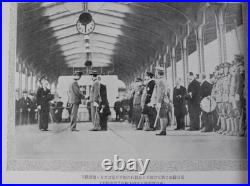
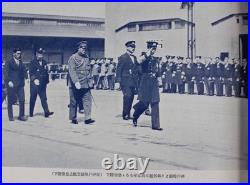
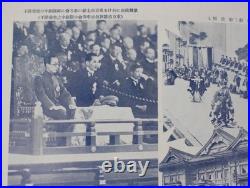
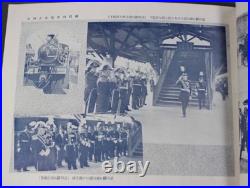
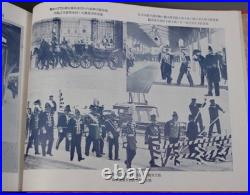
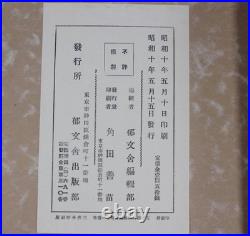
Thank you for your interest. This is an original photo album documenting the official visit of. Manchukuo Emperor Puyi to Japan in 1935 (Showa 10). Who was Puyi? The last Emperor of the Qing Dynasty (China). Later installed as the Emperor of Manchukuo under Japanese influence. He represents a unique figure in world history. ? A fallen emperor turned into the symbolic ruler of a newly created state. Why did he visit Japan in 1935? This visit was not a casual trip. ? A major political and ceremonial event to demonstrate the alliance between Imperial Japan and Manchukuo. During this visit, Puyi. Was formally welcomed at major stations and cities. Inspected military units (Army & Navy). Attended official ceremonies and state events. ? In essence, this was a carefully staged political performance. What this album contains. This album visually records that historic visit, including. Arrival scenes at railway stations. Military parades and ceremonial formations. Official receptions and processions. ? It is a primary historical record, not a later reproduction. Why this item is rare. This piece stands out because. This album documents a specific, short-lived event. It combines photographs + printed explanations. Original binding and storage case are still present. ? Items like this rarely appear on the market. Age-related stains, wear, and discoloration. Damage to outer case. Signs of use consistent with age. Please check photos carefully for details. Collector’s perspective. This is more than a photo album. ? A visual record of a vanished state. ? A document of Imperial Japan’s political narrative. ? A rare surviving piece of 20th-century history. Own a Piece of History. International Buyers – Please Note. Thank you for your understanding.

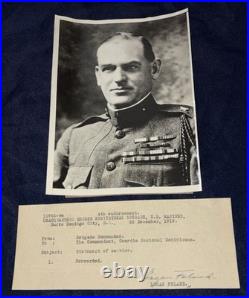
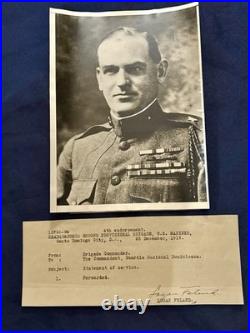
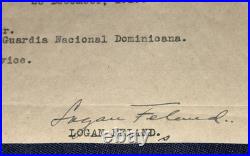
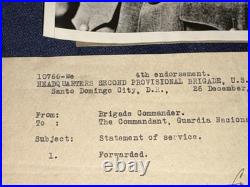
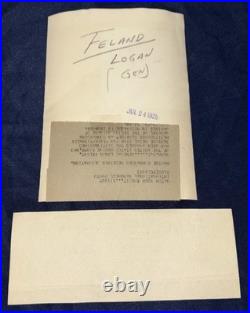
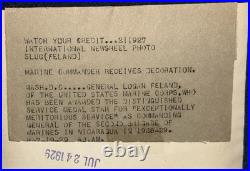
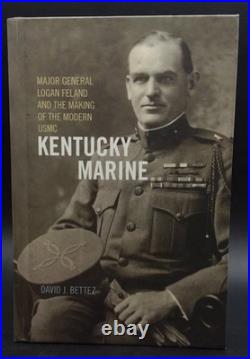
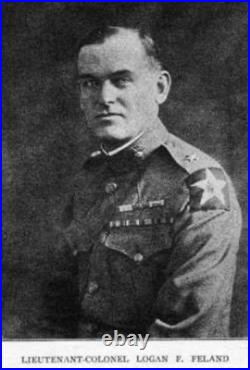
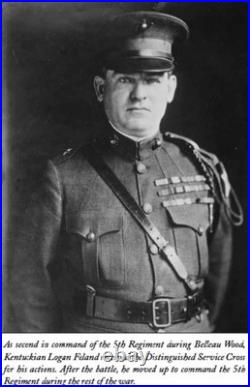
Rare original 1920’s photograph and 1919 dated signature of Logan Feland, a General in the Marine Corps who was awarded the Distinguished Service Cross, 5 Silver Stars and the Navy and Army Distinguished Service Medals during WW1 and was commander of the 5th Regiment. He is prominently noted for his heroic actions at Belleau Wood and as commander at Soissons, Blanc Mont and the Argonne. His original signature comes from when he was commander of the 2nd Brigade and part of the Guardia Nacional Dominicana in 1919.

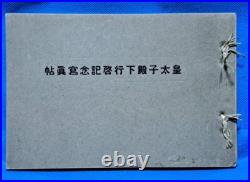
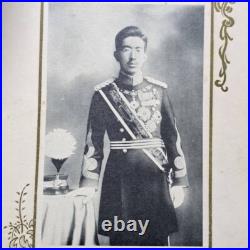
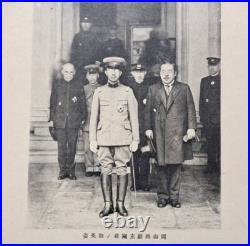
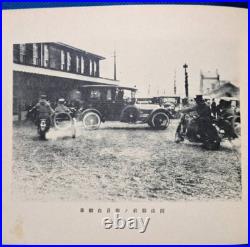
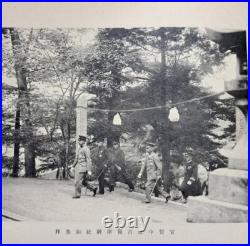
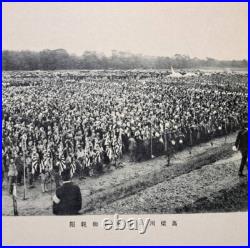
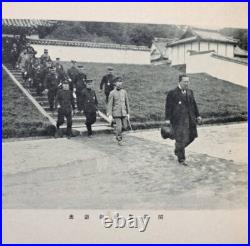
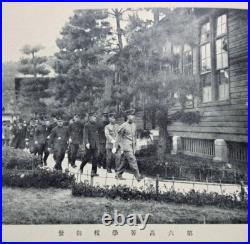
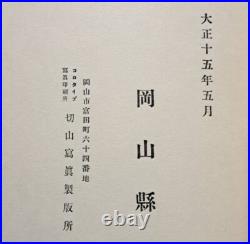

This extremely rare photo album documents a pivotal moment in modern Japanese history-the final provincial tour of Crown Prince Hirohito (later Emperor Showa) before his ascension to the Chrysanthemum Throne. Conducted in May 1926, just months before Emperor Taisho’s death, this tour to Okayama Prefecture symbolized not only continuity of imperial tradition, but also the coming of a new era. At only 25 years old, Hirohito was already serving as regent due to his father’s failing health. His travels across Japan were carefully observed by both the Japanese public and political elites, as they represented the emergence of a new national figurehead during a time of rapid modernization and political uncertainty. This particular album-privately published in Okayama-features. Hirohito’s visit to the prestigious Sixth High School (a key feeder to Tokyo Imperial University). Ceremonial appearances at Kibitsu Shrine and Okayama Castle. Photographs of cheering crowds, imperial motorcades, and students saluting the Crown Prince. Exceptional candid shots reflecting imperial pageantry and authority. As Emperor Showa, Hirohito would later reign through Japan’s most tumultuous era-spanning militarization, war, defeat, and postwar reconstruction. This album offers an intimate look at the young man who would become the longest-reigning monarch in Japanese history and one of the most complex political figures of the 20th century. Publisher: Kiriyama Photo Studio, Okayama. 15 × 22.5 cm. Condition: Wear, staining, and aging present. Please examine images carefully. A rare and historically significant artifact. Ideal for collectors of prewar Japan, imperial memorabilia, or Hirohito-related history. Approximate 7-21days(To USA).

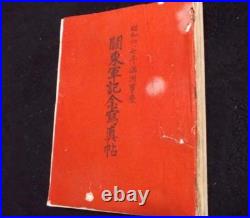
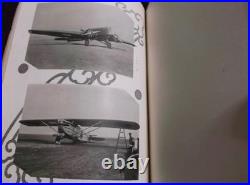
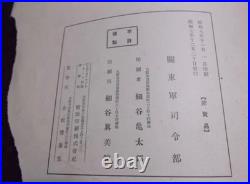
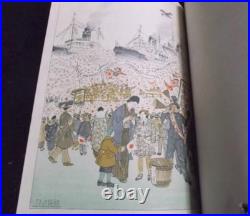
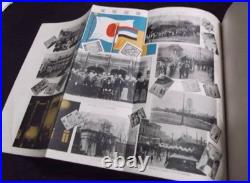
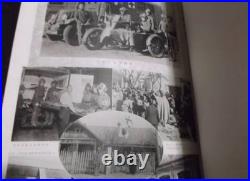
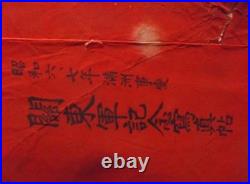
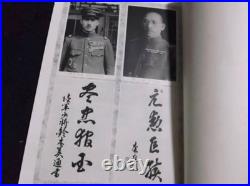
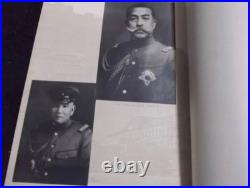
Rare historical photo album documenting the early period of the Manchurian Incident. The book was issued by the Kwantung Army Headquarters, the Japanese Imperial Army force stationed in Manchuria (northeastern China). Rather than a commercial publication, this type of book was typically produced for military personnel or related officials as a commemorative historical record. The Kwantung Army was one of the most influential military forces of Imperial Japan. Originally established to protect Japanese interests and the South Manchuria Railway, it later became the main military force involved in the events that triggered the Manchurian Incident in 1931. The Manchurian Incident marked a major turning point in East Asian history. Following the conflict, Japan established the state of Manchukuo, and the region became a central stage for the political and military developments that eventually led to the Second World War in Asia. Contents of the Book. This album contains many photographs and illustrations documenting that period, including. Portraits of senior Japanese military commanders. Military operations and units of the Kwantung Army. Military vehicles and medical units. Scenes from cities and daily life in Manchuria. Early Japanese military aircraft. Public ceremonies and historical events. The book is a large-format photo album approx. 31 cm with many photographic plates. Why This Book Is Rare. After World War II, during the Allied occupation of Japan under GHQ, large quantities of wartime materials were confiscated or destroyed. Military publications, aviation-related documents, and wartime records were especially affected. Additionally, Japan was prohibited from manufacturing aircraft for several years after the war. Because of this, many pre-war Japanese military and aviation publications did not survive, making original photo albums from this era increasingly scarce today. Cover wear and stains. Minor damage consistent with age. Please review the photos carefully for details. Large photo album format. International Buyers – Please Note. Thank you for your understanding.

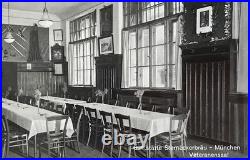
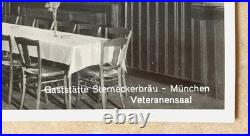
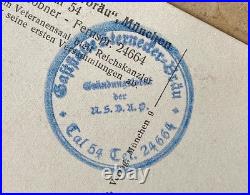
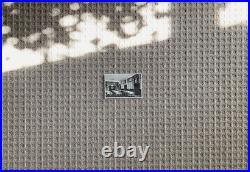

PRE-WW2 GERMAN NATIONAL SOCIALIST PARTY MUSEUM MÜNCHEN 1933 PHOTO POSTCARD RPPC. PRE-WW2 GERMAN – NATIONAL SOCIALIST PARTY MUSEUM MÜNCHEN 1933. PRE-WW2 GERMAN NATIONAL SOCIALIST PARTY MUSEUM MÜNCHEN named. From 1933 until WW2’s end it served as an official national socialist party museum, when the room that served as the early headquarters of the national socialist party was turned into a small museum in 1933. CAPTIONED IN THE LOWER RIGHT NEGATIVE. Gaststätte Sterneckerbräu – München. Sterneckerbräu Restaurant – Munich. IMPRINT ON THE REVERSE. Toni Gröbner – Fernspr. Hier in diesem Veteranensaal. (WW2 German Leader) seine ersten Versammlungen ab. Owner: Toni Gröbner – Telephone. Here in this veterans’ hall. Reich Chancellor (WW2 German Leader) held his first rallies. Jakob Feldbauer, Verlag, München 9. OFFICIAL RESTAURANT / INN’S HAND STAMP ON THE REVERSE AS A FOUNDING MEMBER OF THE NATIONAL SOCIALISTS. Gaststätte “Sterneckerbräu” Brau München. Gallndungaster der (NATIONAL SOCIALIST PARTY). Street number 54 Tel. Founding member of the (NATIONAL SOCIALIST PARTY). VERY SHARP FOCUS WITH VERY FINE CONTRAST. CONDITION IS EXTREMELY VERY FINE FROM ITS 92+ YEARS. THIS IS NOT A REPRODUCTION OR A COPY.

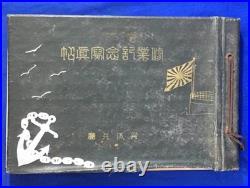
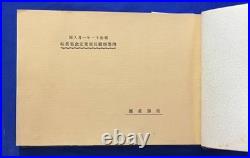
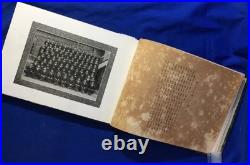
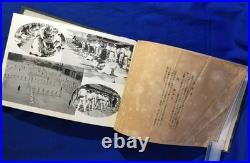
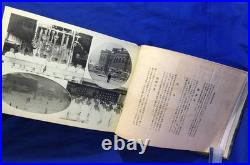
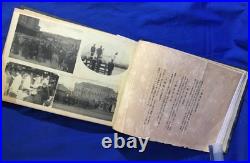
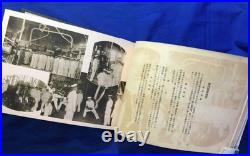
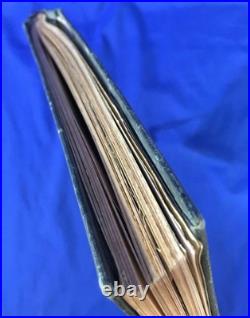
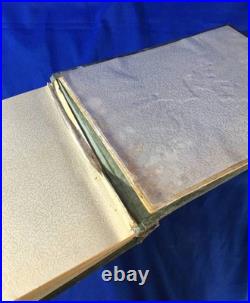
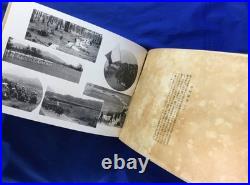
Original Imperial Japanese Navy photo album documenting the training and graduation of 4th Class Engine Room Sailors (Kikanhei) at the Kure Naval Training Corps (Kure Kaheidan) in January, 1936 (Showa 11). About the Kure Naval Training Corps. Kure Kaheidan was one of Japan’s four major naval recruit training bases, along with Yokosuka, Sasebo, and Maizuru. Located in Hiroshima Prefecture, Kure was the home of the Kure Naval Arsenal, which built the legendary battleships Yamato and Nagato. All new recruits to the Imperial Navy underwent basic training here-covering discipline, drill, seamanship, gunnery, signaling, and engineering-before joining the fleet. About Engine Room Sailors (Kikanhei). Engine room sailors were the technical backbone of the fleet, responsible for maintaining and operating boilers, turbines, and generators-the “heart” of a warship. As 4th Class trainees, they began their service at the lowest rank, learning steam and mechanical systems through practical exercises in the engine room. Scenes of the enlistment ceremony and first day of training. Physical and drill exercises, marksmanship, and engineering instruction. Photos of boiler and machinery training. A visit to the Imperial Japanese Naval Academy (Etajima). Recreation and morale events. Each section is accompanied by original period captions, vividly illustrating the strict yet proud life of Imperial Navy recruits before the Pacific War. The front cover board is torn, and some pages with text show creases or tears. Photographs remain clear and well-preserved overall. Considering its age (nearly 90 years old), the condition is good for display or research. A highly valuable prewar Japanese Navy artifact, documenting the training of the men who powered the fleet from below decks. An authentic “engine room view” of the Imperial Navy before the Pacific War. Own a Piece of History. International Buyers – Please Note. Thank you for your understanding.

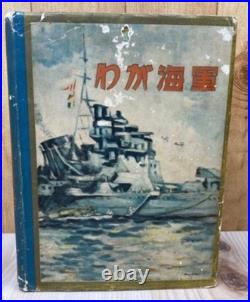
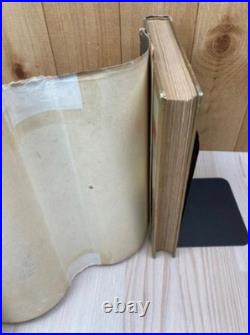

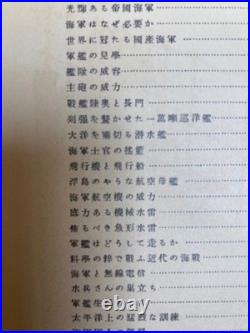
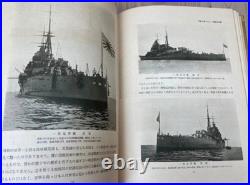
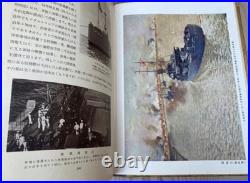
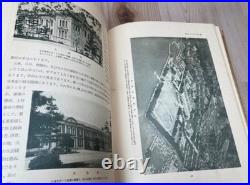
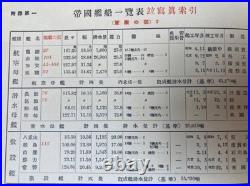
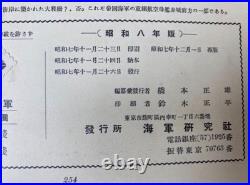
The book was issued by a naval research publisher in Tokyo and presents the true contemporary view of Japan’s naval power before WWII, not a postwar reprint or retrospective work. What this book contains. Battleships, cruisers, aircraft carriers, and submarines of the Imperial Japanese Navy. Naval aviation, seaplanes, and flight operations. Torpedoes, naval mines, and modern naval weapons. Sailors’ daily life, onboard operations, and training scenes. Naval ports, facilities, and fleet overviews with specifications. The volume is heavily illustrated with authentic period photographs, allowing collectors to visually study the IJN at its peak development stage. Published years before the Pacific War, this book reflects how the Imperial Japanese Navy presented its strength to the public at the time. It is a valuable primary source for researchers, historians, and serious naval collectors. Unlike modern publications, this book preserves the original language, layout, photography, and ideology of the era. Visible age wear, edge wear, and toning due to age. Pages and photographs are present as shown. Please review all photos carefully. This is an authentic vintage item, not a reproduction. Approximate 7-21days(To USA).

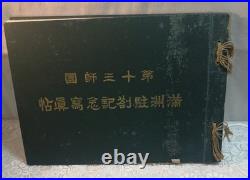
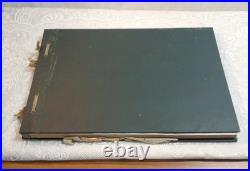
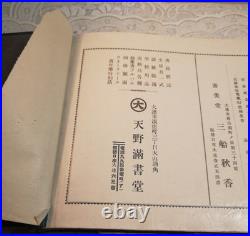
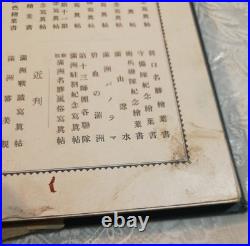
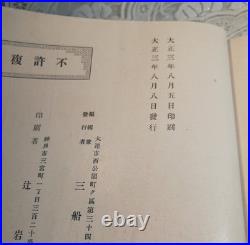
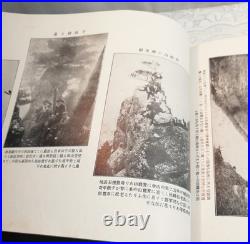
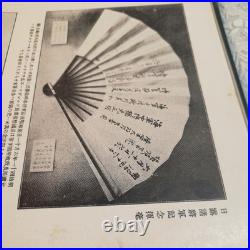
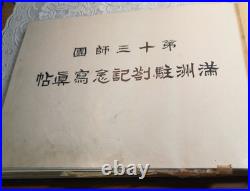
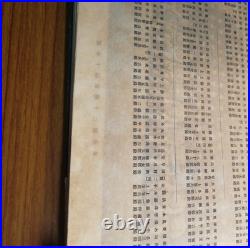
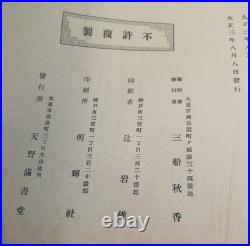
Transcription of Cover & Colophon. Cover: ” ” (13th Division – Manchuria Garrison Commemorative Photo Album). Title Page: same inscription. Heading:?? (Reproduction Prohibited). Publisher: Amano Mando Shodo (, Dairen). Editor: Mifune Shuko (, Dairen City). Printer: Iwao Tsuji / Printing House: Meiki-sha (, Kobe). Date: Printed August 5, 1914 / Published August 8, 1914 (Taisho 3). Rear matter: publisher’s advertisement for similar military albums. An official commemorative album published in 1914 (Taisho 3) by the Imperial Japanese Army 13th Division, marking its garrison duty in Manchuria (Manchukuo). Produced in Dairen (Dalian) by the Amano Mando Shodo bookshop, it is a large-format, limited-distribution volume containing photos of the division’s soldiers, facilities, commemorative items, local scenery, and even personnel rosters. These albums were non-commercial publications, intended for distribution within the unit and related circles. Following the Russo-Japanese War, Japan controlled the Kwantung Leased Territory and South Manchuria Railway Zone. This album documents the 13th Division’s stationing period there, just as Japan consolidated its position in northeast China on the eve of World War I. Published in Dairen (modern Dalian, Liaoning Province). The photographs include Dairen, Mukden (Shenyang), Changchun, and the Liao River basin, showing both military installations and regional landscapes. It provides a rare visual record of Japanese garrison life in Manchuria at the time. The 13th Division, created in 1898 after the First Sino-Japanese War, was a permanent IJA formation drawing recruits mainly from western Japan. This album visually documents its officers, enlisted men, facilities, and even supporting organizations during their Manchurian deployment. Why is it important? Primary source: Complete with publisher and imprint, confirming Dairen as the place of publication. Includes photos, rosters, commemorative objects, and facilities, giving a full overview of garrison life. Regional history value: Beyond the military focus, it captures urban landscapes, transport, bridges, markets, and rural scenery-a rich visual record of Manchuria in the 1910s. Rarity: “Commemorative Garrison Albums” from the Taisho era are significantly rarer than later Showa Incident Albums. Survival rate is very low, making this highly desirable for collectors of military history, Asian studies, and colonial-era publications. How was it made? Large horizontal format, Japanese binding style, with gilt-titled cover and decorative cords. Edited by Mifune Shuko; published by Amano Mando Shodo, Dairen; printed by Meiki-sha, Kobe. Content includes: unit gates and barracks, group portraits, officers and enlisted men, commemorative fans and flags, monuments, scenic views of Manchuria, and name lists. 13th Division: A permanent IJA division raised after the Sino-Japanese War; active in Russo-Japanese War and later overseas garrison/security roles. Manchuria (/ Manchukuo): Northeastern China, including Liaodong, Mukden, Changchun, Harbin. Japan held the Kwantung Leased Territory and railway zones after 1905. “Commemorative Garrison Album” : A limited-edition publication, produced by military units in cooperation with local publishers, distributed to soldiers, families, and patrons to mark garrison service. Exterior: age-related rubbing, edge wear, minor loss, fraying cords. Interior: overall very good, strong print contrast, fully legible. What you see in the photos is everything included. Please check images for details. Clearly dated 1914 (Taisho 3) and published in Dairen, giving it both historical and geographic precision. Combines military photographs + regional landscapes + rosters + full imprint, making it a versatile source for collectors and researchers alike. Considerably rarer than the more common Showa-era Incident Albums. Strong crossover appeal to collectors of Manchuria, Kwantung Leased Territory, Japanese Army divisional history. This item is offered strictly as a historical document. It is not intended to promote or glorify any ideology. Inquiries welcome – additional detail photos can be provided upon request. International Buyers – Please Note. Thank you for your understanding.

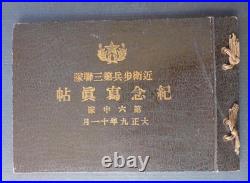
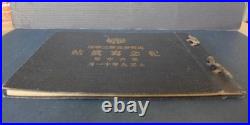
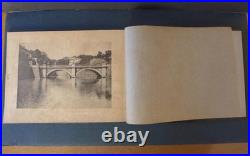
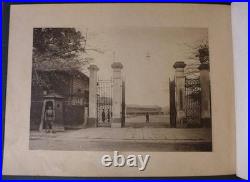
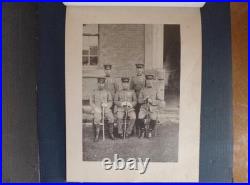
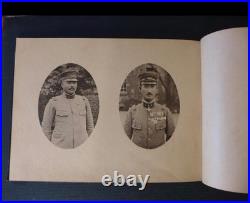
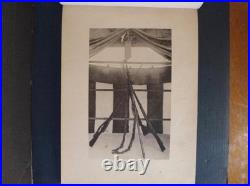
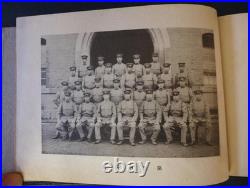
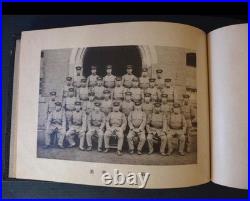
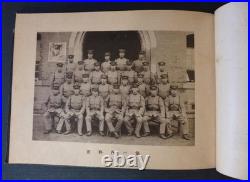
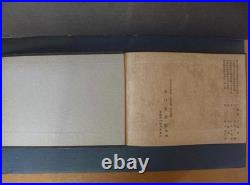
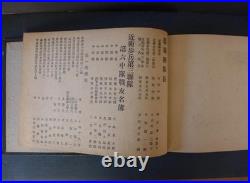
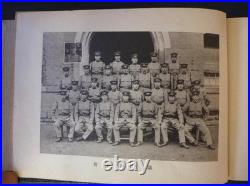
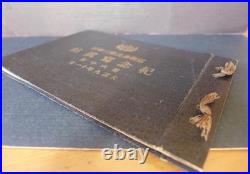


Original unit photo album dated November 1920. 6th Company of the 3rd Imperial Guard Infantry Regiment. Of the Imperial Japanese Army. About the Imperial Japanese Royal Guard. Imperial Guard (Royal Guard). Was an elite formation tasked with the. Direct protection of the Emperor, the Imperial Palace, and the capital of Tokyo. Only soldiers who passed strict screening-covering. Physical ability, conduct, ideology, and loyalty. As a result, records from Guard units are. Than those of ordinary infantry regiments. 3rd Guard Infantry Regiment. Established in 1885, was stationed in. (the area of today’s Akasaka district) and served as a core unit of the Imperial Guard Division. About This Album (6th Company). This album focuses specifically on the. Not the regiment in general, making it a. Rare, company-level primary source. Guard barracks and gate views in Akasaka. Group portraits organized by internal squads. Individual portraits of officers, NCOs, and enlisted soldiers. Daily life inside the Guard barracks. At the end of the album is a. Listing the men who served together in this company-an invaluable resource for historical and genealogical research. Historical Context – Year 1920. November 1920 falls shortly after. During Japan’s rise as a major world power. This was a transitional period-calm on the surface, yet quietly tense-before the political and military upheavals of the 1930s. The soldiers shown here would later live through the. Entire arc of pre-war, wartime, and post-war Japan. Fate of the Regiment. The 3rd Guard Infantry Regiment later participated in. The regiment ultimately surrendered in. In 1945 and ceremonially burned its regimental colors, marking the end of its 60-year history. Age-related toning, spots, and wear consistent with a 100+ year old item. No major losses; well preserved as a historical document. Not a decorative album. Genuine primary historical record. From one of Japan’s most elite military formations. Approximate 7-21days(To USA).