
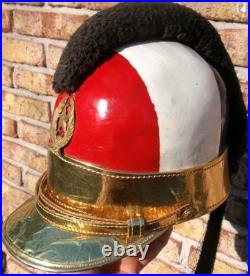
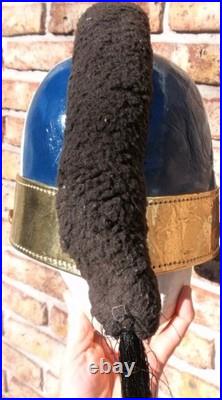
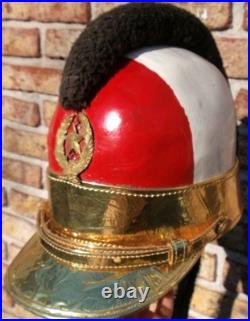
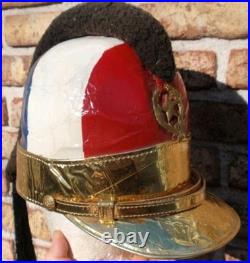

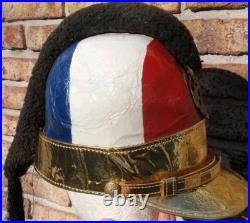
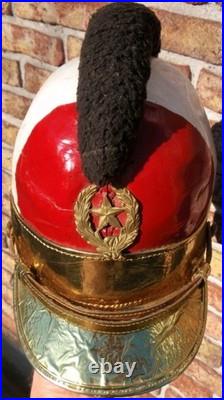
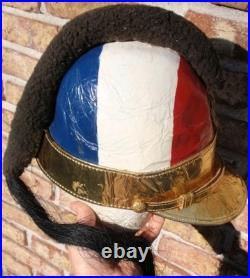
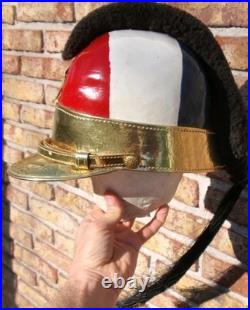
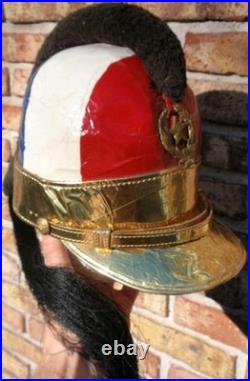
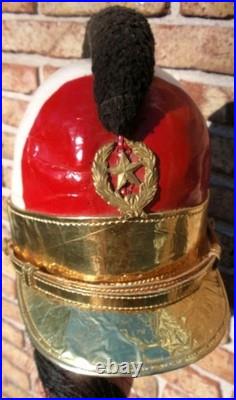
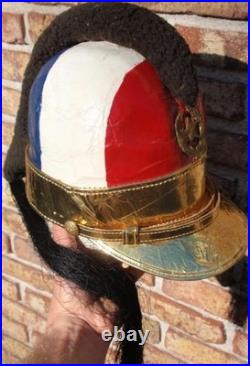

ENVÍO DESDE MONTEVIDEO URUGUAY. CASCO JEFE DEL EJÉRCITO PARAGUAY. REGIMIENTO DE CABALLERÍA ACA CARAYA. DE LA GUERRA DEL CHACO. HECHO EN CUERO PINTADO CON COLORES DE BANDERA NACIONAL DE PARAGUAYA E INSIGNIA FRONTAL DEL PERÍODO DE LA GUERRA DEL CHACO. ESTE REGIMIENTO TIENE UNA PARTICIPACIÓN EXCEPCIONAL EN LA BATALLA NANAWA DE LA GUERRA DEL CHACO. Y DESPUÉS EN LA REVOLUCIÓN PARAGUAYA DE 1947. TAMBIÉN, ESTE REGIMIENTO EN PARTICULAR TIENE ASIGNACIÓN DE GUARDIA PRESIDENCIAL PARAGUAYAL.

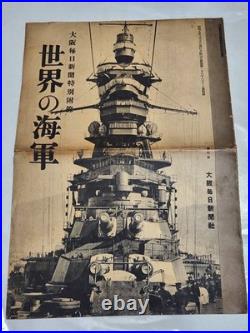
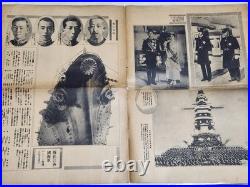
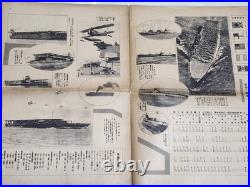
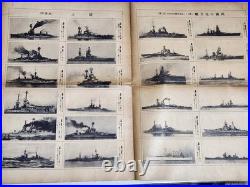
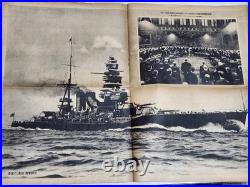
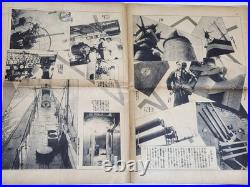
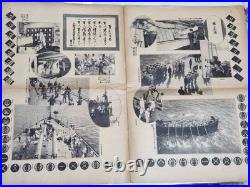
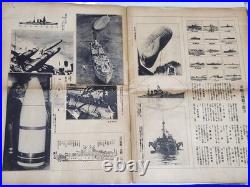
This is an original prewar Japanese illustrated naval publication titled “The Navies of the World” (Sekai no Kaigun), issued as a special supplement by the Osaka Mainichi Shimbun newspaper on March 5, 1930 (Showa 5). This large-format publication introduces the Imperial Japanese Navy and the navies of other major world powers, including the United States and Great Britain, through numerous period photographs, illustrations, diagrams, and comparative material. The contents include many types of naval vessels and equipment, such as: Battleships and cruisers Aircraft carriers and carrier-based aircraft Submarines Naval guns and large-caliber shells Airships Interior sections and equipment aboard warships Naval training and everyday activities of sailors Comparisons of warships and naval strength among different nations The year 1930 is particularly significant in naval history, as it was the year of the London Naval Conference and the signing of the London Naval Treaty, when limitations on the naval forces of the major powers became an important international issue. For this reason, this publication provides an interesting contemporary Japanese perspective on the world’s naval powers at an important moment between the two World Wars. This is not a modern reproduction. It is an original Japanese publication from 1930. Due to its age of approximately 96 years, there are signs of wear including toning, stains, creases, small tears, and other age-related deterioration. Please carefully examine the photos for the condition. An interesting historical reference for collectors and researchers of the Imperial Japanese Navy, pre-WWII naval history, battleships, aircraft carriers, submarines, and international naval development. International Buyers – Please Note.

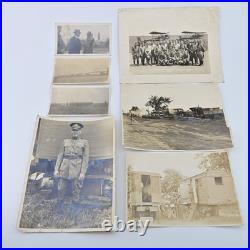
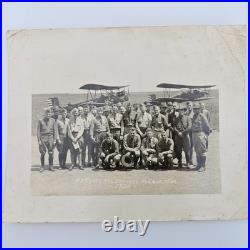
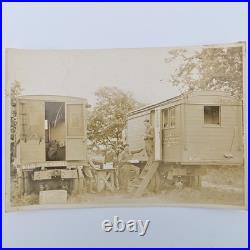
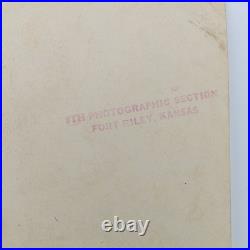
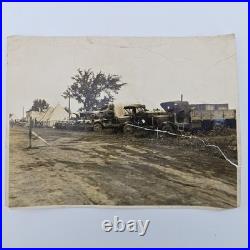
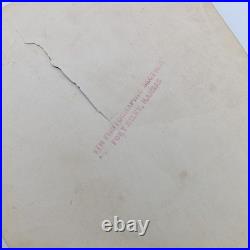
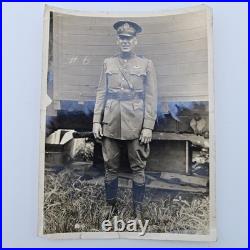
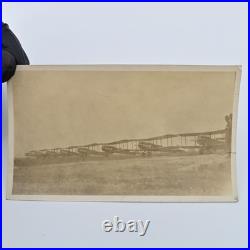
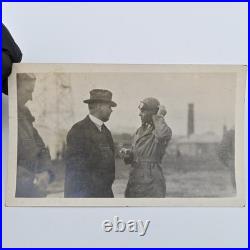
This seven-photograph collection documents U. Army military and aviation history from the immediate post-World War I period through the development of the interwar Army Air Corps. The group includes military photographic operations at Fort Riley, Kansas, early Army motor transport, biplane aviation, period military personnel, an unidentified marching formation, and a directly dated 1930 photograph of Air Corps Reserve officers at Fort Crook, Nebraska. Rather than representing one single event or unit, the photographs preserve several connected parts of the Army’s changing military and aviation system: aircraft and pilots, specialized photographic equipment, motorized ground support, organized troop formations and Reserve aviation personnel. Why These Photographs Belong Together. Military aviation required much more than airplanes and pilots. Observation and reconnaissance depended on photography; photography required specialized processing facilities; aviation and field units depended on vehicles and other ground infrastructure; and military training relied on large organized formations of personnel. Two photographs in this group carry matching “9th Photographic Section / Fort Riley, Kansas” stamps on their reverses. Another is directly captioned Air Corps Res. A newly added uniformed-serviceman portrait appears to belong to the same numbered-trailer sequence as the Fort Riley photographic-support material, while a separate marching-formation photograph preserves an unresolved possible Camp Lee research lead. The seven photographs are not represented as having been taken at one location, by one photographer, during one event or of one military unit. Where exact unit, date, place or identity remains unresolved, that uncertainty and the surviving research leads are intentionally preserved. 1919 Fort Riley – U. Military Aeronautics Dark Room Trailer 254. The strongest documentary photograph in this group shows five servicemen working between two mobile trailers. Lettering painted directly on one vehicle reads substantially: U. Military Aeronautics / Photo Dark Room Trailer / 254. An exact archival match to this photograph survives in the National WWI Museum and Memorial’s collections and is cataloged as a photograph of soldiers at Fort Riley, Kansas, in 1919. The archival record specifically associates the scene with military aeronautics and aerial photography. Mobile photographic facilities such as this allowed military photographic personnel to process negatives and prints near aviation and field operations rather than relying entirely on fixed laboratories. Photography was essential to early aerial observation, mapping, reconnaissance and military intelligence. The reverse of this physical print carries a 9th Photographic Section / Fort Riley, Kansas stamp. Historical records indicate that the 9th Photo Section became established at Fort Riley after 1919, so the stamp is best understood as a later unit or collection association rather than proof that the 9th Photo Section made the original exposure in 1919. Uniformed Serviceman Beside Numbered Trailer – Fort Riley Series Correlation. A newly added large-format portrait shows a uniformed Army serviceman standing directly in front of a wood-sided mobile trailer. A large chalk or painted “#6″ is visible on the trailer immediately beside him. This photograph became significantly more interesting when compared with the documented Fort Riley military-aeronautics trailer material preserved in the same broader collection. The photographic-support sequence includes another similarly constructed wood-sided trailer carrying a neighboring “#5″ marking. The horizontal siding, lower structural framing, placement of the number and sequential #5 / #6 markings create a strong visual case that the two photographs may belong to the same trailer or photographic-support series. The serviceman has not been identified, and the photograph itself carries no known location or date inscription. The Fort Riley / military-aeronautics relationship is therefore presented as a strong internal collection correlation rather than a confirmed identification of the exact trailer, man, date or location. 9th Photographic Section – Fort Riley, Kansas. During the interwar period, Fort Riley’s Marshall Field became an important Army aviation facility. Historical Army records place the 16th Observation Squadron and 9th Photo Section at Marshall Field during the 1920s. Photographic sections were an integral part of Army observation aviation. Their personnel processed and handled aerial and ground photographs used for reconnaissance, mapping, training and documentation. The matching 9th Photographic Section stamps on two prints in this collection provide a direct physical connection between the surviving photographs and that Fort Riley photographic organization. Fort Riley Military Motor Transport Photograph. The second stamped photograph shows a long row of early U. Military trucks beside tents and other camp infrastructure. Multiple vehicles carry visible “USA” identification and numerical markings. One vehicle marking appears to include U. , an abbreviation historically used for the United States Motor Transport Corps. Because the lettering is partially obscured, this reading should be considered probable rather than definitive. Most importantly, the reverse bears the same 9th Photographic Section / Fort Riley, Kansas stamp found on the 1919 dark-room trailer print. That matching physical stamp creates a direct archival/provenance relationship between the two photographs even though the exact date and specific activity shown in the motor-transport scene remain unresolved. Unidentified WWI-Era Marching Formation – Possible Camp Lee Context. Another original photograph shows a large formation of U. Soldiers marching in organized ranks across an open field. The exact unit, installation, date and purpose of the formation have not been identified. This photograph survived within the same broader historical collection as separate military-formation panoramas associated with Camp Lee, Virginia. One of those comparison photographs carries a visible “305 / C” guidon and has been very strongly identified through research as Company C, 305th Field Signal Battalion, 80th Division. The 305th Field Signal Battalion was part of the 80th Division’s Camp Lee organization during late 1917 through spring 1918, before the battalion departed for overseas service in May 1918. Division embarkation records show the 305th Field Signal Battalion sailing from Newport News aboard. On May 26, 1918. The marching photograph shares the broad World War I-era open-field formation character of the documented Camp Lee material. This made Camp Lee, approximately late 1917 to spring 1918, a reasonable research direction. However, this print has no identifying inscription, unit marking or recovered landmark that proves it was taken there or that it depicts the 305th Field Signal Battalion. The Camp Lee / 305th FSB information is preserved here as a research breadcrumb for future study rather than presented as a concluded identification. The comparison panoramas referenced above are part of separate collection material and are not included in this seven-photo lot. Original antique photographic prints: Seven physical photographs in varying sizes; see listing photographs for relative scale. All show varying age-related wear including edge/corner wear, creasing, surface marks, discoloration or soiling and mild waviness. Important condition issue: The Fort Riley military motor-transport photograph has a major tear beginning at the right edge and extending across much of the image area. The lower-right portion is nearly separated from the remainder of the print. The large #6 trailer portrait shows substantial age-related creasing, cracking/fold lines and edge wear visible in the listing photographs. Additional smaller creases, edge imperfections and surface wear are present across the collection. The 9th Photographic Section stamps remain visible on the reverses of the two associated Fort Riley prints. Please review all listing photographs closely for exact condition, size, markings and damage. 1919 Fort Riley U. Military Aeronautics Dark Room Trailer 254 photograph with 9th Photographic Section reverse stamp. Uniformed serviceman portrait beside trailer marked #6 – probable same numbered-trailer / photographic-support series. Military motor-transport photograph with matching 9th Photographic Section reverse stamp. Unidentified WWI-era marching military formation photograph with preserved possible Camp Lee research lead. 1930 Air Corps Reserve Officers at Fort Crook, Nebraska photograph. Unidentified early military biplane lineup photograph. Unidentified period aviator with civilian/suited man photograph. Seven physical original photographs total. Any ruler or other reference object shown for scale is not included. 1930 Air Corps Reserve Officers – Fort Crook, Nebraska. The largest group portrait is directly captioned in the negative: Air Corps Res. The photograph shows a large group of Army aviation personnel posed in front of two military biplanes. Because the identification and date are incorporated directly into the photograph, this print provides the strongest chronological anchor for the later end of the collection. Fort Crook’s aviation field was officially named Offutt Field in 1924, honoring First Lieutenant Jarvis J. During the interwar period, Offutt/Fort Crook supported Army aviation activity including Reserve flying and cross-country military operations. Period aviation directories place both Fort Crook/Offutt Field in Nebraska and Marshall Field/Fort Riley in Kansas within the broader Seventh Corps Area aviation organization. This creates meaningful institutional context between the two documented geographic anchors represented in this collection. The inscription identifies the men collectively as Air Corps Reserve officers, but individual officers have not been identified and no specific Reserve squadron is claimed. Unidentified Early Military Biplane Lineup. One smaller photograph shows a long line of early biplanes parked wing-to-wing on an open field. At the far right, two people are visible standing near the aircraft; at least one appears to wear period military-style headgear. The photograph was found with the other Army aviation material and its subject is consistent with early military aviation, but the exact aircraft models, unit, airfield and date have not been independently established. The aircraft also appear different from the two biplanes visible behind the 1930 Fort Crook Reserve officers, so the photographs are not represented as documenting the same event. Unidentified Aviator & Civilian. Another photograph shows an aviator in leather flying clothing, flight helmet and goggles speaking with a man in civilian or business attire. The scene provides an unusually close view of a period military-era pilot rather than aircraft alone. A tall tower-like structure and industrial chimney or stack are visible in the background, but the location has not been determined. The identities of both men, the event and the airfield remain unknown. The background tower is not represented as a radio or communications tower because its exact function cannot be established from the photograph alone. Exact archival match documented at Fort Riley in 1919; U. Military Aeronautics mobile photographic facility; later 9th Photo Section stamp. Uniformed serviceman beside wood-sided trailer marked #6; strong visual correlation to neighboring #5 trailer sequence, but exact man/place/date unresolved. Military vehicle camp; same 9th Photographic Section / Fort Riley reverse stamp; exact date unresolved. Possible Camp Lee research lead preserved because related collection material includes a 305/C Company C, 305th FSB panorama; connection unproven. Directly captioned Air Corps Reserve Officers photograph with two military biplanes at Fort Crook, Nebraska. Unidentified early military aviation scene showing multiple biplanes and personnel. Unidentified period aviator in flying gear speaking with a civilian/suited man; location and individuals unresolved. Army military & aviation photographs. 7 physical photographic prints. World War I-era through interwar U. 1919 and 1930; other prints undated. Fort Riley, Kansas; Fort Crook, Nebraska. Possible Camp Lee context for marching formation – unconfirmed. Military Aeronautics; 9th Photographic Section; U. Army Air Corps Reserve. Military photography, mobile darkroom, Army transport, troop formation, biplanes, pilots and Reserve officers. Varying; see listing photographs for scale. Antique / used with varying wear; one photograph has a major near-through tear. Historical identifications and context for this group were developed through comparison of the physical photographs with archival, institutional and period military-aviation records. Original captions, reverse stamps, vehicle markings, trailer numbers and other identifying details present on the physical photographs. National WWI Museum and Memorial archival photographic collections. Fort Riley historical records concerning Marshall Field and early Army aviation. Army organizational records for the 9th Photographic Section and observation aviation. Aviation directories documenting Fort Riley / Marshall Field and Fort Crook / Offutt Field. Official historical records concerning Fort Crook and the development of Offutt Field. Archival records concerning the United States Motor Transport Corps. Internal comparison with surviving Camp Lee military-formation material from the same broader photographic collection. Direct evidence on the physical photographs is distinguished from archival research, internal collection correlation and unresolved research leads. Unidentified aircraft, people, units and locations are intentionally left unresolved rather than presented as confirmed. From World War I Military Support to the Army Air Corps. Together, these photographs span an important transitional period in American military and aviation history. The 1919 Fort Riley dark-room trailer represents the photographic and reconnaissance infrastructure inherited from World War I. The numbered-trailer portrait may preserve another view from that same support environment. The unresolved marching formation adds a broader view of organized Army personnel during the same general era. The 9th Photographic Section stamps connect the collection with the specialized Army photography organizations that developed during the 1920s, while the Fort Crook portrait carries the story into 1930 and the institutional Army Air Corps Reserve. The seven photographs were created on different occasions and are not represented as one continuous unit archive. Their value as a group comes from their overlapping U. Army, military-photography and early-aviation subject matter, together with the direct Fort Riley / 9th Photographic Section / Fort Crook documentation and the research correlations preserved with the unidentified supporting images. Special care will be taken to support the severely torn motor-transport photograph during packing and transit. Additional disclosures appear directly below this description.

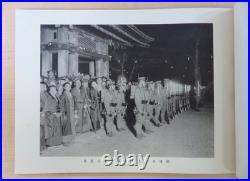
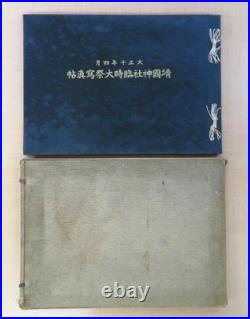

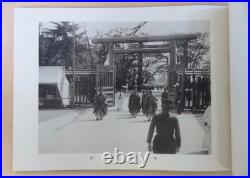
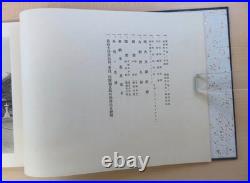
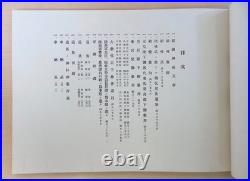
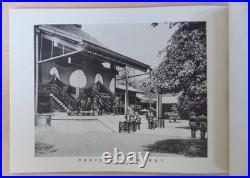
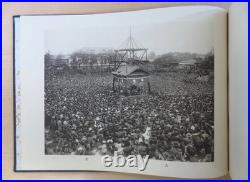
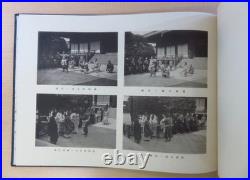
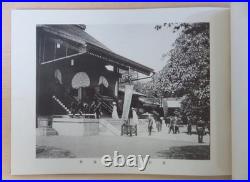
Own a Piece of History – An Exceptional Taisho-Era Imperial Japan Photo Album. This is an original photo album documenting the Special Grand Festival (“Rinji Taisai”) held at Yasukuni Shrine in April, Taisho 10 (1921). A luxury first-edition volume featuring gold-decorated endpapers, four-edge gilding, and traditional Japanese ribbon binding. Complete with its original outer case. Yasukuni Shrine was the central state institution dedicated to honoring the fallen soldiers of the Imperial Japanese Army and Navy. Throughout the Meiji and Taisho eras, the shrine served as. A national military memorial site. A place for state-sponsored rituals. A venue for Imperial family visits (Shinpan / Royal attendance). A symbolic space for military morale and national identity. During the Taisho era-after the Russo-Japanese War and during the social changes after WWI-Yasukuni became the core of Japan’s modern military ceremonial culture. What is the “Special Grand Festival” (Rinji Taisai)? Unlike ordinary annual festivals, a Rinji Taisai was an extraordinary state ceremony conducted for. Newly enshrined war dead. Large-scale visits by the Emperor, Crown Prince, or senior nobles. Combined ceremonies of the Army, Navy, and State. The 1921 festival recorded here reflects the post-Siberian Expedition era, with increased enshrinements and major military reorganization. The album includes rare photographs documenting. Imperial family attendance (Taisho-era court attire visible). High-ranking Army & Navy officers. Ritual formations, honor guards, and military delegations. Night-time ceremonies with lined soldiers. Traditional shrine performances and sacred dances. Large crowds of citizens (social history value). Detailed ritual sequences recorded with clarity. This edition is significantly rarer than the later Showa versions. Outer case shows age fading. Album body and photographs remain clean, crisp, and well preserved. Complete pages, no missing plates. A superior surviving example among existing copies. Published: Taisho 10 (1921). Format: Large oblong, approx. 380 × 270 mm. Binding: Ribbon-tied / gilt edges / gold-decorated papers. A truly exceptional artifact for collectors of Imperial Japanese military history, shrine history, or early 20th-century photography. Approximate 7-21days(To USA).




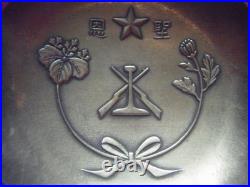

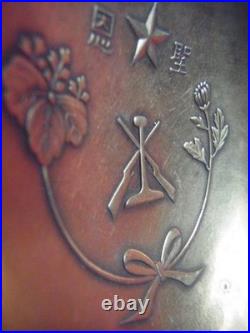




This is an original prewar Imperial Japanese Army Railway Regiment commemorative metal sake cup, dating to 1930. The center features the insignia of the Army Railway troops, together with an army star and decorative floral motifs. Above the design are the characters: “Seion” – Imperial Favor In this context, “Imperial Favor” refers to special grace or recognition granted by the Emperor. Around the rim is an inscription stating, in substance, that: In February 1930, an Imperial Aide-de-Camp was dispatched and a special Imperial message was conveyed. The exact wording of that message and the specific individual who received it are not currently known. However, the inscription itself clearly connects this cup to a specific event involving the Imperial household and the military unit. That makes this different from an ordinary discharge or service souvenir. It was made to commemorate a moment when the Imperial court formally acknowledged or addressed the unit. The Railway Regiment was a specialized branch of the Imperial Japanese Army responsible for military railway construction, operation, repair, and transport support. These troops worked behind the front lines to keep men, equipment, and supplies moving, making them an important but less visible part of the Army. This small cup therefore preserves several layers of history in one object: Imperial Japanese Army Railway Regiment Imperial Aide-de-Camp Imperial Favor 1930 military commemoration Approximate size: 75 mm diameter × 23 mm high The cup has a silver-colored metal exterior with a gold-colored interior finish. Age-related toning and wear are present, but the design and inscription remain clearly visible. Recommended for collectors of Imperial Japanese Army memorabilia, railway troops, military sake cups, prewar Japan, and Imperial military history. A small object marking a specific connection between the Imperial court and an Army technical unit nearly a century ago. Own a Piece of History. International Buyers – Please Note.

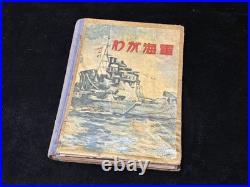
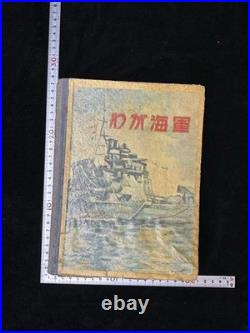


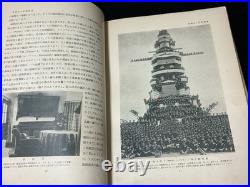
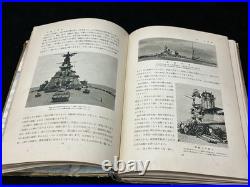
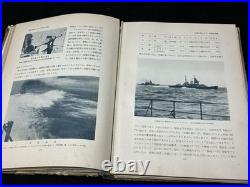
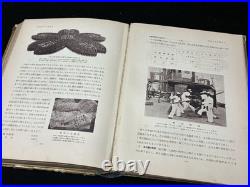
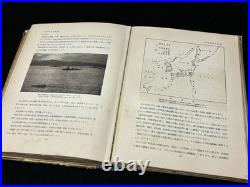
Featuring numerous photographs and explanatory text, the book introduces Japanese naval vessels-including battleships-as well as the daily work and training of naval personnel and the role of the navy. What Did the Imperial Japanese Navy Look Like Eight Years Before Pearl Harbor? In December 1941, the Japanese attack on Pearl Harbor became the event that marked the beginning of the Pacific War. This book, however, was published eight years earlier, in 1933. At that time, the Imperial Japanese Navy was a large naval force equipped with battleships, cruisers, destroyers, submarines, aircraft, and other military assets. 1933 was also the year Japan announced its withdrawal from the League of Nations. As the international situation continued to change, interest in the role of the navy and maritime defense was growing in Japan. About Kaigun Kenkyusha Kaigun Kenkyusha, the publisher of this book, was an organization that introduced naval knowledge and information through publications. The book appears to have been intended not only for naval specialists, but also for general Japanese readers interested in warships and naval activities. It presents the structure and importance of the navy in a way that could be understood by a broad audience. It is also an interesting historical source for understanding how the Japanese public viewed and understood the navy during this period. The Imperial Japanese Navy of the 1930s in Photographs Opening the pages reveals images of the Imperial Japanese Navy as it appeared at the time, including the bridges and decks of massive battleships and warships sailing at sea. Although warships were enormous weapons of war, they were operated by hundreds of crew members-sometimes more than one thousand. The book also includes maps showing the waters surrounding Japan, along with explanations concerning maritime defense. These materials offer insight into why Japan considered naval power so important during this era. A Time Before the Outcome of the War Was Known When this book was published in 1933, the Pacific War had not yet begun. The warships and sailors shown in these photographs would later face a turbulent and tragic period in history. We know how history ended. However, the people who held this book in their hands at the time did not yet know what the future would bring. Seen in this context, the book is more than a simple introduction to warships. It is also a historical record of how the Japanese navy was presented to the public during an era that was moving toward war. Condition This is an original copy published in 1933. Due to age, it shows discoloration, stains, and wear to the covers and spine. The spine, in particular, has noticeable age-related deterioration. Please review all photographs carefully for the detailed condition. An excellent historical reference for collectors and researchers interested in the prewar Imperial Japanese Navy, warships, naval aviation history, and Japan during the period leading up to World War II. Own a Piece of History. International Buyers – Please Note.

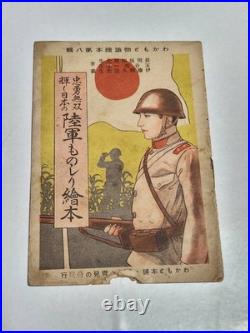
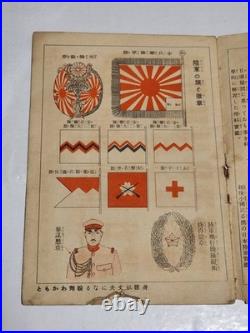
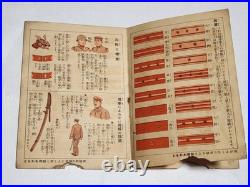
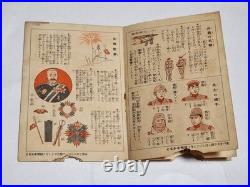
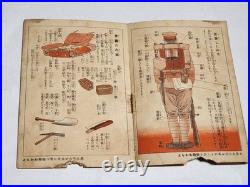
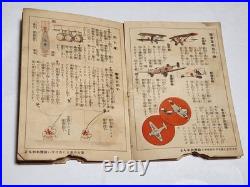
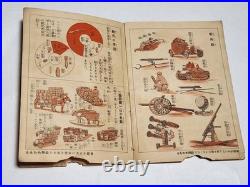
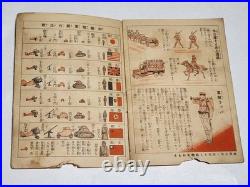
Published in Japan in 1937, this original illustrated book is titled The Glorious Japanese Army – An Illustrated Book of Military Knowledge. At first glance, it may look like simply an old children’s picture book. Open the pages, however, and it becomes a fascinating window into how the Japanese Army was presented to young people in the late 1930s. The year 1937 was also the year the Second Sino-Japanese War began. The book introduces the Imperial Japanese Army through colorful illustrations designed to make military subjects easy for young readers to understand. Inside are illustrations of Japanese Army uniforms, soldiers’ equipment, military insignia, rank markings and military banners, together with many different aspects of the Army itself. There are also sections showing military aircraft and aerial bombing, tanks and armored vehicles, machine guns, artillery, military bugles, transportation and supplies. What makes this book particularly interesting is that it was not a technical manual produced for soldiers. It was created for children. For today’s collector, that gives the book another dimension. Beyond the aircraft, tanks and uniforms, these pages preserve something less tangible: how the Japanese military was introduced to children during the 1930s. One particularly interesting section compares the armies of several countries, with illustrations representing Japan, Britain, Germany, France, the Soviet Union and others. It provides a fascinating glimpse of how foreign militaries were presented to Japanese children in 1937. Even if you cannot read Japanese, the numerous color illustrations make this an enjoyable piece to explore. Aircraft, armored vehicles, uniforms, equipment and insignia are all presented visually, allowing us to see much of the same military world that a Japanese child would have discovered while turning these pages nearly 90 years ago. Condition This is an original period children’s book and shows considerable age-related wear, staining and discoloration. As clearly visible in the photographs, there is also material loss along the lower edges of a number of pages, apparently from insect damage. Despite its age and wear, the surviving illustrations remain remarkably interesting. This book preserves more than pictures of military equipment. It preserves the image of the Japanese Army as it was shown to children in 1937. An unusual piece for collectors interested in the Imperial Japanese Army, military aviation, armored vehicles, uniforms, or the social and educational history of prewar Japan. Own a Piece of History. International Buyers – Please Note.




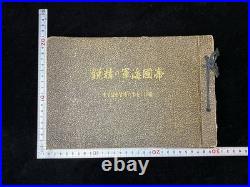
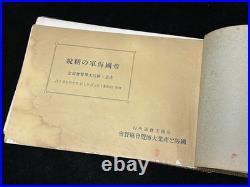
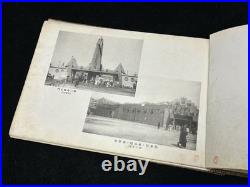
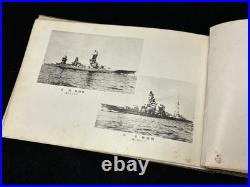
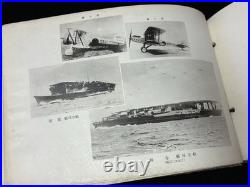
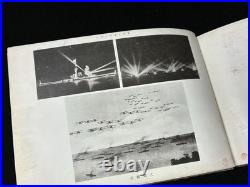
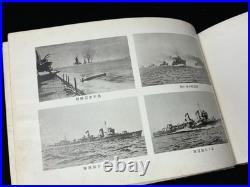
Its title translates as: “The Elite of the Imperial Japanese Navy” The album was produced to commemorate the National Defense and Industry Exposition held in Japan in 1935. Akagi would later become one of the most famous Japanese aircraft carriers of World War II, participating in the attack on Pearl Harbor before being lost at the Battle of Midway in 1942. But this album was published in 1935-six years before the Pacific War began. The album goes well beyond portraits of individual warships. It includes photographs of battleships, aircraft carriers, destroyers, naval aircraft, seaplanes, aerial formations, torpedo firing, fleet maneuvers and dramatic nighttime searchlight exercises. The opening pages also record the dates of the National Defense and Industry Exposition: From March 27, 1935 to May 10, 1935. The exposition was a public event presenting Japan’s national defense and modern industry to ordinary visitors. This gives the album another interesting historical dimension: it shows not only the Japanese Navy itself, but also how naval power and technology were presented to the Japanese public in the mid-1930s. For collectors today, the timing is particularly fascinating. Battleships still represented enormous naval power, while aircraft carriers and naval aviation were becoming increasingly important. Both worlds appear side by side in these pages. The album is more than 90 years old and shows age-related wear, staining and discoloration. Please examine the photographs carefully for condition. Own a Piece of History. International Buyers – Please Note.

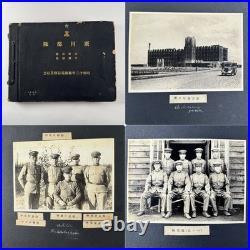
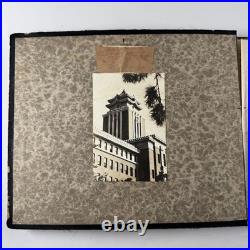
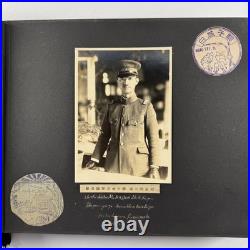
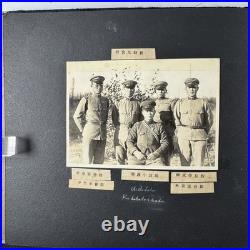
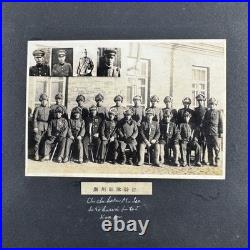
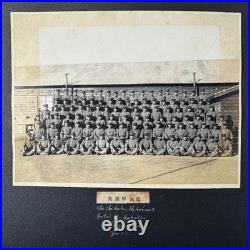
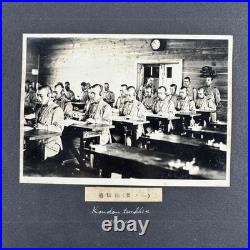
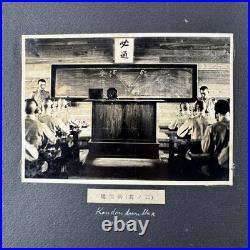
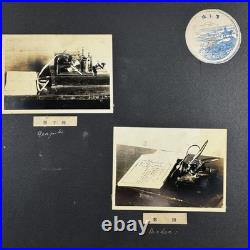
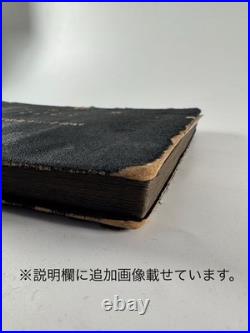
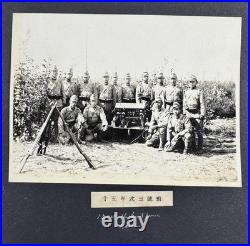
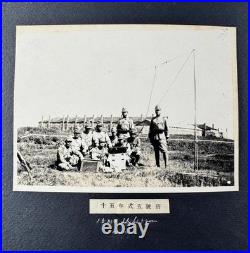
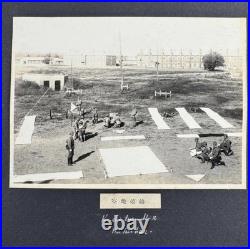
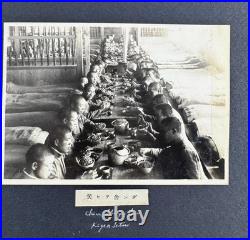
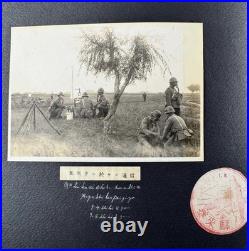
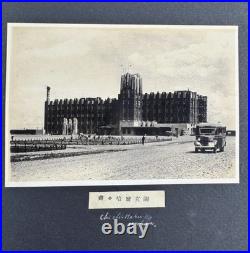
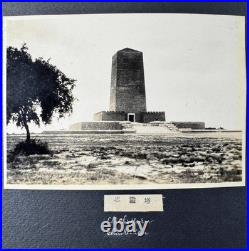
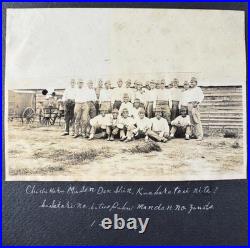
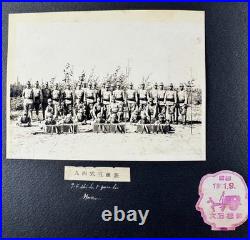
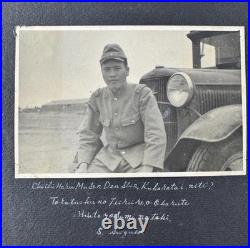
This is an original 1937 Imperial Japanese Army radio communications training photo album containing approximately 65 original photographs. The cover is gilt-lettered with the large unit name: “Hirokawa Unit” and, beneath it in smaller lettering: “Ogushi Unit” “Imari Unit” It is also clearly marked: Commemorative Album for Radio Communications Training, 1937. The exact organizational relationship between these three unit names cannot be confirmed from the album alone, but all three are clearly recorded on the original cover, making this a particularly interesting unit-specific military document. The album contains far more than ordinary soldier portraits. It documents the actual training of Imperial Japanese Army communications personnel, including instructors, assistant instructors, trainees, classroom instruction, radio equipment, field exercises, and unit life. Original Japanese captions visible in the album include: “Instructors and Assistant Instructors” “Trainees” “Hirokawa Unit Headquarters Staff” “Communications Training, Part 1″ “Communications Training, Part 2″ “Receiving Apparatus” “Telegraph Key” “Air-Ground Communication” One of the most striking photographs shows soldiers wearing headphones while practicing radio reception inside a classroom. Another shows an instructor teaching communications procedures at a blackboard. These images provide an unusually direct look at how Imperial Japanese Army signal personnel were actually trained before the Pacific War. The album also contains numerous outdoor radio training photographs. Several images show soldiers gathered around field radio sets with antennas erected in the open. Original caption labels include: Type 94 No. 5 Group” “Type 15 No. 3 Group” “Type 15 No. 5 Group These photographs appear to document training groups organized around specific communications equipment. Another particularly interesting photograph is captioned Air-Ground Communication. It shows personnel working with communication equipment while large ground panels are spread out in an open field, apparently as part of training for communication or signaling between ground units and aircraft. In addition to the technical training photographs, the album includes images of officers, unit headquarters personnel, military vehicles, barracks life, meals, large group portraits, monuments, buildings, and scenes believed to have been taken in Manchuria. Many photographs are accompanied by original Japanese caption labels and handwritten Romanized notes. This is not simply a collection of unrelated military photographs. It is a coherent visual record of the same soldiers, units, equipment, and communications training program. Military communications were the nervous system of an army. Orders, intelligence, artillery coordination, movement, and contact between ground and air units all depended on trained signal personnel. The men shown in this album were part of that invisible network. With approximately 65 original period photographs, named units, communications equipment, classroom training, field radio exercises, and air-ground communication scenes, this album is an exceptionally interesting source for collectors and researchers of: Imperial Japanese Army Signal Corps Military Radio Communications Manchuria Japanese Field Radios Prewar Military Training Military Communications History The album cover shows age-related wear, rubbing, edge loss, and deterioration. The photographs and album pages also show age-related toning, staining, lifting, and other signs of age. Please examine all photographs carefully for the exact condition. Own a Piece of History. International Buyers – Please Note.










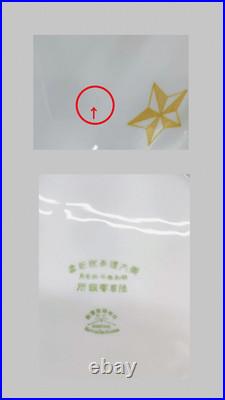
This is an original commemorative plate made in November 1928 for the Enthronement of Emperor Hirohito (Emperor Showa). The inscription on the reverse reads: “Commemoration of the Imperial Enthronement Celebration November 1928 Imperial Japanese Army Banquet Facility” The term used in the original Japanese inscription refers to a facility associated with the serving of ceremonial meals during the Imperial celebration. Period records from the 1928 Enthronement also document special banquet and meal facilities established for the ceremonies. Another important feature is the maker. The reverse bears the NORITAKE / NIPPON TOKI KAISHA backstamp. Nippon Toki Kaisha was the company behind Noritake, which had already become one of Japan’s leading manufacturers of high-quality Western-style tableware by the prewar period, with its porcelain exported internationally. It brings together three distinctive elements: Emperor Hirohito’s 1928 Enthronement, the Imperial Japanese Army, and Noritake. The center features a gold five-pointed star associated with the Imperial Japanese Army, surrounded by elegant phoenix and paulownia designs. 9.4 inches (24 cm). Nearly a century old, the plate shows age-related surface wear, staining and some wear to the decoration. Please examine the photographs carefully for condition. Dated November 1928, its connection to the Imperial ceremony and the Japanese Army remains permanently recorded on the reverse. Own a Piece of History. International Buyers – Please Note.