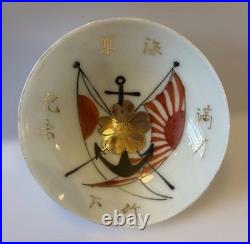
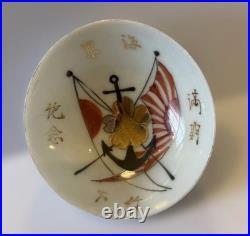
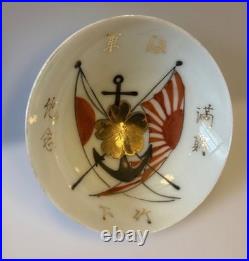




This is an original Imperial Japanese Navy ceremonial sake cup, produced during the Taisho to early Showa period (circa 1910s-1930s). The cup was presented to a Navy serviceman to commemorate the successful completion of his full term of military service. The following characters are written inside the cup in gold. (Imperial Japanese Navy). (Completion of service / full term). (“Otake” – a personal name). The presence of a personal name strongly suggests this cup was awarded to an individual sailor, making it more desirable than generic commemorative pieces. The interior features a classic Imperial Japanese Navy motif. Anchor – symbol of the Navy. Rising Sun flag – official national and military emblem of the period. Cherry blossom in gold gilt – representing honor, duty, and the fleeting nature of life. This combination is widely recognized as a formal Navy discharge commemorative design. Why Imperial Japanese Navy Items Are Rare. Compared to the Army, the Imperial Japanese Navy maintained only about one-tenth of the personnel strength. As a result, Navy commemorative items were produced in much smaller numbers, and surviving examples are significantly scarcer than Army equivalents. Named discharge cups like this one are especially difficult to find today. Cultural Significance of Sake Cups. In pre-war Japan, sake cups were not everyday tableware. They were used to mark important life milestones, including military enlistment, departure, return, and honorable discharge. This cup represents a deeply personal moment. The end of military duty and a safe return to civilian life – preserved in ceramic form. No cracks or major chips. Minor surface wear and light fading of gold due to age. Overall well-preserved for its period. Please refer to photos for details. A genuine historical artifact suitable for collectors of. Imperial Japanese Navy items, military memorabilia, pre-war Japanese ceramics, or Showa-era history. International Buyers – Please Note. Thank you for your understanding.

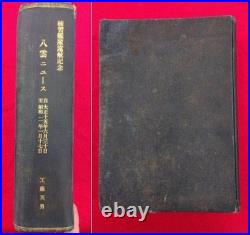

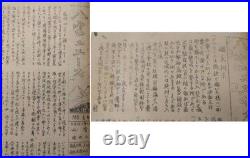
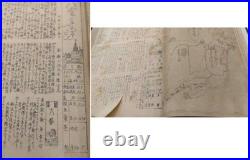
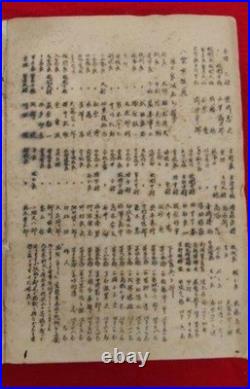
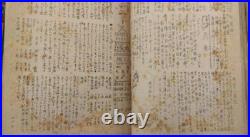
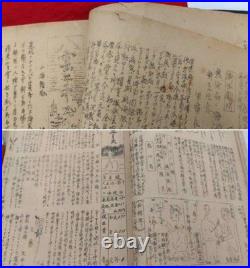
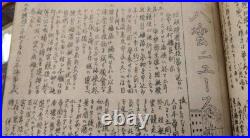
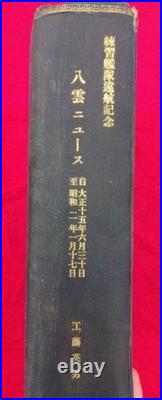
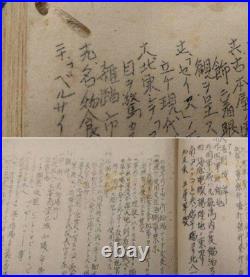

This is an original overseas voyage log from the Imperial Japanese Navy armored cruiser YAKUMO, covering a long-distance training cruise conducted between 1926 and 1927 – a turning point period between the Taisho and early Showa eras. What is written on the spine? The gold lettering on the spine reads. “Commemoration of the Completion of a Training Cruise”. This book was compiled to commemorate the successful completion of an overseas training voyage. From June 13, 1926 (Taisho 15). To January 17, 1927 (Showa 2). This clearly shows that the book is not a later reprint, but a contemporary naval record created during the actual service period. YAKUMO was an armored cruiser of the Imperial Japanese Navy, originally commissioned in the early 1900s. Later reassigned as a training cruiser, responsible for overseas voyages to educate young naval officers. By the 1920s, YAKUMO represented Japan abroad as a floating symbol of naval professionalism. Contents and Historical Value. Unlike battle reports, this diary focuses on daily naval life and real operations, including. Coal loading and fuel management in the coal-fired warship era. Sanitation and disease prevention during long voyages. Foreign port visits and international interactions. Cutter races and onboard training activities. Practical notes on navigation, climate, and logistics. It offers a rare, human-scale view of how sailors actually lived and worked at sea before modern mechanized warfare. This voyage took place before relations between Japan and Western countries deteriorated. Japanese warships regularly visited foreign ports. Naval cruises functioned as both training missions and diplomatic presence. International cooperation was still part of naval culture. As such, this book captures a calmer, outward-looking phase of the Imperial Japanese Navy, making it especially valuable to collectors and researchers. Due to age, the book shows. No missing pages confirmed. Please refer to photographs for exact condition. This is not just a book, but a firsthand naval record documenting. Pre-WWII global naval operations. Everyday life aboard an Imperial Japanese Navy cruiser. Highly recommended for collectors of naval history, maritime records, and pre-WWII Japanese military materials. International Buyers – Please Note. Thank you for your understanding.

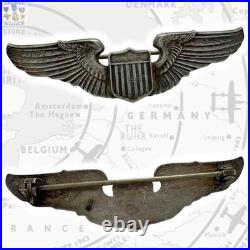
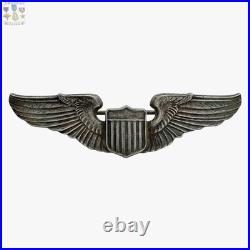

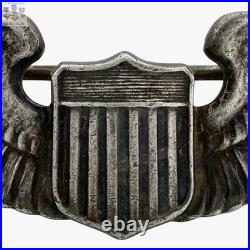
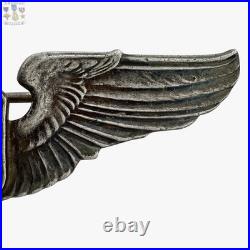
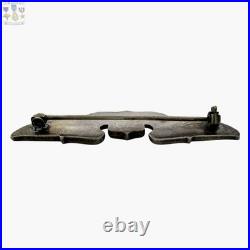


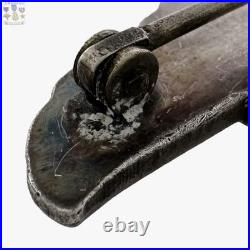
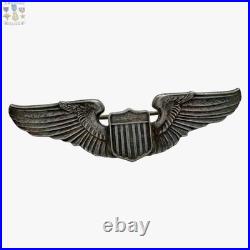

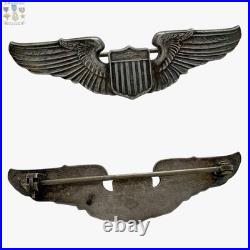
ORIGINAL 1920’S INTERWAR PERIOD UNITED STATES ARMY AIR CORPS PILOT WINGS, 3 INCH FULL SIZE, PIN-BACK. WEIGHT: 24 GRAMS UNMARKED STERLING. During World War II, with the rise of the Army Air Forces, a second series of aviator badges were issued to include a design that has survived to the modern day. The Pilot Badge was issued in three degrees, including Pilot, Senior Pilot, and Command Pilot. A polished silver colored version of these badges is currently used as the United States Air Force Pilot Badges. From August 1941 to November 1942, the Enlisted Aviator program was restarted. Candidates had to be at least 18, possess a high school diploma, and have graduated at the top of their high school class. Graduates were rated as Flight Staff Sergeants or Flight Technical Sergeants and wore the same pilot’s wings as officers. They were usually assigned to pilots of transport and auxiliary aircraft to free officer pilots to pilot the more prestigious fighters and bombers. Auxiliary pilots received their own special wings to indicate their status and specialty. In November 1942 all enlisted pilots were promoted to Flight Officer rank and enlisted cadets were graded as Flight Officers or Second Lieutenants depending on merit. Please let me know if there’s anything else I can do for you!

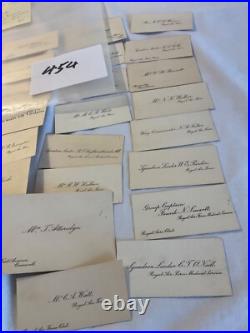
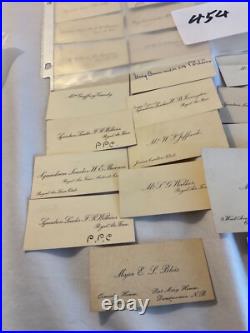
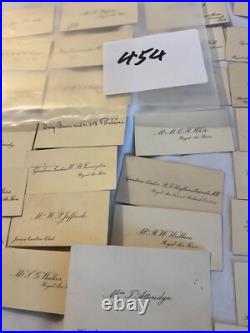
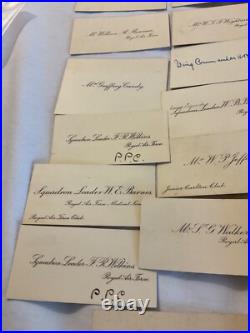
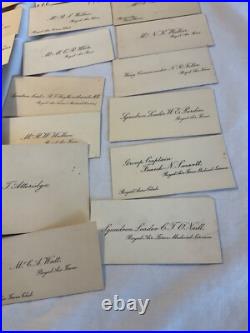
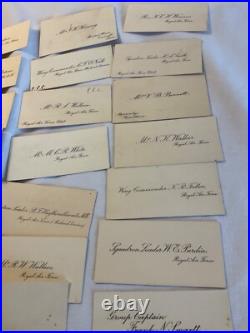
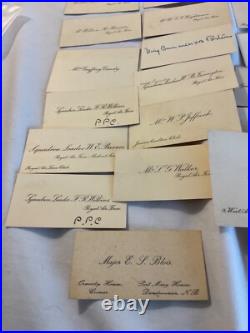
Also, once an item is brought I will no alter any information on any form. All items will have a confirmation number. Feedback will not be sent until I receive feedback. Please feel free to read my feedback. I’m very proud of my feedback. I sell military collectables. If you choose to wear or actually use items, it is at you own risk.

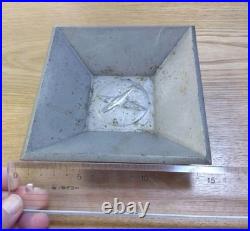

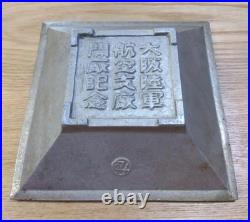
This is an original commemorative metal ashtray produced to mark the opening of the. Osaka Imperial Japanese Army Aviation Arsenal. During the early Showa period. The inscription cast into the base reads. Osaka Army Aviation Arsenal – Opening Commemoration. The Osaka Army Aviation Arsenal was established as a. Logistics and maintenance center. Supporting the Imperial Japanese Army’s growing air power. Unlike front-line air units, aviation arsenals played a crucial behind-the-scenes role. Aircraft maintenance and repair. Storage and supply of aviation equipment. Technical and logistical support necessary for sustained air operations. Osaka was selected due to its strong industrial base, advanced metalworking capabilities, and well-developed transportation networks. The opening of this facility reflects Japan’s shift in the 1930s toward. Long-term, systemized air warfare preparation. Why an Ashtray? In Imperial Japan, it was customary to produce. Such as sake cups, trays, and ashtrays-as official commemorative gifts for military milestones. This ashtray was likely distributed to officers, engineers, or personnel involved in the establishment of the aviation arsenal. It represents a rare example of how military history survives not only through medals or documents, but through everyday objects. Material & Construction. Solid cast metal construction. Heavy and durable, not a lightweight souvenir. Aviation-related motif visible on the base. The industrial character and casting quality strongly reflect military production standards of the period. Shows age-related wear, surface patina, and minor marks consistent with original use. No major damage or structural issues. Collector’s Note. This piece offers insight into the. Logistical foundation of Imperial Japanese Army aviation. An area often overlooked compared to combat units. A compelling artifact for collectors of. Imperial Japanese Army history. Aviation logistics and support units. Pre-war / early WWII military industrial artifacts. Approximate 7-21days(To USA).

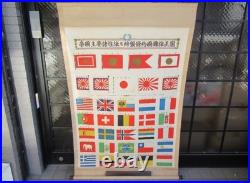

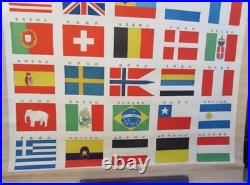
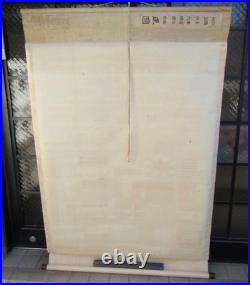


This is a large educational hanging scroll published in 1919 (Taisho 8) by the Great Japan National Flag Company titled. Correct Chart of Imperial Flags and Treaty Nations’ Flags. The publishing details printed on the scroll include. Printed March 28, 1919 / Published April 1, 1919. This chart was produced as official school teaching material, displaying. Imperial flags such as the Emperor’s flag, Crown Prince’s flag, military and naval flags, and the national flag. Flags of major world powers and treaty nations of the time. 1919 marks the period right after World War I, when Japan became a permanent member of the League of Nations. Educational materials emphasizing international awareness and imperial identity were widely used in classrooms during this era. The scroll measures approx. It shows stains and signs of age, but Taisho-period flag charts preserved in scroll format are extremely rare, making this a valuable piece for collectors of vexillology and pre-war educational materials. Own a Piece of History. International Buyers – Please Note. Thank you for your understanding.

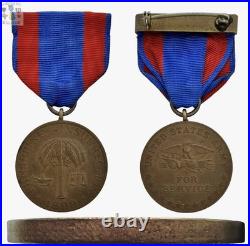
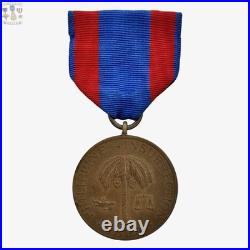
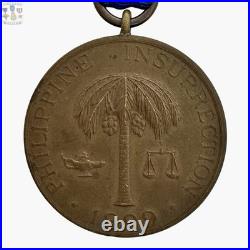
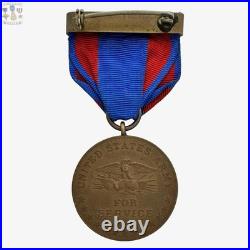
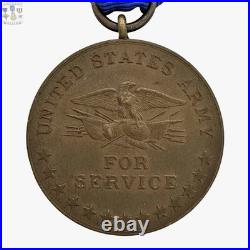
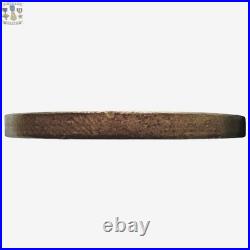
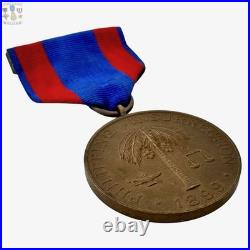
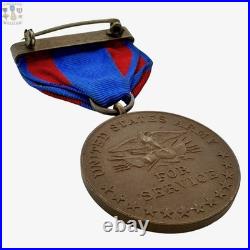
UNITED STATES ARMY PHILIPPINE INSURRECTION CAMPAIGN MEDAL W/ FULL WRAP BROOCH. STUDLEY, PRODUCED BY DAVIDSON OF PHILADELPHIA. The Philippine Campaign Medal is a medal of the United States Armed Forces which was created to denote service of U. Military men in the Philippine-American War between the years of 1899 and 1913. Although a single service medal, the Philippine Campaign Medal was issued under separate criteria for both the United States Army and the U. Please let me know if there’s anything else I can do for you!

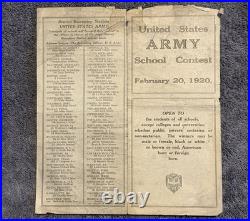
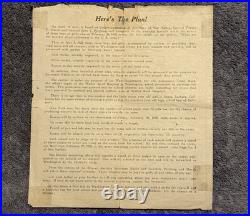
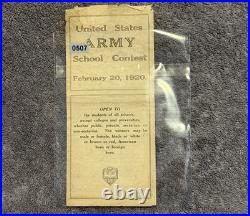
Folded and toned with small edge tears and light paper losses at the folds. All text remains clearly legible, and both panels are intact – no modern reproduction or copy. See photos for exact condition. Rare Original 1920 U. Army “School Contest” Circular Issued February 20, 1920 – U. Offered here is an authentic U. Army pamphlet/broadside titled: United States Army School Contest – February 20, 1920. This rare piece of early post-World War I military recruiting ephemera promoted a nationwide essay competition for American school students – open to boys or girls of any color, any age, American born or foreign born. It represents one of the first inclusive public Army campaigns after World War I, blending education, patriotism, and civic duty. In the wake of World War I, the U. Army faced the task of reshaping its image to the American public. By 1920, Secretary of War Newton D. Baker, General John J. Pershing, and General Peyton C. March organized this nationwide “School Contest” to promote understanding of the Army’s values and to encourage enlistment through positive youth engagement. Students were invited to write essays on. What are the benefits of an enlistment in the U. The plan, printed on the second page, details the prizes. Gold Medal (1st place) – Presented personally by Secretary Baker. Silver & Bronze Medals for runners-up. All-expenses-paid trip to Washington, D. For finalists and their guardians. The contest also involved 50 Army district recruiting stations across the country, each listed in detail on the interior panel (including New York, Chicago, San Francisco, Dallas, and others). Judges were instructed to assess entries based on originality, expression, and sincerity. This pamphlet is not only a military relic – it’s a snapshot of America’s social and racial attitudes in 1920, with the text stating. The winners may be male or female, black or white or brown or red, American born or foreign born. That inclusive statement, remarkable for its time, reflects early steps toward equality within national institutions, decades before civil rights reforms. Why It’s Significant. Issued just after WWI (1920) – bridging wartime propaganda and early 20th-century civic outreach. Mentions major historical figures : Secretary of War Newton Baker & General John J. Inclusion of all races and genders – rare and historically progressive language for the era. Recruiting offices – useful for researchers tracing early Army organization. Scarce surviving example – ephemeral item, rarely saved, especially complete. Pieces like this were meant for school bulletin boards and classrooms – very few survived over a century later. Dated: February 20, 1920. 8.5″ x 11″ (folded). Printed in black on cream/tan stock. Contains complete list of U. Army Recruiting Stations nationwide. Reverse text: Here’s The Plan! With details of prizes and judging. Tags: WWI Recruiting Ephemera, 1920 Army Brochure, U. Army School Contest, Military History Paper, Vintage Army Document, Rare Military Ephemera, U. Army Recruiting 1920, WWI Era Memorabilia, Antique Government Pamphlet, Early 20th Century Ephemera, American Military Collectible, Historical Paper Document, U. War Department, Vintage Army Advertising, Pre-WWII Military History, Military Collectibles, U. Army History, Antique Military Brochure, 1920 U.

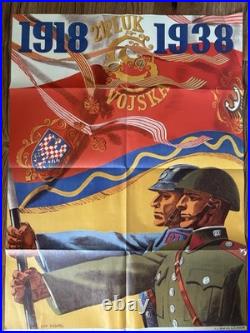
20th anniversary of the Czechoslovak Army and Legionnaires- 1918- 1938 poster. The poster is a newer reprint, it is folded and preserved. 80 x 58 cm. (you can see everything in the photos).