
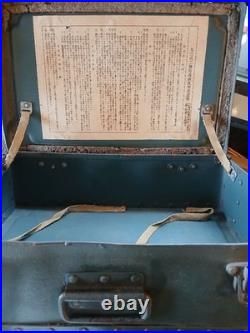
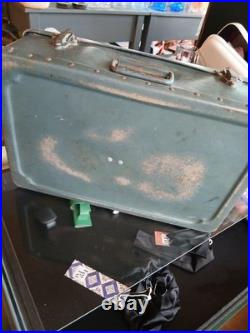
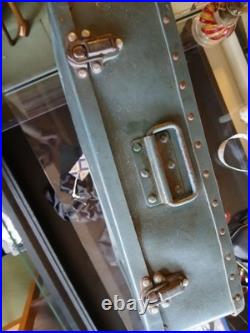
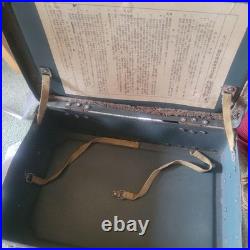
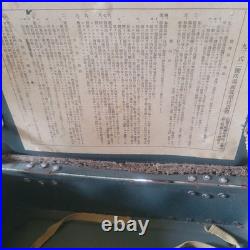

This is an original WWII-era Imperial Japanese Navy carrying case for the Type 93 No. Important: The gas mask itself is NOT included. This listing is for the original carrying/storage case only. One of the most interesting features is the original instruction sheet attached inside the lid, titled Instructions for the Type 93 No. 2 Gas Mask, Type 4. Its survival inside the original case makes this a particularly interesting historical reference piece. The Type 93 gas mask was protective equipment used by the Imperial Japanese Navy. Such equipment was intended not only as protection against chemical warfare agents, but also for hazardous conditions that could occur aboard warships and at naval installations, including smoke and potentially harmful fumes resulting from fires, explosions, shelling, or bombing. This case was specifically designed for the storage and transportation of that protective equipment. It is constructed as a sturdy military carrying case and still retains internal fabric straps. The original Japanese instruction sheet remains attached to the inside of the lid. While Japanese Army equipment survives in relatively large quantities, original Imperial Japanese Navy equipment is generally encountered less frequently. Specialized accessories such as dedicated gas-mask cases are also often separated from their original equipment over the decades. For collectors of Japanese naval militaria, the surviving original instruction sheet is an especially attractive feature. The case shows significant age and service wear, including paint loss, scratches, surface rust, staining, and general deterioration consistent with an approximately 90-year-old military item. The instruction sheet also shows age-related wear. Gas mask, filter canister, and other equipment are NOT included. Only the carrying case shown in the photographs is included. An interesting original piece for collectors of Imperial Japanese Navy equipment, WWII Japanese militaria, naval equipment, and historical military artifacts. International Buyers – Please Note.

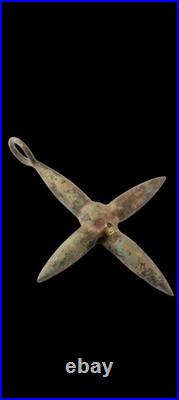
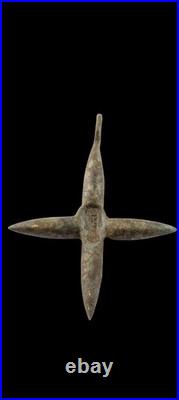
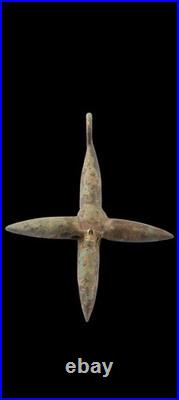
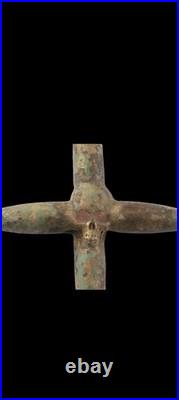
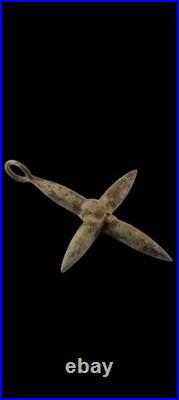
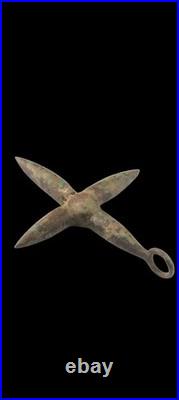
The WWI WW2 Collectable is a unique and rare piece of militaria, featuring a design inspired by the soldiers of World War I and ww2. Item showcases intricate craftsmanship and historical significance, making it a valuable collectible for anyone interested in military history. This antique piece is a one-of-a-kind treasure that pays tribute to the bravery of the soldiers who served during the Great War.

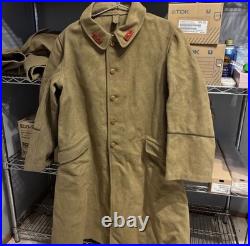
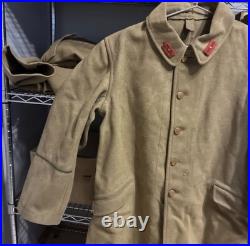
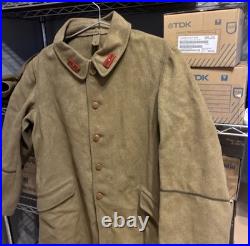
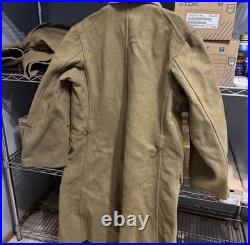
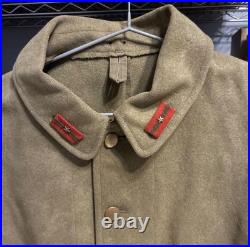
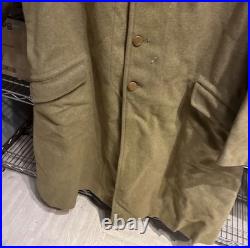
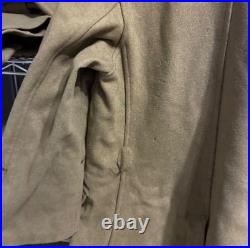
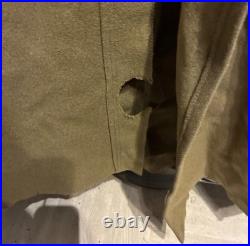
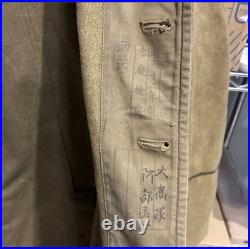
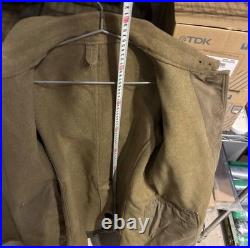
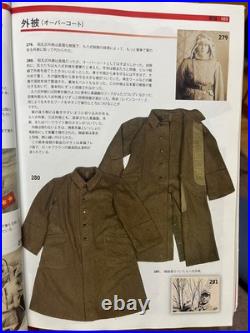
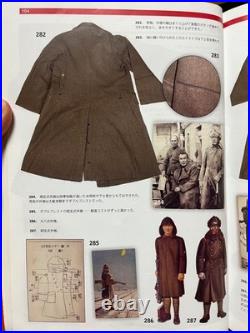
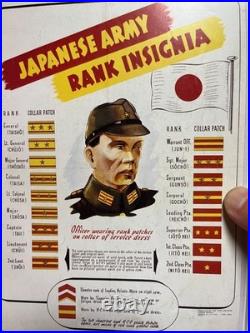
This is an original. Imperial Japanese Army Type 5 (Showa Type 5) wool greatcoat. The collar insignia identifies the original owner as a. A non-commissioned officer (NCO) responsible for leading small units and training soldiers in the Imperial Japanese Army. 1937 marked the beginning of the Second Sino-Japanese War, when Japan began its large-scale military campaign in China. This greatcoat was manufactured during that pivotal year and represents an authentic piece of early WWII Japanese military history. Unlike the later Type 98 greatcoat, the Type 5 model was made from thick, high-quality wool and offered excellent protection against severe winter conditions. Because it was expensive to manufacture, it was eventually replaced by a simpler and more economical design, making surviving Type 5 examples increasingly desirable among collectors today. Original Arsenal and Issue Markings. The inside of the coat still retains several original Japanese arsenal and inspection markings. Manufactured in Showa 12 (1937). Main Arsenal Inspection Passed. Even more importantly, the interior also bears hand-written ownership markings. “Abe Juichi” . These original handwritten inscriptions connect the coat to the individual soldier who once wore it, transforming it from a military uniform into a tangible piece of personal history. Original Type 5 Imperial Japanese Army greatcoat. Original Corporal (NCO) collar insignia attached. Original arsenal stamps and handwritten name remain visible. Moth damage, small holes, stains, and signs of age are present. Please examine all photographs carefully for condition. Considering that this coat is nearly 90 years old, it remains an impressive surviving example of an early Imperial Japanese Army winter uniform. Military uniforms with a confirmed production year, original arsenal markings, rank insignia, and a named owner are becoming increasingly difficult to find. An excellent addition for WWII militaria collectors, museums, reenactors, or anyone interested in Imperial Japanese Army history. Own a Piece of History. International Buyers – Please Note. Thank you for your understanding.

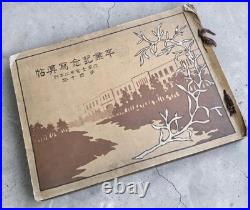
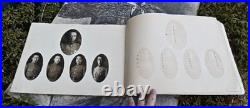
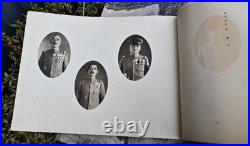
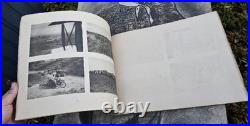
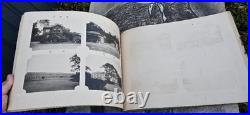
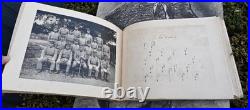
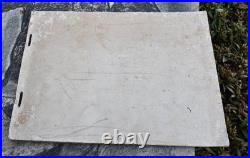
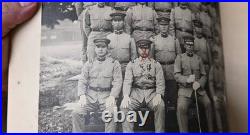
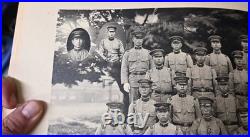
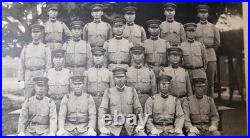
This original graduation photo album was published in. July 1928 (Showa 3). To commemorate the graduation of the. 40th Class of the Imperial Japanese Army Academy. The institution responsible for educating many of Japan’s future military officers. Far more than a simple graduation album, this is an outstanding primary historical document that captures the education of officers who would later shape some of the most significant events in modern Japanese history. The album contains numerous photographs of cadets, instructors, academy buildings, training grounds, military exercises, aircraft, vehicles, and detailed roster pages listing the names of each company and platoon. Among the graduates recorded in this album are officers who later participated in what is known in Japan as the. In 1936 that profoundly influenced Japanese politics and accelerated the growing influence of the military before World War II. The roster also includes. Who later played an important role inside the Japanese Army during the final days of World War II by helping coordinate internal discussions surrounding Japan’s acceptance of the Potsdam Declaration. Another fascinating feature is the inclusion of Chinese military students studying at the academy, providing valuable insight into military exchanges between Japan and China during the late 1920s. The photographs beautifully preserve the appearance of young cadets before they entered history-showing uniforms, field exercises, academy life, military facilities, and the atmosphere of one of Japan’s most prestigious military institutions. For collectors of Imperial Japanese military history, military academies, original photographs, and prewar Japan, this album offers exceptional research value as an authentic primary source rather than a retrospective publication. It is rare to find an original academy graduation album whose members can later be connected to such historically significant events. A remarkable opportunity to own an authentic piece of prewar Japanese military history. Own a Piece of History. International Buyers – Please Note. Thank you for your understanding.

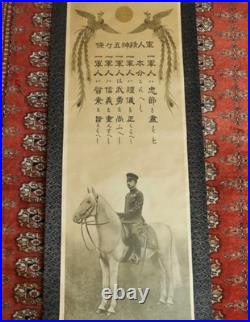
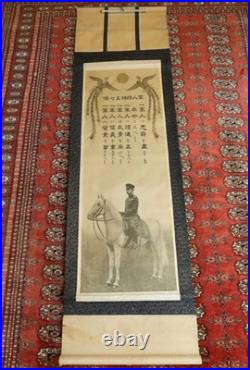
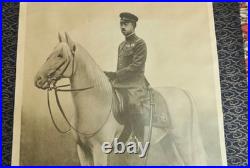
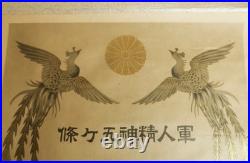
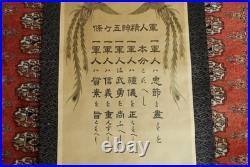
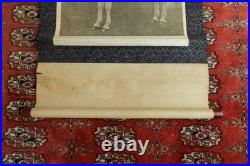
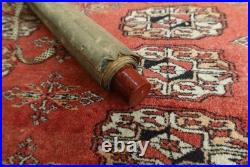
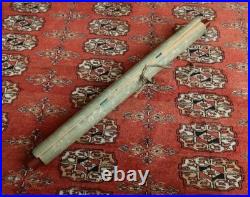
This is an original prewar Japanese hanging scroll featuring. Emperor Hirohito (Emperor Showa). Five Principles of Military Spirit (Gunjin Seishin Gokajo). One of the moral foundations taught to soldiers of the Imperial Japanese Army. At the top of the composition are the Imperial Chrysanthemum Crest and a pair of phoenixes, symbols traditionally associated with the Imperial House of Japan. Beneath them appears the. Five Principles of Military Spirit. Which instructed soldiers to uphold. Loyalty to the Emperor. Proper conduct and courtesy. These principles reflected the ethical code expected of Japanese servicemen during the prewar period and formed an important part of military education. The lower portion of the scroll depicts. Emperor Hirohito on horseback in military uniform. From his accession to the throne in 1926 until the end of World War II in 1945, Emperor Hirohito served as Japan’s sovereign and was constitutionally recognized as the. Supreme Commander of the Imperial Japanese Army and Navy. For this reason, his portrait was widely displayed in military facilities, schools, and government institutions as a symbol of national unity, discipline, and loyalty. The Emperor is portrayed as a relatively young man in this artwork. Based on the style of the portrait and the overall design, it is likely that this image was originally created during the. Late 1920s or early 1930s. Shortly after his accession. While the exact production date of this scroll cannot be confirmed, it clearly reflects the visual style of early Showa-era military educational materials. Scrolls of this type were displayed in barracks, military schools, youth organizations, and other public institutions to reinforce discipline, patriotism, and the ideals of Bushido among soldiers and young people. Today, this piece serves not only as decorative artwork but also as an important historical document illustrating how military ethics and loyalty to the Emperor were visually communicated in prewar Japan. Imperial Chrysanthemum Crest, phoenixes, the Five Principles of Military Spirit, and a youthful portrait of Emperor Hirohito. This is an impressive display piece for collectors of Imperial Japanese militaria, military education, wartime propaganda, and modern Japanese history. The scroll shows expected age-related wear, including minor foxing, discoloration, and light stains, but remains in overall good condition for its age. Please examine all photographs carefully before purchasing. Own a Piece of History. International Buyers – Please Note. Thank you for your understanding.

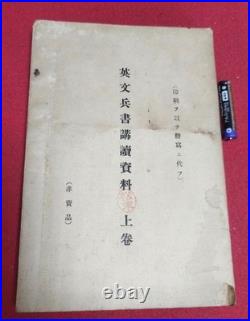
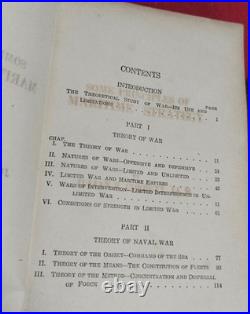
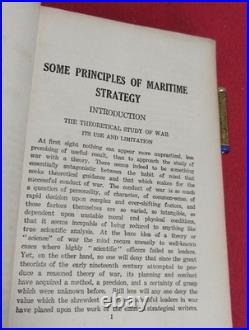
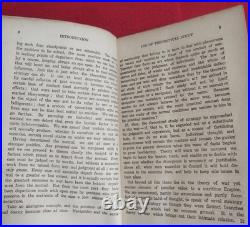
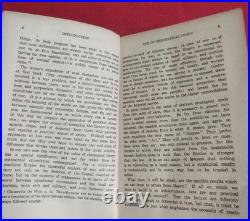
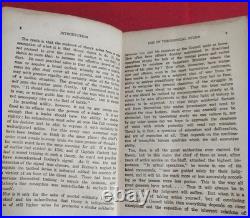
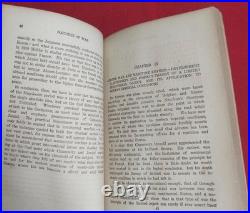
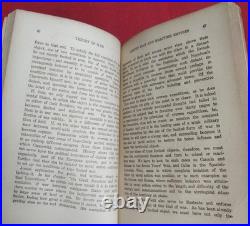
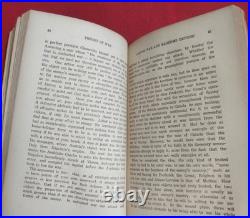
Imperial Japanese Military English Study Manual. Some Principles of Maritime Strategy. Prewar Non-Retail Educational Edition. This is a prewar Japanese military study manual containing the original English text of. Sir Julian Corbett’s influential work, Some Principles of Maritime Strategy. The cover is titled. “English Military Text Reading Materials – Upper Volume”. This indicates that it was not produced as an ordinary commercial book, but as an educational or institutional reference for the study of Western military theory. The text discusses major subjects including. The theory and nature of war. Limited and unlimited warfare. Command of the sea. Naval warfare and fleet strategy. The concentration and dispersal of naval forces. Corbett was one of Britain’s most important naval strategists. Unlike a simple English-language textbook, this volume shows how prewar Japanese military personnel studied Western strategic thought directly from its original English text. That is the real historical appeal of this item: it preserves evidence of the intellectual and educational side of the Imperial Japanese military-the study of foreign powers, their theories, and their methods of war. The surviving volume contains approximately. Only the upper volume is included. There is age-related discoloration, staining, wear, and a small tear near the lower edge of the rear cover. Please examine the photographs carefully for the condition and contents. A fascinating historical document for collectors of Imperial Japanese Navy material, naval strategy, military education, and prewar Japanese military publications. Own a Piece of History. International Buyers – Please Note. Thank you for your understanding.

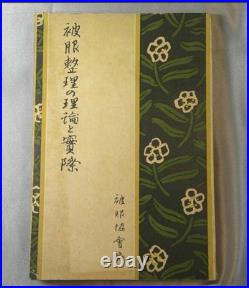

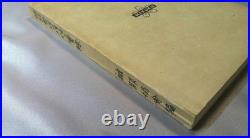
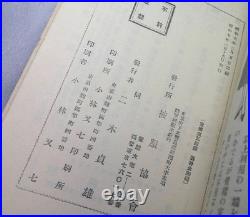
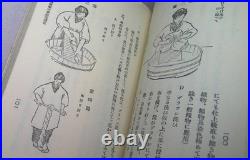
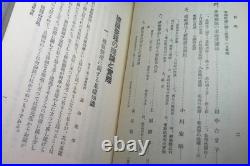
This original book, published in. “Theory and Practice of Clothing Maintenance”. Hifuku Seiri no Riron to Jissai. Rather than being an ordinary housekeeping guide, it was edited and published by the. Clothing Association within the Imperial Japanese Army Clothing Depot (Rikugun Hifuku Honsho). The organization responsible for the manufacture, inspection, repair, and supply of uniforms and textile equipment for the Imperial Japanese Army. It provides a fascinating look into the practical side of military logistics, showing how uniforms were maintained, repaired, cleaned, and preserved long before they reached the battlefield. What was the Army Clothing Depot? The Imperial Japanese Army Clothing Depot was the central organization responsible for producing and supplying military uniforms, boots, blankets, packs, tents, and other textile equipment. Keeping thousands of soldiers properly equipped required far more than manufacturing. Clothing had to be inspected, repaired, cleaned, reused, and stored correctly. This book reflects the technical knowledge developed inside that organization, making it much more than an ordinary laundry handbook. Possibly Intended for Military Families. One particularly interesting aspect is the inclusion of an entire section titled. Household Washing Methods for Various Types of Clothing. The book also contains illustrated instructions covering hand washing, wringing techniques, stain removal, fabric care, dyeing, and clothing repair. Because of this, I believe the book was likely intended not only as a technical reference but also as a practical guide that could be used in ordinary households. That it was written for military families, it is quite possible that its knowledge was meant to be shared with the families of servicemen and others responsible for maintaining military clothing at home. This interpretation fits well with both the contents of the book and the social conditions of Japan during the early 1930s. A Window into Pre-War Japan. Shortly after the Manchurian Incident, this book reflects a period when Japan was rapidly expanding its military presence. Uniforms and equipment represented valuable national resources, and extending their usable life through proper maintenance became increasingly important. Theory of clothing maintenance. Wool and silk garment care. Recycling and reuse of worn clothing. Illustrations demonstrate proper washing, wringing, stain removal, and fabric treatment, making the book both technically informative and visually engaging. Collectors often focus on medals, swords, or uniforms themselves. How those uniforms were actually maintained. Are encountered far less frequently. This volume documents the unseen work behind every military uniform-the people who washed it, repaired it, preserved it, and ensured it remained serviceable. It is an outstanding reference for collectors of Imperial Japanese Army material, military logistics, textile history, conservation, restoration, and pre-war Japanese industrial culture. A fascinating and uncommon primary source that reveals an overlooked side of military history. Own a Piece of History. International Buyers – Please Note. Thank you for your understanding.

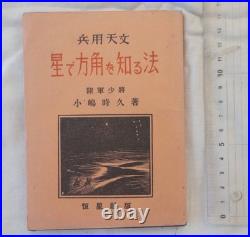
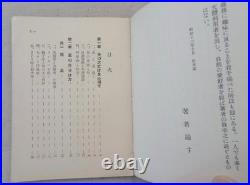
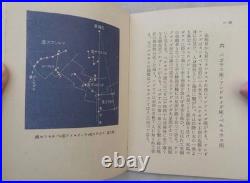
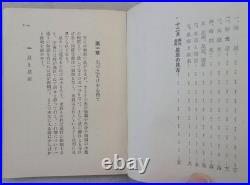
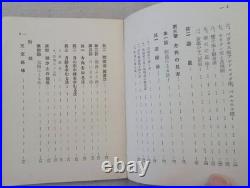
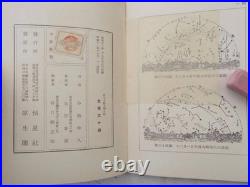
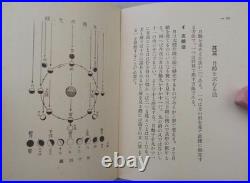
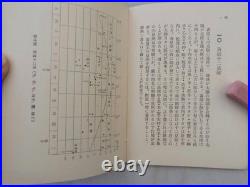
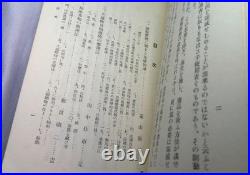
WWII Imperial Japanese Army Military Astronomy Manual. “How to Determine Direction by the Stars”. Published November 1, 1937. This is an original pre-war Japanese military astronomy manual titled. “Heiyo Tenmon – Hoshi de Hogaku wo Shiru Ho”. Military Astronomy – How to Determine Direction by the Stars. The book was written by. Major General Tokihisa Kojima. And published by Koseisha. The colophon (publication page) clearly states. Published November 1, 1937 (Showa 12). Military Navigation Before GPS. Before GPS, radio navigation, and modern electronic equipment, soldiers often relied on the night sky to determine direction during field operations. This manual was created to teach practical methods of navigation using celestial bodies. Finding Polaris (the North Star). Determining direction from stars. Solar and celestial orientation methods. Numerous diagrams, charts, and constellation illustrations are included throughout the book. Rather than a general astronomy guide, this is a practical military field manual intended to teach navigation and orientation techniques useful for soldiers operating in the field. Graduated from the Imperial Japanese Army Academy and later the Army War College. He served during the Russo-Japanese War and eventually rose to the rank of Major General. Kojima was also known for his strong interest in astronomy and reportedly maintained a private observatory, making this publication an unusual combination of military science and astronomical knowledge. Published in 1937, the same year the Second Sino-Japanese War began, this book provides a fascinating glimpse into how military personnel learned navigation techniques before modern technology existed. It represents a unique intersection of. Survival and navigation techniques. A scarce and interesting reference for collectors of Imperial Japanese military material, navigation history, and pre-war scientific publications. Age-related wear, foxing, and discoloration are present. Please examine all photographs carefully for condition details. International Buyers – Please Note. Thank you for your understanding.

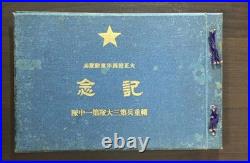
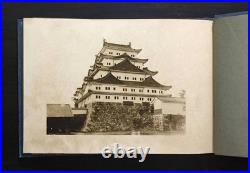
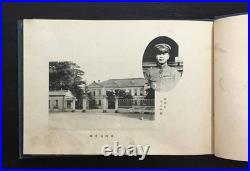
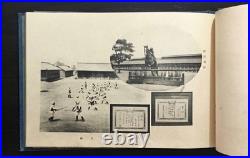
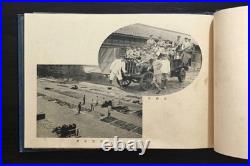
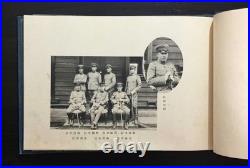
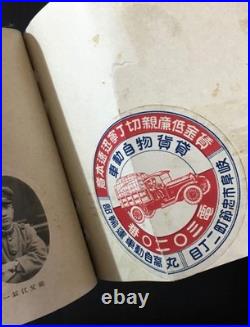
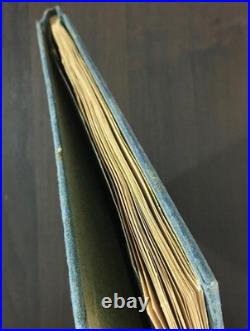
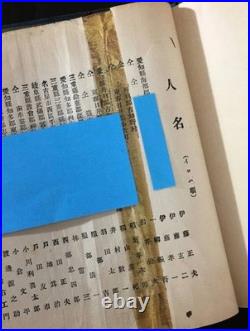
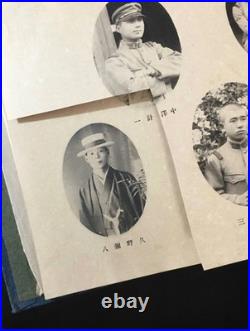
Taisho 14 (1925) discharge commemorative photo album. Imperial Japanese Army Transport Unit, Supply Troops 3rd Battalion 1st Company. Based in Nagoya, Japan. This album opens with a formal portrait of. Lieutenant General Inoue Ikutaro. Beginning the album with a senior general reflects the strict hierarchy and prestige culture of the Imperial Japanese Army. It is followed by a group photograph of officers including. The album then continues into a fascinating visual record of military life and operations, including. Barracks and gate buildings. Horse facilities and cavalry animals. Supply wagons / transport vehicles. Why This Album Matters. The men responsible for food, ammunition, transport, horses, and military supply lines. While infantry often receives the attention, armies move through logistics. Many historians note that Imperial Japan often underestimated supply capacity and long-term logistics. Weak transport networks and shortages later became one factor in military collapse during the Pacific War. Because transport units were less glamorous and often less preserved. Original logistics-related Japanese military items are noticeably scarcer today. That gives this album special appeal. This is not just a military album. It is a rare surviving record of. How armies actually functioned. Early 20th century Japanese military structure. Pre-WWII transport corps history. A strong piece for collectors of militaria, military history, transport history, or rare photo archives. Shows age and use consistent with period. Before soldiers fought, others carried the war forward. Own a Piece of History. International Buyers – Please Note. Thank you for your understanding.


This is a complete set of ten original volumes of the. “Revised Civil Defense Member Handbook Draft” (Bogo Dantai Hitsuyo Soan). Under the supervision of the. Eastern Defense Headquarters of the Imperial Japanese Army. Unlike frontline military manuals, these books were created to train members of Japan’s. An organization responsible for protecting civilians in the event of air raids and other wartime emergencies. Rescue and first aid. In many ways, the organization combined roles similar to today’s volunteer fire departments, emergency response teams, and civil defense organizations. The set contains all ten sections covering every branch of Civil Defense operations. Numerous illustrations demonstrate first-aid procedures, casualty evacuation, stretcher carrying techniques, hemorrhage control, and emergency response methods, showing that these manuals were intended for practical field training rather than theoretical study. The preface explains that the work was revised with the cooperation of the. Army Science Research Institute. And was intended as an official operational guide for Civil Defense personnel during Japan’s expanding wartime mobilization. Several volumes bear a purple ownership stamp reading. Nagayama Pharmacy, Yorozu-machi, Tochigi. This is believed to be the stamp of a former owner or institution that once used these manuals. Because pharmacies often participated in emergency medical support during the period, the stamp adds an additional layer of historical interest, although its exact history is unknown. Complete sets like this rarely survive. Since each booklet was intended for practical use by different Civil Defense units, many were discarded or separated after the war. Finding all ten original volumes together is increasingly uncommon. This collection offers an exceptional glimpse into Japan’s home-front civil defense system immediately following the outbreak of the Second Sino-Japanese War in 1937 and represents an important historical resource for collectors of WWII militaria, civil defense, and wartime social history. Please examine the photographs carefully for overall condition, including age-related wear, foxing, stains, and other signs of use. Own a Piece of History. International Buyers – Please Note. Thank you for your understanding.