
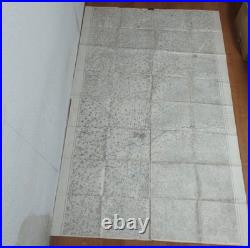
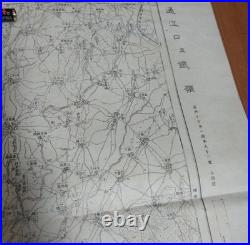
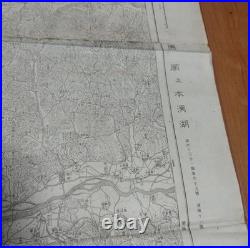
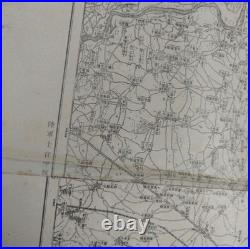

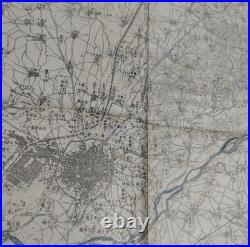
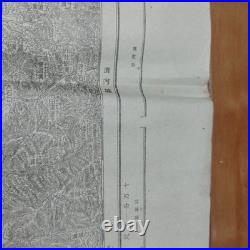
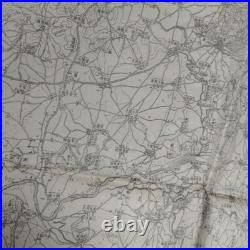

Pre-WWII Imperial Japanese Army topographical map. “Manchuria 1:100,000 Series”. This large folding military map covers the Fengtian (Mukden / modern Shenyang) region in Manchuria. “Manchuria 1:100,000 Map”. Tongjiangkou & Tieling. Fushun & Benxi Lake. Scale 1:100,000 (Japanese ri scale notation). “Army Cadet School” (Rikugun Shikan Gakko). Mukden urban grid layout. Fushun coal mining area. Benxi (major iron and steel industrial zone). South Manchurian Railway lines. Detailed river systems. Military-relevant transport routes. Extensive contour lines and terrain features. Numerous villages labeled in kanji. The Mukden region was one of Japan’s most strategically important areas in Manchuria following the Russo-Japanese War. The presence of “Army Cadet School” marking suggests it may have been used for military education and officer training. Large folding format, field-usable military issue. Original fold lines. Age toning and stains. No major structural loss observed (see photos). An excellent historical document for collectors of. Imperial Japanese Army materials. WWII Asian theater. International Buyers – Please Note. Thank you for your understanding.

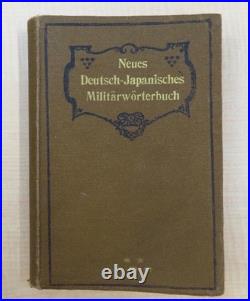
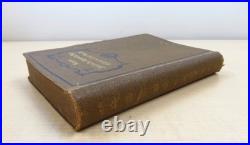
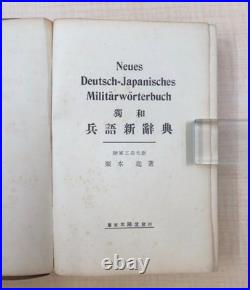
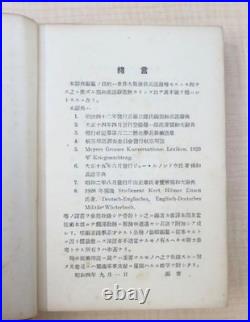
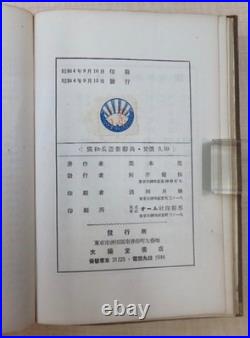
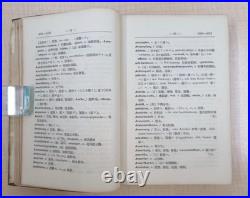
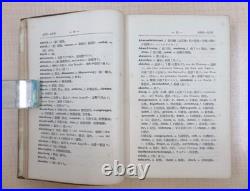
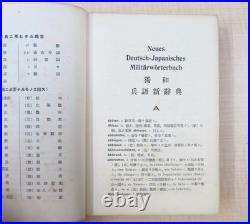
Original 1929 “Neues Deutsch-Japanisches Militärwörterbuch” (New German-Japanese Military Dictionary). By Captain Susumu Kurimoto, Imperial Japanese Army Engineer Corps. Published by Taiyodo Shoten, Tokyo, Showa 4 (1929). Hardcover, 501 pages, first edition. This prewar military dictionary was compiled during the late 1920s. When the Imperial Japanese Army re-examined German military science after World War I. It served as a practical technical dictionary for officer schools and staff education. Covering specialized German terms in all branches – infantry, artillery, engineering, aviation, communications, and logistics. The preface cites major European sources such as. Meyers Großes Konversations-Lexikon (1920). Showing that this book was based on the most up-to-date German and international military terminology available at the time. In the interwar years, Japan sought to modernize its military organization through German-style doctrine and training. This dictionary reflects the intellectual foundation of that effort. Bridging the linguistic gap between Japanese officers and European staff manuals. It was likely used in military academies and technical schools. Making it a rare surviving reference from Japan’s re-militarization period before WWII. Title: Neues Deutsch-Japanisches Militärwörterbuch. Author: Susumu Kurimoto (Captain, Imperial Army Engineers). Publisher: Taiyodo Shoten, Tokyo. Printed & issued: September 1929 (Showa 4). Size: 12.5 × 17.5 cm. Language: German and Japanese. Condition: Minor wear and foxing consistent with age; small writing on a few pages; overall clean and tight. Original imprint and publisher’s stamp present. An extremely scarce pre-WWII Japanese military reference book. Demonstrating Japan’s deep technical and linguistic engagement with German military science. Highly desirable for collectors of Imperial Japanese Army, WWII history, and prewar academic publications. International Buyers – Please Note. Thank you for your understanding.

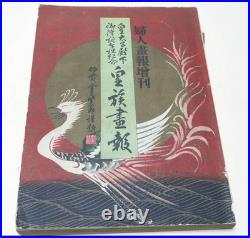
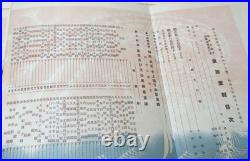
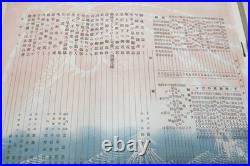
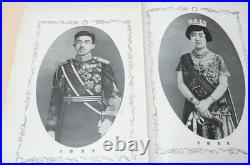
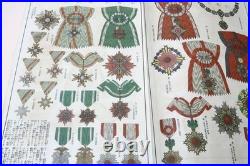
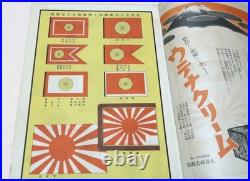
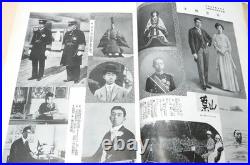
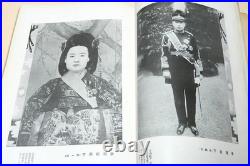
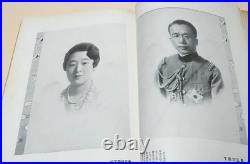
A deluxe special issue of the prestigious women’s magazine Fujin Gaho. The cover design is by Western-style painter Saburo Miyamoto. Compiled with official court and Imperial Household Agency photographs, it functions as a visual yearbook of the Japanese Imperial Family. It also includes portraits of the former Korean royal family (Yi dynasty). A richly illustrated pictorial commemorating the birth of the Crown Prince (Prince Akihito, later Emperor Akihito) at the end of 1933. Large formal portraits of the Emperor and Empress in court dress. Portraits of Yi Un (Prince of Korea), Princess Masako, and Prince Yi Gu. Photographs of Imperial family members from Meiji through early Showa – ceremonies, official outings, daily portraits. Full-color plates of Japanese orders, decorations, and military/imperial flags. Genealogical charts and explanatory texts of the Imperial family and noble houses. A valuable reference showing court dress, decorations, and rituals of the era. Published in Showa 9 (1934), totaling 304 pages. Produced immediately following the Crown Prince’s birth, capturing the celebratory atmosphere and the culture of the Imperial court in early Showa. Published in Tokyo as a Fujin Gaho special issue. The photographs feature locations such as the Imperial Palace, residences of various princes, naval ports, and official visits. The birth of a crown prince was a major national event. This volume provided an accessible visual record of the Imperial family and their ceremonial life. Today it serves as. A reference for Imperial history, court attire, and the honors system. Material for museum exhibitions, documentaries, and academic study. A core item for serious collectors of Imperial memorabilia. Printed on thick gravure paper, 304 large pages with primarily monochrome photographs and several color plates (orders, flags). Clear chapter divisions progress from portraits? Genealogies? Systems of orders and flags. Title: Fujin Gaho Special Issue – Kozoku Gaho: Commemorative Pictorial for the Birth of the Crown Prince. Cover: Design by Saburo Miyamoto. Publication year: 1934 (Showa 9). Format: 304 pages, numerous photo plates, color plates of decorations and flags, genealogical charts. Major contents: Emperor & Empress, Imperial family members, Yi dynasty royal family (Yi Un, Princess Masako, Prince Yi Gu). Shows typical age-related wear: surface rubbing and light stains on the cover, tears to the spine ends, foxing and toning to pages, binding somewhat loose. Still complete and fully legible; illustrations intact (see photos). Highlights / Research Value. Rare color plates of Imperial orders, decorations, and flags. High-quality portraits and biographical sketches of the Imperial family & Yi dynasty. Large-format pages of military and Imperial flags. Genealogical charts presenting the family structure from Meiji through early Showa. ? Note: This item is offered as a historical document only. It is not intended to promote or glorify any political ideology or past regime. Early Showa / Japanese Imperial Family / Saburo Miyamoto / Fujin Gaho / Imperial Pictorial Album / Prince Akihito / Yi Dynasty / Yi Un / Princess Masako / Yi Gu / Orders & Decorations / Flags / Genealogy / Imperial History Reference. International Buyers – Please Note. Thank you for your understanding.

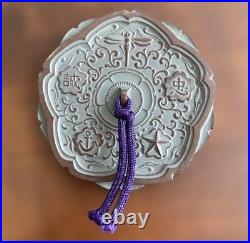
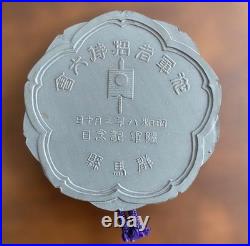
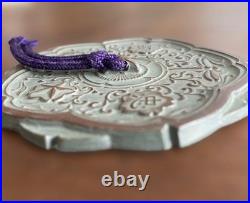
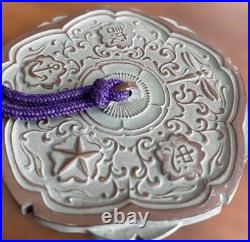
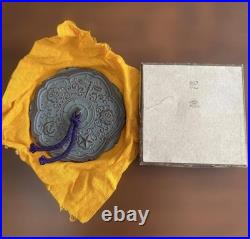
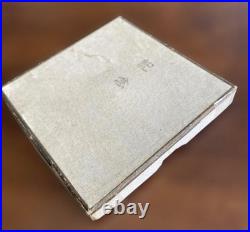
Original 1933 Imperial Japanese Army Veterans’ Gathering Commemorative Paperweight. A rare prewar cast metal paperweight issued for the Army Commemoration Day (March 10, Showa 8 / 1933) in Gunma Prefecture, Japan. This item was distributed to participants of the Veterans’ Invitational Ceremony (Jugunsha Shotai Taikai) – a formal event honoring former Imperial Army servicemen. The front design features the kanji (Loyalty) and (Sincerity), along with symbolic motifs. Dragonfly (/ courage and vigilance, an Imperial Army symbol). Chrysanthemum-like crest (imperial motif). “Imperial Japanese Army Commemoration – Veterans Invitational – Gunma Prefecture – March 10, 1933″. It represents the interwar period unity of Army and Navy under the Emperor, and served as a patriotic token of loyalty and remembrance for those who had served in the Empire’s earlier campaigns. Date: Showa 8 (1933). Material: cast metal (iron or bronze alloy). Condition: Very good for age. Minor patina and wear due to age. Origin: Gunma Prefecture, Japan. March 10 was designated as “Army Commemoration Day” in prewar Japan, marking the victory in the 1905 Battle of Mukden during the Russo-Japanese War. Local veterans’ groups and prefectural associations held annual gatherings to honor war heroes and reaffirm national loyalty. This paperweight was a souvenir presented to attending veterans – an authentic artifact of Japan’s early Showa militarist culture. International Buyers – Please Note. Thank you for your understanding.

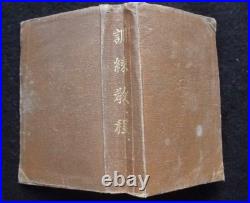
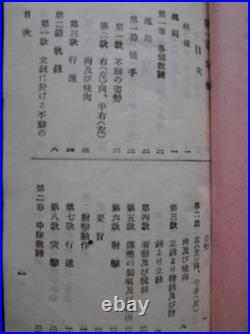
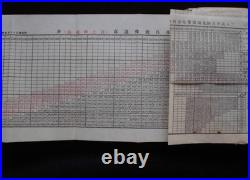
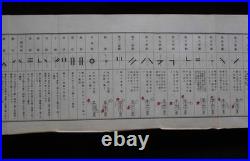
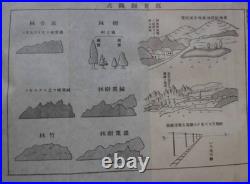
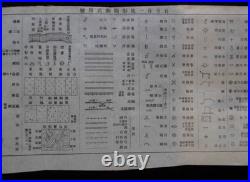
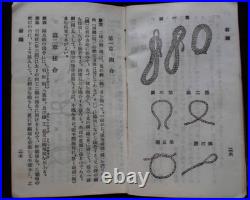
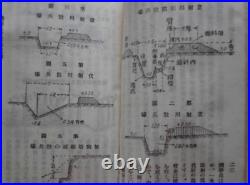
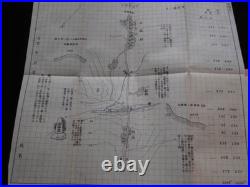
This is an original 1926 (Taisho 15) Imperial Japanese Army training manual. Published by Seibudo, intended for active-duty soldiers and non-commissioned officers. At the end of the Taisho era, Japan was transforming its army into a fully standardized modern military, shifting away from individual experience toward systematic, reproducible training doctrine. This book was created as a practical field manual, not a theoretical text. This manual was used by. As a daily reference for training, field exercises, and instruction. It covers virtually every aspect of soldier education at the time, including. Command and signaling methods. Flag signaling, distance measurement, and map reading. Hygiene and first aid. (21 sections in total). Small portable format (12.8 × 7.8 cm). Extensive diagrams, charts, and illustrations. Period pencil markings and notes remain. The handwritten notes and underlining indicate actual use by a soldier, adding significant historical authenticity. This is not a reproduction. It is a genuine primary source showing how Imperial Japanese soldiers were trained immediately before the Showa era. A serious reference piece for military historians, collectors, and researchers. Approximate 7-21days(To USA).

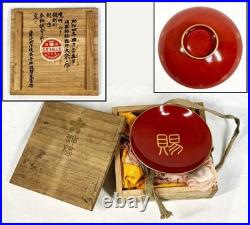
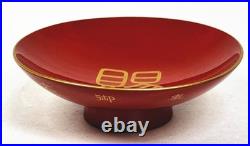
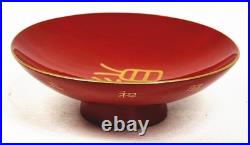


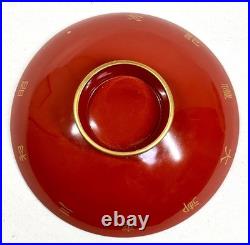
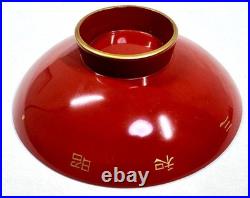
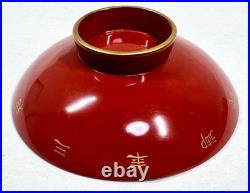
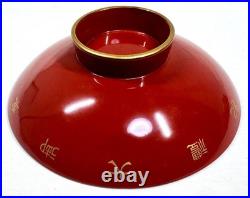
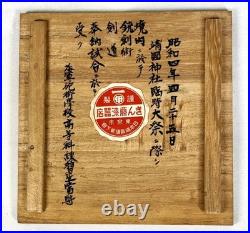
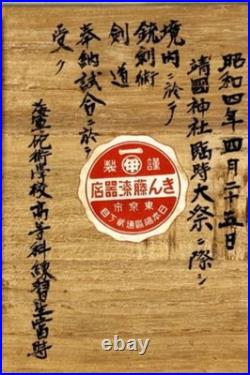
This is an original red lacquer ceremonial sake cup created to commemorate the Imperial Enthronement Ceremony (, Gotairai) of Emperor Showa (Hirohito) in 1928 (Showa 3). The inside of the cup features the bold character?? (“Tamawaru” – “Bestowed” or “Imperial Gift”), symbolizing honor and blessing. Around the outer rim, in gold lacquer, it reads. ? (“Commemorating the Imperial Enthronement Ceremony of Showa 3″). The cup is finished with a fine gilt rim. Box inscription (on the lid interior). The original wooden box has an important inscription, which connects this cup to a later historical event. Right column: Showa 4 (1929), April 25 – Yasukuni Shrine, on the occasion of the Temporary Grand Festival. Center column: Dedication of martial arts demonstrations (?) – bayonet drills and kendo matches were performed. Left column: Signed with affiliation/names (partially in cursive script, preserved as-is). The red circular seal is the mark of the original lacquerware shop. This means the cup, originally made for the 1928 Enthronement, was later dedicated or presented in 1929 at Yasukuni Shrine during a major festival, in connection with martial arts dedication ceremonies. This double provenance-Imperial and martial-greatly enhances its historical value. Who: The Japanese people, martial arts groups, and Shinto community honoring the Emperor. What: A commemorative lacquer sake cup celebrating the Showa Emperor’s enthronement and later used in a Yasukuni Shrine martial arts dedication. When: Cup produced in 1928 (Showa 3); box inscription dated 1929 (Showa 4). Where: The enthronement ceremonies were held in Kyoto; the dedication occurred at Yasukuni Shrine in Tokyo. Why: To celebrate the enthronement as a national event, and to dedicate martial arts performances to the spirits of the fallen. How: Such lacquer cups were used in ceremonial banquets and dedication rituals, then preserved in wooden boxes with inscriptions noting the occasion. Japanese lacquer (urushi) is made from the sap of the lacquer tree. It produces a hard, glossy, and durable coating admired for centuries. This cup uses red lacquer (shu-urushi) with gold-painted inscriptions and a gilt rim, typical of high-quality ceremonial vessels. Care: Avoid direct sunlight and alcohol cleaners. Simply wipe gently with a soft dry cloth. Imperial Enthronement + Yasukuni Shrine martial arts dedication – two major historical events connected in one artifact. Large bold character?? inside, symbolizing honor and Imperial blessing. Original inscribed box with provenance, making it valuable as both a ceremonial object and a historical document. Excellent for collectors of Japanese Imperial memorabilia, martial arts history, and Shinto-related artifacts. ? This is not just a sake cup, but a piece of Japanese history with strong connections to the Imperial Enthronement of Emperor Showa and the Yasukuni Shrine martial traditions of the early Showa period. Approximate 7-21days(To USA).

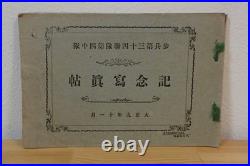
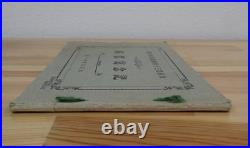

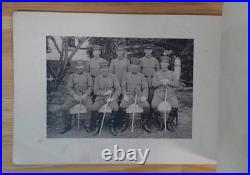
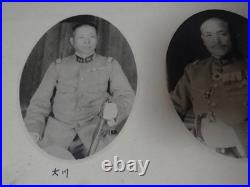
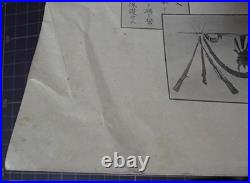
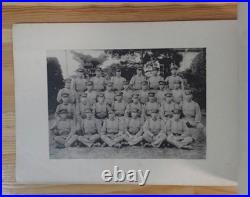

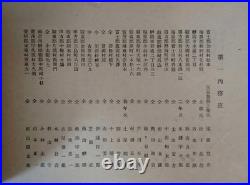
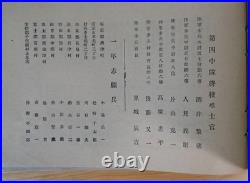
This is an original. Commemorative photo album from November 1920 (Taisho 9). Documenting members of the. 4th Company, 34th Infantry Regiment of the Imperial Japanese Army. The 34th Infantry Regiment was one of the long-serving infantry units of the Imperial Japanese Army, originally formed in the late 19th century and active through multiple conflicts. Portrait photographs and group photographs of officers, non-commissioned officers, and enlisted men. Offering a clear visual record of unit organization, uniforms, ranks, and military bearing during the Taisho period. The Taisho era represents a transitional phase between the Russo-Japanese War and the later conflicts of the Showa period. Military systems and uniforms were relatively standardized at this time, making photographic materials from this era especially valuable as. 34th Infantry Regiment continued its service after this album was produced. In the Showa era, the regiment was deployed during the. And later sent to overseas theaters during the Pacific War. As the war situation deteriorated, the unit suffered heavy losses and was. Effectively disbanded around the end of World War II. Bringing its long history to a close. This album therefore captures the regiment at a point. Before its later wartime deployments. Preserving the appearance and atmosphere of soldiers during a relatively stable period. The expressions and posture of the men provide rare insight into everyday military life of the time. Please refer to the images for the exact contents and structure of the album. This is a genuine period item and shows. Including toning, stains, creases, corner wear, and handwritten names and place names in a few locations. These features are consistent with actual use and storage over more than a century. Recommended for collectors and researchers of Imperial Japanese Army history, military photography, and early 20th-century Japanese military units. International Buyers – Please Note. Thank you for your understanding.

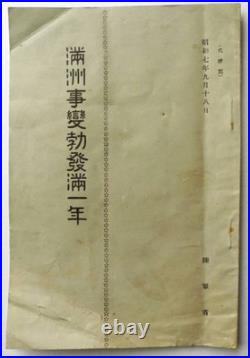
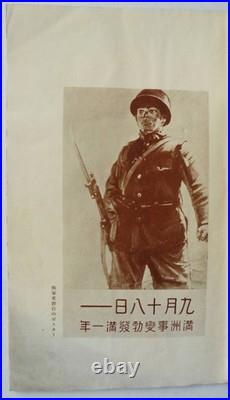
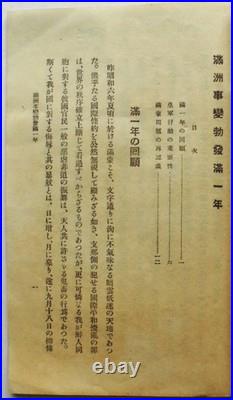
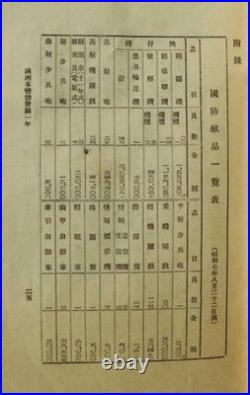
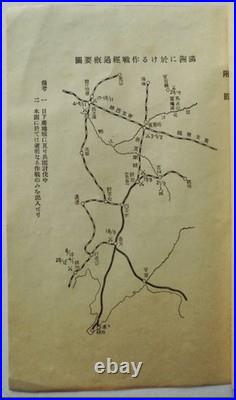
Published by the Imperial Japanese Army Ministry on September 18, 1932, this booklet commemorates the first anniversary of the Manchurian Incident. It reviews the military operations, highlights the “importance of the Emperor’s Army actions, ” and re-emphasizes the so-called Manchuria-Mongolia problem. Operational overview map of campaigns in Manchuria. Table of national defense contributions (donations & equipment). Propaganda photo/poster illustrations (commemorating “9.18”). The Manchurian Incident (Mukden Incident) began on September 18, 1931, near Mukden (Shenyang), when the South Manchuria Railway was sabotaged. The Japanese Kwantung Army used this as a pretext to occupy Manchuria, leading to the establishment of Manchukuo in 1932. The League of Nations condemned Japan’s actions, eventually prompting Japan’s withdrawal from the League in 1933. Interior pages are well preserved, with age toning, stains, and wear on the cover (see photos). No major tears or missing pages detected. A rare official Army Ministry publication, reflecting the narrative Japan promoted at the time. Own a piece of history. Approximate 7-21days(To USA).

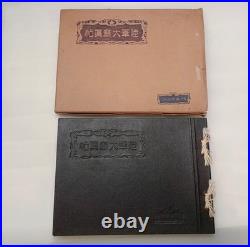
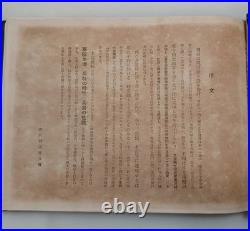
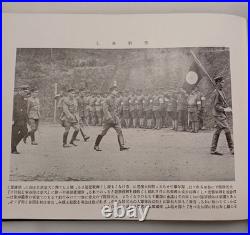
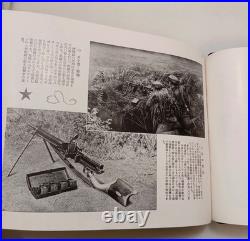
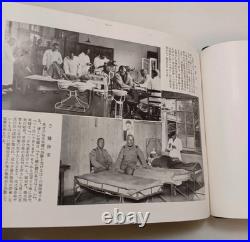
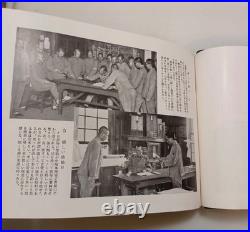
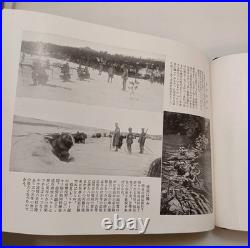
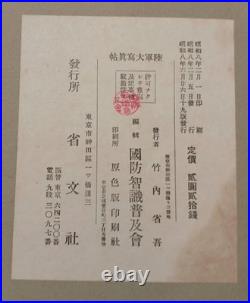
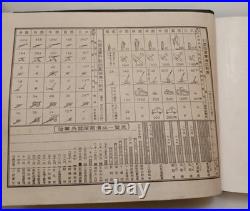
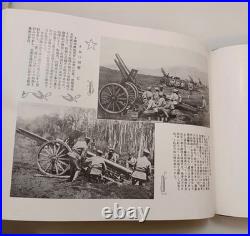
This is an original Imperial Japanese Army photo book published in 1933 (Showa 8). Edited by the National Defense Knowledge Promotion Association and issued by Shobunsha. The book contains a large collection of historical photographs documenting. The Imperial Japanese Army during the early Showa period. Rather than focusing on individual hero narratives, it visually records. Military training, field exercises, weapons, medical units, and daily life of soldiers. Artillery units, machine guns, and field weapons. Live-fire exercises and battlefield training. Winter operations and snowfield maneuvers. Medical corps activities and military hospitals. Soldiers’ daily routines and internal unit scenes. Inspections, formations, and ceremonial events. This publication reflects the historical context of the early 1930s. A period marked by rising regional tensions following the Manchurian Incident. At the time, such photo books were intended to visually convey the structure. Capabilities, and discipline of the army to the general public. Today, this book is valued as a primary visual source for researchers. Collectors, and institutions studying pre-war Japanese military history. It is not a modern reprint, but an original period publication. Title: Army Large Photo Album. Editor: National Defense Knowledge Promotion Association. 16 x 22.5 cm. Due to age, there is natural toning, foxing, and wear consistent with an. The contents remain fully legible and photographs are clear. Please review images carefully for condition details. International Buyers – Please Note. Thank you for your understanding.

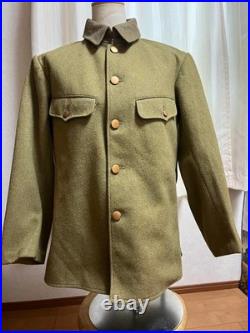
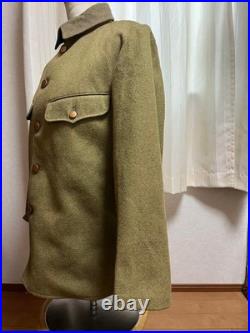
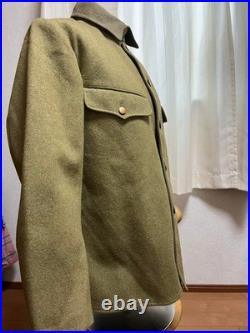
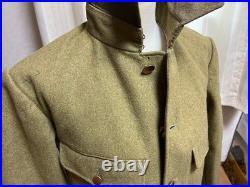
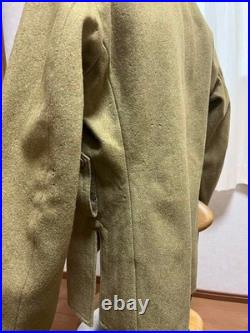
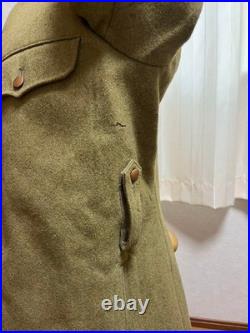
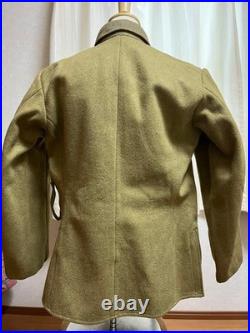
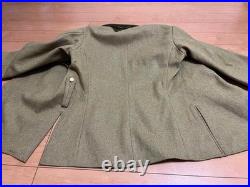
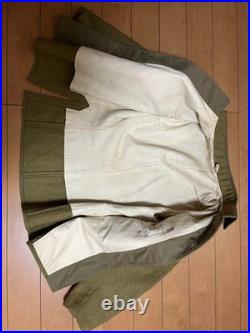
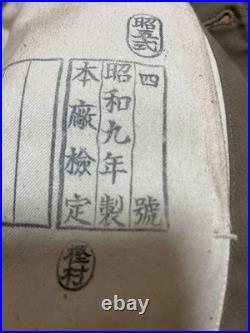
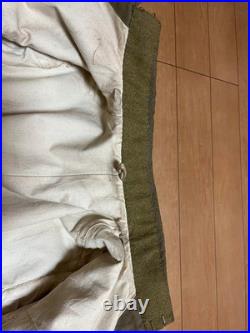
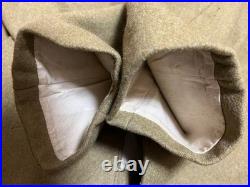
This is sho 5 type winter tunic from the former Japanese army. It’s from war time. The stand-up collar of the Showa 5th style has been modified to a folded collar. Made of wool and supplied by the government. Military stamps from the Army Clothing Factory Headquarters, made in 1934, size 4. There are some insect bites etc. On the wool, but the wool fabric and lining are in good condition. The length is approximately 66cm (not including the collar) and the shoulder width is approximately 43cm. Perfect for your collection or mannequin! How about military collectors? International Buyers – Please Note.