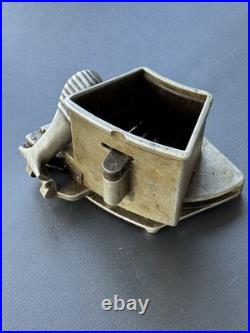
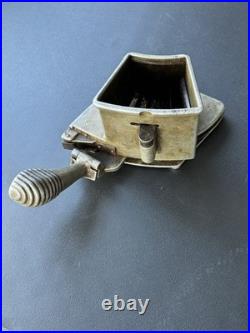

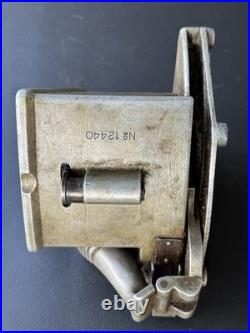
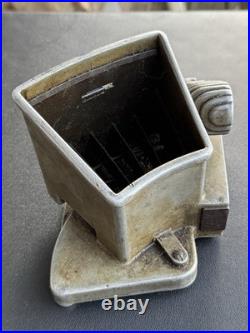
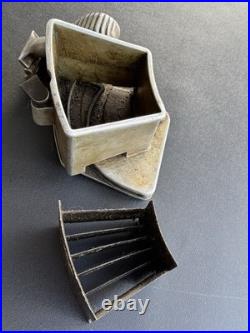

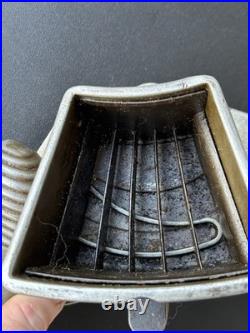
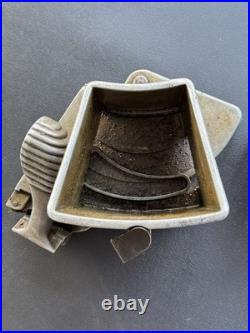
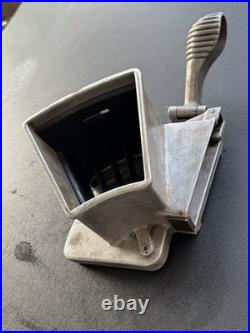
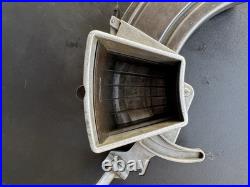
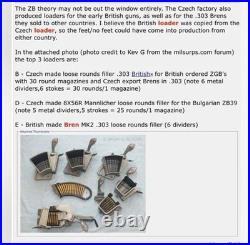
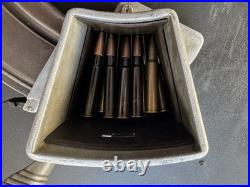

This is for filling the magazines for the Bulgarian ZB/39 in 8 x 56mmR. I originally bought this as I thought it was a BREN magazine filler, but later found out it was for a very similar but different magazine. It will work for. 303 rounds, but it is a bit clunky. Upon receipt of the item I disassembled and cleaned the item and re-oiled and reassembled. I have included some of the information which I have found about this magazine in one of the photos as well. No reasonable offer will be turned down. The dummy rounds in the photo are NOT for sale and will NOT be included.

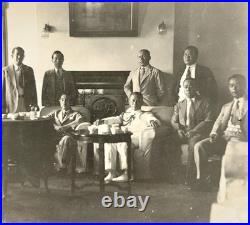
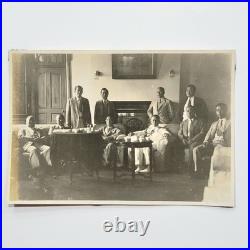
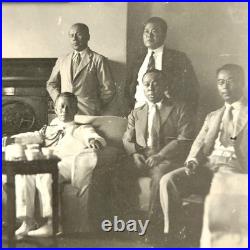
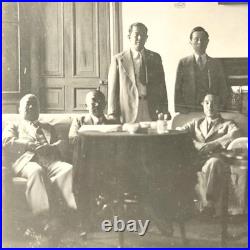
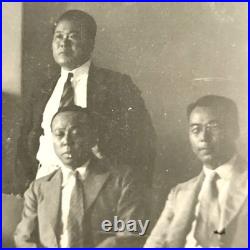
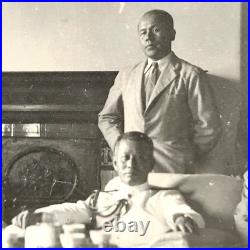
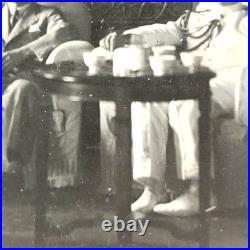
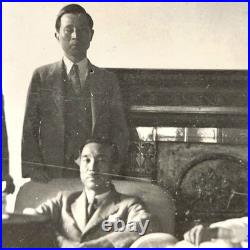
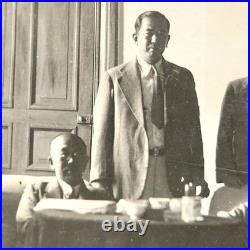
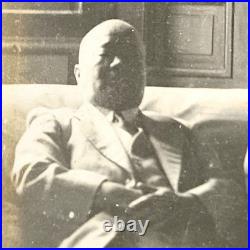
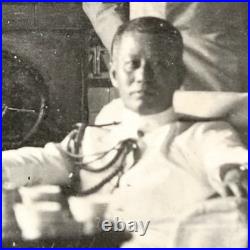
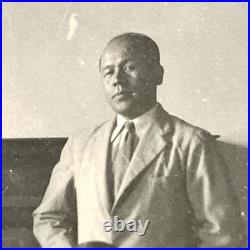
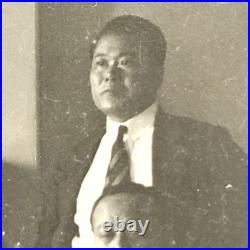
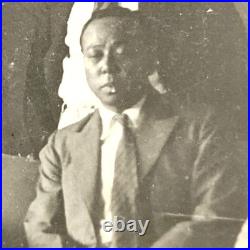
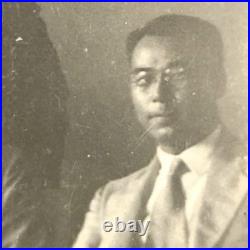
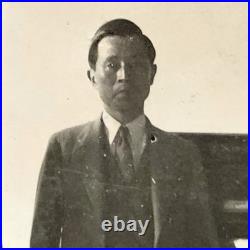
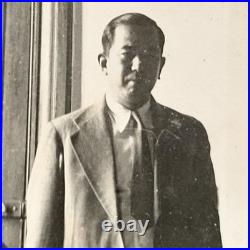
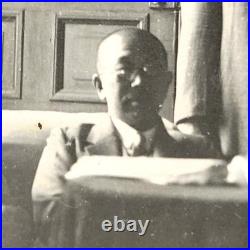
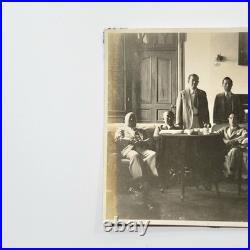
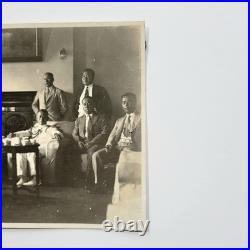
Taminato Incident Conference IJN Wakasugi Honda Photo Shanghai 1936. Size: approximately 6.0 inches by 4.1 inches. This original photograph captures a formal crisis conference held in Shanghai during the Taminato Incident in September 1936. Seated at the center is a senior Imperial Japanese Navy officer in light service dress with an aiguillette, indicating a staff or liaison role. Based on uniform style and known naval personnel in Shanghai, it is plausible that he may be Rear Admiral Tadao Honda, who served as naval attaché in Shanghai. To his left sits Consul-General Kaname Wakasugi, the highest Japanese diplomatic authority in Shanghai at the time and a central figure in the Japanese response to the incident. The civilian men seated and standing on the right side of the image are leaders of the Japanese Resident Community of Shanghai. These individuals likely represent the executive leadership of the Shanghai Japanese Residents’ Corporation and the Japanese Chamber of Commerce. During the Taminato Incident, when the Navy deployed more than 2,000 troops and imposed strict security measures in Hongkou, these civilian leaders were called into the consulate to coordinate food distribution, school closures and community safety for the tens of thousands of Japanese civilians living in the district. The younger men standing at the edges of the frame appear to be consular secretaries, translators and junior naval aides-de-camp. The combination of senior naval command, the Consul-General, Resident Community leadership and consular staff reflects the full spectrum of Japanese authority in Shanghai during the incident. The Taminato Incident, known in Japanese sources as the and also referred to as the , occurred on September 23 1936 when sailors from the cruiser Izumo were shot in broad daylight in the Hongkou district. Seaman Tomomitsu Taminato died of his wounds, prompting a major Japanese security response. The incident became one of the significant prewar flashpoints in Shanghai, intensifying Japanese patrols and contributing to the rising tensions that eventually led to the outbreak of the 1937 Battle of Shanghai. Photographs documenting high-level coordination meetings from this period are extremely scarce, and no identical or similar examples of this conference appear in public archives or indexed listings. This is a rare and historically important image showing the Japanese diplomatic, naval and civilian leadership gathered during a critical moment in prewar Shanghai. The presence of Consul-General Wakasugi, a senior IJN officer and the Resident Community executives makes this a compelling and uncommon record of Japanese crisis management during the Taminato Incident. Those most interested in this photo. Collectors of IJN and Japanese naval staff photography. Historians researching the Taminato Incident and prewar Shanghai. Scholars studying Japanese diplomatic and consular operations in China. Researchers focused on the Japanese Resident Community of Shanghai. Archivists documenting Sino-Japanese conflict escalation prior to 1937. Collectors of treaty-port and International Settlement historical material. Specialists in Japanese naval attaché and intelligence history. Please inspect the pictures, as they give the best representation of condition. May have discoloring, edge or corner wear, marks, creases, fading, smudges, corner or edge bends, tears, or corners missing.

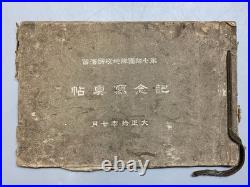
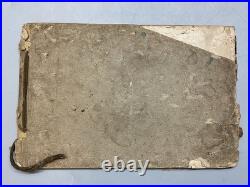
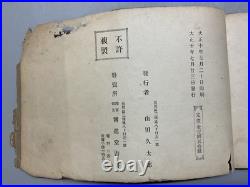
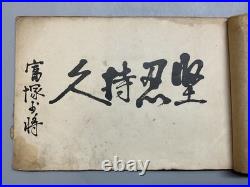
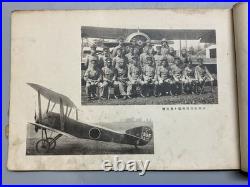
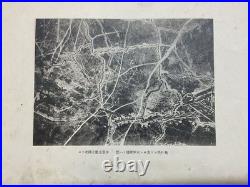
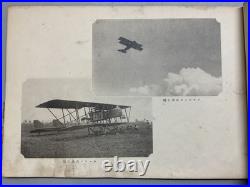
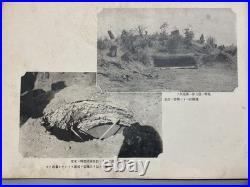
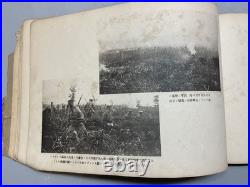
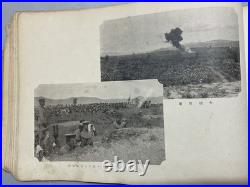
This is an original Japanese military photo album documenting a field exercise of the Imperial Japanese Army’s 7th Division in July 1922. The cover is clearly marked: “7th Division Position Attack and Defense Exercise” “Commemorative Photo Album” “July, Taisho 11″ – 1922 The 7th Division was one of the Imperial Japanese Army’s most important northern formations. Based in Hokkaido, it was responsible for the defense of Japan’s northern frontier and became widely known as the “Hokuchin Unit, ” or Northern Garrison Division. Its history stretched from the Russo-Japanese War, including the battles of Port Arthur and Mukden, through deployments to Manchuria and Siberia, and later into the conflicts of the 1930s and World War II. What makes this album especially interesting is that it does not simply contain posed portraits of soldiers. It records an actual large-scale military exercise. The photographs show troops maneuvering in the field, prepared defensive positions, artillery or explosive activity, and other scenes connected with battlefield training. Most importantly, the album also includes military aircraft, aviation personnel, aircraft in flight, and aerial reconnaissance photography of the exercise area. This is particularly significant because the album dates from 1922, when military aviation was still developing rapidly. The photographs show how the Japanese Army was already beginning to integrate aircraft into ground operations-not only as machines of flight, but as tools for observing terrain, defensive positions, and troop movements from the air. In other words, this album records Japanese soldiers learning how to: defend a position, attack a fortified area, and observe the battlefield from above. That combination makes it much more than a simple souvenir album. The 7th Division would later become deeply connected with some of the most difficult chapters of Japanese military history, including fighting connected with Manchuria, the Nomonhan Incident, Guadalcanal, and the northern Pacific theater. But these photographs were taken roughly twenty years before the Pacific War. The men appearing here had no idea what was still ahead of them. The album shows age, staining, wear, and deterioration to the binding and covers, all consistent with an item that has survived for more than a century. For a collector of Imperial Japanese Army history, early military aviation, Hokkaido military history, or prewar military photography, this is a particularly atmospheric historical document. It is not simply an old album. It is a small time capsule from a Japanese Army training ground in 1922. Own a Piece of History. International Buyers – Please Note.






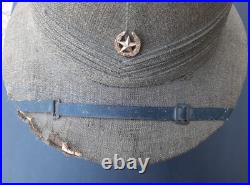



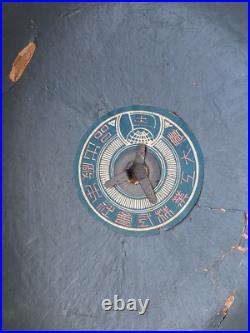
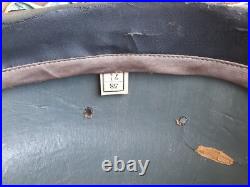
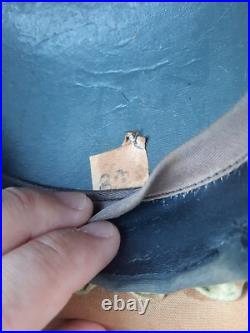
Antique original Chinese made pith helmet, otherwise known as a sun helmet. The brim is fabric covered cork and does have some damage. I would consider the entire helmet to be very very fragile. The paper manufacturers tag inside is similar to tags found in Japanese helmets. The label reads which roughly translates to Produced by the factory of Guangda Industrial Co. I do not know exactly when the helmet was produced, who would have worn it, and whether it is a military helmet or not. The closest match I have found online was described as a Chinese made helmet for use in Imperial Japan. This helmet appears to fit the same description, but I consider it to be an unknown as I have no proof that it was used by Japan and unknown year of manufacture. Photographed in natural daylight. Photos may not accurately represent actual colors. Photos are of actual items you will receive. Please see photos for condition. I can send more photos if needed. Please keep an eye on my other listings to see more rare patches, helmets, and other military collectibles for sale. If you need more pictures, just ask.

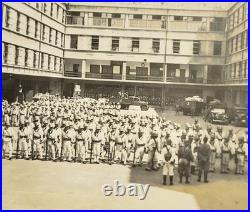
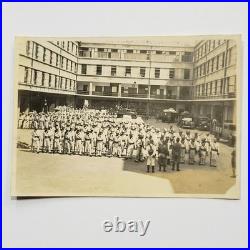
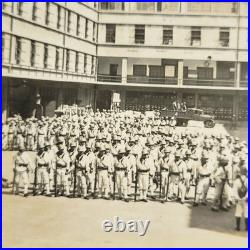
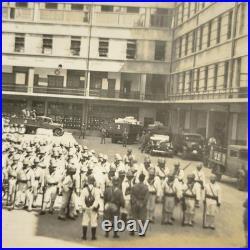
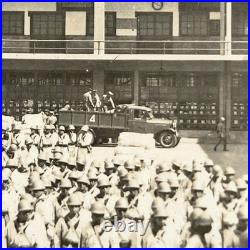
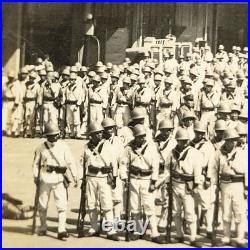
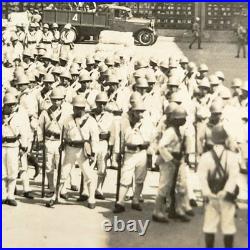
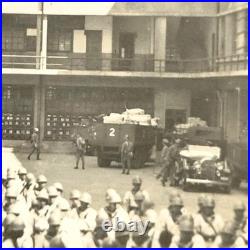
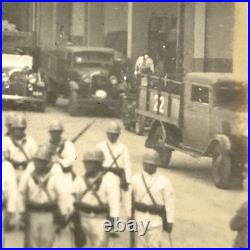
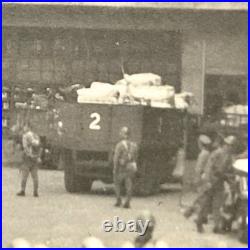
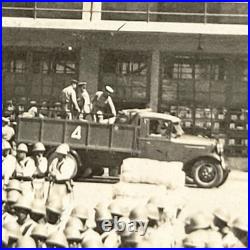
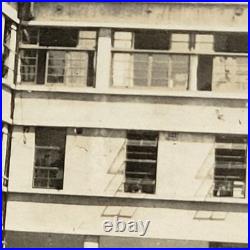
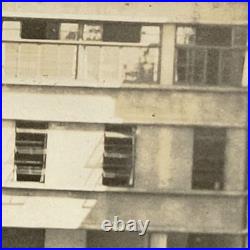
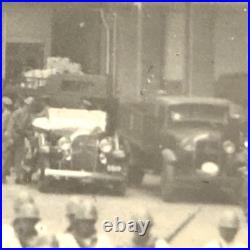
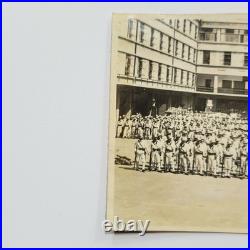
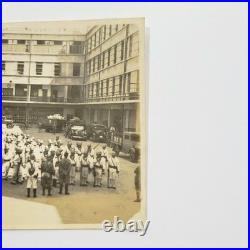
Taminato Incident Japanese Navy Shanghai Headquarters Photo 1936 IJN. Size: approximately 4.4 inches by 3.1 inches. This original photograph shows Japanese Navy Special Naval Landing Force troops assembled in formation inside a courtyard in Shanghai during the period of heightened military activity following the 1936 Taminato Incident. The multi story buildings, trucks, and the armored vehicles marked with the number 2 and 4 create a strong impression of an SNLF headquarters or staging area. The uniforms and equipment match known Japanese naval infantry gear from the mid 1930s, and the scene reflects organized reinforcement activity during a moment of increased Japanese military presence. The Taminato Incident, known in Japanese sources as the and also referred to as the , occurred on September 23 1936 when sailors from the cruiser Izumo were shot in broad daylight in the Hongkou district. Seaman Tomomitsu Taminato died of his wounds, and the event immediately intensified Japanese naval operations in the International Settlement. Historical accounts describe the rapid arrival of SNLF reinforcements, expanded patrols and a significant increase in Japanese naval infantry presence throughout Hongkou. This photograph fits well within that documented response, showing a large formation of troops and vehicles plausibly preparing for deployment or coordination. The Taminato Incident became one of the major prewar flashpoints in Shanghai, intensifying Japanese security measures in the International Settlement and contributing to the rising political and military tensions that eventually led to the outbreak of the 1937 Battle of Shanghai. Photographs of SNLF reinforcement activity from this period are scarce, and very few private images survive that show the buildup of Japanese forces in the months following the incident. The courtyard formation seen here is not represented in publicly available archives or indexed listings, adding to the rarity of this example. This image comes from a private album that included other photographs directly tied to the Taminato Incident, such as the transfer of Taminato’s coffin from the Izumo and scenes from his funeral. The presence of those related images strongly supports the identification of this photo as part of the same sequence of events. As a result, this photograph stands as an uncommon and historically valuable record of Japanese naval infantry reinforcement activity in Shanghai during a critical moment of escalating Sino-Japanese tensions. This is a compelling and name rich example of SNLF operations in Shanghai, showing a large formation of Japanese naval infantry and vehicles during one of the key prewar flashpoints in the International Settlement. Those most interested in this photo. Collectors of IJN and SNLF military photography. Historians researching the Taminato Incident and prewar Shanghai tensions. Scholars studying Japanese naval infantry operations in treaty port China. Researchers focused on Hongkou district military activity in the 1930s. Archivists documenting Sino Japanese conflict escalation prior to 1937. Collectors of rare reinforcement or mobilization scenes in wartime contexts. Enthusiasts of cruiser Izumo and its historical role in Shanghai. Please inspect the pictures, as they give the best representation of condition. May have discoloring, edge or corner wear, marks, creases, fading, smudges, corner or edge bends, tears, or corners missing.

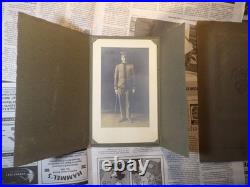


5.25X8.5 Albion Topliffe Sawyer Cavalry Photograph. From the collection of a former newspaperman, Albion Topliffe Sawyer, who worked for the Boston Post. Sawyer was also an author who wrote the novel Cavalryman. I believe Sawyer began his military career in the Cavalry. Sawyer’s father was Charles Winthrop Sawyer, who was also a noted author, wrote the book “Our Rifles” and other books about guns. My promise and guarantee to you, my loyal customers — 100% of the profits will be quickly squandered.


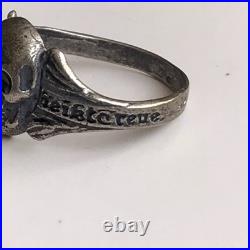
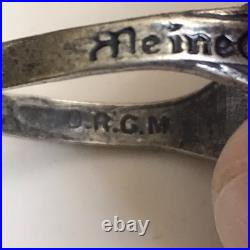
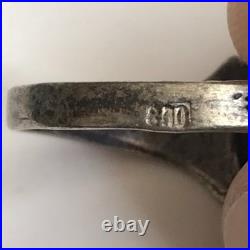
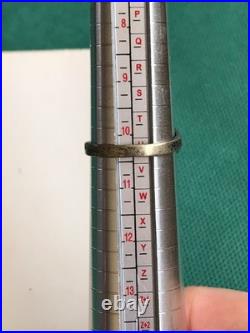
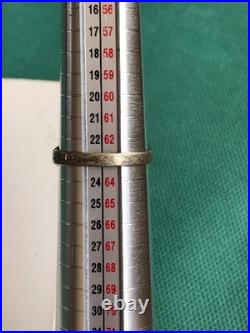
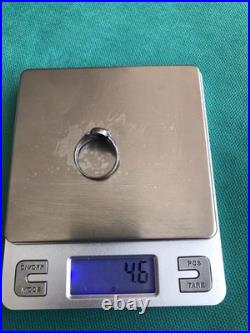
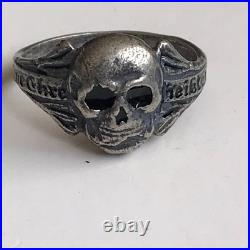
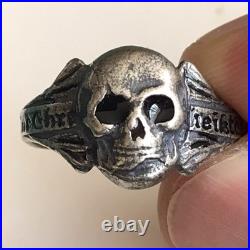
A silver ring from World War I. A great addition to your collection.

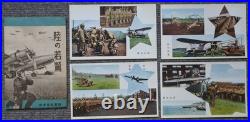
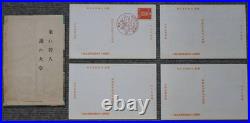
This is an original pre-war Japanese military aviation postcard set titled “Young Eagles of the Army”, issued by the Imperial Japanese Army Aviation Headquarters. The original envelope is clearly printed with: “Young Eagles of the Army” “Army Aviation Headquarters” In addition, all four postcards in the set also carry the title Young Eagles of the Army. This is important because these are not simply unrelated aviation photographs gathered together later. They were produced as a unified set under the authority of the Imperial Japanese Army Aviation Headquarters, giving them a strong connection to the official promotion and recruitment activities of Japanese Army aviation. The Army Aviation Headquarters was established in 1925 as the central organization responsible for major aspects of Japanese Army aviation, including aircraft administration, technical development, training, supply, and airfield-related matters. It continued to operate until the dissolution of the Japanese Army in 1945. What makes this set especially interesting is the combination of early military uniforms and biplane aircraft visible in the photographs. The soldiers appear to wear uniforms of the older Type 45 style or a closely related pattern, while the aircraft shown are from the earlier generation of Japanese Army aviation, when biplanes were still common. Taken together with the fact that the publisher is identified as the Army Aviation Headquarters, these details strongly suggest that the images represent the early development period of Imperial Japanese Army aviation, likely around the late 1920s to early 1930s. The exact publication year cannot be confirmed from the photographs alone, so I prefer not to state a precise date without documentary evidence. However, the uniforms, aircraft, and official issuing organization provide valuable clues to the period. The phrase “Young Eagles” was used in Japan to evoke young aviators and aspiring military airmen. In modern terms, this set can be understood as a kind of military aviation recruitment and promotional material. It presented young Japanese men with a new and exciting image of military service: flying aircraft, working around airplanes, training with aviation units, and becoming part of Japan’s rapidly developing military air arm. The photographs are also valuable because they do not show aircraft alone. They include mechanics, ground personnel, unit formations, training scenes, and aircraft on the ground, giving a broader picture of how an aviation unit actually functioned. Today, collectors are much more familiar with later Japanese aircraft such as the Zero or the Hayabusa. These postcards represent an earlier and less commonly seen chapter – the period when Japanese military aviation was still transitioning from biplanes toward the modern air forces of the 1930s and 1940s. Paper promotional material was never intended to survive for generations. The fact that the original Army Aviation Headquarters envelope and all four matching postcards remain together as a set adds considerably to its historical appeal. It would make an excellent piece for collectors interested in Japanese military aviation, early aircraft, military recruitment, uniform history, or pre-war Japanese visual culture. This is more than simply a group of old postcards. It is a small surviving record of the era when Japan was still building its military air arm – and of how that new world of aviation was presented to the young men expected to join it. Please review the photographs carefully for age-related toning, staining, wear, and other signs of age. Own a Piece of History. International Buyers – Please Note.