
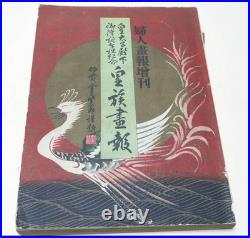
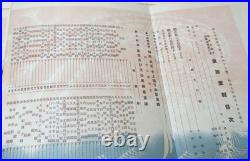
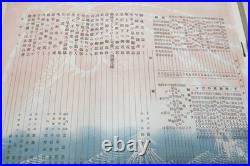
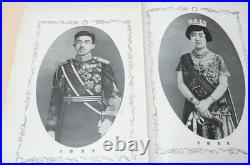
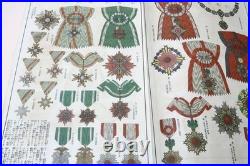
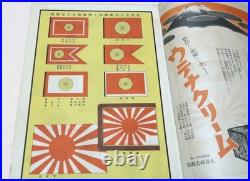
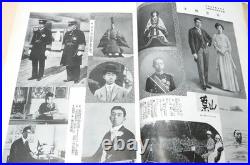
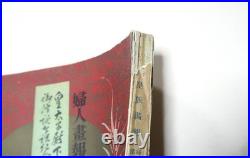
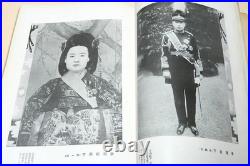
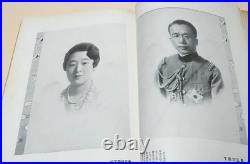

A deluxe special issue of the prestigious women’s magazine Fujin Gaho. The cover design is by Western-style painter Saburo Miyamoto. Compiled with official court and Imperial Household Agency photographs, it functions as a visual yearbook of the Japanese Imperial Family. It also includes portraits of the former Korean royal family (Yi dynasty). A richly illustrated pictorial commemorating the birth of the Crown Prince (Prince Akihito, later Emperor Akihito) at the end of 1933. Large formal portraits of the Emperor and Empress in court dress. Portraits of Yi Un (Prince of Korea), Princess Masako, and Prince Yi Gu. Photographs of Imperial family members from Meiji through early Showa – ceremonies, official outings, daily portraits. Full-color plates of Japanese orders, decorations, and military/imperial flags. Genealogical charts and explanatory texts of the Imperial family and noble houses. A valuable reference showing court dress, decorations, and rituals of the era. Published in Showa 9 (1934), totaling 304 pages. Produced immediately following the Crown Prince’s birth, capturing the celebratory atmosphere and the culture of the Imperial court in early Showa. Published in Tokyo as a Fujin Gaho special issue. The photographs feature locations such as the Imperial Palace, residences of various princes, naval ports, and official visits. The birth of a crown prince was a major national event. This volume provided an accessible visual record of the Imperial family and their ceremonial life. Today it serves as. A reference for Imperial history, court attire, and the honors system. Material for museum exhibitions, documentaries, and academic study. A core item for serious collectors of Imperial memorabilia. Printed on thick gravure paper, 304 large pages with primarily monochrome photographs and several color plates (orders, flags). Clear chapter divisions progress from portraits? Genealogies? Systems of orders and flags. Title: Fujin Gaho Special Issue – Kozoku Gaho: Commemorative Pictorial for the Birth of the Crown Prince. Cover: Design by Saburo Miyamoto. Publication year: 1934 (Showa 9). Format: 304 pages, numerous photo plates, color plates of decorations and flags, genealogical charts. Major contents: Emperor & Empress, Imperial family members, Yi dynasty royal family (Yi Un, Princess Masako, Prince Yi Gu). Shows typical age-related wear: surface rubbing and light stains on the cover, tears to the spine ends, foxing and toning to pages, binding somewhat loose. Still complete and fully legible; illustrations intact (see photos). Highlights / Research Value. Rare color plates of Imperial orders, decorations, and flags. High-quality portraits and biographical sketches of the Imperial family & Yi dynasty. Large-format pages of military and Imperial flags. Genealogical charts presenting the family structure from Meiji through early Showa. ? Note: This item is offered as a historical document only. It is not intended to promote or glorify any political ideology or past regime. Early Showa / Japanese Imperial Family / Saburo Miyamoto / Fujin Gaho / Imperial Pictorial Album / Prince Akihito / Yi Dynasty / Yi Un / Princess Masako / Yi Gu / Orders & Decorations / Flags / Genealogy / Imperial History Reference. International Buyers – Please Note. Thank you for your understanding.

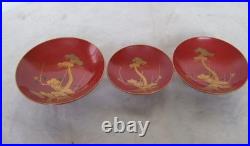
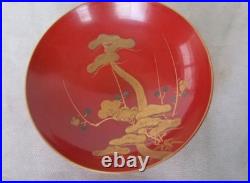
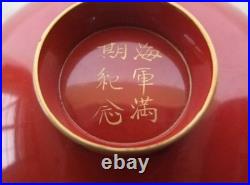
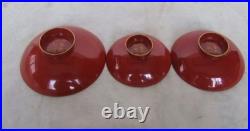
This is an original. Vintage Japanese lacquerware sake cup set. “Navy Service Completion Commemorative” item. During the pre-WWII Showa period. Inside the base of each cup, the original gold inscription reads. “Naval Service Completion Commemoration”. Indicating that this set was formally presented to commemorate the successful completion of naval duty. Historical Background (Easy to Understand). Compared to the Imperial Japanese Army, the. Japanese Navy had far fewer personnel. And naval service carried a significantly higher risk due to maritime operations. Completion commemorative items from the Navy are considered particularly scarce today. These objects were not everyday tableware. They were ceremonial items, created to. Mark survival, completion, and return. An important milestone in a sailor’s life. The Meaning of Sake Cups in Japanese Culture. In Japan, sake cups traditionally symbolize. Celebration of life milestones. Shared bonds and gratitude. Such cups were used during formal gatherings and commemorative occasions, rather than daily use. About Japanese Lacquerware. This set is finished in. Deep red natural lacquer with hand-applied gold decoration. Traditional Japanese lacquerware is known for. Aging beautifully over time. Because each piece requires skilled manual work. Authentic vintage lacquerware sets like this are increasingly difficult to find. Design & Set Details. Classic red lacquer finish with gold accents. Traditional auspicious pine and plum motifs. Three-piece graduated cup set. Intended for ceremonial and commemorative use. This is not simply a decorative antique. Reflecting Japanese cultural values of duty, completion, and gratitude – preserved in traditional lacquerware form. A meaningful piece for collectors of. Approximate 7-21days(To USA).

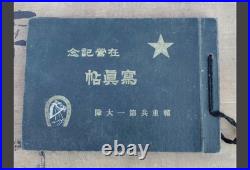
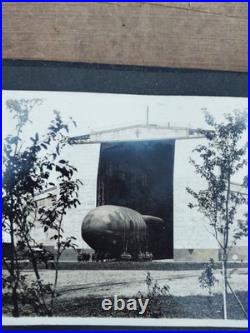
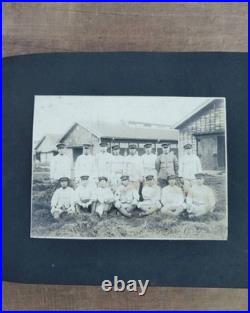
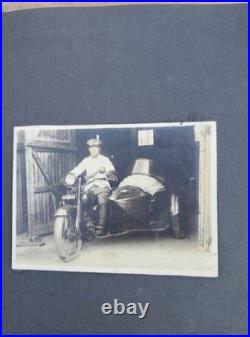
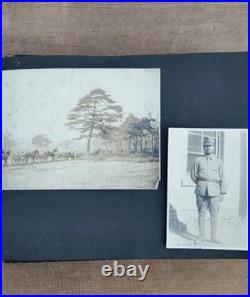
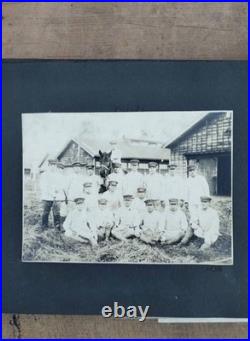
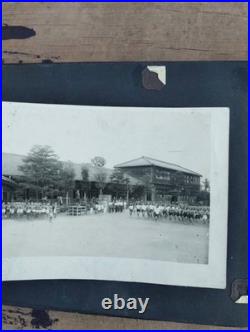
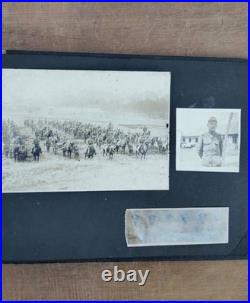
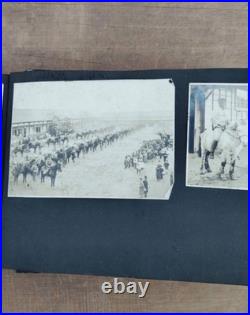
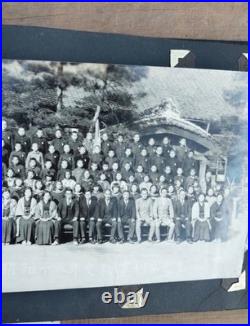
This is a pre-WWII Imperial Japanese Army commemorative photo album. 1st Transport Battalion (Shichohei Dai-ichi Daitai). Unlike frontline combat units, this battalion was responsible for. Logistics and supply transport. The lifeline of the army. About the 1st Transport Battalion. The Transport (Shichohei) units handled. Established in the Meiji era, these units supported divisional operations through the Russo-Japanese War and later conflicts. However, historically, the Japanese military placed less institutional emphasis on logistics compared to Western powers. Many historians consider logistical insufficiency one of the structural causes of Japan’s eventual defeat. This album therefore represents not just military life – but the backbone system that determined battlefield sustainability. Contents of the Album. Military motorcycle with sidecar. Barracks and base facilities. Family and school photographs. A photograph of what appears to be a. Military airship exiting a massive hangar. The airship image is particularly significant and may relate to early Japanese military aviation infrastructure. Most surviving albums focus on infantry or combat units. Logistics battalion materials are comparatively rarer in the market. The human side of support troops. The operational structure of supply units. The infrastructure behind early 20th century warfare. It is both a military collectible and a primary historical source. Age-related toning and stains. Binding wear consistent with age. Overall condition appropriate for a pre-war original item. International Buyers – Please Note. Thank you for your understanding.

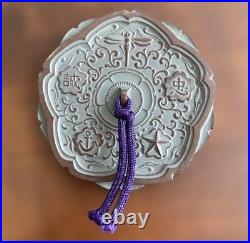
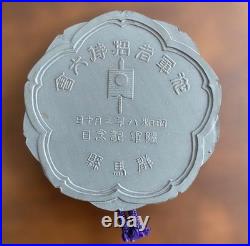
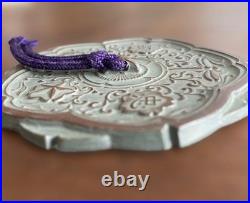
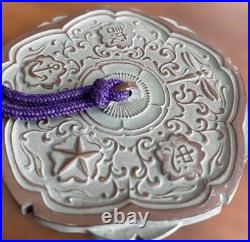
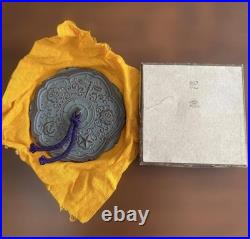
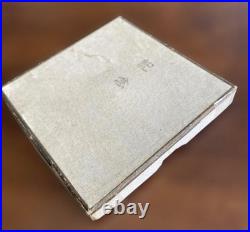
Original 1933 Imperial Japanese Army Veterans’ Gathering Commemorative Paperweight. A rare prewar cast metal paperweight issued for the Army Commemoration Day (March 10, Showa 8 / 1933) in Gunma Prefecture, Japan. This item was distributed to participants of the Veterans’ Invitational Ceremony (Jugunsha Shotai Taikai) – a formal event honoring former Imperial Army servicemen. The front design features the kanji (Loyalty) and (Sincerity), along with symbolic motifs. Dragonfly (/ courage and vigilance, an Imperial Army symbol). Chrysanthemum-like crest (imperial motif). “Imperial Japanese Army Commemoration – Veterans Invitational – Gunma Prefecture – March 10, 1933″. It represents the interwar period unity of Army and Navy under the Emperor, and served as a patriotic token of loyalty and remembrance for those who had served in the Empire’s earlier campaigns. Date: Showa 8 (1933). Material: cast metal (iron or bronze alloy). Condition: Very good for age. Minor patina and wear due to age. Origin: Gunma Prefecture, Japan. March 10 was designated as “Army Commemoration Day” in prewar Japan, marking the victory in the 1905 Battle of Mukden during the Russo-Japanese War. Local veterans’ groups and prefectural associations held annual gatherings to honor war heroes and reaffirm national loyalty. This paperweight was a souvenir presented to attending veterans – an authentic artifact of Japan’s early Showa militarist culture. International Buyers – Please Note. Thank you for your understanding.

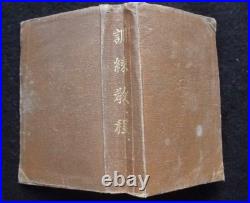
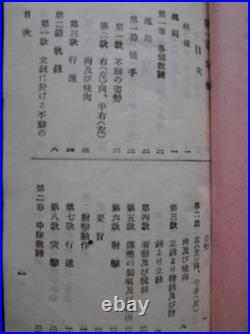
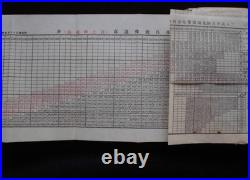
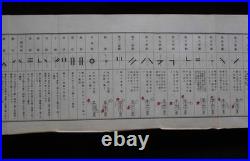
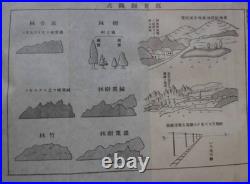
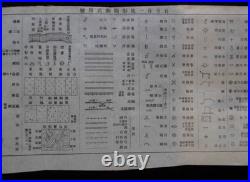
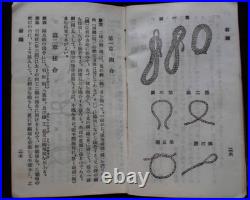
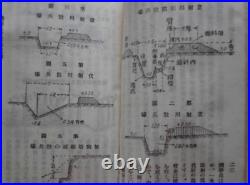
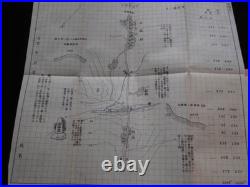
This is an original 1926 (Taisho 15) Imperial Japanese Army training manual. Published by Seibudo, intended for active-duty soldiers and non-commissioned officers. At the end of the Taisho era, Japan was transforming its army into a fully standardized modern military, shifting away from individual experience toward systematic, reproducible training doctrine. This book was created as a practical field manual, not a theoretical text. This manual was used by. As a daily reference for training, field exercises, and instruction. It covers virtually every aspect of soldier education at the time, including. Command and signaling methods. Flag signaling, distance measurement, and map reading. Hygiene and first aid. (21 sections in total). Small portable format (12.8 × 7.8 cm). Extensive diagrams, charts, and illustrations. Period pencil markings and notes remain. The handwritten notes and underlining indicate actual use by a soldier, adding significant historical authenticity. This is not a reproduction. It is a genuine primary source showing how Imperial Japanese soldiers were trained immediately before the Showa era. A serious reference piece for military historians, collectors, and researchers. Approximate 7-21days(To USA).

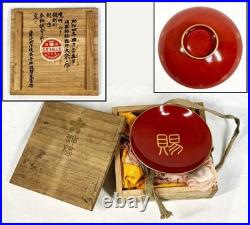
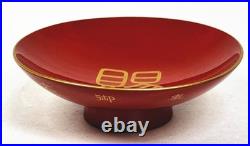
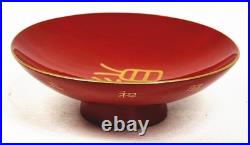
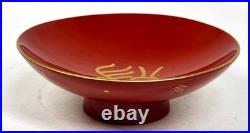
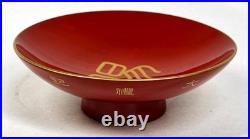
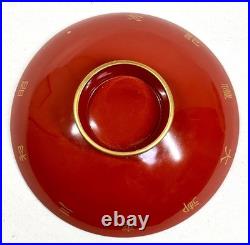
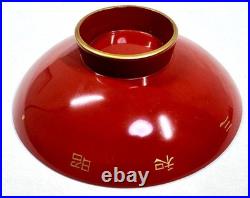
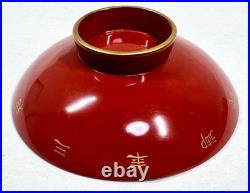
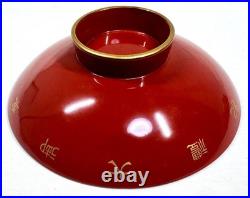
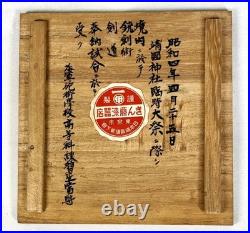
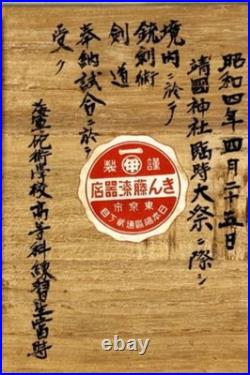
This is an original red lacquer ceremonial sake cup created to commemorate the Imperial Enthronement Ceremony (, Gotairai) of Emperor Showa (Hirohito) in 1928 (Showa 3). The inside of the cup features the bold character?? (“Tamawaru” – “Bestowed” or “Imperial Gift”), symbolizing honor and blessing. Around the outer rim, in gold lacquer, it reads. ? (“Commemorating the Imperial Enthronement Ceremony of Showa 3″). The cup is finished with a fine gilt rim. Box inscription (on the lid interior). The original wooden box has an important inscription, which connects this cup to a later historical event. Right column: Showa 4 (1929), April 25 – Yasukuni Shrine, on the occasion of the Temporary Grand Festival. Center column: Dedication of martial arts demonstrations (?) – bayonet drills and kendo matches were performed. Left column: Signed with affiliation/names (partially in cursive script, preserved as-is). The red circular seal is the mark of the original lacquerware shop. This means the cup, originally made for the 1928 Enthronement, was later dedicated or presented in 1929 at Yasukuni Shrine during a major festival, in connection with martial arts dedication ceremonies. This double provenance-Imperial and martial-greatly enhances its historical value. Who: The Japanese people, martial arts groups, and Shinto community honoring the Emperor. What: A commemorative lacquer sake cup celebrating the Showa Emperor’s enthronement and later used in a Yasukuni Shrine martial arts dedication. When: Cup produced in 1928 (Showa 3); box inscription dated 1929 (Showa 4). Where: The enthronement ceremonies were held in Kyoto; the dedication occurred at Yasukuni Shrine in Tokyo. Why: To celebrate the enthronement as a national event, and to dedicate martial arts performances to the spirits of the fallen. How: Such lacquer cups were used in ceremonial banquets and dedication rituals, then preserved in wooden boxes with inscriptions noting the occasion. Japanese lacquer (urushi) is made from the sap of the lacquer tree. It produces a hard, glossy, and durable coating admired for centuries. This cup uses red lacquer (shu-urushi) with gold-painted inscriptions and a gilt rim, typical of high-quality ceremonial vessels. Care: Avoid direct sunlight and alcohol cleaners. Simply wipe gently with a soft dry cloth. Imperial Enthronement + Yasukuni Shrine martial arts dedication – two major historical events connected in one artifact. Large bold character?? inside, symbolizing honor and Imperial blessing. Original inscribed box with provenance, making it valuable as both a ceremonial object and a historical document. Excellent for collectors of Japanese Imperial memorabilia, martial arts history, and Shinto-related artifacts. ? This is not just a sake cup, but a piece of Japanese history with strong connections to the Imperial Enthronement of Emperor Showa and the Yasukuni Shrine martial traditions of the early Showa period. Approximate 7-21days(To USA).

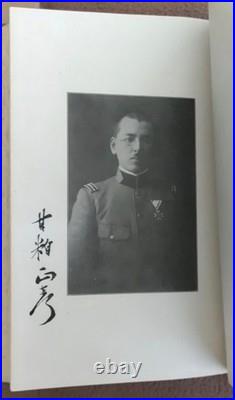
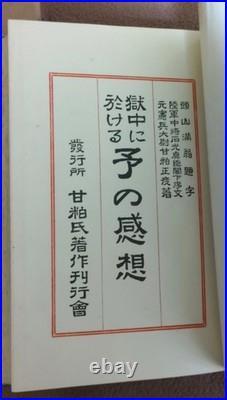
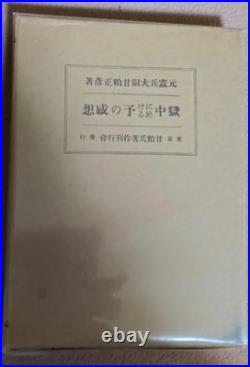
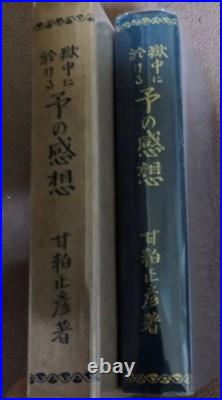

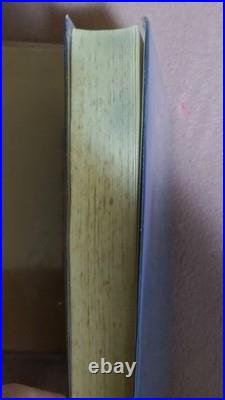
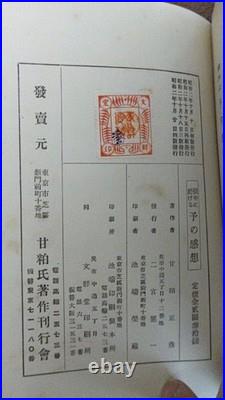
Amakasu is historically known for his involvement in what is commonly called the “Amakasu Incident, ” a murder case that occurred during the chaos following the Great Kanto Earthquake of 1923, which devastated Tokyo and the surrounding metropolitan area. The incident remains one of the most controversial events of the period, symbolizing the tension between state power, the military police, and civil society during a national emergency. After serving his prison sentence, Amakasu left Japan and later became the director of the Manchurian Film Association (Man’ei) in Manchukuo. During this period, he occupied a highly unusual position, being involved in cultural propaganda while also being associated with the darker side of Manchurian politics, including allegations of involvement in the opium and drug trade under the Japanese military system. This book records Amakasu’s personal reflections written during his imprisonment, offering rare insight into the mindset of a key historical figure directly involved in one of prewar Japan’s most infamous incidents. The slipcase is present and in relatively good condition, which is uncommon for this title. There is some age-related foxing on the page edges. Please refer to the photos for details. Approximate 7-21days(To USA).

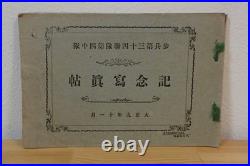

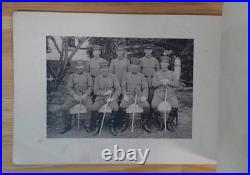
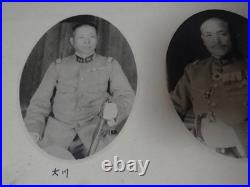
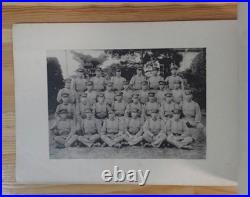

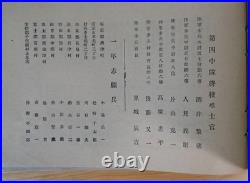
This is an original. Commemorative photo album from November 1920 (Taisho 9). Documenting members of the. 4th Company, 34th Infantry Regiment of the Imperial Japanese Army. The 34th Infantry Regiment was one of the long-serving infantry units of the Imperial Japanese Army, originally formed in the late 19th century and active through multiple conflicts. Portrait photographs and group photographs of officers, non-commissioned officers, and enlisted men. Offering a clear visual record of unit organization, uniforms, ranks, and military bearing during the Taisho period. The Taisho era represents a transitional phase between the Russo-Japanese War and the later conflicts of the Showa period. Military systems and uniforms were relatively standardized at this time, making photographic materials from this era especially valuable as. 34th Infantry Regiment continued its service after this album was produced. In the Showa era, the regiment was deployed during the. And later sent to overseas theaters during the Pacific War. As the war situation deteriorated, the unit suffered heavy losses and was. Effectively disbanded around the end of World War II. Bringing its long history to a close. This album therefore captures the regiment at a point. Before its later wartime deployments. Preserving the appearance and atmosphere of soldiers during a relatively stable period. The expressions and posture of the men provide rare insight into everyday military life of the time. Please refer to the images for the exact contents and structure of the album. This is a genuine period item and shows. Including toning, stains, creases, corner wear, and handwritten names and place names in a few locations. These features are consistent with actual use and storage over more than a century. Recommended for collectors and researchers of Imperial Japanese Army history, military photography, and early 20th-century Japanese military units. International Buyers – Please Note. Thank you for your understanding.

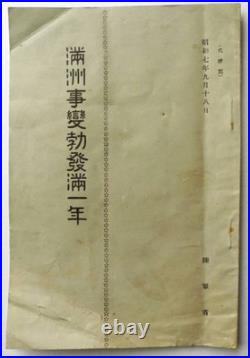
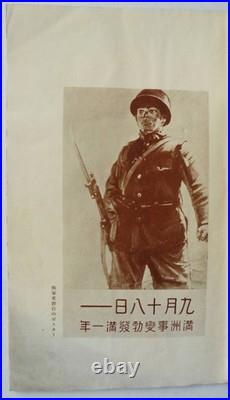
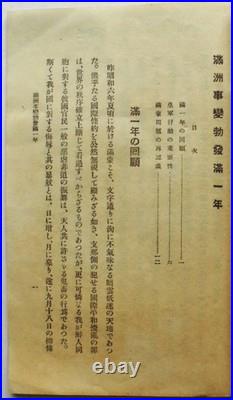
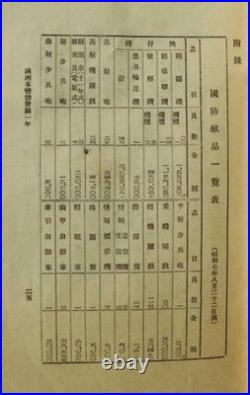
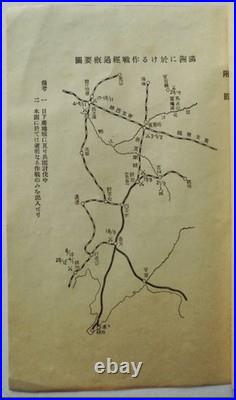
Published by the Imperial Japanese Army Ministry on September 18, 1932, this booklet commemorates the first anniversary of the Manchurian Incident. It reviews the military operations, highlights the “importance of the Emperor’s Army actions, ” and re-emphasizes the so-called Manchuria-Mongolia problem. Operational overview map of campaigns in Manchuria. Table of national defense contributions (donations & equipment). Propaganda photo/poster illustrations (commemorating “9.18”). The Manchurian Incident (Mukden Incident) began on September 18, 1931, near Mukden (Shenyang), when the South Manchuria Railway was sabotaged. The Japanese Kwantung Army used this as a pretext to occupy Manchuria, leading to the establishment of Manchukuo in 1932. The League of Nations condemned Japan’s actions, eventually prompting Japan’s withdrawal from the League in 1933. Interior pages are well preserved, with age toning, stains, and wear on the cover (see photos). No major tears or missing pages detected. A rare official Army Ministry publication, reflecting the narrative Japan promoted at the time. Own a piece of history. Approximate 7-21days(To USA).

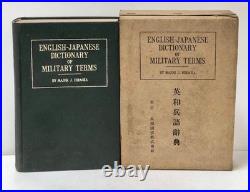
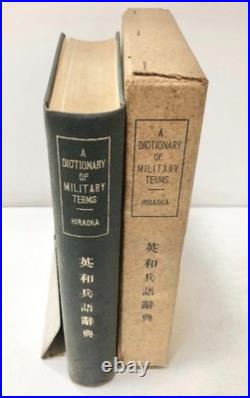
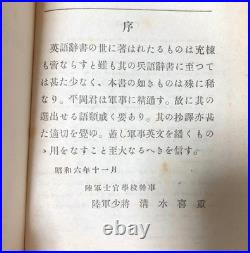
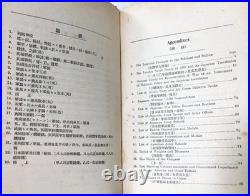
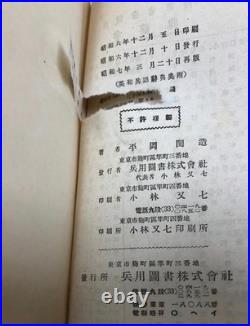
Original “English-Japanese Dictionary of Military Terms”. Compiled by Major J. Hiraoka, published by Heiyo Tosho Co. In 1932 (Showa 7). A rare pre-WWII military reference book used by Imperial Japanese Army officers and language trainees. Includes extensive terminology covering infantry, cavalry, artillery, uniforms, equipment, signals, naval terms, and more. The Imperial Precepts to Soldiers and Sailors. London Naval Treaty of 1930 (full Japanese translation). Army-Navy-Air Force relative ranks. Japanese and American decorations & medals. Weights and measures tables. With the original slipcase (case shows age wear). Book in good condition overall. One page shows a tear (see photos). A valuable reference for WWII historians, researchers, collectors, and military linguists. International Buyers – Please Note. Thank you for your understanding.