
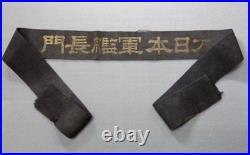
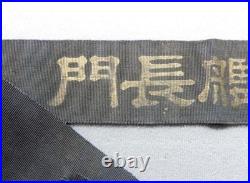
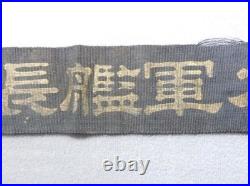
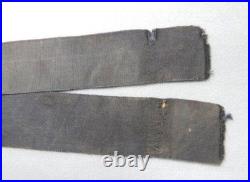
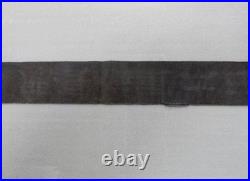
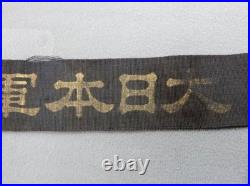
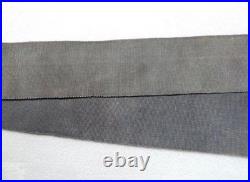
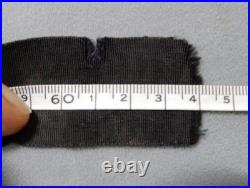
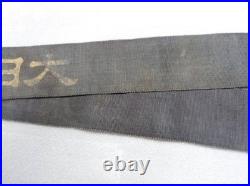
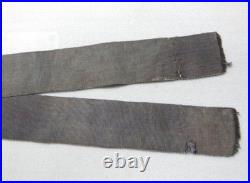

Own a Piece of Naval History. Authentic pre-WW2 cap tally ribbon. From the Imperial Japanese Navy battleship. One of the most iconic warships in world naval history. Was the first battleship in the world equipped with. Placing her among the legendary. She served as the. Flagship of the Combined Fleet. After surviving the entire Pacific War. Was seized by the U. 1946 Operation Crossroads nuclear tests. About This Cap Tally. Cap tally ribbons with. During the war, they were abolished for. And all tallies were replaced with a unified design reading. Are extremely rare – especially for a flagship like. This example retains its original gold-woven characters and wartime black fabric. Age-related wear is present, but it remains a genuine, highly desirable artifact from the golden era of the IJN. A museum-grade item suitable for advanced collectors of naval history, militaria, and WW2 artifacts. Own a piece of history from one of the most important battleships ever built. International Buyers – Please Note. Thank you for your understanding.

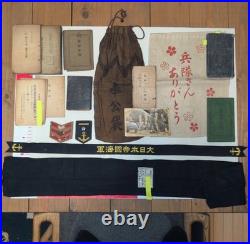
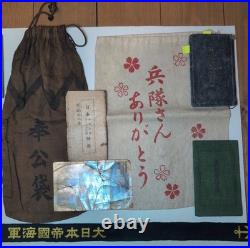
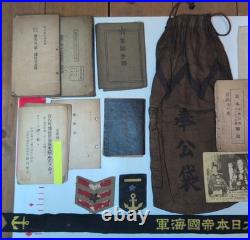
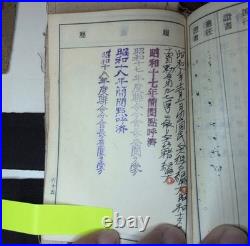
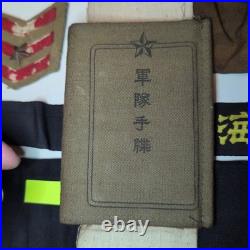
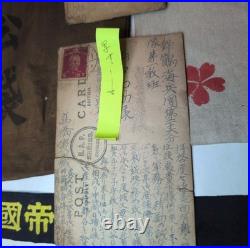
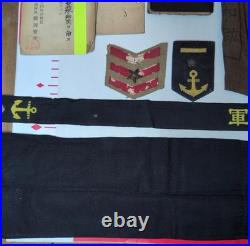
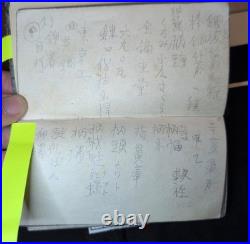
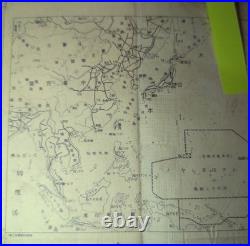
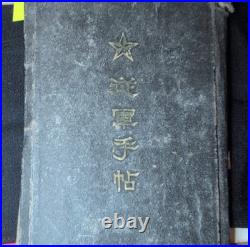
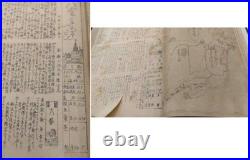
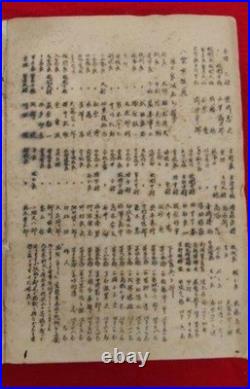
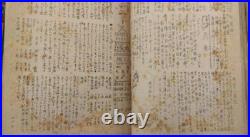
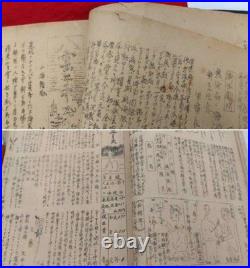
This is a rare original group of personal documents and daily-use items that once belonged to a single Imperial Japanese Navy sailor, dating approximately from the mid-1930s to the early 1940s. Rather than a display or ceremonial set, this collection represents the quiet, everyday reality of a serviceman whose role was to learn, record, communicate, and follow orders within the naval system. Included are multiple official booklets such as a Navy service handbook, field manuals, and training guides related to basic communication methods (including signal instruction), along with handwritten notes and records. These materials suggest a sailor who was required to read, understand, and transmit information-an essential but often unseen role. The group also contains personal textile items such as a cloth headband, a drawstring storage bag, and other small effects that would have accompanied him through daily duty rather than formal occasions. Their worn condition reflects actual use rather than preservation. Taken together, these items do not depict a hero or officer, but an ordinary individual who lived within the structure of the Imperial Navy during a period of increasing tension and expansion. His name does not appear in history books-but collections like this are what allow us to reconstruct the lives of those who supported the system from within. All items are original period pieces. Condition shows age-related wear, fading, stains, and paper fragility, consistent with materials from this era. Please review photos carefully. This collection is offered as a historical reference and personal archival group. Approximate 7-21days(To USA).

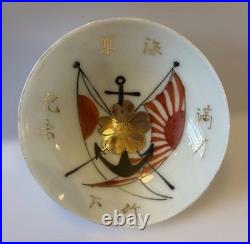
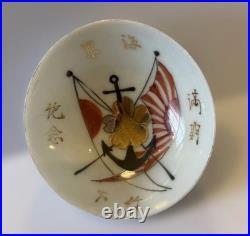
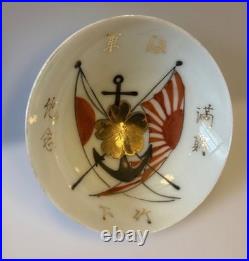
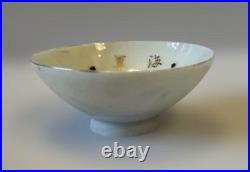
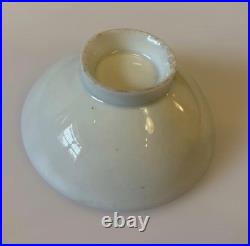
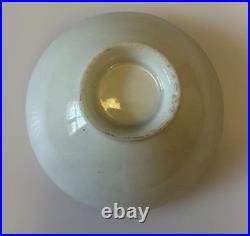
This is an original Imperial Japanese Navy ceremonial sake cup, produced during the Taisho to early Showa period (circa 1910s-1930s). The cup was presented to a Navy serviceman to commemorate the successful completion of his full term of military service. The following characters are written inside the cup in gold. (Imperial Japanese Navy). (Completion of service / full term). (“Otake” – a personal name). The presence of a personal name strongly suggests this cup was awarded to an individual sailor, making it more desirable than generic commemorative pieces. The interior features a classic Imperial Japanese Navy motif. Anchor – symbol of the Navy. Rising Sun flag – official national and military emblem of the period. Cherry blossom in gold gilt – representing honor, duty, and the fleeting nature of life. This combination is widely recognized as a formal Navy discharge commemorative design. Why Imperial Japanese Navy Items Are Rare. Compared to the Army, the Imperial Japanese Navy maintained only about one-tenth of the personnel strength. As a result, Navy commemorative items were produced in much smaller numbers, and surviving examples are significantly scarcer than Army equivalents. Named discharge cups like this one are especially difficult to find today. Cultural Significance of Sake Cups. In pre-war Japan, sake cups were not everyday tableware. They were used to mark important life milestones, including military enlistment, departure, return, and honorable discharge. This cup represents a deeply personal moment. The end of military duty and a safe return to civilian life – preserved in ceramic form. No cracks or major chips. Minor surface wear and light fading of gold due to age. Overall well-preserved for its period. Please refer to photos for details. A genuine historical artifact suitable for collectors of. Imperial Japanese Navy items, military memorabilia, pre-war Japanese ceramics, or Showa-era history. International Buyers – Please Note. Thank you for your understanding.

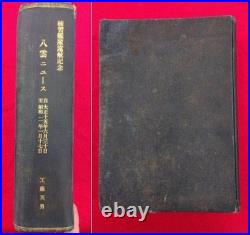

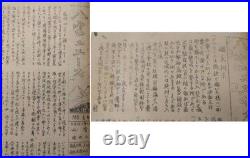
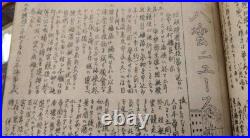
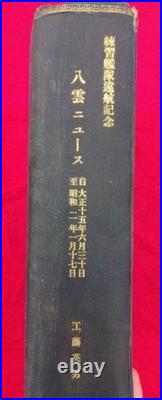
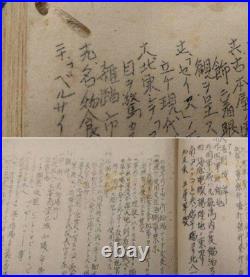

This is an original overseas voyage log from the Imperial Japanese Navy armored cruiser YAKUMO, covering a long-distance training cruise conducted between 1926 and 1927 – a turning point period between the Taisho and early Showa eras. What is written on the spine? The gold lettering on the spine reads. “Commemoration of the Completion of a Training Cruise”. This book was compiled to commemorate the successful completion of an overseas training voyage. From June 13, 1926 (Taisho 15). To January 17, 1927 (Showa 2). This clearly shows that the book is not a later reprint, but a contemporary naval record created during the actual service period. YAKUMO was an armored cruiser of the Imperial Japanese Navy, originally commissioned in the early 1900s. Later reassigned as a training cruiser, responsible for overseas voyages to educate young naval officers. By the 1920s, YAKUMO represented Japan abroad as a floating symbol of naval professionalism. Contents and Historical Value. Unlike battle reports, this diary focuses on daily naval life and real operations, including. Coal loading and fuel management in the coal-fired warship era. Sanitation and disease prevention during long voyages. Foreign port visits and international interactions. Cutter races and onboard training activities. Practical notes on navigation, climate, and logistics. It offers a rare, human-scale view of how sailors actually lived and worked at sea before modern mechanized warfare. This voyage took place before relations between Japan and Western countries deteriorated. Japanese warships regularly visited foreign ports. Naval cruises functioned as both training missions and diplomatic presence. International cooperation was still part of naval culture. As such, this book captures a calmer, outward-looking phase of the Imperial Japanese Navy, making it especially valuable to collectors and researchers. Due to age, the book shows. No missing pages confirmed. Please refer to photographs for exact condition. This is not just a book, but a firsthand naval record documenting. Pre-WWII global naval operations. Everyday life aboard an Imperial Japanese Navy cruiser. Highly recommended for collectors of naval history, maritime records, and pre-WWII Japanese military materials. International Buyers – Please Note. Thank you for your understanding.

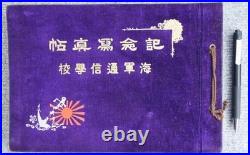
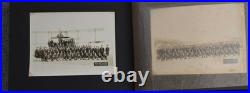
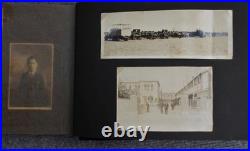
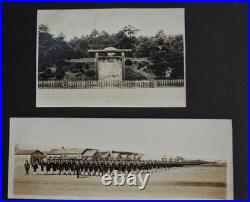
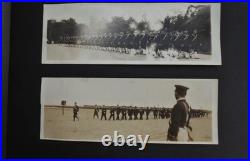
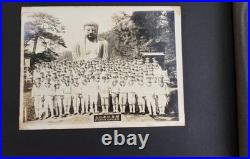
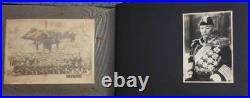
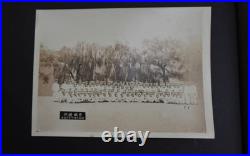
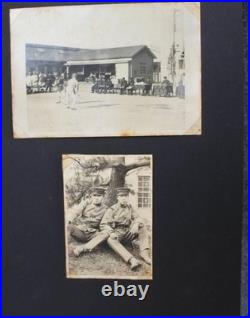
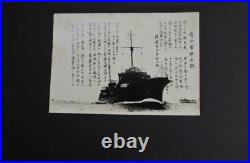
This is an original Imperial Japanese Navy Communications School commemorative photo album, dated 1936 (Showa 11). The year 1936 marks a crucial period in Japanese naval history, following Japan’s withdrawal from international naval disarmament treaties. During this time, the Navy rapidly expanded its fleet operations, aviation forces, and communications systems. Military communications played a vital role in fleet command, aviation coordination, and encrypted transmissions. The Navy Communications School trained specialized officers and personnel for these roles. Compared to general service branches, the number of communications specialists was limited, making surviving photographic records relatively scarce. This album contains approximately 32 original vintage photographs, including. Marching and training scenes. Rather than a casual personal album, this is a formal commemorative album produced within a naval educational institution, offering valuable insight into pre-war Japanese naval training. Condition shows age-related toning and minor stains, but image clarity remains good overall. The cloth cover shows light wear consistent with age. A solid reference piece for collectors of Imperial Japanese Navy material, military education history, and pre-World War II photography. Approximate 7-21days(To USA).

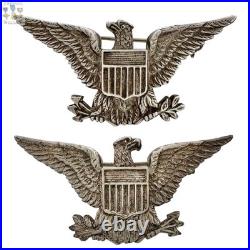
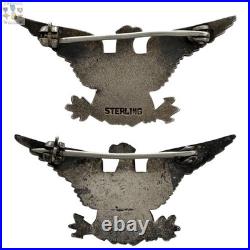
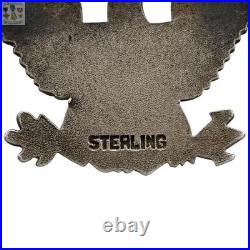
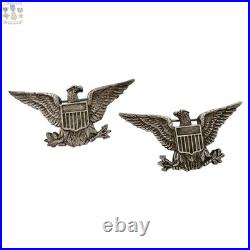
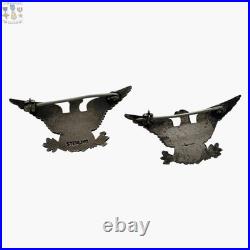
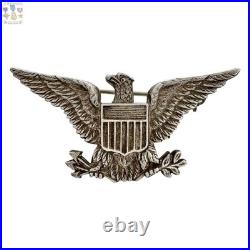
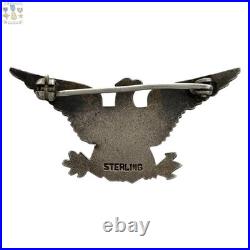
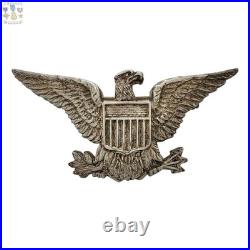
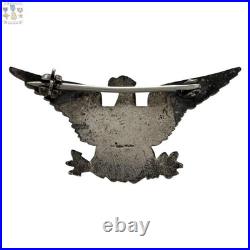
ORIGINAL 1930’S UNITED STATES ARMY & MARINE CORPS COLONEL – NAVY CAPTAIN “WAR EAGLES” INSIGNIA, 1-3/8 INCH X 3/4 INCH SIZE, PIN-BACK W/ LOCKING CATCH. (1 SET OF 2). The insignia for a colonel is a silver eagle which is a stylized representation of the eagle dominating the Great Seal of the United States (which is the coat of arms of the United States). As on the Great Seal, the eagle has a U. Shield superimposed on its chest and is holding an olive branch and bundle of arrows in its talons. However, in simplification of the Great Seal image, the insignia lacks the scroll in the eagle’s mouth and the rosette above its head. On the Great Seal, the olive branch is always clutched in the eagle’s right-side talons, while the bundle of arrows is always clutched in the left-side talons. The head of the eagle faces towards the olive branch, rather than the arrows, advocating peace rather than war. As a result, the head of the eagle always faces towards the viewer’s left. Some colonel eagles from the 1920s to the 1950s faced the arrows, though this is no longer done. The full-sized colonel eagle is exactly two inches in diameter from the tips of each wing. Please let me know if there’s anything else I can do for you!

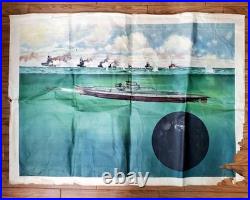
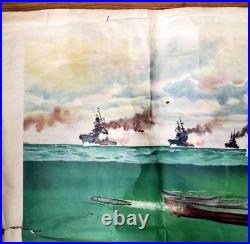
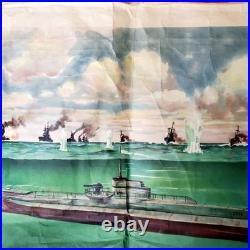
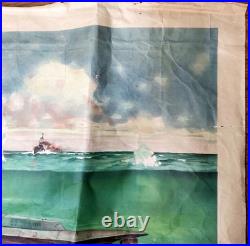
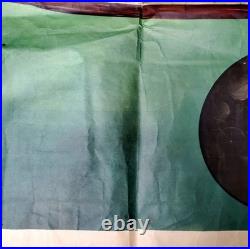
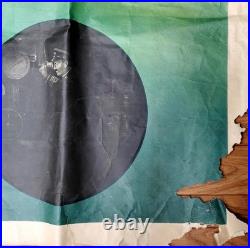

Thank you for viewing my listing. This is an original wartime large-format poster issued during the Pacific War, depicting an Imperial Japanese Navy submarine launching a torpedo attack against an enemy fleet. These colorful printed illustrations were used for military education, naval facility displays, and wartime propaganda, and surviving examples are extremely scarce today. Wartime naval posters of this type served as visual tools to communicate battle situations, strengthen morale, and promote the technological strength of the Imperial Navy. The composition-showing the submarine beneath the surface, the torpedo wake, surface fleet under fire, and an inset circle showing the interior view of the submarine’s control room-is typical of early-Showa naval propaganda art. Because such materials were printed in limited quantities and heavily used, intact originals rarely appear on the market. This poster has been stored for decades and shows significant age-related damage. Large tears and missing sections along the edges. Creases, folds, stains, discoloration. Paper deterioration typical of wartime prints. Please inspect all photos carefully. Despite the damage, it remains a valuable historical and display-grade artifact of Imperial Japanese Navy wartime visual culture. Why Collectors Value This Piece. Submarine-related naval artwork is among the most sought-after wartime themes. The large size and bold composition make it ideal for display. Authentic WWII propaganda materials are increasingly hard to find. A dramatic “salvaged from the past” appearance that some collectors prefer. If you collect Imperial Japanese Navy artifacts, wartime printed materials, or submarine history, this is a rare opportunity to own an original piece. Please feel free to ask if you have any questions. Approximate 7-21days(To USA).

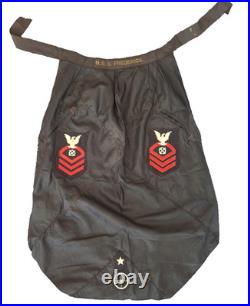
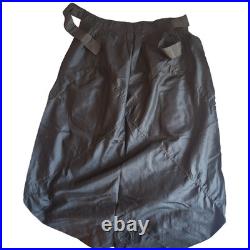
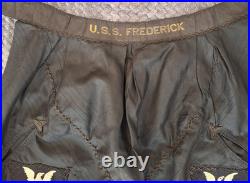
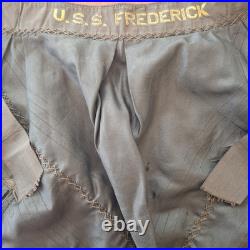
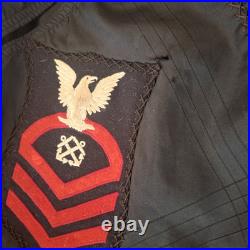
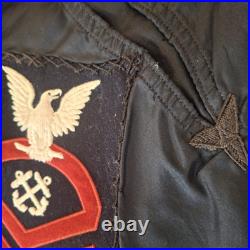
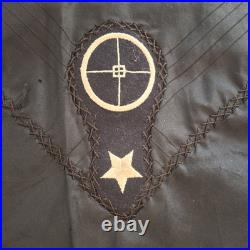
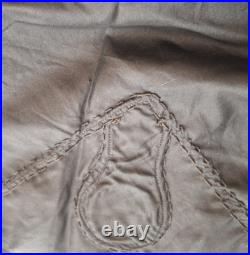
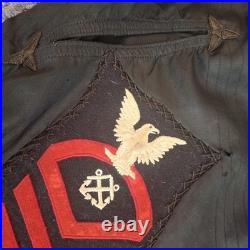
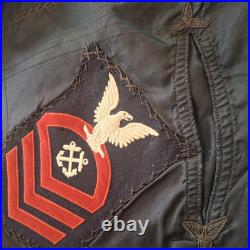
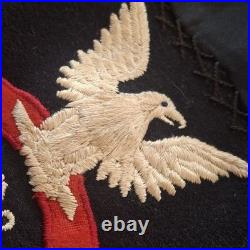
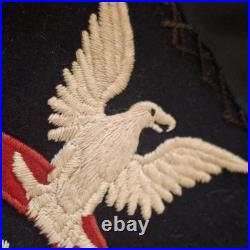
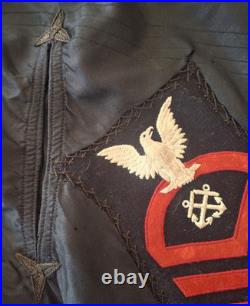
US Navy WW1 Era Rare Sweet Heart Apron from USS Frederick. The waist band is a sailor’s hat tally for the USS Frederick (true to period). The Navy eagles on the rates match the period (raised embroidery with eagle head pointing up over wing). This apron was beautifully hand stitched from sailor’s scarves and it is a unique and rare piece of history. The USS Frederick was originally commissioned as the USS Maryland in 1905 as an Armored Cruiser (ACR-8). As well, it had the honor of transporting the US Olympic team to Belgium in 1920. There is some minor “mothing” holes in apron but it is in overall excellent condition. I describe and represent all items to the best of my ability, please don’t hesitate to contact me if you have questions or need further information.

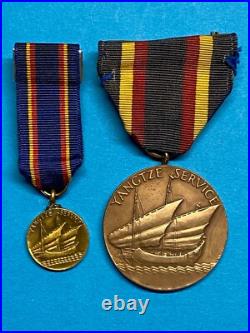
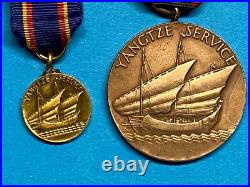
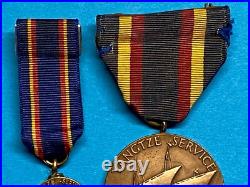
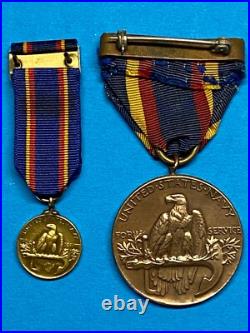
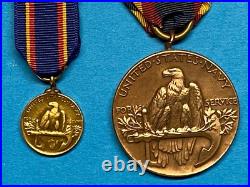
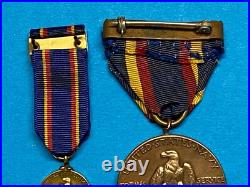
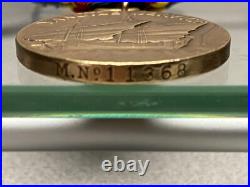
NAVY, YANGTZE SERVICE MEDAL, M. 11368, FULL WRAP BROOCH, CHINA SAILORS and MINIATURE MEDAL. Numbered on the rim of the medal at the six O’clock position M. Made by the U. Includes the Miniature medal. Ribbon Drape Tested U. The bronze medallion features a Chinese junk asail. ” The reverse side depicts a left-facing eagle perched on an anchor, and text reads “UNITED STATES NAVY” and “FOR SERVICE. The ribbon is dark blue with two sets of red and gold stripes. To commemorate the services performed by the personnel of the Navy and Marine Corps during the operations in the valley of the Yangtze River, China, in 1926 and 1927, and 1930 and 1932, a medal to be known as the “Yangtze Service Medal” will be issued to the officers and enlisted men who participated in those operations. The period for which these medals will be issued is from 3 September 1926 to 21 October 1927, and from 1 March 1930 to 31 December 1932, and any officer or enlisted man of the Navy or Marine Corps who served on shore at Shanghai or in the valley of the Yangtze River, China, with a landing force during these periods or part of such periods is entitled to this medal, as are the officers and enlisted men who were attached to the vessels mentioned in the following list between the dates appearing beside and below each vessel. No officer or enlisted man is entitled to more than one such medal. Also awarded to members of the Army’s 31st Infantry, who were authorized the Marine Corps Yangtze Service Medal for service at Shanghai from the period February 5 to July 1, 1932.

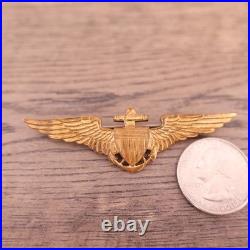
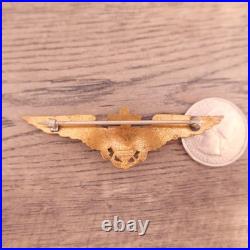
In good shape with minor wear. If you have any problems upon receiving your item, please contact me so that I can help. See pictures for details. Quarter in Picture for scale.