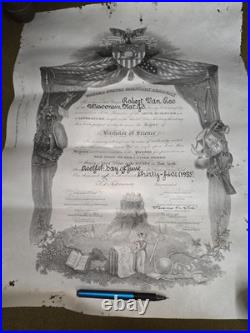
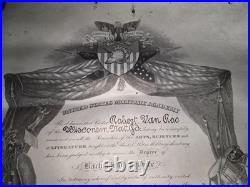
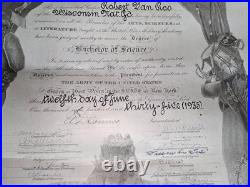
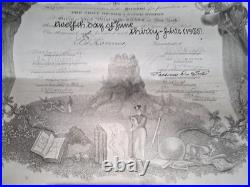
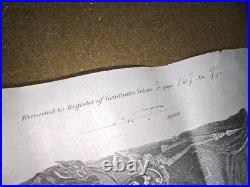

What a gorgeous poster sized certificate! This was made out to Robert Van Roo who was in the Wisconsin National Guard. He graduated with a bachelor degree in Science. This is another of those one of a kind pieces so don’t wait long! Please note that there are various wear holes on the certificate poster.

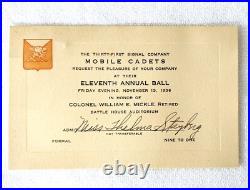
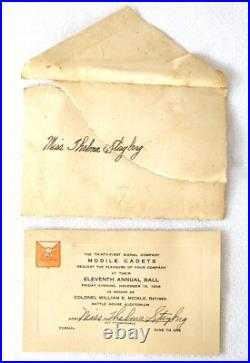

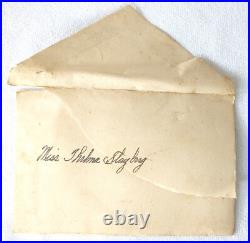
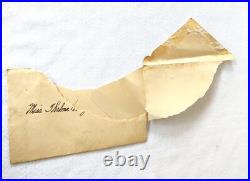
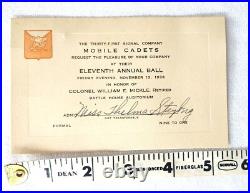
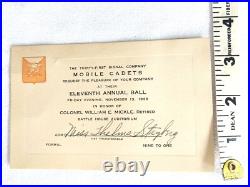
Mobile Cadets 31st Signal Co. Vintage Formal Military Ball Invitation 1936. In Honor of Colonel William E Mickle Retired. The envelope is ripped obviously as seen in the photos. FEEDBACK: We strive to earn positive 5 star feedback for all items. We will leave the same for all good buyers. If you feel we deserve anything less please send us a message before leaving anything less or opening a case and we will fix the issue within 24 hours.

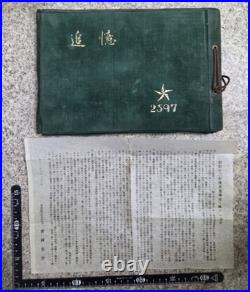
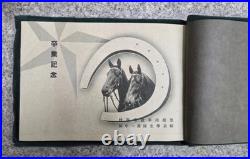
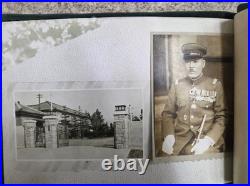
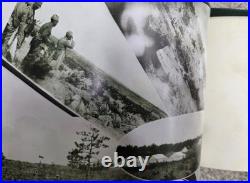
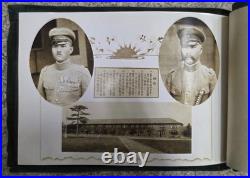
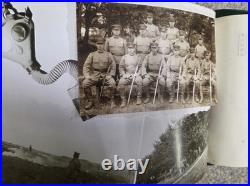
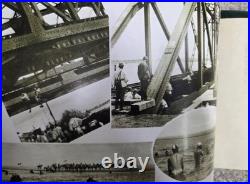
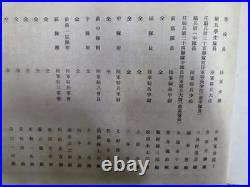
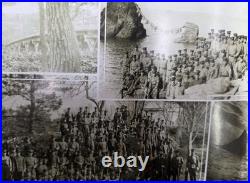
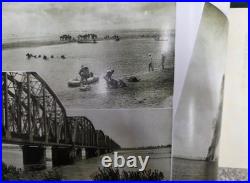
This is an original Imperial Japanese Army training photo album from. Koki 2597 (1937) – the year immediately before the full outbreak of the Second Sino-Japanese War. The album documents the 1st Cavalry Student Company of the. Toyohashi Imperial Japanese Army Instructor School, an elite military education institution responsible for training future officers and instructors. What “2597” Means (Very Important). The number 2597 on the cover refers to the Japanese imperial calendar (Koki). Koki 2597 = 1937 (Showa 12). 1937 marks a critical turning point in Japanese military history. Rapid transition from theoretical training to real combat-oriented education. Preparation for large-scale ground warfare in China. Emphasis on modern combined-arms tactics. Historical Context (Why This Album Matters). By 1937, the Imperial Japanese Army was urgently preparing officers for. River crossings under combat conditions. Chemical warfare (poison gas training & gas masks). Bridge demolition and sabotage operations. Reconnaissance and scouting missions. Cooperation with aircraft and engineering units. This album visually records those exact training doctrines, making it a primary historical source, not a later compilation. Contents & Scenes Shown. River crossing exercises (real rivers, not staged). Bridge demolition training (Tenryu River steel bridge). Gas warfare drills with masks. Field camps and long-term maneuvers. Military facilities and school buildings. Portraits of officers and trainees. Group photographs of entire units. These are not ceremonial photos – they depict operational training. The album includes images related to Major General Kanji Tsuneoka. A senior Imperial Japanese Army officer. The presence of a general officer indicates this album was produced within an official military education framework, not as a private souvenir. About the Toyohashi Army Instructor School. Unlike regular army units, this school trained. Core personnel responsible for spreading doctrine across the army. Graduates were expected to lead and teach, especially during wartime expansion. Wear, aging, and paper deterioration consistent with age. Why This Album Is Rare. After World War II. Most Japanese military education materials were destroyed or discarded. Albums documenting chemical warfare and demolition training were especially rare. This makes the album a scarce visual record of pre-war Japanese military doctrine. This is a genuine 1937 Imperial Japanese Army training photo album capturing the moment Japan shifted into full wartime posture. A highly desirable piece for. Researchers of pre-war Japanese doctrine. Approximate 7-21days(To USA).

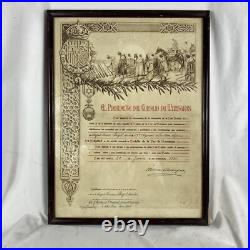
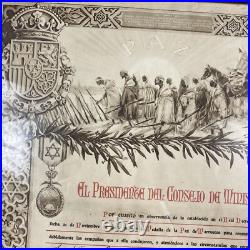

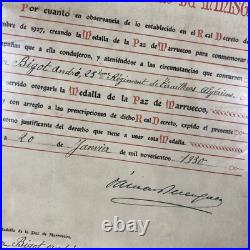
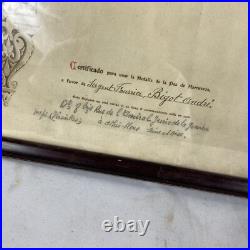

Original Rif War 1927 Spanish Pax Medal Diploma Framed Named French Algerian Tirailleur.

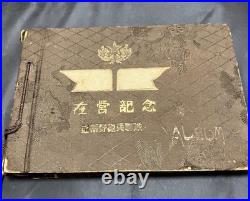
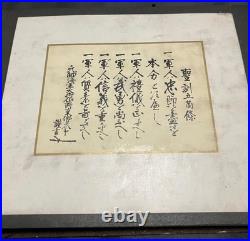
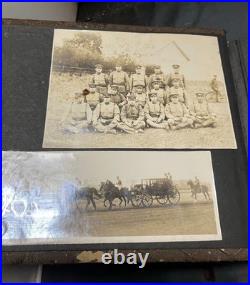

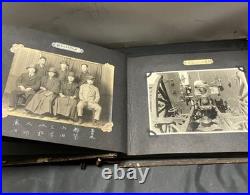

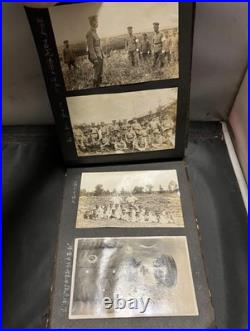
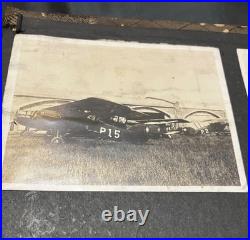
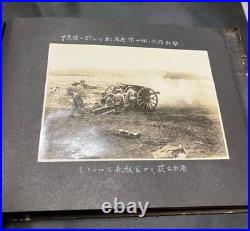
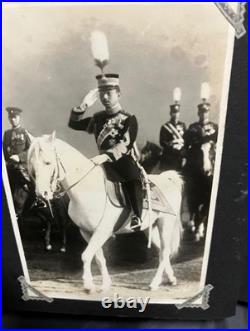
Original pre-WWII Japanese photo album. Compiled by a member or affiliate of the. Imperial Guard Field Artillery Regiment. The cover bears the original Japanese inscription. Commemorative Album – Imperial Guard Field Artillery Regiment. Unlike mass-produced publications, this album was. Privately assembled as a service memento. Most likely kept by someone who actually served in the unit. Albums of this nature were. Making surviving examples uncommon. Based on uniforms, insignia, ceremonial dress, and photographic style, the images are. Estimated to date from the late Taisho to early Showa period (circa late 1920s-early 1930s). This was a time when the Imperial Guard was maintained as a. Closely associated with the capital and imperial institutions. Please note: the exact year is not stated; this is a historically informed estimate. About the Imperial Guard Field Artillery. Belonged to Japan’s Imperial Guard Division, a unit distinct from ordinary regional formations. Stationed primarily around Tokyo. Emphasized discipline, appearance, and ceremonial standards. Personnel were carefully selected. Records and commemorative items were typically produced in. As a result, albums connected to Imperial Guard units tend to be. Than those of standard field regiments. Over 100 original photographs. Officers, non-commissioned officers, and enlisted men. Group portraits and individual studio photos. Mounted officers in full dress. Artillery equipment, training scenes, and barracks life. Likely added by the original owner. The photographs are mounted on original black album pages and appear untouched since the pre-war era. Album cover and binding show noticeable wear consistent with age. No major losses or removed photographs observed. Honest and stable for a pre-WWII private album. Historical & Collecting Value. This album offers a. Coherent, first-hand visual record. Of a specific Imperial Guard unit during the interwar period. It is well suited for. Researchers of Imperial Japan. Photo and archival collections. Museums or reference libraries. This item is offered strictly as a. No restoration or alteration has been performed. International Buyers – Please Note. Thank you for your understanding.

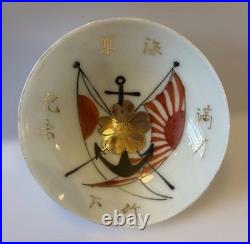
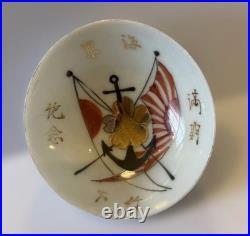
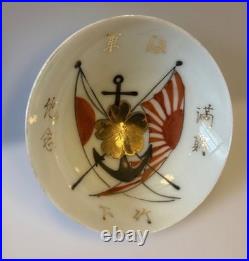
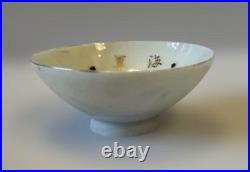
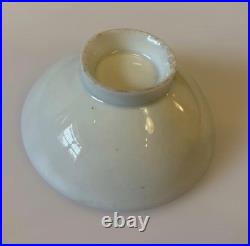

This is an original Imperial Japanese Navy ceremonial sake cup, produced during the Taisho to early Showa period (circa 1910s-1930s). The cup was presented to a Navy serviceman to commemorate the successful completion of his full term of military service. The following characters are written inside the cup in gold. (Imperial Japanese Navy). (Completion of service / full term). (“Otake” – a personal name). The presence of a personal name strongly suggests this cup was awarded to an individual sailor, making it more desirable than generic commemorative pieces. The interior features a classic Imperial Japanese Navy motif. Anchor – symbol of the Navy. Rising Sun flag – official national and military emblem of the period. Cherry blossom in gold gilt – representing honor, duty, and the fleeting nature of life. This combination is widely recognized as a formal Navy discharge commemorative design. Why Imperial Japanese Navy Items Are Rare. Compared to the Army, the Imperial Japanese Navy maintained only about one-tenth of the personnel strength. As a result, Navy commemorative items were produced in much smaller numbers, and surviving examples are significantly scarcer than Army equivalents. Named discharge cups like this one are especially difficult to find today. Cultural Significance of Sake Cups. In pre-war Japan, sake cups were not everyday tableware. They were used to mark important life milestones, including military enlistment, departure, return, and honorable discharge. This cup represents a deeply personal moment. The end of military duty and a safe return to civilian life – preserved in ceramic form. No cracks or major chips. Minor surface wear and light fading of gold due to age. Overall well-preserved for its period. Please refer to photos for details. A genuine historical artifact suitable for collectors of. Imperial Japanese Navy items, military memorabilia, pre-war Japanese ceramics, or Showa-era history. International Buyers – Please Note. Thank you for your understanding.

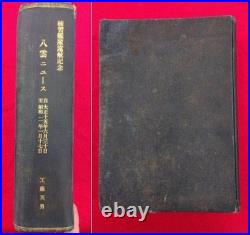

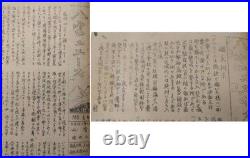
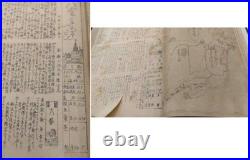
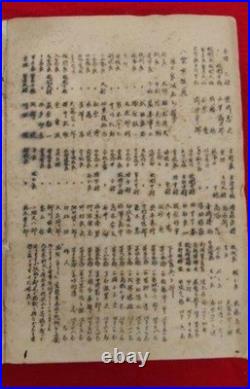
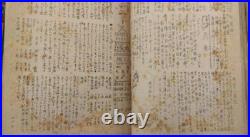
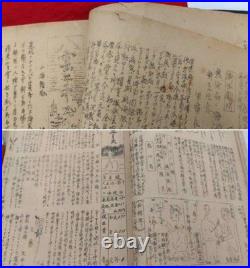
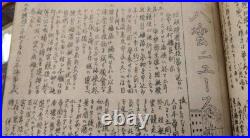
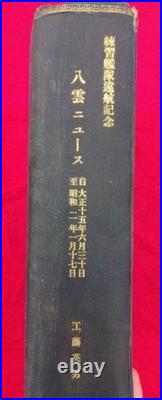
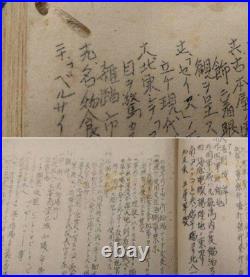
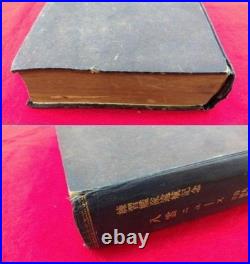
This is an original overseas voyage log from the Imperial Japanese Navy armored cruiser YAKUMO, covering a long-distance training cruise conducted between 1926 and 1927 – a turning point period between the Taisho and early Showa eras. What is written on the spine? The gold lettering on the spine reads. “Commemoration of the Completion of a Training Cruise”. This book was compiled to commemorate the successful completion of an overseas training voyage. From June 13, 1926 (Taisho 15). To January 17, 1927 (Showa 2). This clearly shows that the book is not a later reprint, but a contemporary naval record created during the actual service period. YAKUMO was an armored cruiser of the Imperial Japanese Navy, originally commissioned in the early 1900s. Later reassigned as a training cruiser, responsible for overseas voyages to educate young naval officers. By the 1920s, YAKUMO represented Japan abroad as a floating symbol of naval professionalism. Contents and Historical Value. Unlike battle reports, this diary focuses on daily naval life and real operations, including. Coal loading and fuel management in the coal-fired warship era. Sanitation and disease prevention during long voyages. Foreign port visits and international interactions. Cutter races and onboard training activities. Practical notes on navigation, climate, and logistics. It offers a rare, human-scale view of how sailors actually lived and worked at sea before modern mechanized warfare. This voyage took place before relations between Japan and Western countries deteriorated. Japanese warships regularly visited foreign ports. Naval cruises functioned as both training missions and diplomatic presence. International cooperation was still part of naval culture. As such, this book captures a calmer, outward-looking phase of the Imperial Japanese Navy, making it especially valuable to collectors and researchers. Due to age, the book shows. No missing pages confirmed. Please refer to photographs for exact condition. This is not just a book, but a firsthand naval record documenting. Pre-WWII global naval operations. Everyday life aboard an Imperial Japanese Navy cruiser. Highly recommended for collectors of naval history, maritime records, and pre-WWII Japanese military materials. International Buyers – Please Note. Thank you for your understanding.

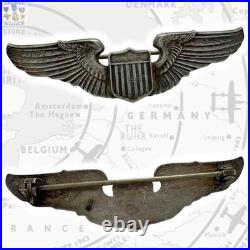
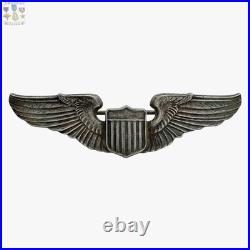

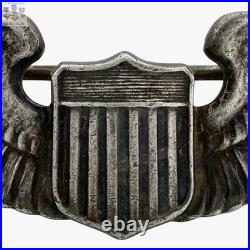
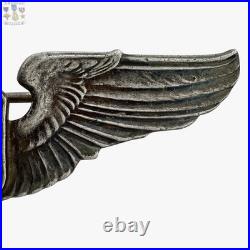
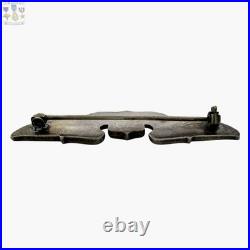


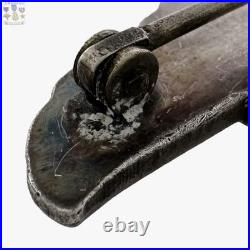
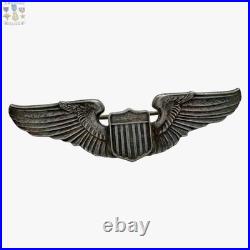
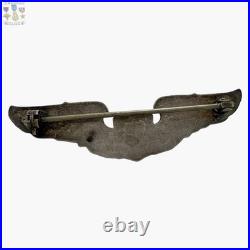
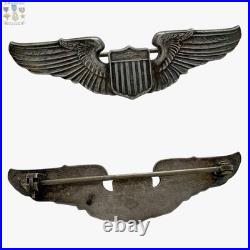
ORIGINAL 1920’S INTERWAR PERIOD UNITED STATES ARMY AIR CORPS PILOT WINGS, 3 INCH FULL SIZE, PIN-BACK. WEIGHT: 24 GRAMS UNMARKED STERLING. During World War II, with the rise of the Army Air Forces, a second series of aviator badges were issued to include a design that has survived to the modern day. The Pilot Badge was issued in three degrees, including Pilot, Senior Pilot, and Command Pilot. A polished silver colored version of these badges is currently used as the United States Air Force Pilot Badges. From August 1941 to November 1942, the Enlisted Aviator program was restarted. Candidates had to be at least 18, possess a high school diploma, and have graduated at the top of their high school class. Graduates were rated as Flight Staff Sergeants or Flight Technical Sergeants and wore the same pilot’s wings as officers. They were usually assigned to pilots of transport and auxiliary aircraft to free officer pilots to pilot the more prestigious fighters and bombers. Auxiliary pilots received their own special wings to indicate their status and specialty. In November 1942 all enlisted pilots were promoted to Flight Officer rank and enlisted cadets were graded as Flight Officers or Second Lieutenants depending on merit. Please let me know if there’s anything else I can do for you!

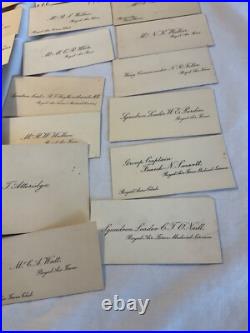
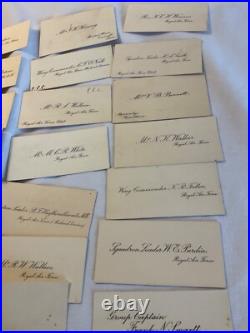
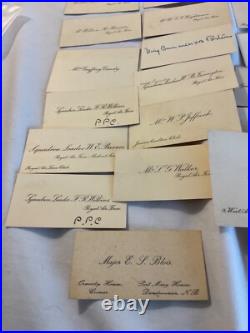
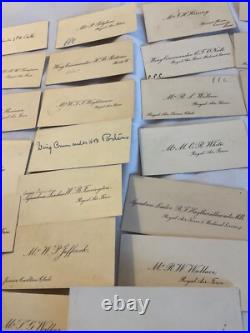
Also, once an item is brought I will no alter any information on any form. All items will have a confirmation number. Feedback will not be sent until I receive feedback. Please feel free to read my feedback. I’m very proud of my feedback. I sell military collectables. If you choose to wear or actually use items, it is at you own risk.